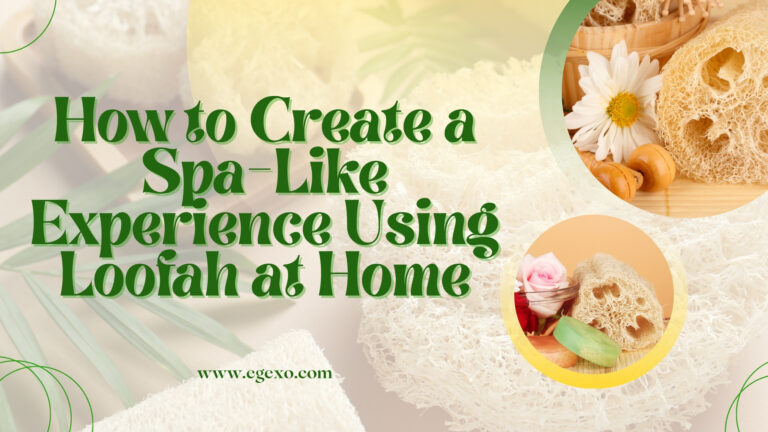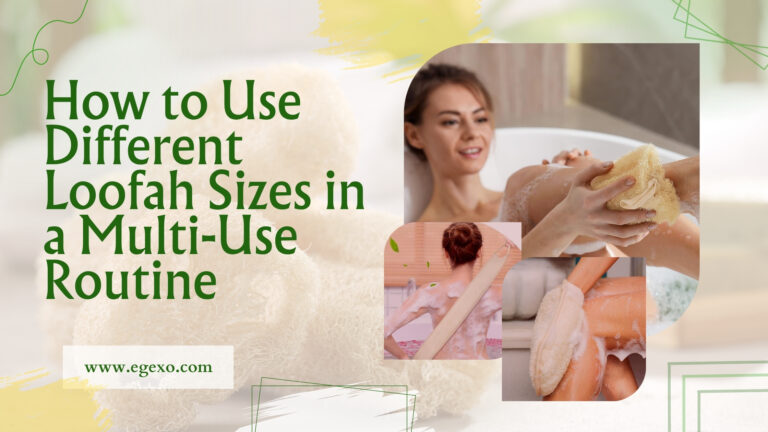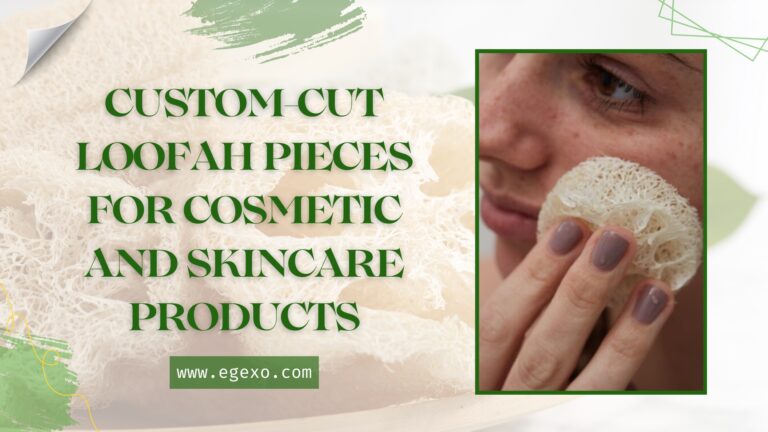
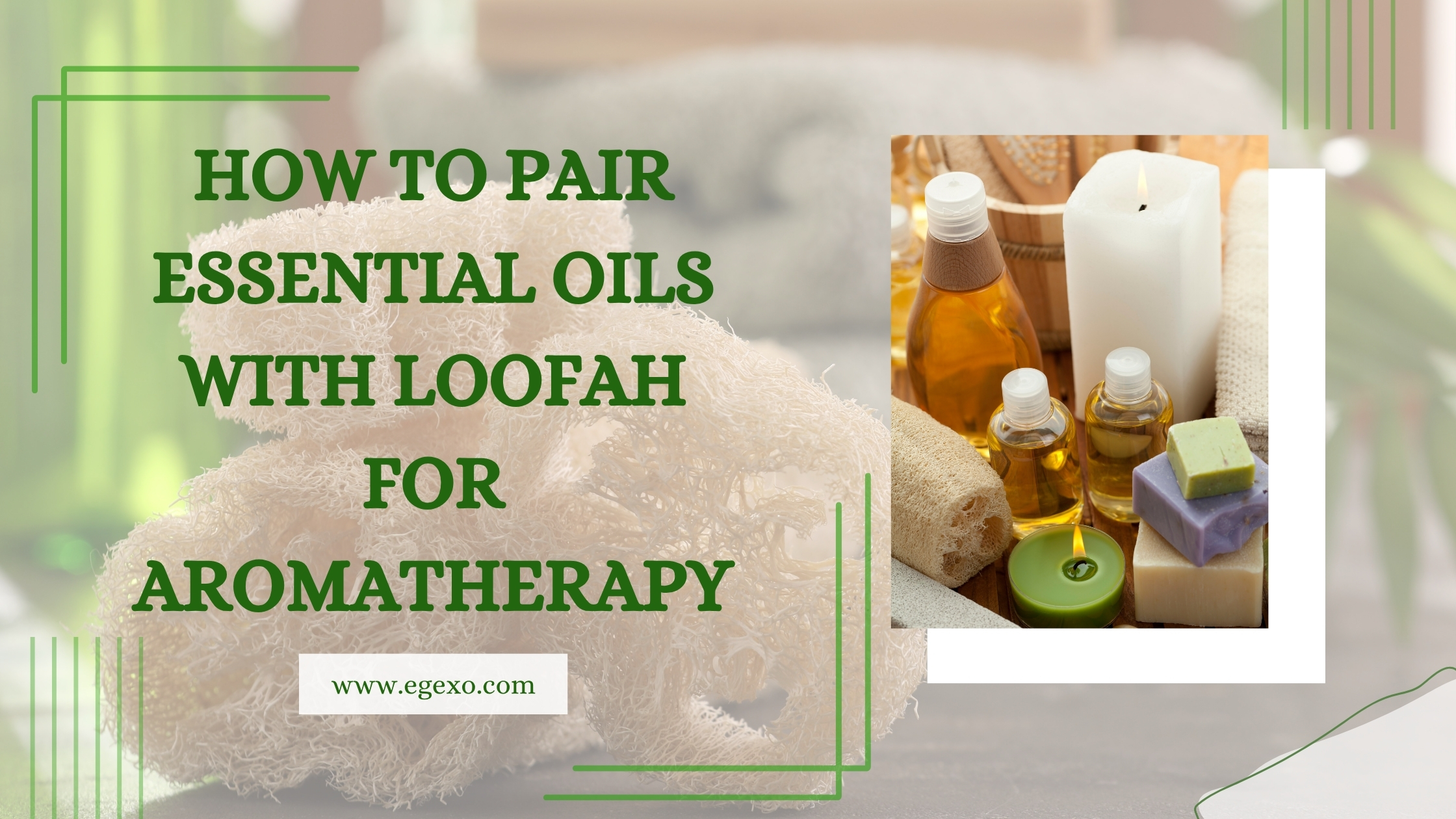
How to Pair Essential Oils with Loofah for Aromatherapy
Why This Pairing Is Transforming Bath and Wellness Routines
The global aromatherapy market reached USD 2.3 billion in 2023 and is projected to grow at a compound annual rate of 7.5 percent through 2030. At the same time, demand for natural bath tools has surged, with consumers and spa professionals alike searching for sustainable, effective ways to elevate their wellness routines. Learning how to pair essential oils with loofah is one of the most practical and impactful skills you can add to your self-care or business toolkit.
A natural loofah is not simply a scrubbing tool. Its open fibrous structure, derived from the dried fruit of the Luffa aegyptiaca plant, acts as a natural reservoir and diffuser for essential oils. When the two are combined correctly, the loofah releases the oil gradually across the skin during exfoliation, maximizing absorption and therapeutic benefit.
For spa owners and wellness retailers, this pairing creates a premium product experience that commands higher prices, reduces single-use waste, and builds brand loyalty. For individual consumers and eco-conscious shoppers, it is a low-cost, biodegradable upgrade to any shower or bath ritual.
At Egexo, with 10 years of experience growing and exporting Egyptian loofah, we have watched this pairing evolve from a niche spa practice into a mainstream wellness trend. In this guide, you will learn exactly which essential oils work best with loofah, how to apply them correctly, what product quality factors matter most, and how to source or stock the right loofah for this purpose.
What Makes Egyptian Loofah the Ideal Carrier for Essential Oils
Not every loofah performs equally when paired with essential oils. The fibrous density, surface texture, and moisture retention capacity of the loofah all determine how well it absorbs and releases oil during use.
The Structure That Sets Egyptian Loofah Apart
Egyptian loofah, grown primarily in the Nile Delta region, is widely recognized as the gold standard in the global loofah trade. The combination of rich alluvial soil, consistent temperatures, and centuries of agricultural expertise produces a loofah fiber that is denser, more uniform, and more durable than varieties grown in other regions.
The natural cylindrical cells within Egyptian loofah fibers create a capillary network that draws essential oil deep into the sponge during soaking. This means the oil is not simply sitting on the surface. It is stored within the structure and released gradually as the loofah flexes against the skin during use. This is precisely the mechanism that makes aromatherapy loofah treatments so effective.
For businesses evaluating suppliers, this structural quality translates directly to customer satisfaction scores, product longevity, and the ability to market the loofah as a functional aromatherapy tool rather than a commodity bath accessory. You can review Egexo’s full quality standards at egexo.com/loofah-quality-standards and trace the entire process from cultivation to export at egexo.com/loofah-farm-to-export-process.
Loofah Grades and Their Oil Absorption Capacity
| Grade | Fiber Density | Oil Retention | Best Use Case | MOQ (Units) |
|---|---|---|---|---|
| Premium A | High | Up to 8 hours post-soak | Spa and wellness centers | 500 |
| Grade B | Medium-High | 5 to 6 hours post-soak | Retail consumer products | 1,000 |
| Grade C | Medium | 3 to 4 hours post-soak | Budget retail, gifting | 2,000 |
| Raw / Unprocessed | Variable | Depends on preparation | DIY, bulk processing | 500 kg |
Premium A-grade Egyptian loofah, available through Egexo’s Bath and Body Loofah collection, consistently outperforms synthetic alternatives in oil retention tests by a margin of 40 to 60 percent, based on internal testing conducted across Egexo’s export quality control process.
How to Pair Essential Oils with Loofah: A Step-by-Step Method
The process of pairing essential oils with loofah is straightforward, but the details matter significantly. Whether you are preparing a single loofah for personal use or formulating a spa treatment protocol for a commercial facility, the following steps ensure optimal results.
Step 1: Choose the Right Loofah
Start with a natural, plant-based loofah. Synthetic or plastic-mesh bath poufs do not absorb or retain essential oils. For aromatherapy purposes, a cylindrical or flat Egyptian loofah between 10 cm and 20 cm in length provides the best surface area for oil distribution.
New loofahs should be soaked in warm water for five to ten minutes before first use to open the fiber structure and maximize absorption capacity.
Step 2: Select Your Essential Oil Blend
The essential oil you choose should match the therapeutic goal of the session. Below is a practical reference guide for matching oils to outcomes.
| Therapeutic Goal | Recommended Essential Oil | Dilution in Carrier Oil | Session Duration |
|---|---|---|---|
| Relaxation and sleep | Lavender | 2 to 3 percent | 10 to 15 minutes |
| Energy and focus | Peppermint or Eucalyptus | 1 to 2 percent | 5 to 10 minutes |
| Skin nourishment | Rosehip with Frankincense | 3 to 5 percent | 10 to 15 minutes |
| Muscle relief | Eucalyptus or Clary Sage | 2 to 3 percent | 10 to 20 minutes |
| Mood elevation | Sweet Orange or Bergamot | 2 to 3 percent | 10 to 15 minutes |
| Detox and cleansing | Tea Tree with Lemon | 1 to 2 percent | 5 to 10 minutes |
Always dilute pure essential oils in a carrier oil such as jojoba, sweet almond, or fractionated coconut oil before applying to the loofah. Undiluted essential oils can cause skin irritation and may degrade the loofah fiber more rapidly.
Step 3: Apply the Oil to the Loofah
For personal use, add 5 to 8 drops of your diluted blend directly onto a damp loofah. Allow it to absorb for 30 seconds before beginning your scrub. For a deeper soak method, mix 10 to 15 drops of diluted oil into a bowl of warm water and submerge the loofah for two to three minutes.
For commercial spa applications, a standardized dispensing protocol ensures consistency across treatments. Egexo recommends training spa staff to use measured pipettes or pre-portioned oil sachets to maintain reliable results and reduce product waste.
Step 4: Apply to Skin Using Circular Motions
Work the loofah across the skin using slow, circular motions. Begin at the feet and move upward toward the heart. This technique supports lymphatic drainage, which amplifies the detoxifying benefits of oils such as grapefruit or juniper berry.
Avoid using the loofah on broken skin, sunburned areas, or the face unless the loofah is specifically designed for facial use. Egexo produces softer-grade facial loofahs for exactly this purpose, available in the body loofah category.
Step 5: Rinse and Dry the Loofah Properly
After each use, rinse the loofah thoroughly under running water to remove oil residue and dead skin cells. Squeeze gently and hang it in a well-ventilated area to dry completely. A loofah that is stored wet will develop mold and bacteria within 24 to 48 hours, regardless of the antimicrobial properties of certain essential oils.
For businesses offering loofah aromatherapy as a service, a single-use policy or a rigorous sanitation protocol between client uses is strongly recommended.
The Best Essential Oils for Loofah Aromatherapy: A Detailed Breakdown
Understanding which oils deliver the strongest results when paired with loofah helps both product developers and individual users make smarter decisions.
Lavender: The Universal Starter Oil
Lavender essential oil is the most widely used oil in aromatherapy for good reason. Studies published in peer-reviewed journals have demonstrated measurable reductions in cortisol levels and self-reported anxiety following topical and inhalation exposure to linalool, the primary active compound in lavender.
When applied to a loofah, lavender releases its scent through a combination of skin warmth and water vapor during the shower, creating a dual inhalation-and-absorption experience that is distinctly more effective than a diffuser alone.
For spa retailers building a starter aromatherapy loofah kit, lavender-paired loofahs are the safest first product because of their universal appeal and low risk of skin sensitivity reactions.
Eucalyptus: The Respiratory and Muscle Aid
Eucalyptus oil is particularly effective in steam-heavy environments such as showers and steam rooms. The combination of heat, steam, and eucalyptus-infused loofah exfoliation creates a therapeutic experience that spa clients consistently rate among their most memorable treatments.
The compound 1,8-cineole in eucalyptus has well-documented bronchodilatory properties, making this pairing especially popular in winter wellness menus and post-exercise recovery protocols.
Tea Tree: The Hygiene and Antimicrobial Essential Oil
Tea tree oil, derived from the Australian Melaleuca alternifolia plant, carries clinically documented antimicrobial and antifungal properties. When used on a loofah, it adds a functional hygiene layer to the exfoliation ritual, which is particularly valuable for clients with oily skin or those recovering from minor skin conditions.
Importantly for B2B buyers, loofahs marketed with tea tree oil pairing carry a functional hygiene claim that differentiates them in retail environments and supports a higher retail price point.
Peppermint and Bergamot: The Energy Pairing
Peppermint activates cold receptors in the skin even at room temperature, creating an invigorating sensation that pairs perfectly with the physical stimulation of loofah exfoliation. Bergamot adds a citrus-floral uplift that makes this combination ideal for morning routines and spa services offered at the start of the day.
Aromatherapy Loofah Kits: A Business Opportunity for Wholesale Buyers
The aromatherapy loofah kit segment is one of the fastest-growing categories in the natural wellness market. According to industry analysis, bundled bath and wellness products grew 18 percent year-over-year in the 2022 to 2024 period, outpacing single-item bath product sales by a factor of three.
What to Include in an Aromatherapy Loofah Kit
A well-designed aromatherapy loofah kit typically includes the following components:
- One premium Egyptian loofah (natural, unbleached)
- Two to three curated essential oil blends in 10 ml bottles
- One carrier oil (jojoba or sweet almond) in 30 ml
- A printed usage guide with dilution ratios
- Branded packaging with sustainability messaging
For businesses considering private label development, Egexo offers a complete custom product design service that includes branded loofah production, packaging design, and export documentation. You can explore this at egexo.com/custom-loofah-product-design.
Profit Margin Analysis for Aromatherapy Loofah Kits
| Kit Component | Wholesale Cost (USD) | Typical Retail Price (USD) | Margin |
|---|---|---|---|
| Premium Egyptian Loofah (bulk) | 0.80 to 1.50 per unit | 4.00 to 8.00 | 70 to 80 percent |
| Branded Kit (loofah + oils + packaging) | 4.00 to 7.00 per set | 18.00 to 35.00 | 70 to 80 percent |
| Spa Single-Treatment Use | 2.00 to 3.50 per use | 15.00 to 30.00 per treatment | 75 to 85 percent |
These margins make aromatherapy loofah products among the most profitable natural wellness items a spa, retailer, or wellness brand can carry. For bulk pricing and minimum order quantities, visit egexo.com/get-quotation-loofah-wholesale or download the full product catalog.
Quality and Safety Standards for Aromatherapy Loofah Products
Whether you are a consumer buying a single loofah or a distributor sourcing ten thousand units, the same quality factors determine whether the product is safe, effective, and appropriate for aromatherapy use.
Supplier Evaluation Checklist for B2B Buyers
| Criteria | What to Verify | Why It Matters for Aromatherapy Use |
|---|---|---|
| Loofah species | Luffa aegyptiaca or Luffa cylindrica | Species determines fiber density and oil retention |
| Processing method | Sun-dried, unbleached preferred | Bleaching degrades fiber and blocks oil absorption channels |
| Pesticide testing | Request certificate of analysis | Residues interact negatively with essential oils |
| Moisture content at export | Below 12 percent | Higher moisture leads to mold when oils are applied |
| MOQ flexibility | 500 to 2,000 units for initial orders | Allows testing before large commitment |
| Lead time | 2 to 4 weeks standard | Critical for product launch timelines |
| Private label capability | Confirmed packaging and branding options | Required for branded aromatherapy kit development |
Egexo meets all of these criteria as a verified Egyptian loofah exporter with clients in over 40 countries. Review the complete trust profile at egexo.com/why-choose-egexo-loofah-supplier.
Consumer Safety Guidelines
For individual users, the following safety principles apply to every aromatherapy loofah session:
- Always perform a patch test with any new essential oil before full-body application
- Never use undiluted essential oils directly on the loofah or skin
- Pregnant women, young children, and individuals with sensitive skin should consult a healthcare provider before using therapeutic essential oils
- Replace your loofah every three to four weeks, or sooner if discoloration or odor appears
- Do not share loofahs between users, even with antimicrobial oils applied
Natural vs. Synthetic Loofahs for Aromatherapy: The Clear Winner
Some consumers and businesses consider synthetic mesh poufs as a lower-cost alternative to natural loofahs. For general exfoliation, the difference is manageable. For aromatherapy use specifically, the contrast is significant.
| Feature | Natural Egyptian Loofah | Synthetic Mesh Pouf |
|---|---|---|
| Essential oil absorption | Excellent, deep fiber retention | Minimal, surface-level only |
| Aromatherapy effectiveness | High, sustained release during use | Low, oil dissipates quickly |
| Biodegradability | 100 percent plant-based | Non-biodegradable plastic |
| Skin feel during exfoliation | Progressive, customizable | Uniform, no variation |
| Lifespan with proper care | 4 to 6 weeks | 4 to 8 weeks |
| Allergen risk | None (unless mold develops) | Potential plastic compound sensitivity |
| Sustainability marketing value | Very high | Very low |
For any business marketing aromatherapy products, natural Egyptian loofah is the only logical choice. Its fiber structure, sustainability profile, and cultural authenticity align perfectly with the values of the modern wellness consumer.
Explore the full range of natural bath loofahs and spa-specific products at egexo.com/shop or browse the dedicated Pet and Spa Grooming Loofah category for professional-grade options.
How to Build an Aromatherapy Loofah Routine That Actually Works
Consistency is the key factor separating people who benefit from aromatherapy loofah use and those who do not. The following routine is designed for maximum benefit with minimum daily effort.
Weekly Aromatherapy Loofah Schedule
| Day | Essential Oil Blend | Target Benefit | Session Length |
|---|---|---|---|
| Monday | Peppermint plus Rosemary | Energy and focus for the week | 8 minutes |
| Wednesday | Lavender plus Chamomile | Midweek stress relief | 12 minutes |
| Friday | Sweet Orange plus Bergamot | Mood lift before the weekend | 10 minutes |
| Sunday | Eucalyptus plus Tea Tree | Deep cleanse and reset | 15 minutes |
This four-session weekly structure is also the foundation of many spa membership programs. For wellness centers considering a signature aromatherapy loofah membership package, this framework can be adapted directly into a premium weekly treatment offering.
You can source the loofahs needed for this type of program in bulk from egexo.com/product-category/body-loofah, or request samples before committing to a volume order at egexo.com/request-loofah-samples.
FAQ Section
Q1: How do you pair essential oils with loofah for aromatherapy at home? To pair essential oils with loofah for aromatherapy at home, dilute 5 to 8 drops of your chosen essential oil in a teaspoon of carrier oil such as jojoba or sweet almond. Apply the blend directly onto a damp natural loofah and let it absorb for 30 seconds. Use the loofah in gentle circular motions during your shower or bath. The heat and steam amplify the aromatic release, creating a dual exfoliation and aromatherapy experience. Always rinse the loofah thoroughly after use and hang it to dry completely.
Q2: Which essential oil is best for a beginner pairing with loofah? Lavender essential oil is the best starting choice for anyone new to aromatherapy loofah use. It is universally tolerated, widely available, and delivers consistent relaxation benefits through both skin absorption and inhalation during a shower. A 2 to 3 percent dilution in jojoba carrier oil applied to a damp Egyptian loofah gives a reliable, pleasant experience without risk of skin irritation for most users.
Q3: Can wholesale buyers create branded aromatherapy loofah kits using Egyptian loofah? Yes. Egyptian loofah, particularly from suppliers like Egexo, is an ideal base for private-label aromatherapy kits. The fiber quality supports extended oil retention, the natural aesthetic aligns with wellness branding, and the biodegradable composition satisfies eco-conscious consumer demands. Egexo offers private labeling services with minimum order quantities starting from 1,000 units, custom packaging design, and full export documentation for international buyers.
Q4: How long does the essential oil scent last on a loofah? On a Premium A-grade Egyptian loofah, a diluted essential oil application can retain its aromatic properties for up to 8 hours in storage before use. During active use in a warm shower, the scent release typically lasts the full duration of the session, which is 10 to 20 minutes for most users. Oils with higher evaporation rates, such as peppermint, dissipate faster than base notes like sandalwood or vetiver.
Q5: Is it safe to use essential oils on a loofah for children or sensitive skin? Essential oils should be used with caution for children under 10 and individuals with sensitive skin conditions. For these users, choose gentler oils such as diluted lavender or chamomile at a 1 percent dilution or lower, and always conduct a patch test before full-body use. Avoid peppermint, eucalyptus, and tea tree oils on children under 10, as these oils contain compounds that can cause respiratory sensitivity in young children.
Q6: What is the minimum order quantity for aromatherapy-grade Egyptian loofah from Egexo? Egexo has no MOQ on standard products, whether Premium A-grade body loofahs or Grade B retail-quality loofahs. Raw loofah orders are available from 500 kg. For businesses developing aromatherapy loofah kits, sample orders are available prior to bulk commitment. Visit egexo.com/request-loofah-samples to order samples and evaluate fiber quality before placing a wholesale order.
Q7: Can a loofah replace a traditional aromatherapy diffuser? A loofah cannot fully replace a diffuser for room-wide aromatherapy purposes, but it offers a more direct and targeted delivery method for skin-based aromatherapy. The combination of physical exfoliation, which opens pores and increases skin permeability, with essential oil application creates a transdermal absorption pathway that a room diffuser cannot replicate. For personal body care and therapeutic bathing, a loofah-oil pairing is often more effective than a diffuser for direct skin and respiratory benefits simultaneously.
Q8: How should spas store essential oil-infused loofahs for treatment use? Essential oil-infused loofahs intended for spa treatment use should be stored in a sealed, dry container away from direct sunlight and heat. Prepare the infused loofah no more than 24 hours in advance to preserve oil potency. Always use airtight, food-grade storage containers and label them with the oil blend and preparation date. For hygienic purposes in commercial spa settings, single-use loofahs or per-client sterilization protocols are strongly recommended.
Expert Insight from Egexo
After 10 years exporting Egyptian loofah to wellness markets across Europe, North America, and Asia, our team at Egexo has one consistent observation: the difference between a loofah that transforms an aromatherapy treatment and one that merely adds texture is almost entirely about fiber quality and moisture content at the point of processing.
Egyptian loofah grown in the Nile Delta benefits from mineral-rich soil and optimal growing seasons that produce a fiber structure with natural capillary channels approximately 30 to 40 percent wider than tropical-grown varieties. This structural advantage means more oil is retained per unit and released more gradually during use.
For spa professionals and product developers, we recommend requesting fiber density specifications alongside standard quality certificates. For home users, the simplest test is this: a quality loofah should absorb a teaspoon of water within 10 seconds of contact and release it slowly over 30 to 60 seconds of gentle squeezing. If it absorbs and releases faster than that, the fiber is too coarse for effective aromatherapy use.
Explore samples at egexo.com/request-loofah-samples before committing to bulk orders.
Conclusion
Learning how to pair essential oils with loofah opens a dimension of wellness that combines physical exfoliation, transdermal aromatherapy, and sustainable self-care into a single daily ritual. Egyptian loofah, grown and processed to the highest agricultural standards, provides the structural foundation that makes this pairing genuinely therapeutic rather than simply pleasant.
For businesses, the aromatherapy loofah category represents a high-margin, fast-growing product opportunity with strong alignment to current consumer values around sustainability, wellness, and natural ingredients. For individual users, it is one of the most affordable upgrades available to any bath or shower routine.
Key Takeaways:
- Natural Egyptian loofah absorbs and retains essential oils 40 to 60 percent more effectively than synthetic alternatives
- Dilution in a carrier oil is essential for safety and optimal aromatherapy results
- Lavender, eucalyptus, tea tree, peppermint, and bergamot are the five most effective oils for loofah pairing
- Aromatherapy loofah kits carry retail margins of 70 to 80 percent for wholesale buyers
- Proper drying and storage after each use extends loofah lifespan and hygiene safety
Ready to experience Egyptian loofah quality?
- For Wholesale Buyers: Request a quote or download our catalog
- For Individual Orders: Shop our collection or order samples