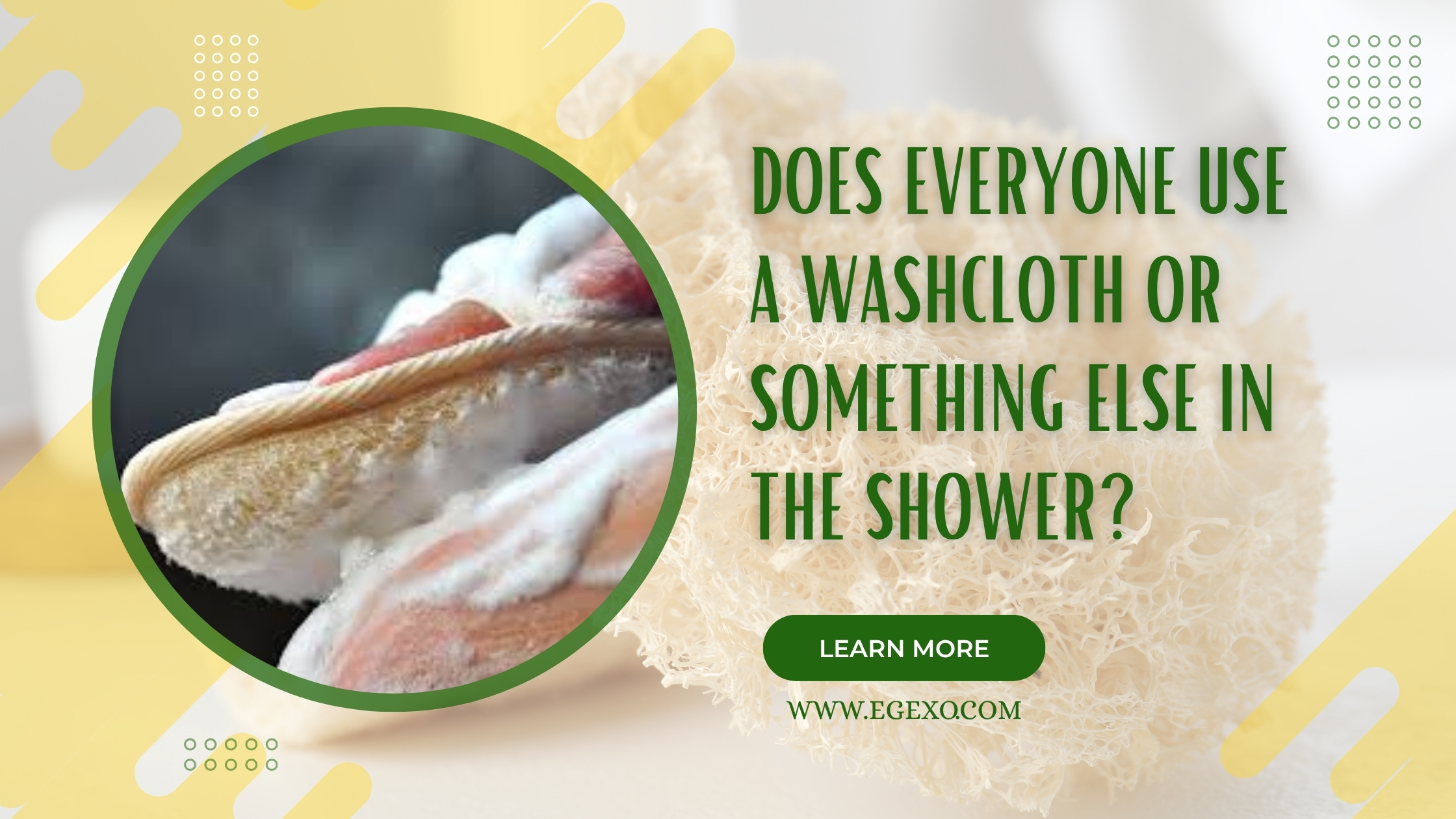
Does Everyone Use a Washcloth or Something Else in the Shower?
What People Really Use in the Shower Might Surprise You
Walk into any bathroom around the world and you will find a different story. Some people swear by a simple washcloth passed down through family habit. Others hang a mesh puff by the faucet without giving it a second thought. A growing number of people have made the switch to a natural loofah and have never looked back.
So does everyone use a washcloth or something else in the shower? The answer is no. Shower habits vary widely by country, age group, skin type, and personal values. A 2023 global hygiene survey found that fewer than 35 percent of adults rely on washcloths alone, while over 40 percent prefer some form of scrubbing tool, including natural sponges, loofah sponges, and exfoliating mitts.
For businesses in the spa, retail, and wellness space, understanding what consumers actually reach for in the shower is the foundation of smart product sourcing. For individual shoppers, knowing your options means you can make a better choice for your skin, your health, and the environment.
At Egexo, we have spent 10 years growing, processing, and exporting Egyptian loofah to buyers across Europe, North America, Asia, and beyond. We have watched shower culture shift dramatically toward natural, sustainable bathing tools, and we are here to help both consumers and wholesale buyers understand why that shift is happening and what it means for them.
This article covers everything you need to know: what the most common shower tools are, how they compare, why natural loofah has become the preferred choice for quality-conscious consumers and retailers alike, and how to make the best decision whether you are buying for your bathroom or for your business.
What Are the Most Common Shower Tools People Use?
The global bathing tools market is more diverse than most people realize. Before comparing options, it helps to understand what the main categories actually are and who uses them.
Washcloths and Bath Towels
Washcloths remain the most traditional tool in Western bathrooms, particularly in North America. They are soft, reusable, and easy to launder. However, they provide minimal exfoliation and retain moisture between uses, which creates a breeding ground for bacteria if not dried properly.
Many dermatologists now advise against using a damp washcloth repeatedly throughout the week without washing it daily. For hotels and spas managing high-volume linen turnover, this creates significant operational cost.
Plastic Mesh Puffs and Bath Sponges
Synthetic mesh puffs became popular in the 1990s and are still widely sold at mass retail prices. They lather soap quickly and provide moderate exfoliation. The problem is material: most are made from nylon or polyester, which do not biodegrade and shed microplastics into waterways with every use.
Studies estimate that a single synthetic bath puff can release hundreds of thousands of microplastic particles per wash cycle. For eco-conscious consumers and businesses building sustainable product lines, this is no longer acceptable.
Natural Sea Sponges
Natural sea sponges are gentle, naturally antimicrobial, and long-lasting. They are well-suited for sensitive skin but come at a premium price and face sustainability concerns due to overharvesting in some marine environments.
Natural Loofah Sponges
Natural loofah, derived from the Luffa aegyptiaca plant, is a fibrous gourd that grows abundantly in warm climates. Egypt is globally recognized as the leading producer of premium loofah, with the Nile Delta region providing ideal soil and climate conditions for cultivation.
A natural loofah provides firm exfoliation, promotes blood circulation, is 100 percent biodegradable, and can be composted after its useful life ends. For wholesale buyers, Egyptian loofah from Egexo offers consistent quality, customizable sizing, and reliable bulk supply.
Comparing Shower Tools: Which One Comes Out on Top?
Understanding the full picture means looking at each option side by side. The table below compares the most common bathing tools across the criteria that matter most to both consumers and business buyers.
| Shower Tool | Exfoliation Level | Eco-Friendly | Hygiene Risk | Average Lifespan | Best For |
|---|---|---|---|---|---|
| Washcloth | Low | Moderate | High if not washed daily | 6-12 months | Gentle daily cleansing |
| Synthetic Mesh Puff | Moderate | No (microplastics) | High (bacteria buildup) | 4-8 weeks | Budget-conscious buyers |
| Natural Sea Sponge | Low to Moderate | Yes | Low | 12-24 months | Sensitive skin |
| Natural Loofah | High | Yes (100% biodegradable) | Low with proper drying | 3-6 months | General exfoliation, spa use |
| Exfoliating Mitt | Moderate | Varies | Moderate | 2-4 months | Quick whole-body scrubs |
| Back Scrubber | Moderate to High | Varies | Moderate | 3-6 months | Hard-to-reach areas |
The natural loofah consistently performs well across all categories. It is the only tool that delivers strong exfoliation while being fully biodegradable and compostable. For businesses sourcing bath and body loofah products, this combination of performance and sustainability is exactly what today’s consumer demands.
Why Exfoliation Matters More Than Most People Think
Exfoliation is not a luxury. Dead skin cells accumulate on the surface of the skin daily, and without regular removal, pores can become clogged, skin tone can appear dull, and moisturizers become less effective because they cannot penetrate properly.
A natural loofah with its interlocking fiber mesh creates a gentle mechanical exfoliation that is far more effective than a washcloth and far safer for skin than harsh chemical exfoliants used daily. This is why dermatologists and estheticians frequently recommend loofah as part of a balanced skincare routine.
The Egyptian Loofah Advantage: Why Origin Matters
Not all loofahs are equal. The quality of a loofah depends heavily on where it was grown, how it was harvested, and how it was processed. Egypt has been the world’s benchmark for loofah quality for generations, and the reasons go beyond geography.
Ideal Growing Conditions in the Nile Delta
The Nile Delta offers a combination of rich alluvial soil, abundant sunshine, and a warm growing season that allows Luffa aegyptiaca to develop a dense, uniform fiber network. This produces a loofah with consistent texture throughout the body of the fruit, which directly translates to predictable product performance.
Loofah grown in inferior conditions often has sparse fiber, uneven density, and inconsistent sizing, which creates quality control problems for retailers and disappointment for end users.
Egexo’s 25-Year Farm to Export Process
Egexo controls every step of the farm to export process, from seed selection and planting to drying, sizing, grading, and packaging. This level of vertical integration is rare in the loofah industry and is the primary reason Egexo can guarantee consistent product quality at scale.
Our quality standards include moisture content testing, fiber density grading, size tolerance checks, and hygiene processing before export. Every batch is documented and traceable.
For wholesale buyers considering Egyptian loofah, this matters enormously. Inconsistent product quality is the number one reason retailers receive complaints and returns. A reliable supply chain from a verified Egyptian grower eliminates that risk.
What Wholesale Buyers Need to Know About Loofah Sourcing
If you operate a spa, retail chain, wellness brand, or import business, sourcing the right loofah product is a business decision that affects customer satisfaction, brand reputation, and profit margins.
Key Specifications for Bulk Loofah Orders
The table below outlines standard specifications that wholesale buyers should understand when evaluating loofah suppliers.
| Specification | Standard Grade | Premium Grade | Custom Grade |
|---|---|---|---|
| Loofah Diameter | 8-10 cm | 10-14 cm | Custom on request |
| Loofah Length | 15-25 cm | 20-35 cm | Custom on request |
| Fiber Density | Moderate | High | High, specified |
| Moisture Content | Less than 14% | Less than 12% | Less than 12% |
| Minimum Order Quantity | 500 units | 1,000 units | 2,000 units |
| Color | Natural beige | Natural beige or bleached | Dyed or natural |
| Certifications | Standard export | Organic certifiable | On request |
Businesses that want to stand out in a crowded wellness market can take advantage of Egexo’s private label loofah manufacturing service, which allows you to sell premium Egyptian loofah under your own brand name with custom packaging.
Supplier Evaluation Checklist for Loofah Wholesale Buyers
Before committing to a loofah supplier, use this checklist to evaluate their credentials:
| Evaluation Criteria | What to Look For | Egexo Standard |
|---|---|---|
| Farm ownership or partnership | Direct farm access, not broker | Direct farm cultivation |
| Export experience | Minimum 10 years documented | 25 plus years |
| Quality control process | Written, auditable process | Full QC documentation |
| Sample availability | Free or low-cost samples | Sample program available |
| MOQ flexibility | Willing to work with growing businesses | Flexible tiered MOQ |
| Custom product capability | Private label and design options | Full custom and private label |
| Certifications | Export, organic, or eco certifications | Available on request |
| References or case studies | Existing buyer testimonials | Available on request |
You can request loofah samples from Egexo at any time to test quality before placing a bulk order. This is standard practice for serious wholesale buyers and something Egexo actively encourages.
Shower Habits by Region: A Global Perspective
One reason it is so hard to answer whether everyone uses a washcloth or something else in the shower is that bathing culture is deeply regional.
North America and Europe
In the United States and Canada, washcloths and synthetic puffs have historically dominated, but this is changing rapidly. The clean beauty and zero-waste movements have driven significant consumer interest in natural bathing tools. Specialty retailers and health food stores now regularly stock natural loofah alongside other eco-friendly bathroom products.
In Germany, the UK, and Scandinavia, shower culture tends to be more utilitarian, but premium wellness brands have successfully introduced loofah-based products as part of self-care routines.
Middle East and North Africa
In countries across the Middle East, exfoliation is a deeply embedded cultural practice. The hammam tradition uses kessa gloves and black soap for full-body scrubbing, but natural loofah is also widely used as a daily bathing tool. Egypt itself has a centuries-old relationship with loofah cultivation.
Asia Pacific
Japan, South Korea, and Southeast Asia have strong bath culture traditions. In Japan, the scrub towel (nylon) has been popular, but growing environmental awareness is pushing consumers toward natural alternatives. South Korea’s booming skincare market has embraced loofah as a gentle exfoliation tool compatible with multi-step routines.
Understanding these regional preferences is valuable for importers and distributors deciding which products to prioritize. Egexo’s export team can help you identify the right product mix for your target market. You can also browse our full product catalog to see the complete range.
How to Choose the Right Shower Tool for Your Skin Type
For individual consumers, the best shower tool is the one that fits your skin type, lifestyle, and values. The table below offers a simple guide.
| Skin Type | Recommended Tool | Frequency | Notes |
|---|---|---|---|
| Normal | Natural loofah | 3-4 times per week | Excellent all-round option |
| Dry or Sensitive | Soft natural sea sponge or soft loofah | 2-3 times per week | Avoid heavy scrubbing |
| Oily or Acne-Prone | Natural loofah, rinsed thoroughly | 3-4 times per week | Use gentle pressure, clean tool often |
| Combination | Natural loofah | 3 times per week | Focus exfoliation on T-zone areas |
| Mature Skin | Soft washcloth or soft loofah | 2-3 times per week | Avoid aggressive exfoliation |
If you are new to using a natural loofah, start with lighter pressure and work up to more vigorous exfoliation as your skin adjusts. Always rinse your loofah thoroughly after each use and hang it in a ventilated area to dry. Replace it every 3 to 4 months.
You can explore our full range of bath and body loofahs to find the right size and density for your needs.
Caring for Your Loofah: Hygiene Practices That Extend Its Life
One of the most common misconceptions about natural loofah is that it harbors bacteria. When used and stored correctly, a natural loofah is one of the more hygienic bathing tools available. The key is proper care.
Step-by-Step Loofah Care Routine
| Step | Action | Frequency |
|---|---|---|
| 1 | Rinse thoroughly under running water after every use | After every use |
| 2 | Squeeze out excess water completely | After every use |
| 3 | Hang in a dry, ventilated area away from the shower stream | After every use |
| 4 | Soak in a diluted white vinegar solution for 5 minutes | Weekly |
| 5 | Allow to dry completely in sunlight when possible | Weekly |
| 6 | Replace with a new loofah | Every 3-4 months |
Following this routine eliminates the conditions that allow bacterial growth and extends the life of your loofah significantly. A natural loofah that is well-maintained will outperform a synthetic puff that is rarely cleaned.
For consumers looking for premium quality and consistent performance, explore our shop for Egyptian loofah options available in multiple sizes and grades.
Beyond the Body: Other Uses for Natural Loofah
Natural loofah is not limited to the shower. Its fibrous, absorbent, and scrubbing properties make it valuable in multiple applications, which is increasingly important for wholesale buyers looking to diversify their product range.
Kitchen loofah products are growing in popularity as consumers replace plastic scrubbers with biodegradable alternatives for washing dishes and surfaces. A kitchen loofah can handle grease and residue effectively without scratching non-stick surfaces, and it composts completely at the end of its life.
Raw loofah scrubbers are used by manufacturers and crafters who create custom bath products, packaging inserts, and industrial cleaning tools. The raw material market has grown steadily as more brands incorporate natural loofah into their product lines.
Even the pet care industry has discovered loofah. Loofah pet and spa grooming products are now sold in premium pet stores and grooming salons as gentle, natural tools for bathing and stimulating pet skin.
For businesses looking to create unique product lines, Egexo offers custom loofah product design services that can turn any loofah concept into a finished, export-ready product.
FAQ Section
Q1: Does everyone use a washcloth or something else in the shower? A: No, shower tool preferences vary widely around the world. Research suggests that fewer than 35 percent of adults use washcloths exclusively. Many people use synthetic mesh puffs, natural sea sponges, exfoliating mitts, or natural loofahs. The shift toward natural, biodegradable tools like Egyptian loofah has accelerated in recent years as consumers become more aware of sustainability and skin health.
Q2: Is a natural loofah better than a washcloth? A: For most skin types, yes. A natural loofah provides significantly better exfoliation than a washcloth, which removes dead skin cells more effectively and promotes better circulation. Washcloths also retain moisture and bacteria more readily when not washed daily, while a properly dried loofah is a more hygienic daily tool.
Q3: How often should you replace a natural loofah? A: Replace your natural loofah every 3 to 4 months with regular use. Signs that replacement is needed sooner include an unusual smell, visible discoloration, or breakdown of the fiber structure. Proper care, including thorough rinsing and drying after each use, extends the loofah’s useful life.
Q4: What is the minimum order quantity for wholesale loofah from Egexo? A: Egexo has no MOQ on standard products, whatever the grade. Custom and private label orders start from 1,000 units, depending on the product design. Contact the Egexo export team directly to discuss your specific requirements and request a quote.
Q5: Are Egyptian loofahs the best quality available? A: Egyptian loofah is widely regarded as the global benchmark for quality. The Nile Delta’s growing conditions produce loofah with dense, uniform fiber networks that outperform loofah grown in other regions. Egexo’s 25-plus years of cultivation and export experience ensure that every batch meets consistent quality standards, which is why leading spas, wellness brands, and retailers source their loofah from Egypt.
Q6: Can I get natural loofah in custom sizes for my brand? A: Yes. Egexo offers full custom sizing, cutting, and packaging options through its private label and custom product design services. Whether you need loofah in a specific diameter, cut length, or bundled configuration, the production team can accommodate your specifications. Start by requesting samples to confirm quality before placing a bulk order.
Q7: Is natural loofah safe for sensitive skin? A: Natural loofah can be suitable for sensitive skin when used with light pressure and proper technique. For very sensitive skin, a softer loofah grade or reduced frequency is recommended. Always test any new bathing tool on a small area first and consult a dermatologist if you have a diagnosed skin condition.
Q8: What makes Egexo different from other loofah suppliers? A: Egexo owns and manages its loofah cultivation from seed to export, which is rare in the industry. This vertical integration means Egexo controls quality at every stage, offers genuine traceability, and can guarantee consistent supply at scale. With 25-plus years of export experience and a full range of custom and private label services, Egexo is the preferred partner for businesses that need reliable, premium Egyptian loofah.
Expert Insight from Egexo
With 10 years of export experience, the Egexo team has observed one consistent truth: the businesses that build lasting success in the natural bathing products market are those that prioritize origin and quality over price alone. Egyptian loofah commands recognition worldwide not because of marketing, but because the product performs consistently. When a spa or retailer switches to authentic Egyptian loofah, customer feedback changes almost immediately. The texture, durability, and natural appearance create a premium experience that synthetic alternatives simply cannot replicate. For wholesale buyers, investing in verified Egyptian loofah from a farm-direct supplier is not an added cost. It is a competitive advantage that drives repeat purchases and brand loyalty.
Conclusion
The question of whether everyone uses a washcloth or something else in the shower reveals something important: shower habits are changing, and the shift is moving decisively toward natural, sustainable, and effective bathing tools. Washcloths and synthetic puffs are losing ground to natural loofahs among consumers who care about their skin health and the environment.
For businesses in the wellness, retail, and hospitality space, this shift is a significant market opportunity. For individual consumers, it is an invitation to upgrade a daily ritual with a tool that actually works better.
Related: Washcloth vs Loofah: The Complete 2025 Comparison Guide for Retailers and Wholesale Buyers
Key Takeaways:
- Fewer than 35 percent of adults use only washcloths in the shower
- Natural loofah outperforms washcloths and synthetic puffs in exfoliation, hygiene, and sustainability
- Egyptian loofah from the Nile Delta is the global quality benchmark
- Egexo offers consistent, farm-direct supply with no MOQ on standard products
- Natural loofah is biodegradable, compostable, and free of microplastics
Ready to experience Egyptian loofah quality?
- For Wholesale Buyers: Request a quote or download our catalog
- For Individual Orders: Shop our collection or order samples