

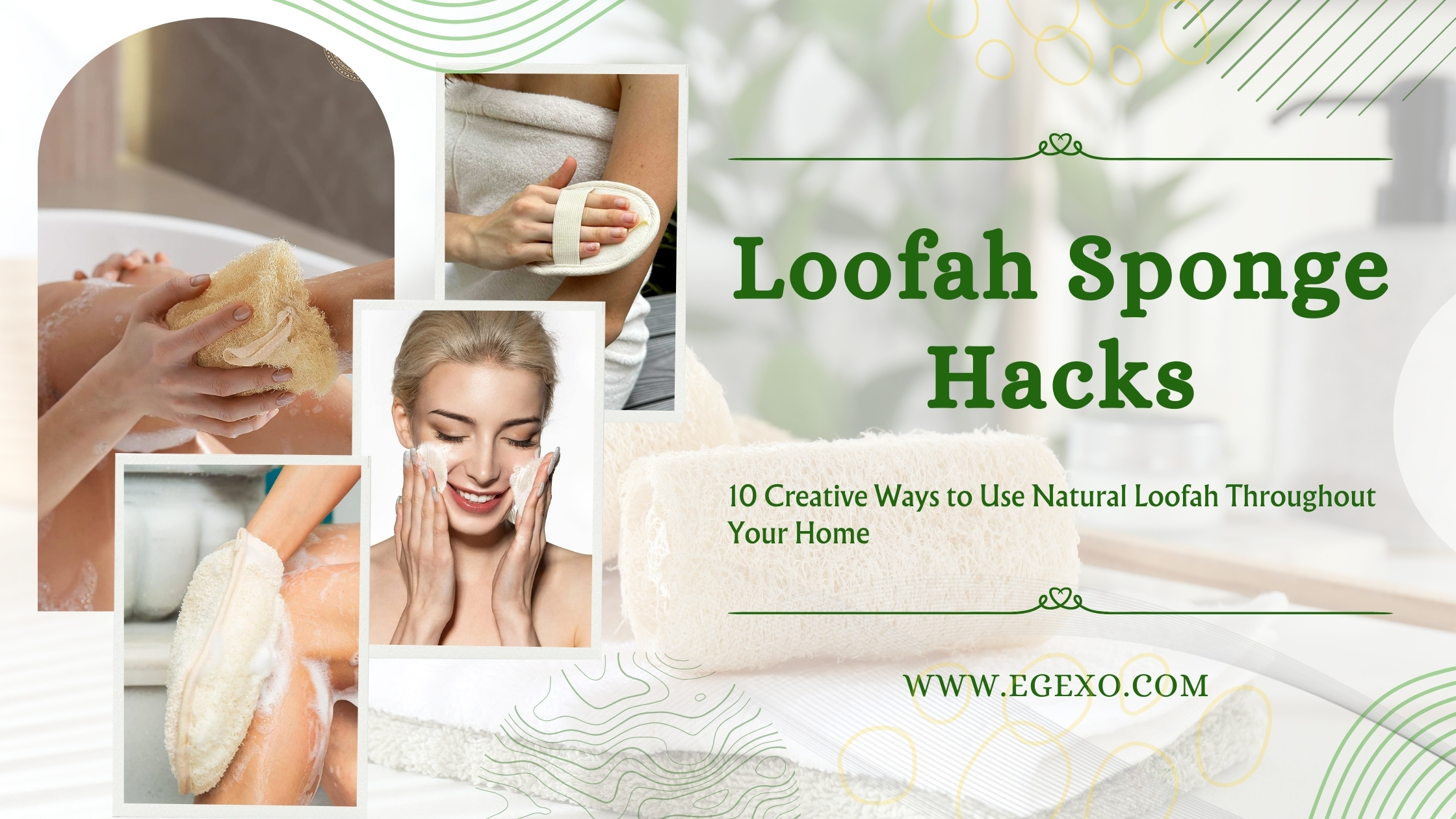
Loofah Sponge Hacks: 10 Creative Ways to Use Natural Loofah Throughout Your Home
The average household spends over 200 USD annually on synthetic cleaning products and personal care items that end up in landfills. Yet one of the most versatile natural alternatives has been growing in Egyptian farms for over 5,000 years. Loofah sponge hacks have transformed how eco-conscious consumers and forward-thinking businesses approach everything from skincare routines to kitchen cleaning, offering sustainable solutions that outperform their synthetic counterparts in both effectiveness and environmental responsibility.
Whether you are a spa owner seeking premium exfoliation products for your clients, a retailer looking to stock sustainable home goods, or a consumer wanting to reduce your environmental footprint, understanding the full potential of natural loofah sponges opens doors to countless practical applications. Egyptian loofah, renowned worldwide for its superior fiber density and durability, serves as the foundation for these innovative household solutions that benefit both people and the planet.
At Egexo, our 25 years of loofah cultivation and manufacturing experience have revealed that most people use only a fraction of what these remarkable natural sponges can do. This comprehensive guide explores ten proven loofah sponge hacks that will revolutionize your home care routine while providing wholesale buyers with valuable insights into product applications that drive consumer demand. From personal care essentials to unexpected household cleaning solutions, natural loofah proves its worth as one of the most versatile sustainable products available today.
Understanding Natural Loofah Before You Start
Before diving into specific loofah sponge hacks, understanding what makes natural loofah unique helps you maximize its benefits. The loofah plant, scientifically known as Luffa aegyptiaca, produces a gourd that develops an intricate network of natural fibers when mature. These fibers create the perfect texture for exfoliation and cleaning without the microplastic pollution associated with synthetic alternatives.
Egyptian loofah stands apart from loofah grown in other regions due to the Nile Valley’s unique growing conditions. The combination of mineral-rich soil, consistent sunshine, and traditional cultivation methods produces loofahs with denser fiber networks, greater durability, and superior texture. This quality difference matters significantly for both personal use and commercial applications where product performance directly impacts customer satisfaction.
The Anatomy of Quality Loofah
Quality assessment requires understanding loofah structure. Premium loofahs feature tightly woven fibers with consistent density throughout, flexible yet firm texture that maintains shape during use, natural cream to light tan coloring without chemical bleaching, and fibers that spring back after compression. These characteristics determine how effectively your loofah performs across various applications and how long it lasts before replacement.
For wholesale buyers evaluating suppliers, fiber density serves as the primary quality indicator. Loofahs from Egexo’s quality-certified collection undergo rigorous testing to ensure consistent performance across all product categories.
Hack 1: Transform Your Skin Exfoliation Routine
The most popular loofah sponge hack remains skin exfoliation, but most users fail to maximize this application. Natural loofah fibers create micro-circulation when used correctly, promoting collagen production and revealing healthier skin beneath dead cell buildup. Unlike synthetic loofahs that can harbor bacteria in plastic fibers, natural loofah features antimicrobial properties that keep your exfoliation tool cleaner between uses.
For optimal results, wet your natural body loofah thoroughly before applying gentle pressure in circular motions. Start from your feet and work upward toward your heart to support lymphatic drainage. This technique proves particularly valuable after workouts when lactic acid builds up in muscles, or before applying self-tanner for streak-free results.
Professional Spa Application Insights
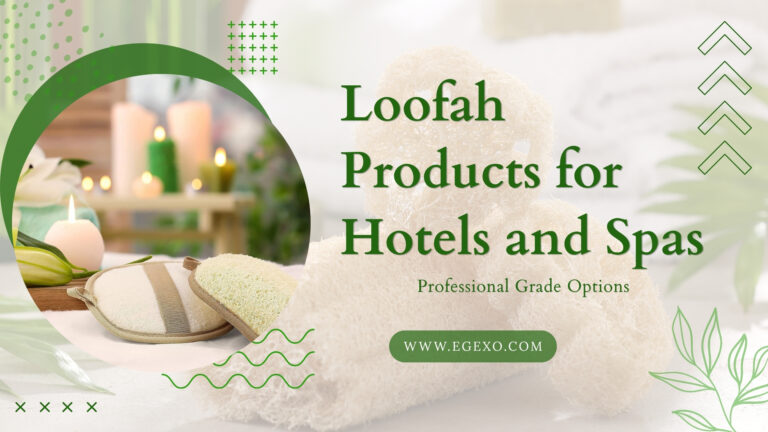
Spa professionals have discovered that layering exfoliation services with premium Egyptian loofah increases treatment value while reducing product costs. A single high-quality loofah can provide dozens of spa treatments when properly maintained, making it economically superior to single-use synthetic alternatives. Establishments seeking to enhance their treatment menu can explore custom loofah product design options tailored to specific spa service requirements.
Exfoliation Frequency Guide by Skin Type
| Skin Type | Recommended Frequency | Pressure Level | Best Time |
|---|---|---|---|
| Sensitive | Once weekly | Very gentle | Evening |
| Normal | Two to three times weekly | Moderate | Morning or evening |
| Oily | Three to four times weekly | Moderate to firm | Morning |
| Combination | Two to three times weekly | Varies by area | Evening |
| Mature | Once to twice weekly | Gentle | Evening |
Hack 2: Gentle Facial Cleansing Alternative
Facial skin requires gentler treatment than body skin, making loofah selection crucial for this application. Small, finely textured loofah pieces provide effective facial exfoliation without the irritation caused by harsh scrubs or abrasive cloths. This loofah sponge hack particularly benefits those dealing with dull complexion, clogged pores, or uneven skin texture.
Choose a soft, smaller loofah piece specifically designated for facial use. Dampen it thoroughly and apply your regular cleanser, then use feather-light circular motions avoiding the delicate eye area. Limit facial loofah use to once or twice weekly to prevent over-exfoliation, which can compromise your skin barrier and cause sensitivity.
Selecting the Right Loofah for Facial Use
Not all loofahs suit facial application. Look for pieces cut from the inner portion of the gourd where fibers are finest and most uniform. The raw loofah scrubbers category offers options that can be customized for facial products, with wholesale buyers able to specify softness grades appropriate for sensitive skin applications through private label manufacturing partnerships.
Hack 3: Scalp Health and Hair Care Enhancement
This lesser-known loofah sponge hack addresses scalp health, a concern affecting millions who experience product buildup, dandruff, or sluggish hair growth. Natural loofah fibers effectively dislodge dead skin cells, excess sebum, and styling product residue without scratching or damaging the scalp surface.
Wet a medium-textured loofah and apply your regular shampoo directly to it. Massage your scalp using gentle pressure, allowing the loofah fibers to reach areas your fingertips might miss. This technique increases blood circulation to hair follicles while providing deeper cleansing than traditional shampooing methods. Many users report decreased scalp oiliness and improved hair volume after incorporating this practice into their routine.
The same principles apply to beard care for men. A smaller loofah piece helps exfoliate the skin beneath facial hair, reducing ingrown hairs and the irritation that often accompanies beard growth.
Hack 4: Sustainable Kitchen Cleaning Solution
Replacing synthetic kitchen sponges with natural loofah represents one of the most impactful environmental loofah sponge hacks available. Standard kitchen sponges require replacement every two to four weeks and release microplastics with every use. Natural kitchen loofahs last three to six months with proper care while remaining completely biodegradable at end of life.
For daily dish cleaning, wet your kitchen loofah and apply regular dish soap. The natural fiber structure creates excellent lather while providing enough texture to remove stuck food without scratching most surfaces. Kitchen loofahs prove particularly effective on cast iron cookware, ceramic dishes, and stainless steel appliances where gentle abrasion helps without causing damage.
Kitchen Loofah vs Synthetic Sponge Comparison
| Factor | Natural Kitchen Loofah | Synthetic Sponge |
|---|---|---|
| Average lifespan | 3 to 6 months | 2 to 4 weeks |
| Biodegradability | 100 percent compostable | Non-biodegradable |
| Microplastic release | None | Releases with each use |
| Bacteria resistance | Natural antimicrobial | Requires sanitizing |
| Cost per year | Lower long-term | Higher replacement costs |
| Cleaning effectiveness | Excellent | Good |
| Environmental impact | Positive | Negative |
Commercial Kitchen Applications
Restaurants and commercial kitchens benefit significantly from transitioning to natural loofah cleaning tools. The durability factor alone provides substantial cost savings, while the sustainability angle appeals to environmentally conscious customers. Food service establishments can request samples to test kitchen loofah performance in their specific operational environment before committing to bulk orders.
Hack 5: Produce Cleaning for Food Safety
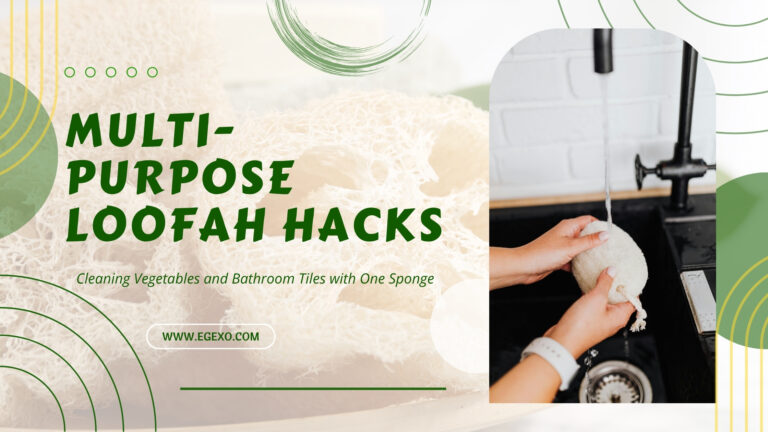
Removing pesticide residue, wax coatings, and surface contaminants from fruits and vegetables becomes easier and more effective with natural loofah. This loofah sponge hack addresses food safety concerns while eliminating the need for specialized produce brushes or chemical wash solutions.
Designate a specific loofah exclusively for produce cleaning to maintain hygiene standards. Wet the loofah and gently scrub firm produce like apples, potatoes, cucumbers, and carrots under running water. The natural fiber texture effectively dislodges surface residue without bruising produce or leaving behind synthetic fibers that might end up in your food.
For softer produce like tomatoes or peaches, use a softer loofah piece with minimal pressure. Some users prefer the finer fibers found in the inner loofah sections for delicate fruits where aggressive scrubbing could cause damage.
Hack 6: Bathroom Surface Deep Cleaning
Soap scum, hard water deposits, and mildew challenge even the most dedicated housekeepers. Natural loofah provides a plastic-free solution for tackling these common bathroom cleaning tasks while protecting surfaces from scratching. This loofah sponge hack works exceptionally well on tile, fiberglass, porcelain, and acrylic surfaces found in most bathrooms.
Apply your preferred bathroom cleaner to a wet loofah and scrub in circular motions, allowing the natural fibers to lift deposits without abrasive damage. For tough soap scum buildup, let the cleaner sit for several minutes before scrubbing. The texture of natural loofah outperforms flat cloths while remaining gentler than stiff plastic brushes.
Bathroom Cleaning Loofah Selection Guide
| Surface Type | Recommended Loofah Texture | Cleaning Solution Pairing |
|---|---|---|
| Ceramic tile | Medium to firm | All-purpose cleaner |
| Glass shower doors | Soft to medium | Vinegar solution |
| Porcelain fixtures | Medium | Bathroom cleaner |
| Fiberglass tub | Soft | Mild dish soap |
| Natural stone | Very soft | pH neutral cleaner |
| Grout lines | Firm | Baking soda paste |
Hack 7: Create Custom DIY Body Scrubs
Combining natural loofah with homemade scrub recipes elevates both products beyond their individual capabilities. This loofah sponge hack appeals to DIY enthusiasts and spa professionals alike, creating customized exfoliation experiences using natural ingredients.
Grate or finely chop dried loofah pieces and combine with carrier oils like coconut, jojoba, or sweet almond oil. Add essential oils for fragrance and therapeutic benefits, along with sugar or salt for additional exfoliation. The loofah fibers suspend within the scrub, providing lasting texture that sugar and salt alone cannot achieve.
Professional Formulation Considerations
Spa and cosmetic manufacturers incorporating loofah into product formulations should consider particle size consistency, fiber length for suspension stability, and sourcing from certified organic growers. Understanding the complete farm to export process ensures product quality and supply chain transparency that today’s consumers increasingly demand.
Basic DIY Loofah Body Scrub Recipe
| Ingredient | Amount | Purpose |
|---|---|---|
| Grated natural loofah | 2 tablespoons | Physical exfoliation |
| Carrier oil | Half cup | Moisture and binding |
| Raw sugar | Quarter cup | Additional exfoliation |
| Essential oil | 10 to 15 drops | Fragrance and benefits |
| Vitamin E oil | 1 teaspoon | Preservation and nourishment |
Hack 8: Natural Body Wash Enhancement
Taking DIY loofah applications further, creating natural body wash incorporates loofah benefits into daily cleansing routines. This loofah sponge hack proves particularly valuable for those with sensitive skin who react poorly to commercial body wash additives.
Combine finely grated loofah with liquid castile soap, adding moisturizing oils and gentle fragrances according to preference. The loofah particles provide gentle exfoliation during every wash without requiring separate scrubbing sessions. Store your creation in a pump dispenser and shake before each use to redistribute settled loofah fibers.
For wholesale buyers exploring product development opportunities, incorporating loofah into body care formulations offers differentiation in the competitive natural products market. Custom product design services can help develop unique offerings that capitalize on growing consumer interest in sustainable personal care.
Hack 9: Therapeutic Foot Care Treatments
Feet endure constant stress yet often receive minimal care attention. This loofah sponge hack transforms ordinary foot soaking into therapeutic treatment addressing calluses, dry skin, and circulation concerns. The natural texture of loofah proves ideal for tackling tough heel skin while remaining gentle enough for sensitive arch areas.
Create an exfoliating foot soak by adding grated loofah to warm water with Epsom salts and essential oils like peppermint or tea tree. Soak feet for fifteen to twenty minutes, allowing the loofah particles and salts to soften rough skin. Use a larger loofah piece afterward to gently scrub softened calluses, focusing on heels and ball areas where buildup commonly occurs.
Professional Pedicure Service Integration
Nail salons and spas incorporating natural loofah foot treatments report increased client satisfaction and repeat bookings. The natural appeal resonates with health-conscious clients seeking chemical-free alternatives. Establishments can explore spa and grooming loofah options designed specifically for professional service applications.
Foot Treatment Loofah Application Guide
| Foot Concern | Treatment Approach | Frequency | Expected Results |
|---|---|---|---|
| Calluses | Firm loofah after soaking | Weekly | Gradual reduction |
| Dry cracked heels | Medium loofah with oil | Twice weekly | Improved moisture |
| Rough texture | Regular loofah exfoliation | Two to three times weekly | Smoother skin |
| Circulation | Stimulating massage | Daily | Enhanced blood flow |
| Odor concerns | Antibacterial soak plus loofah | As needed | Freshness |
Hack 10: Pet Grooming and Coat Care
The final loofah sponge hack extends benefits to four-legged family members. Natural loofah provides gentle yet effective grooming for dogs and cats, removing loose fur, distributing natural skin oils, and providing stimulating massage that most pets enjoy.
Wet the loofah slightly and brush in the direction of fur growth using gentle strokes. The natural fiber texture collects loose hair while stimulating circulation in the skin beneath. Many pet owners report improved coat shine and reduced shedding after incorporating loofah grooming sessions into their pet care routine.
For professional groomers and pet care businesses, natural loofah grooming tools offer an eco-friendly alternative to plastic brushes while appealing to pet owners concerned about their animals’ exposure to synthetic materials. The pet and spa grooming category offers options specifically designed for animal care applications.
Selecting Quality Loofah for Maximum Results
Achieving optimal results from these loofah sponge hacks requires starting with quality products. Not all loofahs perform equally, and understanding quality indicators helps both consumers and wholesale buyers make informed selections.
Loofah Quality Assessment Checklist
| Quality Factor | What to Look For | Red Flags to Avoid |
|---|---|---|
| Fiber density | Tight consistent weave | Loose sparse fibers |
| Color | Natural cream to tan | Bleached white appearance |
| Texture | Firm yet flexible | Brittle or mushy |
| Odor | Fresh neutral scent | Musty or chemical smell |
| Origin | Traceable source | Unknown or mixed origin |
| Certification | Organic or quality certified | No documentation |
Egyptian loofah consistently ranks highest in international quality assessments due to growing conditions, traditional cultivation methods, and established quality control processes. Egexo’s quality standards reflect generations of expertise combined with modern quality assurance protocols.
Caring for Your Loofah to Extend Lifespan
Proper maintenance dramatically extends loofah life while maintaining hygiene. After each use, rinse thoroughly to remove soap residue and squeeze out excess water. Store in a well-ventilated area where the loofah can dry completely between uses, as moisture retention promotes bacterial growth.
Replace personal care loofahs every four to six weeks, or sooner if fibers become loose or odors develop. Kitchen and cleaning loofahs typically last longer due to less bacterial exposure, but should still be replaced when performance noticeably declines.
For wholesale buyers, educating customers on proper loofah care increases satisfaction and encourages repeat purchases. Including care instructions with products demonstrates commitment to customer success while establishing expertise that builds brand loyalty.
The Environmental Impact of Choosing Natural Loofah
Switching from synthetic alternatives to natural loofah creates meaningful environmental benefits that extend beyond individual households. Each natural loofah replaces dozens of synthetic sponges annually, preventing plastic waste accumulation and microplastic water pollution.
Natural loofah grows without significant chemical inputs, requires minimal processing, and biodegrades completely at end of life. The carbon footprint comparison overwhelmingly favors natural loofah, making it an easy choice for environmentally conscious consumers and businesses seeking to improve sustainability metrics.
Learn more about sustainable loofah practices and responsible sourcing at , a comprehensive resource for loofah education and product information.
FAQ Section
Q1: How long does a natural loofah sponge typically last with regular use?
A: Natural loofah sponge lifespan varies based on application and care practices. Personal care loofahs should be replaced every four to six weeks when used for skin exfoliation, while kitchen cleaning loofahs can last three to six months due to different usage patterns. Egyptian loofahs from quality suppliers like Egexo typically outlast loofahs from other regions due to superior fiber density and structural integrity. Proper drying between uses significantly extends functional lifespan regardless of application.
Q2: What minimum order quantities apply for wholesale loofah purchases?
A: Wholesale loofah minimum order quantities vary by product type and supplier. Egexo offers flexible MOQ arrangements starting from sample quantities for quality evaluation, scaling up to container-load shipments for established distributors. Specific MOQ details depend on product category, customization requirements, and shipping destination. Wholesale buyers can request detailed quotations specifying their requirements or download the complete product catalog for comprehensive product and ordering information.
Q3: Can loofah sponges harbor bacteria and cause skin infections?
A: Natural loofah possesses inherent antimicrobial properties that synthetic sponges lack, though proper care remains essential for hygiene. Rinsing thoroughly after each use, allowing complete drying between uses, and replacing personal care loofahs every four to six weeks prevents bacterial buildup. Storing loofah in well-ventilated areas rather than enclosed shower spaces significantly reduces bacterial and fungal growth potential. When maintained properly, natural loofah poses no greater infection risk than other personal care tools.
Q4: What makes Egyptian loofah superior to loofah grown in other regions?
A: Egyptian loofah benefits from the Nile Valley’s unique combination of mineral-rich alluvial soil, consistent Mediterranean climate, and traditional cultivation methods refined over thousands of years. These factors produce loofahs with denser fiber networks, greater structural durability, and more consistent texture compared to loofah grown elsewhere. Egyptian loofah suppliers like Egexo maintain quality standards through controlled growing conditions and rigorous post-harvest processing that international buyers recognize as the industry benchmark.
Q5: Are natural loofah sponges safe for sensitive skin types?
A: Natural loofah can be safely used on sensitive skin when appropriate textures and techniques are employed. Choose softer loofah pieces from the inner gourd sections for sensitive skin applications, and use gentle pressure with minimal friction. Limit exfoliation frequency to once weekly for sensitive skin, always moisturizing afterward. Those with skin conditions like eczema or psoriasis should consult healthcare providers before incorporating loofah exfoliation into their routine.
Q6: How do I start a wholesale loofah supply relationship for my retail business?
A: Establishing a wholesale loofah supply relationship begins with identifying your product needs and target market. Contact established suppliers like Egexo to request samples for quality evaluation before committing to bulk orders. Discuss MOQ requirements, customization options including private labeling, shipping logistics, and payment terms. Quality suppliers provide documentation including certificates of origin, organic certifications where applicable, and quality testing results that support your retail sales efforts.
Q7: Can loofah sponges be composted at end of life?
A: Natural loofah sponges are completely compostable and biodegradable, breaking down within weeks in active compost systems. Cut used loofahs into smaller pieces to accelerate decomposition, and add to backyard compost bins or municipal composting programs. This end-of-life option represents a significant environmental advantage over synthetic alternatives that persist in landfills for decades. Even loofahs not actively composted will biodegrade naturally without leaving microplastic residue.
Q8: What certifications should I look for when sourcing wholesale loofah products?
A: Important certifications for wholesale loofah sourcing include organic growing certification, fair trade certification where applicable, quality management certifications, and export documentation from origin countries. Egexo maintains comprehensive quality standards documentation and can provide certificates of origin, phytosanitary certificates, and quality testing results required for international import. Requesting certification documentation during supplier evaluation helps ensure product quality and regulatory compliance for your market.
Expert Insight from Egexo
Drawing from over 25 years cultivating Egyptian loofah in the fertile Nile Valley, our expertise reveals that maximum loofah performance depends on matching product characteristics to intended applications. Fiber density determines durability and scrubbing power, while fiber fineness affects gentleness on sensitive surfaces and skin. Premium loofahs undergo natural curing processes that strengthen fibers without chemical treatments, resulting in products that perform better and last longer than rushed alternatives.
For wholesale buyers, understanding these quality factors enables informed supplier selection and product positioning. For consumers, recognizing quality indicators ensures purchasing decisions deliver expected value. We encourage both audiences to explore our farm to export process to understand how traditional cultivation methods combine with modern quality standards to produce the world’s finest natural loofah products.
Conclusion
These ten loofah sponge hacks demonstrate the remarkable versatility of natural loofah as a sustainable solution for personal care and household cleaning needs. From skin exfoliation and facial cleansing to kitchen cleaning and pet grooming, Egyptian loofah consistently outperforms synthetic alternatives while supporting environmental responsibility.
Key Takeaways:
- Natural loofah serves multiple applications throughout your home, replacing numerous synthetic products with one sustainable alternative
- Quality matters significantly, with Egyptian loofah offering superior performance due to unique growing conditions and traditional cultivation expertise
- Proper care extends loofah lifespan while maintaining hygiene and performance standards
- Both consumers and businesses benefit from transitioning to natural loofah through cost savings, improved results, and environmental impact reduction
- Wholesale partnerships with established suppliers ensure consistent quality and reliable supply for retail and commercial applications
Ready to experience Egyptian loofah quality?
- For Wholesale Buyers: Request a quote for bulk pricing or download our complete product catalog to explore our full range
- For Individual Orders: Shop our collection to find the perfect loofah for your needs or order samples to test our quality firsthand