
Loofah Sponge Recipes: 5 Creative Ways to Use Natural Loofah Sponges Throughout Your Home
Natural loofah sponges serve far more purposes than simple body exfoliation. These versatile plant fibers, harvested from the Luffa aegyptiaca gourd, have been used for centuries across Egyptian households for everything from skincare rituals to kitchen cleaning tasks. With growing environmental awareness driving demand for sustainable alternatives, loofah sponge recipes and applications have expanded dramatically. In fact, the global natural sponge market continues to grow as both individual consumers and business buyers seek biodegradable options as alternatives to synthetic sponges.
Whether you operate a spa seeking bulk sustainable supplies, manage a retail store looking to diversify your eco-friendly product line, or simply want to incorporate more natural materials into your daily routine, understanding the full usage of loofah sponges transforms how you approach home care. Egyptian loofah, known for a soft fibre that is gentle from the first use, works well for every application we will explore in this guide.
Egexo, which has exported loofah from the fertile Nile Delta region since 2015, has supplied natural loofahs to businesses and consumers across more than 40 countries. This guide draws on that experience to share professional insights alongside practical recipes you can implement immediately.
Understanding Natural Loofah Fiber Properties
Before exploring specific loofah sponge recipes, understanding what makes natural loofah uniquely suited for multiple applications helps you maximize every product. The Luffa aegyptiaca plant produces a fibrous interior structure that, when properly processed, creates an interconnected network of cellulose fibers with remarkable characteristics.
How Loofah Fiber Works
Natural loofah fibers possess a unique cellular structure that creates thousands of tiny channels throughout the material. These channels give loofah its distinctive ability to trap particles, hold cleaning solutions, and provide gentle abrasion without scratching surfaces. Unlike synthetic alternatives that rely on uniform plastic strands, natural loofah varies in texture across each piece, allowing customized pressure during use.
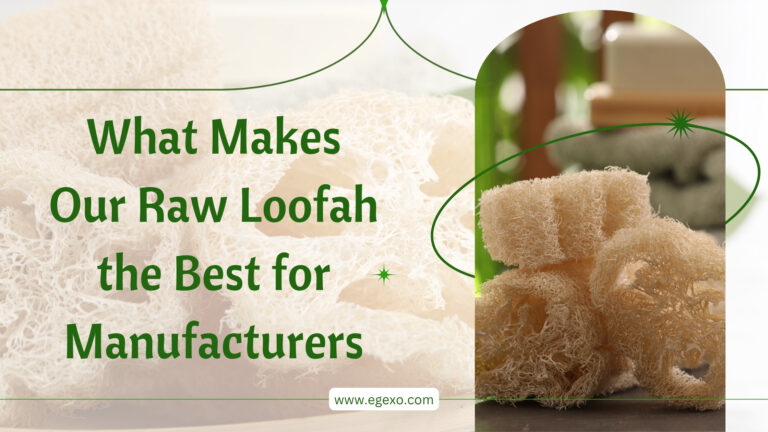
Egyptian loofah from the Nile Delta has a loose, soft fibre weave that is gentle from the first use. Texture differs from one growing region to another, so when sourcing for business it helps to compare samples.
Loofahs need regular care to prevent bacterial growth, but their open structure allows thorough drying between uses when handled correctly.
How EGEXO Checks Quality
Instead of grade labels, every EGEXO order is checked by hand: a visual check for colour, holes and defects, a size check, and a dryness check before packing.
Wholesale buyers can explore the complete range of raw loofah scrubbers to see the sizes and shapes for different markets.
Recipe 1: Daily Exfoliating Body Treatment
The most recognized use of loofah sponges remains body exfoliation, yet most users barely scratch the surface of proper technique. Creating a personalized exfoliation recipe tailored to your skin type makes the routine more comfortable.
Matching Loofah Texture to Skin Type
Selecting the appropriate loofah texture helps keep exfoliation comfortable. The following guide helps both individual consumers choosing personal products and retailers advising customers.
| Skin Type | Recommended Loofah | Exfoliation Frequency | Pressure Level | Special Considerations |
|---|---|---|---|---|
| Sensitive or Dry | Soft natural loofah, well broken in | 2 times weekly | Light, circular motions | Pre soak loofah 5 minutes |
| Normal or Combination | Medium texture natural loofah | 3 times weekly | Moderate pressure | Standard preparation |
| Oily | Firmer natural loofah | 3 to 4 times weekly | Moderate to firm | Focus on back and shoulders |
| Mature Skin | Soft to medium natural loofah | 2 times weekly | Gentle pressure | Avoid over exfoliation |
For spa owners and retailers stocking bath and body loofahs, carrying multiple texture options allows personalized recommendations for customers.
Creating Your Custom Body Scrub Recipe
Combine your natural loofah with simple ingredients for an enhanced exfoliating experience. This recipe works equally well for personal use or as a treatment protocol for spa professionals.
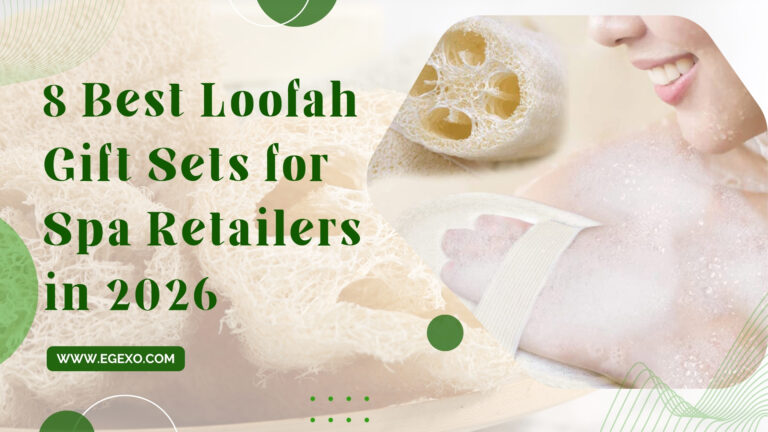
Start by soaking your natural Egyptian loofah in warm water for three to five minutes until the fibers soften and become pliable. Mix two tablespoons of raw honey with one tablespoon of olive oil and add five drops of essential oil suited to your preference. Lavender has a relaxing scent and tea tree a fresh one.
Apply the mixture directly to your damp loofah and work in gentle circular motions, starting from your feet and moving upward toward your heart. This technique removes dead skin cells effectively. Rinse thoroughly and follow with your preferred moisturizer.
Business buyers interested in developing private label exfoliation kits can explore custom loofah product design services to create branded offerings featuring Egyptian loofah.
Recipe 2: Natural Kitchen Cleaning System
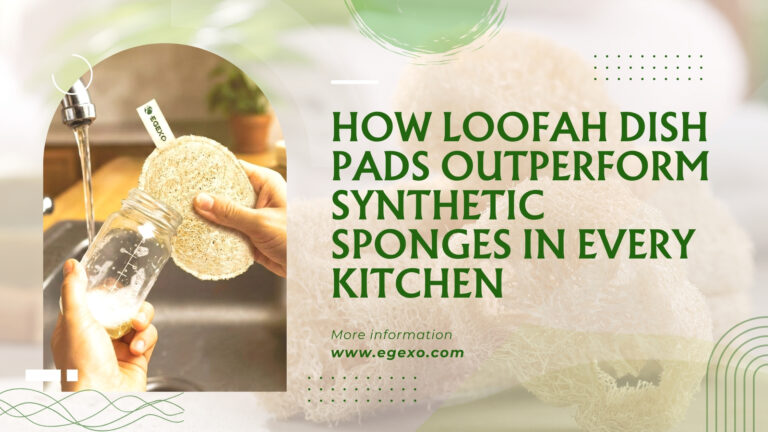
Transitioning to natural loofah for kitchen cleaning eliminates plastic sponge waste while providing effective scrubbing power for everyday tasks. This application demonstrates the broader usage of loofah sponges beyond personal care.
Why Use Loofah Instead of Synthetic Kitchen Sponges
Natural loofah has several advantages for kitchen applications. The fibrous structure removes stuck food particles without scratching non stick cookware or delicate surfaces. Loofah fibers dry between uses when properly stored.
The environmental impact also favors natural alternatives significantly. A single household switching from synthetic to natural loofahs keeps many plastic sponges out of landfills each year. For restaurants, hotels, and commercial facilities making this transition, the waste reduction multiplies substantially.
Wholesale buyers supplying eco conscious restaurants and food service operations can request information about bulk kitchen loofah options.
Kitchen Loofah Care Protocol
Maintaining kitchen loofahs properly keeps them clean and ready to use. Follow this checklist.
Daily Kitchen Loofah Maintenance Checklist:
- Rinse thoroughly under hot running water after each use
- Squeeze out excess water completely
- Store in ventilated location away from standing water
- Expose to sunlight periodically when possible
- Rotate between two loofahs to allow complete drying
Weekly Deep Cleaning Steps:
- Soak in solution of one part white vinegar to four parts hot water for 15 minutes
- Rinse thoroughly and squeeze dry
- Microwave damp loofah for 30 seconds to sanitize if needed
- Allow complete air drying before next use
- Replace kitchen loofahs every four to six weeks
Commercial operations requiring consistent supply can establish recurring orders through wholesale quotation requests.
Recipe 3: Pet Grooming and Spa Treatments
Natural loofah can be used for pet grooming, serving pet owners at home and professional grooming businesses alike. The gentle texture removes loose fur and dander.
Loofah Applications for Different Pet Types
The usage of loofah sponges extends naturally to animal care, where the same gentle texture applies to pet grooming.
For dogs with medium to long coats, natural loofah helps remove debris accumulated during outdoor activities.
Cats benefit from loofah grooming during shedding seasons when loose undercoat accumulates. The natural fibers capture loose hair effectively without the static issues created by synthetic brushes. Introduce loofah grooming gradually, allowing your cat to investigate the new texture before beginning sessions.
Professional groomers and pet spa operators looking to differentiate their services can explore pet and spa grooming loofahs designed specifically for animal care applications.
DIY Pet Shampoo Bar with Loofah Slice
Create an integrated grooming tool by embedding a thin loofah slice into homemade pet shampoo bars. This recipe produces a dual function product ideal for personal use or small batch production for retail.
Melt one cup of glycerin soap base over low heat until completely liquid. Add two tablespoons of coconut oil and one tablespoon of colloidal oatmeal. Pour half the mixture into silicone molds, place a thin loofah disc on top, then cover with remaining soap mixture. Allow to cure for 24 hours before unmolding.
The finished bars provide built in scrubbing action during bath time while delivering gentle cleansing. For retailers interested in carrying unique pet products, EGEXO supplies raw loofah rings for soap making and pet loofah products, with private label manufacturing from 1,000 units.
Recipe 4: Sustainable Household Cleaning Applications
Beyond kitchen duty, natural loofah serves numerous household cleaning purposes that reduce reliance on disposable synthetic products. These loofah sponge recipes address common cleaning challenges while supporting environmental sustainability goals.
Bathroom Surface Cleaning
Natural loofah excels at bathroom cleaning tasks where mild abrasion helps remove soap scum and mineral deposits without harsh chemicals. Cut larger loofah pieces into appropriately sized sections for different tasks.
For tile and grout cleaning, use a firmer loofah section with a paste made from baking soda and water. The natural fiber structure works the cleaning agent into grout lines. Rinse surfaces thoroughly after scrubbing to reveal refreshed grout appearance.
Glass shower doors respond well to loofah cleaning when paired with white vinegar solution. The gentle abrasion removes hard water spots that build up over time without scratching glass surfaces. Establish weekly cleaning routines to prevent heavy buildup requiring more intensive treatment.
Outdoor and Garden Applications
Natural loofah can also be used for outdoor cleaning and garden use.
Use loofah sections to clean garden tools after each use, removing soil that leads to rust development. The natural texture dislodges compacted dirt from tool edges while absorbing moisture that promotes corrosion. Store a dedicated garden loofah in your tool shed for convenient access.
Outdoor furniture benefits from loofah cleaning, particularly textured surfaces where debris accumulates. Resin furniture, patio cushion frames, and decorative garden elements all clean effectively with moistened loofah and mild soap solution.
Retailers expanding into garden and outdoor categories can add natural loofah products to complement existing eco friendly offerings. Review the complete product catalog for wholesale options suited to various retail environments.
Recipe 5: Crafts and Creative Home Projects
Natural loofah provides unique texturing and structural properties for craft projects, offering both individual crafters and craft supply retailers opportunities to explore creative applications beyond traditional uses.
Loofah Soap Making Integration
Embedding loofah slices into handmade soaps creates functional art pieces that combine exfoliation with cleansing in single products. This technique suits both hobbyist soap makers and artisan producers creating retail products.
Select uniformly cut loofah discs approximately half inch thick for optimal soap integration. The porous structure absorbs melted soap base, creating permanent bonds as the soap cures. Experiment with transparent soap bases to showcase the natural loofah fiber pattern within finished bars.
Cold process soap makers can pour directly over positioned loofah slices in molds, allowing saponification to occur around the fibers. This method produces soap bars where loofah and soap cure together.
Textured Art and Home Decor
The distinctive pattern of natural loofah creates interesting textural effects for various decorative applications.
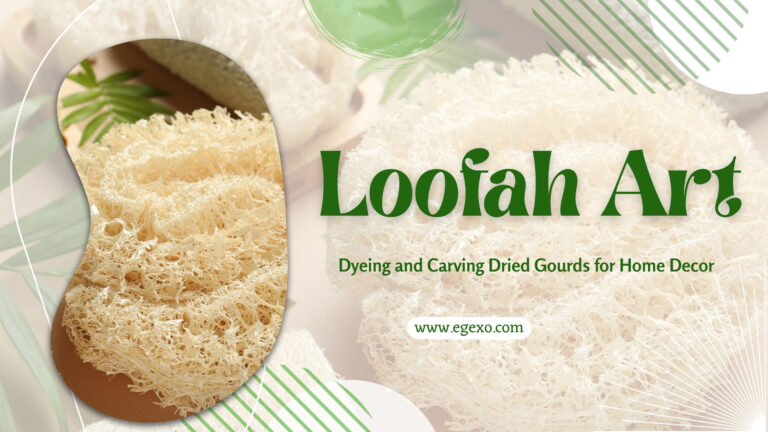
Use loofah sections as painting texture tools, dipping into acrylic paints and pressing onto canvas or paper surfaces. The natural fiber pattern produces effects impossible to replicate with manufactured tools, adding unique character to mixed media artwork.
Create natural bath accessories by combining loofah with other sustainable materials. Attach loofah pieces to wooden handles, combine with natural sisal rope for hanging bath scrubbers, or integrate into gift baskets featuring multiple eco friendly products.
Craft supply retailers can request samples to evaluate loofah quality before making inventory decisions for their craft supply customers.
Loofah Care Guide
Proper maintenance keeps natural loofah products clean and ready to use across all applications. Both individual users and businesses benefit from implementing consistent care practices.
Comprehensive Loofah Care Schedule
| Frequency | Action | Purpose | Applicable Uses |
|---|---|---|---|
| After each use | Rinse thoroughly, squeeze dry | Remove residue, limit bacteria | All applications |
| Daily | Store in ventilated area | Ensure complete drying | Body and kitchen loofahs |
| Weekly | Deep clean with vinegar solution | Clean fibers | High use items |
| Bi weekly | Inspect for wear and fiber breakdown | Identify replacement timing | All loofahs |
| Monthly | Rotate stock, replace worn items | Maintain hygiene standards | Commercial operations |
Signs Your Loofah Needs Replacement
Even with proper care, natural loofahs eventually require replacement to maintain effectiveness and hygiene. Watch for these indicators across all loofah sponge recipes and applications.
Fiber breakdown becomes visible when loofahs develop thin spots or holes where concentrated use has worn through material. Persistent odor that remains after proper cleaning suggests bacterial colonization within the fiber structure. Color changes, particularly darkening or discoloration, may indicate mold development even when not visible on the surface.
For business operations, establishing replacement schedules based on usage intensity ensures consistent quality for customers. Spa treatments demand fresh loofahs more frequently than household cleaning applications, requiring adjusted inventory planning.
EGEXO’s quality standards explain how every order is checked by hand for quality, size and dryness before packing.
Sourcing Quality Loofah for Home and Business Use
The origin and processing of natural loofah significantly impacts performance across every application discussed in this guide. Egyptian loofah from the Nile Delta region is known for its soft, gentle fibre.
About Egyptian Loofah
Egyptian loofah has a loose, soft fibre weave that is gentle from the first use. It is grown in the Nile Delta, where EGEXO has its own farms and partner farms.
In EGEXO’s farm to export process, every order is checked by hand for quality, size and dryness before packing.
Wholesale buyers evaluating potential suppliers should consider growing practices, processing standards, and export experience when making sourcing decisions. These factors matter for product consistency. Learn more about Egexo.
Bulk Purchasing Considerations
No minimum order on standard products. Private label from 1,000 units. Prices follow four quantity tiers (1 to 499, 500 to 1,999, 2,000 to 4,999 and 5,000 or more units), and orders ship 7 to 25 days from payment.
Consider seasonal demand patterns when planning orders, as certain applications see increased usage during specific periods. Body care loofahs and kitchen and household loofahs can have different seasonal patterns, so ask for advice when planning your order.
The comprehensive guide at EGEXO blog provides additional resources for understanding product categories and applications across various market segments.
Buying in bulk?
EGEXO supplies natural Egyptian loofah in bulk, with no MOQ on standard products and private label from 1,000 units. Order samples first: the sample cost is credited to your first order of $1,000 or more, placed within 60 days.
Frequently Asked Questions
How often should I replace a natural loofah sponge?
Replace natural loofah sponges every few weeks with regular use, depending on usage frequency and application type. Body care loofahs used daily generally need replacing every few weeks. Proper drying between uses and weekly sanitizing keep a loofah clean.
Can loofah sponges be used on sensitive skin?
Choose softer, well broken in loofahs and soak them for five minutes before use to soften fibers further. Limit exfoliation to twice weekly and use light pressure with circular motions. If you have a skin condition, consult a doctor or dermatologist first.
What is the minimum order quantity for wholesale loofah purchases?
Minimum order quantities for wholesale loofah vary by product type and supplier. Egexo has no MOQ on standard products, so orders can range from sample quantities for product evaluation up to container loads for established importers. Private label orders start from 1,000 units. Request a quote for your exact needs.
Are natural loofahs more environmentally friendly than synthetic sponges?
Natural loofah sponges provide significant environmental advantages over synthetic alternatives. Being plant derived, loofahs are 100% biodegradable and break down when composted, compared to synthetic sponges that persist in landfills for hundreds of years. Additionally, loofah does not require heavy pesticide or fertilizer, and it supports farming communities in growing regions.
How should I store loofah sponges to prevent bacterial growth?
Store loofah sponges in well ventilated areas where air circulation promotes complete drying between uses. Avoid enclosed shower caddies or sealed containers that trap moisture. Hanging storage works best for body care loofahs, while kitchen loofahs should rest in dish racks rather than sitting in water. Weekly sanitizing with diluted vinegar solution or brief microwave treatment helps control bacterial populations. Replace loofahs promptly when signs of persistent odor or discoloration appear.
Can I use natural loofah products in my spa or salon business?
Natural loofah products can be used in spa and salon settings, and the natural origin appeals to clients seeking natural experiences. EGEXO’s prices follow four quantity tiers. Consider private label options to create branded loofah products that distinguish your establishment. Implement strict replacement schedules for hygiene compliance, typically providing fresh loofahs for each client treatment.
What is Egyptian loofah like?
Egyptian loofah, particularly from the Nile Delta region, has a loose, soft fibre weave that is gentle from the first use. At EGEXO, every order is checked by hand for quality, size and dryness before packing.
A Note from Egexo
Exporting loofah since 2015, our advice is simple. When evaluating loofah quality, check that each piece is fully dry, clean and free of holes and defects, and that the size matches what you need.
Conclusion
Natural loofah sponges offer remarkable versatility that extends far beyond basic body exfoliation. The five loofah sponge recipes explored in this guide demonstrate how this sustainable material serves diverse needs throughout your home, from personalized skincare treatments to eco friendly kitchen cleaning, pet grooming, household maintenance, and creative craft projects.
Understanding proper usage of loofah sponges helps maximize the value of each purchase while supporting environmental sustainability through reduced plastic waste. The quality and origin of the loofah directly affect performance, making sourcing decisions important for both individual consumers and business buyers.
Key Takeaways:
- Natural loofah serves five distinct home applications beyond body care
- Proper care keeps loofah clean and ready to use
- Egyptian loofah is soft and gentle from the first use
- Both consumers and businesses benefit from quality focused sourcing
- Sustainable materials deliver performance while reducing environmental impact
Ready to try Egyptian loofah?
For Wholesale Buyers: Request a quotation for bulk pricing or download our complete product catalog to explore the full range of available products.
For Individual Orders: Browse our collection to find the right loofah for your needs or request samples to evaluate quality before larger purchases.