

Loofah vs Konjac Sponge: Which Is Best for Your Face?
Finding Your Perfect Facial Exfoliator
Nearly 67 percent of skincare enthusiasts struggle to choose between natural exfoliation tools, with the loofah vs konjac sponge debate ranking among the most common questions dermatologists receive. Both products promise clearer skin and better product absorption, yet they serve fundamentally different purposes that impact your skincare results.
Whether you operate a spa seeking the ideal facial treatment tools or simply want healthier skin at home, understanding the distinct characteristics of these natural exfoliators saves time, money, and potential skin irritation. Egyptian loofah and konjac sponge each excel in specific applications, and choosing correctly depends on your skin type, exfoliation needs, and sustainability priorities.
This comprehensive comparison examines texture, exfoliation intensity, environmental impact, cost efficiency, and ideal use cases for both options. You will discover which product suits sensitive facial skin, which delivers deeper cleansing, and why many skincare professionals stock both in their treatment rooms.
Egexo has cultivated and supplied premium Egyptian loofahs for over 25 years, giving us firsthand knowledge of how natural exfoliators perform across different applications. Our expertise spans serving individual consumers seeking gentle daily care to supplying major spa chains requiring consistent wholesale quality. This guide draws from that experience to help you make an informed decision.
Understanding Natural Facial Exfoliators
What Makes Loofah Unique for Skincare
Loofah, derived from the Luffa aegyptiaca plant native to the Nile Valley, offers fibrous texture that ranges from gentle to vigorous depending on preparation methods. Egyptian loofah grown in optimal soil conditions produces fibers with superior durability and consistent texture, making it the preferred choice for discerning buyers.
The natural structure of loofah creates millions of tiny scrubbing surfaces that lift dead skin cells and unclog pores without the microplastic concerns associated with synthetic alternatives. When properly processed, facial loofah provides controlled exfoliation that stimulates circulation and enhances the absorption of serums and moisturizers.
For spa owners and retailers exploring natural product lines, loofah offers versatility across body and facial applications. The body loofah collection demonstrates how different cuts and preparations serve various exfoliation needs.
The Konjac Sponge Explained
Konjac sponge originates from the root of the konjac plant, primarily cultivated in Asian countries. This soft, porous material provides extremely gentle cleansing suitable for the most sensitive skin types. When wet, konjac expands to create a pillowy texture that feels soothing during application.
The alkaline properties of konjac help balance facial pH levels while providing minimal physical exfoliation. This characteristic makes it popular among users with rosacea, eczema, or post-procedure skin requiring delicate care.
However, konjac lacks the deeper exfoliation capability that many users seek, limiting its effectiveness for addressing textured skin, blackheads, or dullness caused by accumulated dead cells.
Detailed Comparison: Loofah vs Konjac Sponge
Understanding the specific differences between these natural exfoliators helps both individual consumers and wholesale buyers make confident selections. The following comparison covers essential factors affecting performance and satisfaction.
Exfoliation Intensity Comparison Table
| Factor | Egyptian Loofah | Konjac Sponge |
|---|---|---|
| Exfoliation Level | Medium to Strong | Very Gentle |
| Best Skin Types | Normal, Oily, Combination | Sensitive, Dry, Compromised |
| Pore Cleansing Ability | Excellent | Minimal |
| Dead Skin Removal | High Efficiency | Low Efficiency |
| Circulation Stimulation | Significant | Mild |
| Recommended Frequency | 2 to 3 times weekly | Daily use acceptable |
| Learning Curve | Requires pressure control | Minimal technique needed |
This comparison reveals why professionals often recommend loofah for clients seeking visible texture improvement and konjac for those prioritizing gentle daily maintenance. The choice depends entirely on your specific skincare goals and skin condition.
Texture and Material Properties
Egyptian loofah fibers create a lattice structure that mechanically buffs away surface debris. The interlocking pattern traps particles effectively, requiring thorough rinsing between uses. Premium loofah maintains this texture through hundreds of uses when properly maintained.
Konjac material resembles a soft, jelly-like consistency when hydrated. It lacks the abrasive quality necessary for significant exfoliation but excels at gentle cleansing without irritation risk. The uniform texture provides predictable results but limited customization.
Understanding quality standards in loofah production helps buyers recognize the difference between premium Egyptian varieties and inferior alternatives that degrade quickly or provide inconsistent results.
Skin Type Recommendations and Best Practices
Matching your exfoliation tool to your skin type prevents irritation while maximizing benefits. This section provides specific guidance for various skin conditions and concerns.
Skin Type Selection Guide
| Skin Type | Recommended Tool | Reasoning | Usage Tips |
|---|---|---|---|
| Oily Skin | Egyptian Loofah | Controls sebum, deep pore cleansing | Use 3 times weekly with gentle cleanser |
| Dry Skin | Konjac Sponge | Prevents further moisture loss | Hydrate sponge fully before use |
| Combination Skin | Both tools alternating | Target different zones appropriately | Loofah on T-zone, konjac on cheeks |
| Sensitive Skin | Konjac Sponge | Minimal irritation risk | Pat rather than scrub motions |
| Normal Skin | Egyptian Loofah | Maintains clarity and texture | 2 to 3 times weekly optimal |
| Acne-Prone Skin | Egyptian Loofah | Prevents buildup causing breakouts | Replace frequently, sanitize after use |
| Mature Skin | Both tools | Exfoliation aids product penetration | Gentle pressure, consistent routine |
These recommendations reflect feedback from spa professionals and skincare specialists who have tested both options across thousands of client treatments. Individual responses vary, so starting with lower frequency helps gauge personal tolerance.
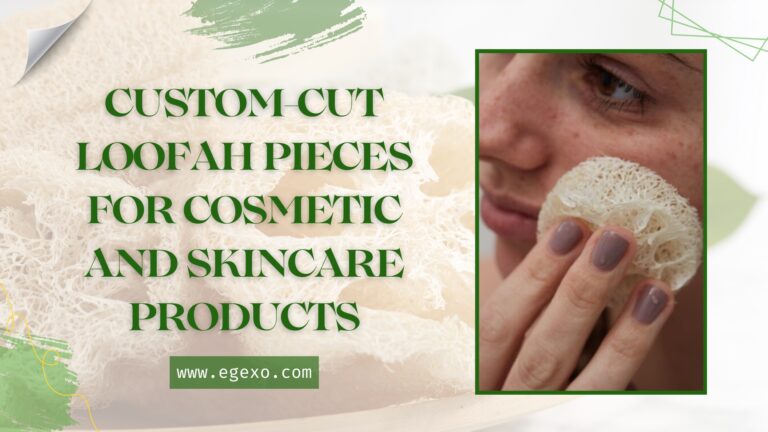
How to Use Loofah on Facial Skin
Facial loofah application requires different technique than body exfoliation. The skin on your face is thinner and more delicate, demanding adjusted pressure and specialized preparation.
Begin by soaking the loofah in warm water for approximately two minutes. This softens the fibers to an appropriate gentleness for facial use. Apply your preferred cleanser to the dampened loofah and work into a light lather.
Using circular motions with minimal pressure, move the loofah across your forehead, cheeks, nose, and chin. Avoid the delicate eye area entirely. Spend approximately 30 seconds on each facial zone, adjusting pressure based on sensitivity.
Rinse your face with lukewarm water and follow immediately with toner and moisturizer. The freshly exfoliated skin absorbs products more effectively, making this an ideal time to apply treatment serums.
How to Use Konjac Sponge Effectively
Konjac sponge activation requires thorough hydration before each use. Submerge the sponge in warm water for two to three minutes until it becomes completely soft and pliable. The dry, hard state transforms into a cushiony texture ready for gentle cleansing.
Press excess water from the sponge without wringing, which can damage the delicate material. Apply cleanser directly to your face or to the sponge surface, then glide across skin using light, sweeping motions.
The alkaline properties of konjac work best with extended contact time. Spend one to two minutes cleansing your entire face, allowing the material to gently lift impurities without aggressive scrubbing.
For those interested in offering clients both exfoliation levels, exploring private label manufacturing options allows customized product development matching specific brand requirements.
Durability, Maintenance, and Replacement Cycles
Product lifespan significantly impacts both personal budgets and business inventory planning. Understanding maintenance requirements ensures optimal hygiene and performance throughout each product’s useful life.
Product Lifespan Comparison
| Specification | Egyptian Loofah | Konjac Sponge |
|---|---|---|
| Average Lifespan | 3 to 6 months | 4 to 6 weeks |
| Uses Before Replacement | 150 to 250 uses | 30 to 50 uses |
| Storage Requirements | Dry, ventilated area | Refrigeration optional |
| Sanitization Method | Boiling water or diluted vinegar | Cool water rinse only |
| Degradation Signs | Fiber breakdown, discoloration | Tearing, persistent odor |
| Composting Time | 2 to 4 weeks | 4 to 8 weeks |
Egyptian loofah demonstrates superior longevity, reducing replacement frequency and long-term costs. This extended lifespan appeals to both budget-conscious consumers and businesses managing inventory turnover rates.
Proper Care Instructions for Maximum Longevity
After each use, rinse your loofah thoroughly under running water to remove all soap residue and skin debris. Squeeze gently to expel excess moisture without distorting the fiber structure.
Hang your loofah in a location with good air circulation, away from the humid shower environment. Proper drying between uses prevents bacterial growth and extends product life significantly.
Weekly sanitization maintains hygiene standards essential for facial application. Soak the loofah in boiling water for three minutes or in a solution of one part white vinegar to four parts water for fifteen minutes.
Konjac sponges require gentler handling due to their delicate composition. Store in a cool location, optionally refrigerated, to prevent premature breakdown. Never wring or twist the material, as this causes tearing.
The farm to export process ensures Egyptian loofah reaches customers in optimal condition, maximizing the product lifespan you can expect from quality materials.
Environmental Impact and Sustainability Analysis
Conscious consumers and eco-focused businesses increasingly prioritize environmental credentials when selecting skincare tools. Both loofah and konjac sponge offer sustainable alternatives to synthetic options, though with different ecological footprints.
Sustainability Comparison
| Environmental Factor | Egyptian Loofah | Konjac Sponge |
|---|---|---|
| Raw Material | Renewable plant fiber | Renewable root vegetable |
| Water Requirements During Growth | Moderate | High |
| Carbon Footprint of Production | Low | Moderate |
| Shipping Distance to Western Markets | Moderate from Egypt | High from Asia |
| Biodegradability | 100 percent compostable | 100 percent compostable |
| Packaging Typical | Minimal, often plastic-free | Usually plastic-wrapped |
| Microplastic Concerns | Zero | Zero |
Egyptian loofah presents advantages in lower water consumption during cultivation and shorter shipping distances to European and American markets. The Nile Valley climate naturally supports loofah growth without excessive irrigation, reducing the agricultural water footprint.
Both products eliminate microplastic pollution concerns associated with synthetic exfoliating tools. This environmental benefit resonates strongly with consumers actively avoiding plastic in their skincare routines.
Sourcing Considerations for Businesses
Wholesale buyers evaluating supplier options should consider total environmental impact including production methods, transportation distances, and packaging choices. Sustainable sourcing increasingly influences consumer purchasing decisions, creating marketing advantages for environmentally responsible product lines.
Egyptian loofah suppliers serving Western markets typically offer competitive environmental credentials due to efficient cultivation practices and established export logistics. Requesting information about farming methods, processing standards, and packaging options during supplier evaluation ensures alignment with sustainability goals.
Businesses can explore custom product design services to develop eco-friendly product lines featuring sustainable packaging and responsibly sourced materials that appeal to environmentally conscious consumers.
Cost Analysis for Consumers and Businesses
Financial considerations influence product selection for individual purchases and wholesale inventory decisions alike. This analysis examines both immediate costs and long-term value across different purchasing scenarios.
Consumer Cost Breakdown
Individual buyers typically encounter the following cost structures when purchasing natural facial exfoliators at retail outlets or online shops.
Egyptian loofah facial pads range from 3 to 8 USD at retail, with premium Egyptian varieties commanding higher prices reflecting superior quality. Given the three to six month lifespan, annual facial exfoliation costs approximately 6 to 32 USD depending on quality tier selected.
Konjac sponges retail between 5 to 15 USD per unit, with infused varieties containing charcoal or clay priced higher. The four to six week replacement cycle results in annual costs of 40 to 180 USD, significantly exceeding loofah expenses.
This cost difference explains why many consumers ultimately prefer loofah despite the gentler initial experience konjac provides. The long-term value proposition favors loofah, particularly when sourced from reputable suppliers offering quality guarantees.
Wholesale Pricing Considerations
Bulk buyers encounter different economics that shape inventory and pricing strategies. The following factors influence wholesale purchasing decisions for spa owners, retailers, and distributors.
| Business Factor | Egyptian Loofah | Konjac Sponge |
|---|---|---|
| Typical MOQ | 100 to 500 units | 200 to 1000 units |
| Per Unit Cost at Volume | 0.50 to 2.00 USD | 1.00 to 4.00 USD |
| Shipping Weight Considerations | Lightweight | Very lightweight |
| Storage Requirements | Dry, ventilated | Climate controlled |
| Shelf Life Before Sale | 24+ months | 12 to 18 months |
| Customer Repurchase Cycle | 3 to 6 months | Monthly |
Retailers often find that konjac sponges generate higher repurchase frequency, creating steady revenue streams despite lower individual profit margins. Loofah products attract customers seeking lasting quality and better value, building brand loyalty among value-conscious shoppers.
For detailed wholesale pricing and minimum order information, request a quotation customized to your specific volume and product requirements.
Professional Applications in Spa and Wellness Settings
Skincare professionals incorporate both loofah and konjac sponge into treatment protocols, selecting tools based on client needs and desired outcomes. Understanding professional applications informs both service providers and product suppliers.
Treatment Protocol Recommendations
Facial treatments targeting specific concerns benefit from strategic tool selection. Deep cleansing facials addressing congestion and dullness typically incorporate loofah exfoliation during the preparation phase. The mechanical action loosens impurities before extraction and enhances mask penetration afterward.
Sensitive skin treatments and post-procedure care protocols favor konjac sponge for its extremely gentle action. Clients recovering from chemical peels, microdermabrasion, or laser treatments require minimal mechanical stimulation during the healing period.
Many spas maintain inventory of both products, allowing aestheticians to customize treatments to individual client needs. This flexibility enhances client satisfaction and treatment outcomes while demonstrating professional expertise.
Inventory Management for Service Providers
Spa owners and wellness facility managers balance product costs, storage requirements, and client preferences when stocking exfoliation tools. Bulk purchasing reduces per-unit costs while ensuring consistent supply for busy treatment schedules.
Establishing relationships with reliable suppliers guarantees quality consistency that clients notice and appreciate. Exploring why Egexo serves as a preferred supplier reveals the quality assurance measures that professional buyers prioritize.
Facilities offering both body and facial treatments benefit from sourcing diverse loofah products from single suppliers. The raw loofah scrubber collection demonstrates product range available for various treatment applications.
Making Your Decision: Selection Checklist
Use this comprehensive checklist to determine which exfoliation tool best matches your specific requirements.
Consumer Selection Criteria
| Consideration | Choose Loofah If | Choose Konjac If |
|---|---|---|
| Primary Goal | Deep exfoliation, texture improvement | Gentle daily cleansing |
| Skin Sensitivity | Normal to low sensitivity | High sensitivity or compromised barrier |
| Budget Priority | Long-term value important | Convenience prioritized over cost |
| Environmental Values | Lower water footprint preferred | Both options acceptable |
| Time Commitment | Willing to learn proper technique | Prefer minimal learning curve |
| Storage Space | Standard bathroom storage | Refrigerator space available |
| Replacement Tolerance | Prefer less frequent replacement | Accept monthly replacement |
Business Buyer Evaluation Points
| Business Factor | Loofah Advantage | Konjac Advantage |
|---|---|---|
| Customer Value Perception | Premium, lasting quality | Gentle, specialized care |
| Inventory Turnover | Lower, reduces management burden | Higher, increases touchpoints |
| Differentiation Opportunity | Egyptian origin story marketing | Trendy, Instagram-worthy product |
| Staff Training Requirements | Moderate technique guidance needed | Minimal instruction required |
| Target Customer Profile | Value-conscious, results-driven | Sensitive skin, gentle care seekers |
| Complementary Products | Body care, spa treatments | Sensitive skincare lines |
Both consumer and business evaluation reveals that optimal selection depends entirely on specific priorities and intended applications. Neither product universally outperforms the other across all criteria.
Combining Both Products for Optimal Results
Skincare enthusiasts and professionals increasingly adopt combined approaches that leverage the strengths of each exfoliation tool. This strategy maximizes results while minimizing irritation risks.
Recommended Combination Protocol
Weekly facial care routines benefit from alternating between loofah and konjac sponge based on daily skin conditions and goals.
Use Egyptian loofah two to three times weekly when skin needs deeper cleansing, appears dull, or feels congested. Schedule these sessions on non-consecutive days to allow skin recovery between treatments.
Apply konjac sponge on remaining days for gentle daily cleansing that maintains skin clarity without overstimulation. This approach provides consistent care while respecting skin’s natural renewal cycle.
Adjust frequency based on seasonal changes, with reduced loofah use during winter when skin tends toward dryness and increased use during summer when oil production typically rises.
Consumers interested in building comprehensive natural skincare routines can browse the complete shop collection for products supporting various skincare needs.
Expert Insight from Egexo
With 10 years of growing and exporting premium Egyptian loofah from the fertile Nile Valley, our experience reveals that facial exfoliation success depends more on technique and consistency than product selection alone. Both loofah and konjac sponge deliver results when used appropriately for their intended purposes.
However, customers consistently report greater satisfaction with Egyptian loofah when seeking visible improvements in skin texture, pore appearance, and product absorption. The natural fiber structure provides exfoliation intensity that konjac simply cannot match.
For those new to natural exfoliation, we recommend starting with properly prepared facial loofah used twice weekly with very light pressure. Gradually increase frequency as your skin adapts. This approach builds tolerance while demonstrating the transformative potential of quality exfoliation tools.
Professional buyers can request samples to experience our quality standards firsthand before committing to wholesale orders.
Frequently Asked Questions
Q: Can I use loofah on my face every day?
A: Daily facial loofah use is not recommended for most skin types. The medium to strong exfoliation level works best at two to three times weekly, allowing skin adequate recovery time between sessions. Overuse can cause irritation, redness, and compromised skin barrier function. Konjac sponge suits daily use for those preferring more frequent but gentler cleansing routines.
Q: Is konjac sponge effective for removing blackheads?
A: Konjac sponge provides minimal effectiveness for blackhead removal due to its extremely gentle exfoliation level. The soft texture cannot adequately penetrate pores or dislodge stubborn debris. Egyptian loofah delivers superior results for addressing blackheads, enlarged pores, and textured skin through its fibrous structure that creates effective mechanical exfoliation.
Q: What minimum order quantities apply for wholesale loofah purchases?
A: Wholesale loofah minimum order quantities typically range from 100 to 500 units depending on product type and supplier policies. EGEXO has no MOQ on standard products, and private label starts from 1,000 units. Egexo accommodates various business sizes with no MOQ on standard products and offers sample orders for quality evaluation before bulk commitment. Larger orders qualify for volume discounts and customized packaging options.
Q: How do I know when to replace my loofah or konjac sponge?
A: Replace loofah when fibers begin breaking down, discoloration appears despite sanitization, or the texture becomes excessively soft. These signs typically appear after three to six months of regular use. Konjac sponge requires replacement when tearing occurs, persistent odor develops, or the texture becomes slimy despite proper care, usually within four to six weeks.
Q: Can sensitive skin tolerate Egyptian loofah for facial use?
A: Sensitive skin can tolerate properly prepared Egyptian loofah when using correct technique. Soften the loofah thoroughly before application, use very light pressure, and limit sessions to once weekly initially. Gradually increase frequency as tolerance builds. However, those with rosacea, active eczema, or severely compromised skin barrier should choose konjac sponge instead.
Q: Which option offers better value for spa businesses?
A: Egyptian loofah typically offers better long-term value for spa businesses due to extended product lifespan reducing replacement costs and inventory management burden. The premium quality and Egyptian origin story also supports higher treatment pricing and enhanced client perception. However, konjac sponge suits spas specializing in sensitive skin treatments where gentle options are essential.
Q: Are loofah and konjac sponge both truly biodegradable?
A: Both products are 100 percent biodegradable and compostable, making them excellent alternatives to synthetic exfoliation tools containing microplastics. Egyptian loofah typically composts within two to four weeks while konjac sponge requires four to eight weeks for complete breakdown. Neither product contributes to microplastic pollution when disposed properly.
Q: Where can I find wholesale Egyptian loofah suppliers with quality guarantees?
A: Reputable wholesale Egyptian loofah suppliers provide quality certifications, transparent sourcing information, and sample programs allowing product evaluation before bulk orders. Egexo offers documented quality standards, farm-to-export traceability, and flexible wholesale arrangements for businesses seeking premium Egyptian loofah with reliable supply consistency.
Conclusion
The loofah vs konjac sponge comparison ultimately reveals complementary tools serving distinct purposes rather than direct competitors. Egyptian loofah excels for users seeking effective exfoliation, visible texture improvement, and superior long-term value. Konjac sponge serves those prioritizing extremely gentle daily cleansing for sensitive or compromised skin.
Your optimal choice depends on skin type, exfoliation goals, budget considerations, and environmental priorities. Many skincare enthusiasts and professionals maintain both products, alternating based on daily skin needs and treatment objectives.
Egyptian loofah demonstrates advantages in durability, cost efficiency, exfoliation effectiveness, and environmental footprint through lower water consumption during cultivation. These factors explain why quality-focused consumers and spa professionals increasingly choose premium Egyptian loofah sourced from established suppliers.
Key Takeaways:
- Loofah provides medium to strong exfoliation ideal for normal, oily, and combination skin types
- Konjac sponge delivers very gentle cleansing suited for sensitive and compromised skin
- Egyptian loofah lasts three to six months compared to konjac sponge at four to six weeks
- Both products are 100 percent biodegradable and eliminate microplastic concerns
- Professional settings benefit from stocking both options to address diverse client needs
Ready to experience premium Egyptian loofah quality?
- For Wholesale Buyers: Request a quote or download our product catalog
- For Individual Orders: Shop our collection or order samples