

What Are Loofahs Made Of? Complete Guide to Natural and Synthetic Loofah Materials
Have you ever wondered what that textured sponge in your shower is actually made from? Understanding what loofahs are made of helps you make better choices for your skin, your home, and the environment. Whether you are a conscious consumer seeking sustainable bath products or a business owner evaluating product lines, the material composition of loofahs matters more than you might think.
Loofahs are made from two completely different sources: natural loofahs come from the dried fibrous interior of the luffa gourd plant, while synthetic loofahs are manufactured from plastic materials like polyethylene, nylon, or polyurethane foam. The difference between these materials extends far beyond their origins to encompass environmental impact, skin benefits, durability, and hygiene properties that affect your daily bathing experience.
This comprehensive guide explores everything you need to know about loofah materials, helping you understand the botanical origins of natural luffa sponges, the manufacturing processes behind synthetic alternatives, and how to choose the right type for your specific needs. We will examine the pros and cons of each material, proper care techniques, diverse applications beyond bathing, and where to find premium quality loofahs that deliver the performance you expect.
Understanding Natural Loofahs: Plant-Based Exfoliation
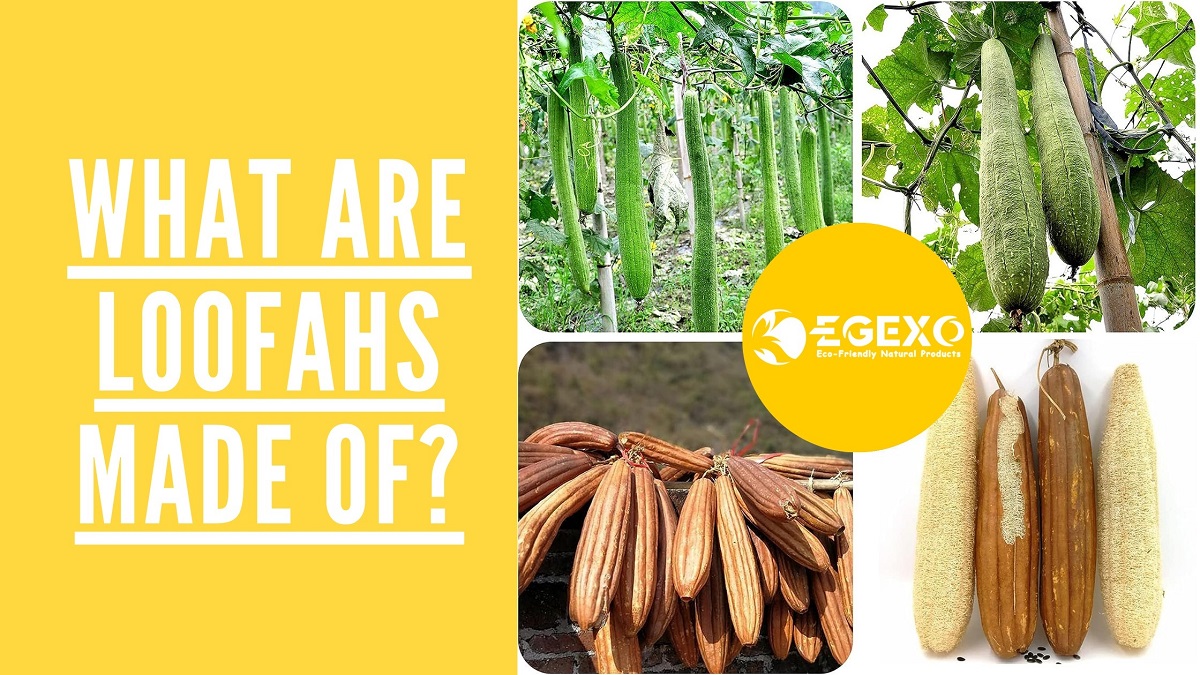
Natural loofahs are made from the luffa gourd, a member of the cucumber family that grows as a climbing vine in warm climates around the world. The luffa plant, scientifically known as Luffa aegyptiaca or Luffa cylindrica, produces elongated cylindrical fruits that develop a unique fibrous interior as they mature on the vine.
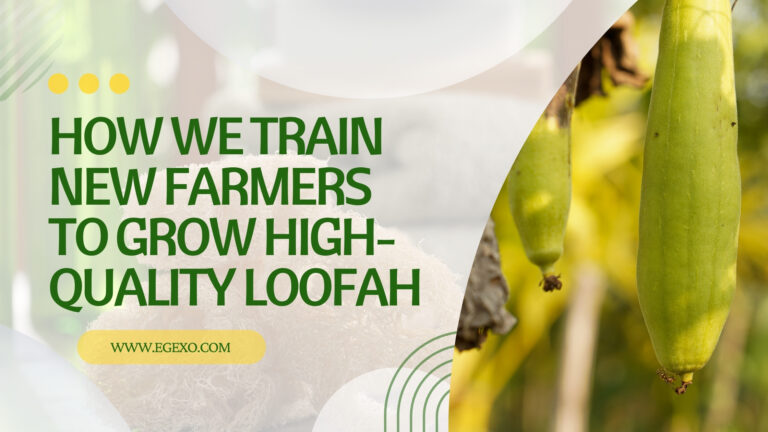
The transformation from vegetable to bath sponge happens through a fascinating natural process. When the luffa gourd is young, it can actually be eaten as a vegetable, similar to zucchini or cucumber. However, when left to fully mature on the vine for 150 to 200 days, the gourd develops an intricate network of cellulose fibers arranged in a vascular pattern designed to transport water and nutrients throughout the fruit.
As the gourd matures and dries naturally on the plant, the outer green skin turns brown and papery, while the soft flesh inside transforms into the familiar fibrous structure we recognize as a loofah sponge. Farmers harvest these mature gourds, then remove the outer skin and seeds through a cleaning process that involves soaking, peeling, and thorough washing to reveal the clean fiber interior.
The resulting natural loofah consists of 100% plant-based cellulose fibers with no chemical processing or synthetic additives. These fibers create a naturally textured surface that provides gentle exfoliation when used on skin, effectively removing dead skin cells and promoting circulation without the harshness of synthetic abrasives.
Premium natural loofahs, particularly those grown in Egypt’s Nile Delta region, benefit from ideal soil conditions, optimal water availability, and traditional cultivation expertise that produces superior fiber quality. The nutrient-rich alluvial soils and perfect climate create dense, durable fiber networks that outperform loofahs grown in less optimal environments.
Natural loofahs offer several inherent advantages beyond their botanical origins. The fiber structure contains naturally occurring openings and channels that allow water to flow freely through the sponge, facilitating rapid drying that reduces bacterial growth. The cellulose composition demonstrates natural antimicrobial properties that further enhance hygiene compared to materials that retain moisture longer.
From an environmental perspective, natural loofahs represent genuinely sustainable products. The growing process sequesters carbon from the atmosphere, requires no synthetic pesticides when cultivated traditionally, and produces zero plastic waste. At the end of their useful life, natural loofahs biodegrade completely within 30 to 60 days in composting conditions, returning nutrients to the soil in a true circular economy model.
For individuals with sensitive skin, natural loofahs provide adjustable exfoliation that responds to applied pressure. The fibers soften when wet and compress naturally, allowing users to control intensity based on their comfort level. This adaptability makes natural luffa sponges suitable for various skin types, from delicate facial skin to rough areas like elbows and heels.
The color of natural loofahs ranges from light cream to golden brown, depending on growing conditions and processing methods. Unlike synthetic sponges with artificial dyes, these natural color variations indicate authenticity and result from the plant’s biological characteristics rather than chemical treatments.
Synthetic Loofahs: Plastic-Based Alternatives
Synthetic loofahs are manufactured from petroleum-derived plastics and polymers designed to mimic the texture and appearance of natural luffa sponges. Common materials used in synthetic loofah production include polyethylene plastic mesh, nylon netting, polyurethane foam, and various combined plastic materials compressed or woven into exfoliating tools.
The manufacturing process for synthetic loofahs begins with petroleum extraction and chemical processing to produce plastic polymers. These polymers are then extruded into mesh formats, molded into foam structures, or woven into net-like arrangements that create the textured surface marketed for exfoliation purposes.
Many synthetic loofahs incorporate bright artificial colors achieved through chemical dyes, creating visually appealing products that coordinate with bathroom decor. These color options, along with lower manufacturing costs and consistent production scalability, explain why synthetic loofahs are widely available in retail stores and online marketplaces.
However, synthetic loofahs present significant limitations that increasingly concern health-conscious consumers and environmentally aware individuals. The plastic composition prevents biodegradation, meaning synthetic loofahs persist in landfills and natural environments for decades or centuries after disposal. This permanence contributes directly to the global plastic pollution crisis receiving intense public attention.
Material performance represents another critical distinction between synthetic and natural options. Plastic fibers lack the natural flexibility and adaptability of plant-based luffa fibers, often creating either overly abrasive textures that irritate skin or insufficiently exfoliating surfaces that fail to deliver expected benefits. The rigid plastic structure cannot adjust to different pressure applications the way natural fibers naturally compress and expand.
Hygiene concerns further differentiate synthetic from natural loofahs. Plastic materials retain moisture longer than natural fibers due to their dense structure and poor air circulation. This extended moisture retention creates ideal conditions for bacterial and mold growth in humid bathroom environments, requiring more frequent replacement and aggressive sanitization compared to quick-drying natural alternatives.
Research has documented that synthetic loofahs shed microscopic plastic particles during use, washing these microplastics down drains into water systems where they accumulate in aquatic environments and enter food chains. Growing awareness of microplastic pollution and its potential health impacts has heightened consumer concern about personal care products that contribute to this problem.
From a cost perspective, synthetic loofahs initially appear cheaper than natural alternatives. However, their shorter usable lifespan due to hygiene concerns, inferior performance leading to product dissatisfaction, and environmental disposal issues often make them less economical over time compared to higher-quality natural options.
Regulatory trends increasingly favor natural alternatives as governments worldwide implement plastic reduction mandates and extended producer responsibility requirements. Some jurisdictions have begun restricting or taxing synthetic bath products as part of broader environmental protection efforts, making natural loofahs not just an ethical choice but potentially the only compliant option in certain markets.
Natural vs Synthetic Loofahs: Direct Comparison
Understanding the specific differences between natural and synthetic loofahs helps you make informed decisions based on your priorities, whether those involve environmental impact, skin health, performance quality, or long-term value.
Material Composition
Natural loofahs consist entirely of plant-based cellulose fibers from the luffa gourd, containing no synthetic additives or chemical treatments. Synthetic loofahs are manufactured from petroleum-derived plastics including polyethylene, nylon, and polyurethane that undergo energy-intensive chemical processing.
Environmental Impact
Natural loofahs grow through photosynthesis that removes carbon dioxide from the atmosphere, require minimal processing, and biodegrade completely within weeks of disposal. They can be composted at home, returning nutrients to gardens without creating waste. Synthetic loofahs contribute to fossil fuel consumption during manufacturing, generate greenhouse gases throughout production, shed microplastics during use, and persist indefinitely in landfills after disposal.
Skin Performance
Natural luffa fibers provide gentle exfoliation that adjusts to applied pressure, becoming softer with water exposure and adapting to different skin sensitivities. The biological fiber structure creates effective dead skin removal without harsh abrasion. Synthetic plastic fibers offer inconsistent exfoliation, often proving either too rough for comfortable use or too smooth to provide meaningful exfoliation benefits, with little middle ground achievable through manufacturing.
Hygiene Properties
The open fiber structure of natural loofahs facilitates rapid drying, typically completing within 3 to 6 hours in normal bathroom conditions. Quick drying prevents bacterial colonization and extends hygienic usable life. Natural cellulose also demonstrates inherent antimicrobial properties. Synthetic plastic mesh retains moisture longer due to dense material structure, creating ideal conditions for bacterial and mold growth that require more frequent sanitization and replacement.
Durability and Lifespan
Natural loofahs provide 4 to 8 weeks of regular use with proper care, gradually softening and compressing in predictable ways that indicate replacement timing. Synthetic loofahs demonstrate variable durability, with lower-quality versions fraying or tearing quickly while even higher-quality variants eventually degrade into rough, unhygienic textures requiring disposal.
Cost and Value
Natural loofahs command higher initial prices but deliver superior value through better performance, longer hygienic lifespan, and environmental benefits that align with consumer values. Synthetic loofahs compete primarily on lowest price but offer limited differentiation and often require more frequent replacement, potentially costing more over time despite lower unit prices.
Appearance and Aesthetics
Natural loofahs display earth tones ranging from light cream to golden brown, with color variations indicating natural authenticity. Synthetic loofahs offer unlimited bright colors through artificial dyes, appealing to consumers prioritizing aesthetic coordination over natural composition.
This comparison overwhelmingly favors natural loofahs for individuals prioritizing skin health, environmental responsibility, and long-term value. However, synthetic options remain available for budget-conscious consumers willing to accept the trade-offs associated with plastic materials.
How Loofahs Are Made: From Farm to Bathroom
Understanding how natural loofahs are produced helps you appreciate the agricultural expertise and careful processing required to transform a vegetable plant into a premium bath accessory.
Growing and Cultivation
The process begins with careful seed selection from luffa varieties bred for optimal fiber characteristics. Farmers plant these seeds in prepared fields during spring, providing support structures for the climbing vines to grow vertically and maximize sunlight exposure.
Luffa vines grow rapidly in warm climates, producing large leaves that photosynthesize energy for fruit development. The plants require consistent watering and benefit from nutrient-rich soils that support robust growth. Egyptian farmers in the Nile Delta region benefit from ideal conditions that naturally provide these requirements without excessive inputs.
Flowering and Fruit Development
Yellow flowers appear approximately 60 days after planting, attracting pollinators that enable fruit set. Each vine produces multiple cylindrical fruits that gradually mature over several months. During this development period, the internal structure transforms from soft edible flesh into the fibrous network characteristic of mature luffa gourds.
Harvesting
Experienced farmers recognize optimal harvest timing through subtle indicators including skin color change from green to brown, weight reduction as internal moisture decreases, and the distinctive rattle sound of dried seeds inside mature fruits. Timing matters significantly because premature harvesting produces weak fibers while delayed harvesting risks weather damage.
Farmers hand-cut mature gourds from vines during the harvest window, then transport them to processing facilities for cleaning and preparation.
Processing and Cleaning
Processing begins with removing the dry outer skin from harvested gourds, revealing the fibrous interior. Traditional methods involve soaking dried gourds in water to soften skins, then manually peeling away external materials to expose clean fibers.
The exposed fiber interior undergoes thorough cleaning to remove all seeds, internal membranes, and plant debris. This process typically involves multiple soaking and rinsing cycles, with manual shaking to dislodge particles trapped within the fiber network. Quality processors use only water for cleaning, avoiding chemical bleaching that would introduce unwanted residues.
Drying and Curing
Cleaned fibers require proper drying to achieve appropriate moisture content and texture. Natural sun drying in well-ventilated facilities allows gradual moisture removal that preserves fiber flexibility while achieving the firmness needed for effective exfoliation. This process typically requires several days with regular turning to ensure even drying throughout the fiber mass.
Cutting and Sizing
After drying, whole luffa cylinders are cut into standardized sizes for different applications. Bath and body loofahs measure 3 to 5 inches in length, providing comfortable handheld dimensions. Kitchen scrubbers receive different sizing suited for dish cleaning applications, while specialty products like pet grooming tools get customized dimensions based on intended use.
Quality Control
Before packaging, finished loofahs undergo inspection to verify fiber quality, consistent sizing, proper cleaning, and overall appearance. Quality standards ensure only premium products reach customers, with lower grades redirected to alternative uses.
Packaging and Distribution
Finished loofahs receive packaging appropriate for their destination, whether bulk wholesale shipments or individual retail packaging. Premium suppliers like EGEXO offer custom packaging services including private label options for businesses building branded product lines.
This farm-to-bathroom journey transforms a simple vegetable plant into a valuable bath accessory through careful cultivation, expert processing, and rigorous quality control that distinguishes premium suppliers from generic commodity producers.
Different Types and Uses of Loofahs
While most people associate loofahs with bath and body exfoliation, these versatile natural sponges serve numerous applications across household cleaning, kitchen use, pet care, and specialty purposes.
Bath and Body Care
The most common application involves personal skincare and exfoliation during bathing. Natural loofahs effectively remove dead skin cells, promote circulation, and create smoother skin texture when used with body wash or soap. The gentle exfoliation helps prevent ingrown hairs, reduces the appearance of rough patches, and leaves skin feeling refreshed and revitalized.
Different body areas benefit from varied exfoliation intensity. Tougher areas like elbows, knees, and feet handle firmer pressure, while sensitive regions require gentler application. The natural adaptability of luffa fibers accommodates these varying needs within a single product.
Facial Exfoliation
Smaller, softer loofahs serve facial skincare applications when used gently with appropriate products. Facial exfoliation removes dead surface cells that can clog pores, revealing fresher skin underneath and improving the absorption of moisturizers and serums. However, facial skin requires extra gentleness, making proper technique and appropriate loofah selection critical.
Kitchen and Dish Cleaning
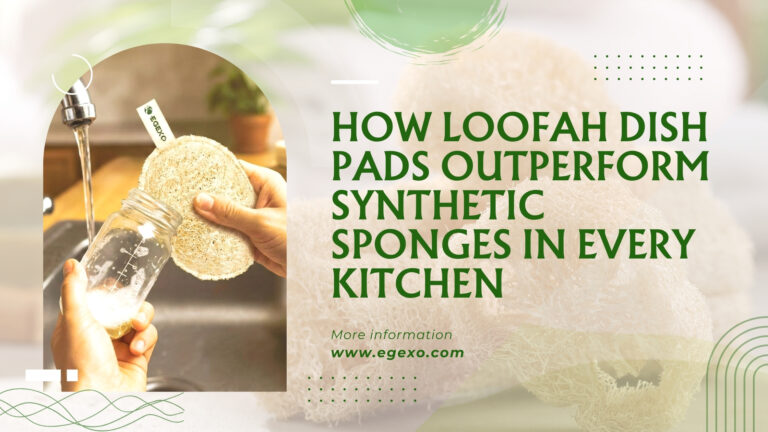
Natural loofahs excel at kitchen cleaning tasks, safely scrubbing dishes, pots, pans, and cooking surfaces without scratching delicate finishes. The natural fibers effectively remove stuck food and grease while remaining gentle on non-stick cookware, glassware, and stainless steel surfaces.
Kitchen loofahs appeal particularly to environmentally conscious households seeking plastic-free cleaning alternatives. Unlike synthetic scrubbers that shed microplastics and require landfill disposal, natural luffa kitchen sponges biodegrade completely and can be composted after use.
Household Cleaning
Beyond kitchen applications, natural loofahs serve general household cleaning purposes including bathroom surfaces, countertops, tile grout, and outdoor furniture. The textured surface provides effective scrubbing power for various cleaning challenges while the natural composition eliminates concerns about chemical residues on food preparation surfaces.
Pet Grooming and Bathing
Natural loofahs provide gentle yet effective tools for pet bathing and grooming across dogs, cats, horses, and other animals. The soft fibers feel comfortable against animal skin while effectively removing loose fur, dirt, and debris during bathing. The massage action from loofah grooming stimulates circulation and distributes natural skin oils throughout pet coats, promoting healthy skin and shiny fur.
Professional pet groomers appreciate natural loofahs for their performance and hygiene properties, with the quick-drying characteristics preventing the musty odors that plague synthetic grooming tools stored in humid environments.
Spa and Wellness Applications
Professional spas and massage therapists incorporate natural loofahs into body treatments, exfoliation services, and therapeutic massage protocols. The professional channel demands consistent quality and reliable supply that established suppliers provide through verified quality control systems.
Arts and Crafts
Creative individuals use natural loofahs in various artistic applications including painting techniques, pottery texturing, stamping projects, and sculptural work. The unique texture creates interesting patterns and effects unavailable through synthetic materials.
Gardening and Composting
After their useful life in bath or cleaning applications, natural loofahs serve gardening purposes as biodegradable pot scrubbers, seed starting containers, or compost additions that improve soil structure while decomposing completely.
This versatility makes natural loofahs valuable investments that serve multiple purposes throughout their lifecycle, from initial purchase through final composting, maximizing value while minimizing environmental impact.
How to Care for Your Loofah: Maintenance and Hygiene
Proper care extends loofah lifespan while maintaining hygiene standards that protect skin health and prevent bacterial contamination. Following these simple practices ensures your loofah performs optimally throughout its usable life.
After Each Use
Rinse your loofah thoroughly under running water immediately after use, squeezing repeatedly to flush soap residue, dead skin cells, and debris from the fiber interior. This simple step prevents organic matter accumulation that could support bacterial growth. Continue rinsing until water runs clear and no soap bubbles appear.
After rinsing, squeeze the loofah firmly multiple times to remove excess water. The more water you remove manually, the faster the loofah will dry completely.
Proper Drying
Hang your loofah in a well-ventilated area where air circulation facilitates rapid drying. Many natural loofahs include built-in hanging loops, or you can attach hooks or ties for convenient storage. Wall-mounted hooks in shower areas provide ideal drying locations.
Never store wet loofahs in closed containers, plastic bags, sealed drawers, or areas without airflow. Moisture retention creates perfect conditions for bacterial and mold growth that compromise hygiene and accelerate fiber degradation.
Natural loofahs typically dry completely within 3 to 6 hours in normal bathroom conditions when hung properly. High humidity environments may require longer drying times or additional ventilation through bathroom fans or open windows.
Weekly Sanitization
For enhanced hygiene, sanitize your loofah weekly using one of these effective methods:
Vinegar Soak: Combine 1 part white vinegar with 3 parts water in a bowl, then soak your loofah for 5 minutes. Vinegar naturally kills bacteria and eliminates odors. Rinse thoroughly with clean water afterward and hang to dry.
Microwave Method: Ensure your loofah is damp (never dry, which creates fire risk), then microwave for 20 to 30 seconds. The heat kills bacteria effectively. Let cool before handling.
Hydrogen Peroxide: Soak in 3% hydrogen peroxide solution for 5 minutes, then rinse thoroughly and hang to dry. This method provides strong antibacterial action without harsh chemical residues.
Dishwasher Cleaning: Place your loofah on the top rack of your dishwasher and run a normal cycle with hot water. This convenient method thoroughly sanitizes while requiring minimal effort.
Monthly Deep Cleaning
Once monthly, give your loofah a deeper cleaning by soaking in warm water with a small amount of gentle, natural soap for 10 minutes. Agitate vigorously, rinse extremely thoroughly until no soap remains, squeeze out excess water, and hang to dry completely.
Replacement Schedule
Replace natural loofahs every 4 to 8 weeks depending on use frequency and visible condition. Signs indicating replacement needs include:
- Visible fiber breakdown with loose or fraying strands
- Persistent odors despite proper cleaning and sanitization
- Discoloration beyond normal gradual darkening
- Excessive softness indicating fiber degradation
- Reduced exfoliating effectiveness
- Development of dark spots that may indicate mold
Regular replacement optimizes hygiene while ensuring consistent performance. The predictable replacement cycle also provides opportunities to try different loofah types or sizes based on evolving preferences.
Storage Between Replacement
Consider rotating between two loofahs, using each on alternate days. This extended drying time between uses further reduces bacterial growth potential and extends individual loofah lifespan.
By following these care practices, you maximize the value, performance, and hygiene benefits of natural loofahs while maintaining the healthy skin outcomes that make exfoliation worthwhile.
Why Egyptian Loofahs Are Considered Premium Quality
Geographic origin significantly impacts natural loofah quality, with Egyptian loofahs earning global recognition as premium products due to specific environmental advantages and traditional cultivation expertise.
The Nile Delta region of Egypt provides ideal growing conditions through nutrient-rich alluvial soils deposited by centuries of river flooding. These soils contain balanced mineral compositions that promote healthy luffa plant growth and optimal fiber development without requiring synthetic fertilizers that introduce chemicals into final products.
Egypt’s climate offers year-round warmth and abundant sunshine that extend growing seasons and allow luffa fruits to fully mature on vines. Long hot summers enable complete fiber development within fruits, producing denser fiber networks with superior structural integrity compared to loofahs harvested earlier due to shorter growing seasons in less optimal climates.
Traditional Egyptian cultivation methods passed down through farming families incorporate techniques refined over generations of luffa production. These methods emphasize natural growing practices, careful harvest timing, and gentle processing that preserves fiber integrity while ensuring product cleanliness.
Water quality represents another advantage for Egyptian loofah cultivation. Irrigation from Nile tributaries carries minimal chemical contamination and provides consistent moisture levels supporting healthy plant development. The absence of industrial pollutants in traditional agricultural areas means luffa plants grow in clean environments that eliminate contamination concerns.
Egyptian loofahs demonstrate distinctive quality markers including uniform light cream to golden brown coloration, dense fiber networks providing durability without excessive rigidity, and consistent dimensions facilitating efficient processing and packaging. The fiber texture combines exfoliating effectiveness with comfortable softness appealing to broad customer bases.
For wholesale buyers and conscious consumers alike, sourcing Egyptian loofahs from established suppliers with verified quality standards provides assurance of consistent products that meet expectations. EGEXO, as a leading Egyptian natural loofah supplier with over 10 years of experience, maintains rigorous quality control throughout cultivation, processing, and export stages.
This quality consistency matters whether you are a consumer purchasing a single loofah for personal use or a business owner evaluating suppliers for product lines. Egyptian origin serves as a reliable indicator of premium quality that justifies slightly higher prices through superior performance and customer satisfaction.
Environmental Benefits of Choosing Natural Loofahs
In an era of increasing environmental awareness, personal product choices carry significance beyond individual use. Natural loofahs provide genuine sustainability advantages that align with values-driven consumer priorities.
Carbon Sequestration During Growth
Luffa plants actively remove carbon dioxide from the atmosphere during photosynthesis, converting it into plant biomass through natural growing processes. This carbon sequestration provides environmental benefits before the plant even becomes a product, contrasting sharply with synthetic loofahs that generate greenhouse gas emissions during petroleum extraction and chemical manufacturing.
Minimal Processing Requirements
Natural loofah production requires only harvesting, cleaning with water, and sun drying. This minimal processing consumes far less energy than synthetic manufacturing processes involving petroleum refining, chemical reactions, extrusion equipment, and industrial facilities. The energy footprint remains low throughout natural loofah production.
Zero Plastic Waste
Natural loofahs contain absolutely no plastic materials, eliminating contribution to the global plastic pollution crisis affecting oceans, wildlife, and human health. Choosing natural alternatives reduces personal plastic consumption and demonstrates market demand for sustainable options that encourages broader industry shifts.
Complete Biodegradability
At the end of their useful life, natural loofahs decompose completely within 30 to 60 days in composting conditions. The cellulose fibers break down into organic matter that enriches soil, closing the loop in a true circular economy. You can compost used loofahs in home compost bins or municipal green waste programs, or simply bury them in gardens where they will disappear naturally.
No Microplastic Pollution
Unlike synthetic loofahs that shed microscopic plastic particles washed down drains into water systems, natural loofahs release only biodegradable plant fibers that decompose harmlessly. This eliminates personal contribution to microplastic accumulation in aquatic environments and food chains.
Support for Sustainable Agriculture
Purchasing natural loofahs supports agricultural communities practicing sustainable farming methods. Luffa cultivation provides livelihoods for farming families while maintaining agricultural biodiversity and traditional knowledge systems. This economic support incentivizes continued sustainable practices rather than conversion to industrial agriculture.
Reduced Chemical Exposure
Natural loofahs processed without chemical bleaching or synthetic treatments eliminate personal exposure to unnecessary chemical residues during bathing. This clean composition particularly matters for individuals with sensitive skin or chemical sensitivities.
Water Conservation
Natural loofah production requires significantly less water than synthetic manufacturing processes that consume large volumes for cooling, cleaning, and chemical processing in industrial facilities. The agricultural water used for luffa cultivation returns to local water cycles through evapotranspiration and soil infiltration.
Alignment with Circular Economy Principles
Natural loofahs exemplify circular economy thinking where materials flow in regenerative cycles rather than linear take-make-dispose patterns. The complete lifecycle from growth through composting creates no waste, with every component returning value to natural systems.
These environmental benefits make natural loofahs increasingly attractive to conscious consumers prioritizing sustainability in purchasing decisions. The choice extends beyond personal preference to represent meaningful action reducing environmental impact through everyday product selections.
Choosing the Right Loofah for Your Needs
Selecting the ideal loofah involves considering several factors including intended use, skin sensitivity, environmental priorities, and quality expectations.
For Sensitive Skin
Choose natural loofahs processed gently without harsh treatments, selecting softer varieties appropriate for delicate skin. Start with light pressure and brief use times, gradually increasing as skin adjusts to exfoliation. Consider smaller, less dense loofahs for facial applications requiring extra gentleness.
For Effective Body Exfoliation
Medium-density natural loofahs provide optimal balance between gentleness and exfoliating effectiveness for most body applications. Egyptian loofahs offer excellent fiber quality delivering consistent results without excessive roughness.
For Kitchen Cleaning
Select natural loofahs specifically marketed for kitchen use, often featuring slightly firmer textures appropriate for dish scrubbing while remaining safe for cookware. Consider purchasing dedicated kitchen loofahs separate from bath products for hygiene purposes.
For Pet Grooming
Choose natural loofahs sized appropriately for your pet, with larger sponges for big dogs and smaller versions for cats or small animals. Softer textures work best for sensitive pet skin while still effectively removing loose fur during bathing.
For Environmental Priorities
Natural loofahs represent the clear choice for environmentally conscious individuals, offering complete biodegradability and zero plastic content. Verify supplier practices to ensure truly sustainable sourcing without chemical treatments or unsustainable agricultural methods.
For Long-Term Value
Premium quality natural loofahs justify higher initial prices through superior durability, better performance, and enhanced hygiene properties extending usable lifespan. Egyptian loofahs from established suppliers consistently deliver quality that reduces replacement frequency and overall costs.
For Bulk Purchasing
Businesses, families, or individuals seeking multiple loofahs benefit from wholesale purchasing that reduces per-unit costs while ensuring consistent quality across products. Direct suppliers offer bulk pricing without compromising on premium quality standards.
This selection framework helps you identify loofahs matching specific needs and priorities, ensuring satisfaction with your choice whether purchasing a single sponge for personal use or evaluating suppliers for business applications.
Where to Buy Quality Loofahs
Finding reliable sources for premium natural loofahs ensures you receive products meeting expectations for quality, performance, and sustainability.
Direct from Egyptian Suppliers
Sourcing directly from Egyptian producers like EGEXO provides access to premium quality loofahs at competitive prices without middlemen markup. Direct relationships ensure product authenticity and consistent quality backed by supplier reputation. EGEXO serves both individual consumers seeking superior personal products and businesses requiring wholesale quantities for retail distribution.
Online Marketplaces
Various online platforms offer loofahs, though quality varies significantly. When purchasing online, verify seller credentials, read customer reviews carefully, and confirm product origins to avoid low-quality alternatives misrepresented as premium. Look for detailed product descriptions, quality certifications, and responsive customer service.
Natural Product Retailers
Specialty retailers focusing on natural, organic, and eco-friendly products typically stock quality loofahs aligned with their sustainability mission. These retailers often verify supplier practices and product authenticity, providing confidence in purchasing decisions.
Wholesale for Businesses
Businesses requiring bulk quantities benefit from establishing direct relationships with manufacturers offering wholesale pricing, consistent supply, custom packaging options, and quality assurance programs. EGEXO specializes in B2B partnerships supporting retailers, distributors, spas, and hospitality businesses with reliable supply chains and flexible order programs.
Farmers Markets and Craft Fairs
Local farmers and artisans sometimes sell natural loofahs at community markets, providing opportunities to examine products directly and support local agriculture. Quality may vary, but personal inspection before purchase reduces uncertainty.
International Suppliers
Global suppliers with established export operations provide access to premium products from optimal growing regions. Verify supplier credentials, export experience, and quality certifications to ensure reliable partnerships. EGEXO maintains international shipping capabilities serving customers across North America, Europe, Australia, and worldwide destinations.
When selecting suppliers, prioritize those demonstrating quality control systems, transparent sourcing practices, responsive customer service, and commitment to sustainable production methods. These factors ensure positive experiences whether purchasing single products or establishing long-term business relationships.
Frequently Asked Questions About Loofah Materials
What exactly is a natural loofah made from?
Natural loofahs are made from the dried fibrous interior of the luffa gourd, a climbing vine plant scientifically known as Luffa aegyptiaca. The gourd grows on vines in warm climates, and when fully mature, develops an intricate network of cellulose plant fibers. After harvesting, farmers remove the outer skin and seeds, revealing the interconnected fiber structure that becomes the exfoliating sponge. The material is 100% plant-based with no synthetic additives or chemical processing required.
Are natural loofahs really better than synthetic plastic ones?
Yes, natural loofahs are superior across virtually every important dimension. They provide better exfoliation through their unique biological fiber structure, dry faster to resist bacterial growth, contain zero plastics or chemicals, biodegrade completely within 30 to 60 days, and align with growing consumer demand for sustainable products. Synthetic plastic loofahs contribute to microplastic pollution, persist in landfills indefinitely, retain moisture that promotes bacteria, and increasingly face regulatory restrictions in environmentally conscious markets.
How long do natural loofahs typically last?
Natural loofahs last 4 to 8 weeks with regular use and proper care. The lifespan depends on use frequency, maintenance practices, and initial fiber quality. Premium Egyptian loofahs from quality suppliers like EGEXO last longer than generic alternatives due to superior fiber density from optimal growing conditions. Proper care including thorough rinsing after use, complete drying in ventilated areas, and weekly sanitization extends natural loofah life toward the upper range.
Can I use the same loofah for my body and face?
While possible, dermatologists generally recommend using separate loofahs for body and facial skin. Facial skin is more delicate and sensitive than body skin, requiring gentler exfoliation and stricter hygiene standards. Using dedicated facial loofahs prevents cross-contamination from body bacteria and allows you to select smaller, softer varieties specifically appropriate for facial skincare. If you choose to use one loofah for both, always start with your face before moving to your body, and replace more frequently.
Are natural loofahs safe for people with sensitive skin?
Natural loofahs are generally safe for sensitive skin when used correctly with gentle pressure and proper technique. The plant-based fibers soften when wet and provide adjustable exfoliation responding to applied pressure, allowing users to control intensity based on comfort. People with very sensitive skin, active breakouts, eczema, or other specific skin conditions should consult dermatologists before using any exfoliating tool. Starting with light pressure and gradually increasing as skin adjusts helps sensitive individuals benefit from natural loofah exfoliation without irritation.
How should I clean and sanitize my natural loofah?
Clean your natural loofah after each use by rinsing thoroughly under running water while squeezing repeatedly to flush debris from the fiber interior. Squeeze out excess water and hang in a well-ventilated area to dry completely between uses. For weekly sanitization, soak your loofah in diluted vinegar solution (1 part white vinegar to 3 parts water) for 5 minutes, then rinse and air dry completely. Alternative sanitization methods include microwaving damp loofahs for 20 to 30 seconds or soaking in hydrogen peroxide solution, both followed by thorough rinsing and complete drying.
What is the difference between luffa and loofah?
Luffa and loofah refer to the exact same natural plant product, with luffa representing the botanical genus name (Luffa aegyptiaca) and loofah being the common English spelling for the dried sponge product. The terms are used interchangeably in different regions and contexts, with luffa more common in scientific and agricultural contexts while loofah appears more frequently in consumer retail and personal care markets. Both spellings are correct and describe the natural fibrous interior of the mature luffa gourd used for exfoliation and cleaning purposes.
Want to Experience Premium Egyptian Loofahs?
EGEXO is a leading Egyptian natural loofah supplier offering premium quality luffa sponges directly from Nile Delta farms. Whether you need a single loofah for personal use or wholesale quantities for your business, we provide superior products backed by 10 years of expertise and ISO quality certifications.
Explore our complete product range at www.egexo.com/shop
Request wholesale pricing at https://egexo.com/get-quotation-loofah-wholesale/
Order samples at https://egexo.com/request-loofah-samples/
Key Takeaways
Natural loofahs are made from 100% plant-based luffa gourd fibers grown in tropical regions, with premium Egyptian varieties offering superior quality through ideal Nile Delta growing conditions and traditional cultivation expertise spanning generations.
Natural loofahs outperform synthetic plastic alternatives across every dimension including exfoliation effectiveness, hygiene properties, environmental sustainability, and alignment with consumer values, making them the clear choice for conscious consumers and forward-thinking businesses.
Proper care extends natural loofah lifespan to 4 to 8 weeks while maintaining hygiene through simple practices including thorough rinsing after use, complete drying in ventilated areas, weekly sanitization, and timely replacement when visible wear appears.
Natural loofahs serve diverse applications beyond bathing including kitchen cleaning, pet grooming, household scrubbing, and spa treatments, providing versatile value throughout their lifecycle before biodegrading completely in compost.
Egyptian loofahs from established suppliers like EGEXO deliver premium quality backed by rigorous standards, direct farm-to-export pricing, flexible ordering for consumers and businesses, and comprehensive support that ensures satisfaction whether purchasing single products or wholesale quantities.
Understanding What Loofahs Are Made Of Empowers Better Choices
Knowing what loofahs are made of transforms them from simple bath accessories into informed choices reflecting your values and priorities. Natural loofahs made from luffa gourd fibers offer superior performance, genuine sustainability, and alignment with environmental responsibility that synthetic plastic alternatives cannot match.
Whether you are a conscious consumer seeking the best products for personal care or a business owner evaluating suppliers for retail offerings, material composition matters significantly. The clear advantages of natural Egyptian loofahs in quality, hygiene, environmental impact, and customer satisfaction make them worthwhile investments that deliver value far exceeding their modest cost.
By choosing natural loofahs and maintaining them properly, you enjoy effective exfoliation, support sustainable agriculture, reduce plastic pollution, and make daily choices aligned with protecting environmental health for current and future generations. These benefits extend beyond individual use to represent meaningful action creating positive change through purchasing decisions.
For premium quality Egyptian loofahs backed by expertise, quality control, and commitment to sustainability, EGEXO serves customers worldwide with products meeting the highest standards. Explore our offerings and discover the difference genuine quality makes in your daily bathing experience.
Visit www.egexo.com to learn more about our products and services.