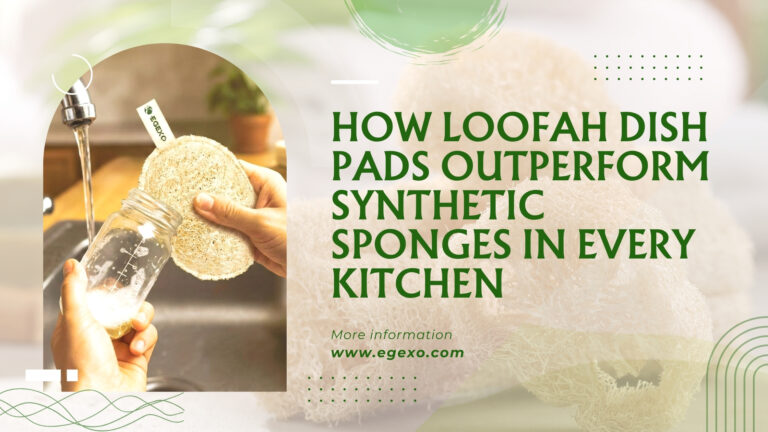


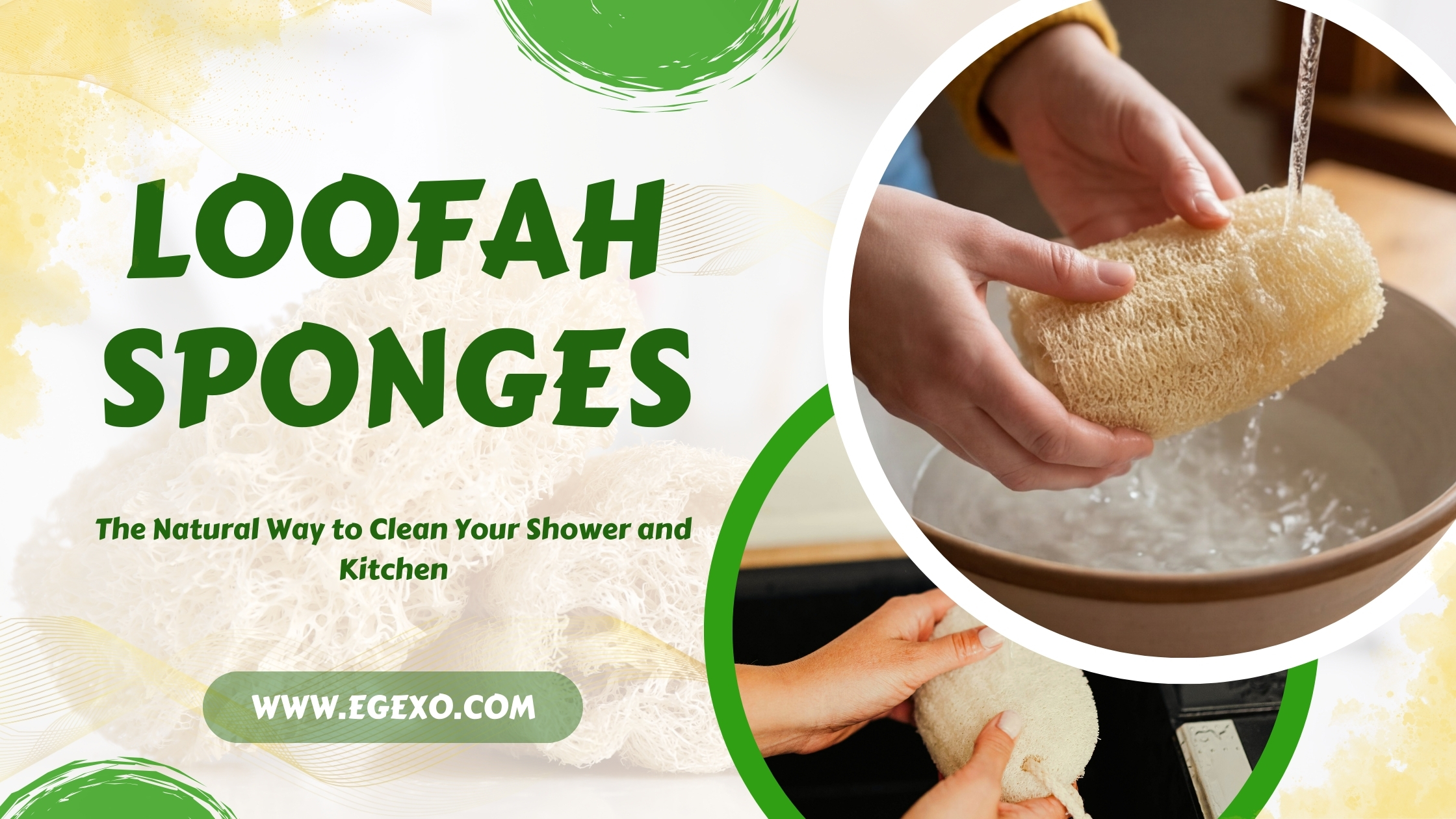
Loofah Sponges: The Natural Way to Clean Your Shower and Kitchen
Why Natural Loofah Sponges Are Revolutionizing Home Cleaning
Every year, millions of plastic cleaning tools end up in landfills, taking centuries to decompose while releasing microplastics into our environment. Natural loofah sponges offer a powerful alternative that cleans effectively while protecting the planet. These remarkable plant-based tools, harvested from the Luffa aegyptiaca gourd, have been used for centuries across Egyptian households and are now gaining worldwide recognition as the sustainable choice for both personal care and household cleaning.
The loofah sponge represents more than just a cleaning tool. For spa owners and retailers seeking eco-friendly inventory, Egyptian loofahs provide a premium product with authentic sustainability credentials. For environmentally conscious consumers, switching to natural loofahs means reducing plastic waste while enjoying superior exfoliation and cleaning performance. With over 25 years of loofah cultivation experience, Egexo has witnessed firsthand how this simple plant transforms cleaning routines across bathrooms, kitchens, and professional spa environments worldwide.
This comprehensive guide explores everything you need to know about selecting, using, and sourcing quality loofah sponges. Whether you are evaluating wholesale suppliers for your business or searching for the perfect natural scrubber for your home, you will discover practical insights backed by decades of agricultural expertise from the Nile Delta region, where the finest loofahs in the world are grown.
Understanding the Natural Loofah: From Plant to Cleaning Tool
What Makes Egyptian Loofah Superior
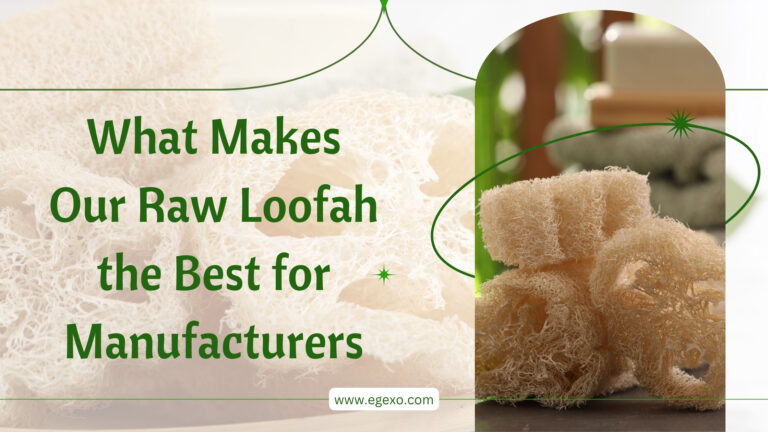
The loofah plant thrives in the warm, nutrient-rich soil along the Nile River, where ideal growing conditions produce fibers with exceptional durability and texture. Egyptian loofah stands apart from varieties grown elsewhere due to its unique fiber density, natural coloring, and consistent quality that results from generations of agricultural expertise passed down through farming communities.
Unlike synthetic alternatives manufactured from petroleum-based materials, natural loofah sponges come directly from the dried fruit of the Luffa plant. When the gourd matures and dries naturally on the vine, it develops an intricate network of fibrous channels that create the characteristic scrubbing texture. This organic structure provides gentle yet effective cleaning action without the need for chemical additives or artificial texturing.
Professional buyers and quality-conscious consumers alike recognize Egyptian loofah for its premium characteristics. The fibers maintain their integrity through hundreds of uses, offering long-term value that synthetic products simply cannot match. Understanding the farm to export process helps buyers appreciate why origin matters when selecting loofah products for resale or personal use.
The Anatomy of a Quality Loofah Sponge
A high-grade loofah sponge exhibits several distinguishing characteristics that separate premium products from inferior alternatives. The fiber structure should appear uniform and tightly woven, with consistent coloring that ranges from natural cream to light golden brown. Dark spots, excessive debris, or uneven fiber distribution indicate lower quality processing or substandard growing conditions.
| Quality Indicator | Premium Grade | Standard Grade | Low Grade |
|---|---|---|---|
| Fiber Uniformity | Highly consistent throughout | Minor variations | Significant inconsistencies |
| Natural Color | Cream to light golden | Light brown with minimal spots | Dark spots or discoloration |
| Fiber Density | Tight, compact structure | Moderate density | Loose, sparse fibers |
| Flexibility | Softens evenly when wet | Some stiff areas | Remains rigid or breaks apart |
| Durability | 3 to 4 months with proper care | 2 to 3 months | Less than 2 months |
| Debris Content | Minimal seed residue | Some cleaning needed | Excessive seeds and particles |
Wholesale buyers should request samples to evaluate these characteristics before placing bulk orders. Egexo maintains strict quality standards across all loofah products, ensuring consistency whether you order bath accessories, kitchen scrubbers, or raw loofah material for manufacturing.
Selecting the Right Loofah Sponge for Your Skin Type
Matching Texture to Sensitivity
Choosing the appropriate loofah sponge begins with honest assessment of your skin characteristics. The natural variation in loofah fiber density means different products suit different needs, and understanding this relationship helps both consumers and retailers make informed decisions.
Sensitive skin requires the gentlest approach. Look for loofah sponges with softer, more pliable fibers that provide mild exfoliation without irritation. Natural Egyptian loofah, when properly processed, offers an ideal balance for delicate skin because the fibers soften significantly when wet while maintaining enough structure to remove dead skin cells effectively. Soaking your loofah for several minutes before use further softens the texture for comfortable cleaning.
Those with normal to oily skin can benefit from firmer loofah varieties that provide more vigorous exfoliation. The increased scrubbing action helps clear pores, remove excess sebum, and prevent the buildup that contributes to breakouts. Many people with acne-prone skin find that regular exfoliation with a medium-texture loofah, combined with proper hygiene practices, improves their overall complexion.
For individuals with very oily or thick skin, denser loofah products deliver the deep cleaning needed to manage excess oil production. These firmer varieties, often cut from the core sections of larger loofahs, provide maximum exfoliation for those who can tolerate more intensive treatment.
Skin Type Selection Guide
| Skin Type | Recommended Loofah Texture | Exfoliation Frequency | Key Benefits |
|---|---|---|---|
| Sensitive or Dry | Soft, outer fiber sections | 1 to 2 times weekly | Gentle renewal without irritation |
| Normal or Combination | Medium density, standard cut | 2 to 3 times weekly | Balanced cleansing and smoothing |
| Oily or Acne Prone | Medium to firm texture | 3 to 4 times weekly | Deep pore cleansing, oil control |
| Thick or Resilient | Dense core sections | Daily if tolerated | Maximum exfoliation and circulation |
| Mature Skin | Soft with light pressure | 1 to 2 times weekly | Stimulates circulation, gentle renewal |
Spa professionals and retailers stocking body loofah products should maintain inventory across texture grades to serve diverse customer needs. Offering guidance on skin type matching increases customer satisfaction and encourages repeat purchases.
Loofah Applications Beyond the Bathroom
Kitchen Cleaning Power
The same fibrous structure that makes loofah sponges excellent for skin exfoliation also creates an ideal surface for tackling kitchen cleaning challenges. Natural loofah scrubbers effectively remove baked-on food, grease residue, and stubborn stains from cookware, dishes, and surfaces without scratching most finishes.
Kitchen loofah products offer several advantages over synthetic scrubbing pads. The natural fibers rinse clean more easily, resist odor buildup when properly maintained, and break down completely at the end of their useful life. Many professional kitchens and environmentally conscious restaurants have switched to loofah-based cleaning tools as part of broader sustainability initiatives.
For household use, dedicate separate loofahs for kitchen tasks versus personal care. Kitchen loofahs tend to encounter harsher cleaning agents and food residues, so keeping them distinct prevents cross-contamination and extends the life of your bath products. The kitchen loofah collection includes products specifically designed for dish scrubbing, countertop cleaning, and even vegetable washing.
Specialized Applications
Beyond bathroom and kitchen use, loofah sponges serve numerous specialty purposes that create opportunities for both consumers and business buyers.
Pet grooming represents a growing market for natural loofah products. The gentle texture effectively removes loose fur, distributes natural oils, and provides a massage-like experience that many animals enjoy. Pet and spa grooming loofahs come in various sizes and shapes to accommodate different breeds and grooming needs.
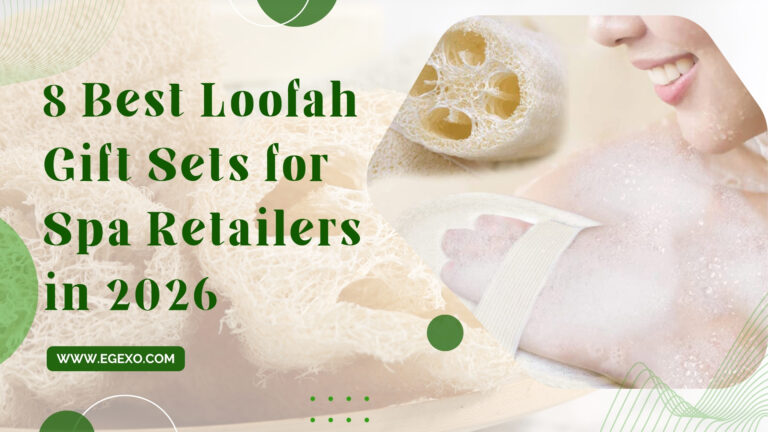
Spa and wellness facilities increasingly incorporate natural loofah into treatment protocols. From body scrub services to retail products, the authentic sustainability story resonates with clients seeking natural wellness experiences. Spa owners can explore private label manufacturing options to create branded loofah products that complement their service offerings.
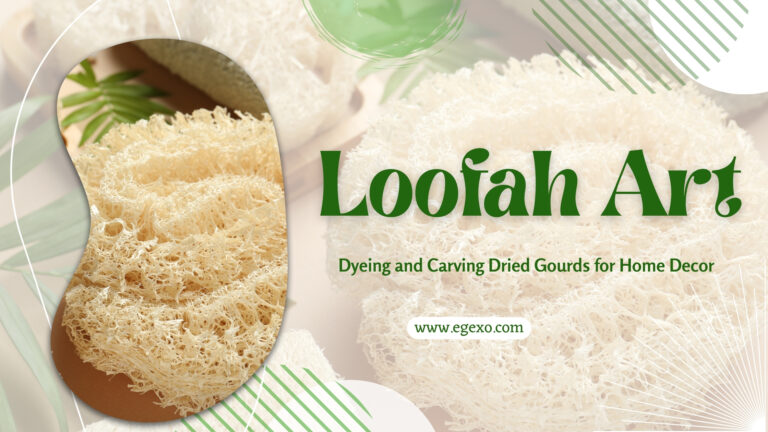
Craft and DIY communities have discovered creative uses for raw loofah material, including soap making, home decor projects, and custom gift creation. Raw loofah scrubbers provide the versatile base material for countless applications limited only by imagination.
Comparing Loofah Types: Natural Versus Synthetic Options
Performance Analysis
Understanding the differences between natural and synthetic cleaning sponges helps buyers make informed decisions based on their priorities and values.
| Factor | Natural Egyptian Loofah | Synthetic Nylon Sponge | Silicone Scrubber | Konjac Sponge |
|---|---|---|---|---|
| Material Origin | Plant-based, renewable | Petroleum-derived plastic | Synthetic polymer | Plant root based |
| Biodegradability | Fully compostable | Not biodegradable | Not biodegradable | Fully compostable |
| Exfoliation Level | Adjustable, medium to firm | Consistent, often harsh | Very gentle | Very gentle |
| Durability | 3 to 4 months typical | 2 to 6 months | 6 to 12 months | 4 to 6 weeks |
| Bacterial Resistance | Requires proper drying | Moderate resistance | High resistance | Low resistance |
| Environmental Impact | Minimal, carbon negative | High, microplastic release | Moderate | Low |
| Cost Per Use | Very economical | Low initial, ongoing replacement | Higher initial | Frequent replacement |
| Best Application | Body exfoliation, kitchen cleaning | Heavy-duty scrubbing | Facial cleansing, sensitive skin | Facial cleansing only |
Natural loofah provides the most versatile option for those prioritizing sustainability without sacrificing cleaning effectiveness. The adjustable texture, from soft when thoroughly soaked to firm when lightly dampened, allows one product to serve multiple purposes.
Making the Sustainable Choice
For retailers and distributors evaluating product lines, natural loofah offers compelling advantages in the current market environment. Consumer demand for sustainable alternatives continues growing across all demographics, with particular strength among younger shoppers who prioritize environmental responsibility in purchasing decisions.
The wholesale economics of natural loofah also favor sustainable sourcing. Working with established suppliers like Egexo ensures consistent quality and supply chain reliability. Requesting a wholesale quotation allows business buyers to evaluate pricing structures for various order volumes and product configurations.
Proper Care and Maintenance for Maximum Longevity
Daily Care Protocol
Extending the useful life of your loofah sponge requires consistent attention to a few simple practices. Proper care not only saves money through longer product life but also maintains hygiene standards essential for both personal use and commercial applications.
After each use, rinse your loofah thoroughly under clean running water to remove all soap residue, dead skin cells, and debris. Squeeze firmly to expel excess water, then shake vigorously to open the fiber structure and promote air circulation throughout the sponge.
Storage location matters significantly. Hang your loofah in a well-ventilated area away from the direct spray zone of showers, where it can dry completely between uses. Avoid storing loofahs in enclosed spaces, shower caddies with poor drainage, or areas with limited air movement. The key principle is maximizing airflow to prevent moisture retention.
Weekly Maintenance Schedule
| Maintenance Task | Frequency | Method | Purpose |
|---|---|---|---|
| Deep Rinse | After every use | Running water, firm squeezing | Remove debris and soap |
| Sanitization | Weekly | Diluted white vinegar soak, 5 minutes | Kill bacteria and mold |
| Sun Drying | Weekly when possible | Direct sunlight for 1 to 2 hours | Natural UV sanitization |
| Inspection | Weekly | Visual check for discoloration or odor | Early detection of replacement need |
| Boiling (optional) | Monthly | Submerge in boiling water for 2 minutes | Deep sanitization |
| Replacement | Every 3 to 4 months | Dispose in compost, replace with new | Maintain hygiene standards |
Commercial users including spas, gyms, and hotels should implement documented sanitation protocols and shorter replacement cycles to maintain professional hygiene standards. Quality standards information provides guidance for establishing appropriate protocols for various commercial settings.
Signs Your Loofah Needs Replacement
Even with excellent care, all loofah sponges eventually reach the end of their useful life. Watch for these indicators that signal replacement time:
Persistent odor that remains after thorough cleaning and drying suggests bacterial colonization that sanitization cannot fully address. Visible mold growth, appearing as dark spots or discoloration, requires immediate disposal. Fiber breakdown, where the loofah feels excessively soft, tears easily, or sheds particles during use, indicates structural degradation. Any unusual smell or texture change warrants replacement to maintain hygiene standards.
The compostable nature of natural loofah means disposal carries no environmental guilt. Simply add spent loofahs to your compost pile where they will break down into nutrient-rich organic matter within a few months.
Sourcing Quality Loofah: What Buyers Need to Know
Evaluating Wholesale Suppliers
Business buyers seeking reliable loofah suppliers should evaluate potential partners across several critical dimensions. The supplier relationship often determines product quality, pricing stability, and long-term business success.
| Evaluation Criteria | Questions to Ask | Why It Matters |
|---|---|---|
| Growing Experience | How many years in loofah cultivation? | Experience indicates quality consistency |
| Quality Control | What inspection processes are used? | Ensures product meets specifications |
| Certification | What export certifications are held? | Validates compliance with international standards |
| Customization | Can products be modified to specifications? | Enables brand differentiation |
| MOQ Flexibility | What minimum order quantities apply? | Affects initial investment and inventory risk |
| Lead Times | What is typical production to delivery time? | Impacts inventory planning |
| Communication | How responsive is the sales team? | Predicts ongoing service quality |
| References | Can existing customers be contacted? | Provides real-world performance insight |
Egexo welcomes detailed supplier evaluations and provides transparent information about cultivation practices, processing methods, and quality control procedures. Understanding why buyers choose established Egyptian suppliers helps inform purchasing decisions.
Custom Product Development
Many retailers and brands seek differentiated products that reflect their unique market positioning. Custom loofah product design services enable the creation of distinctive items tailored to specific customer bases, packaging requirements, or application needs.
From custom shapes and sizes to specialized processing treatments, the possibilities for product differentiation are extensive. Private labeling further allows brands to build customer loyalty around their own product lines while leveraging the quality and sustainability of Egyptian loofah.
Requesting samples provides the opportunity to evaluate product quality firsthand before committing to larger orders. This step is particularly important when developing new product lines or establishing relationships with new suppliers.
Environmental Impact and Sustainability Benefits
The Carbon Story
Natural loofah cultivation represents one of the most environmentally positive agricultural practices available. As a fast-growing vine that requires minimal inputs, the loofah plant absorbs carbon dioxide throughout its growing season while producing a useful product at harvest.
Unlike synthetic alternatives that consume fossil fuels in manufacturing and release microplastics throughout their lifecycle, natural loofahs create no lasting environmental burden. The complete biodegradability means every loofah eventually returns to the soil, contributing nutrients rather than pollution.
Water usage in loofah farming, particularly in the Nile Delta region where natural flooding patterns support agriculture, remains far below that required for synthetic material production. The traditional cultivation methods employed by Egyptian farmers emphasize sustainable practices developed over generations.
Supporting Sustainable Supply Chains
Choosing natural loofah products supports farming communities and traditional agricultural knowledge. Each purchase reinforces the economic viability of sustainable farming and encourages continued cultivation using environmentally responsible methods.
For businesses, the sustainability story creates marketing value that resonates with increasingly eco-conscious consumers. Transparent supply chain communication, highlighting the journey from Egyptian farms to finished products, builds brand credibility and customer loyalty.
Learn more about the complete farm to export process to understand how quality and sustainability are maintained throughout the supply chain.
Practical Tips for Optimal Results
Shower and Bath Techniques
Maximize the benefits of your loofah sponge with proper usage techniques. Begin by soaking the loofah in warm water for at least two minutes to soften the fibers and prepare them for gentle yet effective exfoliation. Apply your preferred body wash or soap directly to the loofah, working it into the fibers to create rich lather.
Use circular motions with light to moderate pressure, allowing the loofah texture to do the work rather than forcing aggressive scrubbing. Start from your extremities and work toward your core, promoting circulation and ensuring thorough coverage. Pay extra attention to areas prone to roughness such as elbows, knees, and heels.
Avoid using loofah on your face unless using a specifically designed facial product, as body loofahs may be too abrasive for delicate facial skin. Similarly, skip loofah use on any broken, irritated, or sunburned skin to prevent further damage.
Kitchen Application Methods
For kitchen cleaning, dedicate specific loofahs to different tasks. A softer loofah works well for daily dish washing and gentle surface cleaning, while a firmer variety tackles baked-on residue and heavy-duty scrubbing needs.
When cleaning cookware, wet the loofah and apply dish soap, then use firm circular or back-and-forth motions to lift food residue. The natural fibers conform to curves and textured surfaces better than rigid synthetic pads, making loofahs particularly effective for cleaning items with complex shapes.
For food preparation areas, natural loofah provides effective cleaning without the chemical residue concerns associated with some synthetic products. The vegetable-based origin means any microscopic fiber residue is completely food-safe.
FAQ Section
Q1: How often should I replace my natural loofah sponge?
A: Replace your natural loofah sponge every three to four months under normal use conditions. However, replacement should occur sooner if you notice persistent odor, visible mold or discoloration, or significant fiber breakdown. Commercial settings like spas and gyms should implement more frequent replacement schedules, typically every four to six weeks, to maintain professional hygiene standards.
Q2: Can wholesale buyers request custom loofah sizes and shapes?
A: Yes, established suppliers like Egexo offer extensive customization options for wholesale buyers. Custom product design services include modified dimensions, specialized shapes for specific applications, custom packaging, and private label manufacturing. Minimum order quantities apply for custom specifications, and lead times vary based on complexity. Contact the sales team to discuss specific requirements and receive detailed quotations.
Q3: Are natural loofah sponges sanitary for regular use?
A: Natural loofah sponges are sanitary when properly maintained. The key practices include thorough rinsing after each use, complete drying between uses in a well-ventilated area, weekly sanitization using diluted vinegar or brief boiling, and regular replacement on schedule. Avoid storing loofahs in enclosed, damp spaces. Following these guidelines ensures your loofah remains hygienic throughout its useful life.
Q4: What minimum order quantities apply for wholesale loofah purchases?
A: Minimum order quantities vary by product type, customization requirements, and supplier policies. Egexo offers flexible MOQ structures designed to accommodate businesses of various sizes, from small boutique retailers to large-scale distributors. Standard products typically have lower minimums than custom-designed items. Request a detailed quotation specifying your product interests to receive accurate MOQ information for your specific needs.
Q5: How do natural loofahs compare to synthetic sponges for kitchen use?
A: Natural loofahs excel in kitchen applications due to their effective scrubbing action, resistance to odor buildup when properly dried, and complete biodegradability. They work well for dishes, cookware, countertops, and vegetable cleaning. Unlike synthetic sponges that release microplastics and persist in landfills, natural loofahs compost completely. The main consideration is ensuring thorough drying between uses and maintaining separate loofahs for different cleaning tasks.
Q6: What certifications should I look for when sourcing wholesale loofah?
A: Quality wholesale loofah suppliers maintain certifications relevant to international trade including export licenses, phytosanitary certificates confirming pest-free products, and quality management documentation. For specific markets, additional certifications such as organic certification or fair trade designation may be relevant. Egexo maintains all required export certifications and provides documentation upon request. Review quality standards information for detailed certification specifics.
Q7: Can people with sensitive skin use loofah sponges safely?
A: Yes, people with sensitive skin can use loofah sponges by selecting softer varieties and following appropriate techniques. Choose loofahs from outer fiber sections that offer gentler texture, soak thoroughly before use to maximize softness, use light pressure during exfoliation, and limit use to one to two times weekly. Avoid loofah use on irritated or broken skin. Natural Egyptian loofah softens significantly when wet, making it suitable for most skin sensitivities.
Q8: What makes Egyptian loofah different from loofah grown elsewhere?
A: Egyptian loofah benefits from ideal growing conditions in the Nile Delta region, where nutrient-rich soil, optimal climate, and generations of cultivation expertise produce superior fiber quality. Egyptian loofahs typically exhibit more uniform fiber density, better natural coloring, and greater durability compared to varieties from other regions. The combination of agricultural tradition and favorable environmental factors creates products recognized globally for premium quality.
Expert Insight from Egexo
With over 25 years of experience cultivating and processing premium Egyptian loofah, our team has learned that quality begins in the field and carries through every processing step. The secret to exceptional loofah products lies not just in the growing conditions, which are admittedly ideal here in the Nile Delta, but in the careful timing of harvest and the meticulous processing that follows.
We harvest our loofahs only when fully mature, allowing the fiber network to develop maximum density and resilience. Rushing harvest for higher yield sacrifices the durability and texture that distinguish premium products. After harvest, proper drying and cleaning without harsh chemicals preserves the natural properties that make Egyptian loofah sought after worldwide.
For wholesale buyers, we recommend always requesting samples before placing significant orders with any supplier. Quality variations exist throughout the industry, and firsthand evaluation remains the most reliable way to ensure products meet your standards and customer expectations.
Conclusion
Natural loofah sponges represent the perfect intersection of effective cleaning performance and environmental responsibility. From daily shower routines to demanding kitchen tasks, these versatile plant-based tools deliver results while supporting sustainable agriculture and reducing plastic waste.
Understanding how to select the right loofah for your needs, maintain it properly for maximum longevity, and source quality products from reliable suppliers empowers both consumers and business buyers to make confident decisions. The growing global demand for sustainable alternatives positions natural loofah as an increasingly important product category for retailers, distributors, and eco-conscious individuals alike.
Egyptian loofah, cultivated in the ideal conditions of the Nile Delta and processed according to generations of expertise, sets the standard for quality in this category. Whether you seek products for personal use or inventory for your business, sourcing from established Egyptian suppliers ensures access to the finest natural cleaning tools available.
Key Takeaways:
- Natural loofah sponges provide effective, sustainable cleaning for both body care and household applications
- Proper selection based on skin type and intended use maximizes benefits and satisfaction
- Consistent maintenance practices extend product life and ensure hygienic use
- Egyptian loofah offers premium quality due to ideal growing conditions and agricultural expertise
- Wholesale buyers benefit from established supplier relationships with quality guarantees
Ready to experience Egyptian loofah quality?
- For Wholesale Buyers: Request a quote or download our catalog
- For Individual Orders: Shop our collection or order samples