

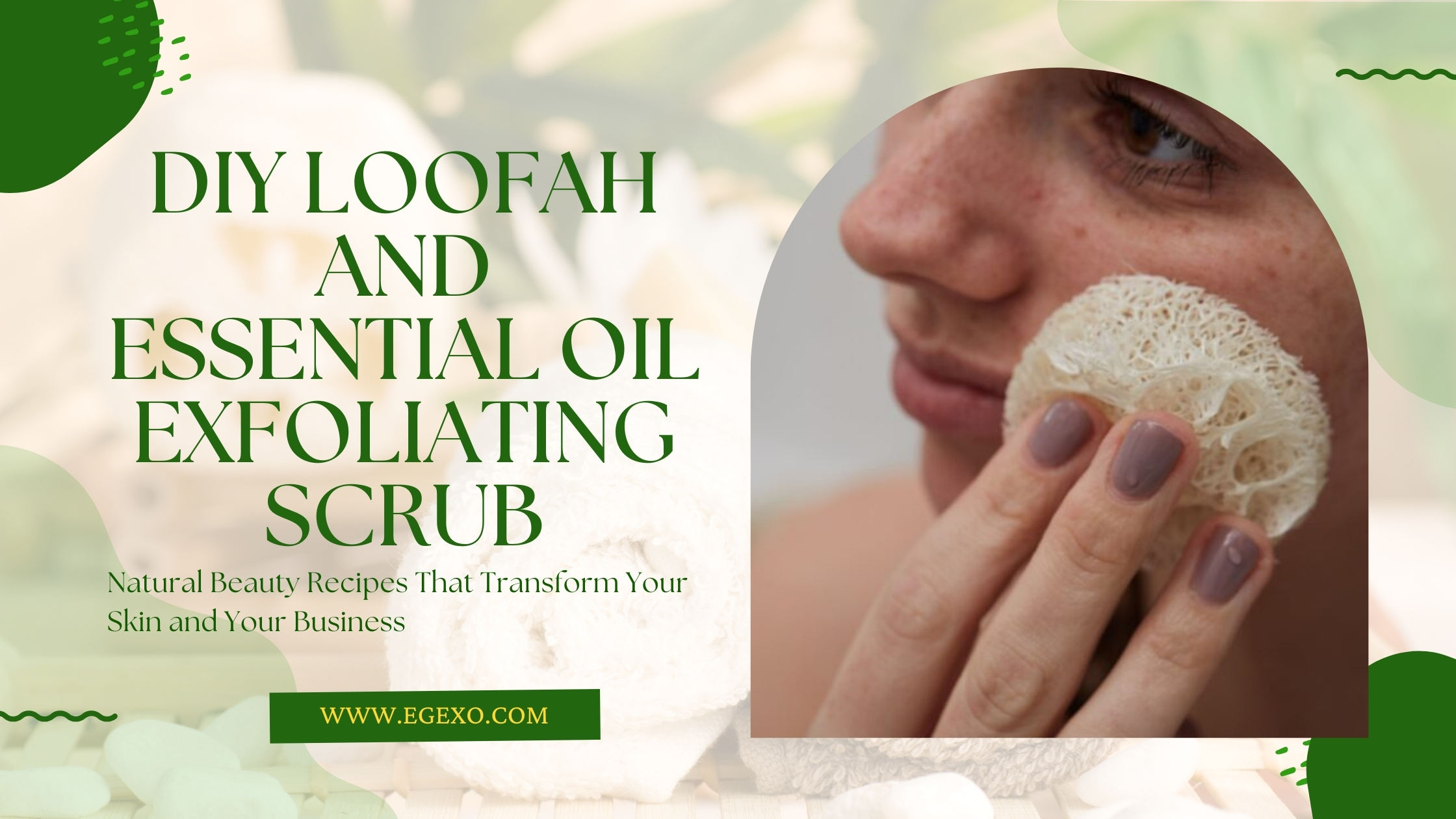
DIY Loofah and Essential Oil Exfoliating Scrub: Natural Beauty Recipes That Transform Your Skin and Your Business
The global natural cosmetics market surpassed 38 billion USD in 2024, and plant-based exfoliation products now represent one of the fastest-growing segments in that space. At the center of this movement sits a remarkably simple combination: the loofah and essential oil exfoliating scrub. Whether you are a spa owner searching for a signature treatment to set your brand apart, or a home skincare enthusiast tired of microplastic-laden products, this pairing of Egyptian loofah fiber and therapeutic-grade essential oils delivers results that synthetic alternatives simply cannot replicate.
A loofah and essential oil exfoliating scrub works because it combines two powerhouse natural ingredients. The loofah, a fibrous gourd grown primarily in the Nile Delta region of Egypt, provides gentle yet effective mechanical exfoliation. Essential oils contribute antibacterial, anti-inflammatory, and aromatic properties that elevate a basic scrub into a full sensory experience. Together, they remove dead skin cells, unclog pores, boost circulation, and leave skin feeling renewed without the environmental damage caused by plastic-based exfoliants.
In this guide, you will find step-by-step recipes you can make in your own kitchen, formulation principles that spa professionals and private label brands use for commercial production, sourcing insights from Egexo’s 25-plus years of loofah cultivation in Egypt, and quality benchmarks that wholesale buyers rely on when evaluating raw loofah material. By the end, you will understand exactly how to create, customize, and even scale a loofah and essential oil exfoliating scrub for personal enjoyment or profitable retail.
If you are ready to explore Egyptian loofah sourcing for your business, you can request a free quote or browse our full product catalog at any time.
Why Egyptian Loofah Is the Gold Standard for Exfoliating Scrubs
Not all loofah is created equal. The Luffa aegyptiaca variety grown in the fertile soil along the Nile River benefits from a unique combination of mineral-rich water, consistent sun exposure, and centuries of agricultural expertise. Egyptian loofah fibers are denser, more uniform, and longer-lasting than loofah grown in other regions, which is why approximately 60 percent of the world’s premium loofah supply originates from Egypt.
Fiber Density and Texture
Egyptian loofah has a tighter fiber weave, which creates a more consistent exfoliation surface. When you use this fiber in a loofah and essential oil exfoliating scrub, the denser matrix holds scrub formulations better and releases them more evenly across the skin. This matters for consumers who want predictable results and for businesses that need product consistency across thousands of units.
Egexo, based in the heart of the Egyptian loofah-growing region, has spent more than two decades perfecting the journey from farm to export. Every harvest is graded, sorted, and processed according to strict quality standards that ensure fiber integrity, cleanliness, and color uniformity.
Sustainability Advantage
Egyptian loofah is 100 percent biodegradable, compostable, and renewable. A single loofah vine can produce dozens of gourds in one growing season. Compared to synthetic exfoliating pads that shed microplastics with every use, natural loofah breaks down completely within weeks of composting. For eco-conscious consumers and for brands building a green product line, this sustainability profile is a significant selling point.
Essential Oils That Pair Best with Loofah Scrubs
Choosing the right essential oil transforms a basic exfoliation routine into a targeted skin treatment. Each oil carries distinct chemical compounds that interact with freshly exfoliated skin in specific ways. Below is a comparison of the most popular essential oils used in loofah-based scrub formulations.
Essential Oil Comparison for Loofah Scrubs
| Essential Oil | Primary Benefit | Best Skin Type | Dilution Rate for Scrubs | Shelf Stability |
|---|---|---|---|---|
| Tea Tree | Antibacterial, acne control | Oily, acne-prone | 1 to 2 percent | 1 to 2 years |
| Lavender | Calming, skin repair | All types | 1 to 3 percent | 2 to 3 years |
| Eucalyptus | Stimulating, decongestant | Normal to oily | 1 to 2 percent | 2 years |
| Peppermint | Cooling, circulation boost | Normal, mature | 0.5 to 1 percent | 3 years |
| Lemon | Brightening, tone evening | Dull, uneven | 1 to 2 percent | 6 to 12 months |
| Rosemary | Firming, antioxidant | Mature, aging | 1 to 2 percent | 1 to 2 years |
| Frankincense | Regenerative, anti-aging | Dry, mature | 1 to 2 percent | 3 to 5 years |
| Chamomile | Soothing, anti-inflammatory | Sensitive, irritated | 0.5 to 1 percent | 2 to 3 years |
For spa owners and private label brands looking to develop a product line, these dilution rates and shelf stability figures directly impact formulation planning and inventory management. For home users, they help you mix safe, effective scrubs every time.
One important safety note: always use a carrier oil such as coconut, jojoba, or sweet almond oil to dilute essential oils before applying them to loofah fiber. Never apply undiluted essential oils directly to skin.
Three DIY Loofah and Essential Oil Exfoliating Scrub Recipes
These recipes use natural ingredients that are accessible worldwide. Each one features a different essential oil profile to target specific skin concerns. The measurements provided work for personal use, and commercial scaling notes are included for business buyers.
Recipe 1: Energizing Citrus Loofah Scrub
This recipe is ideal for morning routines. The combination of lemon and peppermint essential oils wakes up the senses while the loofah fiber removes dull, dead skin cells.
Ingredients for one batch (personal use)
One cup of fine-grain natural sea salt. Two tablespoons of virgin coconut oil, melted. Six drops of lemon essential oil. Three drops of peppermint essential oil. One small piece of Egyptian body loofah, cut into a palm-sized pad.
Steps
Step 1: Combine the sea salt and melted coconut oil in a glass bowl and stir until evenly mixed. Step 2: Add the lemon and peppermint essential oils and stir gently for 30 seconds. Step 3: Dampen the loofah pad under warm water and squeeze out excess moisture. Step 4: Scoop a generous amount of the scrub mixture onto the loofah surface. Step 5: Using circular motions, gently scrub the skin starting from your feet and working upward toward your heart. Step 6: Rinse thoroughly with warm water and pat skin dry. Step 7: Apply a light moisturizer to lock in hydration.
Commercial scaling note: For spa or retail production, multiply this recipe by 50 to create a base batch. Store the scrub mixture in airtight containers away from direct sunlight. The loofah pads can be sourced in bulk from Egexo with minimum order quantities starting at 500 pieces for cut body loofah shapes. Request samples here to test fiber quality before committing to a bulk order.
Recipe 2: Calming Lavender and Oatmeal Loofah Scrub
This is a gentler formulation designed for sensitive skin or evening relaxation rituals.
Ingredients for one batch (personal use)
Half a cup of colloidal oatmeal. Quarter cup of raw honey. One tablespoon of jojoba oil. Five drops of lavender essential oil. Two drops of chamomile essential oil. One oval-shaped loofah pad.
Steps
Step 1: Mix the colloidal oatmeal and raw honey into a thick paste. Step 2: Warm the jojoba oil slightly and blend it into the oatmeal mixture. Step 3: Add the lavender and chamomile essential oils and fold in gently. Step 4: Wet the loofah pad and spread the mixture across the textured surface. Step 5: Apply to skin in slow, gentle strokes, focusing on dry areas like elbows, knees, and shoulders. Step 6: Allow the mixture to sit on skin for two to three minutes before rinsing. Step 7: Rinse with lukewarm water and follow with your preferred body cream.
Recipe 3: Deep Cleansing Tea Tree and Charcoal Loofah Scrub
This recipe targets oily and acne-prone skin on the body, particularly the back and chest.
Ingredients for one batch (personal use)
Half a cup of brown sugar. One tablespoon of activated charcoal powder. Two tablespoons of sweet almond oil. Five drops of tea tree essential oil. Three drops of eucalyptus essential oil. One rectangular loofah pad.
Steps
Step 1: Combine brown sugar and activated charcoal in a mixing bowl. Step 2: Pour in the sweet almond oil and stir until fully incorporated. Step 3: Add the tea tree and eucalyptus essential oils. Step 4: Apply the scrub to a dampened loofah pad. Step 5: Focus on areas prone to breakouts, using firm but not aggressive pressure. Step 6: Rinse with cool water to close pores. Step 7: Pat dry and avoid applying heavy lotions for at least one hour.
These three formulations demonstrate the versatility of the loofah and essential oil exfoliating scrub concept. For retailers and spa owners, each recipe can be adapted into a product SKU with custom packaging and private labeling through Egexo’s manufacturing services.
How to Select the Right Loofah Grade for Scrub Applications
Not every loofah grade suits every scrub application. The fiber coarseness, color, shape, and processing method all influence the end product experience. Whether you are picking out a loofah for your bathroom or evaluating a shipment of 10,000 units for your retail brand, these quality markers matter.
Loofah Grade Specifications for Scrub Use
| Quality Factor | Premium Grade | Standard Grade | Economy Grade |
|---|---|---|---|
| Fiber Density | High, tightly woven | Medium, some variation | Lower, looser weave |
| Color | Uniform light tan | Light to medium tan | Mixed tan and brown |
| Best Use | Facial scrubs, luxury spa | Body scrubs, retail | Kitchen, industrial |
| Fiber Flexibility | Highly flexible when wet | Moderately flexible | Stiffer, less pliable |
| Durability (uses) | 60 to 90 uses | 40 to 60 uses | 20 to 40 uses |
| Ideal Buyer | High-end spas, premium brands | General retailers, spas | Bulk commodity buyers |
Egexo grades every loofah harvest using a multi-point inspection system developed over 25 years of cultivation experience. You can review their complete quality standards documentation or learn why leading brands choose Egexo for their supply chain.
For consumers purchasing individual loofahs, look for light, uniform color and a firm yet flexible texture when wet. Avoid loofahs that feel brittle, have dark spots, or smell musty. These are signs of improper drying or storage.
Loofah Scrub Maintenance and Hygiene Checklist
A loofah and essential oil exfoliating scrub is only as good as the care you give the loofah itself. Proper maintenance extends the life of your loofah, prevents bacterial buildup, and ensures every scrub session is safe and effective.
Weekly Loofah Care Checklist
| Task | Frequency | Method | Why It Matters |
|---|---|---|---|
| Rinse thoroughly after each use | Daily | Run under clean water, squeeze out all scrub residue | Prevents bacteria and mold growth |
| Hang to dry in ventilated area | Daily | Use a hook outside the shower or near a window | Moisture breeds bacteria |
| Deep clean with diluted vinegar | Weekly | Soak in one part white vinegar to four parts water for 15 minutes | Kills bacteria and dissolves buildup |
| Inspect for wear and discoloration | Weekly | Check for dark spots, unusual odor, or fiber breakdown | Determines when replacement is needed |
| Replace the loofah | Every 3 to 4 weeks | Compost old loofah and begin using a new one | Ensures hygienic exfoliation |
| Store scrub mixture properly | Ongoing | Keep in sealed glass jar, away from heat and moisture | Preserves essential oil potency |
For businesses selling loofah scrub kits, including a printed care guide with every purchase reduces customer complaints, increases product satisfaction, and encourages repeat orders. Egexo offers custom product design services that can include branded care instruction cards alongside the loofah product.
Scaling from DIY to Commercial: Building a Loofah Scrub Product Line
Many successful natural beauty brands started with a single DIY recipe in someone’s kitchen. The transition from personal use to commercial production involves formulation standardization, supply chain reliability, regulatory compliance, and packaging design. Here is a process overview.
Steps to Launch a Loofah Scrub Product
Step 1: Finalize your scrub formulation with consistent ingredient ratios and conduct stability testing over 90 days. Step 2: Source your loofah supply from a verified wholesale provider. Egyptian loofah from Egexo is the preferred choice for brands seeking the highest fiber quality and consistent bulk availability. Step 3: Determine your product format. Options include pre-loaded loofah pads with dried scrub, separate loofah and scrub jar kits, or infused loofah discs. Step 4: Develop packaging that communicates the natural, eco-friendly value of your product. Egexo’s private label manufacturing division can handle this step from concept to finished goods. Step 5: Establish minimum order quantities with your supplier. Egexo’s MOQs begin at 500 units for shaped loofah pieces and 200 units for specialty items, making it accessible for emerging brands. Step 6: Launch with a focused SKU count, typically two to three scrub variants, and expand based on customer feedback and sales data.
For a deeper look at the full loofah supply chain from cultivation to shipment, visit the detailed farm to export overview on the Egexo website.
The Environmental Case for Natural Loofah Over Synthetic Scrubs
Natural vs Synthetic Exfoliator Comparison
| Factor | Natural Egyptian Loofah | Synthetic Scrubbing Pad |
|---|---|---|
| Material Source | Luffa aegyptiaca gourd | Petroleum-based plastics |
| Biodegradability | 100 percent, composts in 30 days | Non-biodegradable, persists for centuries |
| Microplastic Release | Zero | Sheds microplastics with every use |
| Water Footprint | Low, rain-fed cultivation in Egypt | High, industrial manufacturing |
| Carbon Footprint | Minimal, agricultural product | Significant, fossil fuel processing |
| Skin Safety | Hypoallergenic, no chemical irritants | May contain dyes and chemical softeners |
| End of Life | Compost or garden mulch | Landfill or ocean pollution |
A 2023 study published in the journal Environmental Science and Technology found that a single synthetic scrubbing pad can release over 1.5 million microplastic particles during its usable life. Switching to natural loofah eliminates this pollution source entirely. For brands positioning themselves in the sustainability space, this data point alone can drive purchasing decisions among eco-conscious consumers.
Wholesale buyers who stock natural loofah products are tapping into a consumer base that is growing by an estimated 12 percent annually. For more information on wholesale loofah sourcing, visit or explore consumer education resources at loofahguide.com.
Expert Insight from Egexo
With over 25 years of experience cultivating and exporting Egyptian loofah, Egexo has worked with hundreds of spa brands, retailers, and DIY enthusiasts worldwide. One insight we consistently share is this: the best loofah and essential oil exfoliating scrub starts with the fiber. No amount of premium essential oil can compensate for a low-quality loofah base. When selecting loofah for scrub applications, prioritize fiber uniformity, flexibility when wet, and a clean, neutral scent. Egyptian loofah processed under controlled drying conditions meets all three criteria, which is why it remains the preferred choice for professional formulators and home users alike. If you are developing a scrub product line or simply want to upgrade your personal routine, start with the loofah. Everything else builds on that foundation. Shop Egexo’s full collection to experience the difference firsthand.
Frequently Asked Questions
Q1: What is a loofah and essential oil exfoliating scrub?
A loofah and essential oil exfoliating scrub is a natural skincare treatment that combines the fibrous texture of a loofah sponge with therapeutic essential oils and a scrub base such as salt, sugar, or oatmeal. The loofah provides mechanical exfoliation to remove dead skin cells while the essential oils deliver antibacterial, soothing, or energizing benefits depending on the oil selected. This combination creates a chemical-free, eco-friendly alternative to synthetic exfoliating products.
Q2: How often should I use a loofah scrub on my skin?
For most skin types, using a loofah and essential oil exfoliating scrub two to three times per week is sufficient. Sensitive skin may benefit from once weekly use. Over-exfoliating can strip the skin of its natural oils and cause irritation. Always follow up with a moisturizer to restore hydration after scrubbing.
Q3: Can I buy loofah in bulk for making scrub products to sell?
Yes. Egexo supplies premium Egyptian loofah in bulk quantities to spa brands, retailers, and DIY product makers worldwide. Minimum order quantities start at 500 pieces for standard shapes, and custom cutting is available for specialized scrub pad designs. You can request a wholesale quote at egexo.com or order samples to evaluate quality before placing a bulk order.
Q4: Why is Egyptian loofah considered the best for exfoliating scrubs?
Egyptian loofah, specifically the Luffa aegyptiaca variety grown in the Nile Delta, produces denser, more uniform fibers than loofah cultivated in other regions. The combination of mineral-rich soil, consistent sunlight, and generations of farming expertise results in loofah that exfoliates more evenly, lasts longer, and holds scrub formulations better. Approximately 60 percent of the world’s premium loofah supply comes from Egypt.
Q5: Which essential oils are safest for use with loofah scrubs?
Lavender, tea tree, eucalyptus, and frankincense are among the safest and most popular essential oils for loofah scrub formulations. Always dilute essential oils in a carrier oil before applying to skin or loofah. A safe dilution rate for body scrubs is typically one to three percent, which translates to roughly six to 18 drops of essential oil per ounce of carrier oil.
Q6: How do I store a DIY loofah scrub to keep it fresh?
Store the scrub mixture in a sealed glass jar in a cool, dark location away from moisture and direct heat. Most salt and sugar based scrubs with essential oils remain effective for two to three months when stored properly. The loofah pad itself should be rinsed after each use, hung to dry in a ventilated space, and replaced every three to four weeks for optimal hygiene.
Q7: What minimum order quantities does Egexo require for wholesale loofah?
Egexo offers flexible minimum order quantities depending on the product type. Standard body loofah shapes start at 500 pieces per order. Specialty and custom-designed loofah products start at 200 units. Private label orders with custom packaging have their own MOQ structure that can be discussed with the Egexo export team by requesting a consultation at egexo.com.
Q8: Are loofah and essential oil scrubs safe for all skin types?
Natural loofah scrubs are generally safe for most skin types when used correctly. People with very sensitive skin, eczema, or active skin conditions should consult a dermatologist before using any exfoliating product. Choosing gentler essential oils like chamomile or lavender and using lighter pressure during scrubbing can make the experience more comfortable for sensitive skin.
Conclusion
Creating a loofah and essential oil exfoliating scrub is one of the most rewarding ways to embrace natural skincare, whether you are making one for yourself or developing a product line that serves thousands of customers. The combination of high-quality Egyptian loofah fiber and carefully selected essential oils delivers visible skin benefits, a luxurious sensory experience, and zero environmental guilt. From the citrus-infused morning energizer to the calming lavender evening ritual, these recipes prove that effective exfoliation does not require synthetic chemicals or plastic waste.
The quality of your loofah determines the quality of your scrub. Egyptian loofah, and specifically the premium-grade fiber supplied by Egexo, sets the standard that professionals and consumers trust worldwide.
Key Takeaways:
- A loofah and essential oil exfoliating scrub is a versatile, eco-friendly skincare solution suitable for personal use and commercial production
- Egyptian loofah from the Nile Delta offers superior fiber density, durability, and exfoliation consistency compared to loofah from other regions
- Proper dilution of essential oils (one to three percent in a carrier oil) is critical for safe and effective scrub formulations
- Replace your loofah every three to four weeks and follow a weekly deep-cleaning routine for optimal hygiene
- Wholesale buyers can access flexible MOQs, private labeling, and custom product design through Egexo
Ready to experience Egyptian loofah quality?
- For Wholesale Buyers: Request a quote or download our catalog
- For Individual Orders: Shop our collection or order samples