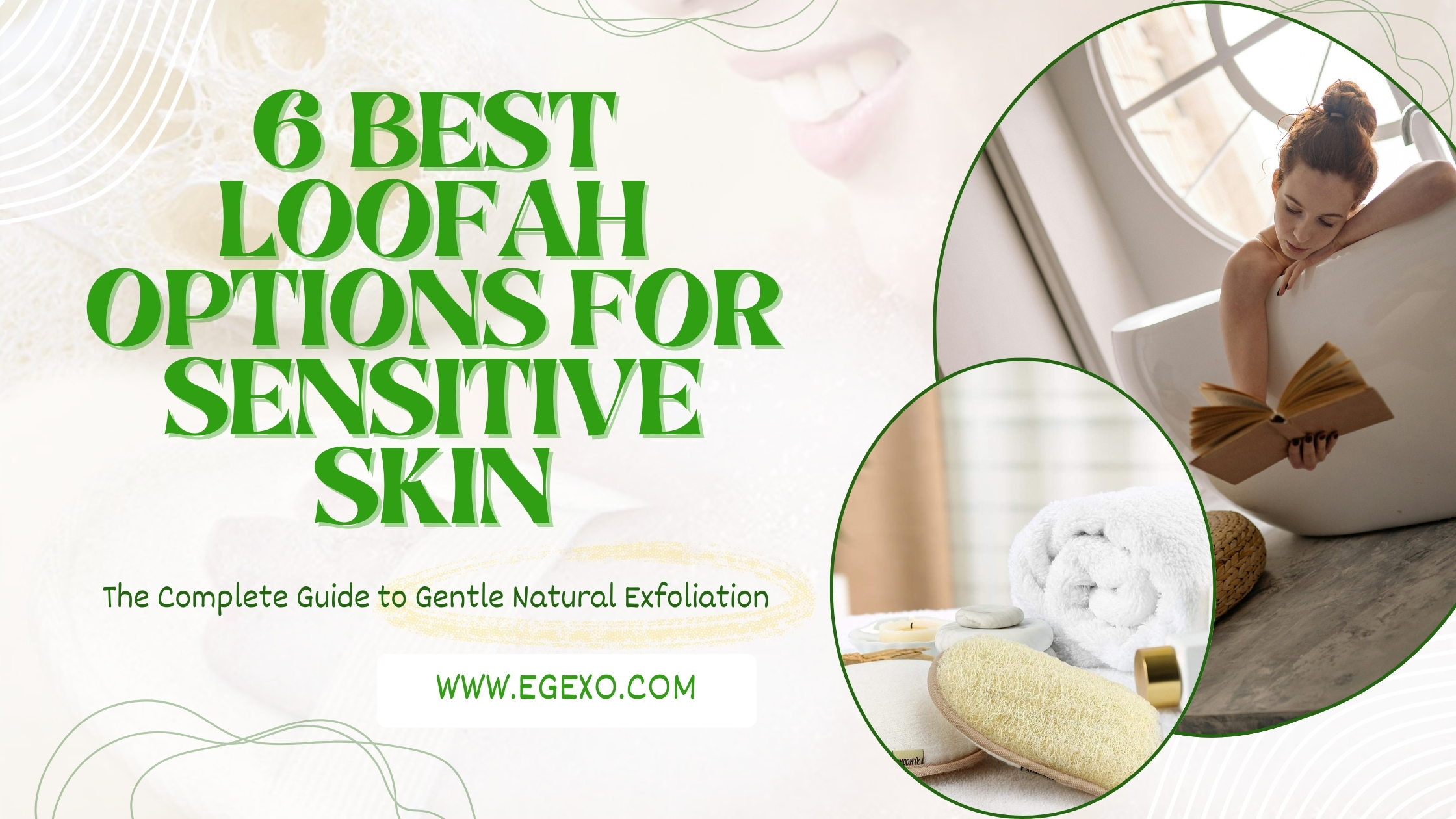
6 Best Loofah Options for Sensitive Skin: The Complete Guide to Gentle Natural Exfoliation
Finding the right loofah options for sensitive skin can feel overwhelming when shelves display dozens of products promising gentle care. Many adults have some degree of skin sensitivity, which makes the choice of exfoliation tools important. For those with reactive skin, selecting the wrong product can lead to irritation and discomfort.
Buying wholesale? EGEXO supplies wholesale loofah from Egypt, with no minimum order on standard products. Get a quote: we reply within 24 hours.
This comprehensive guide looks at six loofah options for sensitive skin, drawing on Egexo’s experience exporting Egyptian loofah since 2015. Whether you operate a spa seeking wholesale body care products, manage a retail store expanding your natural goods selection, or simply want the gentlest exfoliation for your own bathroom routine, this resource delivers the information you need to make confident decisions.
Natural Egyptian loofahs have a plant fiber structure that offers adjustable texture based on moisture levels and processing methods. Unlike synthetic alternatives that maintain constant abrasiveness, loofahs from the Luffa aegyptiaca plant soften when wet. By the end of this article, you will know which loofah types are gentler options, how to evaluate quality for purchasing decisions, and proper techniques for gentle use. If you have a skin condition, consult a doctor or dermatologist before using any exfoliating tool.
Businesses sourcing products for sensitive skin clientele and individuals seeking personal care solutions will find actionable guidance throughout these sections. The key lies in choosing a soft loofah, and Egyptian loofahs, with their loose, soft fibre weave, are gentle from the first use.
Why Sensitive Skin Requires Special Loofah Consideration
Sensitive skin reacts to friction, pressure, and certain materials in ways that normal skin tolerates without issue. When selecting exfoliation tools, people with sensitive skin should choose a gentle option and use light pressure. If you have a skin condition, consult a doctor or dermatologist before using any exfoliating tool.
Natural plant loofahs soften when wet, which synthetic mesh poufs do not. The cellular structure of the Luffa aegyptiaca gourd creates fibers that soften significantly when wet, reducing abrasiveness during use. This moisture responsiveness allows users to control texture intensity simply by adjusting water saturation levels.
At Egexo, loofahs are harvested when fully mature, peeled, cleaned and dried in the sun or by machine, then checked by hand for quality, size and dryness. This farm to export process ends with a hand check before packing.
For wholesale buyers supplying spas, hotels, or retail environments, understanding these processing differences enables better product selection for sensitive skin clientele. End consumers benefit from recognizing quality markers that indicate appropriate gentleness for their skin type.
How Loofah Fiber Feels on Skin
Loofah fibers consist of cellulose arranged in a network pattern that spreads pressure across many contact points.
Natural loofah fibers absorb water and cleansing products, which softens the feel against the skin.
Egyptian loofahs have a loose, soft fibre weave that is gentle from the first use. Egexo sources its loofah from its own farms and partner farms in the Nile Delta and has exported it since 2015.
Six Loofah Options for Sensitive Skin
Selecting appropriate loofahs for reactive skin requires understanding how different preparations and formats affect gentleness. The following six options show the main choices. Young harvest slices, inner core loofah, compressed pads and loofah and fibre blends are custom options made on request, not standard catalog products.
Option 1: Soft Egyptian Body Loofah
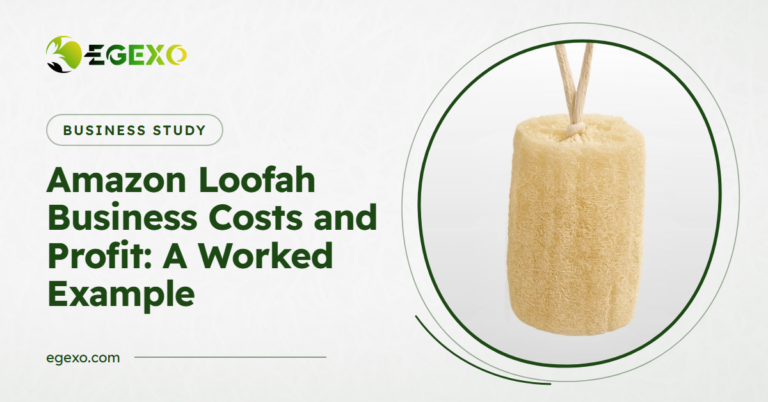
A soft Egyptian body loofah is a good first choice for sensitive skin exfoliation. Egyptian loofah has a loose, soft fibre weave that feels even softer when wet, yet it still provides meaningful exfoliation.
EGEXO’s quality standards mean every order is checked by hand for quality, size and dryness before packing, so the pieces in one order match, an essential consideration for businesses building reliable sensitive skin product lines.
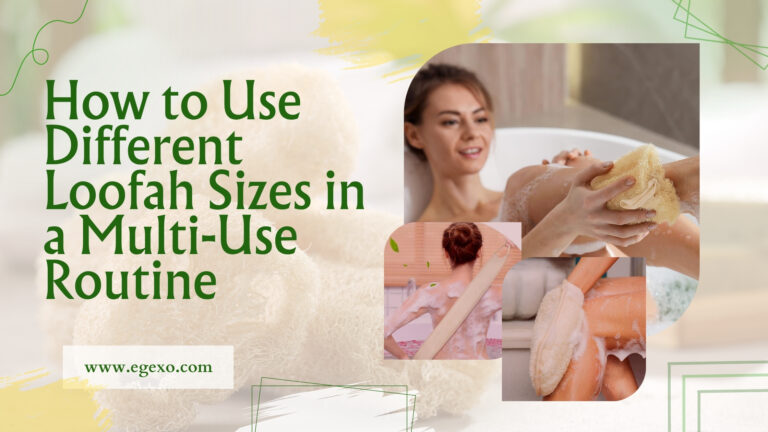
For personal use, soft loofahs work best when thoroughly soaked for three to five minutes before application. This saturation period allows maximum fiber softening. Apply gentle circular motions rather than aggressive scrubbing to remove dead skin gently.
Wholesale buyers can explore body loofah options in various sizes and formats suitable for retail display or spa service packages. No minimum order on standard products. Private label from 1,000 units.
Option 2: Young Harvest Loofah Slices (Custom Option)
Young harvest loofahs come from gourds picked before full maturity, producing fibers with noticeably finer texture than standard varieties. These immature loofahs contain higher moisture content during growth, resulting in cellular structures that remain softer even after processing. At EGEXO, young harvest slices are a custom option made on request.
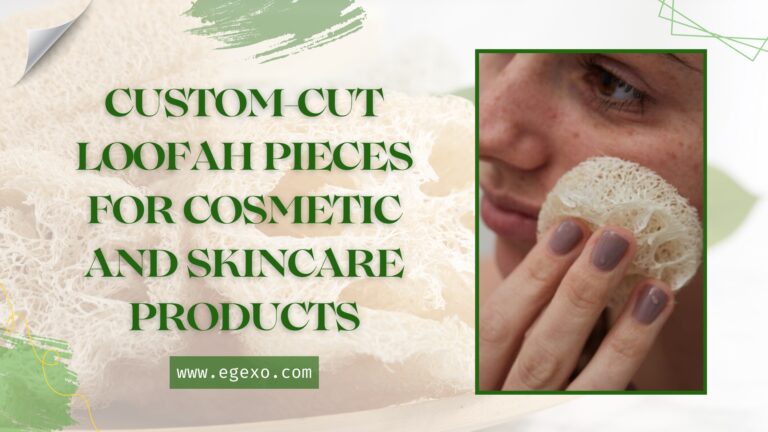
The cross-cut slices from young harvest loofahs can be used for gentle facial exfoliation. Their smaller size offers better control during delicate area treatment.
Individual consumers seeking gentle exfoliation can consider young harvest slices for facial use while using soft full loofahs for body application. This two-product approach addresses different sensitivity levels across body regions.
Option 3: Processed Inner Core Loofah (Custom Option)
The inner core of mature loofahs has a softer texture than the outer layers. EGEXO makes inner core loofah as a custom option on request.
Custom loofah product design services allow businesses to request inner core products as a custom option.
For home users who want a gentler texture, inner core loofah is a custom option to ask about.
Option 4: Compressed Loofah Pads (Custom Option)
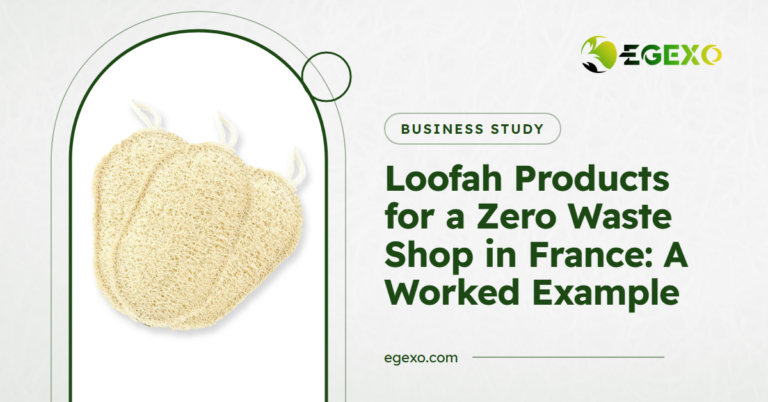
Compressed loofah pads are flat pads made by pressing thin loofah material. EGEXO makes compressed pads as a custom option on request.
The flat pad format can be easier to hold and control in the shower than cylindrical loofahs.
The flat format stacks easily and requires less display space. Private label loofah manufacturing services allow stores to brand their products under their own labels.
Spas can use flat pads in body treatments.
Option 5: Loofah and Natural Fiber Blends (Custom Option)
Hybrid products combine loofah with other natural fibers such as cotton. EGEXO makes loofah and fibre blends as a custom option on request.
Cotton and loofah blends add cotton cushioning between the loofah fibers and the skin.
For wholesale markets, blended products give retailers a way to differentiate beyond pure loofah offerings.
Shoppers new to natural exfoliation may find a blended product less intimidating than pure loofah.
Browse the Egexo shop to see pads and mitts that pair Egyptian loofah with 100% cotton towel backing.
Option 6: Mini Loofah Formats for Targeted Application
Smaller loofah formats including rounds and ovals provide precision exfoliation for sensitive areas. These mini formats allow users to apply gentle pressure to specific zones without affecting surrounding skin unnecessarily.
Smaller formats are easier to control on the face. Avoid the eye area and use light pressure.
Professionals can choose the size that suits each area.
Mini formats come in several sizes. Sample requests allow evaluation of various mini formats before committing to inventory purchases.
Comparison Table: Loofah Options for Sensitive Skin
In short: choose a soft Egyptian loofah for the body, small pieces or rounds for the face and other delicate areas, and flat pads if you are new to natural loofah. Soak before use, use light pressure, and replace your loofah every four to eight weeks.
Quality Evaluation Criteria for Sensitive Skin Loofahs
Understanding quality markers helps both business buyers and individual consumers select products that deliver promised gentleness. The following criteria help you spot a gentler loofah.
Fiber Uniformity Check
A gentle loofah should show even fiber distribution without dense clumps or thin gaps. Hold products up to light and examine for consistency throughout the structure. Uneven areas create friction variations that sensitive skin cannot accommodate predictably.
The fiber network should appear interconnected rather than showing loose strands that might separate during use. Loose fibers detach and create sharp contact points that irritate reactive skin. At Egexo, every order is checked by hand for holes, defects and size before packing.
Wholesale buyers should request multiple samples from each potential supplier to verify batch consistency. Single samples may not represent typical quality, and volume purchases require confidence in ongoing reliability. The quotation request process at Egexo means a reply within 24 hours.
Color and Appearance Indicators
Natural loofah color ranges from cream to light tan. Very dark or discolored products may have been stored badly or not dried properly.
Uniform coloration across the product suggests consistent processing, while blotchy appearance indicates uneven treatment. Some suppliers bleach loofahs to achieve uniform whiteness. Egexo’s standard loofah is not bleached; bleaching is done only on request.
Visible seed remnants or dark spots within the fiber network indicate incomplete cleaning. While not necessarily harmful, these inclusions suggest processing shortcuts that may affect overall quality consistency.
Flexibility and Softness Testing
Before purchasing or stocking sensitive skin loofahs, perform simple flexibility tests. Quality products bend easily without cracking or showing stress marks. Rigid loofahs that resist gentle bending will not soften adequately when wet.
Press the loofah surface against your forearm using light pressure. Softer loofahs compress noticeably under minimal force. Products requiring significant pressure to compress will feel abrasive during actual use regardless of water saturation.
For business buyers evaluating potential suppliers, request both dry and pre-moistened samples to assess transformation characteristics. The difference between dry and wet softness indicates moisture responsiveness crucial for sensitive skin suitability.
Sensitive Skin Loofah Quality Checklist
| Quality Factor | What to Check | Pass Criteria |
|---|---|---|
| Fiber Uniformity | Light test for even distribution | No clumps or thin spots |
| Structural Integrity | Check for loose fibers | Fibers firmly interconnected |
| Color Consistency | Examine full surface | Even cream to light tan |
| Chemical Treatment | Inquire about processing | No bleaching or harsh chemicals |
| Flexibility Dry | Gentle bend test | Bends without cracking |
| Flexibility Wet | Soak and compress | Significant softening |
| Residue Check | Rinse and smell | No chemical odor |
| Batch Consistency | Compare multiple samples | Identical characteristics |
Proper Usage Techniques for Sensitive Skin
Even the gentlest loofah can cause irritation when used incorrectly. Proper technique helps keep exfoliation gentle.
Preparation Steps Before Use
Always soak your loofah for minimum three minutes before skin contact. This soaking period allows fiber saturation that dramatically reduces surface abrasiveness. Warm water accelerates softening compared to cold water applications.
Apply cleanser to the loofah rather than directly to skin. The loofah fibers distribute product evenly and create lather that provides additional cushioning between fibers and skin surface. This approach uses less product while achieving better coverage.
Wet skin thoroughly before loofah contact. Dry or partially wet skin experiences greater friction than fully saturated skin. The water layer between loofah and skin provides essential lubrication for sensitive applications.
Application Technique Guidelines
Use light pressure that barely compresses the loofah against your skin. Effective exfoliation does not require force. The fiber texture performs mechanical removal even with gentle contact. Excessive pressure can irritate sensitive skin.
Employ slow circular motions rather than rapid back-and-forth scrubbing. Circular patterns distribute friction evenly and allow you to feel skin response during use. If any area begins tingling or feeling irritated, move immediately to another zone.
Limit exfoliation sessions to two or three times weekly maximum for sensitive skin. Daily loofah use can be too much for sensitive skin. Allow at least 48 hours between sessions.
Post-Use Care and Storage
Rinse your loofah thoroughly after each use to remove all cleanser residue and dead skin cells. Residue buildup creates bacterial growth opportunities and can irritate skin during subsequent uses. Squeeze out excess water by pressing rather than wringing, which damages fiber structure.
Hang or position your loofah where air circulates freely for complete drying between uses. Persistent moisture promotes mold and bacteria growth that creates skin irritation risk. Avoid enclosed shower caddies or other spaces that trap humidity.
Replace sensitive skin loofahs every four to eight weeks depending on frequency of use. Even with proper care, fiber breakdown reduces gentleness over time. Wholesale buyers should factor replacement cycles into usage calculations when planning inventory for spa or hotel settings.
Business Considerations for Sensitive Skin Loofah Products
Retailers, spas, and distributors entering the sensitive skin natural products market benefit from understanding customer needs and supplier evaluation approaches specific to this category.
Market Opportunity Analysis
The sensitive skin care market continues expanding as environmental factors and lifestyle choices increase skin reactivity across populations. This segment keeps growing, presenting opportunities for businesses positioning appropriate products.
Sensitive skin is one category of the wider personal care market.
Egexo helps partners with the product information they need to explain Egyptian loofah to their customers.
Supplier Selection Criteria
Evaluate potential suppliers based on processing transparency, quality consistency, and sensitive skin category experience. Request documentation of handling procedures that affect final product gentleness. Suppliers unwilling to share processing details may have practices incompatible with sensitive skin requirements.
Assess minimum order quantities against your market size realistically. Some suppliers require volumes impractical for smaller operations, while others accommodate emerging businesses building their sensitive skin lines. Egexo has no minimum order on standard products, and private label starts from 1,000 units.
Verify supplier capacity for custom formulations or packaging if your business strategy requires differentiation. Private labeling capabilities, custom sizing, and branded packaging transform commodity loofahs into distinctive products that build customer loyalty to your business specifically.
Review the complete product catalog to understand available options and identify products aligning with your sensitive skin market focus.
Understanding Egyptian Loofah for Sensitive Skin
Egyptian loofahs are soft and gentle from the first use, which matters for sensitive skin.
Climate and Growing Conditions Impact
Egyptian loofah is grown in the Nile Delta, where Egexo has its own farms and partner farms.
Loofah is harvested when the fruit is fully mature.
EGEXO dries loofah by sun drying and machine drying, and every order is checked for dryness before packing.
Processing and Quality Checks
Post-harvest handling matters as much as growing conditions. Soaking, cleaning and drying all affect how the loofah feels.
Egexo checks every order by hand for quality, size and dryness before packing, so the pieces in one order match. Learn more about how Egexo checks quality.
Request samples and check them yourself: feel the fibre dry and wet, and look for holes, defects and full dryness. EGEXO works under an ISO 9001:2015 certified quality management system.
Stocking loofahs for body care?
EGEXO supplies natural Egyptian loofah pads, gloves and back scrubbers in bulk, with no MOQ on standard products. Want your own brand? Private label starts at 1,000 units. Order samples first: the sample cost is credited to your first order of $1,000 or more, placed within 60 days.
Frequently Asked Questions
Q: Why choose Egyptian loofah for sensitive skin?
A: Egyptian loofahs from the Nile Delta have a loose, soft fibre weave that is gentle from the first use. EGEXO dries its loofah in the sun and by machine and checks every order by hand for quality, size and dryness.
Q: How often should someone with sensitive skin use a loofah?
A: Sensitive skin responds best to loofah exfoliation two to three times per week maximum, with at least 48 hours between sessions. This frequency gives the skin time to rest while still removing dead cells. Some individuals with highly reactive skin may need to limit use to once weekly until their skin adjusts to natural exfoliation.
Q: What minimum order quantities apply for wholesale sensitive skin loofah purchases?
A: EGEXO has no MOQ on standard products; private label starts from 1,000 units. Egexo accommodates both large distributors and smaller boutique operations.
Q: Can loofahs cause skin irritation even for people without sensitive skin?
A: Yes, improper loofah use causes irritation regardless of skin type. Using loofahs dry, applying excessive pressure, exfoliating too frequently, or using products past their replacement date all create irritation risk. Following proper preparation, technique, and care guidelines helps avoid these problems.
Q: How do I evaluate loofah quality before making a bulk purchase?
A: Request samples and perform physical assessments including light tests for fiber uniformity, flexibility tests both dry and wet, color consistency examination, and structural integrity checks for loose fibers. Compare multiple samples to verify batch consistency. Egexo welcomes sample requests: standard samples ship within 2 days, custom samples within a week.
Q: How often should I replace a sensitive skin loofah?
A: Sensitive skin loofahs require replacement every four to eight weeks with regular use. Proper care including thorough rinsing and complete drying between uses keeps the loofah clean. Business buyers should factor these replacement cycles into customer usage calculations when planning inventory and pricing for spa or retail environments.
Q: Are there certifications indicating loofah suitability for sensitive skin?
A: No universal sensitive skin certification exists for loofahs, so ask for samples and check the softness yourself. EGEXO works under an ISO 9001:2015 certified quality management system, and every order is checked by hand for quality, size and dryness.
A Note from Egexo
Exporting Egyptian loofahs since 2015, we suggest matching the loofah to the user’s needs. For sensitive skin, start with a soft piece and use light pressure.
For sensitive skin, a soft fibre matters most. At Egexo, every order is checked by hand for quality, size and dryness before it ships.
For business buyers, we recommend starting with samples of several products to see what suits your customers. For individual users, start with a soft loofah and light pressure.
Conclusion
Choosing a loofah for sensitive skin requires understanding how fiber characteristics, processing methods, and usage techniques combine to create gentle exfoliation experiences. The six options detailed in this guide show the main choices, with soft Egyptian loofah a good choice for gentle exfoliation.
Natural loofahs soften when wet and let you adjust the intensity through proper preparation. If you have a skin condition, consult a doctor or dermatologist before using any exfoliating tool.
Key Takeaways:
- Egyptian loofahs are soft and gentle from the first use, a good choice for gentle exfoliation
- Soft loofahs and small formats are the gentlest choices
- Proper preparation including three to five minute soaking dramatically reduces abrasiveness
- Limit exfoliation to two to three times weekly maximum for sensitive skin
- Quality evaluation through sample assessment prevents disappointing bulk purchases
- Replacement every four to eight weeks keeps the loofah clean and gentle
Ready to try Egyptian loofah?
For Wholesale Buyers: Request a quote for bulk sensitive skin loofah options or download our complete catalog to explore available varieties.
For Individual Orders: Browse our collection of loofahs for sensitive skin or request samples to test quality before committing.
Explore additional resources at EGEXO blog for consumer education and Wholesale Loofah for business purchasing guidance.