

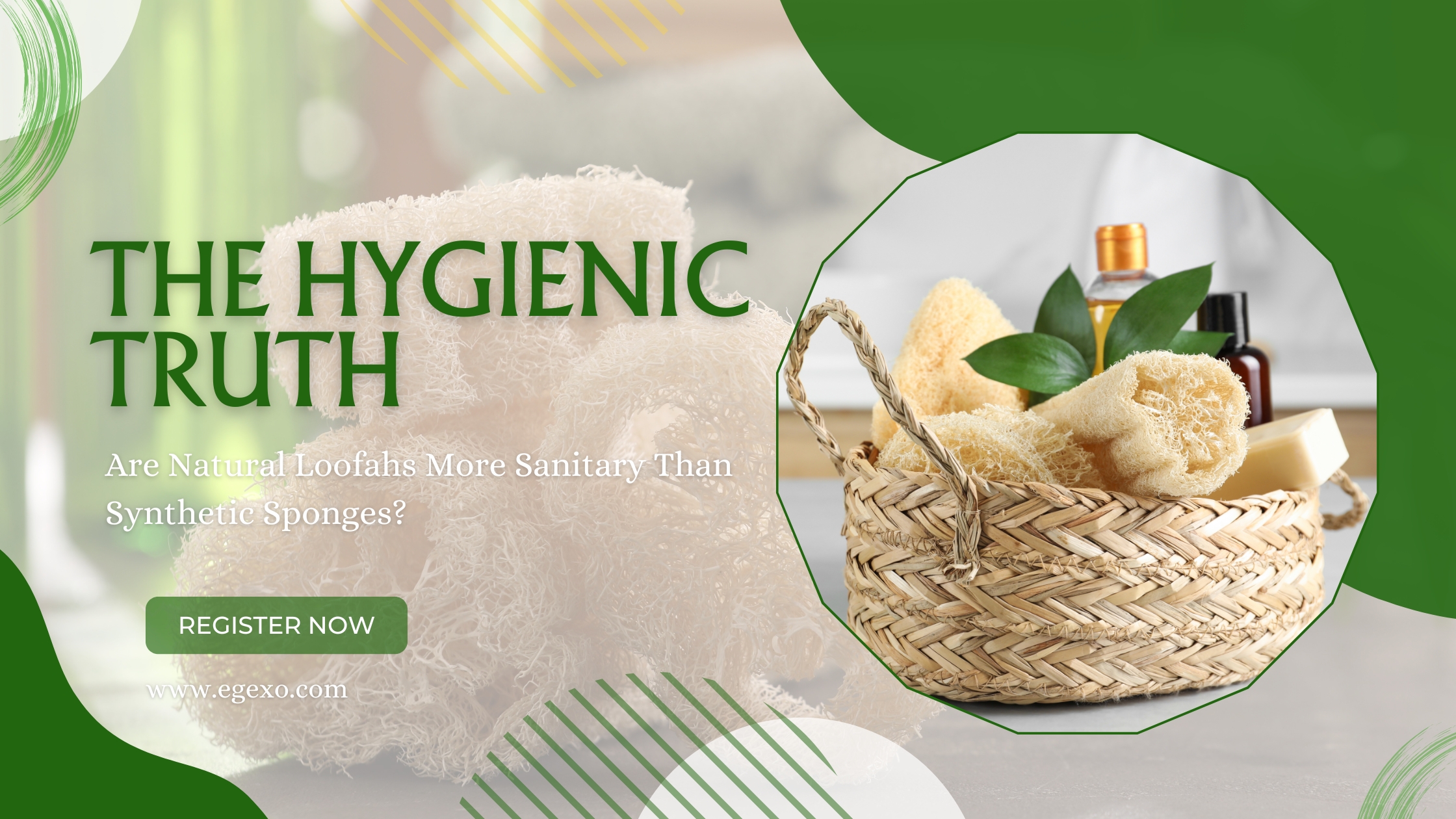
The Hygienic Truth: Are Natural Loofahs More Sanitary Than Synthetic Sponges?
Most people grab a shower sponge without thinking twice about what is actually living inside it. Studies have found that a single synthetic bath sponge can harbor over 10 million bacteria per square centimeter after just one week of regular use. That number is not a typo. It is one of the most overlooked hygiene facts in modern personal care.
So the question deserves a real answer: are natural loofahs more sanitary than synthetic sponges? The short answer is yes, when used and maintained correctly, natural loofahs offer meaningful hygiene advantages. But the full answer involves biology, material science, manufacturing standards, and proper care habits that both individual consumers and wholesale buyers need to understand.
This guide breaks down the science behind loofah hygiene, compares natural versus synthetic sponges across multiple dimensions, and explains what separates a high-quality natural loofah from a poorly processed one. Whether you are a spa owner sourcing bath products in bulk or a consumer deciding what belongs in your shower, this is the most complete resource you will find on the topic.
For wholesale buyers evaluating suppliers, understanding hygiene standards is not just a consumer concern. It directly affects your product quality, customer satisfaction, and brand reputation. Egexo, with over 25 years of loofah cultivation and export experience, has built its entire operation around one principle: quality starts at the farm and never stops.
What Makes a Loofah Natural and Why Does It Matter
The Botanical Origin of Natural Loofahs
Natural loofahs are not sea creatures. They are the dried fibrous skeleton of the Luffa aegyptiaca or Luffa acutangula plant, a member of the cucumber family grown in warm climates. Egypt has long been recognized as producing the finest quality luffa in the world, thanks to the rich Nile Delta soil, consistent sun exposure, and agricultural expertise passed down through generations.
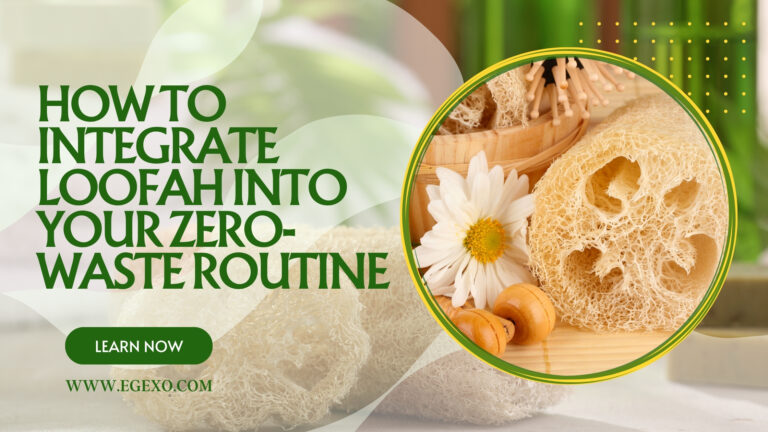
When a luffa gourd reaches full maturity, it is harvested, dried, and processed into the fibrous sponge used in bathrooms and kitchens globally. The result is a 100 percent plant-based, biodegradable scrubbing tool with a naturally open, porous fiber structure.
This structure is important from a hygiene standpoint. Natural loofah fibers are relatively coarse and open. Water flows through them more freely than through the dense foam layers of synthetic sponges. That drainage matters more than most people realize.
What Synthetic Sponges Are Actually Made Of
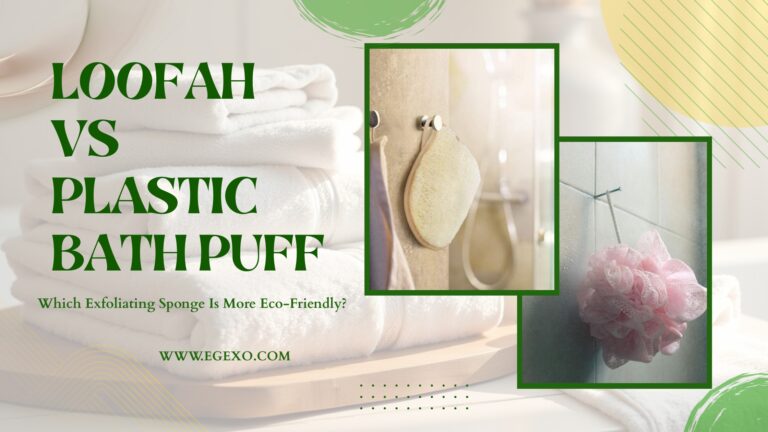
Synthetic bath sponges are manufactured from polyurethane foam, nylon mesh, or a combination of petroleum-based materials. They are designed to create rich lather and feel soft against skin, which makes them commercially appealing. However, those same properties create a hygiene problem.
The dense, closed-cell structure of polyurethane foam traps moisture and organic matter. Skin cells, soap residue, and body oils get locked inside the material where bacteria find an ideal warm, wet environment to multiply rapidly. Unlike natural loofah fibers, synthetic foam does not breathe or drain effectively between uses.
This is one of the primary reasons dermatologists and hygiene researchers have raised consistent concerns about synthetic sponge use on skin, particularly for people with sensitive or acne-prone skin types.
The Science Behind Bacterial Growth in Bath Products
Why Moisture Retention Is the Core Problem
Bacteria require three things to thrive: warmth, moisture, and organic nutrients. A shower environment provides all three in abundance. The real question is which material retains those conditions longer after use.
Research published in microbiology and dermatology literature has consistently found that synthetic sponges retain moisture for significantly longer periods than natural loofah, especially in humid bathroom environments. Some studies indicate that synthetic sponges can remain damp for 18 to 24 hours after use, while a well-hung natural loofah typically dries within 4 to 6 hours under normal ventilation conditions.
That drying window is where bacterial colonies either grow or get interrupted. Every hour a sponge stays wet is additional multiplication time for bacteria including Staphylococcus, E. coli, and Pseudomonas species, all of which have been detected in used bath sponges.
Natural Loofah Fiber and Bacterial Resistance
The open, coarse fiber structure of a quality natural loofah does more than just drain quickly. The plant cellulose fibers themselves have a lower affinity for bacterial adhesion compared to synthetic foam. Bacteria find fewer anchor points on coarse natural fiber than on smooth, porous polyurethane surfaces.
Additionally, natural loofahs that are properly dried become genuinely inhospitable environments for bacterial growth. There is no persistent moisture, no soft foam matrix to shelter colonies, and no sealed pockets where organic debris accumulates indefinitely.
This does not mean natural loofahs are sterile or maintenance-free. They still require proper care, regular replacement, and hygienic handling. But under comparable conditions, a quality natural loofah used and maintained correctly is measurably more hygienic than a synthetic sponge used the same way.
Head-to-Head Comparison: Natural Loofah vs Synthetic Sponge
The table below presents a direct comparison across the dimensions that matter most to both consumers and wholesale buyers evaluating products for retail or spa use.
| Feature | Natural Loofah | Synthetic Sponge |
|---|---|---|
| Material Origin | Plant-based (Luffa plant) | Petroleum-based foam or nylon |
| Drying Time After Use | 4 to 6 hours | 18 to 24 hours |
| Bacterial Growth Risk | Lower with proper care | Significantly higher |
| Exfoliation Quality | Moderate to firm, natural | Soft, minimal exfoliation |
| Biodegradability | 100 percent biodegradable | Non-biodegradable, landfill waste |
| Average Lifespan | 3 to 4 weeks with proper care | 4 to 6 weeks |
| Environmental Impact | Minimal | High carbon footprint |
| Skin Sensitivity | Suitable for most skin types | Can trap bacteria causing breakouts |
| Replacement Frequency | Every 3 to 4 weeks | Every 4 to 6 weeks |
| Wholesale Availability | Available in bulk, graded sizes | Mass-produced, limited customization |
| Private Label Options | Yes, highly customizable | Limited |
| Consumer Price Range | Moderate | Low to moderate |
This comparison is not intended to suggest that all natural loofahs are created equal. Processing quality, drying methods, and storage conditions all affect the hygiene profile of any natural loofah product. That is precisely why sourcing from a verified, experienced supplier like Egexo makes a measurable difference in the final product quality.
Wholesale buyers evaluating bath and body product lines can explore the full range of natural bath loofahs at the Bath and Body Loofah product category, where products are graded by size, fiber density, and processing standard.
Quality Standards That Separate Good from Great
How Processing Affects Hygiene Outcomes
Not all natural loofahs are processed equally, and processing quality is where hygiene outcomes diverge significantly. A loofah harvested too early, dried improperly, or stored in humid conditions before export can carry mold, mildew, or elevated bacterial loads regardless of its natural material advantages.
Egexo’s processing protocol follows a strict farm-to-export quality chain. Gourds are harvested at peak maturity, sun-dried using traditional Egyptian methods, cleaned to remove all seed residue and outer husk material, and inspected at multiple stages before packaging. You can review the complete process at the Farm to Export Process page.
This commitment to processing integrity is what allows Egexo to meet international quality and safety standards consistently across all export shipments.
Quality Grading Standards for Wholesale Buyers
Wholesale buyers need to understand that natural loofahs are graded by criteria that directly affect hygiene and end-user satisfaction. The following table outlines the primary grading dimensions used in the industry.
| Quality Grade | Fiber Density | Color | Seed Removal | Moisture Content | Recommended Use |
|---|---|---|---|---|---|
| Premium A | High, uniform | Natural off-white | Complete | Below 12 percent | Spa, retail, private label |
| Standard B | Medium | Light tan to brown | Complete | Below 15 percent | General retail, wholesale |
| Economy C | Variable | Mixed tones | Partial | Up to 18 percent | Industrial, pet, craft use |
| Export Grade | Certified | Uniform | Complete | Below 10 percent | International spa and retail |
For businesses that require consistent product quality across large order volumes, understanding these grades is essential. Egexo’s Quality Standards page provides detailed specifications for each grade along with certification documentation.
Buyers interested in building their own branded line should review the Private Label Loofah Manufacturing service, which allows full control over grade selection, packaging, and labeling.
Hygiene Maintenance: How to Keep Your Loofah Clean
Daily Habits That Extend Loofah Life and Safety
Even the highest quality natural loofah will become a hygiene liability if it is not maintained properly. The good news is that proper loofah care requires very little effort beyond a few consistent habits.
The single most important habit is adequate drying between uses. A loofah left balled up in a humid shower corner will accumulate bacterial growth regardless of its material. After every use, rinse the loofah thoroughly under clean running water, squeeze out excess moisture completely, and hang it in a location with good air circulation, ideally outside the shower enclosure.
Here is a simple maintenance checklist for consumers and spa operators managing multiple units:
| Maintenance Task | Frequency | Method |
|---|---|---|
| Rinse and squeeze after use | After every use | Clean running water, full compression |
| Deep cleaning soak | Once per week | Diluted white vinegar solution, 5 minutes |
| Inspect for odor or discoloration | Twice per week | Visual and smell check |
| Replace loofah | Every 3 to 4 weeks | Regardless of visual condition |
| Avoid sharing | Always | Single-user policy for hygiene |
| Store outside shower | Always | Hanging position with air flow |
Spa operators managing loofah inventory for multiple guests have additional considerations. Single-use loofah formats, sealed packaging, and per-guest allocation protocols significantly reduce cross-contamination risk and align with professional hygiene standards.
Egexo supplies spa-grade loofahs in bulk configurations that meet these operational requirements. Businesses can request tailored specifications through the Get a Wholesale Quote form.
When to Replace Your Loofah Without Question
Many consumers hold onto a loofah well past its functional and hygienic lifespan. The general guideline is replacement every 3 to 4 weeks for a natural loofah used daily. However, certain signs should trigger immediate replacement regardless of how recently you purchased it.
Replace your loofah immediately if you notice any musty or unpleasant odor that persists after rinsing, any visible dark spots or mold growth on the fibers, a significant softening or breakdown of the fiber structure, or if it has been stored wet for more than 24 consecutive hours.
The Environmental Case That Changes the Business Equation
Why Sustainability Is Now a Purchasing Driver
The global natural bath products market is experiencing sustained growth, with eco-conscious consumers actively choosing products that align with their values. Natural loofahs have emerged as a compelling alternative to synthetic sponges not only for hygiene reasons but because the environmental comparison is stark.
Synthetic bath sponges are petroleum derivatives that do not biodegrade. They persist in landfills and marine environments for hundreds of years. A single household that uses two synthetic sponges per month generates approximately 24 units of non-biodegradable waste annually, per person.
A natural loofah completes its lifecycle by returning to the earth within weeks of disposal. The luffa plant itself requires no pesticides when grown in traditional Egyptian agricultural conditions, and the processing generates minimal industrial waste.
For wholesale buyers, this environmental narrative translates directly into marketable value. Retailers and brands positioning themselves in the sustainable personal care space have a genuine, science-supported story to tell when their products feature Egyptian natural loofahs.
The Why Choose Egexo page provides a complete overview of the environmental and quality credentials that support this market positioning.
Global Market Data for Wholesale Buyers
Understanding the market context helps wholesale buyers make informed sourcing decisions. The following table presents key data points relevant to the natural loofah market.
| Market Metric | Data Point | Source Context |
|---|---|---|
| Global natural loofah market size | Growing at approximately 6 to 8 percent annually | Industry trend analysis |
| Consumer preference shift to natural | 62 percent of surveyed buyers prefer natural bath tools | Consumer research aggregate |
| Egypt market share in global loofah export | Leading producer and exporter globally | Agricultural trade data |
| Average retail markup on natural loofahs | 200 to 400 percent above wholesale | Retail industry benchmark |
| Spa and wellness sector growth | 9 percent annual growth rate globally | Wellness industry data |
| Private label bath products demand | 35 percent increase in last three years | Retail trend data |
These figures underscore why natural loofahs represent a strong addition to any wholesale or retail product portfolio. The margin opportunity combined with growing consumer demand creates favorable conditions for importers and distributors.
Wholesale buyers can download the complete Egexo Product Catalog to review current product specifications, grades, and MOQ requirements.
What Egyptian Loofahs Offer That Others Cannot
The Nile Advantage in Loofah Agriculture
Egyptian luffa cultivation benefits from specific agricultural conditions that other growing regions cannot replicate. The alluvial soil of the Nile Delta provides a natural mineral composition that produces denser, more uniform fiber growth. Combined with Egypt’s consistent warm temperatures and low humidity during the harvest and drying season, the result is a loofah with superior structural integrity and lower inherent moisture content at the point of export.
Egexo farms are located in optimal growing regions within Egypt and have maintained continuous cultivation practices for over 25 years. This depth of agricultural experience means Egexo can predict and control quality variables that newer suppliers are still learning to manage.
For buyers comparing suppliers across different countries of origin, Egyptian loofahs from experienced cultivators consistently outperform alternatives from regions with less developed agricultural infrastructure or less favorable growing conditions.
Custom Product Development for Wholesale Buyers
Beyond standard product grades, Egexo offers a full custom product development service that allows buyers to create differentiated products for their specific market. Custom loofah dimensions, fiber density profiles, combined products incorporating natural soap or essential oil elements, and fully branded packaging are all available.
The Custom Loofah Product Design service is particularly valuable for brands entering the premium natural personal care market where product differentiation is a competitive necessity.
Buyers who want to evaluate product quality before committing to bulk orders can use the Order Loofah Samples service to receive physical samples for testing and evaluation.
Practical Buying Guide: Natural Loofahs for Every Use Case
Selecting the Right Loofah for Your Application
Whether you are selecting a loofah for personal use or evaluating products for wholesale purchase, the criteria differ by application. This guide covers the primary use cases.
| Use Case | Recommended Type | Key Selection Criteria | Egexo Product Category |
|---|---|---|---|
| Daily body exfoliation | Standard bath loofah | Medium fiber density, uniform shape | Bath and Body Loofahs |
| Spa treatments | Premium spa loofah | Export grade, sealed packaging | Pet and Spa Grooming |
| Kitchen use | Kitchen loofah sponge | Dense fiber, no fragrance treatment | Kitchen Loofahs |
| Sensitive skin | Soft-grade bath loofah | Lighter fiber density, smaller cell structure | Bath and Body Loofahs |
| Pet grooming | Pet loofah | Soft grade, untreated | Pet and Spa Grooming |
| Retail resale | Graded bulk loofah | Consistent size, packaging ready | All wholesale categories |
| Private label | Custom processed | Custom dimensions and packaging | Custom Product Design |
For consumers, the Bath and Body Loofah collection offers the widest selection for personal use. For kitchen applications, the Kitchen Loofah category provides purpose-built options. Specialty applications including pet care and spa treatments are covered in the Pet and Spa Grooming range.
The complete Egexo Shop provides a full overview of all available product categories with detailed specifications.
Expert Insight from Egexo
With over 25 years of experience cultivating and exporting natural loofahs from the Nile Delta region, Egexo has observed a consistent pattern: hygiene outcomes in natural loofah products are almost entirely determined by two factors. The first is moisture content at the point of export, which must be below 12 percent for premium grades to prevent mold development during transit and storage. The second is the buyer’s education about proper use and replacement cycles.
A natural loofah processed to export-grade standards and used correctly is unequivocally more hygienic than a synthetic sponge used the same way. The challenge has always been distribution of accurate information, not the product itself.
We encourage wholesale buyers to include hygiene and care instructions with every loofah product they sell. It protects the consumer, reduces returns, and builds the kind of brand trust that drives repeat purchasing.
For businesses exploring sustainable bath product lines, our team offers consultation on product selection, custom development, and market positioning. Reach out through our Why Choose Egexo page to start a conversation.
FAQ Section
Q1: Are natural loofahs more sanitary than synthetic sponges for everyday shower use?
A: Yes, natural loofahs are generally more sanitary than synthetic sponges when used and maintained correctly. The key difference lies in drying time. Natural loofah fibers dry in 4 to 6 hours under proper ventilation, while synthetic sponges retain moisture for 18 to 24 hours. Bacteria require persistent moisture to multiply, so the faster drying time of natural loofahs significantly interrupts bacterial growth cycles. Replacing your natural loofah every 3 to 4 weeks and hanging it outside the shower are the two most important hygiene habits to maintain.
Q2: How often should I replace a natural loofah?
A: A natural loofah used daily for body washing should be replaced every 3 to 4 weeks. This recommendation applies regardless of visual condition because bacteria and mold can accumulate within the fiber structure before becoming visible or detectable by smell. If you notice any persistent odor, visible dark spots, or a soft breakdown in fiber texture before the 3-week mark, replace it immediately. Wholesale buyers supplying spa or salon environments should establish single-use or per-session replacement protocols to meet professional hygiene standards.
Q3: What is the minimum order quantity for natural loofahs from Egexo?
A: Egexo’s minimum order quantities vary by product type and grade. For standard wholesale orders, MOQ typically starts at quantities appropriate for small to mid-size retailers and distributors. Specific MOQ details, pricing tiers, and current availability are provided through the wholesale quotation request process. Buyers can also request physical samples before committing to full orders through the sample request service.
Q4: Can bacteria grow on a natural loofah?
A: Yes, bacteria can grow on a natural loofah if it is not maintained properly. Any moist organic material can support bacterial growth under the right conditions. However, the open fiber structure of a quality natural loofah drains and dries more effectively than synthetic foam, which interrupts the moisture cycle that bacteria depend on. Regular rinsing, thorough squeezing after each use, hanging in a ventilated location, and replacing every 3 to 4 weeks are the practices that keep natural loofah use genuinely hygienic.
Q5: Why is Egyptian loofah considered the highest quality globally?
A: Egyptian loofah is widely regarded as superior because of the specific growing conditions in the Nile Delta region. The mineral-rich alluvial soil produces denser, more uniform fiber growth. The warm, dry climate during harvest and drying seasons results in naturally low moisture content, which is critical for hygiene and shelf life. Egexo’s 25-plus years of cultivation experience in these optimal conditions allows for consistent grading and quality control that newer suppliers in other countries cannot yet match. Egypt’s established export infrastructure also supports reliable international supply chain performance.
Q6: Are natural loofahs safe for sensitive skin?
A: Natural loofahs are generally suitable for most skin types when the correct grade and fiber density are selected. Lighter-grade loofahs with lower fiber density are appropriate for sensitive or delicate skin. The key advantage over synthetic alternatives for sensitive skin users is that natural loofahs do not trap bacteria in closed foam pockets the way synthetic sponges do, which reduces the risk of skin irritation from bacterial exposure. Users with highly sensitive skin, active skin conditions, or recent skin injuries should consult a dermatologist before using any exfoliating tool.
Q7: What hygiene certifications should wholesale buyers look for in loofah products?
A: Wholesale buyers importing natural loofahs should look for suppliers that meet phytosanitary export certification requirements, which verify that plant-based products are free from pests, mold, and contamination. Additionally, suppliers serving spa, medical, or premium retail clients should be able to provide documentation of moisture content testing, seed removal verification, and processing hygiene standards. Egexo maintains comprehensive quality documentation for all export grades, detailed at the Quality Standards page.
Q8: How do I clean a natural loofah to extend its hygienic lifespan?
A: The most effective cleaning method for a natural loofah is a weekly soak in a diluted white vinegar solution. Mix one part white vinegar with four parts water and submerge the loofah for 5 minutes, then rinse thoroughly and allow to dry completely in a ventilated space. This process disrupts bacterial biofilm without damaging the natural fibers. Some users prefer a diluted diluted bleach solution (one tablespoon per gallon of water) for a monthly deeper clean, followed by thorough rinsing. Daily habits matter more than occasional deep cleaning. Thorough rinsing and full drying after every single use is the foundation of hygienic loofah maintenance.
Conclusion
The question of whether natural loofahs are more sanitary than synthetic sponges has a clear answer supported by biology, material science, and practical experience: yes, when quality standards are met and proper care habits are followed, natural loofahs are meaningfully more hygienic alternatives to synthetic bath sponges.
The advantages are rooted in material properties. Natural loofah fibers drain and dry faster, provide fewer bacterial anchor points, and return to the environment without leaving permanent waste. Synthetic sponges retain moisture, create bacterial growth environments, and contribute to long-term environmental pollution.
For wholesale buyers, the hygiene advantage of natural loofahs is inseparable from the quality of the sourcing decision. A premium Egyptian natural loofah processed to export-grade standards is a fundamentally different product from a poorly processed alternative, regardless of what the label says.
Key Takeaways:
- Natural loofahs dry 3 to 5 times faster than synthetic sponges, significantly reducing bacterial growth opportunity
- Quality processing and low moisture content at export are the primary determinants of loofah hygiene performance
- Egyptian loofahs, particularly those from Egexo’s Nile Delta farms, represent the global standard for natural loofah quality
- Replace natural loofahs every 3 to 4 weeks and hang them outside the shower after every use
- Wholesale buyers have a growing market opportunity in natural bath products backed by consumer preference trends
Ready to experience Egyptian loofah quality?
- For Wholesale Buyers: Request a wholesale quote or download our complete product catalog
- For Individual Orders: Shop our full collection or order samples to test quality