Contents
- Understanding Loofah Sponge Fundamentals
- For shops, hotels and brands
- Skin Type Analysis and Loofah Matching
- Comprehensive Loofah Type Comparison
- How EGEXO Checks Loofah Quality
- Size and Shape Selection Guide
- Proper Loofah Care and Maintenance
- Sustainable and Environmental Considerations
- Wholesale Buyer Evaluation Checklist
- Making Your Final Selection
- FAQ Section
- Notes from EGEXO
- Conclusion
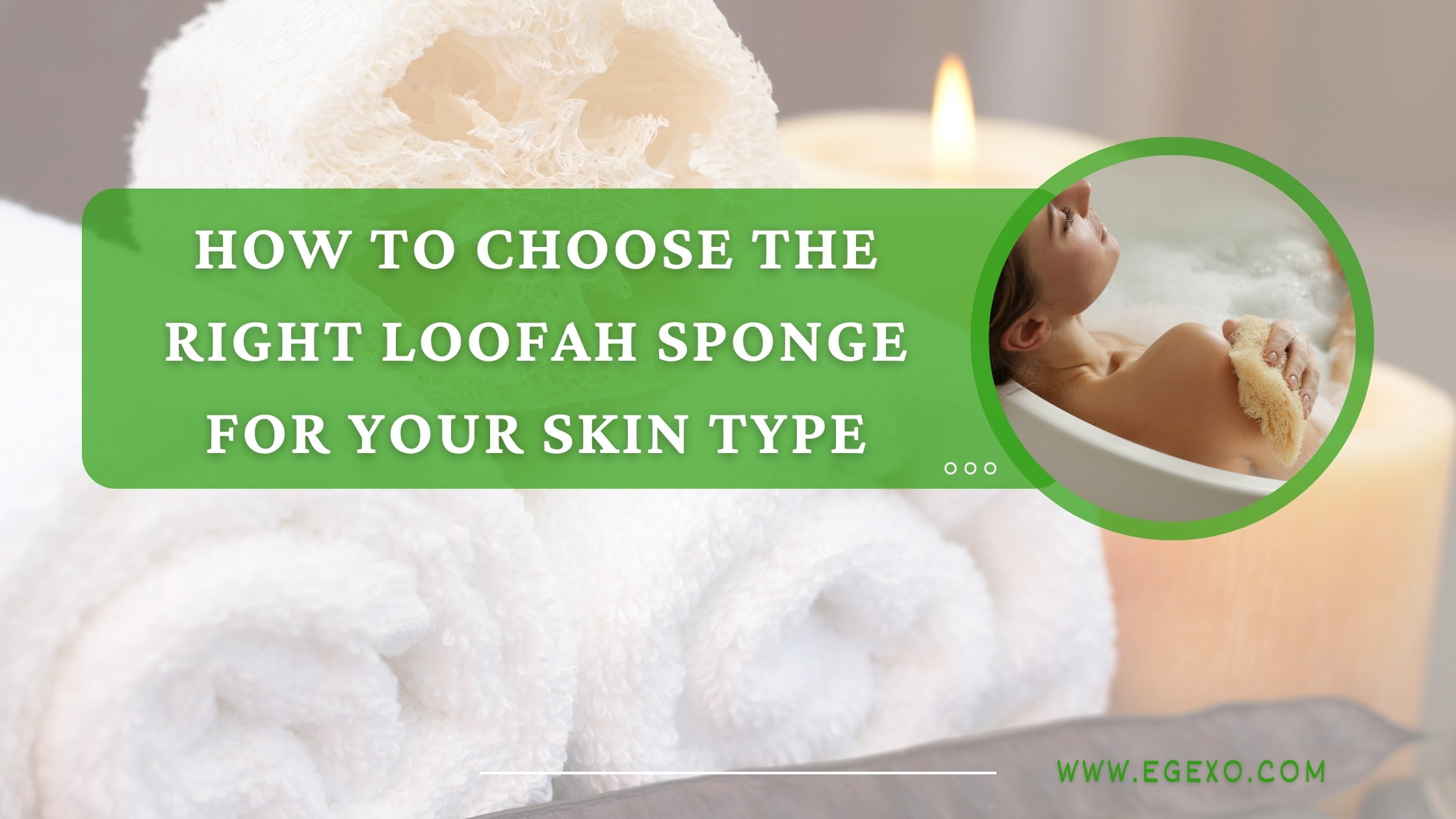
Choose a loofah by your skin and the area you scrub: for sensitive or dry skin, soak a soft natural loofah in warm water and use light pressure; for oily skin, use a little more pressure; for the face, use a small pad (7 x 7 or 10 x 10 cm). Change it every 3 to 4 weeks. Whether you operate a spa seeking wholesale loofah supplies or you are an individual searching for a personal care product, this guide will help you make an informed decision.
Egyptian loofah is soft and gentle from the first use. EGEXO has been exporting since 2015, and the natural fibers grown in the Nile Delta region are 100% biodegradable, unlike synthetic alternatives.
This guide explores what you need to know about choosing loofah types for different skin types, checking quality for bulk purchases, how natural exfoliation works, and caring for your loofah. By the end of this article, you will know how to select loofahs for yourself or your customers. For a shorter checklist, see how to pick a loofah sponge by skin type.
Understanding Loofah Sponge Fundamentals
Before diving into skin type matching, understanding what makes a quality loofah sponge helps both individual buyers and wholesale purchasers make better decisions. Natural loofah sponges come from the Luffa aegyptiaca plant, a member of the cucumber family. The fibrous interior of the mature fruit creates the network of natural exfoliating material prized in skincare.
Egyptian loofah is soft and gentle from the first use, with 100% natural fibers. EGEXO loofah is grown on our own farms and partner farms in the Nile Delta. Texture affects how a loofah feels on different skin types.
The structure of natural loofah fibers creates small channels that lift dead skin cells. Understanding this helps explain why different loofah textures feel different on different skin types.
For wholesale buyers sourcing products for spas, hotels, or retail distribution, fiber quality assessment becomes critical. EGEXO checks every order by hand for colour, holes, defects, size and dryness before packing, and loofahs should be replaced every 3 to 4 weeks with proper care. This consistency matters when your business reputation depends on customer satisfaction.
For shops, hotels and brands
EGEXO For Export makes natural loofah products in Egypt for wholesale buyers: no minimum order on standard products, private label from 1,000 units, ready in 7 to 25 days from payment, shipped to more than 40 countries. See natural body loofah wholesale.
Skin Type Analysis and Loofah Matching
Sensitive Skin Requirements
Sensitive skin demands the gentlest approach to exfoliation. Individuals with this skin type often experience redness, irritation, or discomfort from aggressive scrubbing. Choosing the right loofah sponge for sensitive skin means selecting softer, more pliable options that feel gentle on the skin.
Egyptian loofah is soft and gentle from the first use, and soaking it in warm water for five to ten minutes before use softens the fibers further. The plant-based fibers conform to skin contours.
EGEXO offers bath and body loofahs that are soft and gentle from the first use.
Spa owners and retailers serving clients with sensitive skin can offer a choice of products to suit different preferences. Consider requesting sample orders to check the products before committing to bulk purchases.
Normal Skin Optimization
Those blessed with normal skin enjoy the widest range of loofah options. Normal skin maintains balanced oil production and shows minimal sensitivity to most exfoliating tools. This skin type can use any EGEXO body loofah, so choose by shape and size.
EGEXO loofah is soft and gentle from the first use. Start gently and see how your skin feels.
For normal skin users, the shape and size of the loofah become primary selection factors. Oval or rectangular body loofahs cover more surface area during bathing, while smaller round options work well for facial cleansing when used gently. Long handled loofahs help reach back areas without straining. See also oval body loofah sponge.
Retailers stocking loofahs for general consumer markets can choose products by size, shape and use. A mix of body sponges, gloves and back scrubbers suits many customers while introducing buyers to the benefits of natural exfoliation. Cross-selling opportunities exist with skincare products that complement regular loofah use.
Oily Skin Considerations
Oily skin produces more sebum. Choosing the right loofah sponge for oily skin involves selecting products that clean without being too harsh on the skin.
For oily skin, use a little more pressure with the same soft natural loofah. Start gently and see how your skin feels.
Spa professionals treating clients with oily skin should follow a strict care routine and replace each loofah every 3 to 4 weeks. EGEXO offers raw loofah scrubbers in bulk quantities for spas, hotels and salons.
Dry Skin Considerations
Dry skin lacks natural oil, often resulting in flaking and tightness. Gentle exfoliation removes dead skin cells. However, aggressive exfoliation can worsen dryness, so choose a gentle loofah.
A soft natural loofah suits dry skin: soak it longer and use light pressure. Start gently and see how your skin feels. Follow loofah use with your usual moisturizer.
Egyptian loofah is soft and gentle from the first use, with natural plant-based fibers.
For wholesale buyers serving markets with predominantly dry skin concerns, often those in cold climates or arid regions, a short guide on soaking and light pressure helps. Educational materials explaining proper use frequency help customers achieve best results and encourages repeat purchases.
Combination Skin Strategies
Combination skin presents unique challenges because different facial and body zones require different approaches. Typically, the T-zone area of the face produces excess oil while cheeks remain normal or dry. Body combination skin usually shows oilier conditions on the chest and back with drier extremities.
Managing combination skin with loofahs requires either multiple products or careful use of a single soft natural loofah. Using firmer pressure on oily areas while lightening touch on drier zones allows one loofah to serve multiple needs. Alternatively, keeping separate loofahs for different body areas suits each area.
Natural loofahs adapt well to combination skin needs because their texture softens in direct proportion to soaking time and water temperature. A quick rinse produces firmer exfoliation for oily zones, while thorough soaking creates gentler action for sensitive or dry areas.
Retailers and spa operators should educate customers about these techniques to maximize satisfaction with natural loofah products. Providing usage guides with purchases adds value and positions your business as a knowledgeable resource. Consider downloading the EGEXO product catalog for comprehensive product information to share with customers.
Comprehensive Loofah Type Comparison
Understanding the differences between loofah types helps buyers at all levels make informed decisions. The following comparison examines key characteristics across the most common options available in the market.
Natural Loofah versus Synthetic Loofah Comparison Table
| Feature | Natural Egyptian Loofah | Synthetic Nylon Loofah | Silicone Loofah |
|---|---|---|---|
| Material Source | Luffa aegyptiaca plant fiber | Petroleum-based nylon mesh | Silicone |
| Biodegradability | 100% biodegradable | Non-biodegradable | Non-biodegradable |
| Exfoliation Level | Adjustable soft to firm | Consistently medium | Consistently gentle |
| Environmental Impact | Plant-based, biodegradable | Plastic-based | Silicone |
This comparison shows what natural Egyptian loofah offers: a plant-based, 100% biodegradable product. Learn more through EGEXO’s farm to export process.
How EGEXO Checks Loofah Quality
Professional buyers need clear quality information to make purchasing decisions. EGEXO loofah is not sold by grade: every order is checked by hand for colour, holes, defects, size and dryness before packing.
Wholesale buyers should ask suppliers how quality is checked. EGEXO describes its quality standards and checks every order by hand before packing.
Size and Shape Selection Guide
Physical loofah dimensions significantly impact user experience and application effectiveness. Selecting appropriate sizes involves understanding both practical usage needs and market preferences.
Body Loofah Dimensions
EGEXO whole raw loofah comes in three sizes: 25 to 40 cm, 40 to 60 cm and 60 to 90 cm. EGEXO body sponges come in sizes such as 11 x 14 cm and 13 x 17 cm. Larger sizes cover more surface area, while smaller sizes offer more precise control for targeted exfoliation needs.
Thicker loofahs hold more water, while thinner options dry faster between uses.
For retail buyers, stocking multiple size options accommodates varying customer preferences and body sizes.
Facial Loofah Specifications
Facial loofahs require smaller dimensions and softer textures than body products. EGEXO makeup remover pads measure 7 x 7 cm and 10 x 10 cm. This compact size allows precise control around facial contours including the nose, chin, and forehead areas.
Soft fibers are important for facial applications. The delicate skin on the face does not respond well to aggressive exfoliation, so use a soft, gentle product and light pressure.
Spa facilities offering facial treatments should source dedicated facial loofah products rather than cutting down body items. Explore private label manufacturing options to create branded facial loofah lines for your business.
Specialty Shapes and Handles
Beyond traditional oval shapes, loofahs come in numerous configurations designed for specific uses. Long-handled back scrubbers extend reach for solo bathing. Mitt-style loofahs wrap around the hand for secure grip during vigorous scrubbing. Novelty shapes appeal to children or gift markets.
Handle options in the EGEXO range are wooden handles and sticks. Wooden handles complement the natural look of Egyptian loofah.
Custom shape development allows retailers and brands to differentiate their product lines. Custom loofah product design services enable businesses to create unique offerings that stand out in competitive markets. From ergonomic shapes to branded configurations, customization adds value and customer appeal.
Proper Loofah Care and Maintenance
Consistent care practices keep a loofah fresh. Proper maintenance matters for individual users and for businesses serving customers.
Daily Care Protocol
After each use, rinse your loofah thoroughly under running water to remove soap residue and skin cells. Squeeze firmly but avoid wringing, which can damage fiber structure. Shake vigorously to release excess water before hanging to dry.
Storage location significantly impacts loofah hygiene. Hang your loofah outside the shower area where it can dry completely between uses. Bathrooms remain humid even when not in active use, slowing the drying process. A hook near a window or in a bedroom allows faster drying in lower humidity conditions.
For spas and hotels, establishing standardized care protocols ensures consistent hygiene across all staff members. Written procedures posted in cleaning areas remind employees of proper loofah handling. Regular training reinforces the importance of these practices for customer safety and product longevity.
Regular Hot Wash
A regular hot wash removes buildup that daily rinsing may miss. After every 2 or 3 uses, wash it in a mesh laundry bag in the washing machine or in hot water, then dry it in the sun when you can. A plain loofah may be boiled; items with a wooden part get hot water only.
Commercial facilities should implement documented cleaning schedules with verification systems. Tracking sheets ensure accountability and provide documentation for health inspections. Date marking loofahs at deployment helps enforce replacement schedules regardless of visible wear.
Replacement Timing Guidelines
Natural loofahs require replacement every 3 to 4 weeks under normal use. Signs indicating replacement need include persistent odor despite cleaning, visible discoloration that does not respond to cleaning, fiber breakdown creating loose strands, and decreased exfoliation effectiveness.
Using a loofah beyond the recommended time can lead to mold and odors, since moisture and soap residue stay trapped in the fibers.
For retailers, educating customers about replacement timing helps customers get good results. Including care instruction cards with loofah purchases is a helpful extra.
Loofah Maintenance Schedule Table
| Task | Frequency | Method | Purpose |
|---|---|---|---|
| Rinse and squeeze | After every use | Running water, firm squeeze | Remove soap and debris |
| Complete air drying | Daily | Hang outside shower area | Help it dry |
| Wash | Every 2 or 3 uses | Machine or hot water | Remove buildup |
| Condition inspection | Weekly | Visual and smell check | Identify replacement needs |
| Full replacement | Every 3 to 4 weeks | Discard and replace | Keep it fresh |
Sustainable and Environmental Considerations
Environmental consciousness increasingly drives purchasing decisions across consumer and commercial markets. Natural Egyptian loofahs fit sustainability goals.
Biodegradability Benefits
Natural loofahs are 100% biodegradable. This contrasts with synthetic sponges that do not break down naturally. For eco-conscious consumers, choosing natural loofahs represents tangible environmental action in daily routines. Read more: how to choose a natural loofah.
Loofah is a plant crop that does not require heavy pesticide or fertilizer.
Businesses positioning themselves as environmentally responsible find natural loofahs align with brand values. Marketing sustainability benefits attracts growing consumer segments prioritizing environmental impact in purchasing decisions. Wholesale buyers can explore these positioning opportunities through EGEXO partnership discussions.
Wholesale Buyer Evaluation Checklist
Professional buyers assessing loofah suppliers should systematically evaluate several factors beyond basic product quality. This checklist ensures comprehensive supplier evaluation.
Supplier Assessment Criteria Table
| Evaluation Area | Key Questions | Importance Rating |
|---|---|---|
| Product Quality | Consistent size, colour and quality | Critical |
| Production Capacity | Can supplier meet volume needs, lead time reliability | Critical |
| Quality Certifications | ISO certificates, export licenses, Certificate of Origin | High |
| Customization Capability | Private labeling, custom shapes, packaging options | High |
| Communication | Response time, language capabilities, dedicated contacts | High |
| Pricing Structure | Clear pricing and payment terms | Medium |
| Sample Availability | Sample availability and cost | Medium |
| References | Years in business, client references | Medium |
EGEXO welcomes evaluation against these criteria. Request a quotation to begin the evaluation process with pricing and specification information.
Making Your Final Selection
Armed with knowledge about skin types, loofah textures, sizes, and care requirements, making your final selection becomes straightforward. For individual consumers, match your skin type to the right texture, select a comfortable size, and commit to proper care practices.
Wholesale buyers should consider their target market demographics when building inventory. Analyze whether your customers primarily have sensitive, normal, or oily skin tendencies. Stock a variety of products proportionally to expected demand while maintaining enough diversity to serve outlier needs.
Testing before major commitments protects both individual and commercial buyers. Order sample products to evaluate quality firsthand before larger purchases. Physical inspection reveals texture and quality characteristics that photographs cannot convey.
For additional guidance navigating loofah selection, visit EGEXO blog for consumer-focused information or EGEXO wholesale solutions for business-oriented resources. These companion sites offer specialized content addressing specific audience needs in greater depth.
| Term | EGEXO |
|---|---|
| Minimum order | No minimum order on standard products; private label from 1,000 units |
| Samples | Paid. Standard samples ship within 2 days; custom samples take 3 to 7 days |
| Lead time | 7 to 25 days from payment, depending on quantity and orders in process |
| Quote reply | Within 24 hours |
| Price tiers | Four quantity tiers: 1 to 499, 500 to 1,999, 2,000 to 4,999 and 5,000+ units. Each product page shows its prices |
The sample cost is credited to your first order of $1,000 or more, placed within 60 days.
FAQ Section
Q1: How do I know which loofah texture is right for my sensitive skin?
A: Egyptian loofah is soft and gentle from the first use, and it becomes even gentler when soaked in warm water for five to ten minutes before use. Start with light pressure and short exfoliation sessions, gradually increasing as your skin adapts.
Q2: What minimum order quantities should wholesale buyers expect for Egyptian loofahs?
A: EGEXO has no minimum order on standard products, so new wholesale partners can start with smaller initial orders. Private label from 1,000 units. Requesting samples before committing to bulk orders lets you check product quality.
Q3: How often should I replace my natural loofah sponge?
A: Replace a natural loofah every 3 to 4 weeks under normal daily use. Signs indicating immediate replacement need include persistent odor despite cleaning, visible discoloration that does not respond to cleaning, fiber breakdown with loose strands, or noticeably reduced scrubbing effectiveness. Proper care including thorough drying between uses helps a loofah stay fresh.
Q4: Can I use a natural loofah on oily skin?
A: Yes. Use a little more pressure with a soft natural loofah, and start gently to see how your skin feels. The key is moderate exfoliation rather than aggressive scrubbing.
Q5: What quality certifications should wholesale buyers verify when evaluating loofah suppliers?
A: Professional wholesale buyers should ask for export documents such as a Certificate of Origin or EUR.1, a phytosanitary certificate and an export license. EGEXO holds these, and its management systems are certified to ISO 9001, ISO 14001 and ISO 45001, with certified good manufacturing practices to ISO 22716. EGEXO checks every order by hand for colour, holes, defects, size and dryness before packing. Client references and years of operational history also indicate supplier reliability.
Q6: Are natural loofahs actually better for the environment than synthetic alternatives?
A: Natural loofah is a plant-based, 100% biodegradable product, while synthetic nylon alternatives are plastic and persist in landfills. Loofah is a plant crop that does not require heavy pesticide or fertilizer.
Q7: What size loofah should I choose for full body exfoliation?
A: Choose a size that is comfortable to hold and gives adequate surface coverage for efficient bathing. EGEXO body sponges come in sizes such as 11 x 14 cm and 13 x 17 cm, and whole raw loofah in three sizes: 25 to 40 cm, 40 to 60 cm and 60 to 90 cm. Consider long-handled options for reaching back areas without straining.
Notes from EGEXO
EGEXO has been exporting Egyptian loofah since 2015. One common mistake among consumers and wholesale buyers is prioritizing firmness over comfort. Many assume firmer loofahs clean better, but matching the loofah texture to your skin is more comfortable. Our recommendation is to start with a softer loofah. A gentle loofah used consistently is better than an overly rough product that causes irritation and gets abandoned. For wholesale buyers, a range chosen by size, shape and use serves the broadest customer base.
Conclusion
Selecting the right loofah sponge for your skin type makes exfoliation more comfortable. Understanding the relationship between skin type and loofah texture helps both individual consumers and professional buyers choose well. See also loofah by skin type: buyer’s checklist.
Natural Egyptian loofahs differ from synthetic alternatives through their adjustable texture and environmental sustainability. Egyptian loofah is soft and gentle from the first use, and soaking time changes how firm it feels.
Ready to experience Egyptian loofah quality?
- For Wholesale Buyers: Request a quote or download our complete product catalog
- For Individual Orders: Browse our collection or order samples