
Contents
- Understanding the Loofah Business Landscape in 2025
- Startup Costs for Different Loofah Business Models
- Pricing and Order Size
- Quality Considerations and Supplier Selection
- Market Entry Strategies for Different Buyer Types
- Risk Mitigation and Common Challenges
- Financial Planning and Growth Path
- FAQ Section
- A Note from Egexo
- Conclusion
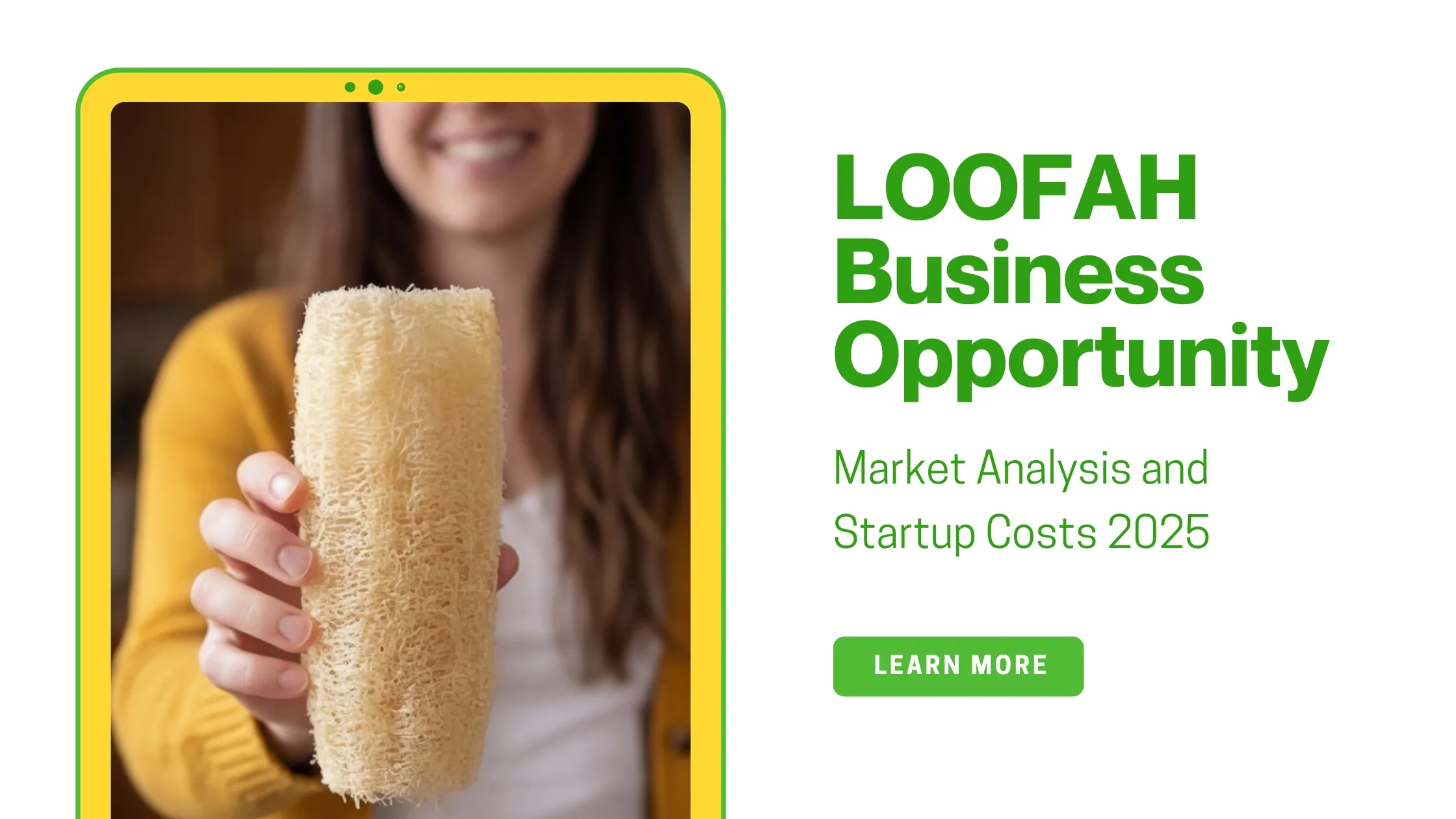
The global natural bath and body products market keeps growing, and loofah products are a growing part of it as consumers move toward sustainable alternatives. For entrepreneurs evaluating green business ventures, the loofah business opportunity presents a compelling entry point into the booming eco-friendly personal care sector. Whether you are a spa owner considering bulk purchases, a retailer scouting new product lines, or an individual exploring home-based business potential, understanding the market dynamics and startup requirements is essential for success.
This analysis looks at market trends, example startup costs, and quality considerations that matter to both wholesale buyers and individual entrepreneurs. We will also look at what to check when choosing an Egyptian loofah supplier.
Understanding the Loofah Business Landscape in 2025
The loofah business opportunity has evolved significantly over the past five years. What once represented a niche product category has transformed into a mainstream sustainable alternative, driven by consumer awareness about microplastics and synthetic materials. The market now spans multiple sectors including personal care, spa services, hospitality, retail, and even pet grooming.
The natural loofah market keeps growing. This growth is fueled by three primary factors: increased environmental consciousness among consumers, rising demand for chemical-free personal care products, and the hospitality industry’s shift toward eco-certified amenities.
For business owners, this growth means more ways to sell loofah products. Retailers can stock body loofah products alongside traditional bath accessories, spa owners can incorporate them into treatment packages, and online sellers can build subscription models around regular loofah replacement schedules. The versatility of loofah applications, from kitchen cleaning scrubbers to pet grooming tools, creates cross-selling opportunities that traditional single-category products cannot match.
Market Segments
Loofah products are used in personal care, kitchen and household, spa and professional, and pet grooming.
North America and Europe are the largest markets. However, emerging markets in Asia Pacific demonstrate the fastest growth rates, presenting opportunities for businesses that can navigate international trade requirements.
Egyptian loofah is soft and gentle from the first use, which helps businesses sell it as a natural product.
Startup Costs for Different Loofah Business Models
Understanding the financial requirements for entering the loofah business opportunity depends heavily on your chosen business model. The barriers to entry vary significantly between a small online retail operation and a full-scale distribution business.
Business Model Comparison Table
| Business Model | Initial Investment | Monthly Operating Costs | Recommended For |
|---|---|---|---|
| Online Retail (Small) | 2,000 to 5,000 USD | 300 to 800 USD | Individual entrepreneurs |
| Physical Retail Addition | 3,500 to 8,000 USD | 500 to 1,200 USD | Existing store owners |
| Spa/Salon Supply | 5,000 to 12,000 USD | 800 to 1,800 USD | Beauty professionals |
| Regional Distribution | 15,000 to 35,000 USD | 2,500 to 6,000 USD | Experienced distributors |
| Private Label Brand | 25,000 to 60,000 USD | 4,000 to 10,000 USD | Brand builders |
For those starting with online retail, initial costs primarily cover inventory purchase, basic website setup, product photography, and initial marketing. Egexo has no MOQ on standard products, which lets new businesses test the market without excessive inventory risk.
Physical retail businesses adding loofah products face additional costs for display fixtures and point-of-sale materials. However, these businesses benefit from existing foot traffic and customer relationships. Store owners can request samples to evaluate product quality and customer interest before committing to larger orders.
Detailed Startup Cost Breakdown for Online Retail Model
For entrepreneurs pursuing the most accessible entry point, here is a detailed breakdown of expected startup costs:
Initial Inventory Investment: 1,800 to 3,200 USD
- Natural body loofahs in various sizes: 800 to 1,400 USD
- Kitchen and household scrubbers: 400 to 700 USD
- Specialty products (pet, spa): 300 to 600 USD
- Raw loofah for DIY market: 300 to 500 USD
Business Setup Costs: 500 to 1,200 USD
- E-commerce platform subscription: 30 to 80 USD monthly
- Business registration and licenses: 200 to 400 USD
- Professional product photography: 150 to 300 USD
- Packaging and branding materials: 120 to 420 USD
Marketing and Launch: 400 to 800 USD
- Social media advertising: 200 to 400 USD
- Content creation and SEO: 100 to 200 USD
- Influencer samples and outreach: 100 to 200 USD
Operating Reserve: 300 to 800 USD
- Three months of platform fees and basic marketing
This model requires approximately 3,000 to 6,000 USD in total startup capital, making it accessible for many aspiring entrepreneurs. The key to success lies in selecting quality suppliers who can provide consistent product standards and reliable shipping. The farm to export process at EGEXO includes a hand check of every order for quality, size and dryness before packing.
Pricing and Order Size
Your margin depends on your retail price, your order size and your shipping and import costs.
At EGEXO, prices follow four quantity tiers: 1 to 499, 500 to 1,999, 2,000 to 4,999 and 5,000 or more units. The larger the order, the lower the unit price. Request a quote for exact prices for your products and quantities.
The most successful loofah businesses diversify across multiple product categories. A retailer might combine bath and body loofahs with kitchen scrubbers and raw loofah products to appeal to different customer segments and increase average order values.
Quality Considerations and Supplier Selection
Quality represents the single most important factor determining success in the loofah business opportunity. Inferior products generate returns, negative reviews, and damage brand reputation in ways that can take years to overcome. Understanding quality standards and selecting suppliers capable of consistent delivery is crucial.
Egyptian loofah is grown in the Nile Delta region. It has a loose, soft fibre weave that is gentle from the first use.
How EGEXO Checks Quality
Every order is checked by hand: a visual check for colour, holes and defects, a size check, and a dryness check before packing.
Businesses should request samples and check the quality themselves before ordering. Egexo follows clear quality standards, with every order checked before packing.
When evaluating suppliers, consider these critical factors:
Direct Manufacturing Capability
Suppliers who grow and process their own loofahs maintain better quality control than resellers or brokers. Direct manufacturers can address quality issues at their source rather than simply filtering out defective items.
Certification and Compliance
For businesses selling in regulated markets, supplier certifications matter significantly. Look for certified management systems such as ISO 9001 and the export papers your market needs, such as a Certificate of Origin and a phytosanitary certificate. These documents also serve as marketing advantages with increasingly conscious consumers.
Customization and Private Labeling Options
As your business grows, the ability to offer branded or customized products becomes valuable. Suppliers offering custom product design and private label manufacturing allow you to build brand equity without investing in production facilities.
Minimum Order Quantities and Flexibility
New businesses benefit from suppliers offering reasonable minimum order quantities and mixed orders. The ability to combine different product types in a single shipment reduces inventory costs and allows market testing across categories. Egexo has no minimum order on standard products, so new businesses can start small.
Communication and Support
International sourcing requires clear communication and responsive support. Time zone differences and language barriers can complicate problem resolution. Choose suppliers who reply quickly; EGEXO replies to every quote request within 24 hours.
Before committing to large orders, always request samples to personally evaluate quality. Handle the products as your customers would, testing them for fiber strength, water absorption, and overall feel. This hands-on assessment reveals quality differences that specifications alone cannot capture.
Market Entry Strategies for Different Buyer Types
Successfully pursuing the loofah business opportunity requires strategies matched to your specific situation, resources, and goals. Different entry approaches suit different business contexts.
For Spa and Salon Owners
Spa and wellness businesses enjoy natural advantages when incorporating loofahs into their operations. Existing client relationships and service-based revenue models allow for creative product integration that pure retailers cannot replicate.
Consider these strategies:
Treatment Integration
Incorporate loofahs into exfoliation treatments, body scrubs, and pre-massage preparation. Clients experiencing product benefits firsthand become receptive buyers. Create signature treatments featuring Egyptian loofahs as the centerpiece, emphasizing the natural and sustainable aspects that align with wellness values.
Retail Add-on Sales
Position loofah products at checkout with signage explaining proper usage and replacement schedules. Staff training is crucial here. Employees who understand product benefits and can speak authentically about them convert browsers into buyers.
Client Education Programs
Host quarterly workshops on natural skincare and body care routines. Demonstrations using body loofahs in proper techniques create value beyond simple product sales, building expertise positioning and client loyalty.
Subscription Programs
Implement monthly loofah replacement subscriptions for regular clients. Automatic delivery programs make sure clients always have a fresh loofah.
Spa and salon businesses should explore wholesale pricing based on anticipated monthly volume. Unit prices drop at 500, 2,000 and 5,000 units, so plan order sizes to reach the next tier when you can.
For E-commerce Entrepreneurs
Online selling offers the lowest barrier to entry for the loofah business opportunity, but success requires strategic differentiation in an increasingly crowded digital marketplace.
Niche Positioning Strategies
Rather than competing as a general loofah retailer, focus on specific customer segments. Consider these positioning options:
- Zero-waste lifestyle products for environmentally conscious consumers
- Luxury spa experiences for at-home wellness enthusiasts
- Natural pet care products including grooming loofahs
- DIY craft supplies featuring raw loofah scrubbers
- Chemical-free cleaning solutions for health-conscious households
Each niche allows for focused marketing messages and targeted content creation that attracts specific customer types rather than competing broadly on price alone.
Content Marketing Approach
Create educational content that establishes expertise and drives search traffic. Blog posts, how-to videos, and social media content about natural body care, sustainability, and wellness topics attract qualified prospects actively seeking information. This content-first approach builds trust before asking for sales.
Subscription Box Partnerships
Natural products subscription boxes constantly seek unique items that align with their sustainability positioning. Partnering with established subscription services provides access to large customer bases without individual acquisition costs. These partnerships often start with trial quantities, making them low-risk business development opportunities.
For Existing Retailers Adding Loofah Lines
Brick and mortar stores considering loofah additions benefit from existing infrastructure and customer traffic, but face challenges around display space allocation and inventory turns.
Strategic Product Placement
Loofah products perform best when displayed near complementary items rather than isolated in a single location. Place body loofahs near natural soaps, bath salts, and body care products. Position kitchen loofahs in housewares sections alongside eco-friendly dish soaps and cleaning products.
Cross-merchandising creates natural purchase combinations that increase average transaction values. Customers buying natural soap often purchase loofahs when displayed together with clear signage explaining the benefits of the combination.
Staff Training and Product Knowledge
Retail staff able to speak knowledgeably about loofah benefits, origins, and proper usage significantly impact sales performance. Conduct brief training sessions covering:
- Egyptian loofah: soft and gentle from the first use
- Proper usage techniques for different loofah types
- Hygiene and replacement recommendations
- Environmental benefits versus synthetic alternatives
- How to identify quality products
Confident staff recommendations carry more weight than signage alone. Consider incentive programs rewarding loofah sales to maintain staff engagement with the product line.
Seasonal Promotions and Displays
Natural products see increased interest during specific seasonal periods. Create promotional displays around:
- New Year wellness resolutions (January-February)
- Spring cleaning season (March-April)
- Summer self-care focus (June-July)
- Holiday gift sets (November-December)
Seasonal displays grab attention and provide reasons for customers to purchase now rather than deferring decisions to future shopping trips.
Risk Mitigation and Common Challenges
Every loofah business opportunity comes with potential pitfalls that can derail inexperienced entrepreneurs. Understanding these challenges in advance allows for proactive planning and risk reduction.
Inventory Management Challenges
Natural products have specific storage requirements that synthetic alternatives do not share. Loofahs require dry storage conditions with good air circulation to prevent mold or mildew development. Businesses in humid climates must invest in climate-controlled storage or risk inventory degradation.
Overordering creates cash flow problems and potential quality issues if products sit unsold for extended periods. Start with conservative inventory levels and reorder based on actual sales velocity rather than optimistic projections. Most established suppliers offer reasonable lead times that allow for responsive inventory management without excessive safety stock.
Seasonal demand fluctuations impact inventory planning. Bath and body products typically see increased sales during holiday periods and decreased activity in mid-summer. Plan inventory purchases to align with these patterns, avoiding excess stock during slower periods.
Quality Control and Returns
Even with careful supplier selection, occasional quality issues occur. Establish clear return policies with your supplier that protect your business from defective inventory. Document quality standards in writing and inspect incoming shipments promptly to identify problems while return options remain open.
For your own customers, create return policies that balance customer satisfaction with fraud prevention. Natural products damaged through customer misuse (extended storage in wet conditions, for example) should be handled differently than legitimate manufacturing defects.
Maintain detailed records of return reasons and rates. Patterns in returns often reveal opportunities for improved product descriptions, usage instructions, or supplier quality discussions.
Competition and Pricing Pressure
As the loofah market grows, competition inevitably increases. Businesses built solely on price competition face constant pressure and diminishing margins. Successful long-term strategies focus on differentiation through product quality, customer service, education, and brand building.
Buying directly from a manufacturer like Egexo gives you direct manufacturer pricing and customization options.
Financial Planning and Growth Path
Sustainable business growth requires realistic financial planning and staged investment aligned with actual performance rather than optimistic projections.
Year-by-Year Growth Framework
Year One: Foundation and Testing
Focus on establishing basic operations, testing product lines, and identifying best-selling items. Keep overhead minimal and reinvest profits into inventory expansion rather than fixed costs. Keep your plan flexible.
Year Two: Optimization and Expansion
Expand successful product lines, eliminate poor performers, and increase marketing investment in proven channels. Consider adding complementary products that leverage existing customer relationships. Aim to grow revenue steadily over year one.
Year Three: Scaling and Brand Building
Invest in brand development, private label products, and market expansion. Consider additional sales channels like wholesale to other retailers or international markets. Plan the scale to match your own resources.
This framework assumes reinvestment of most profits during early years to fuel growth. Businesses extracting maximum owner compensation from the start grow more slowly and may miss market opportunities during critical expansion windows.
When to Consider Private Labeling
Private label development represents a significant business evolution point. Creating your own branded products requires additional investment but offers long-term advantages including customer loyalty and brand value.
Consider private labeling when:
- Monthly sales consistently exceed 500 units across multiple months
- You have identified specific product improvements or variations your customers request
- Cash flow supports the higher minimum orders private labeling requires
- You have marketing capability to build brand awareness
Egexo offers comprehensive private label manufacturing services and custom product design that reduce the complexity of brand development. From packaging design to product customization, working with experienced manufacturers streamlines the process.
FAQ Section
Q1: What is the minimum investment needed to start a loofah business?
A: Starting a loofah business opportunity requires between 2,000 and 6,000 USD for a basic online retail model. This covers initial inventory of 100 to 300 units, basic website setup, business registration, and initial marketing. Larger models like regional distribution require 15,000 to 35,000 USD. The minimal barriers make loofah businesses accessible for many entrepreneurs, especially when partnering with suppliers offering flexible minimum order quantities.
Q2: How do I identify quality loofah suppliers?
A: Quality loofah suppliers demonstrate several key characteristics. Look for direct manufacturers rather than resellers, as they maintain better quality control throughout production. Ask how they check quality; EGEXO checks every order by hand for quality, size and dryness. Always request physical samples before large orders, examining fiber strength, color uniformity, and water absorption. Check for certifications, export documentation, and references from existing customers. Egexo has exported since 2015 and works under an ISO 9001 certified quality management system.
Q3: What profit margins can I expect from selling loofahs?
A: Margins depend on your retail price, your order size and your shipping and import costs. Larger orders get lower unit prices: EGEXO’s prices follow four quantity tiers. Private label products can support higher retail prices.
Q4: Should I focus on wholesale or retail sales?
A: The optimal sales channel depends on your resources, experience, and goals. Retail sales offer higher margins per unit but require more marketing effort and customer service. Wholesale sales move larger volumes with lower per-unit margins but fewer individual transactions to manage. Many successful businesses pursue a hybrid model, retaining retail customers while developing wholesale relationships for volume. Starting with retail allows you to understand customer needs and product performance before approaching wholesale buyers with informed confidence. Consider your sales strengths and available time when choosing your initial focus.
Q5: How often should loofahs be replaced?
A: Replace a personal care loofah every few weeks with regular use, depending on frequency and care. This creates natural replenishment cycles. Educate customers about proper hygiene and replacement schedules to position your business as an expert resource rather than just a product seller. Implement reminder systems, subscription programs, or loyalty rewards that encourage repeat purchases.
Q6: Can I succeed with a loofah business in a competitive market?
A: Success in the competitive loofah business opportunity requires differentiation beyond price alone. Focus on specific niches like luxury spa products, zero-waste lifestyles, or natural pet care rather than competing broadly. Emphasize the soft, gentle feel of Egyptian loofah and give detailed product education. Build content and expertise positioning that establishes your authority in natural body care. Offer good customer service. Partner with manufacturers offering private labeling so you can build proprietary brand assets. Competition exists in every profitable market, but strategic positioning and quality focus create sustainable competitive advantages.
Q7: What are the biggest mistakes new loofah businesses make?
A: Common failures in loofah businesses stem from predictable errors. Ordering excess inventory before validating demand creates cash flow problems and potential waste. Choosing suppliers based solely on lowest price rather than quality consistency results in returns and reputation damage. Failing to educate customers about proper loofah usage and hygiene leads to dissatisfaction when products degrade from misuse. Competing only on price without differentiation triggers margin erosion and unsustainable operations. Neglecting storage requirements in humid conditions causes inventory degradation. Start conservatively, prioritize quality, invest in customer education, and scale based on actual performance rather than optimistic projections.
Q8: How do I handle international shipping and import regulations?
A: International loofah sourcing involves navigating customs, import duties, and shipping logistics. Reputable suppliers with established export operations handle most complexity on their end, providing necessary documentation and coordinating with freight forwarders. Rules differ by country, so check your country’s requirements for natural products with your customs broker. Sea transit time depends on the destination and is confirmed in your quote. Many suppliers offer sample shipments via faster air freight so you can evaluate products before committing to larger ocean shipments. Working with experienced exporters like Egexo significantly simplifies international transactions.
A Note from Egexo
Businesses that do well in this market tend to prioritize quality over quick profits, invest time in customer education, and build long-term supplier relationships rather than constantly chasing the lowest price.
Egyptian loofah is grown in the Nile Delta region, and it has a loose, soft fibre that is gentle from the first use.
For new businesses, we always recommend starting with mixed orders across different product categories. This allows market testing without excessive inventory risk. Once you identify your best sellers, scale those specific products while maintaining variety for cross-selling opportunities. The businesses that grow most successfully treat us as partners rather than just suppliers, sharing customer feedback and market insights that help us serve them better.
Remember that behind every successful loofah business is consistent quality that keeps customers coming back. Never compromise on quality standards regardless of price pressure. Your reputation is built one customer at a time, and recovering from quality failures takes far longer than the short-term savings are worth.
Conclusion
The loofah business opportunity in 2025 presents compelling prospects for entrepreneurs across various experience levels and resource bases. Consumer demand for sustainable personal care alternatives keeps growing.
Success requires strategic focus on quality sourcing, customer education, and differentiated positioning rather than price competition alone. Egyptian loofah is soft and gentle from the first use, which supports customer satisfaction. Starting with conservative inventory investments and scaling based on actual performance minimizes financial risk while allowing market testing across product categories.
The businesses thriving in this market combine smart supplier partnerships, multi-channel marketing, and customer service excellence. Whether entering as an online retailer, expanding an existing store’s product lines, or building a regional distribution operation, the fundamental principles remain consistent: prioritize quality, educate customers, and build relationships that support sustainable growth.
Ready to explore the loofah business opportunity?
- For Wholesale Buyers: Request a detailed quote or download our complete product catalog
- For Sample Evaluation: Request product samples to assess quality firsthand
- For Product Browsing: Explore our shop to see the full product range
1 comment
Comments are closed.