Contents
- Why Your Bathroom Needs a Zero-Waste Transformation in 2026
- Understanding Natural Loofah: From Egyptian Farms to Your Bathroom
- Building Your Zero-Waste Bathroom: Product by Product Replacement
- Quality Evaluation Guide for Loofah Products
- Loofah Care and Maintenance
- Business Opportunities in the Zero-Waste Movement
- Implementing Zero-Waste Practices: Step by Step
- Specialty Applications Beyond the Bathroom
- A Note from Egexo
- Frequently Asked Questions
- Conclusion
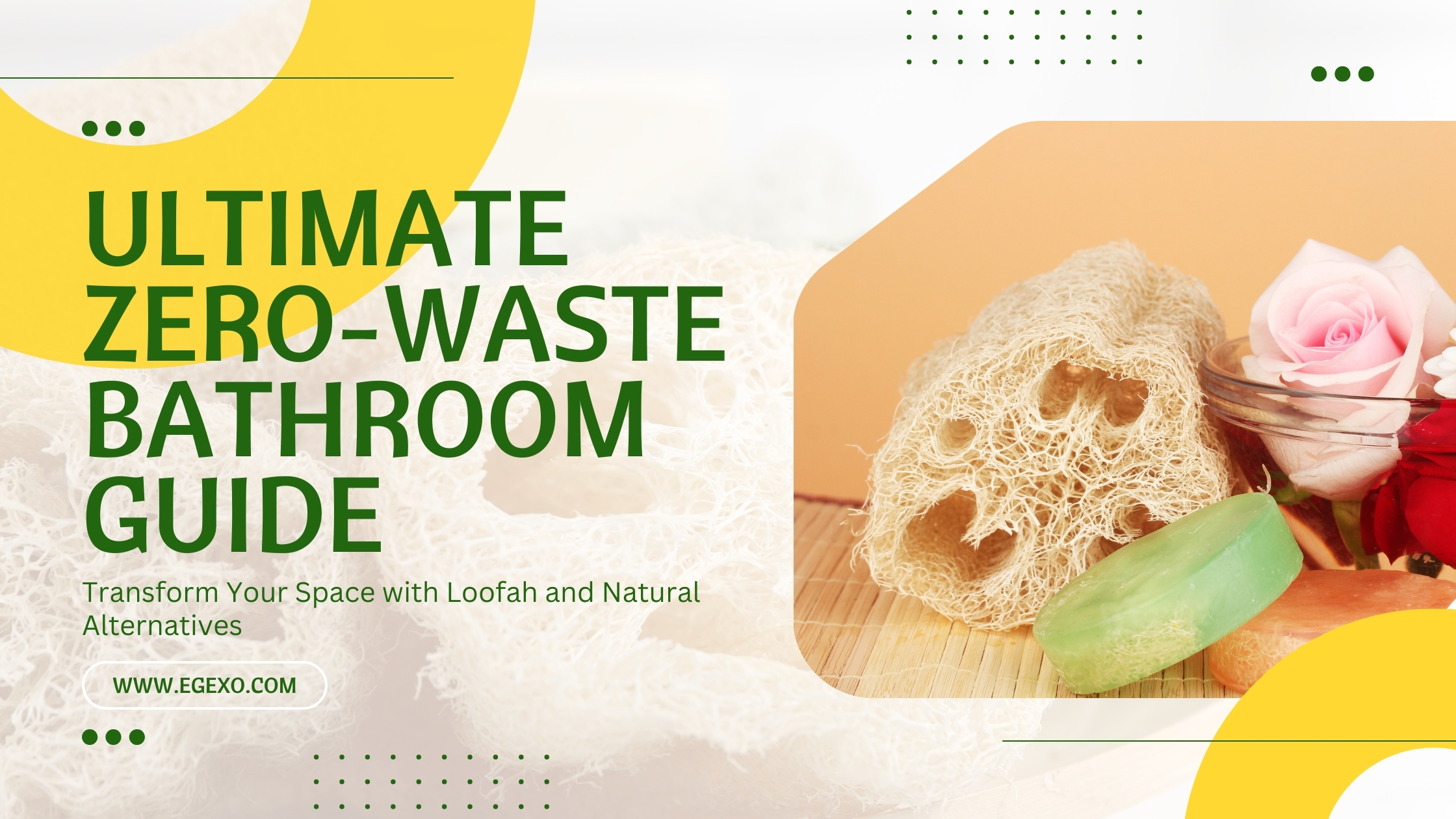
Many bathrooms contain plastic items, from synthetic scrubbers to single-use packaging. This zero-waste bathroom guide presents a practical roadmap for replacing plastic with loofah, bamboo, and natural soap alternatives that benefit both individual households and forward-thinking businesses seeking sustainable inventory solutions.
Egyptian loofahs are a natural, plant-based choice for a greener bathroom. Exporting since 2015, Egexo offers natural bath products that are 100% biodegradable. Whether you manage a spa seeking wholesale bath supplies or simply want to reduce your personal plastic footprint, understanding how to transition your bathroom toward zero waste creates meaningful impact.
This guide covers everything from selecting loofahs to implementing sustainable routines. You will learn practical techniques for everyday consumers alongside procurement strategies for retailers, distributors, and spa owners exploring bulk natural product options. By the end, you will possess the knowledge to make informed decisions that align with both ecological values and practical needs.
Why Your Bathroom Needs a Zero-Waste Transformation in 2026
Modern bathrooms have become unintentional plastic collection points. Much of the plastic ever produced ends up in landfills, incinerators, or natural environments where it persists for centuries.
Replacing plastic with loofah and soap represents one of the most accessible entry points into sustainable living. Unlike synthetic alternatives that can shed microplastics, natural loofahs are 100% biodegradable. This distinction matters enormously for anyone committed to reducing their environmental footprint.
The Business Case for Natural Bath Products
Retailers and spa owners meet growing interest from environmentally conscious consumers in natural products.
Egyptian loofahs are a natural option in this market. Nile-grown loofah is soft and gentle from the first use, and it suits customers who want natural, sustainable products.
Environmental Impact at Scale
Individual choices multiply when aggregated across populations. A household replacing synthetic scrubbers with natural loofahs uses fewer plastic items. Across a retailer’s many customers, the impact becomes substantial. Wholesale buyers play a critical role in this ecosystem by making sustainable options accessible to broader markets.
Understanding Natural Loofah: From Egyptian Farms to Your Bathroom
The loofah plant, scientifically known as Luffa aegyptiaca, produces fibrous interiors perfect for exfoliation and cleaning. Egyptian loofah is grown along the Nile Delta, where mineral-rich soil and a warm climate suit the plant. It is soft and gentle from the first use.
How Egyptian Loofah Is Grown and Checked
Loofah is grown on Egexo’s own farms and partner farms in the Nile Delta. The plants do not require heavy pesticide or fertilizer, and after harvest Egexo dries the loofah by sun drying and machine drying.
Quality standards at Egexo mean every order is checked by hand for colour, holes, defects, size and dryness before packing.
Loofah Types and Their Applications
Different loofah products serve distinct purposes across bathroom routines. Understanding these variations helps consumers select appropriate items while allowing retailers to stock comprehensive product lines.
Consumers benefit from choosing products matching their specific needs. Someone with sensitive skin might prefer softer loofah slices for facial use, while those seeking stronger exfoliation select body sponges. Browse body loofah options to explore the full range available.
Building Your Zero-Waste Bathroom: Product by Product Replacement
Transitioning toward sustainability works best through gradual replacement rather than immediate overhaul. As plastic items run out, substitute them with natural alternatives. This approach manages costs while building sustainable habits.
Replacing Synthetic Scrubbers with Natural Loofah
Plastic poufs and synthetic scrubbers dominate conventional bathrooms. These products can shed microplastics. Natural loofahs have an open fiber structure that dries quickly when hung up.
Synthetic vs Natural Scrubber Comparison
| Factor | Plastic Poof | Synthetic Sponge | Egyptian Loofah |
|---|---|---|---|
| Biodegradability | No, hundreds of years | No, hundreds of years | Yes, 100% biodegradable |
| Microplastic Release | Can shed microplastics | Can shed microplastics | None |
| Exfoliation Quality | Light | Light to Medium | Soft to medium |
| Compostable | No | No | Yes |
For businesses stocking bath products, this comparison provides valuable information for customer education. Retailers who explain these differences build trust and encourage repeat purchases. Request wholesale samples to evaluate quality before committing to larger orders.
Bamboo Products for Complete Bathroom Sustainability
While loofahs address scrubbing needs, bamboo products replace other plastic bathroom items. Bamboo toothbrushes, cotton swabs, and storage containers complement loofah products in creating comprehensive zero-waste solutions.
Bamboo grows rapidly, making it a sustainable choice. Spa owners and retailers can bundle bamboo accessories with loofahs to create attractive zero-waste bathroom kits. These curated sets appeal to customers who want convenient sustainable shopping.
Natural Soap: The Perfect Loofah Companion
Bar soaps eliminate plastic bottles while providing effective cleansing. When combined with natural loofahs, bar soaps create luxurious lather without synthetic detergents or packaging waste.
Key considerations for soap selection include ingredient transparency and manufacturing methods. Cold-process soaps retain beneficial glycerin stripped from commercial alternatives. Look for soaps containing natural oils like olive, coconut, and shea butter for optimal skin nourishment.
Zero-Waste Bathroom Essentials Checklist
| Item Category | Plastic Version | Natural Alternative | Replacement Priority |
|---|---|---|---|
| Body Scrubber | Plastic poof | Egyptian loofah | High |
| Face Cleanser | Synthetic pad | Loofah slice | High |
| Dish Scrubber | Plastic brush | Kitchen loofah | High |
| Toothbrush | Plastic handle | Bamboo toothbrush | Medium |
| Cotton Swabs | Plastic stems | Bamboo swabs | Medium |
| Soap Container | Plastic dispenser | Bar soap on dish | Medium |
| Hair Brush | Plastic bristles | Bamboo brush | Low |
| Storage Containers | Plastic bins | Bamboo organizers | Low |
This checklist helps consumers prioritize replacements while guiding retailers in stocking decisions. High priority items offer the greatest environmental impact and customer demand.
Quality Evaluation Guide for Loofah Products
Whether purchasing for personal use or wholesale inventory, understanding quality indicators ensures satisfaction. Poor quality loofahs frustrate users and damage brand reputation for retailers.
Visual and Tactile Quality Markers
Good Egyptian loofahs display consistent coloration ranging from light tan to golden brown. Dark spots can indicate mold or improper drying. The fiber structure should feel natural and flexible, springing back when compressed.
Examine the interior cavity of whole loofahs. Look for evenly distributed fibers and avoid sparse or unevenly textured interiors.
How Egexo Checks Quality
Egexo does not sell loofah by grade. Every order is checked by hand: a visual check for colour, holes and defects, a size check, and a dryness check before packing.
Egexo quality standards describe how every shipment is checked by hand.
Supplier Evaluation Criteria
Choosing reliable suppliers matters as much as product quality. Established exporters demonstrate consistent quality across orders, transparent communication, and professional documentation.
Supplier Evaluation Checklist
| Criteria | Questions to Ask | Red Flags |
|---|---|---|
| Experience | Years in business? Export history? | New companies, vague histories |
| Quality Control | Inspection process? | No standards, no documentation |
| Certifications | Export licenses? Management system certificates? | Missing documentation |
| Communication | Response time? Language capability? | Slow responses, unclear answers |
| Samples | Available? Cost? Shipping time? | Refuses samples, excessive charges |
| References | Customer testimonials? Repeat buyers? | No references available |
| Flexibility | Custom orders? Private labeling? | Rigid minimum requirements |
Established suppliers like Egexo offer private label manufacturing and custom product design services that enable retailers to differentiate their offerings.
Loofah Care and Maintenance
Proper care keeps a loofah in good condition. Both consumers and businesses benefit from understanding maintenance best practices.
Daily Care Routine
After each use, rinse your loofah thoroughly to remove soap residue and dead skin cells. Squeeze out excess water and hang in a well-ventilated area away from direct shower spray. This simple routine helps keep the loofah fresh.
Never leave loofahs sitting in standing water. The moist environment encourages bacteria and accelerates fiber breakdown. Wall-mounted hooks or hanging storage work well for proper drying.
Weekly Maintenance Steps
Deep clean your loofah weekly using natural methods. Soak in a mixture of warm water and white vinegar for 15 minutes, then rinse thoroughly. Alternatively, brief microwave treatment in a wet state is another option.
For retailers, providing care instructions with purchases helps customers care for their loofah. Include printed care cards with each purchase.
Knowing When to Replace
Even well-maintained loofahs eventually require replacement. Signs indicating replacement time include persistent odor despite cleaning, fiber breakdown and flaking, loss of texture and scrubbing effectiveness, and visible discoloration that does not respond to cleaning.
Replace body loofahs every few weeks.
Business Opportunities in the Zero-Waste Movement
The sustainability market continues expanding as consumer awareness grows. Businesses positioning themselves as zero-waste destinations attract customers who care about environmentally responsible products.
Retail Strategy Considerations
Successful zero-waste retailers curate product selections rather than simply stocking individual items. Creating themed bundles like bathroom starter kits or kitchen essentials packages can simplify customer decisions.
Educational content drives customer engagement and loyalty. Retailers who explain product benefits and proper usage build trust that translates into repeat purchases. Consider in-store demonstrations or digital content showing loofah care techniques.
Wholesale Buying Guide
Bulk purchasing requires strategic planning to optimize inventory investment. Consider seasonal demand patterns, storage requirements, and minimum order quantities when planning orders.
Request a quotation to receive pricing based on your specific requirements. No minimum order on standard products. Private label from 1,000 units. Lead time is 7 to 25 days from payment, by quantity and orders in process.
Private Label Opportunities
Retailers seeking brand differentiation benefit from private label programs. Custom packaging, branded tags, and exclusive product configurations create unique market positioning.
Private label starts from 1,000 units. Discuss options with Egexo custom design services to explore possibilities matching your brand vision.
Implementing Zero-Waste Practices: Step by Step
Transitioning to zero-waste living requires practical implementation strategies. These steps work for individual households and business operations alike.
Personal Bathroom Transformation Process
Step 1: Inventory Current Products
List every plastic item currently in your bathroom. Note which items you use daily versus occasionally.
Step 2: Research Natural Alternatives
Identify sustainable replacements for each item. Prioritize items used most frequently for maximum impact.
Step 3: Gradual Replacement
As each plastic item runs out, replace it with a natural alternative. This approach manages costs and prevents waste from discarding usable items.
Step 4: Establish New Routines
Adjust daily habits to accommodate natural products. Allow time for loofah drying, use bar soap effectively, and maintain bamboo items properly.
Step 5: Evaluate and Adjust
After several weeks, assess what works well and what needs modification. Some natural alternatives may require trying different brands or types.
Business Implementation Strategy
Retailers and spa owners follow similar principles at larger scale. Begin with pilot programs testing customer response before full inventory commitment.
Implementation Timeline for Retailers
| Phase | Duration | Activities | Goals |
|---|---|---|---|
| Research | 2 to 4 weeks | Sample products, evaluate suppliers | Identify quality partners |
| Pilot | 4 to 8 weeks | Limited product selection | Test customer response |
| Expansion | 8 to 12 weeks | Broaden product range | Build inventory depth |
| Optimization | Ongoing | Refine selection based on sales | Maximize profitability |
Download the Egexo product catalog for comprehensive product information supporting your planning process.
Specialty Applications Beyond the Bathroom
Natural loofahs serve purposes extending far beyond personal bathing. Understanding diverse applications opens additional market opportunities for retailers and practical uses for consumers.
Kitchen Cleaning Solutions
Kitchen loofahs offer good scrubbing power for dishes, cookware, and surfaces.
Many households maintain separate loofahs for kitchen and bath purposes. Complete drying between uses keeps a loofah fresh.
Pet Grooming Applications
The gentle yet effective texture of natural loofah makes it a good choice for pet grooming. Pet and spa grooming loofahs help remove loose fur.
Pet grooming is another market segment for natural products. Many pet owners look for sustainable options for their animals.
Craft and DIY Projects
Raw loofah scrubbers provide material for countless craft projects. From homemade soap bars with embedded loofah to decorative arrangements, creative applications abound.
Craft stores and DIY retailers can stock raw loofah for crafting communities seeking natural materials.
A Note from Egexo
Egexo has been exporting Egyptian loofah since 2015. Moving to a zero-waste bathroom takes patience, a willingness to try different product types, and an understanding that natural products need slightly different care than synthetic alternatives.
Our recommendation for anyone beginning this journey is to start with a body loofah and natural bar soap. This simple combination replaces some of the most common bathroom plastics.
For wholesale buyers, we encourage requesting samples before placing larger orders. Quality variations exist across suppliers, and experiencing the product firsthand enables confident purchasing decisions. Samples are paid and the buyer covers shipping. Request them through our sample request program.
Frequently Asked Questions
Q: How long does a natural loofah last compared to plastic alternatives?
A: Replace natural loofahs every few weeks. Unlike plastic alternatives, loofahs are 100% biodegradable and can be composted. Maintenance practices such as drying completely between uses help keep a loofah in good condition.
Q: What minimum order quantities should wholesale buyers expect for loofah products?
A: Minimum order quantities vary by supplier and product type. No minimum order on standard products. Private label from 1,000 units. Sample orders enable quality evaluation before larger commitments.
Q: How should I care for a natural loofah used daily?
A: Natural loofahs stay fresh when properly cared for. Their open fiber structure dries quickly when hung up. Weekly deep cleaning with vinegar solution and replacement every few weeks help keep a loofah in good condition. Proper ventilation between uses is the most important step.
Q: Why choose Egyptian loofah?
A: Egyptian loofahs are grown along the Nile Delta, with mineral-rich soil and a warm climate. They are soft and gentle from the first use.
Q: Why should retailers stock zero-waste bathroom products?
A: Many eco-conscious consumers look for zero-waste products. Bundling related products into curated kits can make shopping simpler for customers.
Q: Can loofahs be used on sensitive skin?
A: Loofah intensity varies by product type and preparation method. Softer loofah slices and properly hydrated loofahs suit sensitive skin when used gently. First-time users should begin with light pressure and brief sessions, gradually adjusting as skin acclimates. Those with very sensitive skin or certain skin conditions should consult healthcare providers before incorporating exfoliation into their routines.
Q: What certifications should buyers look for when sourcing wholesale loofahs?
A: Reputable suppliers provide documentation including export licenses, certificates for their management systems such as ISO 9001, and phytosanitary certificates for international shipping. Professional packaging and clear answers to your questions indicate an established supplier.
Conclusion
Creating a zero-waste bathroom through replacing plastic with loofah, bamboo, and natural soap represents both an environmental commitment and a practical lifestyle improvement. This ultimate zero-waste bathroom guide has covered essential knowledge from product selection through implementation strategies serving individual consumers and wholesale buyers alike.
Natural loofahs from Egyptian suppliers are a natural, plastic-free choice. Understanding quality checks, proper care techniques, and diverse applications helps whether purchasing for personal use or retail inventory. Interest in sustainable products creates opportunities for businesses positioning themselves as zero-waste destinations.
Ready to experience Egyptian loofah quality?
For Wholesale Buyers: Request a quote or download our catalog for comprehensive product information.
For Individual Orders: Browse our collection or request samples to try the loofah firsthand.
Explore more on the Egexo website.