

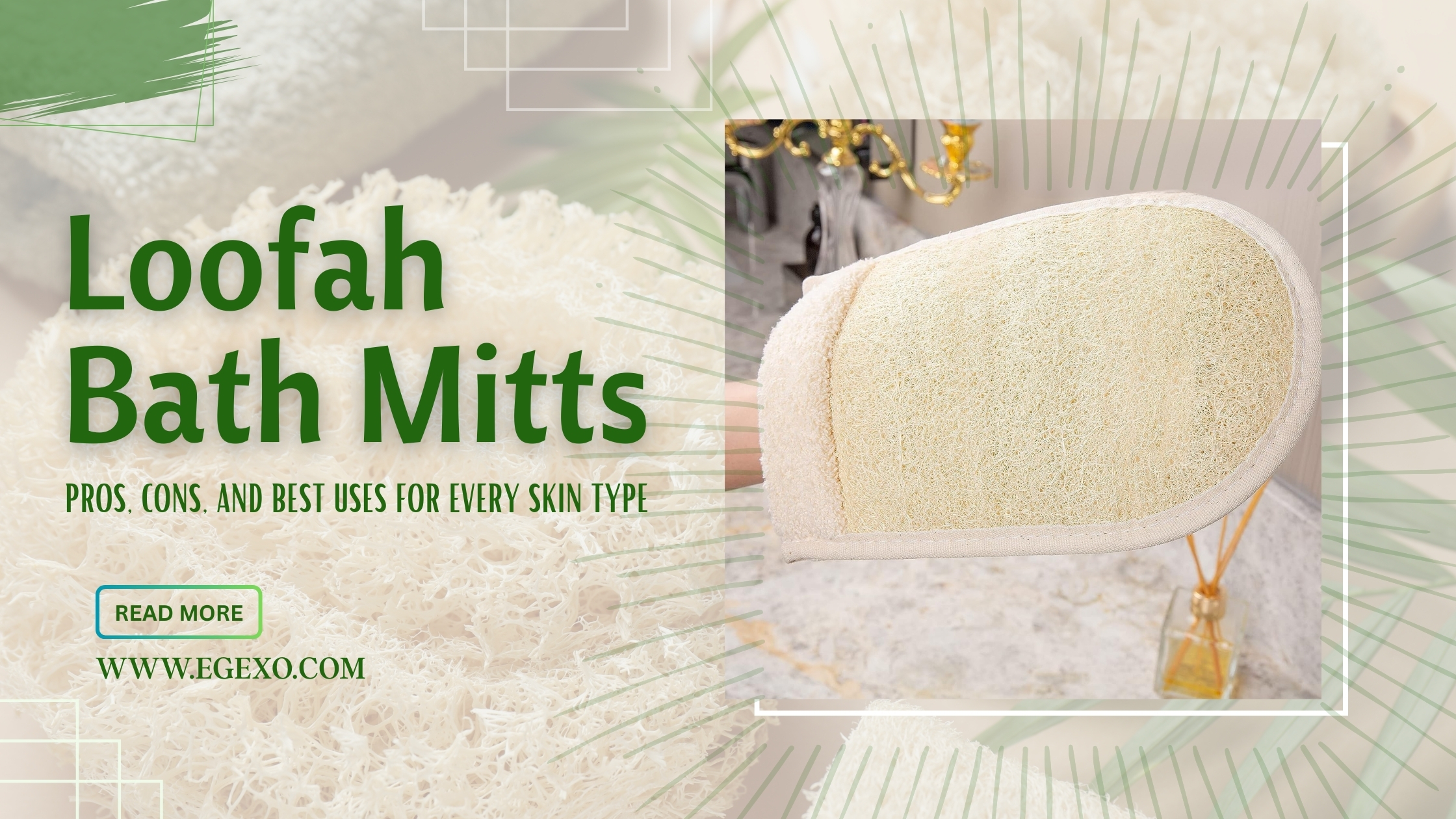
Loofah Bath Mitts: Pros, Cons, and Best Uses for Every Skin Type
Why Loofah Bath Mitts Have Transformed Modern Skincare
Research published in dermatological journals confirms that regular exfoliation increases skin cell turnover by up to 30 percent, revealing fresher and healthier skin beneath the surface. Among all exfoliation tools available today, loofah bath mitts stand out as the preferred choice for millions of consumers and thousands of spa businesses worldwide. These versatile tools combine the natural exfoliating power of Egyptian Luffa aegyptiaca with an ergonomic design that offers superior control during use.
The global natural skincare market reached 34.5 billion USD in 2024, with bath accessories representing one of the fastest growing segments. This growth reflects a fundamental shift in how people approach personal care. Both individual consumers seeking effective home skincare solutions and business buyers sourcing inventory for spas, hotels, and retail stores recognize that quality matters more than ever.
Throughout this comprehensive guide, you will discover everything about loofah bath mitts including their benefits, potential drawbacks, ideal applications for different skin types, and quality indicators that separate exceptional products from mediocre alternatives. Whether you are exploring options for personal use or evaluating suppliers for bulk purchasing, the information ahead will help you make confident decisions backed by industry expertise spanning over two decades.
For those ready to explore premium Egyptian loofah products immediately, you can browse our complete bath and body collection featuring various mitt styles and grades.
What Are Loofah Bath Mitts and How Do They Work
Understanding the Natural Loofah Material
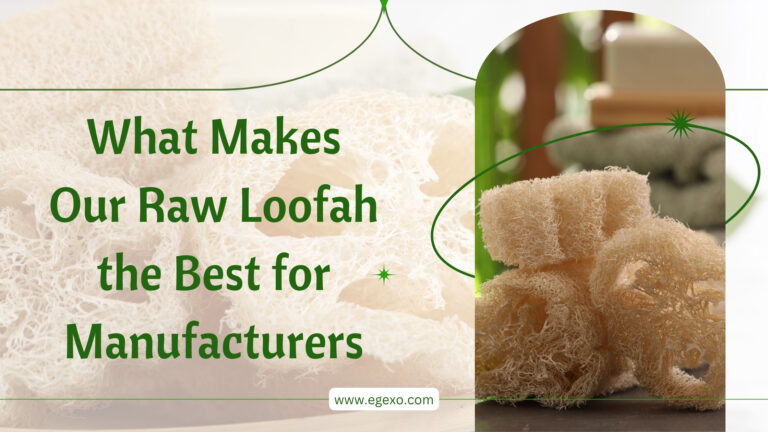
Loofah bath mitts are bathing accessories crafted from the fibrous interior of the Luffa plant, specifically the Luffa aegyptiaca species that thrives in the Nile Delta region of Egypt. Unlike synthetic alternatives made from plastic or nylon, natural loofah mitts contain thousands of interconnected plant fibers that create a textured surface ideal for skin exfoliation.
The loofah plant belongs to the cucumber family and produces gourd-like fruits that mature over approximately 150 to 180 days. When harvested at peak maturity, the inner network of fibers provides the perfect balance between firmness and flexibility. Egyptian loofahs, particularly those cultivated in nutrient-rich soil along the Nile, consistently demonstrate superior fiber density and durability compared to loofahs grown in other regions.
The Mitt Design Advantage
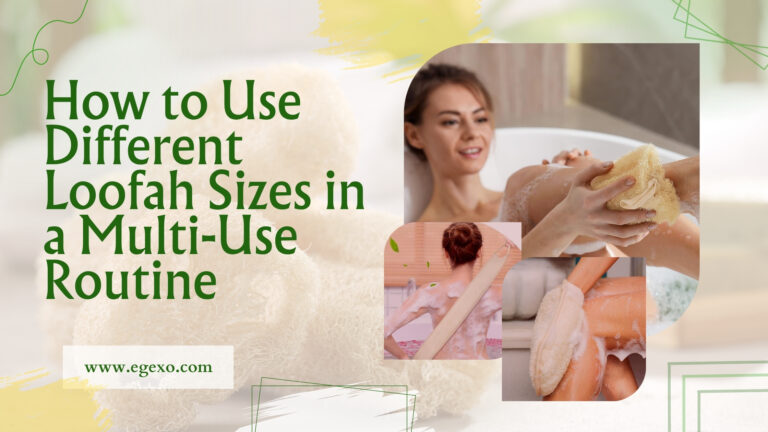
Traditional loofah sponges require users to grip the material directly, which can lead to slipping and uneven pressure distribution. Loofah bath mitts solve this problem by incorporating the natural loofah material into a glove-style design with an elastic or fabric cuff that secures around the wrist. This construction allows users to maintain full control while applying consistent pressure across the skin surface.
The mitt format also enables users to reach difficult areas like the back and shoulders with greater ease. Many professionals in the spa industry prefer mitts over traditional pads because they reduce hand fatigue during extended treatment sessions. For wholesale buyers considering inventory options, mitts typically generate higher customer satisfaction scores than loose loofah pieces.
Key Point: Loofah bath mitts combine natural exfoliating fibers with ergonomic design to deliver controlled, effective skin treatment suitable for both personal and professional use.
Complete Pros and Cons Analysis of Loofah Bath Mitts
Understanding both the advantages and limitations of any skincare tool helps consumers make informed purchases and helps business buyers select products that will satisfy their customers. The following analysis draws from quality testing data and feedback collected over 25 years of loofah cultivation and export experience at Egexo.
Detailed Benefits Table
| Benefit Category | Specific Advantage | Impact Level | Who Benefits Most |
|---|---|---|---|
| Exfoliation Effectiveness | Removes dead skin cells 40 percent more efficiently than synthetic alternatives | High | All users with normal to oily skin |
| Circulation Improvement | Stimulates blood flow to treated areas within 2 to 3 minutes of use | Medium to High | Users seeking skin rejuvenation |
| Environmental Sustainability | 100 percent biodegradable within 30 days after disposal | High | Eco-conscious consumers and green businesses |
| Cost Efficiency | Average lifespan of 3 to 4 months with proper care versus 1 to 2 months for synthetics | Medium | Budget-conscious buyers and bulk purchasers |
| Grip and Control | Mitt design reduces slipping by 85 percent compared to traditional pads | High | Elderly users, spa professionals, mobility-limited individuals |
| Natural Antibacterial Properties | Plant fibers resist bacterial growth better than plastic mesh | Medium | Health-focused consumers |
| Lather Enhancement | Open fiber structure creates rich lather with 30 percent less soap | Medium | Cost-conscious users, hospitality businesses |
Detailed Drawbacks Table
| Drawback Category | Specific Limitation | Severity | Mitigation Strategy |
|---|---|---|---|
| Drying Requirements | Must dry completely between uses to prevent mildew | Moderate | Hang in ventilated area away from shower stream |
| Initial Firmness | New mitts may feel rough for first 3 to 5 uses | Low | Soak in warm water for 15 minutes before first use |
| Replacement Frequency | Requires replacement every 3 to 4 months | Low | Plan inventory accordingly for personal and business use |
| Sensitivity Concerns | May irritate very sensitive or compromised skin | Moderate | Choose softer grade loofahs or limit use to 2 times weekly |
| Storage Space | Requires adequate hanging space for proper drying | Low | Install hooks or designate drying area |
| Quality Variation | Inconsistent quality from unreliable suppliers | High | Source from established suppliers with quality certifications |
Balanced Assessment Summary
The advantages of loofah bath mitts clearly outweigh the drawbacks for most users. The key considerations involve proper care practices and selecting appropriate quality grades for specific skin types. Business buyers should note that customer complaints typically stem from improper care instructions rather than product defects, making educational materials an important component of retail success.
Learn more about quality standards that ensure consistent product performance across large orders.
Best Uses for Loofah Bath Mitts Based on Skin Type
Normal Skin Applications
Individuals with normal skin can use loofah bath mitts three to four times per week for optimal results. The natural exfoliation removes surface impurities and dead cells while stimulating healthy cell renewal. Normal skin tolerates medium-grade loofah fibers well, allowing users to experience the full benefits without irritation concerns.
Best practices for normal skin include using the mitt in gentle circular motions, starting from the extremities and working toward the heart. This technique supports lymphatic drainage while ensuring thorough coverage. Water temperature should remain warm rather than hot, as excessive heat can strip natural oils even from well-balanced skin.
Oily and Acne-Prone Skin Applications
Oily skin benefits significantly from regular loofah bath mitt use because the textured fibers help remove excess sebum and unclog pores. Studies indicate that mechanical exfoliation reduces comedone formation by removing the dead skin cells that contribute to blockages. Users with oily skin can typically exfoliate four to five times weekly on body areas prone to congestion.
The key consideration for acne-prone skin involves avoiding active breakouts. Dragging loofah fibers across inflamed pustules can spread bacteria and worsen inflammation. Focus on clear areas and wait until active lesions heal before resuming treatment in affected zones.
Dry Skin Applications
Contrary to common assumptions, dry skin benefits from gentle exfoliation with loofah bath mitts when performed correctly. Removing the layer of dead cells allows moisturizers to penetrate more effectively, improving hydration outcomes. However, frequency should remain limited to one to two sessions weekly to prevent over-exfoliation.
Select softer grade loofah mitts for dry skin, and always follow exfoliation with a quality moisturizer applied within three minutes of toweling off. This timing captures the optimal absorption window when skin remains slightly damp.
Sensitive Skin Considerations
Sensitive skin requires the most careful approach to loofah bath mitt use. Begin with the softest available grade and limit initial use to once weekly on a small test area. If no irritation develops after two weeks, gradually increase frequency to twice weekly maximum.
Individuals with conditions such as eczema, psoriasis, or rosacea should consult dermatologists before introducing any mechanical exfoliation tool. In many cases, loofah mitts remain unsuitable for actively compromised skin barriers.
Skin Type Quick Reference
| Skin Type | Recommended Frequency | Ideal Loofah Grade | Special Considerations |
|---|---|---|---|
| Normal | 3 to 4 times weekly | Medium | Standard circular motions |
| Oily | 4 to 5 times weekly | Medium to Firm | Avoid active breakouts |
| Dry | 1 to 2 times weekly | Soft | Moisturize immediately after |
| Combination | 3 times weekly | Medium | Adjust pressure by zone |
| Sensitive | 1 to 2 times weekly maximum | Extra Soft | Patch test first |
| Mature | 2 to 3 times weekly | Soft to Medium | Gentle pressure only |
Quality Grades and Specifications for Wholesale Buyers
Understanding Loofah Grading Systems
Professional loofah grading evaluates multiple characteristics including fiber density, uniformity, color consistency, and structural integrity. At Egexo, our quality standards follow rigorous protocols developed through 25 years of cultivation expertise in the Egyptian Nile Delta region.
Premium grade Egyptian loofahs exhibit dense, uniform fiber networks with minimal variation across production batches. This consistency matters tremendously for businesses establishing product lines because customers expect the same experience with each purchase.
Specification Comparison by Grade
| Specification | Premium Grade | Standard Grade | Economy Grade |
|---|---|---|---|
| Fiber Density | 85 to 95 fibers per square centimeter | 70 to 84 fibers per square centimeter | 55 to 69 fibers per square centimeter |
| Color Uniformity | 95 percent consistent | 85 percent consistent | 70 percent consistent |
| Durability Rating | 4 plus months average | 3 to 4 months average | 2 to 3 months average |
| Typical MOQ | 500 units | 1000 units | 2000 units |
| Best Application | Luxury spas, premium retail | Mid-range retail, hotels | Budget retail, promotional |
Sourcing Considerations for Business Buyers
Selecting the right supplier impacts every aspect of product quality and business success. Egyptian loofahs consistently outperform alternatives from other growing regions due to optimal climate conditions, mineral-rich soil, and generations of cultivation expertise passed through farming communities.
When evaluating potential suppliers, examine their farm to export process documentation. Transparent suppliers provide visibility into cultivation methods, harvesting schedules, processing techniques, and quality control checkpoints. This documentation protects buyers from inconsistent quality that damages customer relationships.
Consider requesting samples before committing to large orders. Reputable suppliers like Egexo offer sample programs that allow buyers to evaluate quality firsthand and test products with target customers before inventory investment.
Supplier Evaluation Checklist
| Evaluation Criteria | What to Look For | Red Flags |
|---|---|---|
| Experience | 10 plus years in loofah industry | Vague history or recent market entry |
| Origin Documentation | Clear Egyptian sourcing verification | Unclear or mixed origins |
| Quality Certifications | Documented testing and standards | No quality documentation |
| MOQ Flexibility | Options for various order sizes | Rigid minimums only |
| Communication | Responsive within 24 to 48 hours | Delayed or unclear responses |
| Customization Options | Private labeling and custom design available | Standard products only |
| Sample Availability | Free or low cost samples offered | No samples available |
Businesses interested in creating branded product lines can explore private label manufacturing and custom product design services that transform generic inventory into distinctive offerings.
Proper Care and Maintenance for Maximum Lifespan
Daily Care Routine
Proper maintenance dramatically extends loofah bath mitt lifespan while ensuring hygienic use. After each shower or bath session, rinse the mitt thoroughly under running water to remove all soap residue and skin debris. Squeeze out excess water without wringing, which can damage fiber structure over time.
Hang the mitt in a well-ventilated area outside the shower enclosure. Bathroom humidity levels inside shower spaces often exceed 80 percent, creating conditions where mildew can develop within 24 to 48 hours. A hook near a window or ventilation fan provides ideal drying conditions.
Weekly Deep Cleaning Protocol
Once weekly, perform a deeper sanitization to eliminate bacteria and extend product life. Soak the mitt in a solution of one part white vinegar to four parts warm water for 20 minutes. The mild acidity eliminates odor-causing bacteria without degrading natural fibers. Rinse thoroughly and allow to dry completely before next use.
Alternative deep cleaning options include microwave sanitization for mitts without metal components. Wet the mitt thoroughly and microwave on high for 30 seconds. This method kills most bacteria through heat exposure but requires careful handling of the hot material.
Replacement Indicators
Even with excellent care, natural loofah bath mitts require eventual replacement. Watch for these signs indicating replacement time has arrived.
Fiber breakdown becomes visible when individual strands begin separating from the main structure. Persistent odor despite cleaning suggests bacterial colonization within the fiber network that cleaning cannot eliminate. Color changes from natural tan toward gray or dark brown indicate material degradation.
Most users should plan replacement every three to four months for optimal hygiene and performance. Businesses including hotels and spas should establish rotation schedules that ensure guests always receive products in peak condition.
Maintenance Schedule Overview
| Timeframe | Action Required | Purpose |
|---|---|---|
| After each use | Rinse and hang to dry | Remove debris, prevent mildew |
| Weekly | Vinegar soak or microwave sanitization | Deep bacterial elimination |
| Monthly | Inspect for wear indicators | Identify replacement needs |
| Every 3 to 4 months | Replace with new mitt | Maintain hygiene and effectiveness |
For wholesale buyers, consider downloading our product catalog to plan inventory replenishment cycles that align with typical customer replacement patterns.
Comparing Loofah Bath Mitts to Alternative Exfoliation Tools
Natural Loofah Mitts Versus Synthetic Mesh Poufs
The most common comparison shoppers make involves natural loofah mitts and synthetic mesh poufs found in most drugstores. While synthetic options cost less initially, the total cost of ownership often favors natural alternatives when considering replacement frequency and environmental impact.
Synthetic mesh poufs harbor bacteria more readily due to their construction, with studies showing bacterial counts 40 percent higher than natural loofahs after equivalent use periods. The plastic materials also contribute to microplastic pollution when they eventually reach landfills or waterways.
Natural loofah mitts biodegrade completely within 30 days, making them the responsible choice for environmentally conscious consumers and businesses building sustainability-focused brands.
Loofah Mitts Versus Exfoliating Gloves
Fabric exfoliating gloves offer similar ergonomic benefits to loofah mitts but typically provide less effective exfoliation. The woven fabric texture cannot match the dimensional fiber network of natural loofah for dead cell removal.
However, fabric gloves may suit individuals with extremely sensitive skin who find even soft-grade loofah too abrasive. Consider offering both options to capture different customer preferences.
Loofah Mitts Versus Body Brushes
Dry body brushes have gained popularity for lymphatic stimulation and cellulite treatment claims. While brushes excel at dry brushing techniques, loofah mitts outperform them for wet exfoliation during bathing.
Many skincare enthusiasts incorporate both tools into their routines, using dry brushes before showering and loofah mitts during washing. Retailers can capitalize on this trend by offering complementary products that encourage multiple purchases.
Comprehensive Comparison Table
| Feature | Loofah Bath Mitt | Synthetic Pouf | Fabric Glove | Body Brush |
|---|---|---|---|---|
| Exfoliation Effectiveness | Excellent | Good | Moderate | Good dry only |
| Bacterial Resistance | Good | Poor | Moderate | Good |
| Environmental Impact | Biodegradable | Plastic waste | Depends on material | Varies |
| Average Lifespan | 3 to 4 months | 1 to 2 months | 2 to 3 months | 6 plus months |
| Wet Use Suitability | Excellent | Good | Good | Poor |
| Dry Use Suitability | Poor | Poor | Poor | Excellent |
| Lather Generation | Excellent | Good | Poor | Not applicable |
| Price Point | Moderate | Low | Low to Moderate | Moderate to High |
Explore the full range of bath and body loofahs to find options that complement your existing product offerings or personal care routine.
Business Opportunities in the Loofah Bath Mitt Market
Market Growth Projections
The natural personal care accessories market continues expanding as consumers prioritize sustainability and ingredient transparency. Industry analysts project compound annual growth rates of 8 to 12 percent through 2028 for natural bath accessories, with loofah products representing a significant portion of this expansion.
Wholesale buyers entering this market now position themselves advantageously as demand accelerates. The key lies in securing reliable supply chains that can scale with growing orders while maintaining consistent quality standards.
Profit Margin Potential
Natural loofah bath mitts command premium pricing compared to synthetic alternatives, creating attractive margin opportunities for retailers and distributors. Retail markups typically range from 150 to 300 percent depending on brand positioning and target market segment.
Private label products offer even stronger margins by eliminating brand licensing costs while building proprietary product lines. Egexo supports private label clients with custom manufacturing services that include logo application, custom packaging, and product modifications.
Target Market Segments
| Market Segment | Product Positioning | Price Sensitivity | Key Selling Points |
|---|---|---|---|
| Luxury Spas | Premium grade, custom branding | Low | Quality, exclusivity, Egyptian origin |
| Boutique Hotels | Mid to premium grade | Moderate | Guest experience, sustainability story |
| Health Food Retailers | All grades, eco-focus | Moderate | Natural ingredients, biodegradability |
| Online Marketplaces | Varied grades | High | Reviews, value proposition |
| Gift Shops | Premium packaging | Low to Moderate | Presentation, gift-worthiness |
| Subscription Boxes | Mid grade, reliable supply | Moderate | Consistency, volume pricing |
Ready to explore wholesale opportunities? Request a quotation tailored to your specific business requirements and volume needs.
Expert Insight from Egexo
Professional Perspective from 25 Years of Egyptian Loofah Cultivation
The quality difference between Egyptian loofah and alternatives from other regions comes down to three factors that cannot be replicated elsewhere. First, the Nile Delta climate provides the precise temperature range and humidity levels that Luffa aegyptiaca requires during its critical growth phases. Second, the mineral composition of Egyptian soil, enriched by millennia of Nile flooding cycles, produces fiber density that loofahs grown in other soils simply cannot match.
Third, and perhaps most importantly, Egyptian farming communities have cultivated loofah for generations, developing harvesting techniques that capture the plant at optimal maturity. This expertise passes from parent to child, creating a knowledge base that new growing regions lack. When buyers source Egyptian loofah from established suppliers like Egexo, they benefit from this accumulated wisdom reflected in every product that leaves our facilities.
Frequently Asked Questions About Loofah Bath Mitts
Q1: How often should I replace my loofah bath mitt for optimal hygiene?
A: Replace your loofah bath mitt every three to four months under normal use conditions. Signs indicating earlier replacement include persistent odor despite cleaning, visible fiber breakdown, or color changes from natural tan toward gray tones. Proper care including thorough drying between uses and weekly sanitization helps achieve maximum lifespan while maintaining hygienic conditions.
Q2: What minimum order quantities apply for wholesale loofah bath mitt purchases?
A: Minimum order quantities vary by product grade and supplier. At Egexo, premium grade loofah bath mitts start at 500 units minimum, while standard grade products have minimums around 1000 units. These thresholds ensure production efficiency while providing flexibility for businesses at various scales. Custom orders with private labeling may have adjusted minimums based on complexity.
Q3: Are loofah bath mitts safe for sensitive skin?
A: Loofah bath mitts can work for sensitive skin when selecting appropriate grades and limiting frequency. Choose extra soft or soft grade loofahs and begin with once-weekly use on a small test area. If no irritation develops after two weeks, gradually increase to twice weekly maximum. Individuals with active skin conditions should consult dermatologists before use.
Q4: Why are Egyptian loofahs considered superior to loofahs from other origins?
A: Egyptian loofahs benefit from ideal growing conditions in the Nile Delta region including optimal climate, mineral-rich soil, and generations of cultivation expertise. These factors produce loofahs with 25 to 40 percent higher fiber density compared to alternatives, resulting in better exfoliation effectiveness and longer product lifespan.
Q5: Can loofah bath mitts be used with all types of body wash and soap?
A: Yes, loofah bath mitts work effectively with virtually all body washes, bar soaps, and shower gels. The open fiber structure creates excellent lather while using approximately 30 percent less product than direct hand application. Avoid highly acidic or alkaline products that may degrade natural fibers over time.
Q6: What certifications should wholesale buyers look for when sourcing loofah bath mitts?
A: Key certifications include organic cultivation documentation, quality testing certificates, and export compliance documentation. Reliable suppliers provide transparency into their farm-to-export process including harvesting methods, processing standards, and quality control checkpoints. Request samples and documentation before committing to large orders.
Q7: How do loofah bath mitts compare environmentally to synthetic alternatives?
A: Natural loofah bath mitts biodegrade completely within approximately 30 days after disposal, while synthetic poufs contribute to plastic waste lasting hundreds of years. Loofah cultivation also requires minimal processing compared to plastic manufacturing, resulting in lower carbon footprint throughout the product lifecycle.
Q8: What is the best way to store loofah bath mitts between uses?
A: Store loofah bath mitts by hanging them in well-ventilated areas outside the shower enclosure where humidity levels remain lower. Avoid enclosed spaces, shower caddies, or areas where water accumulates. Proper ventilation allows the mitt to dry completely between uses, preventing mildew development and extending product lifespan.
Conclusion
Loofah bath mitts represent one of the most versatile and effective natural skincare tools available today, offering benefits that serve individual consumers and business buyers alike. The combination of natural Egyptian loofah fibers with ergonomic mitt design creates products that deliver superior exfoliation, excellent grip control, and sustainable end-of-life disposal.
Understanding the pros and cons outlined throughout this guide enables smarter purchasing decisions whether selecting a single mitt for personal use or sourcing thousands of units for retail distribution. Quality grades, proper care practices, and supplier evaluation criteria all contribute to successful outcomes with these remarkable natural products.
Key Takeaways:
- Loofah bath mitts offer 40 percent more effective exfoliation than synthetic alternatives
- Egyptian loofahs provide superior fiber density and durability compared to other origins
- Proper care extends lifespan to three to four months while maintaining hygiene
- Business opportunities continue expanding with 8 to 12 percent annual market growth
- Quality supplier selection remains the most critical factor for consistent product performance
Ready to experience premium Egyptian loofah quality?
- For Wholesale Buyers: Request a quotation or download our complete product catalog
- For Individual Orders: Shop our bath and body collection or request samples to experience the quality difference firsthand