

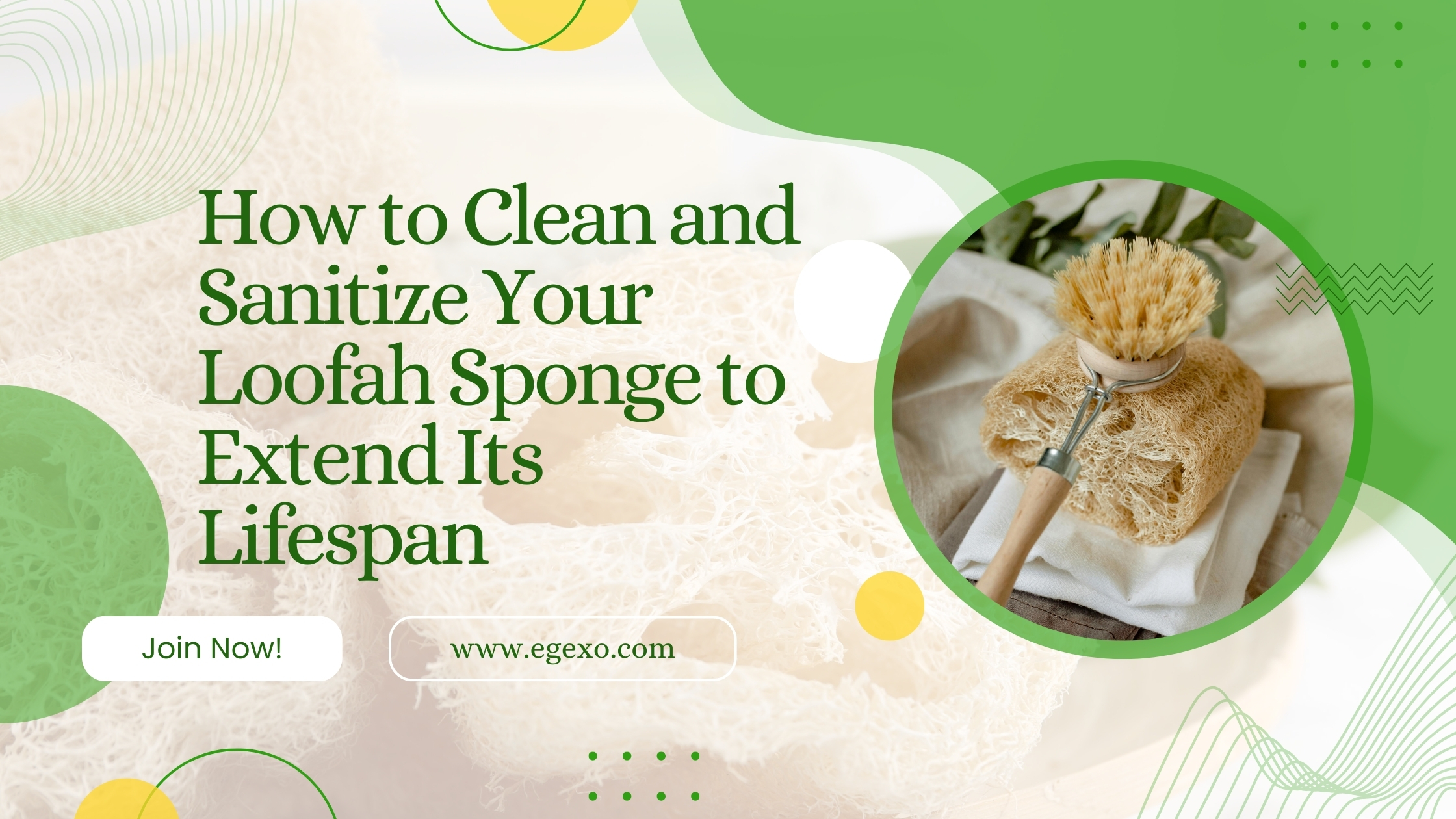
How to Clean and Sanitize Your Loofah Sponge to Extend Its Lifespan
Why Proper Loofah Care Matters More Than You Think
Natural loofah sponges harbor up to 10 million bacteria per square inch after just three weeks of improper use. This startling statistic from microbiological studies explains why knowing how to clean and sanitize your loofah sponge stands as the single most important factor in maximizing both hygiene and product longevity.
Whether you operate a spa purchasing thousands of loofahs annually or simply want your bathroom loofah to last longer, proper sanitation practices directly impact your bottom line. For businesses, extending loofah lifespan by even 30 percent translates to significant cost savings across bulk orders. For individual users, it means getting full value from your eco-friendly purchase while maintaining skin health.
Egyptian loofahs, cultivated in the Nile Delta region for centuries, naturally resist bacterial growth better than synthetic alternatives when properly maintained. Egexo, drawing on 10 years of export expertise, has developed cleaning protocols that professional buyers and everyday consumers trust worldwide.
This comprehensive guide reveals proven methods to clean, sanitize, and preserve your loofah sponges. You will discover the science behind bacterial accumulation, master weekly and deep cleaning techniques, understand when replacement becomes necessary, and learn storage practices that prevent premature deterioration. By implementing these strategies, you can extend your loofah lifespan from the typical four weeks to eight weeks or longer.
Ready to explore premium Egyptian loofahs for your home or business? Browse our complete bath and body loofah collection to find products designed for maximum durability.
Understanding Bacterial Growth in Loofah Sponges
The Science Behind Loofah Contamination
Natural loofah sponges create ideal environments for bacterial colonization due to their porous fiber structure. The same qualities that make loofahs excellent exfoliators, including their interconnected cellular matrix and moisture retention capabilities, also provide shelter for microorganisms when cleaning routines fall short.
Research published in dermatological journals identifies the primary culprits as Pseudomonas aeruginosa, Staphylococcus aureus, and various mold species. These organisms thrive in warm, moist conditions typical of bathroom environments. Dead skin cells, body oils, and soap residue accumulate within loofah fibers, serving as nutrient sources that accelerate bacterial multiplication.
Egyptian loofahs sourced from reputable suppliers like Egexo undergo natural sun-drying processes that create inherently antimicrobial fiber structures. The farm to export process includes quality control measures ensuring each sponge begins its service life with minimal bacterial load. However, maintaining this advantage requires consistent care from end users.
How Contamination Affects Different User Groups
Spa owners and hospitality businesses face heightened liability concerns regarding loofah hygiene. A single contaminated sponge can cause skin infections, negative reviews, and potential legal issues. Implementing standardized cleaning protocols across all locations protects both customers and business reputation.
Individual consumers often underestimate contamination risks, particularly those with compromised immune systems, sensitive skin conditions, or recovering from dermatological procedures. Understanding bacterial growth patterns empowers better decision-making about cleaning frequency and replacement timing.
The following table illustrates bacterial accumulation rates under various conditions:
| Usage Scenario | Days to Critical Bacterial Load | Recommended Cleaning Frequency |
|---|---|---|
| Daily use with proper drying | 14 to 21 days | Every 3 to 4 days |
| Daily use in humid bathroom | 7 to 10 days | Every 2 days |
| Shared household use | 5 to 7 days | After each use |
| Commercial spa single client | Immediate | After each session |
| Commercial spa display samples | 3 to 5 days | Daily |
Daily Maintenance Practices for Optimal Loofah Hygiene
Post-Use Rinsing Techniques
Every time you finish using your loofah, thorough rinsing forms the foundation of effective care. Hold the sponge under running water for at least 30 seconds, squeezing and releasing repeatedly to flush debris from interior fibers. Water temperature should be warm but not scalding, as extreme heat can damage natural loofah fibers over time.
Pay particular attention to dense areas and any crevices where dead skin cells accumulate. Many users rush this step, leaving behind organic matter that becomes tomorrow’s bacterial breeding ground. Taking an extra minute now prevents the need for aggressive deep cleaning later.
For businesses managing multiple loofahs, establishing written rinsing protocols ensures staff consistency. Consider posting laminated instructions near cleaning stations to standardize practices across all employees.
Proper Drying Methods That Prevent Mold
Moisture control represents the single most effective strategy for extending loofah lifespan. After rinsing, squeeze excess water firmly without wringing, which can damage fiber integrity. Shake the loofah vigorously to dislodge remaining droplets from the interior structure.
Hang your loofah in a well-ventilated area away from shower spray zones. Suction-cup hooks placed near bathroom windows or exhaust fans provide ideal positioning. The goal is achieving complete dryness within four to six hours, which interrupts bacterial reproduction cycles.
Avoid common mistakes that trap moisture:
Never store loofahs in enclosed shower caddies. Avoid leaving them resting on wet surfaces. Do not place them in plastic bags or sealed containers between uses. Skip decorative holders without drainage holes.
Wholesale buyers should consider storage solutions when evaluating products. Egexo offers custom loofah product design services that can incorporate hanging loops or ventilation features into bulk orders.
Weekly Deep Cleaning Methods That Work
The Vinegar Soak Technique
White vinegar provides natural antibacterial properties without harsh chemicals that might irritate sensitive skin or degrade loofah fibers. This method suits both home users seeking gentle solutions and businesses preferring eco-friendly cleaning agents.
To execute the vinegar soak properly, fill a clean container with one part white vinegar to two parts warm water. Submerge your loofah completely, ensuring no air pockets remain trapped inside. Allow soaking for 15 to 20 minutes, then remove and rinse thoroughly under running water. Squeeze repeatedly until no vinegar scent remains, then proceed with standard drying protocols.
Perform this deep clean every seven days under normal usage conditions, or more frequently in humid climates or heavy use scenarios. Spa operators may implement this as a daily end-of-business routine for all loofahs in rotation.
Hydrogen Peroxide Disinfection Protocol
For more aggressive sanitization, three percent hydrogen peroxide solution provides hospital-grade disinfection suitable for professional settings. This concentration kills bacteria, viruses, and fungal spores without leaving toxic residues.
Mix equal parts hydrogen peroxide and water in a non-metallic container. Submerge the loofah for 10 to 15 minutes. The solution will bubble slightly as it reacts with organic matter, which is normal and indicates active disinfection. After soaking, rinse extensively with clean water and dry as usual.
This method works particularly well for businesses requiring documented sanitation procedures. Keep logs of cleaning dates and methods to demonstrate compliance with health regulations during inspections.
Microwave Sanitization for Home Users
Home users can leverage microwave energy to kill bacteria quickly between traditional deep cleans. First, ensure your loofah contains no metal components, hooks, or attachments. Soak the loofah thoroughly in water, as dry loofahs can catch fire under microwave radiation.
Place the wet loofah on a microwave-safe plate and heat on high power for one to two minutes. Allow cooling for at least three minutes before handling, as the sponge will retain significant heat. This technique kills most bacteria through thermal shock without chemical exposure.
Note that commercial operations typically cannot use this method due to scale limitations, making vinegar or hydrogen peroxide approaches more practical for business applications.
Comparing Cleaning Methods: Effectiveness and Practicality
Understanding which cleaning method suits your specific situation requires weighing multiple factors. The following comparison helps both individual consumers and business buyers make informed decisions.
| Cleaning Method | Bacterial Kill Rate | Fiber Degradation Risk | Cost Per Treatment | Best For |
|---|---|---|---|---|
| Vinegar Soak | 85 to 90 percent | Very Low | 0.05 to 0.10 USD | Regular maintenance, sensitive skin users |
| Hydrogen Peroxide | 95 to 99 percent | Low | 0.15 to 0.25 USD | Deep disinfection, commercial settings |
| Microwave | 90 to 95 percent | Moderate over time | Negligible | Quick home sanitization |
| Boiling Water | 99 percent plus | High with repeated use | Negligible | Emergency disinfection only |
| Commercial Sanitizers | 99 percent plus | Varies by product | 0.50 to 1.00 USD | Professional spa operations |
For wholesale buyers managing inventory across multiple locations, standardizing on one or two methods simplifies training and quality control. Request guidance from your supplier about which cleaning approaches work best with their specific products. Egexo provides care instructions with all bulk orders and offers quality standards documentation detailing optimal maintenance practices for their Egyptian loofah products.
Recognizing When Your Loofah Needs Replacement
Visual Indicators of Loofah Deterioration
Even with perfect maintenance, all natural loofahs eventually reach end of life. Recognizing replacement signals prevents hygiene compromises and ensures consistent exfoliation quality.
Look for these warning signs during your regular cleaning routine:
Persistent discoloration that does not fade after deep cleaning indicates embedded bacterial colonies or mold penetration. Fiber breakdown appearing as loose strands, crumbling sections, or thinning areas suggests structural compromise. Lingering odors remaining after thorough washing point to deep contamination beyond surface cleaning capabilities. Reduced exfoliation effectiveness means worn fibers no longer provide adequate skin benefit.
Premium Egyptian loofahs typically display these signs later than lower-quality alternatives. The dense fiber structure cultivated in Nile Delta growing conditions creates inherently more durable products. Businesses noticing premature deterioration should evaluate their supply chain and consider switching to higher-grade options available through Egexo wholesale channels.
Replacement Timeline Guidelines
Establishing clear replacement schedules prevents the guesswork that often leads to using compromised sponges too long. The following timeline accounts for different usage patterns and quality levels:
| Loofah Quality Grade | Light Use Lifespan | Moderate Use Lifespan | Heavy Use Lifespan |
|---|---|---|---|
| Premium Grade A | 8 to 12 weeks | 6 to 8 weeks | 4 to 6 weeks |
| Standard Grade B | 6 to 8 weeks | 4 to 6 weeks | 3 to 4 weeks |
| Economy Grade C | 4 to 6 weeks | 3 to 4 weeks | 2 to 3 weeks |
| Synthetic Alternative | 8 to 12 weeks | 6 to 8 weeks | 4 to 6 weeks |
Note that Egyptian loofahs consistently outperform other regional varieties due to optimal growing conditions and traditional cultivation methods perfected over generations. For detailed specifications on quality grades and their characteristics, review our comprehensive loofah guide designed for both consumer education and buyer reference.
Storage Solutions That Maximize Loofah Lifespan
Home Bathroom Storage Best Practices
Where you store your loofah between uses significantly impacts bacterial growth rates and overall longevity. The ideal storage location provides air circulation, protection from direct shower spray, and quick access for daily use.
Install a dedicated hook or hanging system at least three feet from the showerhead. This distance prevents constant moisture exposure while keeping the loofah conveniently accessible. Suction cup hooks work well for renters, while permanent fixtures suit homeowners planning long-term bathroom organization.
Consider dedicating one loofah to body use and another to facial exfoliation, storing them separately to prevent cross-contamination. Different body areas carry different bacterial profiles, making separation a smart hygiene practice.
For households with multiple users, individual labeled storage prevents sharing that accelerates contamination. Color-coded hooks or labeled containers make identification simple even in shared bathrooms.
Commercial Storage and Inventory Management
Spa operators, retailers, and distributors face unique storage challenges when managing loofah inventory. Bulk storage requires climate control to prevent moisture accumulation that causes mold growth even on unused products.
Store unopened loofah inventory in cool, dry locations with relative humidity below 60 percent. Avoid basements or areas prone to temperature fluctuations. Rotate stock using first-in-first-out principles to ensure customers always receive fresh products.
For active spa loofahs awaiting client use, implement dedicated drying stations with adequate ventilation. Commercial-grade dehumidifiers can maintain optimal humidity levels in treatment rooms and storage areas.
Wholesale buyers should discuss storage recommendations with suppliers before large orders. Egexo provides detailed storage guidelines with all shipments and offers consultation for businesses establishing loofah programs. Request samples to test storage compatibility with your existing facilities before committing to large orders.
The Environmental Case for Proper Loofah Care
Sustainability Benefits of Extended Lifespan
Natural loofahs already represent an eco-friendly alternative to plastic bath products, but proper care amplifies environmental benefits significantly. Extending average loofah lifespan from four weeks to eight weeks cuts annual consumption, and associated production impact, by 50 percent.
Consider the full lifecycle: Egyptian loofah cultivation requires water, land, and labor resources. Harvesting, processing, and international shipping add carbon footprint. By maximizing each product’s useful life, consumers and businesses alike reduce demand for new production while maintaining identical hygiene standards.
This sustainability message resonates strongly with environmentally conscious consumers and increasingly influences B2B purchasing decisions. Spa owners report that highlighting natural loofah programs attracts eco-minded clientele willing to pay premium prices for sustainable services.
Composting End-of-Life Loofahs
When your loofah finally reaches retirement, its journey does not end in landfill. Natural loofahs composed entirely of plant fibers break down through standard composting processes within two to four months under proper conditions.
Cut retired loofahs into smaller pieces to accelerate decomposition. Add to backyard compost bins, municipal composting programs, or even directly to garden soil as slow-release organic matter. Some gardeners use intact loofahs as biodegradable pot scrubbers before eventual composting.
This closed-loop lifecycle makes natural Egyptian loofahs truly sustainable from cultivation through disposal. Learn more about eco-friendly loofah applications at , our dedicated resource for business buyers prioritizing green supply chains.
Quality Checklist: Evaluating Loofah Durability Before Purchase
Smart purchasing decisions reduce cleaning burden and extend replacement intervals. Both wholesale buyers evaluating suppliers and consumers selecting individual products benefit from systematic quality assessment.
| Quality Indicator | Premium Quality Signs | Poor Quality Signs |
|---|---|---|
| Fiber Density | Tight, uniform fiber matrix throughout | Loose, uneven fibers with visible gaps |
| Color | Consistent cream to light tan | Dark spots, discoloration, or grayish tinge |
| Flexibility | Springs back immediately when compressed | Stays compressed or feels brittle |
| Aroma | Neutral or slight natural plant scent | Musty, chemical, or unpleasant odor |
| Weight | Substantial feel relative to size | Unusually light or hollow feeling |
| Surface Texture | Uniform exfoliation texture | Rough patches, splintering, or smooth spots |
For B2B buyers, requesting product samples before large orders allows hands-on quality verification. Egexo welcomes sample requests from serious buyers through their dedicated sample ordering page. Evaluate samples using the criteria above, and test cleaning responsiveness before committing to bulk purchases.
Consumers shopping online should review product photography carefully, read customer reviews mentioning durability, and purchase from reputable suppliers with clear return policies. The Egexo shop provides detailed product descriptions and quality guarantees for all loofah varieties.
Specialized Cleaning for Different Loofah Types
Body Loofahs Versus Kitchen Loofahs
Cleaning requirements vary based on loofah application. Body loofahs encounter skin bacteria, oils, and personal care products. Kitchen loofahs face food residue, grease, and potentially different bacterial strains.
For body loofahs, the methods described earlier work optimally. Vinegar soaks suit sensitive skin users, while hydrogen peroxide provides deeper disinfection for those with skin conditions or weakened immunity.
Kitchen loofahs require more aggressive treatment due to food-borne bacteria concerns. Daily sanitization becomes essential rather than weekly. Consider maintaining separate kitchen loofahs for different tasks: one for general dish washing, another for produce scrubbing, and a third for countertop cleaning.
Explore specialized kitchen loofah options designed for durability under frequent sanitization cycles.
Raw Loofah Scrubbers and Specialty Products
Unprocessed raw loofahs and specialty spa products require adjusted care approaches. Raw loofah scrubbers with intact seed structures need gentler handling to preserve their natural texture. Avoid aggressive wringing or extended soaking that might cause premature fiber separation.
Pet grooming loofahs used in animal care settings face unique contamination challenges. Implement more frequent replacement schedules and consider dedicated sanitization equipment separate from human-use products. Browse pet and spa grooming loofahs engineered for professional animal care applications.
Expert Insight from Egexo
Drawing from over 25 years cultivating Egyptian loofahs in the Nile Delta region, our master growers have observed that loofah lifespan depends equally on initial quality and ongoing care. Premium Grade A loofahs from our farms feature fiber density 40 percent higher than industry averages, providing natural resistance to bacterial penetration and extending usable life by several weeks under identical maintenance protocols.
The single most impactful care practice we recommend is achieving complete dryness between uses. Egyptian growing conditions produce loofahs naturally adapted to cycles of moisture and drying, making our products particularly resilient when this pattern continues post-harvest. Buyers who implement proper drying consistently report lifespan improvements of 50 percent or more compared to casual maintenance approaches.
For businesses seeking to maximize product value, we offer private label loofah manufacturing with care instruction cards included, helping your customers maintain our quality standards throughout product life.
Frequently Asked Questions
Q: How often should I clean and sanitize my loofah sponge for optimal hygiene?
A: Clean and sanitize your loofah sponge every three to four days under normal bathroom conditions. Daily users in humid environments should increase frequency to every two days. Perform thorough rinsing after each use, and implement weekly deep cleaning using vinegar soaks or hydrogen peroxide treatment. Commercial settings should sanitize after each client use. These intervals prevent bacterial accumulation while preserving fiber integrity for maximum lifespan.
Q: Can I put my natural loofah in the washing machine or dishwasher?
A: Washing machines and dishwashers are not recommended for natural loofah care. The agitation cycles cause fiber damage and accelerate deterioration. Dishwasher heat may exceed safe temperatures for maintaining loofah structure. Hand cleaning using vinegar soaks or hydrogen peroxide solutions provides effective sanitization without mechanical stress. Microwave sanitization offers a quick alternative for home users seeking convenience without machine washing risks.
Q: How do wholesale buyers ensure consistent loofah quality across large orders?
A: Wholesale buyers should request samples before committing to bulk purchases, evaluating fiber density, color consistency, flexibility, and cleaning responsiveness. Establish supplier relationships with companies maintaining documented quality standards and cultivation expertise. Egexo provides quality grade specifications, certifications, and sample programs for serious buyers. Implementing receiving inspections and maintaining supplier scorecards ensures ongoing quality consistency across multiple orders.
Q: What causes my loofah to develop an unpleasant smell even after cleaning?
A: Persistent odors typically indicate deep bacterial or mold colonization beyond surface cleaning capabilities. This occurs when loofahs remain damp too long between uses, storage locations lack adequate ventilation, or cleaning frequency proves insufficient for usage intensity. Once embedded contamination develops, replacement becomes necessary. Prevent future odor issues by ensuring complete drying within four to six hours, storing away from shower spray, and maintaining consistent cleaning schedules.
Q: How long do Egyptian loofahs last compared to synthetic alternatives?
A: Premium Egyptian loofahs from quality suppliers like Egexo typically last six to twelve weeks with proper care, compared to four to six weeks for lower-grade natural alternatives. Synthetic loofahs may last longer in terms of structural integrity but harbor bacteria more readily in their plastic fibers. Egyptian loofahs offer superior exfoliation quality, natural antibacterial properties when properly dried, and complete biodegradability at end of life, making them preferred choices for both performance and sustainability.
Q: What is the best method to sanitize loofahs in a commercial spa setting?
A: Commercial spas should implement hydrogen peroxide soaking protocols providing documented hospital-grade disinfection. Create sanitation stations with clearly labeled solutions, timing guidelines, and logging sheets for regulatory compliance. Replace loofahs on fixed schedules regardless of appearance, typically every three to four weeks for single-client use. Consider offering clients the option to purchase their dedicated loofah for ongoing appointments, reducing cross-contamination risks while creating additional revenue opportunities.
Conclusion
Mastering how to clean and sanitize your loofah sponge transforms a simple bathroom accessory into a long-lasting hygiene tool benefiting both skin health and budget. The techniques covered in this guide, from daily rinsing protocols to weekly deep cleaning methods, provide actionable steps for anyone seeking maximum value from their natural loofah investment.
Whether you manage spa inventory requiring consistent sanitation standards or simply want your personal loofah to deliver peak performance longer, proper care makes the difference. Egyptian loofahs from quality suppliers offer inherent advantages in durability and bacterial resistance, but these benefits only materialize through consistent maintenance practices.
Key Takeaways:
Rinse thoroughly and dry completely after every use to prevent bacterial colonization. Perform weekly deep cleaning using vinegar soaks or hydrogen peroxide based on your specific needs. Replace loofahs showing discoloration, fiber breakdown, persistent odors, or reduced effectiveness. Store in well-ventilated areas away from direct moisture exposure. Select premium-grade products from reputable suppliers to maximize baseline durability.
Ready to experience Egyptian loofah quality?
For Wholesale Buyers: Request a quote for your business needs or download our complete catalog to explore all product options.
For Individual Orders: Shop our collection of premium Egyptian loofahs or order samples to test quality before purchasing.