

Luffa aegyptiaca: The Natural Sponge Revolution From Ancient Egypt to Modern Wellness
Luffa aegyptiaca has traveled from the fertile banks of the Nile River to bathrooms, kitchens, and spas across six continents. This remarkable natural sponge, cultivated in Egypt for over 4,000 years, now represents one of the most sustainable alternatives to synthetic cleaning products available today. Whether you operate a wellness spa seeking premium wholesale supplies or simply want to replace plastic sponges in your home, understanding this extraordinary plant transforms how you approach both skincare and environmental responsibility.
The global natural sponge market continues expanding as consumers and businesses alike recognize the environmental cost of synthetic alternatives. Luffa aegyptiaca stands at the center of this shift, offering biodegradable performance that matches or exceeds petroleum-based products. Egyptian cultivation methods, refined across generations, produce the finest quality specimens prized by discerning buyers worldwide.
This comprehensive guide explores everything you need to know about Luffa aegyptiaca. You will discover the botanical science behind its unique fibrous structure, learn proper cultivation and harvesting techniques, understand quality grading standards essential for wholesale purchasing, and master practical applications for personal and commercial use. By the end, you will possess the knowledge to make informed decisions whether ordering container loads for international distribution or selecting the perfect natural sponge for your morning skincare routine.
Understanding Luffa aegyptiaca: Botanical Origins and Scientific Classification
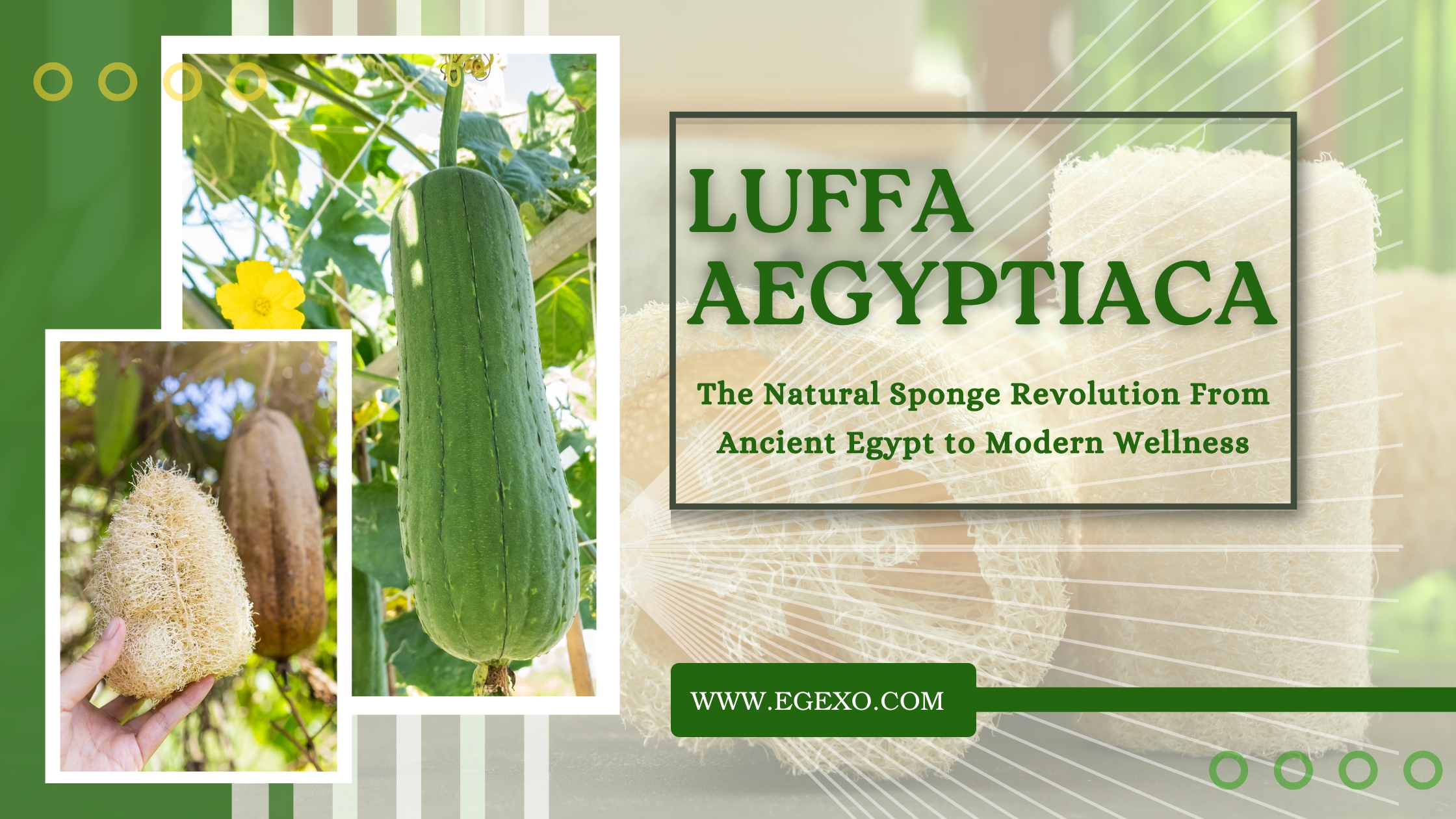
Luffa aegyptiaca belongs to the Cucurbitaceae family, making it a botanical relative of cucumbers, melons, and squash. This tropical and subtropical vine thrives in warm climates with consistent moisture, conditions found naturally throughout the Egyptian growing regions. The plant produces large yellow flowers that develop into elongated fruits reaching lengths of 30 to 60 centimeters when fully mature.
The scientific classification reveals important distinctions for quality-conscious buyers. Luffa aegyptiaca differs from Luffa acutangula, commonly called ridged loofah, in both physical structure and commercial applications. Egyptian cultivators focus exclusively on Luffa aegyptiaca because its cylindrical fruits produce the dense, uniform fiber network preferred for premium bath and body applications.
The Unique Fibrous Structure
What makes Luffa aegyptiaca exceptional as a natural sponge lies in its vascular system. As the fruit matures, the flesh degrades naturally while the fibrous skeleton remains intact. This network consists of interconnected cellulose fibers arranged in a three-dimensional matrix that provides both structural integrity and flexibility. The resulting material offers gentle yet effective exfoliation without the microplastic pollution associated with synthetic alternatives.
Research published in botanical journals confirms that properly processed Luffa aegyptiaca fibers maintain their structural integrity through hundreds of uses when cared for correctly. This durability makes the natural sponge economically attractive for both individual consumers replacing their loofahs quarterly and commercial operations calculating cost per use across thousands of applications.
Egyptian Growing Conditions and Regional Superiority
The Nile Delta region provides ideal conditions for Luffa aegyptiaca cultivation. Consistent temperatures between 25 and 30 degrees Celsius, rich alluvial soil, and traditional irrigation methods create an environment where plants achieve optimal fiber development. Egyptian loofahs consistently demonstrate superior density and uniformity compared to specimens grown in other regions, a quality difference immediately apparent to experienced buyers.
Egexo maintains cultivation operations across multiple Egyptian growing regions, applying over 25 years of expertise to produce loofahs meeting the most demanding quality standards. This farm to export process ensures complete traceability while supporting sustainable agricultural practices that benefit local farming communities.
The Natural Sponge Advantage: Why Luffa aegyptiaca Outperforms Synthetic Alternatives
Choosing between natural and synthetic sponges involves considerations beyond immediate functionality. Luffa aegyptiaca offers measurable advantages across environmental impact, skin compatibility, and long-term value that increasingly influence both consumer purchasing decisions and commercial sourcing strategies.
Environmental Impact Comparison
The following table illustrates key differences between Luffa aegyptiaca natural sponges and common synthetic alternatives:
| Factor | Luffa aegyptiaca Natural Sponge | Synthetic Plastic Sponge |
|---|---|---|
| Biodegradation Time | 30 to 60 days | 200 to 500 years |
| Microplastic Release | Zero | Thousands of particles per use |
| Carbon Footprint | Carbon negative during growth | Petroleum dependent |
| End of Life Options | Composting, garden mulch | Landfill only |
| Renewable Resource | Yes, annual crop | No, finite petroleum |
| Water Pollution | None | Chemical leaching |
These environmental metrics matter increasingly to both individual consumers making sustainable lifestyle choices and businesses responding to customer expectations and regulatory requirements. Spa operators, hotel chains, and retailers report growing demand for natural sponge products as environmental awareness shapes purchasing behavior across demographics.
Skin Health Benefits
Dermatological research supports the use of Luffa aegyptiaca for skincare applications. The natural fiber structure provides mechanical exfoliation that removes dead skin cells, unclogs pores, and stimulates circulation without causing the microtears associated with overly abrasive synthetic scrubbers. This gentle effectiveness makes the natural sponge suitable for most skin types, including those with sensitivity concerns.
The natural plant material also resists bacterial colonization more effectively than many synthetic alternatives when properly maintained. Unlike plastic sponges that develop biofilms in microscopic surface irregularities, Luffa aegyptiaca fibers can be thoroughly cleaned and dried between uses. Healthcare facilities and wellness centers recognize these hygienic advantages when selecting supplies for client contact applications.
Quality Grading Standards for Luffa aegyptiaca: A Buyer Reference Guide
Professional buyers and discerning consumers benefit from understanding the quality grading system applied to Luffa aegyptiaca products. These standards, developed through decades of industry practice, ensure consistent expectations between suppliers and purchasers across international markets.
Commercial Quality Grades
| Grade | Fiber Density | Color | Uniformity | Typical Applications |
|---|---|---|---|---|
| Premium A | Very High | Cream to Light Tan | Excellent | Luxury spas, high-end retail |
| Standard B | High | Light to Medium Tan | Good | General retail, hospitality |
| Economy C | Medium | Variable Tan | Acceptable | Kitchen use, industrial |
| Raw Unprocessed | Variable | Natural | Ungraded | Processing facilities, crafters |
Egexo maintains rigorous quality standards across all product categories, with trained inspectors evaluating each loofah against established criteria. This commitment to consistency allows wholesale buyers to confidently place orders knowing their shipments will meet specifications. Retailers stocking bath and body loofahs and commercial buyers sourcing raw loofah scrubbers alike benefit from this systematic approach to quality assurance.
Size and Dimension Specifications
Wholesale purchasers require precise specifications for inventory planning and product development. The following table provides standard dimension ranges for commercially available Luffa aegyptiaca:
| Product Category | Length Range | Diameter Range | Typical Unit Weight |
|---|---|---|---|
| Full Body Loofah | 40 to 60 cm | 8 to 12 cm | 60 to 100 grams |
| Bath Mitt Size | 15 to 20 cm | 10 to 15 cm | 30 to 50 grams |
| Facial Pad | 5 to 8 cm | 5 to 8 cm | 10 to 20 grams |
| Kitchen Scrubber | 10 to 15 cm | 6 to 10 cm | 20 to 40 grams |
| Pet Grooming | Variable | Variable | 15 to 45 grams |
These specifications assist buyers in selecting appropriate products for their intended applications. Spa owners might prioritize full body loofahs for treatment rooms while kitchen loofah products appeal to eco-conscious households replacing synthetic dish sponges. Understanding size relationships to function enables more strategic purchasing decisions.
Cultivation and Harvesting: The Journey From Seed to Natural Sponge
The transformation of Luffa aegyptiaca from planted seed to finished natural sponge involves multiple stages requiring expertise developed over generations. Understanding this process helps buyers appreciate quality differences and explains why Egyptian loofahs command premium positioning in global markets.
Growing Cycle Timeline
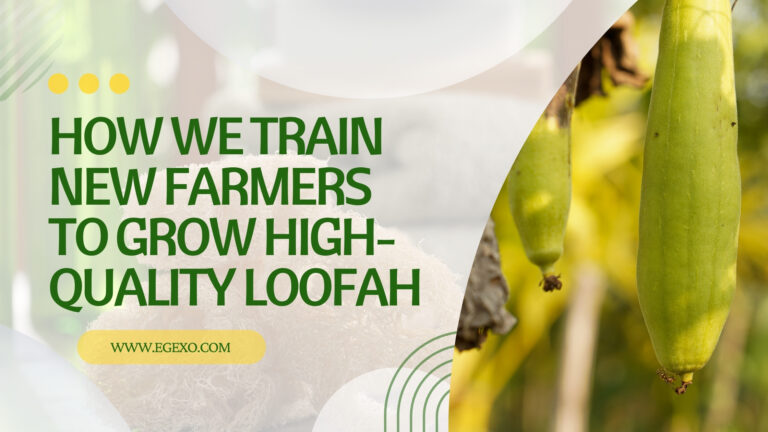
Luffa aegyptiaca requires approximately 150 to 200 days from planting to harvest. Egyptian farmers time their planting to take advantage of optimal growing conditions, typically establishing seedlings in late spring for autumn harvest. The vines grow vigorously, requiring sturdy trellising systems that allow fruits to hang freely and develop their characteristic elongated shape.
Flowering occurs approximately 45 to 60 days after planting, with fruits reaching harvestable size within another 60 to 90 days. The critical decision of harvest timing significantly impacts final product quality. Premature harvesting yields underdeveloped fiber networks, while delayed harvest risks fiber degradation and seed development that complicates processing.
Processing Steps From Harvest to Market
| Stage | Process Description | Quality Impact |
|---|---|---|
| Harvest Selection | Visual inspection for maturity indicators | Determines fiber development completeness |
| Initial Drying | Field drying to reduce moisture content | Prevents mold, prepares for processing |
| Skin Removal | Mechanical or water-based peeling | Affects appearance and cleanliness |
| Seed Extraction | Removal of internal seeds and membranes | Impacts usability and hygiene |
| Washing and Bleaching | Natural cleaning processes | Determines color and sanitization |
| Final Drying | Controlled environment moisture reduction | Ensures shelf stability |
| Grading and Sorting | Quality assessment and categorization | Establishes market positioning |
| Packaging | Protective wrapping for shipment | Preserves quality through distribution |
Egexo controls every stage of this process through vertically integrated operations. From owned cultivation areas to dedicated processing facilities, this farm to export approach ensures quality consistency that independent aggregators cannot match. Wholesale buyers partnering with Egexo receive products with full chain of custody documentation supporting quality claims.
Practical Applications: Using Luffa aegyptiaca Across Settings
The versatility of Luffa aegyptiaca extends across personal care, household cleaning, and commercial applications. This natural sponge adapts to diverse uses while maintaining its core advantages of effective performance, environmental responsibility, and skin compatibility.
Personal Care and Skincare Applications
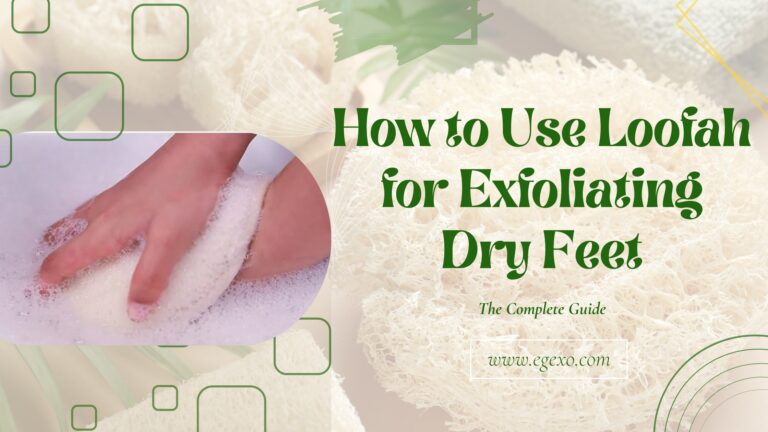
Incorporating Luffa aegyptiaca into skincare routines delivers measurable benefits when used correctly. For facial application, select fine-textured specimens and use gentle circular motions no more than two to three times weekly. Body exfoliation tolerates more frequent use, with most dermatologists recommending every other day for optimal results without overstimulation.
Proper technique maximizes benefits while protecting skin health. Soak your natural sponge briefly in warm water to soften fibers before application. Apply your preferred cleanser directly to the loofah rather than skin for better lather distribution. Use light pressure and let the fibrous texture do the work rather than aggressive scrubbing that can cause irritation.
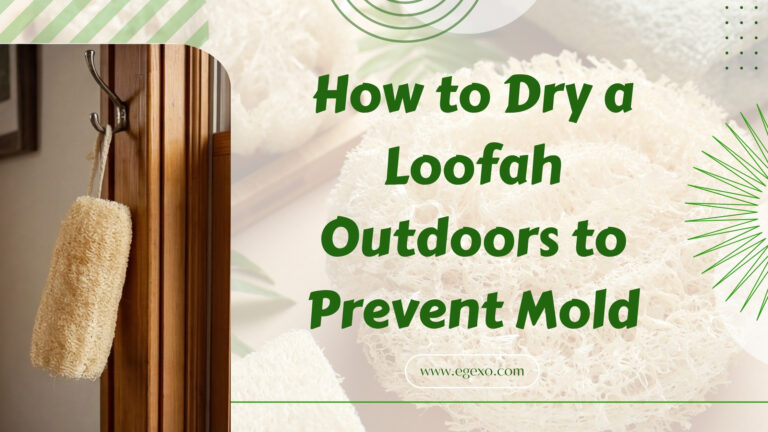
Post-shower care extends loofah lifespan significantly. Rinse thoroughly to remove all soap residue, squeeze out excess water, and hang in a well-ventilated area to dry completely between uses. This simple maintenance routine prevents bacterial growth and maintains fiber integrity for months of effective use.
Household and Kitchen Applications
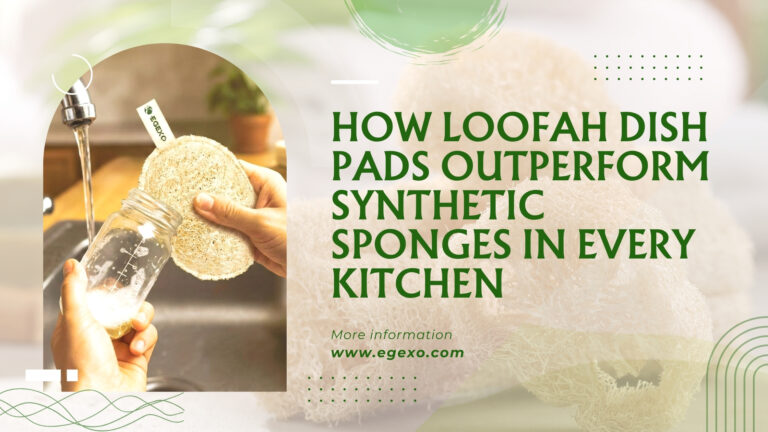
Beyond personal care, Luffa aegyptiaca excels as a sustainable cleaning tool. Kitchen applications represent the fastest-growing segment of natural sponge usage as households eliminate single-use plastics from daily routines. The firm yet flexible fiber structure effectively removes food residue from dishes, cookware, and surfaces without scratching.
For kitchen use, dedicate separate loofahs to different tasks. Reserve one for dishes, another for countertops, and a third for produce washing. This practice prevents cross-contamination while taking advantage of the natural sponge properties. Unlike synthetic sponges that harbor bacteria in porous plastic matrices, properly dried Luffa aegyptiaca resists microbial colonization.
Commercial and Professional Settings
Businesses across multiple industries integrate Luffa aegyptiaca into their operations. Spa and wellness centers appreciate the premium experience natural sponges provide during treatments. Hotels and resorts include loofahs in bathroom amenities, differentiating their sustainability commitments from competitors. Pet grooming facilities discover that loofah pet and spa grooming products effectively clean coats while providing gentle massage.
Commercial buyers should consider custom loofah product design services when standard offerings do not meet specific requirements. Egexo works with businesses to develop proprietary products, from specially sized spa implements to branded retail packaging. Private label loofah manufacturing enables retailers to offer exclusive natural sponge products under their own labels, building brand equity while meeting customer demand for sustainable options.
Wholesale Sourcing: Evaluating Suppliers and Ensuring Quality
Professional buyers navigating the Luffa aegyptiaca market require systematic approaches to supplier evaluation. Quality inconsistency represents the primary challenge in natural product sourcing, making supplier selection critical to business success.
Supplier Evaluation Checklist
| Criterion | Questions to Ask | Why It Matters |
|---|---|---|
| Cultivation Control | Does the supplier own or directly manage growing operations? | Ensures quality control from origin |
| Processing Facilities | Are processing operations vertically integrated? | Reduces quality variability between batches |
| Quality Standards | What grading system is used and how is it verified? | Enables accurate order specifications |
| Minimum Orders | What MOQ applies and are samples available? | Determines partnership feasibility |
| Documentation | Can the supplier provide certificates of origin and quality? | Supports regulatory compliance |
| Communication | What is typical response time and language capability? | Affects ongoing relationship management |
| Experience | How long has the supplier operated in this market? | Indicates reliability and expertise |
Egexo addresses each criterion through established systems refined over more than two decades in the Egyptian loofah industry. Prospective partners can request loofah samples to evaluate quality firsthand before committing to wholesale orders. This sampling program demonstrates confidence in product quality while reducing buyer risk.
Understanding Minimum Order Quantities
Wholesale loofah purchasing involves MOQ considerations that vary by product type and supplier capacity. Standard minimum orders typically range from 500 to 5,000 pieces depending on product category and customization requirements. Bulk raw loofah orders for processing operations may involve minimums measured in metric tons rather than piece counts.
New wholesale relationships often begin with smaller trial orders allowing both parties to establish working relationships. Successful trial shipments then scale to regular recurring orders with negotiated pricing and delivery schedules. This progressive approach benefits buyers by validating quality claims before major commitments while allowing suppliers to demonstrate capability and reliability.
For detailed pricing and MOQ information across all product categories, wholesale buyers should request a quotation directly from the Egexo export team.
Caring for Your Natural Sponge: Maintenance Best Practices
Proper maintenance extends Luffa aegyptiaca lifespan while ensuring hygienic use throughout the product lifecycle. Both individual consumers and commercial operations benefit from implementing systematic care protocols.
Maintenance Schedule
| Frequency | Action | Purpose |
|---|---|---|
| After Each Use | Rinse thoroughly, squeeze dry, hang to air dry | Prevents bacterial growth |
| Weekly | Deep clean with diluted vinegar or hydrogen peroxide | Sanitizes and removes buildup |
| Bi-weekly | Microwave damp loofah for 30 seconds or boil briefly | Eliminates accumulated microorganisms |
| Monthly | Inspect for wear, replace if fiber degradation observed | Maintains effectiveness and hygiene |
| Quarterly | Replace personal care loofahs entirely | Ensures optimal performance |
Commercial settings should establish formal replacement schedules based on usage intensity. Spa environments with daily client use may require more frequent rotation than residential applications. Kitchen loofahs in busy restaurant operations likewise demand shorter replacement cycles than household kitchen use.
Storage between uses significantly impacts lifespan. Avoid enclosed containers or humid environments where moisture cannot escape. Well-ventilated bathrooms with adequate air circulation provide ideal conditions. Some users prefer outdoor drying in direct sunlight, which offers natural UV sanitization benefits.
The Future of Natural Sponges: Market Trends and Opportunities
The Luffa aegyptiaca market continues evolving as sustainability priorities reshape consumer and commercial purchasing patterns. Understanding current trends helps both buyers and sellers position for continued growth in natural sponge demand.
Global plastic reduction initiatives drive institutional purchasing toward natural alternatives. Hotels, cruise lines, and hospitality groups increasingly specify natural sponge products in sustainability mandates. Healthcare facilities explore Luffa aegyptiaca for appropriate applications as single-use plastic reduction becomes regulatory priority.
Consumer awareness of microplastic pollution accelerates household adoption of natural sponge products. Social media amplifies this awareness, with sustainability influencers regularly featuring loofah products as accessible entry points for eco-conscious lifestyle changes. This visibility creates retail opportunities for businesses offering quality natural sponge options.
Product innovation expands application possibilities beyond traditional uses. Composite materials incorporating Luffa aegyptiaca fibers appear in packaging, insulation, and filtration applications. Cosmetic and skincare formulators integrate loofah particles into exfoliating products as natural alternatives to banned plastic microbeads.
For comprehensive information about natural sponge applications, care guidelines, and sustainability benefits, the educational resources at Loofah Guide provide consumer-focused content. Businesses exploring wholesale opportunities find detailed market information and sourcing guidance at Wholesale Loofah.
FAQ Section
Q1: How long does a Luffa aegyptiaca natural sponge last with regular use?
A: With proper care including thorough rinsing, complete drying between uses, and weekly sanitization, a quality Luffa aegyptiaca natural sponge typically lasts three to four months in personal care applications. Kitchen use with daily washing may reduce lifespan to six to eight weeks. Commercial spa settings should implement replacement schedules based on usage frequency, with some high-volume operations rotating loofahs weekly to maintain hygiene standards.
Q2: What minimum order quantities apply for wholesale Luffa aegyptiaca purchases?
A: Wholesale minimum order quantities for Luffa aegyptiaca products vary by product category and customization requirements. Standard bath and body loofahs typically require minimums of 500 to 2,000 pieces. Bulk raw loofah for processing operations may involve minimums of 500 kilograms to one metric ton. Egexo offers sample programs allowing wholesale buyers to evaluate quality before committing to full orders, with trial order options available for new partnerships.
Q3: How do I identify high-quality Luffa aegyptiaca when purchasing?
A: Quality Luffa aegyptiaca exhibits several identifiable characteristics. Premium specimens display uniform cream to light tan coloring without dark spots or discoloration. Fiber density should feel substantial when gently compressed, with quick return to original shape indicating proper structural development. The natural sponge should be free from musty odors suggesting improper drying or storage. Reputable suppliers like Egexo provide quality grading documentation with shipments.
Q4: Can Luffa aegyptiaca natural sponges be used on sensitive skin?
A: Luffa aegyptiaca natural sponges suit most skin types including many with sensitivity when used correctly. The key involves technique: use light pressure, limit exfoliation to two to three times weekly maximum, and select finer textured specimens for facial use. Those with active skin conditions, very sensitive skin, or concerns should consult dermatologists before incorporating any exfoliation into their routines. Patch testing on less sensitive body areas before facial use provides additional safety.
Q5: What certifications should wholesale buyers look for in Luffa aegyptiaca suppliers?
A: Wholesale buyers should verify suppliers can provide certificates of origin documenting Egyptian cultivation, phytosanitary certificates for international shipment, and quality grade documentation for each order. Additional certifications to consider include organic cultivation documentation if applicable, fair trade verification, and export licensing from Egyptian trade authorities. Egexo maintains all required documentation and provides certification packages with wholesale shipments upon request.
Q6: How should Luffa aegyptiaca be stored before use to maintain quality?
A: Store Luffa aegyptiaca natural sponges in cool, dry environments away from direct sunlight and humidity. Original packaging should remain sealed until use. Bulk wholesale inventory performs best in climate-controlled warehousing between 15 and 25 degrees Celsius with relative humidity below 60 percent. Properly stored loofahs maintain quality for 12 to 18 months from harvest date. Retailers should implement first-in-first-out inventory rotation to ensure customers receive optimally fresh products.
Q7: What makes Egyptian Luffa aegyptiaca superior to loofahs from other regions?
A: Egyptian Luffa aegyptiaca benefits from ideal growing conditions in the Nile Delta region including optimal temperatures, rich alluvial soil, and centuries of refined cultivation techniques. These factors produce natural sponges with superior fiber density, uniform structure, and consistent quality. Egyptian cultivation expertise, passed through generations of farming families, results in harvest timing and processing methods that maximize final product quality. Independent quality testing consistently ranks Egyptian loofahs among the highest performing specimens globally.
Q8: Are there different Luffa aegyptiaca products for kitchen versus bathroom use?
A: While the same Luffa aegyptiaca plant produces material for both applications, product specifications differ based on intended use. Kitchen loofahs typically feature firmer fiber density and smaller sizes optimized for dish and cookware cleaning. Bath and body products emphasize softer textures and larger sizes for comfortable body coverage. Egexo offers distinct product categories for kitchen loofah and bath and body applications, allowing buyers to select specifications matching their requirements.
Expert Insight from Egexo
After more than 25 years cultivating and exporting Egyptian Luffa aegyptiaca, we have learned that quality begins in the field and requires attention at every subsequent step. The difference between acceptable and exceptional loofahs often comes down to harvest timing, sometimes a matter of days. Our cultivation teams monitor each growing area daily during harvest season, selecting only fruits that have achieved optimal fiber development without crossing into overmaturity.
For wholesale buyers, we recommend requesting samples across multiple quality grades before placing initial orders. This comparison educates your team about quality differences and helps establish specifications for ongoing purchases. For consumers, remember that a quality natural sponge feels substantial in your hand with fibers that spring back when compressed. Trust suppliers who can answer questions about cultivation origin and processing methods.
Conclusion
Luffa aegyptiaca represents a remarkable convergence of ancient agricultural tradition and modern sustainability priorities. This natural sponge, refined through thousands of years of Egyptian cultivation, offers solutions for individuals seeking eco-friendly personal care options and businesses building sustainable supply chains alike.
Understanding the botanical characteristics, quality standards, and proper applications covered in this guide enables informed decisions whether purchasing a single loofah for home use or sourcing container quantities for international distribution. The environmental advantages of choosing Luffa aegyptiaca over synthetic alternatives become more compelling as awareness of plastic pollution grows across consumer and commercial markets.
Key Takeaways:
- Luffa aegyptiaca provides a biodegradable, renewable alternative to synthetic sponges with superior environmental credentials
- Egyptian cultivation produces the highest quality specimens due to ideal growing conditions and generational expertise
- Quality grading standards enable consistent wholesale purchasing when working with reputable suppliers
- Proper maintenance extends natural sponge lifespan while ensuring hygienic use
- Market demand continues growing as sustainability priorities shape purchasing decisions
Ready to experience Egyptian loofah quality?
- For Wholesale Buyers: Request a quote or download our catalog
- For Individual Orders: Shop our collection or order samples