Growing Loofah Plants: Are They Difficult and What Temperature Zones Do They Need?
Most people are surprised to learn that the loofah they use in the shower is not a sea creature. It is a plant, a gourd to be exact, and it grows with remarkable vigor under the right conditions. The global loofah market has expanded steadily, with natural fiber demand rising by more than 12 percent annually as consumers pivot away from synthetic exfoliants and plastic bath accessories. For wholesale buyers, this agricultural reality has direct implications for quality, supply chain consistency, and product specifications. For home growers and eco-conscious consumers, understanding how growing loofah plants works unlocks a sustainable lifestyle choice with genuine long-term value.
Egexo has spent over 25 years cultivating loofah in the fertile Nile Delta region of Egypt, one of the most optimal growing environments in the world. That depth of hands-on experience informs everything in this guide, from the temperature thresholds that determine plant success to the quality indicators that matter most at the wholesale level. Whether you are sourcing loofahs in bulk, growing a small backyard crop, or simply curious about where your favorite natural sponge comes from, this article covers the full picture.
What Kind of Plant Is Loofah and Why Does It Matter?
Loofah belongs to the Cucurbitaceae family, which also includes cucumbers, pumpkins, and zucchini. The two most commercially significant species are Luffa cylindrica, commonly called smooth loofah, and Luffa acutangula, known as ridged or angled loofah. Both produce the fibrous interior skeleton that becomes the finished product after harvest, drying, and processing.
Understanding the plant’s botanical nature is directly relevant to product quality. The density of the fiber network, the texture of the scrubbing surface, and the durability under repeated use all trace back to how the plant was grown, when it was harvested, and how it was processed afterward.
The Difference Between Luffa Cylindrica and Luffa Acutangula
| Feature | Luffa Cylindrica (Smooth) | Luffa Acutangula (Ridged) |
|---|---|---|
| Common Use | Bath sponges, body scrubbers | Kitchen scrubbers, industrial |
| Fiber Density | Medium to high | High |
| Surface Texture | Smooth, uniform | Coarser, more abrasive |
| Growth Rate | Moderate | Slightly faster |
| Ideal Harvest Window | 150 to 200 days after planting | 120 to 160 days after planting |
| Popularity in Export | Very high | Moderate |
For wholesale buyers evaluating bath and body loofahs, Luffa cylindrica is the standard choice. Its fiber structure is well-suited for personal care applications, and it processes cleanly into finished sponge products. Luffa acutangula, with its firmer fiber matrix, is preferred for kitchen loofahs and heavy-duty scrubbing applications.
Are Growing Loofah Plants Difficult?
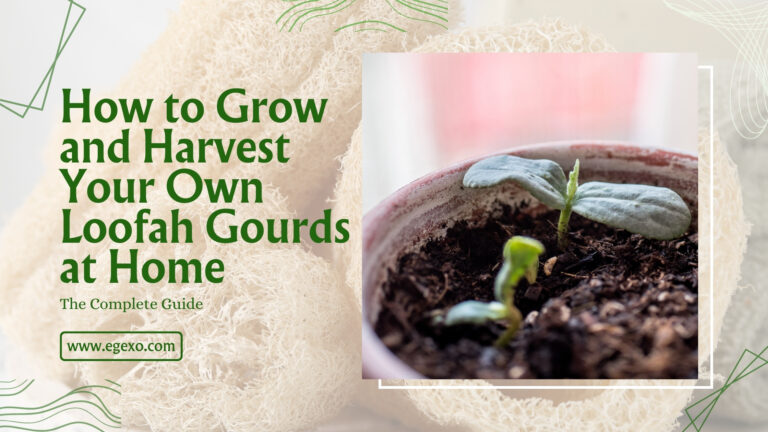
This is the most commonly asked question, and the honest answer is: not particularly, but they are unforgiving of neglect and very sensitive to environmental conditions. Loofah is a vigorous grower once established, but it requires a long warm season, consistent moisture, and structural support as it climbs.
The difficulty is not in the daily care so much as in meeting the minimum requirements for fruit development. A loofah plant that fails to reach maturity before the first frost will not produce a usable fiber. That is the central challenge, and it is the reason geographic location and climate zone matter so much.
Main Challenges When Growing Loofah Plants
- Long growing season requirement: 150 to 200 days of frost-free weather
- High heat sensitivity: productivity drops below 60 degrees Fahrenheit (15 degrees Celsius)
- Water demand: consistent irrigation without waterlogging
- Structural needs: vines can reach 10 to 20 feet and require strong trellis support
- Pest pressure: susceptible to aphids, cucumber beetles, and powdery mildew
For home gardeners in northern climates, starting seeds indoors 4 to 6 weeks before the last frost date significantly improves success rates. Commercial growers in tropical and subtropical regions like Egypt have a natural advantage because the climate aligns naturally with what the plant demands.
What Temperature Zones Do Loofah Plants Prefer?
Temperature is the single most critical factor in loofah cultivation. Growing loofah plants successfully requires sustained warmth from germination through harvest, and the plant simply will not produce usable fiber in cool or unpredictable climates without significant intervention.
Optimal Temperature Ranges for Each Growth Stage
| Growth Stage | Minimum Temperature | Optimal Temperature | Maximum Tolerance |
|---|---|---|---|
| Seed Germination | 70 degrees F (21 degrees C) | 80 to 90 degrees F (27 to 32 degrees C) | 100 degrees F (38 degrees C) |
| Vegetative Growth | 65 degrees F (18 degrees C) | 75 to 85 degrees F (24 to 29 degrees C) | 95 degrees F (35 degrees C) |
| Flowering | 70 degrees F (21 degrees C) | 80 to 88 degrees F (27 to 31 degrees C) | 95 degrees F (35 degrees C) |
| Fruit Development | 68 degrees F (20 degrees C) | 82 to 90 degrees F (28 to 32 degrees C) | 100 degrees F (38 degrees C) |
| Drying and Harvest | Ambient dry heat preferred | Above 85 degrees F (29 degrees C) | N/A |
Egypt’s Nile Delta region averages between 82 and 95 degrees Fahrenheit during the peak growing months, which falls precisely within the optimal band for both vegetative growth and fruit development. This is one of the core reasons Egyptian loofah is consistently regarded as the highest quality on the global market.
USDA Hardiness Zones and Loofah Cultivation
In North America, the USDA Hardiness Zone system provides a useful reference. Loofah grows best in Zones 7 through 11, where the frost-free period is long enough to allow fruit to reach full maturity.
| USDA Zone | Growing Season Length | Loofah Viability | Notes |
|---|---|---|---|
| Zone 5 to 6 | 120 to 140 days | Marginal | Indoor start required, may not reach maturity |
| Zone 7 to 8 | 150 to 180 days | Good | Outdoor growing viable with early start |
| Zone 9 to 10 | 200 to 240 days | Excellent | Multiple harvests possible |
| Zone 11+ | Year-round | Ideal | Matches tropical production conditions |
How Egyptian Climate Produces Superior Loofah Quality
Egypt’s geography creates what is effectively a natural greenhouse for loofah cultivation. The combination of intense solar radiation, low humidity during the critical drying phase, and mineral-rich Nile silt soil produces loofahs with a fiber density and structural integrity that is difficult to replicate in other growing regions.
Egexo’s farms in the Nile Delta have been refined over more than 25 years to take maximum advantage of these conditions. The result is a consistent, export-grade product that meets the quality expectations of spa operators, retailers, and distributors worldwide. You can learn more about the full process on the farm to export page.
Soil and Climate Factors That Affect Fiber Quality
The quality of a loofah’s fiber is not determined at the processing stage. It is determined in the field. Key agricultural factors include:
- Soil type: Loofah performs best in well-draining, slightly sandy loam with a pH between 6.0 and 6.8
- Water quality: Mineral content in irrigation water affects fiber texture and color
- Sunlight exposure: A minimum of 8 hours of direct daily sunlight is required for dense fiber formation
- Growing period: Longer seasons allow full fiber maturation, producing denser, more durable sponges
- Harvest timing: Harvesting too early yields soft, under-developed fiber; too late produces brittle fiber
Egyptian Nile silt provides an exceptional mineral base that consistently promotes dense, resilient fiber networks. This translates directly into finished products that outperform competitors in longevity, texture, and structural integrity.
Growing Loofah Plants: A Step-by-Step Guide
Whether you are a hobbyist grower, a small-scale farmer exploring commercial cultivation, or a buyer trying to understand the supply chain, the following process reflects how loofah moves from seed to sellable product.
Step-by-Step Loofah Growing Process
| Step | Activity | Timing | Key Success Factor |
|---|---|---|---|
| 1 | Seed selection and treatment | 4 to 6 weeks before last frost | Use certified, disease-free seed stock |
| 2 | Indoor germination (if needed) | 10 to 14 days to sprout | Soil temperature above 75 degrees F |
| 3 | Transplanting outdoors | After all frost risk passes | Harden off seedlings for 7 days |
| 4 | Trellis installation | Before vines exceed 12 inches | Minimum load capacity of 30 lbs per section |
| 5 | Irrigation and fertilization | Consistent throughout growing season | Balanced NPK with adequate potassium |
| 6 | Pest and disease monitoring | Weekly inspection | Early detection prevents crop loss |
| 7 | Flower pollination support | During flowering period | Hand-pollinate if bee activity is low |
| 8 | Fruit monitoring | From 90 days onward | Monitor for yellowing skin as harvest signal |
| 9 | Harvest | When skin turns yellow-brown | Delayed harvest improves fiber maturity |
| 10 | Peeling and washing | Immediately after harvest | Water pressure removes skin and seeds |
| 11 | Drying | 7 to 14 days in open air | Low humidity and strong airflow required |
| 12 | Quality grading and processing | Post-drying | Sort by size, density, and fiber integrity |
For businesses interested in sourcing bulk quantities rather than growing independently, requesting a wholesale quote from Egexo provides direct access to professionally cultivated, export-grade Egyptian loofah across multiple product categories.
Loofah Quality Standards: What Buyers and Consumers Should Know
Understanding how loofah is graded helps both wholesale buyers and end consumers make better decisions. Not all loofahs are equal, and the differences are measurable.
Egexo’s detailed loofah quality standards outline the specific parameters used to grade every batch leaving the facility. For buyers evaluating multiple suppliers, this kind of documented quality framework is a key differentiator.
Loofah Quality Grading Overview
| Grade | Fiber Density | Color | Texture | Typical Use |
|---|---|---|---|---|
| Premium Export | High | Light ivory to cream | Uniform, soft-firm | Spa, retail, private label |
| Standard Export | Medium-High | Cream to light tan | Slight variation acceptable | General retail, wholesale |
| Commercial | Medium | Tan | Variable texture acceptable | Budget retail, industrial |
| Processing Grade | Variable | Tan to brown | Irregular | Filters, industrial use |
Buyers sourcing for spa and wellness applications should target Premium Export grade. Raw loofah scrubbers in this grade are also popular with businesses offering private labeling and custom product development. For those interested in custom branding opportunities, Egexo’s private label loofah manufacturing service provides a complete solution.
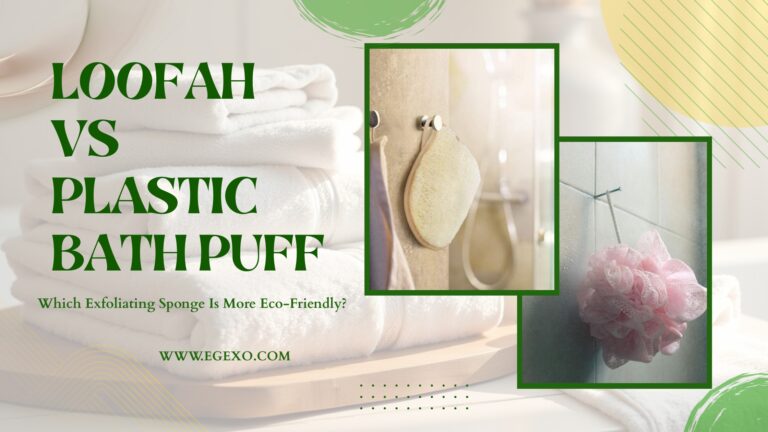
Natural vs Synthetic Loofahs: A Comparison Worth Making
The growth of growing loofah plants as an industry is closely tied to the ongoing shift away from synthetic bath products. Understanding the full comparison helps both consumers and buyers justify the natural choice.
Natural Loofah vs Synthetic Sponge
| Factor | Natural Egyptian Loofah | Synthetic Loofah/Sponge |
|---|---|---|
| Material Origin | Plant fiber (Luffa cylindrica) | Petroleum-based plastic or foam |
| Biodegradability | Fully biodegradable within 30 days | 300 to 500 years to decompose |
| Skin Compatibility | Naturally gentle exfoliation | Artificial texture, may irritate |
| Bacterial Resistance | Dries quickly, naturally porous | Retains moisture, higher bacterial risk |
| Lifespan | 3 to 4 weeks with proper care | 4 to 8 weeks but with hygiene tradeoffs |
| Environmental Impact | Minimal carbon footprint | Contributes to microplastic pollution |
| Wholesale Cost Competitiveness | Highly competitive in bulk | Lower per-unit but higher ecological cost |
| Consumer Perception | High and growing | Declining as sustainability awareness rises |
For businesses evaluating product lines, this comparison underscores why the natural loofah market is expanding. Retailers and spa operators who have shifted to Egyptian natural loofahs report stronger consumer satisfaction and repeat purchasing rates.
Expert Insight from Egexo
After 10 years exporting loofah from Egypt’s Nile Delta, our team has developed a precise understanding of what separates a good growing season from a great one. The single most consistent predictor of fiber quality is the final 30 days before harvest. During this period, the plant concentrates its structural compounds into the fiber network, and any disruption, whether from water stress, premature harvest, or temperature drop, directly reduces the density and uniformity of the finished sponge.
For wholesale buyers, this is why sourcing from a supplier with direct farm control matters significantly. When we control the growing conditions, the irrigation schedule, and the harvest timing ourselves, we eliminate the variability that plagues middleman-sourced products. Buyers who want to evaluate this quality firsthand can request loofah samples before committing to a bulk order.
For consumers, look for loofahs with a uniform cream-to-ivory color, firm but flexible fiber structure, and no musty odor, all signs that the plant was harvested at peak maturity and dried under optimal conditions.
FAQ Section
Q1: Is growing loofah plants difficult for beginners?
Growing loofah plants is manageable for beginners who live in warm climates with long growing seasons. The plant requires at least 150 frost-free days, consistent watering, and sturdy trellis support. In cooler climates, starting seeds indoors 4 to 6 weeks before the last frost dramatically improves success. The main challenge is not daily care but ensuring the growing season is long enough for the fruit to fully mature before temperatures drop.
Q2: What temperature do loofah plants need to grow?
Loofah plants grow best when daytime temperatures are consistently between 75 and 90 degrees Fahrenheit (24 to 32 degrees Celsius). Germination requires soil temperatures above 70 degrees Fahrenheit. Growth slows significantly below 60 degrees Fahrenheit and the plant will not survive frost. Egypt’s Nile Delta region, where Egexo cultivates its loofah, provides ideal year-round conditions that fall precisely within this optimal range.
Q3: How long does it take to grow a loofah plant?
From seed to harvest-ready fruit, loofah plants typically require 150 to 200 days. The exact timeline depends on the species, climate, soil fertility, and irrigation consistency. In Egypt’s climate, plants can reach harvest maturity within 160 to 180 days with proper cultivation. This long growing window is one reason commercial-scale loofah production is concentrated in tropical and subtropical regions.
Q4: Can loofah plants grow in cold climates?
Loofah plants can survive in cooler climates with careful management, but it is challenging. Growers in USDA Zones 5 and 6 need to start seeds indoors in early spring and use season-extending techniques like black plastic mulch and row covers. Even then, the growing season may not be long enough for fruits to reach full fiber maturity. Loofahs harvested prematurely have under-developed, soft fiber that performs poorly as a scrubber.
Q5: What soil conditions do loofah plants need?
Loofah plants grow best in well-draining, fertile soil with a pH between 6.0 and 6.8. Sandy loam with good organic matter content is ideal. Heavy clay soils should be amended with compost to improve drainage. Consistent moisture is important, but waterlogged roots will quickly kill the plant. Egypt’s Nile silt soil provides an excellent natural mineral balance that contributes directly to superior fiber quality in commercially grown loofahs.
Q6: How many loofahs does one plant produce?
A single healthy loofah plant in optimal conditions can produce between 5 and 15 fruits per growing season. Commercial farms in Egypt, with managed irrigation and nutritional programs, consistently achieve yields at the higher end of this range. The variation depends on pollination success, climate stability, and pest pressure throughout the season.
Q7: What is the difference between Egyptian loofah and loofahs from other countries?
Egyptian loofah benefits from the unique combination of Nile Delta soil minerals, high solar radiation, and a dry harvest climate that produces dense, uniform fiber with excellent structural integrity. Compared to loofahs grown in Southeast Asia or South America, Egyptian-grown loofahs typically display more consistent color, higher fiber density, and greater durability under repeated use. Egexo’s quality standards provide documented specifications that reflect this difference.
Q8: How do wholesale buyers evaluate loofah quality before placing bulk orders?
Wholesale buyers should assess color uniformity (cream to light ivory indicates peak maturity), fiber density (firm but flexible under hand pressure), moisture content (fully dried product resists bacterial buildup), and odor (neutral, no mustiness). Egexo makes this evaluation accessible by offering sample orders and a comprehensive product catalog with technical specifications for every grade and product type.
Conclusion
Growing loofah plants is a process shaped almost entirely by climate and patience. The plant itself is vigorous and productive when its temperature requirements are met, but it will not compromise on its need for sustained warmth, adequate sunlight, and a long growing season. For home growers, success comes from choosing the right zone and timing the season carefully. For wholesale buyers, success comes from sourcing from regions where the climate is not a variable to manage but a natural advantage to leverage.
Egypt stands alone as the world’s premium loofah production environment, and Egexo’s 25-plus years of cultivation expertise represents the deepest available knowledge base for buyers who demand consistency and quality. From the mineral-rich Nile Delta soil to the dry heat that perfects the fiber drying process, every element of Egyptian loofah production aligns with what the plant needs to produce its best.
For additional context on how this plant-to-product journey unfolds, the loofah farm to export guide and the why choose Egexo page provide detailed information for buyers making sourcing decisions.
Key Takeaways:
- Loofah plants are not difficult but require 150 to 200 frost-free days and sustained temperatures above 65 degrees Fahrenheit
- Optimal growing zones are USDA 7 through 11, with tropical climates producing the best results
- Egypt’s Nile Delta provides the world’s most naturally optimal loofah growing environment
- Fiber quality is determined in the field, making supplier farming practices the most important quality variable
- Natural Egyptian loofah outperforms synthetic alternatives on sustainability, skin compatibility, and consumer demand trends
Ready to experience Egyptian loofah quality?
- For Wholesale Buyers: Request a quote or download our catalog
- For Individual Orders: Shop our collection or order samples