Contents
- What Makes a Great Loofah Supplier?
- Why Choose Egyptian Loofah
- Understanding Your Loofah Product Options
- How to Evaluate Loofah Quality Standards
- The Journey From Farm to Your Warehouse
- Building Your Brand Through Customization
- What Your Startup Business Needs to Know
- Wholesale Pricing Strategies and Profit Margins
- Why Geographic Location Matters for Your Supply Chain
- Building Long-Term Supplier Relationships
- Marketing Your Natural Loofah Products Effectively
- Navigating Common Challenges in the Loofah Business
- How to Scale Your Loofah Business Successfully
- The Environmental Impact Story Customers Care About
- FAQ: Your Loofah Supplier Questions Answered
- Taking the Next Step in Your Loofah Business Journey
Starting a business in the bath and body industry or expanding your existing product line? You have stumbled upon one of nature’s most versatile products: the natural loofah sponge. As consumer preferences shift toward eco-friendly alternatives, demand for natural cleaning and exfoliating solutions is growing. Finding the right loofah supplier is not just about purchasing inventory. It is about partnering with someone who understands quality, sustainability, and the nuances of this remarkable natural product.
Egyptian loofah is soft and gentle from the first use. Its natural fibers feel different from the synthetic alternatives flooding the market. That is why sourcing matters so much in this industry.
What Makes a Great Loofah Supplier?
Choosing a loofah supplier goes far beyond comparing price sheets. The right partner impacts everything from your product quality to your brand reputation and ultimately your bottom line. A great supplier brings expertise that spans cultivation, harvesting, processing, and international shipping logistics.
Good suppliers control their supply chain from farm to export. This vertical integration supports consistent quality. When evaluating potential partners, look for suppliers who can articulate their growing methods, explain their quality control processes, and demonstrate a track record of reliable deliveries.
Natural loofah is a good choice compared to synthetic alternatives. Unlike plastic-based sponges that contribute to microplastic pollution and end up in landfills for a very long time, natural luffa sponges are 100% biodegradable. They break down naturally when composted. This environmental profile resonates with today’s conscious consumers and gives retailers a strong marketing story.
Why Choose Egyptian Loofah
Egyptian loofah grows in the Nile Delta, where the geography and climate suit the plant.
Egypt’s Nile Delta has rich alluvial soil, consistent sunshine and irrigation, which suit the loofah plant. Egyptian loofah is soft and gentle from the first use.
EGEXO sources loofah from its own farms and partner farms in the Nile Delta. The loofah is dried by sun drying and machine drying, and every order is checked by hand for colour, holes, defects, size and dryness before packing.
Understanding Your Loofah Product Options
The versatility of natural loofah allows suppliers to offer diverse product categories, each serving specific market niches. Smart retailers recognize these distinctions and curate their inventory accordingly.
Bath and Body Applications
Bath and body loofah products represent the most recognized use case. From exfoliating back scrubbers to gentle facial rounds, this category appeals to consumers prioritizing skin care and natural beauty routines. The natural texture provides mechanical exfoliation that removes dead skin cells without harsh chemicals.
Back strap designs with handles solve a common consumer problem. Body mitts and gloves offer controlled exfoliation for targeted areas. Round facial pads provide gentle daily cleansing. Each variation addresses specific customer needs and opens distinct market segments.
Kitchen and Household Solutions
Kitchen and household loofah products tap into the growing movement away from plastic dish sponges. Natural loofah scrubbers clean dishes without harsh chemicals. They dry quickly when hung up between uses. They replace wasteful disposable sponges with a sustainable option.
Consumers increasingly recognize that their cleaning supplies should not contradict their environmental values. A plastic sponge that helps clean their home while polluting the planet creates cognitive dissonance. Natural loofah resolves this tension beautifully, offering cleaning power with 100% biodegradability.
Raw Loofah Opportunities
Raw loofah scrubbers appeal to craft businesses, DIY enthusiasts, and brands creating custom formulations. These unprocessed forms allow maximum creative flexibility. Soap makers embed loofah pieces into their bars. Craft businesses slice and shape them into unique designs. Creative entrepreneurs develop entirely new product categories we have not yet imagined.
The raw material approach also enables competitive pricing strategies. By processing products yourself or offering customization services, you create additional value and differentiate from competitors selling standard finished goods.
Pet and Spa Grooming Applications
Loofah pet and spa grooming products represent an often-overlooked growth category. Pet owners seek natural grooming solutions free from synthetic materials their animals might ingest. Spa professionals appreciate tools that enhance their natural treatment philosophies.
Dog grooming mitts with loofah provide gentle exfoliation during bathing. Spa treatment tools add natural texture to professional services. These specialized applications serve dedicated niche markets.
How to Evaluate Loofah Quality Standards
Quality assessment separates successful retailers from those struggling with returns and disappointed customers. Understanding what defines premium loofah helps you evaluate suppliers accurately and set appropriate product pricing.
Fiber structure matters. Good natural loofah has an even fiber structure. Gaps, weak spots, and irregular fiber distribution can lead to premature breakdown.
Color uniformity indicates proper harvesting and processing. Natural Egyptian loofah shows a cream to light tan color. Irregular dark spots, green tinges, or widely varying colors within a batch suggest rushed harvesting or inadequate processing.
Texture consistency matters for end-user satisfaction. Quality loofah provides firm but yielding resistance. It should never feel brittle, which indicates over-drying, or mushy, which suggests inadequate drying or age-related deterioration.
A reliable loofah quality standards framework helps you communicate requirements clearly to suppliers and evaluate incoming shipments objectively. Establishing clear quality requirements before placing orders prevents misunderstandings and returns.
The Journey From Farm to Your Warehouse
Understanding the farm to export process provides insight into what separates professional suppliers from opportunistic intermediaries. This knowledge helps you ask informed questions and evaluate supplier capabilities accurately.
Loofah cultivation begins with selecting proper varieties suited to regional conditions. Planting occurs after the last frost, with vines trained on support structures as they grow. The plants require consistent watering and nutrient management throughout their development cycle.
Harvesting timing critically impacts final product quality. Mature loofah feels lightweight and produces a rattling sound when shaken, indicating the seeds have dried inside. Premature harvesting yields weak, thin-walled sponges. Delayed harvesting risks weather damage and decomposition.
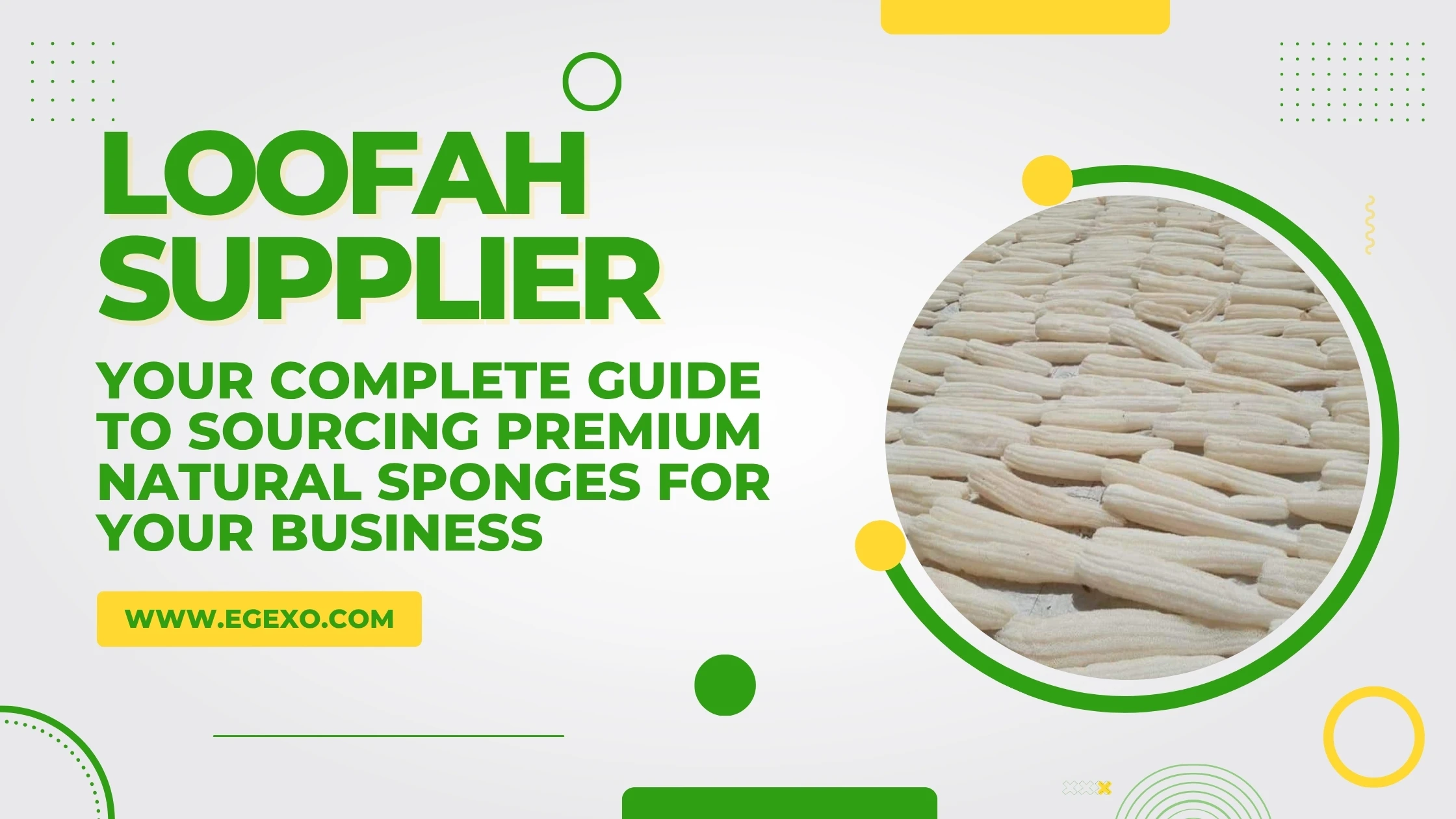
Post-harvest processing involves soaking to loosen the outer skin, peeling away the green exterior, removing seeds, and thorough drying. This labor-intensive work requires skill and attention to detail. Shortcuts during processing show up as quality defects in the finished product.
Proper suppliers control or closely monitor each step. They work directly with farmers using consistent practices. They process using proven methods that preserve fiber integrity. They check products by hand before packing. This comprehensive approach ensures the natural loofah reaching your warehouse meets your specifications consistently.
Building Your Brand Through Customization
Generic products compete primarily on price, a race to the bottom that benefits no one except consumers seeking the cheapest option. Smart businesses differentiate through branding, packaging, and product customization that creates unique value propositions.
Private label loofah manufacturing allows you to sell products under your own brand name without investing in manufacturing infrastructure. A capable supplier handles production while you focus on marketing, sales, and customer relationships. Your brand appears on packaging, creating customer loyalty that follows your company rather than the manufacturer.
Private labeling works particularly well for businesses with established customer bases seeking to expand into complementary products. Your existing customers already trust your brand. Offering natural loofah products under that trusted name provides easier market entry than building recognition for an unknown supplier’s brand.
Custom product design services take differentiation further by creating entirely unique products. Perhaps you envision a specific shape that solves a customer problem. Maybe you want to combine loofah with other natural materials in innovative ways. Perhaps your brand aesthetic requires particular sizing, colors, or packaging approaches.
Custom development requires working with suppliers who understand product design beyond simply processing raw materials. They need creativity, technical knowledge, and willingness to experiment. The investment in custom products pays off through exclusive offerings competitors cannot replicate and premium pricing reflecting that uniqueness.
What Your Startup Business Needs to Know
Launching a business around natural loofah products offers substantial opportunities but also requires realistic planning. Understanding common pitfalls helps new entrepreneurs navigate this industry successfully.
Start with clear target market identification. Are you selling to environmentally conscious consumers through online channels? Supplying spa and salon professionals? Targeting the pet care market? Each audience requires different product selections, pricing strategies, and marketing approaches. Trying to serve everyone simultaneously dilutes your resources and confuses your messaging.
Minimum order quantities from suppliers often challenge new businesses with limited capital. No minimum order on standard products. Private label from 1,000 units. Plan your initial inventory investment carefully, focusing on your most promising products rather than attempting complete product line coverage immediately.
One way to start is to test products through platforms like Amazon, Etsy, or local farmers markets before committing to large inventory purchases. Request loofah samples from potential suppliers to evaluate quality firsthand and test customer response before placing substantial orders.
Shipping timelines from international suppliers require planning ahead. Egyptian loofah typically ships via ocean freight. Production lead time is 7 to 25 days from payment, and the sea transit time is confirmed in your quote. Air freight offers faster delivery but at substantially higher costs that may not make economic sense for a starting business. Build adequate lead time into your planning to avoid stockouts.
Wholesale Pricing Strategies and Profit Margins
Understanding loofah wholesale pricing structures helps you evaluate supplier quotes accurately and set retail prices that balance competitiveness with profitability.
Volume discounts represent standard practice in the loofah industry. Suppliers offer better per-unit pricing as order quantities increase, reflecting economies of scale in processing and shipping. A small initial order might cost significantly more per piece than subsequent larger orders once you have established demand.
Product complexity impacts pricing naturally. Raw unprocessed loofah costs less than shaped and finished products. Standard items from existing production lines price lower than custom designs requiring special processing. Bulk packaging costs less than individually wrapped retail-ready units.
Seasonal factors can influence availability. Establishing relationships with reliable suppliers helps smooth these seasonal variations through advance planning.
Calculate your target margins based on your full business costs, not just product acquisition. Factor in shipping to your location, storage, packaging, marketing, platform fees if selling online, and your desired profit.
Retailers set their own markup on bath and body loofah products. The key is communicating value effectively so customers understand why your natural loofah sponge costs more than a cheap synthetic alternative while offering environmental benefits.
Why Geographic Location Matters for Your Supply Chain
Your business location influences which supply arrangements make the most sense strategically. Different regions face distinct logistics considerations when sourcing Egyptian loofah.
North American businesses, particularly in the USA and Canada, benefit from established shipping routes and customs procedures. Many suppliers offer consolidated shipping to major ports, reducing individual business shipping costs. The growing environmental consciousness in these markets creates strong demand for natural alternatives, supporting premium pricing strategies.
Australian and New Zealand businesses face longer shipping routes but serve markets with particularly strong environmental values. The geographic isolation that increases shipping costs also creates some competitive insulation from businesses importing from closer suppliers. Emphasizing the natural and sustainable aspects of Egyptian loofah resonates powerfully with consumers in these markets.
European Union markets offer sophisticated consumers willing to pay for quality and sustainability. However, import regulations and customs procedures require attention to detail. Working with suppliers experienced in EU exports helps navigate these requirements smoothly. The diverse country markets within the EU allow for interesting localization strategies based on regional preferences.
Brazilian and Latin American businesses might explore regional growing in addition to importing Egyptian varieties. The key is targeting consumers who value quality and sustainability over simply finding the cheapest option.
Building Long-Term Supplier Relationships
The most successful businesses in the natural products industry view their suppliers as strategic partners rather than interchangeable vendors. This relationship approach creates mutual benefits that extend far beyond individual transactions.
Communication consistency builds trust over time. Regular check-ins even when not placing orders demonstrate commitment to the relationship. Sharing market feedback helps suppliers understand your customers and potentially develop products that better serve your needs.
Payment reliability matters tremendously, especially when working with international suppliers. Honoring payment terms builds confidence. Suppliers naturally prioritize businesses that pay promptly and reliably when allocating limited inventory or prioritizing production schedules.
Reasonable expectations about lead times, customization limits, and problem resolution create sustainable partnerships. Understand that natural agricultural products face inherent variability. Weather impacts harvests. Processing faces limitations. International shipping encounters delays. Partners who understand these realities and plan accordingly build stronger relationships than those demanding impossible guarantees.
Consider visiting your supplier if feasible. Seeing operations firsthand creates understanding that transforms the business relationship. You gain insight into their capabilities and constraints. They see your commitment to the partnership. Buyer visits to EGEXO are welcome, arranged in advance.
Marketing Your Natural Loofah Products Effectively
Having quality products matters little without effective marketing that connects with your target audience. Natural loofah offers compelling stories that resonate with modern consumers when communicated effectively.
Sustainability messaging appeals strongly to environmentally conscious consumers. Emphasize that natural loofah is 100% biodegradable, contrasting sharply with synthetic sponges that persist in landfills for a very long time. Visual content showing the decomposition process creates powerful messaging.
The natural origin story interests consumers tired of artificial everything. Share information about how loofah grows, its agricultural heritage, and the farmers who cultivate it. This storytelling creates emotional connections beyond functional product benefits.
Skin care benefits support premium positioning for bath and body applications. Natural loofah provides gentle mechanical exfoliation that removes dead skin cells and leaves skin ready for moisturizer. These benefits appeal to beauty-conscious consumers willing to invest in their skincare routines.
Multiple use cases expand your addressable market. A customer might initially purchase loofah for body exfoliation, then discover it works brilliantly for dish cleaning, then buy additional products for pet grooming. Content marketing that educates about diverse applications increases average customer value while positioning you as a knowledgeable resource.
Before and after imagery of cleaning results shows the product at work and helps customers see its value.
Navigating Common Challenges in the Loofah Business
Every business faces obstacles. Understanding common challenges in the natural loofah industry helps you prepare appropriate responses rather than being surprised by predictable issues.
Customer education requires consistent effort. Many consumers have never used authentic natural loofah or only experienced low-quality versions. They need guidance about proper use, care, and replacement timing. Investing in educational content pays dividends through increased satisfaction and reduced returns.
Some customers who are used to soft synthetic sponges need a little time to get used to natural loofah. Guidance about softening loofah with warm water before use and starting with gentle pressure helps customers adjust and appreciate the exfoliating benefits.
Seasonal demand fluctuations occur in bath and body products, with higher sales during holiday gift-giving seasons and slower periods during summer months. Planning inventory and cash flow around these predictable patterns prevents stockouts during peak periods and excessive inventory during slow months.
Competition from cheaper synthetic alternatives continues despite growing environmental consciousness. Some consumers prioritize immediate cost savings over sustainability considerations. Rather than competing on price alone, focus on serving the growing segment that values quality and environmental responsibility. These customers become loyal repeat buyers rather than perpetually seeking the cheapest option.
Quality consistency occasionally varies even with good suppliers due to the agricultural nature of the product. Establishing clear quality standards and inspection procedures helps catch issues before they reach customers. Building relationships with suppliers who stand behind their products and address concerns responsibly matters tremendously.
How to Scale Your Loofah Business Successfully
Starting small and growing gradually works well in the natural products industry. Understanding scaling strategies helps you expand sustainably without overextending resources or compromising quality.
Product line expansion should follow customer demand signals rather than arbitrary decisions. Pay attention to which products sell best, what customers request, and where market gaps exist. Let actual market response guide your expansion rather than assumptions about what should work.
Geographic expansion opens new markets once you have refined operations in your initial territory. Test new regions cautiously, understanding that preferences and price sensitivity may vary. What works brilliantly in California might need adjustment for Texas, and vice versa.
Wholesale accounts with retail stores, spas, or other businesses multiply your reach beyond direct consumer sales. These partnerships require different pricing structures, payment terms, and support compared to retail customers.
Explore available products and options to understand the breadth of possibilities as you scale. Your initial product selection might focus narrowly, but understanding the full range helps you identify natural expansion opportunities.
Additional sales channels diversify risk and expand reach. A business starting on Etsy might expand to Amazon, then add a branded website, then pursue retail partnerships. Each channel requires adaptation but reduces dependence on any single platform.
The Environmental Impact Story Customers Care About
Modern consumers increasingly make purchasing decisions based on environmental considerations. The natural loofah story offers compelling sustainability benefits that differentiate your products powerfully.
Plastic pollution has reached crisis levels in our oceans and ecosystems. Synthetic sponges contribute to this problem throughout their lifecycle. Production consumes petroleum and releases greenhouse gases. Use sheds microplastic particles that enter water systems. Disposal adds to landfill waste that persists for a very long time. This environmental cost increasingly concerns consumers seeking alternatives.
Natural loofah represents a truly circular solution. It grows using solar energy, water, and nutrients. Cultivation actually benefits the environment by converting CO2 to oxygen like any plant. Use does not shed microplastic particles. Disposal through composting returns nutrients to soil, completing a natural cycle.
This complete lifecycle sustainability story resonates powerfully when communicated effectively. Create content showing the full journey from plant to product to compost. Visual storytelling through images and video makes abstract environmental benefits tangible and compelling.
Honest messaging strengthens environmental claims. Natural loofah is a plant fibre that is 100% biodegradable, so you can describe it simply and clearly without exaggeration.
FAQ: Your Loofah Supplier Questions Answered
What minimum order quantity should I expect from a loofah supplier?
No minimum order on standard products. Private label from 1,000 units. For businesses just starting, samples allow testing before committing to a full order.
How long does shipping typically take from Egyptian loofah suppliers?
Production lead time is 7 to 25 days from payment, depending on quantity and orders in process. Sea transit time depends on your port and is confirmed in your quote. Air freight is faster but costs significantly more. Plan your inventory needs well in advance to avoid stockouts while keeping carrying costs reasonable.
What makes Egyptian loofah a good choice?
Egyptian loofah benefits from good growing conditions in the Nile Delta region, including rich soil, consistent sunshine, and irrigation. Egyptian loofah is soft and gentle from the first use, and every EGEXO order is checked by hand for colour, holes, defects, size and dryness before packing.
Can natural loofah harbor bacteria and become unsanitary?
Any damp sponge can hold bacteria, so care matters. The key is allowing complete drying between uses. Rinse thoroughly after each use, squeeze out excess water, and store in a ventilated location where air can circulate freely. The natural fibers dry quickly compared to synthetic materials. Replace loofahs every 3 to 4 weeks with regular use to maintain hygiene.
What profit margins can I expect selling natural loofah products?
Retail markups are set by each retailer. Wholesale businesses selling to retailers work with smaller margins but benefit from larger volume orders. Your specific margins depend on your market positioning, sales channels, operational efficiency, and value-added services like branding or custom packaging.
Should I offer private label or sell under the supplier’s brand?
Private labeling offers significant advantages for businesses building long-term value. Your brand creates customer loyalty that stays with your company if you change suppliers or expand product lines. Private labeling allows complete control over positioning, messaging, and customer relationships. The investment in developing your brand pays off through premium pricing, customer retention, and business value. Selling supplier-branded products makes sense primarily when testing market demand before committing to private label minimums.
How do I evaluate loofah quality when comparing supplier samples?
Examine the fibers by holding the loofah to light and checking for gaps or thin spots. Good products show consistent fibers throughout. Assess texture by wetting and squeezing the sample, checking for firm but yielding resistance rather than brittleness or mushiness. Evaluate color uniformity, looking for consistent cream to light tan shades without dark spots or green tinges. Compare durability by using samples as intended and monitoring how they hold up over time. Quality differences become apparent through hands-on evaluation rather than photos alone.
What certifications or documentation should I request from suppliers?
Request phytosanitary certificates for agricultural products, certificates of origin verifying Egyptian source, and the other papers your market requires. EGEXO supplies the papers it can provide and helps with the product information buyers need. For certain markets, you may need documentation proving compliance with specific regulations. Reliable suppliers readily provide necessary documentation and understand export requirements for different destinations. Difficulty obtaining standard documentation raises concerns about supplier legitimacy and experience.
Can I start with small test orders before committing to large inventory?
Many suppliers accommodate sample orders or reduced initial quantities at higher per-unit costs. This allows market testing before major inventory commitments. Be upfront about your situation as a new business. Experienced suppliers understand the need for testing and often prefer working with businesses that approach market entry thoughtfully rather than those ordering large quantities without validation. Sample programs specifically help new businesses evaluate quality and test customer response with minimal risk.
What happens if I receive a shipment that doesn’t meet quality expectations?
Establish clear quality specifications before ordering and inspect shipments promptly upon arrival. Photograph any quality issues immediately and contact your supplier with specific concerns. Professional suppliers stand behind their products and work to resolve legitimate quality problems. At EGEXO, if any item is faulty, we replace it with your next order. The supplier’s response to problems reveals their true partnership orientation. This is why starting with smaller orders and building relationships with responsive suppliers matters so much.
Taking the Next Step in Your Loofah Business Journey
The natural loofah industry offers substantial opportunities for entrepreneurs and established businesses alike. Growing environmental consciousness, consumer preference for natural products, and loofah’s inherent versatility create favorable market conditions unlikely to reverse.
Success requires more than simply finding the cheapest supplier and listing products online. It demands understanding your target market, positioning products effectively, communicating value clearly, and partnering with suppliers who share your commitment to quality.
Learn more about what makes a great loofah supplier by exploring resources that help you evaluate potential partners objectively. The supplier selection decision impacts every aspect of your business, from product quality to customer satisfaction to long-term profitability.
Consider starting by reviewing product options and specifications to understand what is available and how different products might fit your market strategy. This research phase prevents costly mistakes from ordering products mismatched to your customer needs.
When ready to move forward, requesting samples allows hands-on quality evaluation and customer testing before significant inventory commitments. Physical experience with products reveals quality differences that descriptions alone cannot convey.
The natural loofah market continues growing as consumers seek sustainable alternatives to plastic products. Businesses that enter this space with quality products, authentic sustainability messaging, and customer-focused operations position themselves for long-term success in an industry aligned with powerful societal trends.
Your journey toward building a successful natural products business begins with the foundational decision of choosing the right supplier partner. Take time to evaluate options thoroughly, ask detailed questions, request samples, and select partners who demonstrate not just capability but commitment to your mutual success.
The sustainable future consumers want is being built today through countless individual purchasing decisions. Natural loofah products represent a tangible way for people to align their daily choices with their environmental values. By bringing quality natural loofah to your market, you participate in this important transition while building a profitable business. That combination of purpose and profitability creates the most fulfilling and sustainable business ventures.
Connect with experienced loofah suppliers to begin conversations about your specific needs and explore how natural loofah products might fit your business strategy. The right partnership transforms a promising idea into a thriving business reality.