

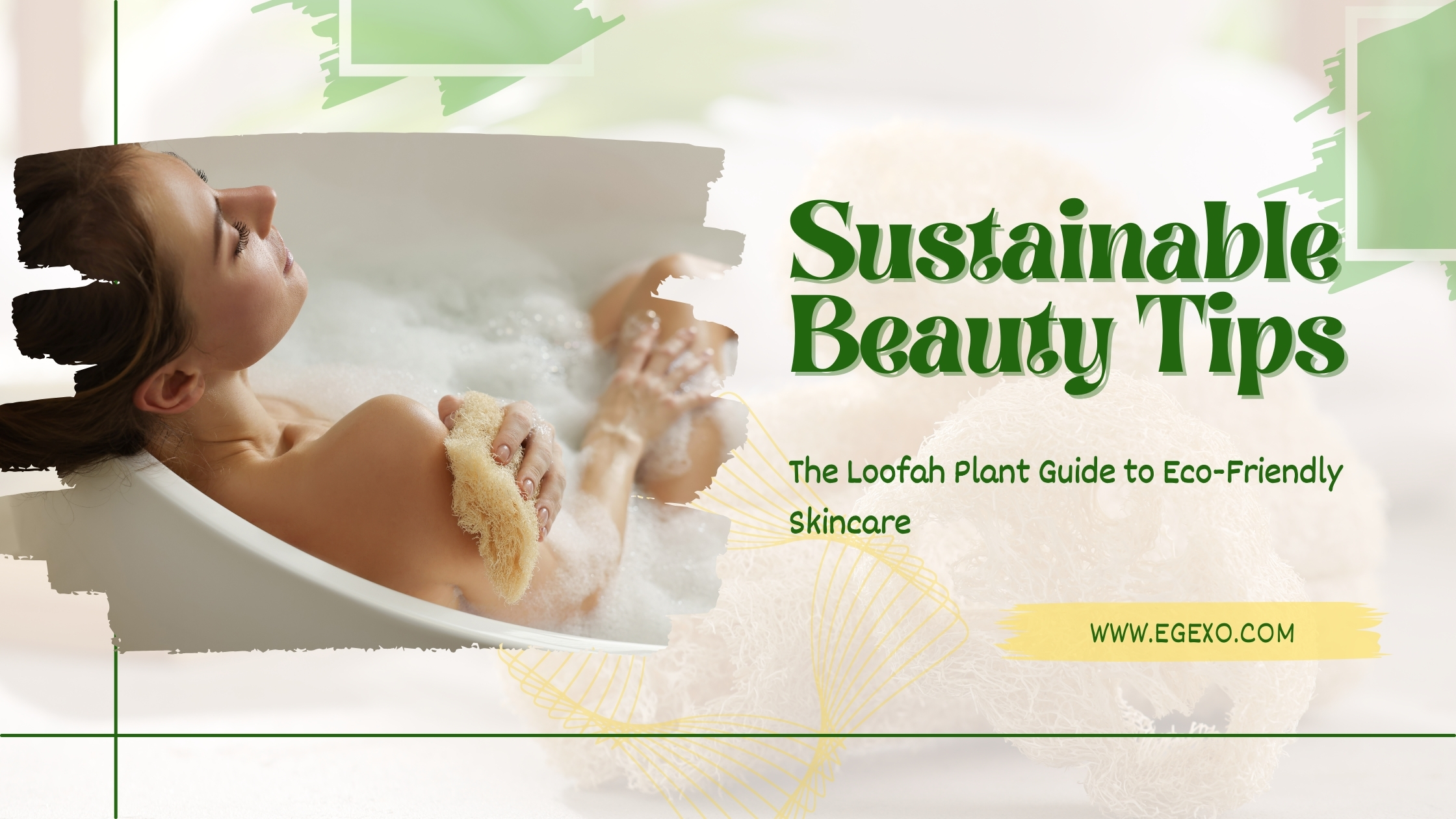
Sustainable Beauty Tips: The Loofah Plant Guide to Eco-Friendly Skincare
The global beauty industry generates over 120 billion units of packaging annually, with a significant portion ending up in landfills and oceans. For environmentally conscious consumers and forward-thinking businesses alike, this statistic demands attention and action. The loofah plant stands as one of nature’s most effective solutions to this crisis, serving as a natural exfoliator that transforms sustainable beauty from concept into daily practice.
Whether you operate a spa seeking biodegradable alternatives for your clients, manage a retail business exploring eco-friendly product lines, or simply want to reduce your personal environmental footprint, understanding the loofah plant and its applications provides a pathway to meaningful change. This comprehensive guide explores how this remarkable plant supports sustainable beauty practices while delivering exceptional exfoliation results that synthetic alternatives cannot match.
Egyptian loofah cultivation represents the gold standard in natural beauty products, with Egexo bringing 10 years of expertise in producing premium quality loofah sponges for markets worldwide. From our farms along the fertile Nile Delta to bathroom shelves across five continents, the journey of the loofah plant exemplifies how sustainable choices benefit everyone involved.
Understanding the Loofah Plant as a Natural Exfoliator
The loofah plant, scientifically known as Luffa aegyptiaca, belongs to the cucumber family and produces the fibrous interior that becomes the exfoliating sponge millions use daily. Unlike synthetic exfoliators that shed microplastics into waterways, the loofah plant offers a completely biodegradable alternative that returns to the earth within weeks of disposal.
The Science Behind Natural Exfoliation
When you use a loofah sponge on your skin, the natural fiber structure creates gentle friction that removes dead skin cells without causing microtears. The loofah plant develops its signature texture through a natural drying process that creates interconnected chambers and ridges. This structure proves ideal for holding soap, creating lather, and providing consistent exfoliation pressure.
Research from dermatological studies indicates that natural exfoliation using plant-based materials like loofah supports the skin renewal cycle, which typically occurs every 28 to 40 days in adults. Regular exfoliation with a loofah plant product helps maintain this cycle, resulting in smoother skin texture and improved product absorption.
The natural exfoliator properties of loofah make it suitable for various skin types when used correctly. For wholesale buyers considering product development, understanding these properties helps in marketing and customer education efforts. Individual consumers benefit from knowing that the loofah plant they purchase works with their skin biology rather than against it.
Loofah Plant Varieties and Quality Grades
Not all loofah products deliver equal results. The quality depends significantly on growing conditions, harvest timing, and processing methods. Egyptian loofah has earned its reputation as the premier choice due to specific environmental factors that produce superior fiber density and durability.
| Quality Grade | Fiber Density | Best Applications | Typical Buyer |
|---|---|---|---|
| Premium Grade A | High density, uniform texture | Luxury spas, high-end retail | Hotels, specialty retailers |
| Standard Grade B | Medium density, slight variations | General body care, mass retail | Wholesalers, drugstore chains |
| Economy Grade C | Lower density, visible irregularities | Kitchen cleaning, industrial use | Bulk buyers, cleaning supply companies |
| Raw Unprocessed | Variable | DIY projects, craft applications | Artisan makers, hobbyists |
Understanding these distinctions helps wholesale buyers select appropriate products for their target markets while enabling consumers to identify quality when shopping. The loofah plant produces different textures depending on maturity at harvest, a detail that Egexo manages carefully through our controlled cultivation practices.
Sustainable Beauty Practices That Protect the Planet
Incorporating the loofah plant into your beauty routine represents one component of a broader sustainable approach. The choices we make about personal care products ripple outward, affecting ecosystems, communities, and future generations. Both businesses and individual consumers play crucial roles in driving industry transformation.
Replacing Synthetic Products with Natural Alternatives
The synthetic sponges and plastic exfoliating tools found in most households contain polyurethane, nylon, or polyester materials that persist in the environment for centuries. A single synthetic bath puff releases thousands of microplastic particles with each use, eventually making their way into marine ecosystems.
The loofah plant provides a direct replacement for these problematic products. When your natural exfoliator reaches the end of its useful life, typically three to four weeks with proper care, you can compost it or simply discard it knowing it will decompose naturally. This simple switch eliminates a significant source of household plastic waste.
For spa owners and hospitality businesses, transitioning to loofah-based products demonstrates environmental commitment while often reducing long-term costs. Guests increasingly expect sustainable amenities, and offering natural exfoliator options like Egyptian loofah positions your establishment as environmentally responsible. Consider exploring private labeling options to create branded sustainable amenities that reinforce your business identity.
Building a Zero-Waste Beauty Routine
The loofah plant integrates seamlessly into zero-waste beauty practices that minimize environmental impact across all personal care activities. Beyond exfoliation, sustainable beauty encompasses product selection, packaging choices, and disposal methods.
Essential Elements of Zero-Waste Beauty:
Start by auditing your current products and identifying items packaged in single-use plastic. Bar soaps, shampoo bars, and solid lotions packaged in paper or metal containers offer effective alternatives to their bottled counterparts. The loofah plant serves as your natural exfoliator in this system, eliminating the need for plastic loofahs, synthetic scrub pads, or exfoliating products containing plastic microbeads.
Store products in glass containers that you can reuse indefinitely. Purchase refillable options when available, and support brands committed to sustainable packaging. When combined with a quality Egyptian loofah from Egexo, these practices create a bathroom routine that generates minimal waste while delivering excellent results.
For retailers looking to serve the growing zero-waste market, stocking natural loofah products provides an entry point for customers transitioning to sustainable beauty. Consider our body and bath loofah collection as a core product offering that attracts environmentally conscious shoppers.
Water Conservation in Your Beauty Routine
The production of conventional beauty products requires substantial water resources, often in regions already experiencing scarcity. The loofah plant, while requiring irrigation during growth, ultimately reduces water consumption in daily use by creating efficient lather with less product and shorter rinse times.
| Beauty Practice | Water Usage | Sustainable Alternative | Savings |
|---|---|---|---|
| Extended shower with synthetic sponge | 65 to 80 liters | Efficient shower with loofah | 30 to 40 percent reduction |
| Running water while exfoliating | 15 liters per minute | Turn off water during scrubbing | 75 percent reduction |
| Multiple rinse cycles for products | Varies by product | Natural soap with loofah | 50 percent reduction |
| Daily exfoliation routine | Cumulative | 2 to 3 times weekly | 60 percent reduction |
The natural fiber structure of the loofah plant creates rich lather quickly, reducing both product consumption and rinse time. These efficiencies matter for individual households managing utility costs and for hospitality businesses where water expenses significantly impact operating budgets.
Choosing Quality Loofah Products for Maximum Benefit
Selecting the right loofah plant product requires understanding quality indicators and matching product characteristics to intended use. Whether purchasing for personal use or sourcing inventory for your business, informed decisions lead to better outcomes.
Quality Indicators for the Natural Exfoliator
Premium loofah products exhibit specific characteristics that distinguish them from inferior alternatives. Knowing what to look for protects consumers from disappointing purchases and helps wholesale buyers maintain product quality standards.
Texture and Density: Quality loofah feels firm yet flexible, with tightly woven fibers that resist separation. Avoid products that feel overly soft or show visible gaps in the fiber matrix, as these indicate premature harvest or poor processing.
Color and Appearance: Natural loofah ranges from light cream to golden tan. Uniformity suggests controlled growing and processing conditions. Bright white coloring often indicates bleaching, which can weaken fibers and introduce chemical residues.
Odor: Fresh loofah has a mild, earthy scent that dissipates after the first few uses. Strong chemical smells or musty odors indicate processing issues or improper storage.
Structural Integrity: Gently flex the loofah to test fiber cohesion. Quality products return to their original shape without fiber shedding or permanent deformation.
Egexo maintains strict quality standards throughout our production process, ensuring every loofah plant product meets specifications that satisfy both retail consumers and commercial buyers. Our farm to export process includes multiple quality checkpoints that guarantee consistency across all shipments.
Matching Products to Purposes
Different applications require different loofah characteristics. The natural exfoliator market includes various product forms designed for specific uses.
| Product Type | Best For | Features | Recommended Users |
|---|---|---|---|
| Body loofah sponge | Full body exfoliation | Medium texture, ergonomic shape | Daily bathers, spa guests |
| Facial loofah pad | Gentle face exfoliation | Fine texture, small size | Skincare enthusiasts |
| Back scrubber with handles | Hard to reach areas | Extended length, dual handles | Limited mobility users |
| Kitchen loofah | Dish and surface cleaning | Dense texture, high durability | Eco-conscious households |
| Pet grooming loofah | Animal coat care | Soft texture, gentle bristles | Pet owners, groomers |
Understanding these distinctions helps consumers select appropriate products and assists retailers in curating effective product assortments. Explore our complete product range to find options that match your needs or your customers’ expectations.
Sourcing Considerations for Wholesale Buyers
Businesses entering the loofah market or expanding existing natural product lines benefit from understanding sourcing dynamics. The loofah plant supply chain involves multiple stages where quality and reliability can vary significantly.
Key Evaluation Criteria for Suppliers:
| Factor | Questions to Ask | Why It Matters |
|---|---|---|
| Cultivation experience | How many years in loofah farming? | Expertise affects consistency |
| Quality control processes | What testing occurs before shipping? | Ensures product meets standards |
| Certifications held | Organic, fair trade, quality marks? | Validates claims and practices |
| Minimum order quantities | What MOQs apply to different products? | Affects inventory investment |
| Customization capabilities | Can products be modified or branded? | Enables market differentiation |
| Export experience | Which markets have they served? | Indicates logistics competence |
Egexo brings 10 years of Egyptian loofah export experience to every partnership, with established export relationships spanning five continents. Our quality standards documentation provides detailed specifications that help buyers make confident sourcing decisions.
For businesses ready to explore partnership opportunities, requesting a wholesale quote initiates a conversation about how Egyptian loofah products can enhance your product offerings.
Caring for Your Loofah Plant Products
Proper maintenance extends loofah lifespan, maintains hygiene, and ensures consistent exfoliation results. Both individual users and businesses distributing loofah products benefit from understanding care best practices.
Daily Care Routine
After each use, rinse your loofah thoroughly to remove soap residue and skin cells. Squeeze out excess water without wringing, which can damage fibers. Hang in a well-ventilated area away from the direct shower stream where it can dry completely between uses.
The natural exfoliator performs best when it starts each use session in a dry state. Constant moisture promotes bacterial growth and accelerates fiber breakdown. Bathrooms with good ventilation or access to fresh air circulation provide ideal storage environments.
Weekly Maintenance
Once weekly, disinfect your loofah to eliminate accumulated bacteria. Several methods prove effective:
Vinegar soak: Submerge in a solution of one part white vinegar to four parts water for 15 to 20 minutes. Rinse thoroughly and allow to dry completely.
Hydrogen peroxide treatment: Apply 3 percent hydrogen peroxide solution, let sit for 10 minutes, then rinse and dry.
Microwave method: Dampen the loofah and microwave for 30 seconds. Allow to cool before handling. Note this method only works for loofah without attached handles or decorative elements.
Businesses providing loofah products to customers should include care instructions with each purchase. Proper maintenance information reduces customer complaints and extends product satisfaction.
Replacement Guidelines
Even with excellent care, loofah products require periodic replacement to maintain hygiene and exfoliation effectiveness. The loofah plant naturally biodegrades over time, which represents an environmental benefit but also necessitates regular renewal.
Signs your loofah needs replacing:
- Persistent odor despite cleaning
- Visible discoloration or dark spots
- Fiber separation or shedding during use
- Loss of structural firmness
- Reduced lather production
For most users, replacing your natural exfoliator every three to four weeks maintains optimal performance and hygiene. Individuals with compromised immune systems should consider more frequent replacement or consult healthcare providers for personalized guidance.
The Environmental Impact of Choosing Natural Exfoliators
Selecting loofah plant products over synthetic alternatives generates measurable environmental benefits. Understanding these impacts helps consumers feel confident in their choices and provides businesses with authentic sustainability messaging.
Lifecycle Comparison
| Factor | Natural Loofah | Synthetic Sponge | Environmental Difference |
|---|---|---|---|
| Production emissions | Low, plant-based | High, petroleum-derived | 70 percent lower for loofah |
| Biodegradation time | 30 to 60 days | 200 to 500 years | Eliminates persistent waste |
| Microplastic release | Zero | Thousands per use | Complete elimination |
| Energy for production | Minimal processing | Intensive manufacturing | 85 percent lower for loofah |
| End of life options | Compostable | Landfill only | Circular economy compatible |
These comparisons demonstrate why the loofah plant represents a superior choice for environmentally conscious consumers and businesses committed to sustainability. The natural exfoliator not only performs its intended function effectively but does so without the environmental costs associated with synthetic alternatives.
Supporting Sustainable Agriculture
Purchasing Egyptian loofah products supports agricultural practices that benefit local communities and ecosystems. Traditional loofah cultivation along the Nile Delta region employs farming methods developed over generations, maintaining soil health and supporting biodiversity.
Unlike monoculture industrial farming, loofah cultivation often integrates with other crops, creating diverse agricultural landscapes. The plants require no synthetic pesticides when grown in appropriate conditions, further reducing environmental impact.
By choosing suppliers like Egexo who prioritize sustainable farming practices, buyers contribute to agricultural systems that can continue producing quality products indefinitely without degrading the land.
Integrating Loofah into Commercial Operations
For businesses exploring loofah products as inventory additions or operational supplies, several considerations inform successful integration. The growing consumer demand for sustainable alternatives creates opportunities across multiple market segments.
Market Opportunity Analysis
Consumer research consistently indicates increasing preference for sustainable personal care products. The natural and organic personal care market continues expanding as environmental awareness drives purchasing decisions across demographic groups.
Key market segments for loofah products:
Hospitality and tourism businesses seeking sustainable amenities find loofah products align with guest expectations and corporate responsibility initiatives. Hotels replacing synthetic bath accessories with natural alternatives report positive guest feedback and differentiation from competitors.
Spa and wellness centers increasingly incorporate natural exfoliator options into treatment menus. The loofah plant provides authentic natural elements that enhance wellness experiences while supporting sustainability messaging.
Retail stores catering to eco-conscious consumers include loofah products in curated sustainable living sections. These products serve as entry points for customers beginning sustainability journeys and staples for committed zero-waste practitioners.
Custom Product Development
Differentiation in competitive markets often requires unique product offerings. Egexo supports custom product development that allows businesses to create distinctive loofah products for their specific markets.
Custom loofah product design services enable development of unique shapes, sizes, and combinations that address specific customer needs. Private label loofah manufacturing allows businesses to build branded product lines featuring premium Egyptian loofah with their own branding and packaging.
These capabilities support businesses ranging from small boutique retailers to large hospitality chains, enabling market-appropriate customization at various volume levels.
Sample Programs and Quality Verification
Before committing to inventory investments, businesses benefit from hands-on product evaluation. Egexo offers sample programs that allow potential buyers to assess quality firsthand.
Requesting loofah samples initiates a simple process that delivers representative products for evaluation. Testing samples with your team, presenting to buying committees, or gathering customer feedback provides confidence before placing larger orders.
Frequently Asked Questions
How long does a loofah plant product last with proper care?
With proper care including thorough drying between uses and weekly disinfection, a quality loofah typically lasts three to four weeks. Egyptian loofah from premium suppliers like Egexo often exceeds this timeframe due to superior fiber density. Replace your natural exfoliator when you notice persistent odors, visible discoloration, or fiber deterioration regardless of time elapsed.
Is the loofah plant safe for sensitive skin?
The loofah plant produces fibers that work well for most skin types when used appropriately. For sensitive skin, select softer loofah products, use lighter pressure during exfoliation, and limit sessions to two or three times weekly. Always wet your loofah thoroughly before use, as dry fibers feel harsher against skin. If irritation occurs, discontinue use and consult a dermatologist.
What minimum order quantities apply for wholesale loofah purchases?
Minimum order quantities vary by product type and customization requirements. Standard inventory products typically have lower MOQs than custom or private label items. Contact Egexo directly through our quotation request form for specific MOQ information based on your product interests and business needs.
Can loofah products be used in commercial spa treatments?
Yes, loofah products integrate effectively into professional spa treatments including body scrubs, exfoliation services, and hydrotherapy applications. Many spas prefer natural loofah for its authentic appeal and sustainability credentials. Egexo supplies hospitality and spa clients worldwide with products meeting commercial hygiene and quality standards.
How does Egyptian loofah compare to loofah from other regions?
Egyptian loofah benefits from ideal growing conditions in the Nile Delta region, producing denser fiber structure and more consistent quality than loofah from most other origins. The combination of climate, soil composition, and generations of cultivation expertise creates a natural exfoliator product recognized globally for premium quality. Egexo maintains these standards through controlled farming and rigorous quality processes.
What certifications should I look for when sourcing loofah products?
Quality certifications and documentation demonstrate supplier commitment to standards. Look for organic certifications if important to your market, export documentation proving regulatory compliance, and quality control documentation describing testing procedures. Egexo provides comprehensive documentation supporting buyer confidence in product quality and regulatory compliance.
Expert Insight from Egexo
Drawing from over 25 years cultivating loofah in Egypt’s fertile Nile Delta, we understand that sustainable beauty begins with how products are grown, not just how they are used. The loofah plant thrives when farmers work with natural cycles rather than forcing artificial timelines. We harvest at optimal maturity when fiber density peaks, then process using methods that preserve natural structure without chemical treatments.
For wholesale buyers, this attention to cultivation translates into products that satisfy demanding customers and generate repeat purchases. For individual consumers, it means your natural exfoliator performs consistently from first use to last. Egyptian loofah represents centuries of agricultural knowledge meeting modern quality standards, delivered by a team committed to sustainable practices at every step from our farms to your business or bathroom.
Conclusion
The loofah plant offers a proven solution for anyone seeking to align beauty practices with environmental values. As a natural exfoliator, it delivers effective results while eliminating the plastic waste and microparticle pollution associated with synthetic alternatives. For businesses, loofah products represent growing market opportunity as consumers increasingly demand sustainable options.
Key Takeaways:
- The loofah plant provides biodegradable exfoliation that outperforms synthetic alternatives without environmental harm
- Quality varies significantly based on origin, cultivation practices, and processing, with Egyptian loofah recognized as the premium standard
- Proper care extends product lifespan while maintaining hygiene and performance
- Both consumers and businesses benefit from integrating natural loofah into sustainable beauty practices
- Egexo delivers 10 years of expertise supporting wholesale buyers and individual customers worldwide
Ready to experience Egyptian loofah quality?
- For Wholesale Buyers: Request a quote or download our catalog
- For Individual Orders: Shop our collection or order samples