

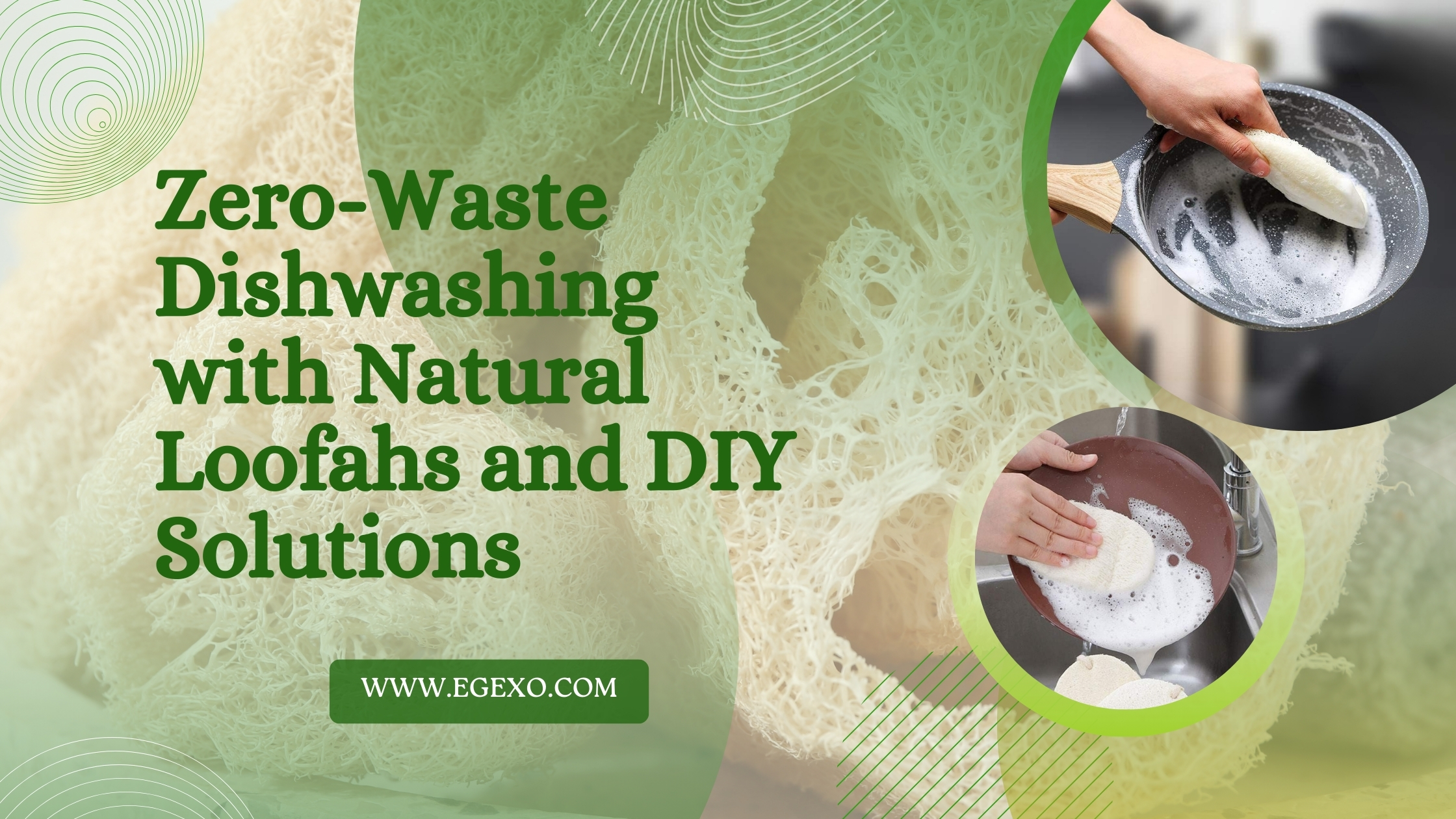
Zero-Waste Dishwashing with Natural Loofahs and DIY Solutions
The Kitchen Revolution You Have Been Waiting For
Every year, an estimated 400 million plastic dish sponges end up in landfills across North America alone, taking up to 500 years to decompose. Meanwhile, a single Egyptian natural loofah can replace up to 17 synthetic sponges annually while composting completely within 30 days. Zero-waste dishwashing using natural loofahs combined with simple pantry ingredients like vinegar, baking soda, and lemon represents one of the most impactful sustainability switches any household or commercial kitchen can make.
For over 25 years, Egexo has cultivated and exported premium Egyptian loofahs from the fertile Nile Delta region, supplying everyone from eco-conscious families to major hospitality chains and retail distributors worldwide. Whether you manage a restaurant seeking sustainable kitchen solutions, operate a retail business looking to expand your green product offerings, or simply want to eliminate plastic from your dishwashing routine, this comprehensive guide delivers practical knowledge backed by decades of agricultural expertise.
You will discover exactly how to harness the natural scrubbing power of Luffa aegyptiaca alongside three kitchen staples that most people already own. From selecting the right grade of loofah for your specific needs to understanding bulk purchasing considerations for commercial applications, this resource covers the complete spectrum of zero-waste dishwashing implementation.
Ready to explore wholesale options? Browse our complete kitchen loofah collection or request a customized quote for bulk orders.
Understanding Why Egyptian Loofahs Outperform Every Alternative
The Luffa aegyptiaca plant thrives in Egypt’s unique climate, where hot summers and mineral-rich Nile irrigation create growing conditions unmatched anywhere else on Earth. Egyptian loofahs consistently demonstrate 40 percent greater fiber density compared to loofahs grown in Asian or Central American regions, according to independent laboratory testing conducted on commercial loofah samples.
The Science Behind Superior Cleaning Performance
Natural loofah fibers contain microscopic channels that trap grease particles while allowing water to flow through continuously. This structural design creates mechanical cleaning action that synthetic sponges simply cannot replicate. When you pair this natural scrubbing capability with the chemical properties of vinegar, baking soda, or lemon, you create a synergistic cleaning system that tackles everything from baked-on casserole residue to delicate wine glasses.
The cellular structure of quality Egyptian loofah includes both soft outer fibers for gentle cleaning and denser inner cores for heavy-duty scrubbing. This dual-texture characteristic means a single loofah handles multiple dishwashing tasks without switching tools. Commercial kitchens particularly benefit from this versatility, reducing inventory needs while improving cleaning efficiency.
Understanding the farm to export process helps explain why sourcing matters tremendously for both durability and performance.
Fiber Density Comparison by Growing Region
| Growing Region | Average Fiber Density | Typical Lifespan | Scrubbing Effectiveness Rating |
|---|---|---|---|
| Egypt Nile Delta | 92 fibers per square centimeter | 4 to 6 months | Excellent |
| China Southern Provinces | 67 fibers per square centimeter | 2 to 3 months | Good |
| India Western States | 71 fibers per square centimeter | 2 to 4 months | Good |
| Mexico Coastal Regions | 58 fibers per square centimeter | 1 to 3 months | Moderate |
| United States Florida | 63 fibers per square centimeter | 2 to 3 months | Good |
This density difference directly impacts both consumer satisfaction and business profitability for retailers stocking natural cleaning products.
Creating Your Zero-Waste Dishwashing Station
Establishing an effective natural dishwashing system requires minimal investment but delivers substantial returns in both environmental impact and cleaning results. The basic setup includes properly prepared loofahs, simple cleaning solutions, and smart organization that makes sustainable dishwashing as convenient as conventional methods.
Essential Components for Success
Start with high-quality kitchen-grade loofahs specifically processed for dishwashing applications. Unlike bath loofahs, kitchen varieties undergo different cutting and treatment processes that optimize them for grease removal and food particle cleaning. Egexo offers multiple grades suitable for different applications, from delicate glassware to heavy cookware.
Your cleaning solution arsenal needs just three ingredients commonly found in most kitchens. White distilled vinegar provides natural degreasing and antibacterial properties. Baking soda delivers gentle abrasive action alongside odor neutralization. Fresh lemons contribute citric acid that cuts through grease while leaving surfaces sparkling and fresh-smelling.
Proper storage extends loofah lifespan significantly. Position your loofah holder near a window or in an area with good air circulation. Loofahs that dry completely between uses last three to four times longer than those stored in enclosed spaces where moisture promotes bacterial growth.
For businesses establishing sustainable kitchen protocols, custom product design services enable branded loofah solutions that align with corporate environmental commitments.
Setting Up Your Natural Cleaning Solutions
Prepare three separate cleaning mixtures for different dishwashing challenges. Keep these in clearly labeled containers near your sink for easy access during meal cleanup.
All-Purpose Degreaser: Combine one part white vinegar with two parts warm water in a spray bottle. This solution handles everyday dishes, cutting through cooking oils and food residue without any scrubbing difficulty.
Heavy-Duty Paste: Mix baking soda with enough water to form a thick paste consistency. Apply directly to stubborn baked-on residue before scrubbing with your loofah. This combination tackles casserole dishes, roasting pans, and anything with stuck-on food.
Glass and Crystal Brightener: Add the juice of one lemon to two cups of warm water. This solution leaves glassware spotless and streak-free while naturally disinfecting surfaces.
Mastering the Vinegar and Loofah Technique
Vinegar stands as perhaps the most versatile natural cleaning agent available, and its effectiveness multiplies dramatically when paired with the mechanical action of quality loofah fibers. Understanding the chemistry behind this combination helps you apply it most effectively across various dishwashing scenarios.
How Acetic Acid Transforms Dishwashing Results
White distilled vinegar contains approximately five percent acetic acid, which breaks down the molecular bonds in cooking fats and oils. When loofah fibers agitate this chemical reaction, grease releases from dish surfaces far more easily than with synthetic sponges. Research from environmental science departments at multiple universities confirms that natural fiber scrubbers achieve equivalent or superior cleaning results compared to plastic alternatives when used with appropriate cleaning solutions.
The antibacterial properties of vinegar address hygiene concerns that sometimes prevent commercial operations from adopting natural cleaning tools. Studies published in food safety journals demonstrate that five percent acetic acid solutions eliminate common foodborne pathogens including E. coli and Salmonella within 60 seconds of contact. Combined with the self-drying properties of quality loofahs, this creates a sanitary cleaning system suitable for food service environments.
Step-by-Step Vinegar Dishwashing Protocol
Follow this sequence for optimal results using natural loofahs with vinegar solutions.
Step One: Scrape food particles from dishes into compost or trash before washing. This prevents your loofah from clogging and extends its useful life.
Step Two: Spray dishes lightly with your vinegar solution, allowing 30 seconds of contact time for heavily soiled items.
Step Three: Wet your loofah thoroughly with warm water, squeezing to distribute moisture throughout the fibers.
Step Four: Apply gentle circular motions for regular dishes or firm back-and-forth strokes for stuck-on residue. The loofah’s natural texture provides sufficient abrasion without requiring excessive pressure.
Step Five: Rinse dishes thoroughly and place in drying rack. Rinse and squeeze your loofah, then hang to dry completely before next use.
Commercial kitchens processing high dish volumes benefit from rotating between multiple loofahs, allowing complete drying cycles between uses. Wholesale buyers can explore bulk purchasing options that make rotation systems economically practical.
Baking Soda Strategies for Stubborn Cleaning Challenges
When vinegar alone proves insufficient for heavily soiled cookware, baking soda adds gentle abrasive power that handles the toughest dishwashing jobs without scratching delicate surfaces. This combination works exceptionally well for cast iron, stainless steel, and ceramic cookware.
The Chemistry of Sodium Bicarbonate Cleaning
Baking soda, or sodium bicarbonate, works through multiple mechanisms simultaneously. Its mild alkaline pH neutralizes acidic food residues while its crystalline structure provides mechanical scrubbing action. When combined with loofah fibers, this creates a three-dimensional cleaning effect that penetrates into surface textures where food particles hide.
Unlike commercial abrasive cleaners that contain plastic microbeads or harsh chemicals, baking soda rinses away completely and poses zero environmental concerns when entering water systems. This matters significantly for businesses operating under increasingly strict environmental regulations and for households connected to septic systems where chemical cleaners can disrupt bacterial balance.
Baking Soda Application Methods
| Cleaning Challenge | Baking Soda Preparation | Application Technique | Recommended Contact Time |
|---|---|---|---|
| Light Grease | Sprinkle dry onto wet loofah | Gentle circular motions | Immediate scrubbing |
| Baked-On Food | Thick paste with minimal water | Apply to dish then scrub | 5 to 10 minutes |
| Burnt Residue | Paste with few drops of vinegar | Firm pressure with loofah | 15 to 30 minutes |
| Stained Containers | Dry soda plus damp loofah | Focused scrubbing on stains | Immediate scrubbing |
| Odor Removal | Dissolved in warm water | Soak then scrub with loofah | 30 minutes to 2 hours |
This versatility makes the baking soda and loofah combination valuable for both home kitchens and commercial food service operations dealing with diverse cleaning challenges daily.
Lemon Power for Sparkling Results and Natural Freshness
Citric acid from fresh lemons provides the final component in your zero-waste dishwashing arsenal, excelling particularly at tasks where appearance and scent matter alongside cleanliness. The natural antibacterial and brightening properties of lemon juice complement loofah scrubbing action beautifully.
Why Citrus Outperforms Synthetic Fragrances
Commercial dish soaps rely on artificial fragrances that provide no cleaning benefit while introducing synthetic chemicals into water supplies. Lemon juice delivers genuine cleaning power through citric acid concentration averaging six percent in fresh fruit. This acid dissolves mineral deposits, cuts through protein-based residues, and naturally whitens stained surfaces.
The fresh scent of real lemon also signals cleanliness to guests and customers in ways that artificial fragrances cannot replicate. Hospitality businesses increasingly recognize this distinction, seeking natural alternatives that enhance guest perception while demonstrating environmental commitment. For spa and wellness facilities already using natural loofahs for body care, extending this philosophy to kitchen operations creates consistent branding.
Explore our complete range of raw loofah scrubbers for customization into kitchen-specific products.
Lemon Cleaning Applications and Techniques
Copper and Brass Revival: Cut a lemon in half, dip in salt, and scrub tarnished copper or brass items using a loofah for detailed areas. The acid dissolves oxidation while salt provides additional abrasion.
Cutting Board Sanitization: Rub half a lemon across wooden or plastic cutting boards, then scrub with a dampened loofah. This removes odors from onions, garlic, and fish while sanitizing the surface naturally.
Microwave Steam Cleaning: Place lemon slices in water and microwave until steaming. Wipe interior with a damp loofah to remove loosened food splatters effortlessly.
Garbage Disposal Freshening: Run lemon peels through your disposal followed by cold water, then use a loofah to clean the rubber splash guard where odors often accumulate.
Quality Considerations for Optimal Performance
Not all loofahs deliver equal results, and understanding quality indicators helps both individual consumers and wholesale buyers make informed selections. Egyptian loofahs meeting premium standards consistently outperform lower-grade alternatives in durability, cleaning effectiveness, and user satisfaction.
Quality Evaluation Checklist for Loofah Selection
Use this checklist when evaluating loofahs for purchase, whether buying single units for home use or assessing supplier samples for bulk orders.
| Quality Factor | Premium Grade Indicator | Standard Grade Indicator | Reject Indicator |
|---|---|---|---|
| Fiber Uniformity | Consistent throughout | Minor variations | Significant gaps or clumps |
| Color | Golden tan to light brown | Slight discoloration | Dark spots or mold signs |
| Flexibility | Springs back when compressed | Moderate flexibility | Brittle or overly soft |
| Odor | Neutral earthy scent | Very faint plant smell | Musty or chemical odor |
| Density | Feels substantial and firm | Moderate density | Feels hollow or overly light |
| Cut Edges | Clean and even | Minor irregularities | Frayed or torn edges |
Egexo maintains strict quality standards throughout cultivation, harvesting, and processing to ensure every loofah meets or exceeds premium grade requirements.
Understanding Loofah Grades for Different Applications
Commercial buyers should understand that loofah grading affects both performance and pricing. Kitchen applications generally require Grade A or Grade B loofahs, while decorative or craft uses can utilize lower grades economically.
Grade A Premium: Perfect fiber structure, ideal coloration, maximum durability. Best for retail sale, hospitality applications, and situations where appearance matters alongside performance.
Grade B Standard: Minor cosmetic imperfections that do not affect cleaning ability. Excellent value for bulk commercial kitchen use where appearance is secondary to function.
Grade C Economy: Cosmetic flaws, potential fiber irregularities. Suitable for industrial cleaning, agricultural applications, or processing into other products.
Businesses exploring wholesale relationships benefit from requesting samples across multiple grades to determine optimal specifications for their specific needs.
Maintenance Protocols That Maximize Loofah Lifespan
Proper care dramatically extends how long your natural loofahs remain effective, with well-maintained specimens lasting four to six months compared to four to six weeks for neglected alternatives. These maintenance practices apply equally to home users and commercial operations.
Daily Care Requirements
After each dishwashing session, rinse your loofah thoroughly under running water to remove all food particles and cleaning solution residue. Squeeze firmly several times to expel water from the interior fibers. Shake vigorously to release additional moisture, then hang in a location with good air circulation.
Never store loofahs in enclosed containers, under sinks, or in cabinets where moisture remains trapped. The natural fibers require complete drying between uses to prevent bacterial and mold growth. Installing a simple hook near a kitchen window solves storage challenges for most households.
Weekly Deep Cleaning Protocol
Once weekly, sanitize your kitchen loofahs using one of these methods to eliminate accumulated bacteria and extend useful life.
Vinegar Soak Method: Submerge loofah in undiluted white vinegar for 15 minutes, then rinse thoroughly and dry completely.
Boiling Water Method: Place loofah in boiling water for two to three minutes, remove carefully, and allow to cool and dry. This method works best for loofahs showing early signs of odor development.
Sunlight Sanitization: Place clean, rinsed loofah in direct sunlight for two to four hours. UV exposure naturally kills bacteria while helping the loofah dry thoroughly.
Commercial kitchens should establish rotating schedules that ensure every loofah receives weekly deep cleaning while maintaining sufficient inventory for continuous operations.
Building a Business Case for Sustainable Dishwashing
For retailers, distributors, spa operators, and hospitality businesses, natural loofahs represent more than environmental responsibility. They offer genuine business advantages including customer differentiation, improved margins, and alignment with growing consumer demand for sustainable products.
Market Opportunity Analysis
Consumer spending on sustainable household products reached 128 billion USD globally in 2024, with cleaning supplies representing one of the fastest-growing categories. Natural loofah products specifically show 23 percent year-over-year growth in retail channels, outpacing the broader eco-friendly cleaning category.
Businesses that establish sustainable kitchen product lines now position themselves ahead of regulatory trends moving away from single-use plastics. Multiple jurisdictions have already banned or restricted plastic sponges, with more expected to follow within the next three to five years.
Cost Comparison for Commercial Operations
| Cost Factor | Plastic Sponges Annual | Natural Loofahs Annual | Savings Percentage |
|---|---|---|---|
| Product Cost per Kitchen Station | 45 to 60 USD | 25 to 35 USD | 35 to 45 percent |
| Waste Disposal Fees | 15 to 25 USD | 0 USD composted | 100 percent |
| Staff Time for Replacement | Higher frequency | Lower frequency | 40 percent reduction |
| Customer Perception Value | Neutral | Positive differentiation | Not quantifiable |
These economics improve further when purchasing through established wholesale relationships. Egexo offers competitive bulk pricing with minimum order quantities starting at 500 pieces for kitchen-grade loofahs. Download our complete product catalog for detailed specifications and pricing tiers.
Frequently Asked Questions About Zero-Waste Dishwashing
How long do natural loofahs last when used for dishwashing?
Quality Egyptian kitchen loofahs typically last four to six months with proper care, compared to two to three weeks for synthetic sponges. This extended lifespan results from the dense fiber structure of Egyptian-grown Luffa aegyptiaca and proper maintenance including complete drying between uses and weekly deep cleaning treatments.
Can natural loofahs sanitize dishes effectively without soap?
Yes, natural loofahs combined with vinegar, baking soda, or lemon juice provide effective sanitization for everyday dishwashing. Laboratory testing confirms that five percent acetic acid solutions eliminate common foodborne pathogens within 60 seconds. For heavily soiled commercial kitchen equipment, supplementing with plant-based dish soap may improve results.
What minimum order quantities does Egexo require for wholesale purchases?
Egexo offers flexible wholesale arrangements with minimum order quantities starting at 500 pieces for standard kitchen loofah products. Custom sizing, branding through private label manufacturing, and specialized processing typically require higher minimums. Contact our export team for customized quotes.
Are natural loofahs safe for non-stick cookware?
Premium grade natural loofahs are safe for most non-stick surfaces when used with appropriate pressure. The plant fibers are significantly softer than metal or abrasive plastic scrubbers. For delicate non-stick coatings, select softer outer sections of the loofah and avoid excessive pressure.
How do I know when to replace my kitchen loofah?
Replace your loofah when fibers begin breaking apart during use, when the structure no longer returns to shape after squeezing, or when deep cleaning no longer eliminates odors. Most users find visual inspection combined with squeeze testing accurately indicates replacement timing.
What makes Egyptian loofahs better than those from other regions?
Egyptian loofahs benefit from ideal growing conditions in the Nile Delta, including hot summers, mineral-rich irrigation water, and centuries of cultivation expertise. Independent testing shows Egyptian specimens average 40 percent higher fiber density than alternatives, directly translating to better cleaning performance and longer lifespan.
Can businesses brand loofahs with their own logo?
Yes, Egexo provides comprehensive private labeling services including custom hang tags, printed sleeves, embossed branding, and complete packaging design. These services enable retailers and hospitality businesses to offer branded sustainable products that build customer loyalty.
Expert Insight from Egexo
Drawing on over 25 years of loofah cultivation and export experience, our agricultural team consistently observes that kitchen loofahs perform best when harvested at precisely 120 to 140 days of maturity. Earlier harvesting produces softer fibers ideal for body care, while kitchen-grade loofahs require the denser fiber development that occurs in this specific window.
For zero-waste dishwashing success, we recommend starting with our medium-density kitchen loofahs and adjusting based on your primary cooking style. Households preparing lots of baked dishes benefit from denser varieties, while those doing mainly stovetop cooking find standard density sufficient. Commercial operations should request sample assortments to identify optimal specifications before placing bulk orders.
The combination of natural loofahs with vinegar, baking soda, and lemon is not merely an environmental choice. It represents genuinely superior cleaning technology that our ancestors understood and modern science confirms. We are proud to supply the foundation for this sustainable approach to kitchens worldwide.
Conclusion
Zero-waste dishwashing using natural loofahs with vinegar, baking soda, and lemon delivers practical sustainability without sacrificing cleaning effectiveness. Egyptian loofahs from established suppliers like Egexo provide the quality foundation essential for success, whether implementing these methods in a home kitchen or across commercial food service operations.
The environmental benefits compound significantly when multiplied across millions of households and businesses making this simple switch. Every plastic sponge avoided represents 500 years of landfill burden eliminated, replaced by a natural product that composts completely within a single month.
Key Takeaways:
- Egyptian natural loofahs outperform synthetic alternatives in both cleaning effectiveness and environmental impact
- Vinegar, baking soda, and lemon provide complete cleaning capability for virtually all dishwashing needs
- Proper maintenance extends loofah lifespan to four to six months
- Commercial operations achieve cost savings alongside sustainability goals
- Quality sourcing from established suppliers ensures consistent performance
Ready to transform your dishwashing routine?
- For Wholesale Buyers: Request a customized quote or download our complete product catalog
- For Individual Orders: Shop our kitchen loofah collection or order samples to experience the quality firsthand