

What is the Deal with Loofahs? Your Complete Guide to Natural Sponges
Understanding the Loofah Phenomenon
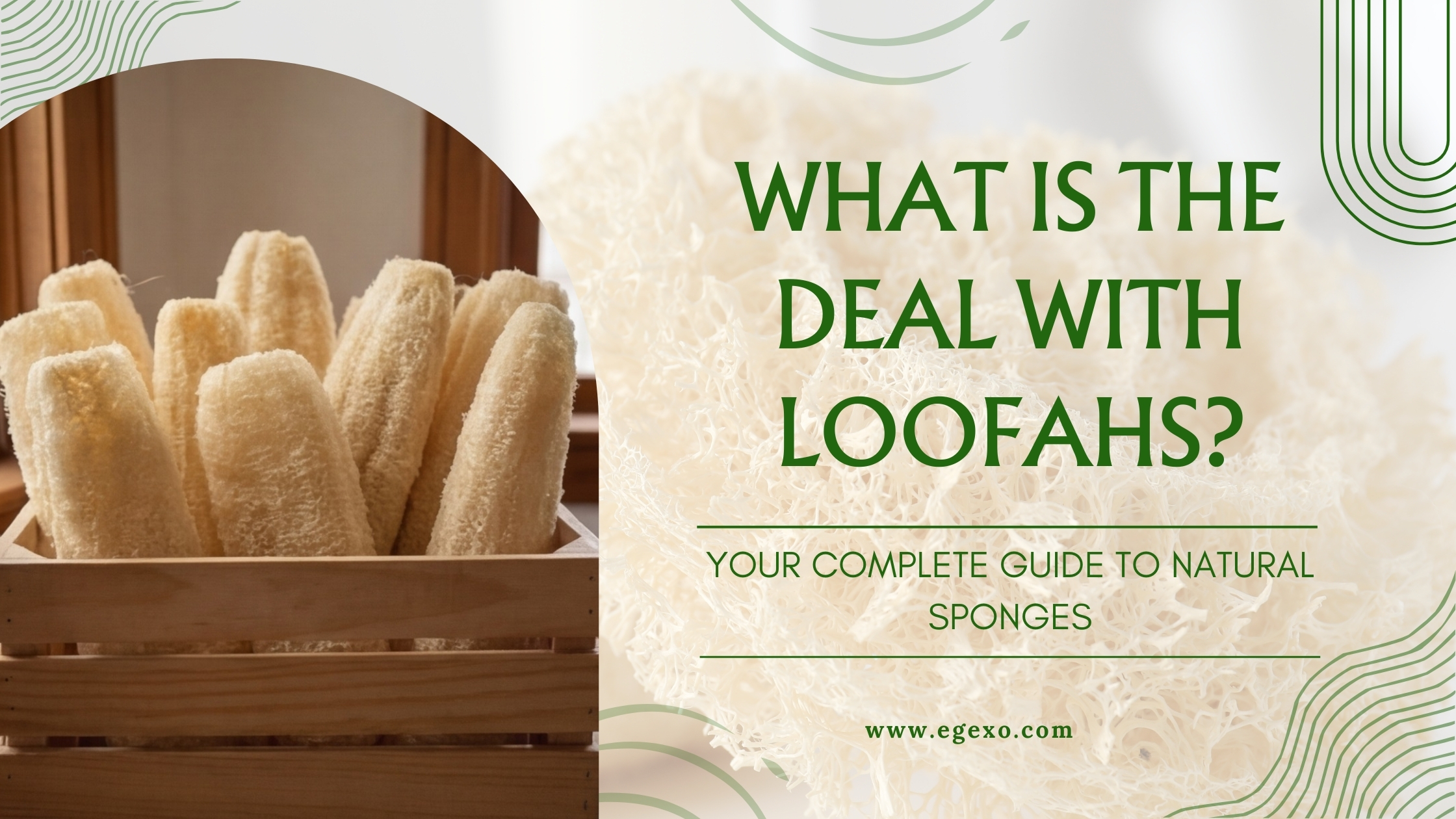
What is the deal with loofahs, and why has this humble bathroom staple captured global attention? The answer lies in a fascinating intersection of agriculture, sustainability, and personal care that spans centuries and continents. Natural loofahs represent one of the most misunderstood products in the wellness industry, with many people surprised to learn they come from a plant rather than the ocean.
Every year, the global loofah market processes over 50,000 metric tons of this fibrous gourd, with Egypt standing as the undisputed leader in premium quality production. For businesses seeking reliable wholesale loofah suppliers, understanding the fundamentals of this product is essential for making informed purchasing decisions. Meanwhile, individual consumers increasingly seek natural alternatives to synthetic bath products, making loofah knowledge valuable for everyone.
This comprehensive guide draws on over 25 years of expertise from Egexo, a premier Egyptian loofah cultivator and exporter, to answer every question you might have about these remarkable natural sponges. Whether you operate a spa, manage a retail business, or simply want to upgrade your personal care routine, you will find actionable insights throughout this article.
Natural loofahs offer exfoliation benefits that synthetic alternatives cannot match. The unique cellular structure of Egyptian loofah creates millions of tiny scrubbing surfaces that gently remove dead skin cells while stimulating circulation. This is why dermatologists and skincare professionals increasingly recommend natural loofah products for daily use.
The True Nature of Loofahs Revealed
From Garden to Bathroom: A Plant Based Story
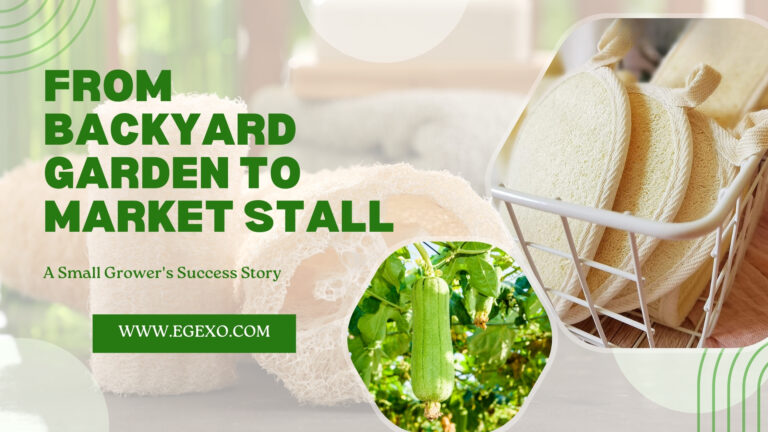
The loofah plant, scientifically known as Luffa aegyptiaca, belongs to the cucumber family and thrives in warm Mediterranean climates. This climbing vine produces elongated gourds that, when mature and dried, reveal the intricate fibrous network we recognize as a loofah sponge. Egypt’s Nile Delta region provides ideal growing conditions with consistent temperatures between 25 and 35 degrees Celsius and mineral rich soil that produces exceptionally strong fibers.
Understanding the farm to export process helps buyers appreciate why origin matters significantly in loofah quality. Egyptian loofahs consistently outperform those from other regions due to traditional cultivation methods passed down through generations of farming families. The growing cycle spans approximately 150 to 180 days, during which careful attention to irrigation, pest management, and harvest timing determines final product quality.
Why Egyptian Loofahs Lead the Industry
Egyptian loofah superiority stems from multiple factors that create an unmatched final product. The combination of abundant Nile water, optimal sunlight exposure, and centuries of agricultural expertise results in loofahs with exceptional density, durability, and cleansing effectiveness. Egexo maintains direct relationships with farming cooperatives across the Nile Delta, ensuring consistent quality that wholesale buyers and consumers can trust.
Key Quality Indicators of Egyptian Loofahs:
The fiber density in premium Egyptian loofahs averages 40 to 60 fibers per square centimeter, compared to 25 to 35 fibers in loofahs from competing regions. This density directly impacts exfoliation effectiveness and product lifespan.
| Quality Factor | Egyptian Loofah | Standard Loofah |
|---|---|---|
| Fiber Density per sq cm | 40 to 60 | 25 to 35 |
| Average Lifespan | 3 to 4 months | 4 to 6 weeks |
| Water Retention | 85 percent | 65 percent |
| Exfoliation Effectiveness | Superior | Moderate |
| Biodegradability | 100 percent | 100 percent |
| Color Consistency | Uniform golden | Variable |
Loofah Types and Their Applications
Body and Bath Loofahs
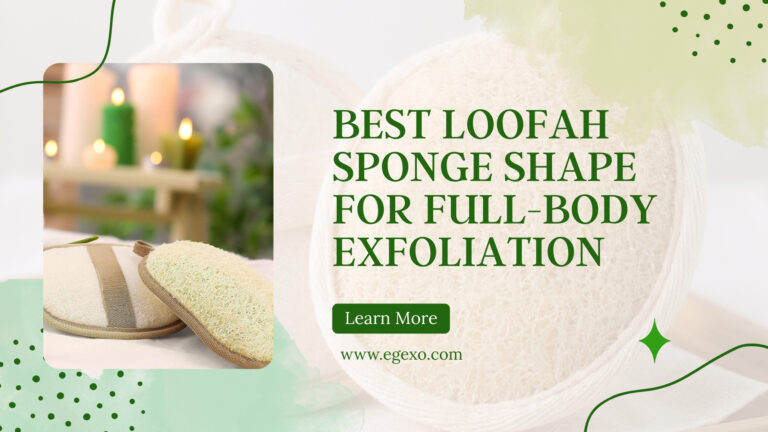
The most popular category serves personal hygiene and skincare needs. Body and bath loofahs come in various shapes including traditional cylinders, slices, pads, and mitt configurations. For wholesale buyers, this category represents the highest volume opportunity with consistent year round demand. Consumers benefit from improved skin texture, enhanced product absorption, and a satisfying cleansing experience.
Premium bath loofahs undergo careful processing to achieve the ideal balance between firmness and gentleness. Egexo’s quality standards specify fiber uniformity, absence of mold or damage, and proper sizing that meets international specifications. This attention to detail matters whether you purchase one loofah or one thousand.
Kitchen and Household Loofahs
Natural loofahs excel in kitchen applications where their scrubbing power removes stuck food without scratching surfaces. Kitchen loofahs appeal to eco conscious consumers seeking alternatives to plastic scrubbers that contribute to microplastic pollution. Restaurants, hotels, and cleaning services increasingly specify natural loofah products in their sustainability initiatives.
The antibacterial properties of natural loofah fibers make them particularly suitable for food contact applications. Unlike synthetic sponges that harbor bacteria in their uniform pores, loofah’s irregular fiber structure allows thorough rinsing and faster drying. Replace kitchen loofahs every two to three weeks for optimal hygiene.
Specialty and Raw Loofahs
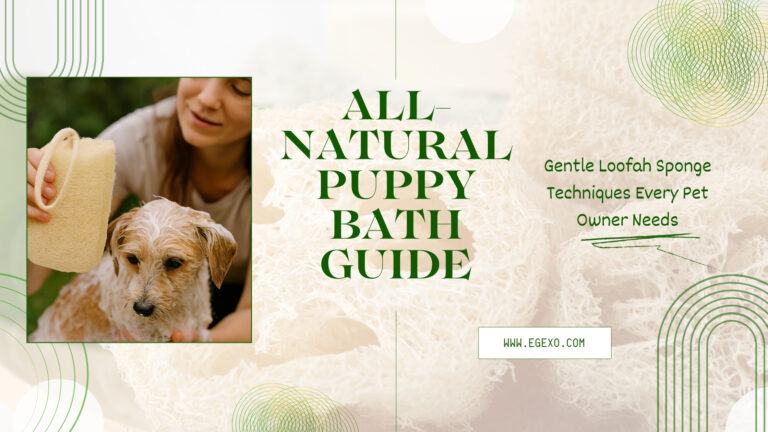
Raw loofah scrubbers serve craft enthusiasts, soap makers, and manufacturers who create custom products. These unprocessed loofahs maintain their natural seeds and outer skin, offering maximum flexibility for creative applications. Pet grooming represents another growing specialty segment, with pet and spa loofahs designed for gentle coat cleaning and massage.
The Business Case for Natural Loofahs
Market Growth and Opportunity
The natural personal care market continues expanding at 8 to 12 percent annually, with loofah products capturing increasing market share. Consumer preference for biodegradable, plant based alternatives drives this growth as awareness of plastic pollution reaches mainstream consciousness. Retailers who stock quality natural loofahs report strong customer loyalty and repeat purchases.
Global Loofah Market Overview:
| Market Metric | Current Status | Projected Growth |
|---|---|---|
| Annual Production Volume | 50,000+ metric tons | 6 percent annual increase |
| Leading Producer | Egypt at 35 percent share | Stable leadership |
| Primary Import Markets | Europe, North America, Asia | Expanding demand |
| Wholesale Growth Rate | 10 percent yearly | Accelerating |
| Consumer Awareness | 78 percent recognition | Increasing |
| Sustainability Premium | 15 to 25 percent | Growing acceptance |
Wholesale Buying Considerations
Businesses evaluating loofah suppliers should examine several critical factors. Why choose Egexo as your supplier comes down to quality consistency, competitive pricing, and reliable export capabilities. Minimum order quantities typically range from 500 to 5,000 pieces depending on product type and customization requirements.
Supplier Evaluation Checklist:
| Evaluation Criteria | Questions to Ask | Ideal Answer |
|---|---|---|
| Production Capacity | Monthly output capability | 100,000+ pieces minimum |
| Quality Certification | Third party testing | ISO or equivalent standards |
| Export Experience | Years in international trade | 10+ years preferred |
| Sample Availability | Pre order testing option | Free or low cost samples |
| Customization Options | Private label capability | Full branding services |
| Lead Time | Order to delivery duration | 2 to 4 weeks standard |
| Payment Terms | Flexibility offered | Multiple options available |
| Communication | Response time and clarity | 24 to 48 hour responses |
For businesses interested in branded products, private label loofah manufacturing offers turnkey solutions including custom packaging, logo application, and product configurations. Custom loofah product design services enable unique product development for specific market positioning.
How to Use Loofahs Effectively
Daily Skincare Routine
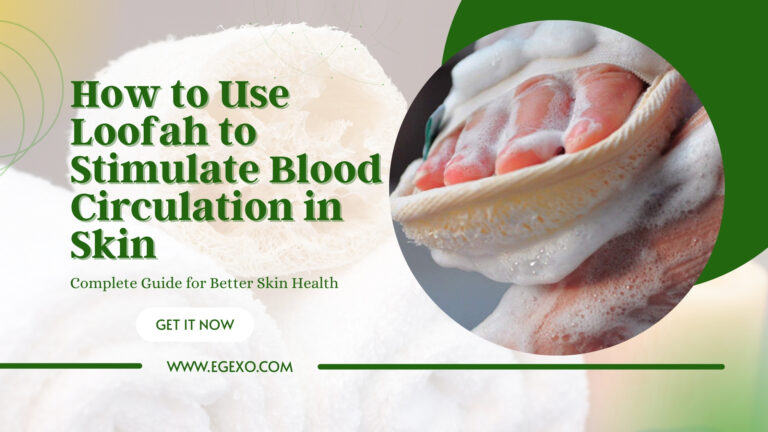
Proper loofah technique maximizes benefits while protecting skin health. Begin by thoroughly wetting your loofah under warm water for 30 to 60 seconds, allowing fibers to soften and expand. Apply your preferred body wash or soap directly to the loofah, creating lather before contact with skin. Use gentle circular motions working from extremities toward your core, following natural lymphatic flow patterns.
Step by Step Loofah Usage Guide:
| Step | Action | Duration | Notes |
|---|---|---|---|
| 1 | Soak loofah in warm water | 30 to 60 seconds | Softens fibers |
| 2 | Apply cleanser to loofah | 5 to 10 seconds | Build lather first |
| 3 | Exfoliate arms and legs | 1 to 2 minutes | Circular motions |
| 4 | Address torso areas | 1 minute | Lighter pressure |
| 5 | Rinse skin thoroughly | 30 seconds | Remove all product |
| 6 | Rinse and squeeze loofah | 15 seconds | Remove soap residue |
| 7 | Hang to dry completely | Until next use | Ventilated area |
Avoid using loofahs on facial skin, which requires gentler exfoliation methods. Similarly, skip loofah use on irritated, sunburned, or broken skin. Most dermatologists recommend loofah exfoliation two to three times weekly rather than daily to prevent over exfoliation.
Maintenance and Hygiene Best Practices
Loofah longevity depends significantly on proper care between uses. Always rinse your loofah thoroughly after each use to remove soap, skin cells, and debris. Squeeze out excess water and hang in a well ventilated area away from direct shower spray. Never store a wet loofah in an enclosed space where bacteria and mold can proliferate.
Weekly deep cleaning extends loofah life and ensures hygienic use. Soak your loofah in a solution of one part white vinegar to four parts water for 15 to 20 minutes. Alternatively, microwave a wet loofah for 30 seconds to eliminate bacteria. Replace bath loofahs every three to four months or immediately if you notice discoloration, persistent odor, or fiber deterioration.
Natural Versus Synthetic: Making the Right Choice
Environmental Impact Comparison
The sustainability conversation increasingly influences consumer purchasing decisions and business product selections. Natural loofahs biodegrade completely within weeks when composted, returning nutrients to soil without leaving microplastic residues. Synthetic alternatives, primarily made from petroleum derived materials, persist in environments for decades and shed microscopic plastic particles with each use.
Natural vs Synthetic Loofah Comparison:
| Factor | Natural Loofah | Synthetic Loofah |
|---|---|---|
| Material Source | Plant based renewable | Petroleum derived |
| Biodegradability | 4 to 6 weeks composting | 200+ years |
| Microplastic Release | None | Significant with each use |
| Carbon Footprint | Low | High |
| Water Usage in Production | Moderate | High |
| Chemical Treatment | Minimal | Extensive |
| End of Life Options | Compost or garden use | Landfill only |
| Cost per Use | Lower long term | Higher long term |
Performance Differences
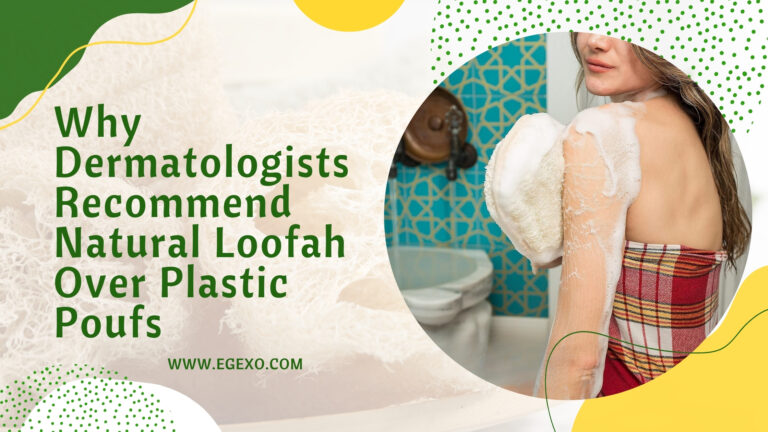
Beyond environmental considerations, natural loofahs deliver superior performance in several measurable ways. The irregular fiber structure creates more effective friction for dead skin removal compared to uniform synthetic mesh. Natural fibers also maintain shape and scrubbing effectiveness longer than plastic alternatives that compress and lose texture over time.
For retail businesses, stocking natural loofahs responds to documented consumer demand. Market research indicates 67 percent of consumers actively seek eco friendly personal care products, and 54 percent will pay premium prices for sustainable alternatives. Learn more about industry trends at Loofah Guide or explore wholesale opportunities at Wholesale Loofah.
Quality Grading and Selection
Understanding Loofah Grades
Professional loofah buyers recognize standardized grading systems that communicate product quality consistently. Grade A loofahs represent the highest quality with uniform color, dense fibers, and no defects. Grade B products show minor imperfections suitable for general retail while Grade C serves craft and industrial applications where appearance matters less than functionality.
Loofah Quality Grade Specifications:
| Grade | Fiber Density | Color Uniformity | Defect Tolerance | Typical Use |
|---|---|---|---|---|
| Premium A | 50+ per sq cm | 95 percent uniform | Under 2 percent | Luxury retail and spa |
| Standard A | 40 to 50 per sq cm | 90 percent uniform | Under 5 percent | General retail |
| Grade B | 30 to 40 per sq cm | 80 percent uniform | Under 10 percent | Value retail |
| Grade C | Under 30 per sq cm | Variable | Under 20 percent | Craft and industrial |
Egexo maintains rigorous quality control throughout production, ensuring wholesale buyers receive products meeting specified grade requirements. Request loofah samples to evaluate quality firsthand before committing to bulk orders.
Size and Dimension Standards
Loofah sizing follows industry conventions that buyers should understand for accurate ordering. Small loofahs measure 10 to 15 centimeters in length, suitable for facial use or children. Medium sizes spanning 15 to 25 centimeters serve most bath applications. Large and extra large loofahs exceeding 25 centimeters target professional spa use or specialty applications.
For detailed product specifications and current availability, download the complete Egexo catalog containing dimensions, minimum order quantities, and ordering information.
Expert Insight from Egexo
After more than 25 years cultivating and exporting Egyptian loofahs, we have learned that quality begins in the field and must be maintained through every subsequent step. The single most important factor distinguishing premium loofahs from average products is harvest timing. Loofah gourds harvested precisely when fiber development peaks but before seed maturation produce dramatically superior products. This window spans only 7 to 10 days during the growing cycle. Our farming partners understand this timing intimately, and we verify every batch meets our standards before export. Whether you purchase one loofah for personal use or container loads for your business, this attention to harvest timing directly impacts the product you receive.
Frequently Asked Questions
Q: What exactly is a loofah and where does it come from?
A: A loofah is the dried fibrous interior of the Luffa aegyptiaca gourd, a plant in the cucumber family. Despite common misconceptions, loofahs are not sea sponges but agricultural products grown primarily in Egypt, which produces approximately 35 percent of the global supply. The plant requires warm climates and careful cultivation over 150 to 180 days before harvest yields the scrubbing sponges we use daily.
Q: How long do natural loofahs last compared to synthetic alternatives?
A: Quality Egyptian loofahs typically last three to four months with proper care, while standard loofahs last four to six weeks. Synthetic loofahs may appear to last longer but lose effectiveness faster as plastic fibers compress. Natural loofahs maintain scrubbing effectiveness throughout their lifespan, offering better value per use despite shorter replacement cycles.
Q: What minimum order quantities should wholesale buyers expect?
A: Minimum order quantities vary by product type and supplier. Standard MOQs range from 500 to 5,000 pieces for common items. Custom products with private labeling or special configurations may require higher minimums of 2,000 to 10,000 pieces. Egexo offers flexible MOQs and sample orders to help businesses evaluate products before bulk commitment.
Q: Are natural loofahs sanitary and safe for daily use?
A: Natural loofahs are safe when properly maintained. Rinse thoroughly after each use, squeeze out excess water, and hang in a ventilated area to dry completely. Deep clean weekly with diluted vinegar and replace every three to four months. Avoid sharing loofahs between users and skip use on broken or irritated skin for optimal hygiene.
Q: Why are Egyptian loofahs considered the best quality?
A: Egyptian loofahs benefit from ideal growing conditions in the Nile Delta including consistent warm temperatures, mineral rich soil, and centuries of cultivation expertise. These factors produce loofahs with higher fiber density averaging 40 to 60 fibers per square centimeter, superior durability, and consistent quality that surpasses products from other regions.
Q: Can businesses get custom branded loofah products?
A: Yes, established suppliers like Egexo offer comprehensive private label manufacturing services. Options include custom packaging, logo application, unique product shapes, and complete branding solutions. Custom product development allows businesses to create differentiated offerings for their specific markets and customer bases.
Q: How do loofahs benefit the skin?
A: Loofahs provide mechanical exfoliation that removes dead skin cells, unclogs pores, and stimulates blood circulation. Regular use improves skin texture, enhances product absorption, and promotes cell turnover. The natural fiber structure creates gentle but effective friction superior to synthetic alternatives for skincare benefits.
Q: What is the environmental impact of natural loofahs?
A: Natural loofahs represent one of the most sustainable personal care products available. They biodegrade completely within four to six weeks when composted, require minimal processing, and release no microplastics. The plants absorb carbon during growth, and agricultural production supports rural farming communities in producing regions like Egypt.
Conclusion
Understanding what the deal with loofahs truly means requires appreciating these products as agricultural marvels with genuine benefits for personal care and environmental sustainability. From the fertile fields of Egypt’s Nile Delta to bathrooms and spas worldwide, natural loofahs represent a time tested solution that modern consumers and businesses increasingly embrace.
Key Takeaways:
- Natural loofahs are plant based products from the Luffa aegyptiaca gourd, not sea sponges
- Egyptian loofahs lead global quality standards with superior fiber density and durability
- Proper care extends loofah life to three to four months with weekly deep cleaning
- Wholesale buyers should evaluate suppliers based on quality certification, export experience, and customization capabilities
- Natural loofahs biodegrade completely, offering significant environmental advantages over synthetic alternatives
Ready to experience Egyptian loofah quality?
- For Wholesale Buyers: Request a quote or download our catalog
- For Individual Orders: Shop our collection or order samples