

What’s the Deal with Loofahs? The Complete Guide to Natural Sponges
What’s the deal with loofahs? This question has sparked curiosity for generations, yet many people remain confused about what these popular bath accessories actually are. Here is a fact that surprises most: the loofah sitting in your shower is not a sea creature at all. It is a vegetable. Specifically, loofahs come from the Luffa aegyptiaca plant, a member of the cucumber family that has been cultivated for centuries. The global natural loofah market reached 2.1 billion USD in 2024, with projections showing steady 7.3 percent annual growth through 2030.
Whether you run a spa seeking premium wholesale bath products or simply want to upgrade your skincare routine at home, understanding loofahs transforms how you view this ancient natural resource. Egyptian loofahs, in particular, have earned recognition as the gold standard in the industry, thanks to ideal growing conditions along the Nile Delta and traditional cultivation methods passed down through generations.
This comprehensive guide answers every question about loofahs, from their botanical origins to practical buying decisions. You will learn how to evaluate quality, maintain your loofah properly, and discover why businesses worldwide are turning to natural alternatives. By the end, you will understand exactly what makes certain loofahs superior and how to choose the right products for your specific needs.
The Botanical Truth Behind Loofahs
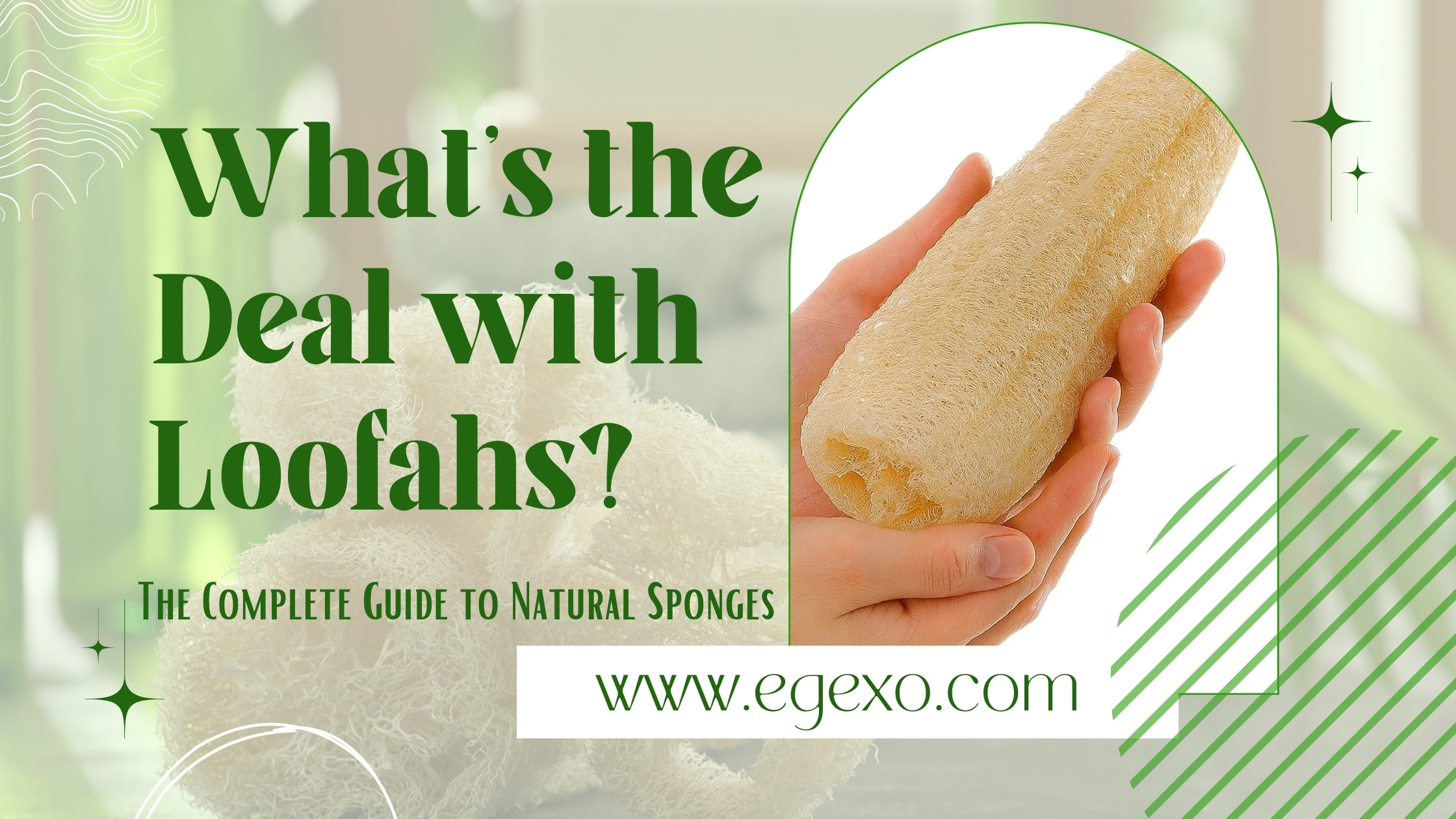
Understanding what loofahs actually are requires separating fact from common misconceptions. The natural loofah comes from the gourd family Cucurbitaceae, making it a close relative of cucumbers, melons, and squash. When young, loofah gourds are edible and commonly appear in Asian cuisines. However, when allowed to mature fully on the vine, the interior flesh dries out, leaving behind the fibrous skeleton we recognize as a loofah sponge.
How Loofahs Grow and Develop
The Luffa plant thrives in warm climates with consistent moisture and abundant sunlight. Seeds germinate within seven to fourteen days when soil temperatures reach at least 70 degrees Fahrenheit. Vines can extend twenty feet or more, requiring strong support structures. Flowering occurs approximately sixty days after planting, with fruit development continuing for another sixty to ninety days.
Egypt’s Nile Delta region provides optimal growing conditions that produce exceptionally high quality loofahs. The combination of mineral rich alluvial soil, warm temperatures averaging 85 degrees Fahrenheit during growing season, and controlled irrigation creates fibers that are both durable and gentle on skin. Egexo has cultivated loofahs in this region for over 25 years, perfecting techniques that maximize fiber density while maintaining softness.
The harvesting window is critical. Picking too early results in weak fibers that disintegrate quickly. Harvesting too late produces overly stiff material unsuitable for body care. Expert growers monitor color changes, checking for the transition from green to yellow brown that indicates perfect maturity. After harvest, loofahs undergo a careful drying and processing sequence that removes seeds and prepares the sponge for its intended use.
The Natural Fiber Structure
What makes loofah fibers remarkable is their interconnected matrix pattern. Under magnification, loofah structure reveals a three dimensional network of cellulose fibers running in multiple directions. This creates natural channels for water flow while providing gentle exfoliating texture. The fiber composition includes approximately 60 percent cellulose, 30 percent hemicellulose, and 10 percent lignin.
This structural composition explains why quality varies dramatically between sources. Loofahs grown in nutrient poor soil or harvested at incorrect times develop thinner fiber walls and irregular patterns. Premium Egyptian loofahs from established growers like Egexo demonstrate consistent fiber density measuring between 0.4 and 0.6 grams per cubic centimeter, the sweet spot for effective yet comfortable exfoliation.
Why Natural Loofahs Outperform Synthetic Alternatives
The skincare and wellness industries have witnessed a significant shift toward natural products, and loofahs exemplify this movement perfectly. Synthetic bath poufs made from plastic mesh dominate mass market shelves, yet they fall short in every meaningful category when compared to genuine plant based loofahs.
Environmental Impact Comparison
Synthetic shower poufs typically last two to three months before degrading into plastic fragments that enter waterways and contribute to microplastic pollution. A single household discarding four synthetic poufs annually adds roughly 400 grams of plastic waste to landfills or oceans. Multiply this across millions of households, and the environmental burden becomes staggering.
Natural loofahs biodegrade completely within four to six weeks when composted. They contain zero petroleum products and require minimal processing beyond drying and cleaning. The raw loofah scrubbers offered by Egexo arrive in their most natural state, having undergone only cleaning and quality inspection.
| Factor | Natural Loofah | Synthetic Pouf |
|---|---|---|
| Decomposition Time | 4 to 6 weeks | 400 plus years |
| Microplastic Release | None | Continuous |
| Production Energy | Low | High |
| Raw Material | Renewable plant | Petroleum |
| Recyclability | Compostable | Limited |
| Carbon Footprint | Negative | Positive |
| Biodiversity Impact | Supports farming | Harms ecosystems |
Performance and Skincare Benefits
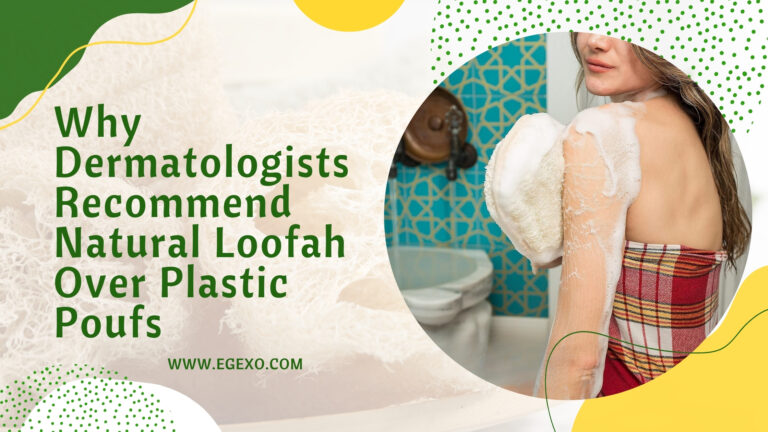
Beyond environmental considerations, natural loofahs deliver superior skincare results. The irregular texture of plant fibers provides variable exfoliation pressure, removing dead skin cells without the harsh uniformity of synthetic materials. This promotes healthier skin cell turnover while stimulating circulation.
Dermatological research indicates that natural exfoliation using plant based materials reduces the risk of micro tears compared to synthetic scrubbers. The porous structure of loofah fibers also allows them to dry faster than plastic mesh, inhibiting bacterial growth when properly maintained. For consumers concerned about skin health, this makes natural loofahs the clear choice.
Wholesale buyers supplying spas and wellness centers recognize this quality difference. Facilities offering premium services increasingly specify natural Egyptian loofahs in their treatment protocols. The bath and body loofah category at Egexo serves exactly this market, providing consistently graded products suitable for professional applications.
Understanding Loofah Quality Grades and Standards
Not all loofahs are created equal, and understanding quality distinctions helps both businesses and consumers make informed decisions. The industry uses several grading systems, though no universal standard exists. Egexo has developed comprehensive quality standards that provide transparency for buyers at every level.
Quality Grading Criteria
Professional grading evaluates multiple factors including fiber density, uniformity, color, flexibility, and structural integrity. Premium grade loofahs display consistent tan coloring without dark spots or blemishes. Fibers should feel pliable when wet but spring back to shape after compression. Any signs of mold, pest damage, or weak spots indicate lower quality.
| Grade | Fiber Density | Color Uniformity | Flexibility | Best Use |
|---|---|---|---|---|
| Premium A | 0.5 to 0.6 g per cc | 95 percent plus | Excellent | Luxury spas, retail |
| Standard B | 0.4 to 0.5 g per cc | 85 percent plus | Good | General retail, hospitality |
| Economy C | 0.3 to 0.4 g per cc | 75 percent plus | Moderate | Bulk commercial, cleaning |
| Industrial D | Below 0.3 g per cc | Variable | Limited | Non skin applications |
Size Classifications and Applications
Loofah sizing follows general categories based on length and diameter. Whole uncut loofahs range from six inches to over twenty inches in length. Diameter typically measures two to four inches depending on the growing conditions and harvest timing.
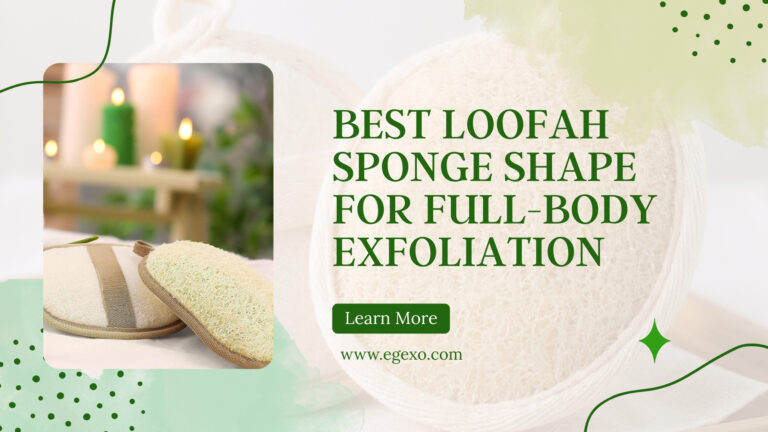
Different applications require specific size ranges. Body loofahs intended for shower use typically measure four to six inches, providing comfortable grip and adequate coverage. Kitchen scrubbers from the kitchen loofah category often use smaller pieces or different cutting patterns optimized for pot and dish cleaning. Pet grooming products require softer grades cut into shapes that work with animal coat types.
Wholesale buyers should consider their end market when specifying sizes. Spa applications often favor larger pieces that create a luxury impression. Mass retail products may use smaller cuts that reduce unit cost while maintaining functionality. Egexo offers custom loofah product design services to help businesses develop products optimized for their specific markets.
The Journey from Farm to Your Home or Business
Transparency in sourcing has become essential for both ethical consumers and businesses building sustainable supply chains. Understanding the complete farm to export process reveals why certain suppliers consistently deliver superior products.
Cultivation and Harvesting
Egyptian loofah cultivation begins with seed selection from the strongest previous season plants. Farmers prepare fields with organic matter and establish irrigation systems drawing from the Nile. Seedlings transfer to permanent positions in early spring, with vines trained onto support structures as they grow.
The harvest season extends from late summer through early fall. Each loofah receives individual assessment before cutting. After harvest, gourds undergo a water soaking process that loosens seeds and remaining plant matter from the fibers. Multiple rinse cycles ensure cleanliness before sun drying reduces moisture content to below 10 percent.
Processing and Quality Control
Raw dried loofahs arrive at processing facilities for grading, cutting, and packaging. Quality inspectors examine each piece, sorting by grade and identifying any that fail to meet standards. Automated and manual cutting operations produce standard sizes or custom shapes based on order specifications.
Egexo maintains processing facilities equipped with modern cleaning and sterilization equipment. Every batch undergoes testing for microbial contamination, ensuring products meet international food contact and cosmetic safety standards. Documentation tracks each lot from field to shipment, providing complete traceability for business buyers requiring supply chain verification.
Packaging and Shipping
Final products receive packaging appropriate to their destination market. Bulk wholesale orders for further processing may ship in simple protective wrapping. Retail ready products include branded packaging, hang tags, and display solutions. The private label loofah manufacturing service provides complete customization for businesses building their own branded product lines.
Practical Guide for Using and Maintaining Loofahs
Proper care extends loofah lifespan significantly while ensuring hygienic use. Both individual consumers and businesses providing loofahs to customers benefit from understanding best practices.
Daily Use Recommendations
Wet your loofah thoroughly before applying soap or body wash. The fibers soften dramatically when saturated, reducing any potential for skin irritation. Work the product into a lather, then use gentle circular motions across the skin. Avoid using excessive pressure, as the natural texture provides adequate exfoliation without force.
After each use, rinse the loofah completely to remove all soap residue. Squeeze out excess water and hang in a well ventilated area away from direct shower spray. Bathrooms without adequate ventilation should consider hanging loofahs outside the shower area or near a window.
Maintenance Schedule Checklist
| Frequency | Action | Purpose |
|---|---|---|
| After each use | Rinse thoroughly and hang dry | Remove soap and debris |
| Weekly | Deep clean with diluted vinegar | Kill bacteria and mold |
| Bi weekly | Sun dry for 2 to 4 hours | UV sanitization |
| Monthly | Inspect for wear and damage | Safety check |
| Every 3 to 4 weeks | Replace if degraded | Hygiene maintenance |
Deep Cleaning Methods
Weekly sanitization prevents bacterial buildup that can cause odors and potential skin issues. Create a solution of one part white vinegar to four parts water. Submerge the loofah for fifteen to twenty minutes, then rinse thoroughly and allow to dry completely. Alternative methods include brief microwave exposure when damp, which kills most microorganisms through heat.
For businesses operating spas or supplying hospitality clients, establishing clear replacement protocols protects both customers and reputation. Most facilities replace body loofahs after three to four weeks of regular use, or immediately if any signs of degradation appear.
Market Opportunities and Business Considerations
The natural bath products sector presents compelling opportunities for retailers, spa operators, and distributors. Understanding market dynamics helps businesses position themselves effectively.
Current Market Analysis
Global demand for natural personal care products has grown consistently, with particular acceleration following increased environmental awareness. The organic bath and body segment shows 9.2 percent annual growth, outpacing conventional alternatives. Loofahs represent a gateway product that introduces consumers to broader natural product categories.
Wholesale purchasing from established suppliers provides significant margin advantages. Businesses buying directly from source, rather than through multiple intermediaries, typically realize 40 to 60 percent better margins on identical products. Egexo serves as direct manufacturer and exporter, eliminating middleman costs that erode profitability.
Minimum Order Quantities and Pricing Factors
Wholesale loofah pricing depends on grade, size, processing level, and order volume. Buyers should request samples before committing to larger orders, allowing quality verification and customer testing. The request loofah samples service provides this opportunity without major financial commitment.
Typical MOQ structures balance supplier production efficiency with buyer accessibility. Standard orders often begin at 500 to 1000 pieces for basic products, with custom manufactured items potentially requiring higher minimums to justify setup costs. Serious wholesale inquiries can request quotations with specific requirements for accurate pricing.
Supplier Evaluation Checklist
| Criteria | What to Verify | Red Flags |
|---|---|---|
| Experience | Years in business, client references | Vague history, no references |
| Quality Systems | Standards documentation, testing procedures | No quality documentation |
| Communication | Response time, language capability | Slow or unclear communication |
| Samples | Willingness to provide, quality match | Reluctance or inconsistency |
| Certifications | Export licenses, safety testing | Missing documentation |
| Flexibility | Custom options, order size accommodation | Rigid terms only |
| Pricing | Transparent structure, no hidden fees | Unclear or changing prices |
Expanding Loofah Applications Beyond the Bathroom
While body exfoliation remains the primary use, loofah versatility extends into numerous applications that both consumers and businesses should consider.
Kitchen and Household Cleaning
Natural loofah scrubbers excel at cleaning dishes, pots, and surfaces without scratching. The fiber structure handles tough residue while remaining gentle on finishes. Unlike synthetic sponges that harbor bacteria in foam cells, loofah’s open structure dries quickly and cleans more thoroughly.
The kitchen loofah category includes products sized and shaped specifically for household cleaning tasks. Many environmentally conscious consumers now keep loofahs in both bathroom and kitchen, reducing plastic consumption across multiple daily activities.
Pet Care and Grooming
The gentle yet effective texture of loofahs makes them excellent for pet grooming applications. Specially processed loofahs help remove loose fur, distribute natural oils, and provide pleasant massage sensation for animals. The pet and spa loofah category addresses this growing market segment.
Pet industry statistics show natural grooming products growing at 12 percent annually, driven by pet owners applying the same wellness and sustainability standards they follow personally. Retailers serving pet markets should consider loofah grooming tools as natural additions to existing product lines.
Decorative and Craft Applications
Beyond functional uses, loofahs appear in floral arrangements, craft projects, and decorative applications. Their natural texture and ability to absorb dyes makes them popular with crafters creating handmade soaps, bath bombs, and gift items. Bulk raw loofahs serve this creative market effectively.
Frequently Asked Questions
Q1: What exactly is a loofah made from?
A loofah is made from the fibrous interior of the mature Luffa aegyptiaca gourd, a plant in the cucumber family. When the gourd fully ripens and dries on the vine, the flesh disappears, leaving behind an interconnected network of cellulose fibers. This natural vegetable sponge is completely different from sea sponges and contains no animal products whatsoever.
Q2: How often should wholesale buyers reorder loofah inventory?
Wholesale buyers should plan inventory cycles based on sales velocity and storage conditions. Most businesses reorder every 60 to 90 days to maintain fresh stock while avoiding excess inventory. Properly stored loofahs in dry conditions maintain quality for 18 to 24 months, allowing some flexibility in ordering schedules. Egexo offers volume discounts that make larger less frequent orders economically attractive.
Q3: Are Egyptian loofahs really better than those from other regions?
Egyptian loofahs consistently rank highest in independent quality assessments due to ideal growing conditions in the Nile Delta. The combination of mineral rich soil, optimal climate, and generations of cultivation expertise produces fibers with superior density and durability. Testing shows Egyptian loofahs maintain structural integrity 30 to 40 percent longer than alternatives from other regions under identical use conditions.
Q4: How long does a natural loofah last with proper care?
With proper care including daily rinsing, weekly deep cleaning, and adequate drying between uses, a quality natural loofah lasts three to four weeks for body use. Kitchen loofahs used for dish cleaning may last longer since they typically dry faster between uses. Signs indicating replacement time include fiber breakdown, persistent odor despite cleaning, or visible discoloration.
Q5: What minimum order quantities should businesses expect?
Standard MOQ ranges from 500 to 1000 pieces for basic loofah products, depending on type and processing level. Custom manufactured items with private labeling or special cuts may require higher minimums of 2000 to 5000 pieces. Egexo works with businesses of all sizes and can discuss flexible arrangements for new retailers or those testing market response.
Q6: Can loofahs cause skin irritation or allergic reactions?
Natural loofahs rarely cause allergic reactions since they contain only plant cellulose. Individuals with extremely sensitive skin should start with gentle use and increase pressure gradually. Any irritation typically results from excessive pressure or insufficient moistening before use. Those with compromised skin conditions should consult healthcare providers before using any exfoliating products.
Q7: What certifications should buyers look for in a loofah supplier?
Reputable suppliers should provide documentation of export licensing, facility hygiene certifications, and product safety testing appropriate to destination markets. For cosmetic applications, relevant safety assessments should confirm absence of harmful substances. Egexo maintains comprehensive certification documentation available upon request for wholesale buyers conducting supplier qualification.
Expert Insight from Egexo
After 25 years cultivating and exporting Egyptian loofahs, our team has observed one factor that most dramatically affects product quality: harvest timing. Even in our ideal Nile Delta growing conditions, a loofah harvested just one week too early or too late shows measurably different performance. Early harvest produces weak fibers that collapse within days of use. Late harvest creates brittleness that fragments during normal exfoliation.
We train our harvesting teams to evaluate each gourd individually, checking not just color but also sound. A perfectly mature loofah produces a distinctive hollow resonance when tapped, indicating complete fiber development and proper moisture reduction while still on the vine. This attention to detail at the harvest stage, combined with our controlled drying and processing procedures, ensures every Egexo loofah meets the quality standards our wholesale partners and their customers expect.
For comprehensive guidance on loofah selection, usage, and industry trends, visit our educational resource at Loofah Guide. Business buyers seeking wholesale solutions can explore options at Wholesale Loofah or download our complete product catalog.
Conclusion
The question of what’s the deal with loofahs reveals a fascinating story connecting ancient agricultural traditions with modern sustainability movements. These remarkable plant based sponges offer genuine advantages over synthetic alternatives in performance, environmental impact, and skin health benefits. Egyptian loofahs represent the pinnacle of quality in this category, produced through generations of expertise in the world’s optimal growing region.
Key Takeaways:
- Loofahs are vegetables from the cucumber family, not sea creatures, and Egyptian varieties offer superior fiber density and durability
- Natural loofahs biodegrade completely within weeks while synthetic poufs persist for centuries and release microplastics
- Quality grading considers fiber density, color uniformity, flexibility, and structural integrity
- Proper maintenance including daily rinsing, weekly deep cleaning, and adequate drying extends lifespan to three to four weeks
- Wholesale buyers benefit from direct sourcing relationships that eliminate middleman costs and ensure consistent quality
Ready to experience Egyptian loofah quality?
For Wholesale Buyers: Request a quote or download our catalog to explore partnership opportunities with the leading Egyptian loofah supplier.
For Individual Orders: Shop our collection or order samples to discover the difference premium natural loofahs make in your daily routine.