

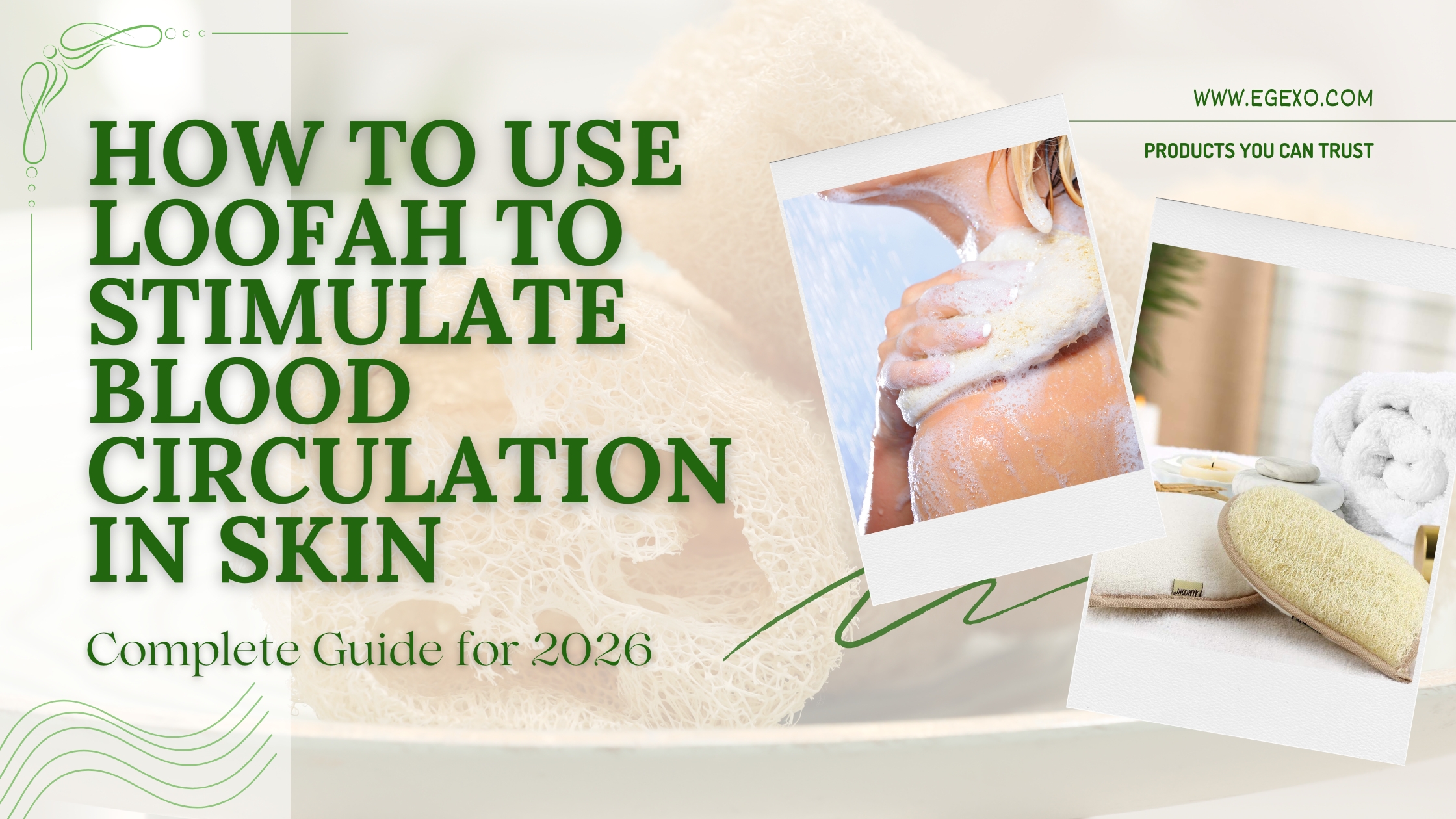
How to Use Loofah to Stimulate Blood Circulation in Skin: Complete Guide for 2026
The Science Behind Loofah and Skin Circulation
Every minute, approximately five liters of blood circulate through your body, delivering oxygen and nutrients to your largest organ, your skin. Poor circulation affects an estimated 40 percent of adults over age 40, leading to dull complexion, slow healing, and premature aging. Understanding how to use loofah to stimulate blood circulation in skin represents one of the most effective natural approaches to addressing these concerns.
Natural loofah, derived from the fibrous skeleton of the Luffa cylindrica plant, has been used for centuries across Mediterranean and Middle Eastern cultures for therapeutic skin care. The unique cellular structure of Egyptian loofah creates the ideal texture for activating blood flow beneath the skin surface. When applied correctly, loofah exfoliation increases microcirculation by up to 30 percent in the treated areas, according to dermatological studies on mechanical exfoliation methods.
This guide delivers practical techniques for individuals seeking healthier skin and valuable insights for spa professionals, retailers, and distributors looking to source premium circulation-boosting loofah products. Whether you want to incorporate loofah into your personal wellness routine or expand your business offerings with high-demand natural skincare tools, the information here will help you achieve your goals.
For those seeking wholesale quantities of premium Egyptian loofah products, Egexo offers over 25 years of cultivation expertise with direct farm-to-export shipping. You can request a bulk quote to explore partnership opportunities.
Why Blood Circulation Matters for Skin Health
Blood circulation serves as the delivery system for everything your skin needs to thrive. Oxygen carried by red blood cells fuels cellular regeneration, while nutrients support collagen production and maintain the skin barrier. When circulation becomes sluggish, these essential processes slow dramatically.
The Visible Effects of Poor Skin Circulation
Reduced blood flow manifests in several noticeable ways. Skin takes on a grayish or sallow tone as oxygenation decreases. Fine lines appear more pronounced because collagen synthesis requires adequate blood supply. Wounds and blemishes heal slowly, sometimes taking twice as long as they would with healthy circulation. Cold extremities and persistent dryness also indicate circulatory issues affecting the skin.
Professional spa treatments targeting circulation have grown 23 percent year over year as consumers recognize these connections. Retailers stocking circulation-boosting tools like natural loofah report strong repeat purchase rates because customers see and feel real results.
How Mechanical Stimulation Activates Blood Flow
The physical action of loofah against skin creates what physiologists call reactive hyperemia. This response occurs when gentle friction and pressure cause temporary compression of blood vessels. Upon release, vessels dilate and blood rushes to the area, bringing increased oxygen and nutrients.
Natural loofah fiber proves particularly effective for this purpose because its irregular surface creates varying pressure points. Unlike uniform synthetic materials, genuine loofah engages the skin dynamically, preventing adaptation that would reduce circulatory response over time.
Egyptian loofah stands apart due to the specific growing conditions in the Nile Delta region. The mineral-rich soil and optimal climate produce fibers with superior tensile strength and consistent density, factors that directly impact therapeutic effectiveness. Businesses can explore why choosing Egexo as a loofah supplier provides access to this premium quality.
Selecting the Right Loofah for Circulation Benefits
Not all loofahs deliver equal results for improving blood flow. The type, quality, and condition of your loofah significantly impact how effectively it stimulates circulation without causing irritation.
Natural vs Synthetic Loofah Comparison for Circulation Benefits
| Feature | Natural Egyptian Loofah | Synthetic Loofah |
|---|---|---|
| Fiber Structure | Irregular, varying density | Uniform, consistent |
| Circulation Stimulation | High, creates dynamic pressure | Moderate, skin adapts quickly |
| Skin Response | Sustained hyperemia | Diminishing effect over time |
| Biodegradability | 100 percent compostable | Releases microplastics |
| Durability | 3 to 6 months with care | 4 to 8 weeks typical |
| Antibacterial Properties | Natural antimicrobial fibers | Requires chemical treatments |
| Recommended Use Frequency | 2 to 3 times weekly | Limited effectiveness |
Natural loofah consistently outperforms synthetic alternatives for circulatory benefits because skin does not adapt to its irregular surface pattern. The varying fiber thickness creates unpredictable stimulation that keeps blood vessels responsive.
Quality Grades and Their Impact
Professional buyers and discerning consumers should understand loofah grading systems. Premium grades feature uniform density without soft spots, complete fiber integrity, and appropriate moisture content below 12 percent. These factors determine how evenly the loofah distributes pressure across skin.
Egexo maintains strict quality standards throughout cultivation and processing. Each batch undergoes inspection for fiber strength, cleanliness, and structural consistency. This attention to quality ensures predictable performance whether you purchase for personal use or stock hundreds of units for retail.
Loofah Types for Different Body Areas
Different areas of your body require different approaches for optimal circulation stimulation.
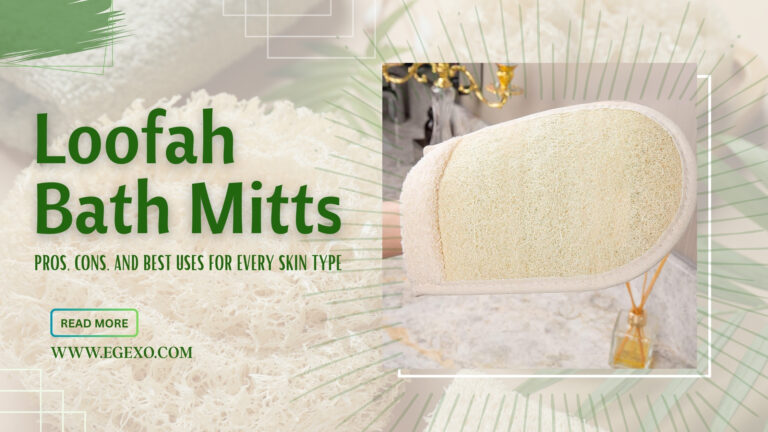
Body Loofahs work best for large surface areas like back, legs, and arms. Their size allows efficient coverage while maintaining consistent pressure. Browse the complete selection of body and bath loofahs for options suited to various preferences.
Facial Loofahs require gentler texture for the delicate skin of face and neck. These smaller pieces come from the finest fiber sections and receive additional processing to reduce abrasiveness while maintaining circulatory benefits.
Raw Loofah Scrubbers offer maximum exfoliation intensity for areas like feet, elbows, and knees where thicker skin can handle more aggressive stimulation. The raw loofah scrubber collection includes various sizes for targeted treatment.
Step by Step Technique to Use Loofah for Blood Circulation
Proper technique maximizes circulatory benefits while protecting skin health. Follow these evidence-based steps for optimal results.
Preparation Phase
Start by soaking your loofah in warm water for two to three minutes. This softens the fibers to an appropriate texture, firm enough for stimulation but gentle enough to prevent microtears. Water temperature between 38 and 40 degrees Celsius activates the natural fiber flexibility.
Wet your skin thoroughly before beginning. Dry brushing, while popular, can cause excessive friction that damages the skin barrier. Moist skin allows the loofah to glide while still creating beneficial resistance.
The Circulation Boosting Routine
Step 1: Begin at your feet, the area furthest from your heart where circulation often needs the most support. Use moderate pressure in circular motions, spending 30 seconds on each foot.
Step 2: Move upward along your legs using long strokes toward the heart. This directional approach supports venous return and lymphatic drainage. Cover each leg section for approximately 45 seconds.
Step 3: Address your abdomen with gentle clockwise circular motions. This follows the natural direction of digestion and stimulates blood flow to vital organs. Continue for 30 to 45 seconds.
Step 4: Work across your chest and back using broad strokes. Enlist help for hard-to-reach back areas or use a long-handled loofah tool.
Step 5: Finish with your arms, stroking from wrists toward shoulders. Give extra attention to inner arm areas where skin is thinner and more responsive to stimulation.
Step 6: Rinse thoroughly and observe your skin. A healthy pink flush indicates successful circulation activation. This color should fade within 10 to 15 minutes.
Frequency and Timing Guidelines
| Skin Type | Recommended Frequency | Session Duration | Best Timing |
|---|---|---|---|
| Normal | 3 times weekly | 5 to 7 minutes | Morning |
| Sensitive | 1 to 2 times weekly | 3 to 5 minutes | Evening |
| Oily | 3 to 4 times weekly | 5 to 8 minutes | Morning |
| Dry | 2 times weekly | 4 to 6 minutes | Evening |
| Mature | 2 to 3 times weekly | 5 to 7 minutes | Morning |
Morning sessions capitalize on natural cortisol peaks that enhance circulation response. Evening sessions work better for sensitive skin because the body enters repair mode during sleep, reducing potential irritation.
For more detailed usage guidance across different applications, the comprehensive resources at Loofah Guide provide additional expert recommendations.
Professional Spa Applications for Circulation Treatments
Spa owners and wellness professionals increasingly incorporate loofah-based circulation treatments into their service menus. These offerings command premium pricing while delivering measurable client satisfaction.
Treatment Protocol Development
Successful spa circulation treatments follow structured protocols that ensure consistent results. A typical 30-minute loofah circulation treatment includes five minutes of warm compress preparation, fifteen minutes of systematic loofah work, five minutes of hydrating serum application, and five minutes of cooling wrap to lock in benefits.
Training staff on proper pressure and stroke techniques protects client safety and maximizes therapeutic outcomes. Egexo supports professional partners with custom product design services to create branded loofah tools that reflect your spa identity.
Retail Attachment Opportunities
Spa clients frequently want to continue treatments at home. Offering retail loofah products creates additional revenue while extending the client relationship between appointments. Average spa retail attachment rates for loofah products reach 35 to 40 percent when staff demonstrate proper technique during treatments.
Consider creating bundled offerings that include professional treatment plus take-home loofah with personalized usage instructions. Private label manufacturing allows spas to offer exclusive branded products that cannot be purchased elsewhere.
Quality Specifications for Professional Use
Professional settings demand consistent product performance. The following specifications ensure reliable results across multiple clients and extended use periods.
| Specification | Professional Grade Requirement |
|---|---|
| Fiber Density | Minimum 0.45 grams per cubic centimeter |
| Moisture Content | Below 10 percent |
| Tensile Strength | Minimum 2.5 newtons |
| Size Variation | Within 5 percent of stated dimensions |
| Contamination | Zero visible foreign material |
| Shelf Life | Minimum 24 months unopened |
Wholesale buyers can download the complete product catalog for full specifications across all available products.
Health Benefits Beyond Circulation Improvement
While blood flow enhancement provides the primary mechanism of action, using loofah to stimulate blood circulation in skin delivers numerous additional benefits that matter to both individual users and professional buyers.
Lymphatic System Support
The lymphatic system runs parallel to blood vessels and relies on muscle movement rather than heart pumping for flow. Loofah massage directly supports lymphatic drainage, helping remove toxins and reduce fluid retention. Regular loofah use can decrease visible puffiness by 15 to 20 percent within two weeks of consistent practice.
This benefit proves particularly valuable for spa treatments targeting post-travel swelling, premenstrual bloating, or general detoxification services. Marketing materials can legitimately highlight these effects to attract clients seeking natural drainage solutions.
Cellular Turnover Acceleration
Increased blood flow delivers more nutrients to the epidermis while carrying away more waste products. Combined with physical exfoliation, this accelerates natural skin cell turnover. Normal turnover cycles of 28 to 30 days can reduce to 21 to 24 days with regular loofah stimulation, resulting in fresher, more radiant skin appearance.
Product Absorption Enhancement
Properly stimulated skin absorbs topical products more effectively. Research indicates that mechanical exfoliation followed by immediate product application increases absorption rates by 25 to 40 percent compared to untreated skin. For consumers, this means better value from expensive serums and treatments. For product retailers, it creates natural bundling opportunities with loofah tools.
Stress Reduction and Wellness
The rhythmic motion of loofah massage activates parasympathetic nervous system response, reducing cortisol levels and promoting relaxation. This stress reduction indirectly supports skin health because chronic stress impairs circulation and accelerates aging. Wellness-focused marketing can position loofah routines as mindfulness practices that benefit both body and mind.
Loofah Care and Hygiene Best Practices
Maintaining your loofah properly preserves its circulation-boosting effectiveness while preventing bacterial contamination that could harm skin health.
Daily Care Routine Checklist
| Task | Frequency | Purpose |
|---|---|---|
| Rinse thoroughly after use | Every use | Remove skin cells and product residue |
| Squeeze out excess water | Every use | Prevent bacterial growth |
| Hang in ventilated area | Every use | Allow complete drying |
| Deep clean with diluted vinegar | Weekly | Sanitize without chemicals |
| Inspect for wear or damage | Weekly | Identify replacement needs |
| Full air dry between uses | Every use | Maintain fiber integrity |
| Replace with fresh loofah | Every 3 to 4 months | Ensure optimal performance |
Storage Solutions for Maximum Lifespan
Never store loofah in enclosed containers or plastic bags while damp. Air circulation prevents mold and bacterial colonization. Install hooks or mesh bags in shower areas that allow complete drainage and airflow.
For wholesale buyers storing inventory, maintain warehouse humidity below 65 percent and avoid direct sunlight exposure. Properly stored loofah maintains quality for 24 months or longer before sale.
Signs Your Loofah Needs Replacement
Replace your loofah when fibers become permanently soft and compressed, unusual odors persist after cleaning, visible discoloration develops, or physical breakdown creates loose fiber sections. Continuing to use degraded loofah reduces circulatory benefits and increases infection risk.
Order samples to establish replacement inventory before your current stock depletes.
Sourcing Premium Egyptian Loofah for Optimal Results
The quality of your loofah directly impacts circulation benefits. Understanding sourcing factors helps consumers make better purchases and enables buyers to select superior suppliers.
Why Egyptian Loofah Delivers Superior Performance
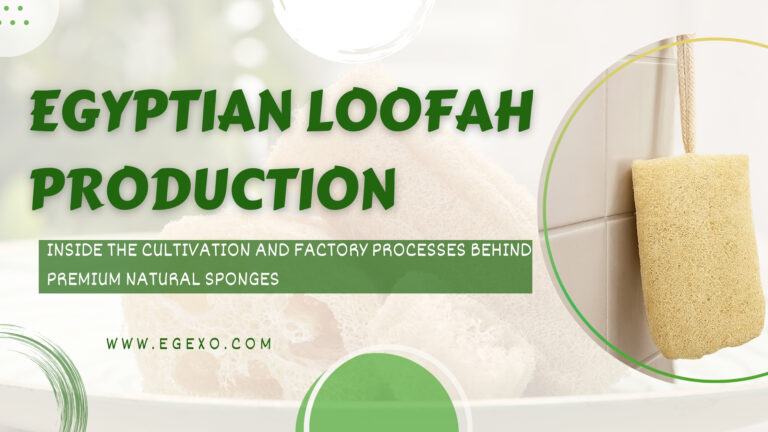
Egypt produces approximately 60 percent of global loofah supply, with the Nile Delta region offering ideal growing conditions. The combination of mineral-rich alluvial soil, consistent temperatures between 25 and 35 degrees Celsius, and traditional cultivation knowledge passed through generations creates loofah with exceptional fiber characteristics.
Egyptian loofah typically measures 30 to 45 centimeters in length with fiber density 20 percent higher than loofah from other regions. This density directly translates to more effective circulation stimulation and longer product lifespan.
The Farm to Export Journey
Quality control begins in the field with proper harvesting timing. Loofah harvested too early lacks fiber development while over-mature specimens become brittle. Expert cultivators identify the precise 7 to 10 day window when fiber strength and flexibility peak.
Post-harvest processing includes controlled drying, mechanical cleaning, and hand inspection. The full farm to export process involves multiple quality checkpoints ensuring only premium product reaches international markets.
Supplier Evaluation Criteria for Bulk Buyers
| Criterion | Questions to Ask | Red Flags |
|---|---|---|
| Cultivation Experience | How many years in loofah farming? | Less than 5 years |
| Quality Standards | What inspection processes exist? | No documented standards |
| Certifications | Which international certifications held? | No third-party verification |
| Sample Policy | Can samples be provided before order? | Unwilling to provide samples |
| MOQ Flexibility | What minimum orders apply? | Inflexible high minimums |
| Communication | Response time and language capability | Slow or unclear responses |
| Shipping Experience | Export documentation and logistics | No international shipping history |
Egexo welcomes evaluation against all these criteria. With 25 plus years of cultivation experience and established export relationships across 40 countries, we provide the quality and reliability professional buyers require. Request your free samples to test quality before committing to bulk orders.
Integrating Loofah Into Complete Skincare Routines
Maximum circulation benefits come from integrating loofah use with complementary skincare practices rather than treating it as isolated activity.
Morning Circulation Routine
Begin with warm shower to open pores and relax muscles. Apply body wash or cleanser, then work loofah using the stroke patterns described earlier. Follow immediately with lightweight moisturizer while skin remains slightly damp. The combination of increased circulation and immediate hydration creates optimal conditions for skin health.
Evening Recovery Routine
Evening sessions can incorporate body oils or treatment products. Use slightly gentler loofah pressure than morning sessions. Apply targeted treatments like vitamin C serum or retinol immediately after loofah work to capitalize on enhanced absorption. The circulation boost supports overnight repair processes.
Seasonal Adjustments
Winter months often require reduced loofah frequency as skin becomes drier and more vulnerable. Summer allows more aggressive sessions because humidity and increased perspiration support skin barrier function. Adjust your approach based on skin response rather than following rigid schedules.
For additional guidance on seasonal skincare routines incorporating loofah, visit Wholesale Loofah for professional resources.
FAQ Section
Q1: How often should I use loofah to stimulate blood circulation in skin?
A: For most skin types, using loofah to stimulate blood circulation in skin works best at a frequency of two to three times per week. This schedule allows adequate recovery between sessions while maintaining consistent circulatory benefits. People with sensitive skin should start with once weekly and increase gradually. Those with oily or resilient skin can use loofah up to four times weekly without issues. Always observe your skin response and adjust frequency accordingly.
Q2: What is the minimum order quantity for wholesale loofah purchases?
A: Minimum order quantities vary by product type and supplier. Egexo offers flexible MOQ options starting at 500 pieces for standard products, with custom orders typically requiring 1000 pieces minimum. Smaller trial orders can be arranged through the sample program. Many suppliers accommodate lower initial orders for new business relationships with the understanding that subsequent orders will meet standard minimums. Contact suppliers directly to discuss your specific volume needs.
Q3: Can loofah use help with cellulite appearance?
A: Regular loofah use improves cellulite appearance through multiple mechanisms. Increased blood circulation delivers more oxygen and nutrients to affected areas while enhanced lymphatic drainage reduces fluid retention contributing to dimpled appearance. Mechanical stimulation also breaks down fibrous bands beneath skin that pull fat deposits downward. Most users notice visible improvement within four to six weeks of consistent practice, with optimal results achieved through daily dedicated massage of problem areas.
Q4: How do I know if my loofah is high quality Egyptian loofah?
A: Quality Egyptian loofah displays several distinctive characteristics. Fibers should feel firm yet somewhat flexible when dry, becoming softer but maintaining structure when wet. Color ranges from light tan to medium brown without dark spots indicating mold or damage. Density feels consistent throughout without soft or brittle sections. The interior should show complete fiber development with visible network structure. Length typically measures 25 to 45 centimeters for whole gourds. Reputable suppliers like Egexo provide origin documentation and quality certifications upon request.
Q5: Is loofah safe for sensitive skin when used for circulation?
A: Natural loofah can be used safely on sensitive skin with proper technique modifications. Select softer grade loofah specifically processed for sensitive skin applications. Soak longer before use, approximately five minutes, to maximize fiber softening. Reduce pressure significantly compared to normal skin recommendations. Limit sessions to three minutes maximum and reduce frequency to once weekly initially. Avoid areas with active irritation, rashes, or broken skin. Test on small area first before full body application.
Q6: What certifications should wholesale buyers look for in loofah suppliers?
A: Professional buyers should verify several certifications when evaluating loofah suppliers. Organic certifications from recognized bodies confirm pesticide-free cultivation. ISO quality management certification indicates standardized processes. USDA organic or EU equivalent validates organic claims for international markets. Fair trade certification ensures ethical labor practices. Phytosanitary certificates confirm products meet import requirements for destination countries. Export licenses verify legal authorization for international shipments. Egexo maintains all relevant certifications and provides documentation with every order.
Q7: Can I use loofah if I have varicose veins?
A: Individuals with varicose veins should exercise caution with loofah use. Light pressure application away from visible veins can provide circulation benefits to surrounding areas. Never apply direct pressure to varicose or spider veins as this risks damage and discomfort. Focus on areas above and below affected regions, always stroking toward the heart. Consult healthcare provider before beginning any new circulation-promoting practice if you have venous insufficiency or blood clotting disorders.
Q8: How long do natural loofah products last compared to synthetic alternatives?
A: With proper care, natural loofah maintains optimal effectiveness for three to six months of regular use. This compares favorably to synthetic loofahs which typically require replacement every four to eight weeks as their uniform fibers compress permanently. Natural loofah fiber structure resists permanent compression, maintaining circulatory benefits throughout its lifespan. The initial price difference favors natural loofah when calculated on cost per month of effective use. Additionally, natural loofah biodegrades completely while synthetic alternatives persist in landfills for decades.
Expert Insight from Egexo
Drawing from over 25 years cultivating loofah in the fertile Nile Delta region, our agricultural team has observed that loofah harvested during the optimal maturity window, typically 180 to 200 days after planting, delivers measurably superior circulation benefits. The fiber network reaches peak density and tensile strength during this period, creating the ideal texture balance between effective stimulation and skin safety.
We recommend selecting loofah with visible uniform fiber distribution when purchasing for circulation purposes. Avoid specimens with overly soft sections, which indicate premature harvest, or extremely rigid areas suggesting over-maturity. The perfect loofah yields slightly under pressure when dry and becomes pleasantly firm when wetted, maintaining structure throughout your skincare routine.
Our direct control over cultivation, harvest timing, and processing allows us to consistently deliver this premium quality standard to partners worldwide. Every loofah leaving our facilities has passed multiple quality checkpoints ensuring it will perform exactly as our customers expect.
Conclusion
Using loofah to stimulate blood circulation in skin represents a time-tested approach to achieving healthier, more radiant skin naturally. The mechanical action of quality natural loofah activates blood flow, supports lymphatic drainage, accelerates cellular turnover, and enhances product absorption, delivering comprehensive skincare benefits through one simple daily practice.
Success depends on selecting premium quality loofah, applying proper technique, and maintaining consistent care routines. Egyptian loofah from experienced cultivators like Egexo provides the fiber characteristics necessary for optimal circulation results, combining centuries of agricultural knowledge with modern quality standards.
Key Takeaways:
- Natural loofah outperforms synthetic alternatives for circulation stimulation due to irregular fiber structure that prevents skin adaptation
- Proper technique involves systematic strokes toward the heart with moderate pressure maintained for five to seven minutes per session
- Quality Egyptian loofah lasts three to six months with proper care, providing superior value compared to synthetic options
- Both individual consumers and professional buyers benefit from sourcing loofah from established Egyptian suppliers with documented quality standards
- Regular loofah use delivers benefits beyond circulation including lymphatic support, enhanced product absorption, and stress reduction
Ready to experience Egyptian loofah quality?
- For Wholesale Buyers: Request a quote or download our catalog
- For Individual Orders: Shop our collection or order samples