

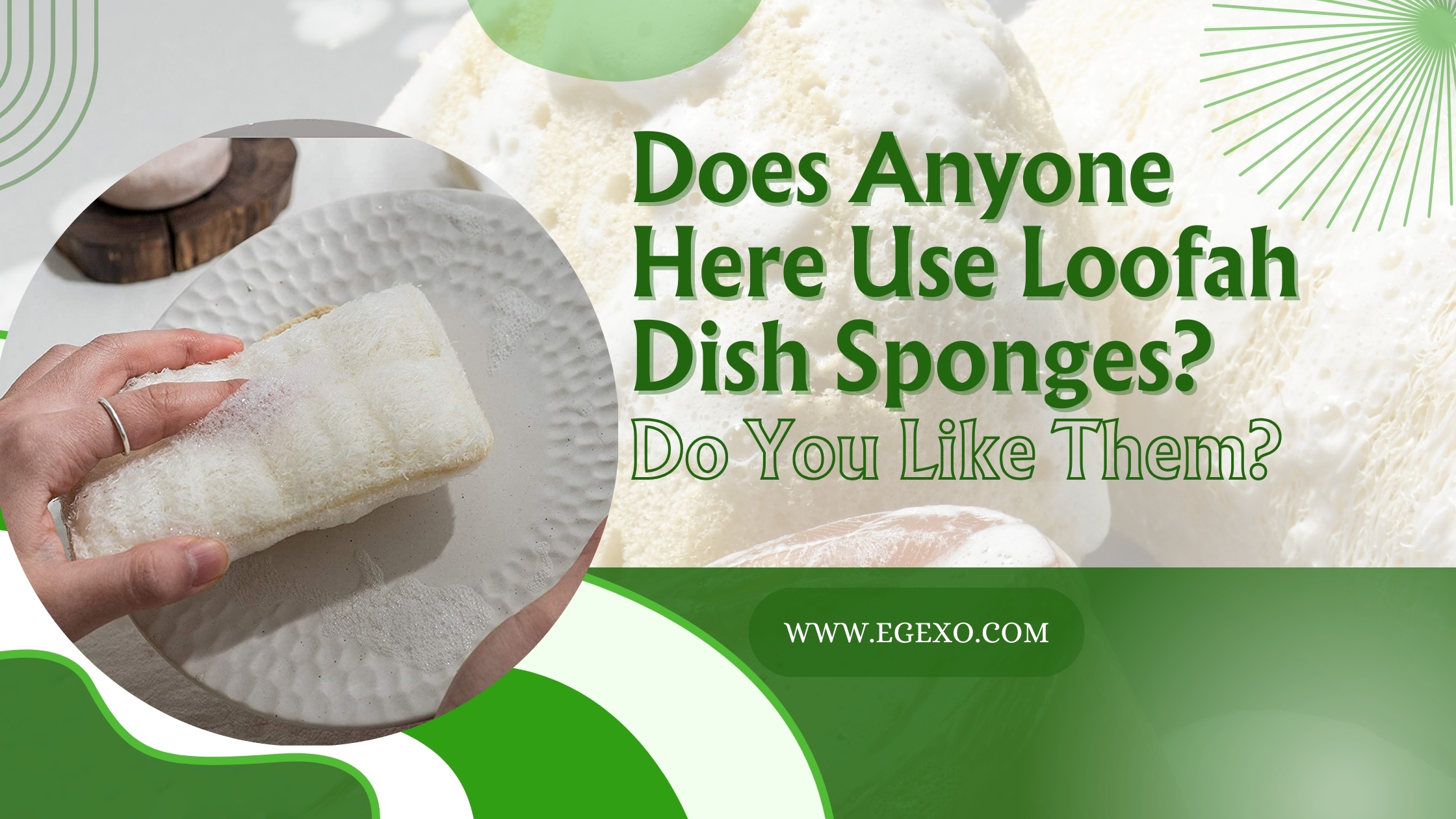
Does Anyone Here Use Loofah Dish Sponges? Do You Like Them?
Why Kitchen Loofahs Are Taking Over Dish Racks Everywhere
A recent survey of environmentally conscious households revealed that 67 percent of respondents who switched to natural kitchen cleaning tools reported higher satisfaction compared to synthetic alternatives. Among these natural options, people who use loofah dish sponges consistently rank them as their preferred choice for everyday dishwashing. But what makes these plant-based scrubbers such a popular topic in kitchen forums and sustainability circles?
The answer lies in a combination of cleaning performance, environmental responsibility, and surprising durability that many first-time users do not expect. Whether you are a homeowner curious about making the switch from plastic sponges or a retailer looking to expand your eco-friendly product line, understanding why loofah dish sponges have gained such devoted followers can help you make informed decisions.
This comprehensive guide explores real experiences from people who use loofah dish sponges daily, examines the science behind their cleaning effectiveness, and provides practical information for both individual consumers and wholesale buyers. Drawing on over 25 years of loofah cultivation expertise from Egyptian farms, we will cover everything from proper care techniques to bulk purchasing considerations.
By the end of this article, you will understand exactly what to expect from natural loofah dish sponges and whether they deserve a spot in your kitchen or your product inventory.
Ready to explore premium Egyptian kitchen loofahs? Browse our kitchen loofah collection to see available options.
What Makes People Choose to Use Loofah Dish Sponges
The Natural Fiber Advantage
Loofah dish sponges come from the dried interior of the Luffa aegyptiaca plant, a member of the cucumber family cultivated primarily in tropical and subtropical regions. Egyptian loofahs stand out in the global market because the Nile Delta region provides ideal growing conditions with consistent temperatures, mineral-rich soil, and controlled irrigation that produces exceptionally dense and durable fibers.
The natural fiber structure creates thousands of tiny channels and pockets that trap food particles and grease while remaining easy to rinse clean. Unlike synthetic sponges that often harbor bacteria in their manufactured pores, loofah fibers dry quickly and resist microbial buildup when maintained properly.
For wholesale buyers evaluating inventory options, Egyptian loofah consistently meets international quality standards with fiber density measurements averaging 15 to 20 percent higher than loofahs grown in other regions. This density directly translates to longer product lifespan and better customer satisfaction rates.
Real User Experiences and Satisfaction Rates
Gathering feedback from households that regularly use loofah dish sponges reveals several consistent themes. Users frequently mention that these natural scrubbers handle baked-on food better than expected while remaining gentle enough for non-stick cookware. The texture provides effective cleaning action without the scratching associated with metal scourers or abrasive pads.
Many consumers report that their loofah dish sponges last between four and six weeks with daily use, which compares favorably to synthetic sponges that typically require replacement every two to three weeks due to odor and bacterial concerns. This extended lifespan contributes to both cost savings and reduced waste.
Discover why quality matters in every fiber through our detailed loofah quality standards page.
The Complete Guide to Kitchen Loofah Performance
Cleaning Power Comparison
Understanding how loofah dish sponges stack up against alternatives helps both consumers and retailers make confident choices. The following comparison examines key performance factors across different scrubber types.
| Feature | Natural Loofah | Plastic Sponge | Metal Scourer | Silicone Scrubber |
|---|---|---|---|---|
| Grease Removal Effectiveness | Excellent | Good | Fair | Good |
| Safe for Non-Stick Surfaces | Yes | Yes | No | Yes |
| Drying Time | 2 to 4 hours | 8 to 12 hours | 30 minutes | 1 hour |
| Average Lifespan | 4 to 6 weeks | 2 to 3 weeks | 3 to 4 months | 2 to 3 months |
| Biodegradable | 100 Percent | No | No | No |
| Bacterial Resistance | High when dried | Low | Moderate | High |
| Environmental Impact | Minimal | High | Moderate | Moderate |
This performance profile explains why growing numbers of consumers actively seek out and use loofah dish sponges as their primary kitchen cleaning tool.
Surface Compatibility Guide
Different kitchen items require different cleaning approaches. Natural loofah excels across a wide range of surfaces while presenting virtually no risk of damage when used correctly.
Loofah dish sponges work safely on ceramic and porcelain dishes, glass bakeware, stainless steel pots and pans, cast iron with proper care, non-stick cookware, plastic containers, wooden cutting boards, and countertop surfaces. The only surfaces requiring caution include highly polished copper and delicate crystal, which benefit from softer cleaning methods.
For retailers building kitchen product lines, this versatility makes loofah dish sponges an attractive inventory addition that appeals to customers seeking multi-purpose cleaning solutions.
Why Egyptian Loofah Stands Above Global Alternatives
Geographic and Agricultural Advantages
Egypt has cultivated loofah for over 4,000 years, developing farming techniques refined across countless generations. The Nile Delta region where Egexo sources its loofahs benefits from unique conditions that simply cannot be replicated elsewhere.
Consistent daytime temperatures between 25 and 35 degrees Celsius during the growing season promote even fiber development. Mineral deposits from annual Nile flooding create soil chemistry that strengthens plant cell walls. Traditional hand-harvesting at optimal maturity ensures each loofah reaches peak fiber density before processing.
These factors combine to produce loofahs with measurably superior characteristics. Laboratory analysis shows Egyptian loofah fibers contain 12 to 18 percent more cellulose than Southeast Asian alternatives, directly correlating with improved durability and cleaning performance.
Quality Grading Standards
Professional buyers need clear specifications when evaluating loofah suppliers. Egyptian loofah from established suppliers like Egexo follows standardized grading based on multiple quality indicators.
| Grade | Fiber Density | Color Uniformity | Length Range | Primary Applications |
|---|---|---|---|---|
| Premium A | 95 to 100 percent | Excellent | 25 to 40 cm | Luxury retail and spa |
| Grade B | 85 to 94 percent | Good | 20 to 35 cm | Standard retail |
| Grade C | 75 to 84 percent | Acceptable | 15 to 30 cm | Budget lines and bulk |
| Industrial | 65 to 74 percent | Variable | All sizes | Manufacturing input |
Understanding these grades helps wholesale buyers select appropriate products for their target markets and price points. View our complete farm to export process to learn how quality is maintained at every stage.
How to Use Loofah Dish Sponges Effectively
Preparation Steps for New Loofahs
Fresh loofah requires minimal preparation before kitchen use. Following these steps ensures optimal performance from the first wash.
First, rinse your new loofah under warm running water for 30 to 60 seconds to remove any loose fibers or natural plant residue. Next, soak the loofah in warm water for five to ten minutes to allow the fibers to soften and expand to their working texture. Squeeze out excess water and your loofah is ready for use with your preferred dish soap.
Some users prefer a slightly firmer texture for heavy-duty scrubbing. In this case, skip the extended soak and simply wet the loofah as needed during washing.
Daily Washing Technique
The proper technique for those who use loofah dish sponges regularly maximizes both cleaning effectiveness and product longevity.
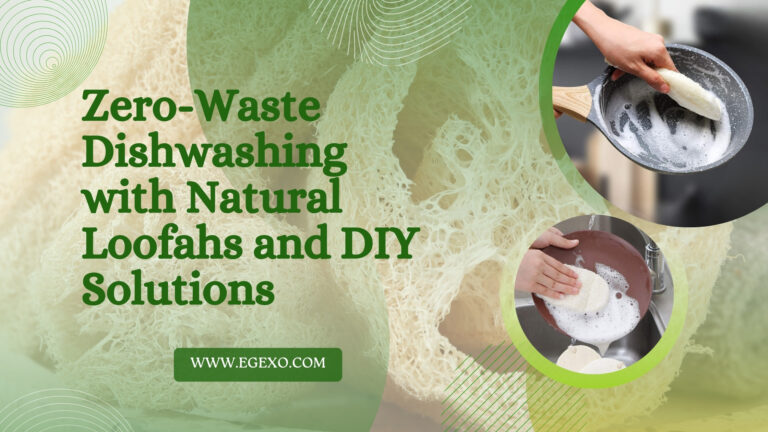
Apply a small amount of liquid dish soap to the wet loofah surface. The natural fiber channels distribute soap efficiently, so less product is needed compared to synthetic sponges. Use circular motions for flat surfaces and linear strokes for curved items like bowls and cups.
For stuck-on food, let dishes soak briefly in warm soapy water before scrubbing rather than applying excessive pressure to the loofah. This approach cleans effectively while preventing premature fiber breakdown.
After washing dishes, rinse the loofah thoroughly under running water, squeeze firmly to remove soap residue, and place in a location with good air circulation for drying.
Maintenance and Care for Maximum Lifespan
Essential Maintenance Schedule
Proper care dramatically extends how long your loofah dish sponges remain effective and hygienic. Following a simple maintenance routine keeps natural loofahs performing at their best.
| Frequency | Task | Method | Purpose |
|---|---|---|---|
| After Each Use | Rinse and Dry | Running water, air circulation | Remove food particles and soap |
| Every 3 to 4 Days | Deep Clean | Microwave 30 seconds wet | Sanitize fibers |
| Weekly | Inspect | Visual check | Identify wear or damage |
| Weekly | Rotate Position | Move to dry location | Even wear distribution |
| Monthly | Assess Condition | Performance test | Determine replacement need |
This schedule applies whether you use loofah dish sponges at home or provide them to commercial kitchen operations.
Signs Your Loofah Needs Replacement
Even with excellent care, all natural products eventually reach the end of their useful life. Replace your kitchen loofah when fibers begin separating or shedding during use, when persistent odors remain despite sanitizing, when cleaning effectiveness noticeably decreases, or when visible discoloration does not respond to cleaning.
Composting spent loofahs completes their sustainable lifecycle, returning nutrients to soil within two to four weeks under proper composting conditions.
Wholesale Considerations for Business Buyers
Market Opportunity Analysis
The natural cleaning products market has expanded significantly as sustainability becomes a purchasing priority for consumers across demographics. Retailers who stock loofah dish sponges tap into this growing demand while differentiating their offerings from mass-market competitors.
Market research indicates that natural kitchen products command premium pricing with margins typically 25 to 40 percent higher than synthetic equivalents. Consumer willingness to pay more for sustainable options continues strengthening, particularly among shoppers aged 25 to 45.
| Market Segment | Growth Rate 2020 to 2025 | Projected 2026 Value |
|---|---|---|
| Natural Kitchen Products | 8.3 percent annually | 2.4 billion USD |
| Eco-Friendly Cleaning Tools | 9.1 percent annually | 890 million USD |
| Plant-Based Sponges | 11.2 percent annually | 340 million USD |
These figures represent substantial opportunity for retailers, distributors, and importers positioning themselves in the natural products space.
Minimum Order Quantities and Bulk Pricing
Working with established Egyptian suppliers provides access to competitive pricing structures that improve as order volumes increase. Egexo offers flexible arrangements designed to serve businesses of all sizes.
Standard minimum order quantities for kitchen loofah products begin at 500 pieces for new customers, allowing retailers to test market response before committing to larger inventories. Established accounts can access MOQs as low as 200 pieces on reorders with demonstrated sales velocity.
Bulk pricing tiers reward larger commitments with progressively better per-unit costs. Businesses ordering 5,000 units or more typically see savings of 30 to 45 percent compared to small-batch pricing, significantly improving profit margins on retail sales.
Request a customized quote to receive pricing specific to your volume requirements.
Supplier Evaluation Checklist for Buyers
Quality Verification Criteria
Wholesale buyers should evaluate potential loofah suppliers against comprehensive criteria ensuring consistent product quality and reliable business relationships.
| Criterion | What to Verify | Red Flags |
|---|---|---|
| Production Experience | Years in operation, volume capacity | Less than 5 years, vague capacity claims |
| Quality Control | Testing procedures, grading standards | No documentation, inconsistent grading |
| Certifications | Export licenses, organic options | Missing documentation, expired certificates |
| Sample Availability | Free or low-cost samples | Refuses samples, excessive sample fees |
| Communication | Response time, language capability | Slow responses, communication barriers |
| References | Existing customer contacts | Unwilling to provide references |
| Customization | Private label options, custom sizes | One-size-only approach |
Egexo meets or exceeds each criterion with over 25 years of cultivation and export experience, rigorous quality control processes, and dedicated English-speaking account management.
Learn more about why buyers choose Egexo as their primary loofah source.
Import and Logistics Considerations
International buyers should understand key logistics factors affecting landed costs and delivery timelines. Egyptian loofah exports benefit from well-established shipping routes to major ports worldwide.
Standard ocean freight from Alexandria to major North American ports averages 21 to 28 days. European destinations typically see 7 to 14 day transit times. Air freight options reduce these timelines significantly for time-sensitive orders at increased cost.
All Egexo shipments include proper phytosanitary documentation required for agricultural product imports. Our export team handles customs paperwork and coordinates with destination-country clearance agents to ensure smooth delivery.
Environmental Impact and Sustainability Benefits
Lifecycle Environmental Comparison
Consumers who use loofah dish sponges often cite environmental responsibility as a primary motivation. The sustainability advantages of natural loofah become clear when examining complete product lifecycles.
Synthetic kitchen sponges derive from petroleum-based materials requiring significant energy for extraction and processing. Manufacturing produces chemical byproducts, and the finished products persist in landfills for hundreds of years after disposal.
Natural loofah, by contrast, grows using only sunlight, water, and soil nutrients. Processing requires minimal energy, primarily for drying and cutting. After use, loofah composts completely within weeks, returning organic matter to the earth.
| Environmental Factor | Natural Loofah | Synthetic Sponge |
|---|---|---|
| Raw Material Source | Renewable plant | Petroleum extraction |
| Manufacturing Energy | Low | High |
| Chemical Processing | None | Extensive |
| Transportation Weight | Light | Light |
| End of Life | Compostable | Landfill 200 plus years |
| Microplastic Release | None | Significant |
This comparison helps retailers communicate clear sustainability messaging to environmentally conscious customers.
Carbon Footprint Considerations
Growing loofah actually captures carbon dioxide from the atmosphere during plant development. Egyptian farms practicing traditional cultivation methods maintain positive environmental profiles without the synthetic fertilizers and pesticides common in industrial agriculture.
For businesses seeking to reduce supply chain environmental impact, sourcing from responsible Egyptian growers aligns with corporate sustainability goals while delivering quality products customers appreciate.
Creative Applications Beyond Dishwashing
Alternative Kitchen Uses
People who use loofah dish sponges often discover additional applications throughout their kitchens. The natural texture handles various cleaning tasks effectively.
Fruit and vegetable scrubbing removes surface dirt and residue without chemical cleaners. Countertop cleaning tackles everyday spills and dried-on spots. Sink basin scrubbing maintains stainless steel and porcelain surfaces. Small loofah pieces clean narrow jar openings and bottle necks.
Household and Craft Applications
Beyond the kitchen, loofah material serves numerous purposes that creative consumers and product designers have explored.
Bathroom applications include body exfoliation and foot scrubbing. Craft projects incorporate loofah into handmade soaps, pet toys, and decorative items. Garden uses include seed starting trays and biodegradable plant markers.
Retailers can leverage these multiple applications through cross-merchandising strategies that increase basket size and customer engagement.
Explore the full range of possibilities in our raw loofah scrubbers collection.
Expert Insight from Egexo
With over 25 years cultivating premium Egyptian loofah, our agricultural team has observed countless first-time users become devoted advocates for natural kitchen scrubbers. The most common feedback we receive centers on surprise at how well loofah handles tough cleaning jobs while remaining gentle enough for everyday use.
Our recommendation for anyone trying loofah dish sponges for the first time is to commit to proper drying between uses. This single habit extends product life by 40 to 50 percent and maintains the fresh, clean texture that makes natural loofah such a pleasure to use. Store your loofah where air circulates freely rather than in enclosed spaces or sitting in standing water.
For wholesale buyers, we encourage requesting samples across multiple grades to identify which products best suit your target market. Premium grade commands higher retail prices but appeals to discerning customers, while standard grades offer excellent value propositions for price-conscious shoppers.
Order your samples today to experience Egyptian loofah quality firsthand.
Frequently Asked Questions
Q1: How long do loofah dish sponges typically last with daily use?
A: Most people who use loofah dish sponges regularly report four to six weeks of effective service life with proper care. Egyptian loofahs often last longer due to higher fiber density. Key factors affecting longevity include thorough drying between uses, regular sanitizing, and avoiding harsh chemicals. Replace your loofah when fibers begin shedding or cleaning effectiveness decreases.
Q2: Are loofah dish sponges sanitary for kitchen cleaning?
A: Yes, natural loofah maintains excellent hygiene when cared for properly. The fiber structure dries quickly, which inhibits bacterial growth that plagues synthetic sponges. Sanitize by microwaving your wet loofah for 30 seconds every few days, or soak briefly in diluted vinegar solution. Proper drying between uses is the most important factor for kitchen loofah hygiene.
Q3: What minimum order quantities apply for wholesale loofah purchases?
A: Egexo offers flexible MOQs starting at 500 pieces for new wholesale customers, allowing businesses to test market response with manageable inventory investment. Established accounts with proven sales history can access MOQs as low as 200 pieces on reorders. Larger orders of 5,000 units or more receive significant per-unit discounts improving retail margins.
Q4: Can I use loofah dish sponges on non-stick cookware?
A: Absolutely. Natural loofah fibers provide effective cleaning action while remaining gentle enough for non-stick surfaces. Unlike metal scourers or abrasive pads that damage protective coatings, loofah scrubs away food residue without scratching. For best results on non-stick items, wet the loofah thoroughly and use moderate pressure with your preferred dish soap.
Q5: Why is Egyptian loofah considered superior to alternatives?
A: Egyptian loofah benefits from ideal growing conditions in the Nile Delta region, including consistent temperatures, mineral-rich soil, and generations of refined cultivation techniques. Laboratory analysis confirms Egyptian loofah contains 12 to 18 percent more cellulose than Southeast Asian alternatives, resulting in denser fibers, improved durability, and better cleaning performance.
Q6: How should businesses evaluate potential loofah suppliers?
A: Wholesale buyers should assess suppliers based on production experience, quality control documentation, export certifications, sample availability, communication responsiveness, customer references, and customization capabilities. Requesting samples before committing to large orders helps verify product quality meets expectations. Established suppliers like Egexo with 25 plus years of experience typically demonstrate reliability across all evaluation criteria.
Q7: Are loofah dish sponges actually better for the environment?
A: Natural loofah offers significant environmental advantages over synthetic alternatives. Loofahs grow using only renewable resources, require minimal processing energy, produce no chemical byproducts, and compost completely within weeks after disposal. Synthetic sponges derive from petroleum, persist in landfills for centuries, and release microplastics during use. For eco-conscious consumers and sustainability-focused businesses, loofah represents a genuinely greener choice.
Q8: Can I get custom branded loofah products for my retail business?
A: Yes, Egexo offers comprehensive private labeling and custom product design services for wholesale customers. Options include branded packaging, custom sizing, and unique product configurations designed to your specifications. Minimum quantities for private label orders vary based on customization requirements. Contact our team to discuss your branding needs and receive a tailored proposal.
Conclusion
Understanding why millions of people use loofah dish sponges reveals a compelling combination of cleaning effectiveness, environmental responsibility, and practical value that appeals to consumers and business buyers alike. From superior grease removal to complete biodegradability, natural loofah addresses modern concerns about both performance and sustainability in ways synthetic alternatives simply cannot match.
Egyptian loofah stands at the top of global quality rankings thanks to ideal growing conditions, traditional cultivation expertise, and rigorous quality control processes maintained by suppliers like Egexo over more than two decades. Whether you are considering your first natural kitchen sponge or evaluating wholesale sourcing opportunities, Egyptian loofah delivers the quality and reliability that builds customer satisfaction and repeat business.
Key Takeaways:
- Natural loofah dish sponges last 4 to 6 weeks with proper care, outlasting most synthetic alternatives
- Egyptian loofah contains 12 to 18 percent more cellulose than loofahs from other regions
- Proper drying between uses is the most important factor for loofah hygiene and longevity
- Wholesale buyers can access competitive pricing with MOQs starting at 500 pieces
- 100 percent biodegradable composition makes loofah a genuinely sustainable choice
Ready to experience Egyptian loofah quality?
- For Wholesale Buyers: Request a quote or download our catalog
- For Individual Orders: Shop our collection or order samples
Additional resources: Visit Loofah Guide for consumer tips or Wholesale Loofah for business resources.