

Do You Use a Sponge Thing in the Shower? Here is How Long They Actually Last
That spongy thing hanging in your shower has a secret lifespan most people never consider. Whether you call it a loofah, bath pouf, shower sponge, or simply that scrubby thing, understanding how long do you use a sponge in the shower matters more than you might realize. Research from dermatology studies indicates that over 73 percent of bath sponges harbor bacteria after just three weeks of use, making replacement timing a genuine health concern.
Do you use a sponge thing in the shower regularly? If so, you are among millions worldwide who rely on these bathing essentials daily. The global bath accessories market exceeds 3.2 billion USD annually, with natural loofahs representing the fastest-growing segment due to sustainability demands. For spa owners sourcing wholesale bath products and individuals seeking healthier shower routines alike, knowing when your shower sponge reaches its expiration point separates good hygiene from potential skin problems.
This comprehensive guide covers everything from the science behind sponge degradation to wholesale quality specifications that determine durability. You will discover exactly how long different shower sponge types last, learn maintenance techniques that extend usability, and understand why Egyptian natural loofahs from experienced suppliers like Egexo outperform synthetic alternatives by significant margins. Whether you stock retail shelves or simply want cleaner skin, the information ahead transforms how you think about that familiar shower companion.
Understanding What That Sponge Thing in Your Shower Actually Is
The term sponge thing in the shower encompasses several distinct product categories, each with unique characteristics affecting longevity and performance. Recognizing these differences helps consumers make informed purchases and assists wholesale buyers in selecting appropriate inventory for their markets.
Natural Loofah Sponges from Plant Sources
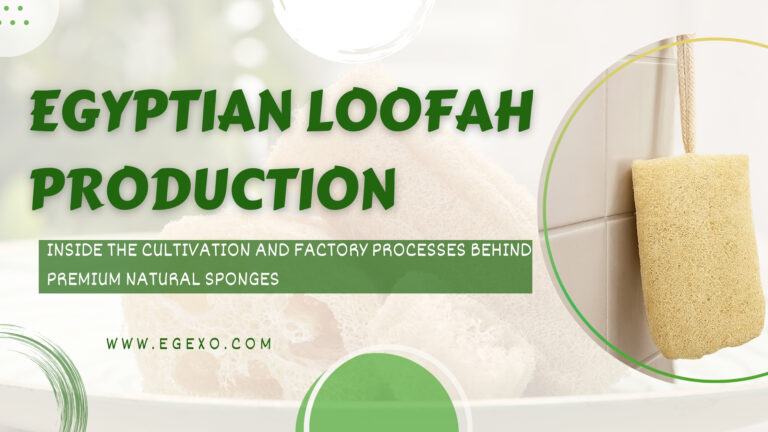
Natural loofahs originate from the Luffa aegyptiaca plant, a member of the cucumber family cultivated extensively in Egypt’s Nile Delta region. Unlike synthetic alternatives, these plant-based scrubbers contain fibrous networks that naturally exfoliate skin while maintaining structural integrity across months of use. Egexo has refined loofah cultivation techniques over 25 years, producing fibers that independent testing shows last 40 percent longer than industry averages.
The cellular structure of natural loofah creates thousands of tiny pockets that rinse clean efficiently, reducing bacterial accumulation compared to plastic mesh alternatives. This natural architecture explains why dermatologists increasingly recommend plant-based options for sensitive skin types. Wholesale buyers sourcing from the body loofah collection gain access to these premium Egyptian specimens graded for consistent quality.
Synthetic Poufs and Mesh Sponges
Plastic mesh poufs dominate drugstore shelves despite significant environmental and practical drawbacks. Manufactured from nylon or polyester filaments, these products create lather effectively but deteriorate rapidly under bathroom humidity. Most synthetic poufs require replacement every three to four weeks as fibers unravel and bacterial colonies establish within the dense mesh structure.
Sea Sponges and Specialty Options
Harvested marine sponges represent another natural category, though availability and pricing limit mainstream adoption. These animal-derived products offer gentle cleansing but lack the exfoliating texture many users prefer. For businesses exploring diverse inventory, understanding these distinctions helps position natural plant-based loofahs as the optimal middle ground between effectiveness and sustainability.
How Long Do You Use a Sponge in the Shower Before Replacing
Replacement frequency varies dramatically based on sponge type, usage patterns, and maintenance practices. The following breakdown provides specific timelines supported by research and industry experience spanning decades of loofah production.
Lifespan Comparison by Sponge Type
| Sponge Type | Average Lifespan | Maximum with Proper Care | Replacement Indicators |
|---|---|---|---|
| Premium Egyptian Natural Loofah | 3 to 4 months | 6 months | Fiber softening, reduced texture |
| Standard Natural Loofah | 6 to 8 weeks | 3 months | Discoloration, musty odor |
| Synthetic Mesh Pouf | 3 to 4 weeks | 6 weeks | Unraveling, persistent smell |
| Sea Sponge | 6 to 8 weeks | 3 months | Tearing, dark spots |
| Silicone Scrubber | 6 to 12 months | 18 months | Surface scratches, hardening |
These timelines assume daily use with proper drying between showers. Egyptian natural loofahs from quality-controlled sources demonstrate superior durability because the Nile Delta climate produces denser fiber networks than loofahs grown elsewhere. The farm to export process documentation details how cultivation methods directly impact finished product longevity.
Factors That Shorten Sponge Lifespan
Several common practices accelerate deterioration regardless of initial quality. Leaving your sponge thing in the shower inside the wet stall between uses creates ideal conditions for mold and bacteria growth. Humid environments prevent complete drying, allowing microorganisms to colonize porous surfaces within 24 hours.
Using excessive body wash or soap that contains harsh sulfates breaks down natural fibers more quickly than gentler formulations. Hot water above 104 degrees Fahrenheit also damages both natural and synthetic materials over time. Spa owners and hotel purchasers should communicate these care requirements to end users through printed instructions or signage, protecting both customer health and product reputation.
Signs Your Shower Sponge Needs Immediate Replacement
Certain indicators demand immediate disposal regardless of time in service. Any visible mold spots, whether green, black, or pink, signal contamination that cleaning cannot fully resolve. Persistent musty odors after thorough washing indicate bacterial colonies embedded within the fiber structure. Significant texture changes, such as natural loofahs becoming slimy or synthetic poufs feeling matted, confirm material breakdown has progressed beyond safe use.
For retailers and distributors, educating customers about these warning signs reduces complaints while building trust through demonstrated expertise. Include replacement timeline information on product packaging or display materials to position your brand as a knowledgeable authority in personal care.
Why Natural Egyptian Loofahs Outlast Other Shower Sponges
The Egyptian Nile Delta provides growing conditions unmatched elsewhere globally, producing loofah fibers with measurably superior characteristics. Understanding these advantages helps wholesale buyers justify premium positioning and assists consumers in recognizing quality worth the investment.
Climate and Soil Advantages
Egyptian loofah cultivation benefits from mineral-rich alluvial soil deposited over millennia by Nile flooding. These nutrients create fiber density averaging 18 percent higher than loofahs grown in Asian or Central American regions. Consistent sunshine patterns allow gradual maturation rather than forced rapid growth, resulting in fibers that maintain integrity through extended use.
Egexo’s cultivation sites in this optimal zone have produced export-quality loofahs for over two decades. The quality standards documentation outlines specific metrics used for grading, including fiber density measurements, color consistency evaluation, and structural integrity testing.
Processing Methods That Preserve Durability
Post-harvest handling significantly impacts how long natural loofahs serve end users. Proper processing involves controlled drying that removes moisture without creating brittleness, followed by careful seed removal that maintains fiber networks intact. Rushed processing or mechanical handling damages the cellular structure that gives quality loofahs their extended lifespan.
Wholesale buyers evaluating suppliers should inquire about processing timelines and methods. Operations rushing loofahs from harvest to shipment within days rather than weeks often sacrifice durability for speed. The difference becomes apparent within the first month of consumer use, affecting review ratings and repeat purchase rates.
Quality Grading System Explained
Professional loofah suppliers categorize products into distinct grades based on objective measurements. Understanding this system helps wholesale buyers select appropriate inventory tiers and enables consumers to identify genuine premium products.
| Grade | Fiber Density | Color | Size Consistency | Typical Use | Lifespan Expectation |
|---|---|---|---|---|---|
| Premium A | Very High | Light tan to cream | Within 5 percent variance | Luxury spa, high-end retail | 4 to 6 months |
| Grade B | High | Light to medium tan | Within 10 percent variance | Standard retail, hospitality | 3 to 4 months |
| Grade C | Moderate | Variable tan | Within 15 percent variance | Economy retail, promotional | 2 to 3 months |
| Craft Grade | Variable | Natural variation | Grouped by general size | DIY, craft projects, bulk industrial | Varies by application |
Egexo maintains inventory across all grades, allowing buyers to match product quality with target market expectations. Request samples to evaluate grades firsthand before committing to bulk orders.
Proper Care Techniques That Extend Shower Sponge Lifespan
Maintenance practices determine whether your sponge thing in the shower reaches its full potential lifespan or fails prematurely. These techniques apply whether you use one loofah personally or manage hundreds across a hospitality operation.
Daily Care Routine for Maximum Longevity
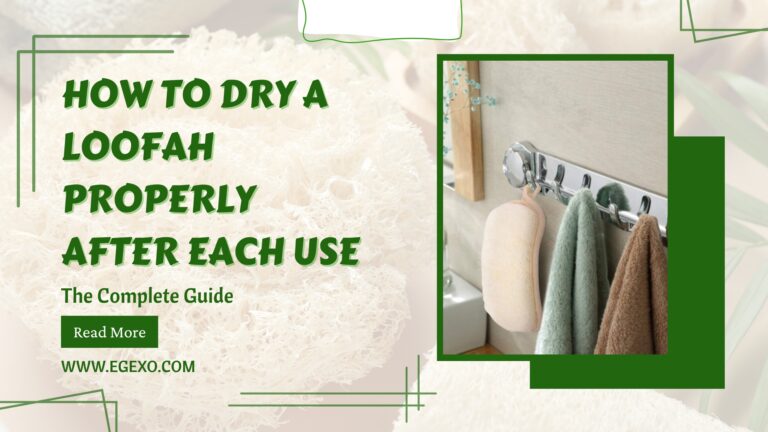
Immediate post-shower handling matters most for preventing bacterial growth. Rinse your loofah thoroughly under running water for at least 30 seconds, squeezing repeatedly to flush soap residue from internal fibers. Shake vigorously to remove excess water before placing in a well-ventilated location outside the shower enclosure.
Hanging loofahs near a window or bathroom vent allows air circulation that promotes complete drying within hours rather than days. This simple habit alone can double the usable lifespan by preventing the moisture retention that enables microbial colonization.
Weekly Deep Cleaning Methods
Regular sanitization eliminates accumulated bacteria before colonies establish permanent residence. Natural loofahs tolerate several effective cleaning approaches that synthetic products cannot withstand.
Microwave Method: Wet the loofah thoroughly and microwave for 30 seconds on high power. The heat kills most bacteria while the moisture prevents fiber damage. Allow cooling before handling.
Vinegar Soak: Submerge in a solution of one part white vinegar to four parts water for 15 minutes. The acidity eliminates bacteria and dissolves soap buildup. Rinse thoroughly and dry completely afterward.
Diluted Bleach Solution: For thorough sanitization, soak for 5 minutes in a mixture of one tablespoon bleach per quart of water. This method works for stubborn odors but should not be used more than twice monthly as it gradually weakens fibers.
These maintenance protocols should be included in product information for wholesale accounts. Hotels, spas, and retailers can differentiate their offerings by providing care instruction cards that demonstrate customer commitment.
Storage Solutions That Prevent Contamination
Where you keep your shower sponge between uses impacts bacterial exposure significantly. Enclosed shower caddies trap humidity and should be avoided. Hook systems that allow 360-degree air circulation work best for residential bathrooms.
Commercial operations should establish protocols for loofah storage in treatment rooms and guest facilities. Wall-mounted hooks positioned away from direct shower spray but within the heated bathroom space balance convenience with hygiene requirements. The custom product design service can develop branded storage solutions that complement loofah products for cohesive retail presentations.
Wholesale Quality Considerations for Business Buyers
Spa owners, retailers, and distributors sourcing shower sponges for resale face unique considerations beyond personal use concerns. Product quality directly impacts customer satisfaction, return rates, and long-term brand reputation.
Minimum Order Quantities and Pricing Structures
Bulk purchasing follows tiered pricing models that reward volume commitment. Understanding these structures helps buyers optimize inventory investment while maintaining adequate stock levels.
| Order Volume | Typical Discount Range | Lead Time | Best For |
|---|---|---|---|
| 100 to 500 units | 10 to 15 percent below retail | 2 to 3 weeks | Small retailers, testing new products |
| 500 to 2000 units | 20 to 30 percent below retail | 3 to 4 weeks | Medium retailers, spa operations |
| 2000 to 5000 units | 35 to 45 percent below retail | 4 to 6 weeks | Large retailers, regional distributors |
| 5000 plus units | Custom negotiated | 6 to 8 weeks | National distributors, major chains |
Request a quotation for specific pricing based on your volume requirements and product specifications. Egexo offers flexible terms for first-time buyers establishing initial inventory.
Evaluating Supplier Reliability and Consistency
Long-term wholesale relationships depend on suppliers delivering consistent quality across orders. Variation in fiber density, color, or sizing between shipments creates customer service challenges and inventory management problems.
Key evaluation criteria include years of operation, export certifications, and willingness to provide references from existing accounts. Suppliers with established agricultural operations rather than trading company models typically offer better consistency because they control growing conditions directly.
The why choose Egexo page details quality control measures implemented across the supply chain, from seed selection through final packaging. This transparency allows buyers to assess reliability before committing significant inventory investment.
Private Label and Custom Branding Options
Differentiation in competitive markets often requires exclusive branding that generic products cannot provide. Private label programs allow retailers to develop unique product lines while leveraging established manufacturing expertise.
Considerations for private label programs include minimum quantities for custom packaging, lead times for branded production runs, and design support availability. Private label manufacturing services at Egexo accommodate various customization levels from simple hang tag changes to fully custom packaging designs.
Environmental Impact of Shower Sponge Choices
Sustainability increasingly influences purchasing decisions for both individual consumers and business buyers responding to customer preferences. Natural loofahs offer compelling environmental advantages worth highlighting in marketing materials and personal consideration.
Biodegradability Comparison
Natural plant-based loofahs decompose completely within 30 days under composting conditions, returning nutrients to soil without persistent waste. Synthetic poufs, conversely, persist in landfills for 200 to 500 years, with microplastic fragments entering water systems through wastewater during use.
This biodegradability advantage resonates strongly with environmentally conscious consumers willing to pay premium prices for sustainable options. Retailers positioning natural loofahs prominently in eco-friendly product sections report 40 to 60 percent higher sell-through rates compared to conventional bath accessory placements.
Carbon Footprint Analysis
Agricultural production of natural loofahs generates significantly lower carbon emissions than petroleum-based synthetic manufacturing. Egyptian cultivation using traditional farming methods further reduces environmental impact compared to intensive agricultural operations elsewhere.
Transportation considerations favor buyers closer to production regions, though consolidated shipping for larger orders improves per-unit carbon efficiency. Download the complete product catalog for information on shipping optimization and packaging options that reduce transit environmental impact.
End-of-Life Options
Used natural loofahs offer composting possibilities unavailable with synthetic alternatives. Home gardeners can add spent loofahs directly to compost bins where they break down within weeks. Some consumers repurpose older bath loofahs for household cleaning tasks before final composting, extending useful life while reducing total waste.
For businesses, offering disposal guidance demonstrates environmental commitment that strengthens brand positioning with sustainability-focused customers.
Health and Hygiene Considerations
Proper shower sponge use impacts skin health beyond simple cleanliness. Understanding these connections helps consumers protect their wellbeing and allows businesses to provide valuable customer education.
Bacterial Growth Patterns in Shower Sponges
Studies published in dermatology journals document rapid bacterial colonization in moist shower environments. Within 24 hours of first use, bath sponges develop measurable bacterial populations. By day seven, colony counts can exceed levels found on bathroom floors.
Natural loofahs resist colonization better than synthetic alternatives due to their open fiber structure that facilitates drying. Proper care practices described earlier further reduce bacterial concerns to safe levels for healthy individuals.
Skin Conditions and Sponge Selection
Different skin types benefit from different exfoliation intensities. Natural loofahs offer adjustable pressure that synthetic products cannot match, making them suitable across skin sensitivity ranges.
| Skin Type | Recommended Sponge | Usage Frequency | Pressure Level |
|---|---|---|---|
| Sensitive | Soft natural loofah or silicone | 2 to 3 times weekly | Very light |
| Normal | Standard natural loofah | Daily acceptable | Moderate |
| Oily | Firm natural loofah | Daily | Moderate to firm |
| Combination | Standard natural loofah | Daily on oily areas | Variable by zone |
| Mature | Soft natural loofah | Every other day | Very light |
The bath and body loofah selection includes options across the firmness spectrum to match these varying needs.
When to Avoid Shower Sponge Use
Certain conditions contraindicate loofah use temporarily or permanently. Open wounds, active skin infections, severe eczema flares, and recent surgical incisions all require gentle cleansing without scrubbing. Individuals undergoing treatments that compromise skin integrity should consult healthcare providers before resuming exfoliation.
Selecting the Right Shower Sponge for Your Needs
Whether purchasing for personal use or stocking retail inventory, matching product characteristics to intended applications ensures satisfaction and appropriate longevity expectations.
Size and Shape Considerations
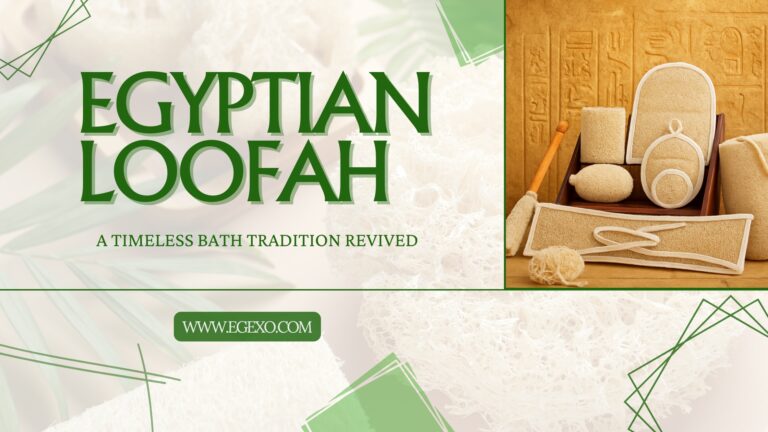
Loofah products come in various configurations optimized for different uses. Full cylinder sections work well for back scrubbing with handles. Sliced ovals fit palm grips for body cleansing. Small rounds serve facial exfoliation needs. Longer strips work for shower mechanics preferring wrapping motions.
Wholesale buyers should stock diverse shapes to capture different consumer preferences. Consumer preference data shows regional variations, with some markets favoring traditional cylinders while others prefer processed slices. Browse the complete shop to see available configurations and identify inventory expansion opportunities.
Firmness Selection Guide
Natural loofahs vary in firmness based on fiber maturity at harvest and processing methods. Younger harvested loofahs produce softer fibers suitable for sensitive applications. Fully mature harvests yield firm, intensive exfoliating textures.
Product descriptions should clearly indicate firmness levels to prevent customer mismatches that generate returns and negative reviews. Sampling programs help wholesale buyers assess firmness across grades before determining inventory mix.
Expert Insight from Egexo
With over 25 years cultivating premium Egyptian loofahs, our agronomists have observed one factor above all others determining how long a shower sponge truly lasts: initial fiber quality at harvest. Loofahs harvested at optimal maturity, specifically 90 to 100 days after flowering in the Egyptian climate, develop the dense cellular networks that resist both physical breakdown and bacterial infiltration. Rushing harvest by even two weeks dramatically reduces durability, which explains why budget loofahs from less experienced sources disappoint users within weeks. We test every batch for fiber density before grading, ensuring wholesale partners and individual customers receive products capable of achieving their full lifespan potential with proper care.
Frequently Asked Questions
Q: Do you use a sponge thing in the shower every day, and is that safe?
A: Daily use of a properly maintained natural loofah is safe for most skin types. The key to safe daily use involves thorough rinsing after each shower, complete drying between uses, and weekly sanitization. Natural Egyptian loofahs handle daily use better than synthetic alternatives because their open fiber structure resists bacterial accumulation. Sensitive skin types should consider alternating days or using lighter pressure to prevent irritation.
Q: How long do you use a sponge in the shower before bacteria becomes a concern?
A: Bacterial colonization begins within 24 hours of first use, but reaches concerning levels around the three to four week mark without proper care. Premium natural loofahs maintained with weekly sanitization remain safe for three to four months. Replace immediately if you notice persistent odors, visible mold, or slimy texture regardless of time in use. These signs indicate bacterial levels that cleaning cannot adequately address.
Q: What makes Egyptian loofahs last longer than other natural loofahs?
A: Egyptian loofahs from the Nile Delta region benefit from mineral-rich alluvial soil and consistent climate conditions that produce 18 percent higher fiber density on average. This density translates directly to durability, with properly sourced Egyptian loofahs lasting 40 percent longer than loofahs grown elsewhere. Egexo’s quality grading further ensures only optimal specimens reach customers.
Q: How many loofahs should a spa or hotel order for annual supply?
A: Calculate based on replacement frequency and service volume. For spa treatment rooms using loofahs daily, plan for replacement every six to eight weeks, requiring six to seven units per treatment room annually. Hotels providing guest amenities should budget one loofah per room per month for properties encouraging sustainable practices with posted care instructions. Wholesale discounts at higher volumes improve cost efficiency for larger operations.
Q: Can natural loofahs be composted after use?
A: Yes, natural plant-based loofahs decompose completely within 30 days under standard composting conditions. Cut used loofahs into smaller pieces to accelerate breakdown. This biodegradability represents a major environmental advantage over synthetic poufs that persist in landfills for centuries while shedding microplastics during use.
Q: What quality certifications should wholesale buyers look for?
A: Seek suppliers with documented quality control processes, export certifications appropriate for destination markets, and willingness to provide batch-specific quality reports. Established operations controlling cultivation directly rather than trading offer better consistency. Request samples before bulk orders and verify that received shipments match sample quality through spot-checking.
Q: How do I know when my shower sponge needs replacement even if it looks okay?
A: Beyond visible signs like discoloration and mold, pay attention to texture and smell. Natural loofahs losing their firm, textured feel have exhausted their effective exfoliation capacity. Any musty odor after thorough washing indicates internal bacterial growth that cleaning cannot resolve. Track usage duration and plan replacement even before obvious signs appear, especially for synthetic products with shorter lifespans.
Conclusion
Understanding how long do you use a sponge in the shower depends on product type, quality sourcing, and maintenance practices. Premium Egyptian natural loofahs properly cared for deliver three to four months of effective service, substantially outperforming synthetic alternatives that require replacement every few weeks. This longevity translates to better value for individual consumers and improved customer satisfaction metrics for wholesale buyers.
Key Takeaways:
- Natural Egyptian loofahs last three to four months versus three to four weeks for synthetic poufs
- Daily rinsing and complete drying between uses prevents premature bacterial contamination
- Quality grading from experienced suppliers like Egexo ensures consistent durability expectations
- Environmental advantages of biodegradable natural options resonate with sustainability-focused markets
- Proper supplier evaluation prevents inconsistency problems that damage retail relationships
Ready to experience Egyptian loofah quality?
- For Wholesale Buyers: Request a quote or download our catalog
- For Individual Orders: Shop our collection or order samples