

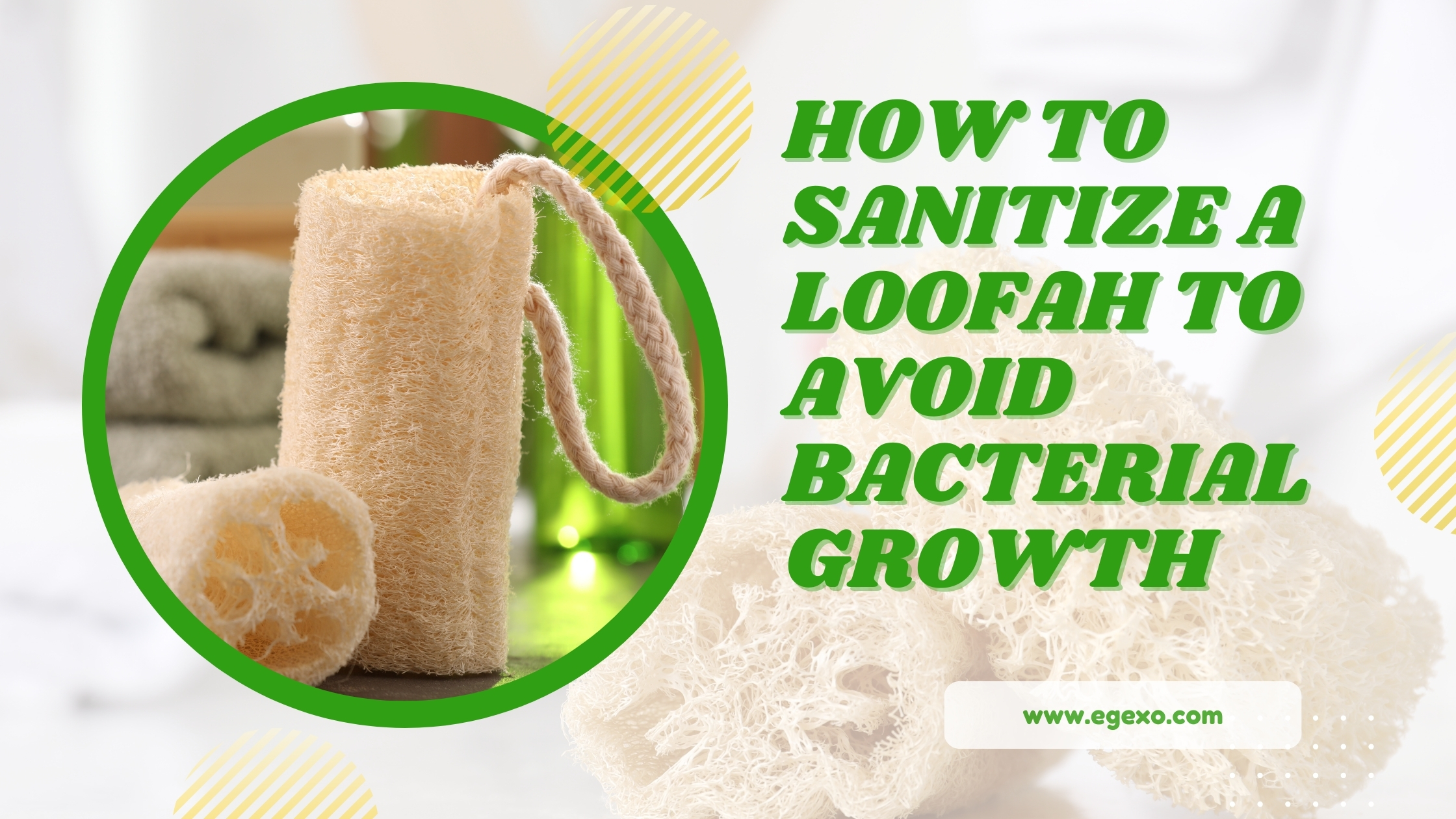
How to Sanitize a Loofah to Avoid Bacterial Growth
A single loofah can harbor over 10 billion bacteria after just one week of improper care. This startling figure from microbiology research explains why knowing how to sanitize loofah products correctly is essential for anyone who values skin health and hygiene. Whether you manage a luxury spa purchasing thousands of units annually or simply want your personal bath routine to remain safe, understanding proper loofah hygiene separates healthy exfoliation from potential skin infections.
Natural Egyptian loofahs, derived from the Luffa aegyptiaca plant, offer remarkable exfoliating benefits that synthetic alternatives cannot match. However, their organic fibrous structure creates an environment where moisture lingers, and without proper cleaning protocols, bacteria flourish. At Egexo, with over 25 years cultivating premium loofahs in the Nile Delta region, we have developed and refined sanitization methods that extend product lifespan while ensuring every use remains hygienic.
This comprehensive guide covers everything from daily maintenance routines to deep sanitization techniques. You will discover the science behind bacterial growth, compare different cleaning methods, learn professional spa-grade protocols, and understand how proper care affects both product longevity and your bottom line. By the end, you will have actionable knowledge to implement immediately, whether you are establishing hygiene standards for a retail business or simply maintaining your shower loofah at home.
Explore our complete range of body and bath loofahs designed for easy maintenance and maximum durability.
Why Loofah Hygiene Matters More Than You Think
The warm, moist environment of bathrooms creates ideal conditions for microbial proliferation. Natural loofahs, with their intricate network of plant fibers, provide countless microscopic crevices where bacteria, yeast, and mold establish colonies. Studies conducted on bathroom accessories found that loofahs ranked among the most contaminated personal care items when improperly maintained.
Understanding this reality does not mean avoiding natural loofahs. Instead, it emphasizes why proper care protocols transform these excellent exfoliating tools into safe, long-lasting investments. For spa operators and retailers, implementing correct hygiene practices also reduces liability concerns and enhances customer satisfaction. For home users, the same knowledge protects skin health while maximizing the value of each purchase.
The Microbiology Behind Contaminated Loofahs
Pseudomonas aeruginosa, Staphylococcus aureus, and various Enterobacteriaceae species represent common bacterial types found on neglected loofahs. These organisms thrive in consistently damp conditions and feed on dead skin cells trapped within loofah fibers. Fungal species, including Candida and various molds, also colonize poorly maintained loofahs.
The risk extends beyond simple contamination. Bacteria on loofahs can enter the body through tiny cuts or abrasions created during exfoliation. Individuals with compromised immune systems, diabetes, or skin conditions face elevated risks. Spas and wellness centers bear particular responsibility, as their equipment contacts numerous clients with varying health profiles.
Natural Egyptian loofahs, particularly those meeting quality standards like those maintained by Egexo, feature structural characteristics that facilitate cleaning when proper methods are applied. The key lies in understanding both prevention and treatment strategies.
How Quickly Bacteria Multiply
Bacterial populations can double every 20 minutes under favorable conditions. A loofah left damp overnight provides approximately 8 hours of optimal growth time. Simple math reveals that a modest initial bacterial population can explode into billions by morning. This exponential growth pattern explains why daily sanitization practices prove far more effective than occasional deep cleaning alone.
Temperature plays a critical role. Bathroom environments typically range between 20 and 30 degrees Celsius, the precise range where most bacteria thrive. Humidity levels in bathrooms regularly exceed 80 percent during and after showers. Combined with organic matter from skin cells and body products, these conditions create bacterial paradise.
Daily Loofah Hygiene Practices That Prevent Bacterial Growth
Consistent daily habits form the foundation of effective loofah hygiene. These practices require minimal time investment while delivering maximum protection against contamination. Establishing routines is equally important for individual consumers and professional establishments.
The Essential Post-Use Routine
After every use, thoroughly rinse your loofah under clean running water for at least 30 seconds. This removes soap residue, dead skin cells, and loose debris that bacteria consume. Squeeze the loofah repeatedly during rinsing to flush water through interior fibers, not just across the surface.
Next, wring out excess water as completely as possible. The goal is removing standing moisture that bacteria require for survival. Shake the loofah several times to dislodge remaining water droplets from deeper fiber pockets.
Finally, hang your loofah in a location with good air circulation, preferably outside the shower area. Many people leave loofahs on shower floors or hooks inside enclosed shower spaces where humidity remains elevated for hours. Moving your loofah to a drier location accelerates evaporation and reduces bacterial growth opportunities dramatically.
Optimal Storage Conditions
Storage environment significantly impacts loofah hygiene between uses. The ideal location features good ventilation, low humidity, and exposure to air movement. A hook near a bathroom window or in a well-ventilated area outside the bathroom itself works excellently.
Avoid storing loofahs in closed containers, drawers, or bags. These enclosed spaces trap moisture and create the humid microenvironments bacteria love. Similarly, never store wet loofahs touching other items, as moisture transfer promotes contamination spread.
For spa owners and retailers storing bulk inventory, climate-controlled storage with humidity levels below 60 percent preserves product quality before use. Our farm to export process includes proper drying and packaging specifically designed to maintain loofah integrity during storage and shipping.
Weekly Sanitization Methods Compared
While daily practices minimize bacterial accumulation, weekly deep cleaning eliminates established colonies and refreshes loofah fibers. Several effective methods exist, each with distinct advantages suited to different situations and preferences.
Comparison of Weekly Sanitization Techniques
| Method | Effectiveness | Time Required | Best For | Considerations |
|---|---|---|---|---|
| Microwave Treatment | 95 percent bacterial reduction | 2 minutes | Home users with microwaves | Must be damp, not for metal hooks |
| Boiling Water | 99 percent bacterial reduction | 5 minutes active plus cooling | All users | May cause slight fiber softening |
| Diluted Bleach Solution | 99.9 percent bacterial reduction | 5 minutes soak plus rinse | Commercial establishments | Requires thorough rinsing |
| White Vinegar Soak | 85 percent bacterial reduction | 20 minute soak | Eco-conscious users | Gentlest on fibers |
| Hydrogen Peroxide | 95 percent bacterial reduction | 10 minute soak | Sensitive skin users | No harsh residue |
| Dishwasher Cycle | 98 percent bacterial reduction | Full cycle time | Bulk processing | Heat resistant loofahs only |
Each method offers reliable sanitization when performed correctly. The choice depends on available equipment, volume of loofahs requiring treatment, and personal or business priorities.
The Microwave Method Step by Step
Microwaving offers convenience for individual users sanitizing a single loofah quickly. Begin by thoroughly wetting your loofah with clean water. The moisture is essential because it creates steam that penetrates fibers and kills bacteria. A dry loofah in the microwave can catch fire or become damaged.
Place the wet loofah on a microwave-safe plate without any metal attachments or hooks. Set your microwave to high power and heat for 60 seconds. Allow the loofah to cool for at least two minutes before handling, as it will be extremely hot.
This method achieves approximately 95 percent bacterial reduction according to household microbiology studies. The intense heat kills most common bacteria and fungal spores. However, some heat-resistant organisms may survive, which is why combining this method with other practices provides optimal protection.
The Boiling Water Technique
Boiling represents one of the most thorough home sanitization methods available. Bring a pot of water to a rolling boil, then carefully submerge your loofah completely. Maintain the boil for three to five minutes, using a utensil to keep the loofah submerged.
Remove the pot from heat and allow the loofah to cool in the water for several minutes. Once safe to handle, remove the loofah, squeeze out excess water, and allow to dry completely before next use.
This method achieves approximately 99 percent bacterial elimination. The sustained high temperature denatures bacterial proteins and destroys cell membranes. Spa operators processing multiple loofahs find this method scalable and cost-effective.
Browse our raw loofah scrubbers specifically processed to withstand repeated sanitization cycles without degradation.
Commercial Grade Sanitization Protocols for Businesses
Spa owners, wellness centers, and retailers face stricter hygiene requirements than individual consumers. Client safety, regulatory compliance, and brand reputation all depend on rigorous sanitization protocols. Developing standardized procedures ensures consistency across staff members and locations.
Professional Establishment Hygiene Checklist
| Requirement | Frequency | Responsible Party | Documentation |
|---|---|---|---|
| Visual inspection before use | Every use | Service provider | Log sheet |
| Post-use rinse and hang | Every use | Service provider | NA |
| Deep sanitization | Daily or after each client | Designated staff | Sanitization log |
| Complete replacement | Every 3 to 4 weeks maximum | Management | Inventory records |
| Staff training refresh | Quarterly | Management | Training records |
| Client education materials | Ongoing | Front desk | Material inventory |
| Storage area inspection | Weekly | Management | Inspection checklist |
Professional establishments should maintain detailed records of sanitization procedures. Documentation protects businesses during health inspections and demonstrates commitment to client safety. Many jurisdictions require such records for licensing compliance.
The Bleach Solution Method for Commercial Settings
Diluted bleach solution offers the highest bacterial kill rate and remains the gold standard for commercial sanitization. Prepare a solution of one tablespoon of household bleach per one gallon of water. This concentration effectively kills bacteria while remaining gentle enough to preserve loofah integrity.
Submerge loofahs completely in the solution for five minutes, ensuring no air pockets prevent contact. After soaking, rinse each loofah thoroughly under clean running water for at least two minutes. Any bleach residue remaining can irritate skin, so thorough rinsing is non-negotiable.
Allow sanitized loofahs to dry completely before storing or using. Label containers with preparation date and discard solutions after 24 hours, as bleach concentration decreases over time.
For businesses seeking premium natural loofahs designed to withstand commercial sanitization protocols, request a wholesale quote to discuss volume pricing and quality specifications.
Understanding Loofah Lifespan and Replacement Timing
Even with perfect sanitization practices, loofahs do not last forever. The physical structure degrades over time, creating deeper crevices where bacteria hide and cleaning becomes less effective. Knowing when to replace loofahs balances hygiene concerns with cost efficiency.
Natural Loofah Lifespan Factors
| Factor | Impact on Lifespan | Optimization Strategy |
|---|---|---|
| Initial quality grade | High quality lasts 2 to 3 times longer | Source premium Egyptian loofahs |
| Usage frequency | Daily use reduces lifespan | Rotate between multiple loofahs |
| Sanitization method | Harsh methods accelerate wear | Use appropriate concentration levels |
| Storage conditions | Poor storage halves lifespan | Ensure complete drying between uses |
| Water hardness | Hard water deposits degrade fibers | Use filtered water when possible |
| Product contact | Some soaps accelerate breakdown | Rinse thoroughly after use |
Premium Egyptian loofahs from established suppliers like Egexo typically last three to four weeks with daily use and proper care. Lower quality loofahs may require replacement after just two weeks. For businesses, calculating replacement costs alongside initial purchase price reveals true product value.
Signs Your Loofah Needs Replacement
Several visual and tactile indicators signal replacement time. Persistent odor despite sanitization suggests bacterial colonies have penetrated too deeply for surface cleaning to reach. Discoloration, particularly dark spots, indicates mold growth within fiber structures.
Physical deterioration also demands replacement. Fibers that feel slimy even when dry have likely developed biofilm. Pieces breaking off during use indicate structural compromise. Significant loss of texture or exfoliating effectiveness means the product has reached end of service life.
For spa and retail businesses, establishing standardized replacement schedules ensures consistent client experiences. Training staff to recognize replacement indicators prevents continued use of compromised products.
Consider ordering samples to evaluate our loofah quality and durability before committing to bulk orders.
How Different Loofah Types Respond to Sanitization
Not all loofahs respond identically to sanitization methods. Understanding how different product types interact with various cleaning techniques helps you select both the right loofah and the appropriate care protocol.
Sanitization Compatibility by Loofah Type
| Loofah Type | Microwave Safe | Boiling Safe | Bleach Compatible | Vinegar Compatible | Recommended Method |
|---|---|---|---|---|---|
| Whole natural loofah | Yes when wet | Yes | Yes diluted only | Yes | Boiling or bleach |
| Cut body scrubbers | Yes when wet | Yes | Yes diluted only | Yes | Any method |
| Kitchen scrubbers | Yes when wet | Yes | Yes | Yes | Bleach for food safety |
| Compressed loofahs | Yes when wet | Yes | Yes diluted only | Yes | Vinegar preferred |
| Loofah pet brushes | Yes when wet | Yes | Diluted only | Yes | Vinegar or peroxide |
| Loofah spa mitts | Check materials | Natural parts only | Natural parts only | Yes | Follow product label |
Kitchen loofahs require particular attention since they contact food preparation surfaces. The kitchen loofah collection features products specifically selected for repeated bleach sanitization without degradation.
Special Considerations for Composite Products
Many modern loofah products combine natural fibers with fabric, handles, or other materials. These composite products require careful sanitization method selection. Metal components prohibit microwave use. Fabric portions may not tolerate boiling temperatures. Adhesives can dissolve in certain solutions.
Always check product care labels before sanitizing composite items. When in doubt, the white vinegar soak method provides effective sanitization while remaining gentle on mixed materials. For businesses stocking diverse loofah products, creating sanitization method guides for each product type prevents damage and ensures client safety.
Our custom loofah product design service can create products specifically engineered for your preferred sanitization protocols.
Building a Complete Loofah Hygiene System
Effective loofah hygiene combines proper selection, daily maintenance, weekly sanitization, and timely replacement into a cohesive system. Whether establishing protocols for personal use or developing procedures for a business, systematic approaches deliver better results than ad hoc efforts.
Personal Use Hygiene System
For individual consumers, the ideal system starts with product selection. Choose high-quality natural Egyptian loofahs from reputable suppliers. Quality fibers resist degradation and respond better to sanitization. Having two or three loofahs allows rotation, ensuring each piece dries completely between uses.
Establish your daily routine of thorough rinsing, wringing, and hanging in a ventilated location. Select one day weekly for deep sanitization using your preferred method. Mark your calendar for replacement timing based on your usage frequency.
This systematic approach requires perhaps five minutes daily and 20 minutes weekly. The investment protects your skin health while maximizing value from each loofah purchase.
Commercial Establishment Hygiene System
Businesses require more structured systems with documentation and accountability. Begin by developing written protocols covering all aspects of loofah hygiene. Train all relevant staff members and maintain training records.
Implement tracking systems for sanitization logs, replacement schedules, and inventory management. Regular audits ensure protocol compliance. Client education through posted information or verbal communication demonstrates professionalism and builds trust.
Consider the economics carefully. Premium loofahs with longer effective lifespans often deliver lower total cost of ownership despite higher initial prices. Factor in labor costs for sanitization when calculating true per-client expenses.
Download our complete product catalog to evaluate options for your establishment.
The Science of Why Egyptian Loofahs Clean More Easily
Not all natural loofahs share identical characteristics. Cultivation conditions, processing methods, and plant genetics influence fiber structure, which directly impacts how effectively loofahs respond to sanitization efforts. Understanding these factors helps both consumers and business buyers make informed selections.
Egyptian Loofah Structural Advantages
Egyptian loofahs, particularly those cultivated in the Nile Delta region, benefit from ideal growing conditions that produce superior fiber structures. The combination of nutrient-rich soil, abundant water supply, and optimal climate creates loofahs with dense, uniform fiber networks.
This structural uniformity matters for hygiene because consistent fiber density means more predictable water absorption and drainage. Loofahs with irregular structures trap moisture unpredictably, creating hidden pockets where bacteria thrive despite surface sanitization.
Egexo’s quarter-century of cultivation experience has refined growing and processing techniques that maximize fiber quality. Our loofahs feature the open, breathable structure that facilitates both effective exfoliation and easy sanitization. Learn more about why Egyptian loofahs represent the premium choice.
Processing Impact on Cleanability
Post-harvest processing significantly affects loofah hygiene characteristics. Proper seed removal prevents organic matter retention. Adequate initial drying eliminates moisture before packaging. Quality control sorting removes inferior specimens that would pose hygiene challenges.
Businesses evaluating loofah suppliers should inquire about processing methods. Suppliers who skip steps or rush processing to reduce costs produce loofahs that harbor bacteria more readily and respond poorly to sanitization. The initial savings disappear when products require more frequent replacement or cause client complaints.
For detailed information about processing standards, visit LoofahGuide.com for comprehensive educational resources.
Expert Insight from Egexo
With over 25 years of loofah cultivation and export experience, our team has observed that the most common hygiene mistake is inadequate drying between uses. Even perfect sanitization becomes ineffective when loofahs never fully dry. We recommend investing in proper storage solutions before purchasing expensive sanitization equipment. A simple hook in a well-ventilated area prevents more bacterial growth than occasional deep cleaning of poorly stored loofahs. For our commercial clients, we always suggest building a few extra days into inventory to allow thorough drying of newly sanitized batches before client use. This simple practice has eliminated hygiene complaints for many of our spa and wellness center partners.
Frequently Asked Questions About Loofah Sanitization
How often should I sanitize my loofah to prevent bacterial growth?
You should sanitize your loofah at least once weekly using methods like microwave treatment, boiling, or diluted bleach solution. Daily maintenance including thorough rinsing and complete drying between uses prevents bacterial accumulation. Commercial establishments serving multiple clients should sanitize after each use. Proper weekly sanitization combined with daily care extends loofah lifespan while maintaining hygiene.
Can I sanitize a loofah in the dishwasher effectively?
Yes, dishwasher sanitization works effectively for natural loofahs without metal components. Place the loofah on the top rack and run a normal heated cycle. The combination of hot water and extended drying achieves approximately 98 percent bacterial reduction. This method works particularly well for businesses processing multiple loofahs simultaneously. Avoid using dishwasher detergent pods directly on loofahs.
What is the best way to sanitize loofah for spa and commercial use?
Diluted bleach solution provides the most thorough sanitization for commercial settings, achieving 99.9 percent bacterial elimination. Mix one tablespoon household bleach per gallon of water, soak loofahs for five minutes, then rinse thoroughly for at least two minutes. Document sanitization procedures for regulatory compliance. Replace commercial loofahs every three to four weeks maximum regardless of appearance.
How long do natural Egyptian loofahs last with proper care?
Premium quality Egyptian loofahs typically last three to four weeks with daily use when properly maintained. Proper care includes daily rinsing and drying, weekly sanitization, and appropriate storage away from constant moisture. Lower quality loofahs may require replacement after just two weeks. Business buyers should factor replacement frequency into total cost calculations when comparing suppliers.
Why does my loofah smell bad even after cleaning?
Persistent odor despite cleaning indicates bacterial colonies have penetrated too deeply into fiber structures for surface sanitization to reach. This typically happens when loofahs remain damp for extended periods or when cleaning is inconsistent. Once this occurs, replacement is necessary rather than additional cleaning attempts. Prevent this by ensuring complete drying between uses and consistent weekly sanitization.
Can I use vinegar to sanitize my loofah safely?
White vinegar provides effective sanitization while being gentle on natural loofah fibers. Soak your loofah in a solution of equal parts white vinegar and water for 20 minutes, then rinse and dry thoroughly. This method achieves approximately 85 percent bacterial reduction and works well for eco-conscious users or those with sensitive skin who want to avoid bleach residue.
How do wholesale buyers ensure loofah quality for hygiene purposes?
Wholesale buyers should evaluate suppliers based on processing standards, fiber density uniformity, and documentation of quality control procedures. Request samples to test sanitization response before committing to bulk orders. Premium suppliers like Egexo maintain documented quality standards and offer consistent products that respond predictably to sanitization protocols. Inconsistent quality creates unpredictable hygiene challenges.
Conclusion
Maintaining proper loofah hygiene protects skin health, extends product lifespan, and ensures value from every purchase. The combination of daily maintenance practices, weekly deep sanitization, and timely replacement creates a comprehensive system effective for both personal users and commercial establishments. Understanding how to sanitize loofah products correctly transforms these excellent natural exfoliators into consistently safe, long-lasting tools.
Premium quality Egyptian loofahs respond better to sanitization and maintain structural integrity longer than inferior alternatives. The initial investment in quality pays dividends through extended service life, easier maintenance, and superior results. Whether you use loofahs at home or operate a business serving clients, the principles remain consistent: rinse thoroughly, dry completely, sanitize regularly, and replace on schedule.
Key Takeaways:
- Sanitize loofahs weekly using microwave, boiling, bleach solution, or vinegar methods depending on your situation
- Daily rinsing and complete drying between uses prevents most bacterial growth
- Replace natural loofahs every three to four weeks even with perfect care
- Premium Egyptian loofahs offer superior structure for both exfoliation and sanitization
- Commercial establishments should document sanitization procedures for compliance and liability protection
Ready to experience the difference quality makes?
For Wholesale Buyers: Request a bulk quote or download our complete product catalog to explore options for your business.
For Individual Orders: Shop our collection or order samples to experience Egyptian loofah quality firsthand.