

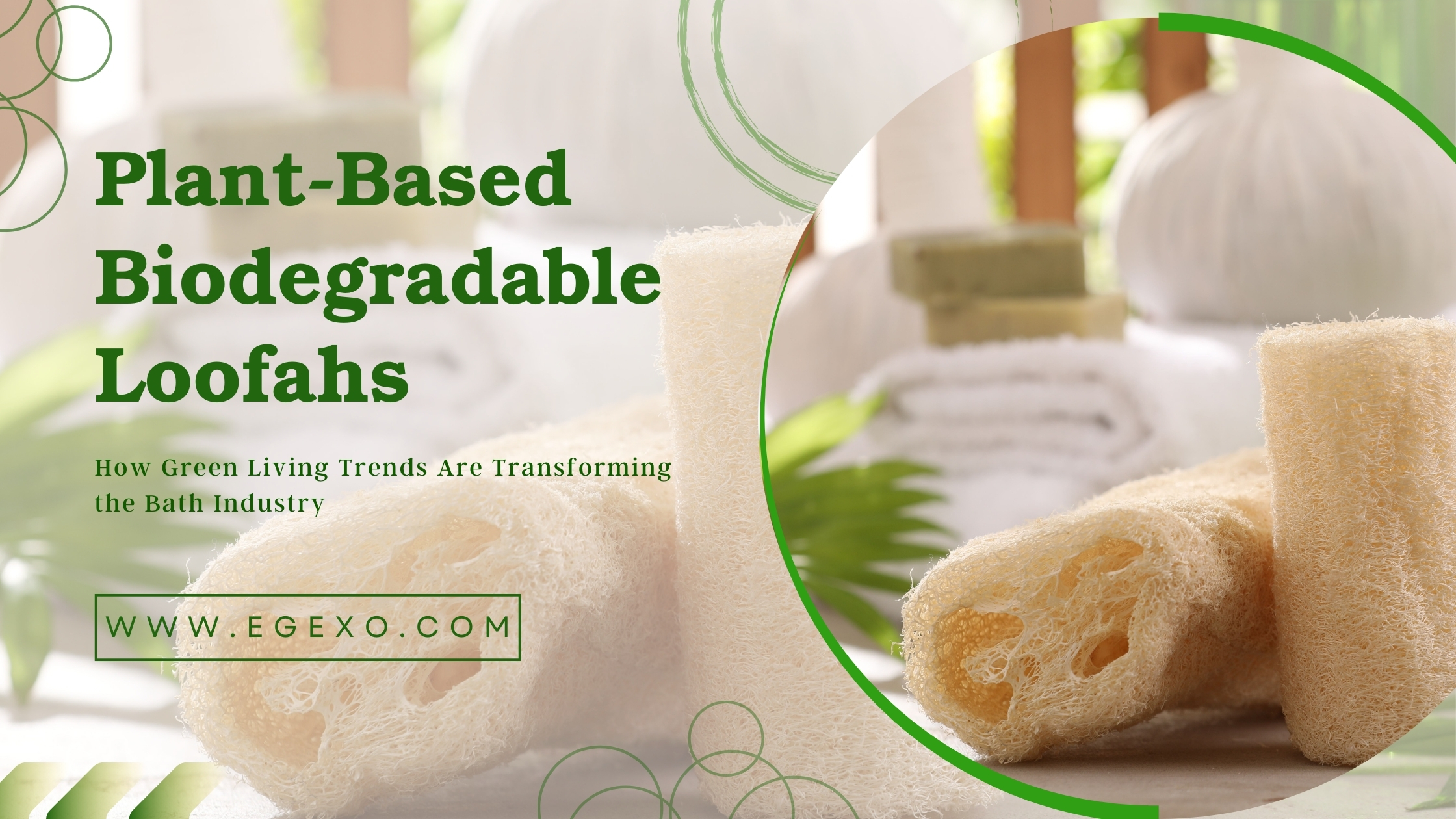
Plant-Based Biodegradable Loofahs: How Green Living Trends Are Transforming the Bath Industry
The global natural personal care market reached 13.2 billion USD in 2024, and plant-based biodegradable loofahs sit at the heart of this explosive growth. Every year, approximately 8 million metric tons of plastic enter our oceans, and consumers worldwide are actively seeking alternatives to synthetic bath products that contribute to this crisis. For spa owners stocking their shelves, retailers building eco-friendly product lines, and individuals making conscious purchasing decisions, understanding this shift toward natural exfoliation products has become essential.
Egyptian loofahs, cultivated from the Luffa aegyptiaca plant, represent the gold standard in biodegradable bath products. Unlike synthetic alternatives that can take hundreds of years to decompose, a natural loofah returns to the earth within 30 days of composting. This single fact has positioned plant-based biodegradable loofahs as the cornerstone product for businesses targeting the environmentally conscious demographic and for consumers who want their daily routines to reflect their values.
This comprehensive guide explores the sustainability revolution driving loofah demand, examines quality considerations for bulk buyers and individual shoppers, and reveals why Egyptian cultivation methods produce superior results. Whether you are sourcing thousands of units for your distribution network or selecting a single loofah for your bathroom, the information ahead will help you make informed decisions rooted in both environmental responsibility and product excellence.
Egexo has cultivated and exported premium Egyptian loofahs for over 25 years, witnessing firsthand how green living trends have reshaped industry demand. Our farm to export process reflects this commitment to sustainable practices from seed to shipment.
The Environmental Case for Natural Loofah Products
The environmental argument for plant-based biodegradable loofahs extends far beyond simple decomposition rates. Understanding the full lifecycle impact helps both business buyers justify their purchasing decisions and consumers appreciate the depth of their positive environmental contribution.
Synthetic Versus Natural Environmental Impact
Plastic mesh poufs and synthetic scrubbers create environmental problems at every stage of their existence. Manufacturing requires petroleum extraction and processing, transportation involves significant carbon emissions due to weight and volume, and disposal creates permanent waste. A single synthetic bath puff can shed thousands of microplastic particles during its lifespan, with these particles ultimately entering waterways and marine ecosystems.
Natural loofahs present a fundamentally different environmental profile. The Luffa aegyptiaca plant absorbs carbon dioxide during its growing season, requires minimal processing after harvest, and biodegrades completely when discarded. Egyptian growing conditions, characterized by abundant sunshine and nutrient-rich Nile Valley soil, produce loofahs that require no synthetic fertilizers or pesticides when cultivated by experienced farmers.
The table below illustrates the stark contrast between these product categories:
| Environmental Factor | Synthetic Bath Products | Plant-Based Biodegradable Loofahs |
|---|---|---|
| Raw Material Source | Petroleum extraction | Renewable plant cultivation |
| Carbon Footprint Production | High energy processing | Low energy sun drying |
| Microplastic Shedding | 50,000 plus particles per use | Zero microplastic release |
| Decomposition Time | 400 to 1000 years | 30 days in compost |
| Ocean Impact | Contributes to marine pollution | Fully marine safe |
| End of Life | Landfill permanent waste | Compostable garden amendment |
| Water Pollution | Chemical leaching possible | No harmful residues |
Carbon Sequestration During Cultivation
A lesser-known benefit of loofah cultivation involves its positive contribution to atmospheric carbon balance. During the four to six month growing season, each loofah plant absorbs approximately 3.7 kilograms of carbon dioxide while releasing oxygen. Commercial loofah farms in Egypt can sequester significant amounts of carbon across their cultivation areas, making the industry carbon negative when sustainable farming practices guide operations.
For wholesale buyers evaluating suppliers, this carbon sequestration story provides powerful marketing material for eco-conscious retail environments. Businesses can legitimately claim their loofah products contributed to carbon reduction before ever reaching the consumer. Individual buyers can feel confident that their purchase supported agricultural practices that benefit rather than harm the atmosphere.
Market Forces Driving Biodegradable Product Demand
The surge in demand for plant-based biodegradable loofahs reflects broader consumer behavior shifts that astute business owners cannot afford to ignore. Understanding these market forces helps retailers and distributors position their product offerings effectively while giving consumers insight into why natural options have become increasingly accessible.
Consumer Sentiment Data
Recent market research reveals compelling statistics about changing consumer preferences. In 2024, 73 percent of global consumers indicated willingness to pay premium prices for sustainable products, up from 66 percent just two years earlier. Among younger demographics, this number climbs even higher, with 83 percent of consumers under 35 actively seeking biodegradable alternatives to plastic household items.
The bath and body sector has experienced particularly strong movement toward natural products. Personal care represents one of the most intimate product categories, and consumers increasingly reject the idea of rubbing petroleum-derived synthetic materials against their skin. This emotional connection to product ingredients has made natural loofahs a gateway purchase for consumers beginning their sustainability journey.
| Market Indicator | 2022 | 2023 | 2024 | Projected 2025 |
|---|---|---|---|---|
| Global Natural Personal Care Market in Billion USD | 10.8 | 11.9 | 13.2 | 14.7 |
| Consumer Preference for Sustainable Bath Products | 58 percent | 64 percent | 73 percent | 79 percent |
| Natural Loofah Import Growth Year over Year | 12 percent | 18 percent | 24 percent | 28 percent |
| Retail Shelf Space Allocated to Eco Products | 15 percent | 19 percent | 24 percent | 30 percent |
| Premium Price Acceptance for Green Products | 66 percent | 69 percent | 73 percent | 77 percent |
Regulatory Environment Changes
Government regulations worldwide increasingly restrict single-use plastics and synthetic materials in consumer products. The European Union has implemented stringent requirements for biodegradability labeling, while several US states have enacted legislation limiting microplastic-shedding products. These regulatory changes create both challenges and opportunities for businesses in the bath product sector.
Forward-thinking retailers and distributors who establish relationships with quality natural loofah suppliers now will find themselves ahead of regulatory curves as restrictions tighten. Egexo maintains documentation and certifications that support compliance with international environmental standards. Our quality standards page details the specifications that meet or exceed regulatory requirements across major markets.
For consumers, understanding that plant-based biodegradable loofahs already comply with emerging environmental regulations provides confidence in their purchasing decisions. Products meeting these standards today will remain available and legal as regulations evolve.
Egyptian Loofah Quality Superiority
Not all natural loofahs deliver equal performance. Geographic origin, cultivation practices, and processing methods dramatically impact the finished product. Egyptian loofahs have earned recognition as the premium choice among knowledgeable buyers and consumers, and understanding why reveals important selection criteria.
Climate and Soil Advantages
Egypt’s Nile Valley provides ideal growing conditions for Luffa aegyptiaca cultivation. The combination of consistent sunshine exceeding 300 days annually, mineral-rich alluvial soil deposited over millennia, and controlled irrigation from the Nile creates loofahs with dense fiber structures and optimal flexibility. These environmental factors cannot be replicated in other growing regions, explaining why Egyptian loofahs command premium positioning in global markets.
The dry climate during harvest season allows for natural sun-curing without artificial heat processing. This gentle drying preserves the cellular structure of loofah fibers, maintaining the scrubbing effectiveness and durability that distinguishes quality products from inferior alternatives. Loofahs dried using industrial methods often become brittle and break down prematurely during use.
Wholesale buyers conducting supplier evaluations should prioritize Egyptian origin when sourcing plant-based biodegradable loofahs. The comprehensive guide at Loofah Guide provides additional educational resources for understanding quality indicators.
Cultivation Expertise Spanning Generations
Egyptian loofah farming knowledge passes through families across generations. Farmers understand precisely when to plant for optimal growth, how to train vines for maximum fruit development, and the exact moment to harvest for peak fiber maturity. This accumulated wisdom cannot be learned from agricultural textbooks or replicated through technology.
Egexo partners with farming families whose loofah cultivation expertise spans over 25 years. This experience translates directly into product consistency that wholesale buyers require for their operations and the quality that individual consumers deserve. When you source Egyptian loofahs through established suppliers, you benefit from generations of agricultural refinement.
Quality Grading Standards
Professional loofah suppliers grade products according to standardized criteria that help buyers select appropriate products for their specific applications. Understanding these grades helps both bulk purchasers specify their requirements and individual consumers select products matching their needs.
| Quality Grade | Fiber Density | Flexibility Rating | Best Applications | Typical Buyer |
|---|---|---|---|---|
| Premium A | 85 to 100 percent | Excellent | Luxury spas and high end retail | Spa owners and premium retailers |
| Standard B | 70 to 84 percent | Very Good | General retail and personal use | Retailers and individual consumers |
| Economy C | 55 to 69 percent | Good | Value market and bulk applications | Discount retailers and industrial |
| Industrial D | Below 55 percent | Variable | Craft and manufacturing components | Manufacturers and crafters |
Egexo supplies all grades to accommodate diverse buyer requirements. Our body loofah category showcases premium options while our full product shop includes selections across the quality spectrum.
Practical Benefits for Daily Use
Beyond environmental considerations, plant-based biodegradable loofahs deliver practical performance advantages that matter in daily use. These benefits resonate with consumers evaluating their bath product options and help retailers communicate value to their customers.
Superior Exfoliation Properties
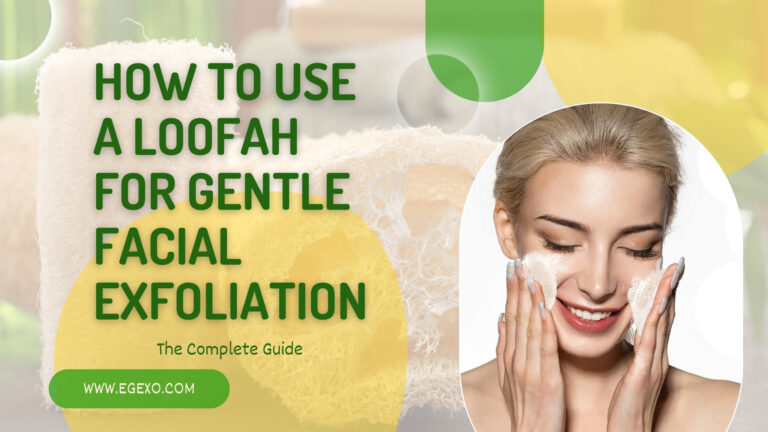
The natural fiber structure of Egyptian loofahs creates an exfoliating surface that synthetic products cannot match. Microscopic examination reveals that loofah fibers feature naturally occurring ridges and texture variations that grip and remove dead skin cells more effectively than uniform synthetic mesh. This enhanced exfoliation promotes skin cell turnover, improves circulation, and helps prevent ingrown hairs.
Users transitioning from synthetic bath products to natural loofahs often notice improved skin texture within two to three weeks of regular use. The natural fibers work with the skin rather than against it, providing thorough cleansing without the irritation that plastic-based products can cause on sensitive skin.
Durability and Longevity
Quality Egyptian loofahs outlast synthetic alternatives significantly when properly maintained. A premium natural loofah with appropriate care delivers excellent performance for three to four months, while synthetic poufs typically require replacement after four to six weeks due to bacterial accumulation and structural breakdown.
This extended lifespan matters for budget-conscious consumers calculating long-term costs and for wholesale buyers managing inventory turnover projections. The durability of plant-based biodegradable loofahs creates value that justifies their positioning in the market.
Proper Care for Maximum Lifespan
Maintaining a natural loofah requires simple practices that maximize product life and hygiene:
| Care Practice | Frequency | Purpose | Result |
|---|---|---|---|
| Rinse thoroughly after use | Every use | Remove soap residue and skin cells | Prevents bacterial growth |
| Shake and squeeze excess water | Every use | Reduce moisture retention | Speeds drying process |
| Hang in ventilated area | Always when not in use | Allow complete air drying | Extends product life |
| Deep clean in boiling water | Weekly | Sanitize fibers | Eliminates bacteria |
| Replace with fresh loofah | Every 3 to 4 months | Maintain hygiene standards | Ensures optimal performance |
Following these simple practices helps consumers extract maximum value from their purchase while maintaining the hygiene standards essential for bath products. For business customers, providing care instructions with retail products reduces customer complaints and builds brand trust.
Business Opportunities in the Green Product Sector
The sustainability trend creates substantial business opportunities for retailers, spa operators, and distributors who position themselves appropriately. Understanding these opportunities helps business decision-makers evaluate their product sourcing strategies.
Retail Margin Analysis
Natural loofah products command higher margins than synthetic alternatives while meeting growing consumer demand. Retailers report average margin improvements of 15 to 25 percent when transitioning shelf space from synthetic to natural bath products. This margin expansion reflects consumer willingness to pay premium prices for sustainable options.
The wholesale pricing structure for plant-based biodegradable loofahs supports profitable retail operations at various scale levels. Wholesale Loofah provides additional resources for businesses evaluating market entry or expansion.
Spa and Wellness Integration
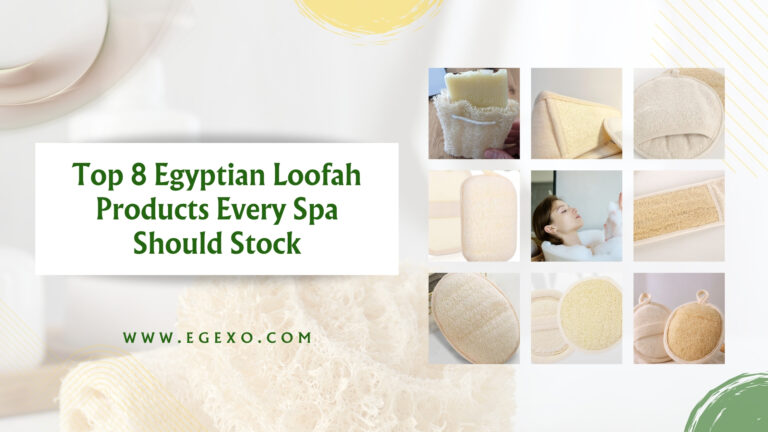
Spa and wellness facilities increasingly feature natural products as core differentiators in their service offerings. Clients seeking spa treatments often prioritize facilities that align with their environmental values, making plant-based biodegradable loofahs essential inventory items for forward-thinking spa operators.
Egexo offers private label manufacturing services that allow spa brands to feature custom-branded natural loofahs. This service enables businesses to build brand recognition while offering environmentally responsible products. Additionally, our custom product design capabilities support development of unique product configurations for specific market requirements.
Minimum Order Considerations
Wholesale buyers evaluating suppliers must understand minimum order quantity requirements and their business implications:
| Order Volume | Typical MOQ | Price Advantage | Best For |
|---|---|---|---|
| Sample Orders | 10 to 50 units | Testing and evaluation | New buyers assessing quality |
| Small Wholesale | 100 to 500 units | 10 to 15 percent below retail | Small retailers and spas |
| Medium Wholesale | 500 to 2000 units | 20 to 30 percent below retail | Established retailers |
| Large Wholesale | 2000 plus units | 35 to 45 percent below retail | Distributors and chains |
| Container Volume | 5000 plus units | Maximum volume pricing | Large importers |
Egexo accommodates buyers across this spectrum. Business customers can request samples to evaluate quality before committing to volume orders, and our team provides quotations customized to specific requirements.
Product Selection Guide
Choosing the right loofah product involves matching intended application with appropriate product characteristics. This guidance serves both individual consumers selecting for personal use and wholesale buyers curating product assortments.
Application-Based Selection
Different loofah products serve different purposes optimally:
| Application | Recommended Product | Key Characteristics | Available From |
|---|---|---|---|
| Daily body exfoliation | Body loofah sponge | Medium texture and flexible | Body loofahs collection |
| Kitchen cleaning | Kitchen loofah scrubber | Dense fiber and sturdy | Kitchen loofah category |
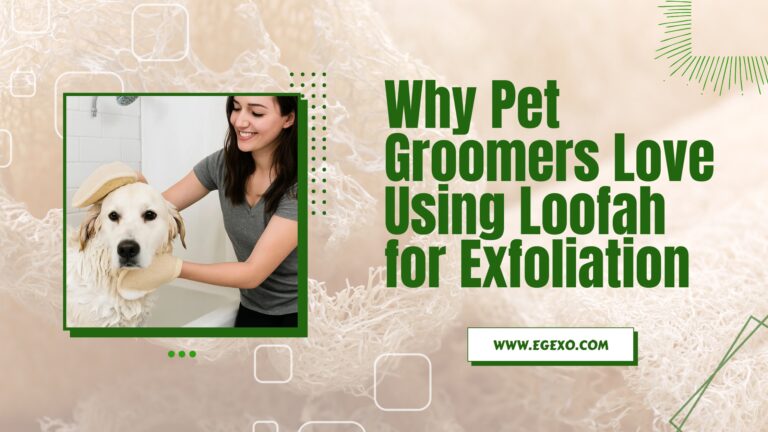
| Pet grooming | Pet grooming loofah | Gentle texture and ergonomic | Pet and spa loofahs |
| Craft and decor projects | Raw loofah material | Unprocessed and natural shape | Raw loofah scrubbers |
| Sensitive skin care | Soft body loofah | Fine fiber and gentle | Body loofahs collection |
Consumer Selection Checklist
Individual buyers should evaluate the following criteria when selecting plant-based biodegradable loofahs:
| Selection Criteria | What to Look For | Why It Matters |
|---|---|---|
| Fiber density | Uniform throughout product | Indicates mature harvest and proper curing |
| Color consistency | Even cream to light tan | Shows natural processing without bleaching |
| Flexibility | Bends without cracking when dry | Demonstrates quality fiber structure |
| Smell | Neutral to slightly earthy | Confirms absence of mold or chemical treatment |
| Weight | Substantial but not heavy | Reflects proper density and drying |
| Origin documentation | Egyptian source verified | Ensures premium growing conditions |
Expert Insight from Egexo
Our cultivation specialists have observed that the finest plant-based biodegradable loofahs come from fruits harvested at precisely 85 to 90 days of maturity. Harvesting too early produces loofahs with underdeveloped fiber networks that lack durability. Harvesting too late results in overly rigid fibers that can feel harsh against skin.
This narrow harvest window requires experienced farmers who recognize the visual and tactile indicators of optimal maturity. At Egexo, we work exclusively with growers who possess this expertise, ensuring every loofah reaching our customers represents the ideal balance of effectiveness and gentleness. Our 25 years of export experience have taught us that quality begins in the field, and no amount of processing can compensate for improper harvest timing.
When evaluating suppliers, ask about their harvest protocols and farmer relationships. Suppliers who cannot speak specifically to cultivation practices may source from less experienced growers, resulting in inconsistent quality that affects both consumer satisfaction and business reputation.
FAQ Section
Q: How long do plant-based biodegradable loofahs last compared to synthetic alternatives?
A: Quality Egyptian plant-based biodegradable loofahs typically last three to four months with proper care, while synthetic bath poufs often require replacement after just four to six weeks. The natural fiber structure of loofahs resists breakdown better than synthetic mesh, and proper drying between uses prevents the bacterial buildup that shortens product life. This extended durability makes natural loofahs more cost-effective despite higher initial purchase prices.
Q: What minimum order quantities should wholesale buyers expect when sourcing natural loofahs?
A: Minimum order quantities for plant-based biodegradable loofahs vary by supplier and product type. Most established suppliers offer sample orders of 10 to 50 units for quality evaluation. Small wholesale orders typically start at 100 to 500 units, while significant price advantages begin at volumes exceeding 2000 units. Egexo accommodates orders across all volume levels and encourages buyers to request samples before committing to large purchases.
Q: Are natural loofahs sanitary for regular use?
A: Plant-based biodegradable loofahs are sanitary when users follow basic care practices. Rinsing thoroughly after each use, allowing complete air drying between uses, and performing weekly sanitization in boiling water maintains excellent hygiene. The natural antimicrobial properties of dried plant fibers actually resist bacterial growth better than porous synthetic materials. Replacement every three to four months ensures ongoing hygiene standards.
Q: Why are Egyptian loofahs considered superior to those from other regions?
A: Egyptian loofahs benefit from ideal growing conditions including over 300 sunny days annually, mineral-rich Nile Valley soil, and generations of cultivation expertise. These factors produce loofahs with dense, flexible fiber structures that outperform products from regions with less favorable conditions. The dry Egyptian climate also allows natural sun-curing that preserves fiber integrity better than artificial drying methods used elsewhere.
Q: How do retailers price natural loofahs for profitable margins?
A: Retailers typically achieve 15 to 25 percent higher margins on plant-based biodegradable loofahs compared to synthetic alternatives. Consumer willingness to pay premium prices for sustainable products supports strong markup structures. Wholesale pricing at volume allows retailers to position natural loofahs competitively while maintaining healthy profits. Most successful retailers emphasize the environmental and quality benefits that justify premium positioning.
Q: Can natural loofahs be used for purposes beyond bathing?
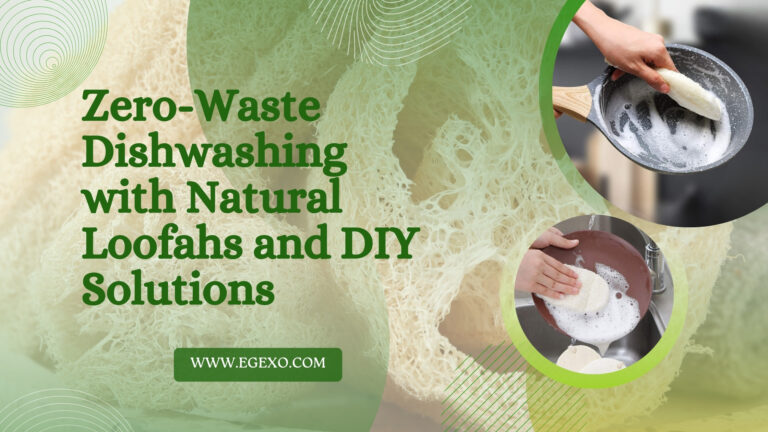
A: Plant-based biodegradable loofahs serve numerous applications beyond body exfoliation. Kitchen scrubbers made from loofah effectively clean dishes and surfaces without scratching. Pet grooming loofahs provide gentle coat cleaning for dogs and horses. Gardeners use loofah scrubbers for cleaning tools and pots. Craft applications include decorative projects, soap making embedments, and even acoustic panels. This versatility creates opportunities for retailers to expand loofah product offerings across multiple categories.
Q: What certifications should buyers look for when sourcing natural loofahs?
A: Quality-conscious buyers should verify that suppliers can provide documentation of organic cultivation practices, export certifications from origin countries, and compliance with import requirements for destination markets. Egyptian export documentation, phytosanitary certificates, and quality grading records indicate professional supplier operations. Egexo maintains comprehensive documentation supporting buyer compliance requirements across North American, European, and Asian markets.
Conclusion
The shift toward plant-based biodegradable loofahs represents more than a passing trend. It reflects fundamental changes in how both businesses and consumers approach product sustainability. From the environmental benefits of natural cultivation to the superior performance characteristics of Egyptian loofahs, the case for choosing biodegradable bath products has never been stronger.
For wholesale buyers, establishing relationships with quality Egyptian suppliers positions businesses advantageously as sustainability regulations tighten and consumer demand grows. For individual consumers, selecting natural loofahs aligns daily routines with environmental values while delivering better results than synthetic alternatives.
Key Takeaways:
- Plant-based biodegradable loofahs decompose in 30 days versus 400 to 1000 years for synthetic alternatives
- Egyptian growing conditions produce the highest quality loofahs available globally
- Consumer preference for sustainable products has reached 73 percent and continues climbing
- Natural loofahs outlast synthetic products by two to three times with proper care
- Wholesale margins on natural loofahs exceed synthetic alternatives by 15 to 25 percent
- Quality grading standards help buyers select appropriate products for their needs
Ready to source premium Egyptian loofahs?
For Wholesale Buyers: Request a detailed quotation or download our complete product catalog to explore our full range. Contact our export team to discuss your specific requirements.
For Individual Orders: Browse our shop or request samples to experience Egyptian loofah quality firsthand.