


Natural Loofah Sponges: The Complete Guide to Egyptian Quality and Sustainable Bathing Solutions
Every year, over 500 million synthetic bath sponges end up in landfills worldwide, taking hundreds of years to decompose. Meanwhile, a remarkable plant-based alternative has been cultivated in the fertile Nile Delta for thousands of years, offering a completely biodegradable solution that naturally decomposes within 30 days. Natural loofah sponges represent more than just an eco-friendly bath accessory. They embody a sustainable industry that supports agricultural communities, reduces plastic waste, and delivers superior exfoliation benefits that synthetic alternatives simply cannot match.
Whether you’re a spa owner evaluating bulk suppliers for your facility, a retailer searching for premium natural products to stock your shelves, or a conscious consumer seeking effective and sustainable bathing solutions, understanding what makes authentic natural loofah sponges exceptional becomes essential. The global natural bath products market has grown by 47 percent since 2020, with loofah sponges leading the category as consumers and businesses alike prioritize environmental responsibility without compromising quality.
This comprehensive guide explores everything about natural loofah sponges, from their ancient origins in Egyptian agriculture to modern quality standards that define premium products. You’ll discover how to identify superior loofah quality, understand the cultivation and processing methods that impact performance, evaluate suppliers for wholesale purchasing, and implement these versatile natural sponges in both commercial and personal settings. With over 25 years of loofah cultivation expertise in Egypt’s premier growing regions, we’ll share insights that help you make informed decisions about sourcing, using, and benefiting from authentic natural loofah sponges.
Understanding Natural Loofah Sponges: From Ancient Origins to Modern Applications
Natural loofah sponges come from the luffa cylindrica plant, a member of the cucumber family that thrives in warm climates with consistent irrigation. Despite common misconceptions, these remarkable sponges are not sea creatures but rather the fibrous interior network of mature gourd fruits. The luffa plant produces elongated fruits that, when properly cultivated and processed, reveal an intricate matrix of cellulose fibers that create the perfect natural exfoliating tool.
Egypt’s Nile Delta region has emerged as the world’s premier source for premium natural loofah sponges due to unique environmental conditions. The combination of mineral-rich soil, controlled irrigation from the Nile’s tributaries, consistent temperatures between 25-35 degrees Celsius during growing season, and generations of agricultural expertise creates loofah sponges with exceptional fiber density and durability. Egyptian loofah sponges typically contain 30-40 percent more fiber density compared to loofahs grown in other regions, resulting in longer-lasting products with superior exfoliating properties.
The cultivation process requires precise timing and expertise developed over centuries. Farmers plant luffa seeds in early spring, allowing the vines to climb specially constructed trellises that can reach heights of 3-4 meters. The plants require consistent watering throughout their 150-180 day growing cycle, with careful monitoring to prevent diseases that can compromise fiber quality. When fruits reach optimal maturity, indicated by the skin beginning to turn from green to yellow-brown, experienced harvesters select specimens that meet strict size and firmness criteria.
Processing transforms the harvested gourds into the natural loofah sponges recognized worldwide. Traditional Egyptian methods involve soaking mature gourds in water for 3-5 days to loosen the outer skin, followed by careful peeling that preserves the delicate fiber structure underneath. Workers then remove seeds from the interior cavity, wash the fiber network multiple times to eliminate plant residue, and sun-dry the loofahs for 7-10 days until they achieve the ideal moisture content of 8-12 percent. This meticulous process, refined over generations, produces natural loofah sponges with consistent quality and performance characteristics.
Modern applications for natural loofah sponges extend far beyond traditional bathing. The wholesale market has expanded dramatically as businesses discover innovative uses across multiple industries. Spa facilities incorporate loofah treatments in exfoliation services and body scrub packages. Hotels and resorts provide natural loofah sponges as premium bathroom amenities that align with sustainability initiatives. Retailers stock various loofah products from back scrubbers to facial pads, meeting consumer demand for eco-friendly alternatives. The food service industry uses loofah scrubbers for vegetable cleaning and dish washing, while pet grooming businesses employ gentle loofah products for animal care.
For individual consumers, natural loofah sponges offer practical benefits that synthetic alternatives cannot replicate. The natural fiber structure provides mechanical exfoliation that removes dead skin cells without chemical additives or microplastics. The porous network creates rich lather with minimal soap or body wash, reducing product consumption by up to 40 percent compared to synthetic sponges or washcloths. The antimicrobial properties inherent in natural plant fibers help inhibit bacterial growth when properly maintained. Perhaps most importantly, natural loofah sponges completely biodegrade at end of life, contributing to compost rather than pollution.
Understanding these fundamentals helps both wholesale buyers and end users appreciate what distinguishes premium natural loofah sponges from inferior products. Quality begins in the field with proper cultivation practices and continues through processing methods that preserve fiber integrity. Egyptian loofah sponges have earned their reputation through consistent adherence to standards that prioritize both performance and sustainability. For those interested in the complete journey from cultivation to export, our detailed farm to export process documentation provides transparency into every production stage.
Quality Standards and Grading: Identifying Premium Natural Loofah Sponges
The natural loofah industry lacks universal quality standards, making supplier evaluation crucial for wholesale buyers and informed purchasing essential for consumers. Premium Egyptian suppliers implement rigorous grading systems based on measurable characteristics that directly impact performance and longevity. Understanding these quality indicators helps you distinguish exceptional natural loofah sponges from inferior products that fail to deliver expected benefits.
Fiber density represents the most critical quality factor in natural loofah sponges. High-density loofahs contain more cellulose fibers per cubic centimeter, creating a tighter network that provides better exfoliation and withstands repeated use. Premium grade Egyptian loofahs typically measure 0.08-0.12 grams per cubic centimeter, while lower grades may measure only 0.04-0.06 grams per cubic centimeter. This density difference translates directly to durability, with premium loofahs lasting 8-12 weeks under daily use compared to 3-4 weeks for lower density alternatives. Wholesale buyers should request density specifications and physical samples to verify supplier claims.
Size consistency matters significantly for commercial applications and consumer satisfaction. Professional suppliers categorize natural loofah sponges into standardized size grades that enable accurate inventory management and appropriate product selection. Extra large specimens measuring 45-60 centimeters serve back scrubber applications and spa treatments. Large grade loofahs of 30-40 centimeters work perfectly for body washing and shower use. Medium sizes between 18-25 centimeters suit facial care and targeted exfoliation. Small loofahs under 15 centimeters provide precise application for hands, feet, and delicate areas. Consistent sizing within each grade prevents the frustration of receiving mixed batches that complicate product development and customer expectations.
Color uniformity indicates proper processing and absence of contaminants. Natural loofah sponges should display consistent beige to light brown coloring throughout the fiber network, without dark spots, green patches, or irregular discoloration. Variations in color often signal incomplete processing, mold presence, or inferior growing conditions that affect performance. Premium suppliers implement quality control protocols that reject discolored specimens before packaging. Some suppliers offer bleached white loofahs for specific market preferences, though natural beige color generally indicates minimal processing that preserves fiber strength. At Egexo, our quality standards ensure every loofah meets strict color consistency requirements before receiving approval for distribution.
Fiber texture directly impacts user experience and exfoliation effectiveness. Premium natural loofah sponges exhibit firm but flexible fibers that soften appropriately when wet while maintaining structural integrity. The fiber network should feel slightly coarse when dry but not brittle or crumbly. When moistened, quality loofahs become pliable without becoming mushy or losing their shape. Inferior loofahs often display overly soft fibers that lack exfoliating capability or excessively rigid fibers that feel harsh against skin. The ideal texture balance requires proper harvest timing and expert processing techniques.
Seed removal completeness affects both aesthetics and functionality. Professional processing removes all seeds from the interior cavity, leaving clean channels throughout the loofah structure. Remaining seeds create hard spots that can cause discomfort during use and indicate rushed or inadequate processing. Wholesale buyers should examine sample cross-sections to verify thorough seed removal. This attention to detail separates premium suppliers from mass-market producers who prioritize speed over quality.
Structural integrity determines product lifespan and return on investment. Quality natural loofah sponges maintain their shape through repeated wet-dry cycles without developing tears, weak spots, or fiber separation. Testing involves saturating the loofah, squeezing firmly to remove water, and inspecting for damage after multiple repetitions. Premium specimens withstand this stress without deterioration, while inferior products show fiber breakage or structural collapse. For commercial buyers planning private label programs, our custom loofah product design services include durability testing that ensures your branded products meet performance expectations.
The following table compares quality grades across measurable characteristics:
| Quality Grade | Fiber Density | Average Lifespan | Color Consistency | Typical Applications | Price Category |
|---|---|---|---|---|---|
| Premium Grade | 0.10-0.12 g/cm³ | 10-12 weeks daily use | Uniform light beige | Luxury spas, high-end retail, private label | Top tier |
| Standard Grade | 0.08-0.10 g/cm³ | 6-8 weeks daily use | Consistent beige to tan | Hotels, retail stores, wholesale distribution | Mid range |
| Commercial Grade | 0.06-0.08 g/cm³ | 4-6 weeks daily use | Some variation acceptable | Budget retail, promotional items | Economy |
| Basic Grade | 0.04-0.06 g/cm³ | 2-4 weeks daily use | Variable coloring | Mass market, single-use scenarios | Budget |
For wholesale buyers, establishing minimum acceptable quality standards protects your business reputation and customer satisfaction. Request detailed specifications including fiber density measurements, size tolerances, color standards, and processing protocols. Order sample batches from multiple suppliers before committing to large orders. Test samples through actual use scenarios relevant to your market. Document performance results to guide supplier selection. Verify that suppliers maintain consistent quality across shipments through periodic random testing.
Individual consumers can apply simplified quality assessment when purchasing natural loofah sponges. Examine the product for uniform color without dark spots or mold indicators. Squeeze the loofah to test fiber resilience, looking for firm but flexible response. Check for complete seed removal by inspecting interior cavities. Avoid products with chemical odors that indicate excessive processing or additives. Choose appropriately sized loofahs for intended applications rather than assuming larger always means better value.
Certifications provide additional quality assurance for both buyers and consumers. Organic certifications verify cultivation without synthetic pesticides or fertilizers. Food safety certifications matter for kitchen loofah applications. ISO quality management certifications demonstrate systematic quality control processes. Export certifications confirm compliance with international standards. While certifications add value, they should supplement rather than replace physical quality evaluation. Our comprehensive loofah quality standards documentation details the rigorous testing protocols we implement to ensure every shipment meets or exceeds international benchmarks.
Premium natural loofah sponges command higher prices that reflect superior cultivation, processing, and quality control investments. For wholesale buyers, the cost differential typically represents 15-30 percent between premium and basic grades. However, the extended lifespan, improved performance, and reduced customer complaints often deliver better overall value despite higher unit costs. Calculating cost per use rather than cost per unit reveals the true economic advantage of premium quality. For consumers, investing in quality natural loofah sponges provides better exfoliation results and longer replacement intervals that offset the modest price increase.
Health Benefits and Skin Care Advantages of Natural Loofah Sponges
Natural loofah sponges deliver multiple health and skin care benefits that extend beyond simple cleansing. The unique fiber structure and natural composition create advantages that synthetic alternatives cannot replicate, making these plant-based sponges valuable tools for both therapeutic applications and daily hygiene routines. Understanding these benefits helps spa professionals recommend appropriate treatments, enables retailers to educate customers effectively, and empowers individuals to maximize results from their bathing routines.
Exfoliation represents the primary benefit that makes natural loofah sponges popular worldwide. The firm yet flexible fibers provide mechanical exfoliation that removes dead skin cells, revealing the fresher, healthier skin underneath. This natural sloughing process occurs without harsh chemicals or abrasive particles that can cause micro-tears in skin tissue. Regular exfoliation with quality natural loofah sponges stimulates cellular turnover, promoting skin renewal at rates up to 25 percent faster than cleansing without exfoliation. The result appears as smoother texture, more even tone, and improved radiance that becomes visible within 2-3 weeks of consistent use.
Improved circulation follows naturally from the massaging action of using natural loofah sponges. The textured surface stimulates blood flow to skin surface as you scrub, delivering increased oxygen and nutrients to skin cells. Enhanced circulation supports healthy skin function, aids in toxin removal through lymphatic drainage, and creates the healthy glow associated with vigorous bathing. Spa facilities incorporate loofah treatments specifically for these circulatory benefits, often combining them with aromatherapy and hydrotherapy for comprehensive wellness experiences. For individual users, spending an extra 2-3 minutes with gentle circular loofah motions during bathing provides noticeable improvements in skin vitality.
Keratosis pilaris management represents a specific therapeutic application where natural loofah sponges prove particularly effective. This common condition creates rough, bumpy texture on upper arms, thighs, and other areas due to keratin buildup in hair follicles. Regular gentle exfoliation with natural loofahs helps reduce these bumps by preventing follicle blockage and removing accumulated keratin. Dermatologists frequently recommend natural loofah use as part of keratosis pilaris treatment protocols, typically suggesting application 2-3 times weekly with moisturizer immediately after bathing. The natural fiber texture provides optimal exfoliation intensity for this condition without the irritation that synthetic scrubbers can cause.
Ingrown hair prevention benefits both men and women who struggle with this uncomfortable condition. The exfoliating action of natural loofah sponges removes dead skin cells that can trap growing hairs beneath the surface. Using a loofah before shaving prepares skin by lifting hairs and clearing follicle openings, allowing cleaner cuts that reduce ingrown hair formation. Post-shaving loofah use, done gently after allowing 24 hours for skin recovery, helps prevent new ingrown hairs by maintaining clear follicle pathways. Barbers and aestheticians often recommend natural loofahs to clients experiencing chronic ingrown hair issues.
Body acne improvement occurs through the pore-cleansing action of natural loofah sponges. The fibers reach into enlarged pores to remove oil, dirt, and bacteria that contribute to breakouts on back, chest, and shoulders. Regular use helps prevent the buildup that leads to clogged pores and inflammatory acne. However, proper technique matters significantly. Using gentle pressure with thorough rinsing prevents spreading bacteria across skin surface. Those with active breakouts should consult healthcare providers before implementing loofah routines, as aggressive scrubbing can worsen inflammation. For prevention and maintenance of clear skin, natural loofahs offer effective mechanical cleansing that complements appropriate topical treatments.
Self-tanning preparation represents a beauty application where natural loofah sponges prove essential. Professional spray tan technicians and individuals applying self-tanning products both rely on thorough exfoliation for even, streak-free results. Using a natural loofah sponge 24 hours before tanning application removes dead skin cells that can cause patchy absorption and premature fading. Special attention to dry areas like elbows, knees, and ankles creates uniform texture for consistent color development. The investment in proper preparation translates directly to better tanning results that last 3-4 days longer than application without exfoliation.
Moisturizer absorption enhancement occurs when regular loofah exfoliation removes the barrier of dead cells that prevents optimal product penetration. After removing this layer, moisturizers, serums, and treatment products absorb more effectively into living skin cells where they deliver intended benefits. Users typically notice that lotions feel lighter and absorb faster after exfoliating with natural loofahs, while seeing better hydration results from the same products. This enhanced absorption means you can potentially use less product to achieve desired results, offsetting the cost of quality natural loofah sponges through reduced moisturizer consumption.
The following table outlines proper usage protocols for different skin types and concerns:
| Skin Type/Concern | Recommended Frequency | Pressure Level | Special Considerations | Best Results Timeline |
|---|---|---|---|---|
| Normal Skin | 3-4 times weekly | Moderate, circular motions | Use with gentle cleanser, moisturize after | 2-3 weeks for visible improvement |
| Sensitive Skin | 1-2 times weekly | Light, gentle strokes | Soften loofah thoroughly, test small area first | 4-6 weeks with gentle approach |
| Dry Skin | 2-3 times weekly | Light to moderate | Follow immediately with rich moisturizer | 3-4 weeks with consistent hydration |
| Oily Skin | 4-5 times weekly | Moderate to firm | Focus on problem areas, use clarifying cleanser | 2-3 weeks for oil balance |
| Keratosis Pilaris | 2-3 times weekly | Gentle, consistent | Apply moisturizer with urea or lactic acid after | 6-8 weeks for noticeable reduction |
| Body Acne | 3-4 times weekly | Light, non-irritating | Avoid active breakouts, use antibacterial wash | 4-6 weeks with proper skincare routine |
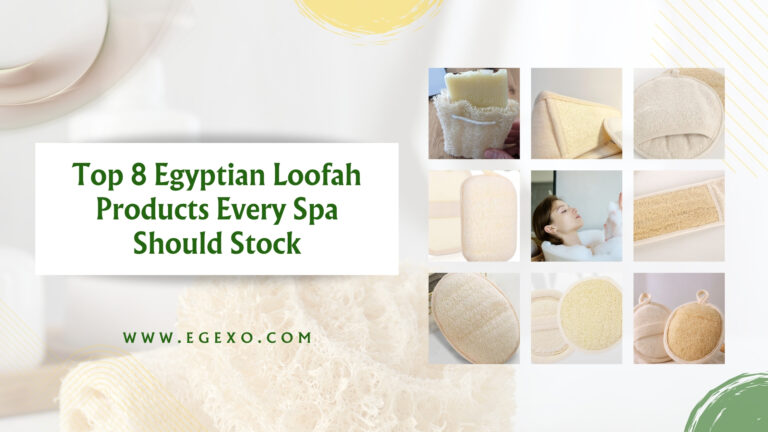
For spa professionals and wellness facilities, incorporating natural loofah treatments creates upselling opportunities while delivering genuine client benefits. Signature scrub treatments combine quality loofahs with specialty cleansers, essential oils, and moisturizing applications for comprehensive skin renewal experiences. Retail sales of premium natural loofah sponges provide take-home options that extend treatment benefits between spa visits. Educational materials explaining proper techniques and benefits position your facility as a trusted wellness resource while building long-term client relationships. Our body and spa loofah collection offers professional-grade options specifically selected for commercial therapeutic applications.
Individual consumers maximize benefits by establishing consistent routines rather than sporadic use. Begin with 2-3 times weekly if new to exfoliation, gradually increasing frequency based on skin response. Always wet the natural loofah thoroughly before use, allowing fibers to soften for 30-60 seconds under warm water. Apply your preferred cleanser directly to the loofah or to wet skin, then use gentle circular motions across body surfaces. Pay special attention to rough areas like elbows, knees, and heels that benefit from extra exfoliation. Rinse thoroughly after use and hang your loofah to air dry completely between uses to prevent bacterial growth.
Natural antimicrobial properties inherent in plant-based fibers provide hygiene advantages over synthetic alternatives. Research demonstrates that natural cellulose fibers resist bacterial colonization more effectively than synthetic materials when properly maintained. The porous structure allows thorough drying that prevents the moist environment where bacteria thrive. However, proper care remains essential. Rinse your natural loofah sponge thoroughly after each use to remove soap residue, skin cells, and other debris. Allow complete air drying in well-ventilated areas rather than enclosed shower caddies. Sanitize weekly by soaking in diluted vinegar solution or running through dishwasher cycles for those comfortable with this method.
Replacement timing affects both hygiene and performance benefits. Most natural loofah sponges require replacement every 3-4 weeks with daily use, or 6-8 weeks with less frequent application. Visual indicators include darkening color, persistent odors despite cleaning, visible mold growth, or deteriorating fiber structure. Businesses providing loofah amenities should establish systematic replacement schedules that ensure guests always receive fresh products. Individual consumers should mark purchase dates or establish calendar reminders to maintain optimal hygiene standards.
Sustainable Environmental Impact: Why Natural Loofah Sponges Matter for Our Planet
The environmental crisis facing our planet demands immediate action across all industries and consumer choices. Single-use plastics and synthetic materials dominate bathroom products, contributing substantially to pollution that harms ecosystems and human health. Natural loofah sponges offer a compelling alternative that aligns business success with environmental responsibility, providing consumers with effective products while supporting regenerative agriculture and zero-waste principles.
Plastic pollution from synthetic bath sponges represents a largely invisible environmental disaster. Conventional polyurethane and nylon sponges shed microplastic particles throughout their lifespan, releasing an estimated 300-400 microplastic fragments per use that flow through drainage systems into waterways. These microscopic pollutants accumulate in oceans, rivers, and soil, entering food chains and ultimately human bodies. Studies now detect microplastics in human blood, organs, and placental tissue, with health implications still being researched. Every synthetic sponge disposed in landfills persists for 500-1000 years, breaking down into progressively smaller plastic particles that contaminate soil and groundwater. The aggregate impact of billions of synthetic sponges used globally creates pollution loads that future generations will inherit.
Natural loofah sponges present a dramatically different environmental profile. These plant-based products consist entirely of organic cellulose fibers that biodegrade completely within 30 days in composting conditions or 90-180 days in landfill environments. Rather than persisting as pollution, natural loofahs break down into organic matter that enriches soil and supports plant growth. The contrast becomes stark when comparing lifecycle impacts. A single natural loofah sponge that replaces 3-4 synthetic alternatives prevents approximately 450 grams of plastic waste from entering the environment. Scaling this to commercial operations, a 100-room hotel switching from synthetic to natural loofahs eliminates over 540 kilograms of plastic waste annually.
Carbon footprint analysis reveals additional environmental advantages of natural loofah sponges. The luffa plant actively sequesters atmospheric carbon dioxide throughout its 5-6 month growing cycle, removing approximately 4-6 kilograms of CO2 per plant while producing oxygen as a byproduct. This carbon sequestration partially offsets emissions from processing and transportation. In contrast, synthetic sponge manufacturing requires petroleum-derived materials processed through energy-intensive chemical procedures that generate substantial greenhouse gas emissions. Lifecycle assessment studies consistently demonstrate 60-75 percent lower carbon footprints for natural loofah products compared to synthetic equivalents when measuring from raw material extraction through end-of-life disposal.
Water quality protection follows naturally from choosing natural loofah sponges. Synthetic sponges release chemical residues from dyes, plasticizers, and antimicrobial additives throughout their use, contributing to water pollution that affects aquatic ecosystems and drinking water quality. Natural loofahs contain no synthetic chemicals, releasing only organic plant matter that breaks down harmlessly in wastewater treatment systems. For businesses operating in ecologically sensitive areas or regions with stressed water resources, this distinction supports environmental stewardship goals and regulatory compliance.
Regenerative agriculture practices employed in quality loofah cultivation actively improve rather than degrade the land. Egyptian loofah farmers implement crop rotation that prevents soil depletion, integrate organic fertilizers that build soil health, maintain biodiversity through intercropping systems, and use efficient irrigation that conserves water resources. These practices contrast sharply with extractive industries that mine petroleum for synthetic material production, leaving environmental damage that persists for decades. Supporting natural loofah production channels economic resources toward agricultural systems that heal ecosystems while producing valuable products. Our farm to export process documentation details the sustainable farming practices we support throughout our Egyptian supplier network.
Economic benefits for farming communities add social sustainability to environmental advantages. Loofah cultivation provides reliable income for smallholder farmers in rural Egyptian communities where economic opportunities remain limited. The crop requires moderate initial investment, integrates well with existing agricultural systems, and provides returns that support family livelihoods and community development. By choosing natural loofah sponges from ethical suppliers, businesses and consumers support economic justice alongside environmental protection, creating comprehensive sustainability that addresses both ecological and social dimensions.
Waste reduction potential extends throughout product lifecycles. Natural loofah sponges require minimal packaging compared to synthetic alternatives, typically using simple paper or cardboard rather than plastic clamshells and excessive wrapping. At end of life, natural loofahs offer multiple disposal options beyond landfills. Home composting transforms used loofahs into nutrient-rich soil amendment within weeks. Municipal green waste programs accept natural loofahs where available. Some users repurpose worn loofahs for cleaning tasks, extending useful life before final disposal. This flexibility contrasts with synthetic sponges that offer only landfill disposal as a realistic option for most consumers.
The following table compares environmental impacts across key metrics:
| Impact Category | Natural Loofah Sponges | Synthetic Sponges | Environmental Advantage |
|---|---|---|---|
| Biodegradation Time | 30-90 days in compost | 500-1000 years in landfill | 95% faster decomposition |
| Microplastic Release | Zero particles | 300-400 particles per use | Complete elimination of microplastics |
| Carbon Footprint | Low, partially offset by growing | High from petroleum processing | 60-75% reduction in emissions |
| End-of-Life Options | Compost, green waste, repurpose | Landfill only | Multiple sustainable disposal paths |
| Chemical Pollution | None | Dyes, plasticizers, additives | Zero chemical release to waterways |
| Agricultural Impact | Supports regenerative farming | Extractive petroleum industry | Builds rather than depletes resources |
For wholesale buyers, sustainability positioning creates competitive advantages in markets where consumers increasingly prioritize environmental responsibility. Retailers report that natural bath products command 15-25 percent price premiums while experiencing 30-40 percent faster inventory turnover compared to conventional alternatives. Hotel chains implementing sustainability programs enhance brand reputation and meet corporate environmental goals through natural amenity selections. Spa facilities attract environmentally conscious clients by featuring natural products in treatments and retail offerings. Distributors serving eco-focused retailers gain access to growing market segments that reject businesses without strong sustainability credentials.
Communicating environmental benefits requires accuracy and transparency to avoid greenwashing accusations that damage credibility. Focus on specific, verifiable claims such as biodegradation timelines, plastic waste reduction, and carbon footprint data. Share information about sourcing practices, farming methods, and processing approaches that minimize environmental impact. Provide disposal instructions that help consumers realize environmental benefits through proper end-of-life handling. Avoid vague terms like eco-friendly without supporting details that substantiate claims. Our private labeling services include packaging design support that communicates sustainability credentials effectively while maintaining marketing compliance.
Individual consumers drive environmental impact through purchasing decisions that shape market demand. Each natural loofah sponge purchase represents a vote for sustainable production systems and against plastic pollution. Extending product lifespan through proper care maximizes environmental benefits by reducing replacement frequency. Proper disposal through composting or green waste programs completes the circular lifecycle that defines truly sustainable products. Sharing experiences with natural loofahs through social networks and reviews encourages others to make similar switches, multiplying individual impact through community influence.
Businesses seeking comprehensive sustainability programs should view natural loofah adoption as one component of broader environmental strategies. Combine natural loofah procurement with other sustainable bath products including organic soaps, biodegradable packaging, water conservation fixtures, and energy-efficient operations. Measure and report environmental impacts to demonstrate genuine commitment beyond marketing claims. Engage employees in sustainability initiatives to build internal support and generate innovative ideas. Partner with suppliers who share environmental values and maintain transparent supply chains. These integrated approaches deliver authentic sustainability that resonates with increasingly sophisticated consumers while generating meaningful environmental benefits.
Wholesale Sourcing Guide: Selecting the Right Natural Loofah Supplier
Supplier selection represents one of the most critical decisions for businesses entering or expanding in the natural loofah market. The right partnership ensures consistent product quality, reliable delivery schedules, competitive pricing, and support for your business growth. Poor supplier choices result in quality inconsistencies that damage customer relationships, delivery failures that disrupt operations, hidden costs that erode profitability, and limited flexibility that constrains product development. Understanding key evaluation criteria and implementing systematic selection processes protects your investment while positioning your business for success.
Production capacity determines whether suppliers can meet your volume requirements as your business scales. Small operations with limited cultivation areas cannot fulfill large or growing orders without compromising quality or delivery schedules. Professional suppliers maintain sufficient production capacity through direct farm ownership, established networks of contract growers, or verified supply chain relationships that ensure consistent availability. Request specific information about annual production volumes, processing capacity, inventory levels for immediate fulfillment, and scalability for seasonal demand fluctuations. Quality suppliers provide transparent capacity information and honestly communicate limitations rather than over-promising capabilities they cannot deliver.
Quality control systems separate professional suppliers from commodity brokers who prioritize volume over standards. Comprehensive quality programs include field inspection protocols during cultivation, harvest timing standards based on maturity indicators, processing procedures that preserve fiber integrity, multi-stage inspection checkpoints before packaging, and documented specifications for each product grade. Request detailed information about quality control processes and ask for supporting documentation such as inspection checklists, testing procedures, and rejection rate data. Consider visiting production facilities when feasible to observe quality systems in action. At Egexo, we maintain ISO-compliant quality management systems that track every batch from field harvest through final shipment, ensuring consistent standards across all orders.
Export experience affects order fulfillment reliability and regulatory compliance. Suppliers experienced in international trade understand documentation requirements, shipping logistics, customs procedures, and regulatory standards for destination markets. They maintain relationships with reliable freight forwarders, provide accurate commercial invoices and packing lists, arrange appropriate insurance coverage, and resolve shipping issues efficiently. Inexperienced suppliers often encounter delays from documentation errors, packaging inadequate for long-distance transport, or unfamiliarity with import regulations that cause customs holds. Verify export history by requesting references from international clients and reviewing feedback on trade platforms.
Product range flexibility enables you to serve diverse market segments without managing multiple supplier relationships. Comprehensive suppliers offer various sizes from small facial pads to extra-large back scrubbers, different formats including whole loofahs and pre-cut pieces, specialty products such as loofah gloves and soap-embedded options, and custom development capabilities for unique applications. This breadth allows testing new product concepts, responding to market opportunities, and building complete product lines under unified quality standards. Limited suppliers force you to either restrict your offerings or manage complex multi-supplier operations that increase administrative burden and quality variability.
Minimum order quantities impact cash flow requirements and inventory management. High MOQs tie up capital in inventory and increase carrying costs, particularly problematic for new businesses or those testing markets. Reasonable MOQs allow manageable initial investments while maintaining supplier interest in your business. Professional suppliers structure MOQs based on product types and order configurations, offering flexibility for businesses at different growth stages. Clarify MOQ requirements for individual products versus mixed orders, understand whether MOQs apply per shipment or annually, and negotiate adjustments as order volumes increase over time. Our wholesale program offers tiered MOQ structures that accommodate businesses from startup retailers to established distributors.
Pricing transparency prevents hidden costs that erode profitability. Comprehensive quotes specify unit prices for each product grade and size, packaging options and associated costs, custom labeling fees if applicable, shipping arrangements and freight responsibilities, payment terms and any early payment discounts, and validity periods for quoted prices. Be cautious of suppliers offering prices significantly below market rates, as these often indicate quality compromises or hidden charges that emerge later. Request all-inclusive pricing that enables accurate cost calculations and profitability analysis. Build relationships with suppliers who provide honest pricing discussions and work collaboratively to find solutions that work for both parties.
The following checklist guides systematic supplier evaluation:
Essential Supplier Evaluation Criteria
Operational Capabilities
- Documented production capacity exceeding your projected maximum requirements by 30 percent minimum
- Modern processing facilities with equipment appropriate for your quality standards
- Inventory management systems enabling reliable stock availability and order tracking
- Backup suppliers or additional capacity for emergency fulfillment needs
Quality Assurance
- Written quality standards with measurable specifications for each product grade
- Multi-stage inspection processes with documented checkpoints
- Testing protocols for fiber density, moisture content, cleanliness, and structural integrity
- Sample approval processes before full production runs
- Quality guarantees with clear remedy policies for substandard shipments
Business Practices
- Minimum three years documented export experience to your target markets
- Positive references from current clients in similar business segments
- Transparent communication with responsive contact persons
- Financial stability indicators including business registration and trade memberships
- Ethical labor practices verified through certifications or third-party audits
Service and Support
- Custom product development capabilities including design consultation
- Private labeling services with professional packaging design support
- Sample programs allowing product evaluation before large commitments
- Flexible MOQ structures appropriate for your business size and growth stage
- Technical support for product questions and customer service issues
Logistics and Administration
- Established relationships with reliable international freight forwarders
- Experience with shipping documentation requirements for your country
- Insurance arrangements protecting shipments against damage or loss
- Clear policies for order modifications, cancellations, and returns
- Payment terms aligned with your cash flow requirements
Request samples from multiple suppliers before making commitments. Evaluate physical quality through actual use in scenarios matching your intended applications. Compare samples across suppliers to identify quality differences and validate pricing alignment with product standards. Share samples with potential customers or staff members who will handle products to gather diverse perspectives. Document evaluation results systematically using standardized scoring systems that enable objective comparison.
Due diligence protects against supplier fraud and misrepresentation prevalent in international trade. Verify business registration through appropriate government databases or trade organizations. Check supplier credentials on established B2B platforms that conduct verification processes. Request and contact customer references, asking specific questions about quality consistency, delivery reliability, and problem resolution. Consider third-party supplier audits for large commitments or ongoing relationships. Start with smaller test orders before scaling up to full production volumes. These precautions minimize risk while establishing trust through demonstrated performance.
Communication quality often predicts overall supplier relationships. Evaluate responsiveness to initial inquiries, as slow or incomplete responses during the sales process typically worsen after orders are placed. Assess clarity of written and verbal communication, ensuring language capabilities adequate for discussing technical specifications and resolving issues. Test problem-solving approaches by presenting scenarios requiring supplier flexibility or creative solutions. Professional suppliers view communication as relationship building rather than transactional necessity, investing time to understand your business needs and providing proactive support.
Long-term partnership potential should influence supplier selection alongside immediate transaction considerations. Look for suppliers who demonstrate interest in your business success beyond individual orders. Value-added services such as market insights, product development support, and customer education resources indicate partnership orientation. Flexibility in adapting to your changing needs as business grows shows commitment to ongoing relationships. Suppliers who invest in understanding your market, customers, and competitive positioning become genuine business partners who contribute to your success rather than merely fulfilling orders.
For comprehensive evaluation support, our supplier comparison guide provides detailed frameworks and assessment tools that systematically evaluate candidates across all critical dimensions. When you’re ready to discuss your specific requirements, request a consultation with our export team to explore how we can support your natural loofah sourcing needs.
Diverse Applications: Commercial and Consumer Uses for Natural Loofah Sponges
Natural loofah sponges serve remarkably diverse applications across commercial sectors and personal use scenarios. Understanding this versatility helps businesses identify market opportunities, enables retailers to educate customers about multiple purchase reasons, and empowers consumers to maximize value from their loofah investments. The unique properties of natural loofah fibers, including durability, absorbency, natural texture, and biodegradability, make these plant-based sponges suitable for uses extending far beyond traditional bathing.
Bath and body care represents the largest market segment where natural loofah sponges deliver their most recognized benefits. Daily shower routines become more effective when incorporating loofah exfoliation that removes dead skin cells and stimulates circulation. Full body scrubbing typically takes 3-5 minutes with moderate pressure using circular motions across all accessible skin surfaces. Natural loofahs create rich lather with minimal soap or body wash, reducing product consumption by approximately 40 percent compared to hand washing or synthetic alternatives. The exfoliating action prevents ingrown hairs and reduces body acne through regular pore cleansing. Back scrubbers, featuring extra-long loofahs attached to handles, solve the common challenge of reaching difficult areas while showering. These specialized products appeal particularly to consumers with limited mobility, athletes requiring thorough post-workout cleansing, and anyone seeking comprehensive body care. Our body loofah collection includes sizes and formats specifically designed for different bathing applications and user preferences.
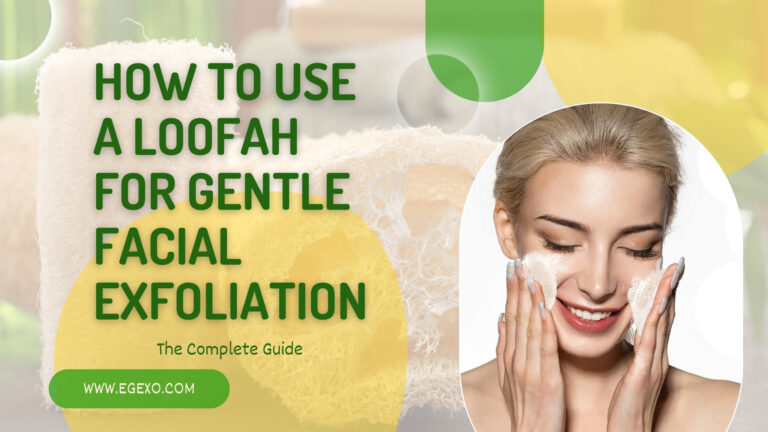
Facial skincare applications require softer, gentler loofah options suited to delicate facial tissue. Small loofah pads measuring 5-8 centimeters provide controlled exfoliation for face, neck, and chest areas. The natural fibers deliver mechanical exfoliation without the microplastics found in synthetic facial scrubs that pollute waterways and potentially penetrate skin. Facial loofah use typically occurs 2-3 times weekly, using light circular motions with gentle cleansers appropriate for individual skin types. The exfoliation removes dead cells that dull complexion, unclogs pores to prevent breakouts, and prepares skin for better moisturizer absorption. Aestheticians and dermatologists frequently recommend natural facial loofahs as part of professional skincare regimens, creating retail opportunities for wellness-focused businesses.
Spa and salon treatments leverage natural loofah sponges for professional body care services. Signature scrub treatments combine expert loofah techniques with specialty cleansers, essential oil aromatherapy, and intensive moisturizing applications. The services typically command premium pricing while delivering tangible benefits clients can see and feel immediately. Spa facilities also retail premium natural loofahs as take-home products that extend treatment benefits between appointments, creating additional revenue streams while enhancing client results. Bridal preparation packages frequently include loofah treatments that ensure smooth, glowing skin for wedding day. Our professional-grade spa loofahs meet the elevated quality standards demanded by discerning wellness facilities.
Hotel amenities represent significant commercial opportunities as hospitality properties seek sustainable alternatives to synthetic bath products. Natural loofah sponges align with corporate environmental initiatives while providing guest amenities that enhance bathroom experiences. Hotels typically select medium-sized loofahs individually packaged for hygiene and presentation. Branded packaging with hotel logos creates sophisticated touches that reinforce luxury positioning. The natural products generate positive guest feedback, particularly among environmentally conscious travelers who increasingly select accommodations based on sustainability credentials. For luxury properties, custom sizes, shapes, or processing create exclusive amenities unavailable elsewhere.
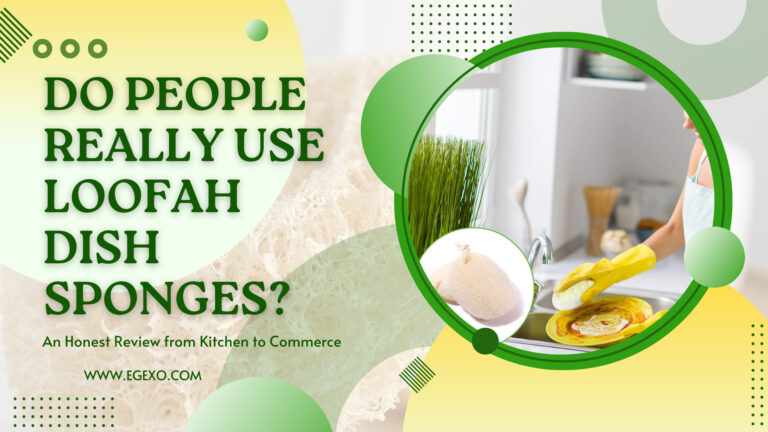
Kitchen applications utilize natural loofah scrubbers for dishwashing and vegetable cleaning. The firm fiber texture removes stuck food from cookware without scratching surfaces the way metal scrubbers can damage non-stick coatings. Natural loofahs clean vegetables thoroughly, removing dirt and residues while avoiding the bacterial concerns associated with fabric dishcloths that retain moisture. The biodegradable nature means guilt-free disposal when scrubbers reach end of useful life. Kitchen loofah products appeal to consumers seeking chemical-free cleaning tools and sustainable alternatives to synthetic scrubbers. Our kitchen loofah category includes formats specifically designed for culinary applications, from compact scrubbers for daily dishes to heavy-duty options for tough cleaning jobs.
Household cleaning represents an expanding market as consumers discover natural loofahs work effectively for numerous domestic tasks. Bathroom cleaning applications include tub and shower scrubbing where loofah texture removes soap scum without harsh chemicals. Kitchen counter and appliance cleaning benefits from the gentle abrasion that lifts stains without surface damage. Floor scrubbing particularly suits natural loofahs attached to handles or mop systems. The biodegradable sponges can be discarded after particularly dirty jobs without environmental guilt. Elderly loofahs reaching the end of their bath use find second lives in cleaning applications, maximizing product value before final composting.
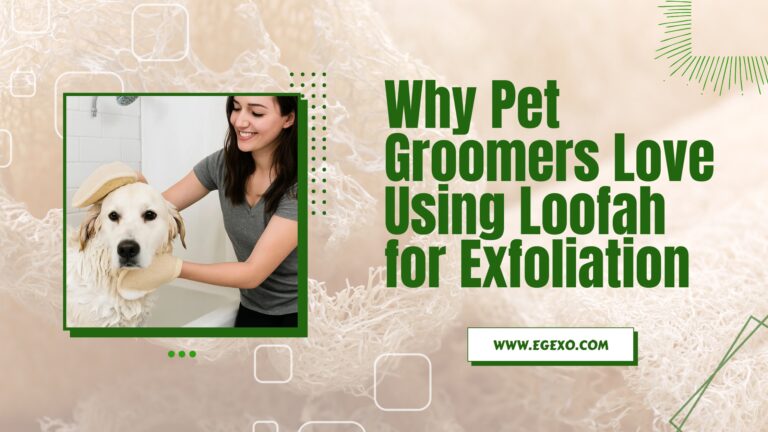
Pet grooming applications serve both professional groomers and individual pet owners. Natural loofah sponges gently exfoliate pet skin, removing dead hair and distributing natural skin oils for healthier coats. The massage action provides sensory stimulation that many animals enjoy, making bath time less stressful. Dogs with thick coats benefit particularly from loofah grooming that reaches through fur to cleanse skin thoroughly. Horses and large animals receive excellent grooming with extra-large loofahs that cover more surface area efficiently. The natural materials avoid chemical concerns if animals lick themselves after bathing. Professional groomers appreciate products that deliver results while supporting sustainable business practices.
Craft and DIY projects provide creative outlets for natural loofah materials. Crafters slice loofahs into thin cross-sections that become natural stamps for painting and printing projects. The distinctive cellular pattern creates unique textures for art applications. Loofah pieces embedded in handmade soaps add exfoliating elements to artisan products. Garden applications include loofah pieces as biodegradable seed starter containers and natural plant scrubbers for produce harvesting. These creative uses appeal to maker communities and craft markets seeking natural materials for projects. Retailers serving creative demographics can position natural loofahs as versatile craft supplies beyond single-use bathroom products.
The following table summarizes application categories with specific product recommendations:
| Application Category | Recommended Product Type | Ideal Size Range | Key Features Needed | Primary Market Segments |
|---|---|---|---|---|
| Body Bathing | Standard whole loofah | 25-35 cm length | Medium density, comfortable grip | General consumers, hotels, retailers |
| Back Scrubbing | Extra long loofah with handle | 40-50 cm length | High durability, secure attachment | Specialty retailers, mobility aids, athletic |
| Facial Care | Soft loofah pads | 5-8 cm diameter | Lower density, gentle texture | Beauty retailers, spas, skincare lines |
| Spa Treatments | Premium grade whole loofah | 30-40 cm length | Superior fiber quality, consistent sizing | Wellness facilities, luxury spas |
| Kitchen Cleaning | Firm loofah scrubbers | 10-15 cm pieces | High density, heavy-duty fibers | Eco-retailers, kitchen specialty, homegoods |
| General Household | Multi-pack assorted sizes | Varies by task | Economical pricing, durability | Mass retailers, cleaning supply, home care |
| Pet Grooming | Medium to large whole loofah | 20-30 cm length | Gentle but effective, easy grip | Pet stores, groomers, veterinary retail |
| Craft Projects | Raw loofah material | Any size, often irregular | Natural appearance, bulk availability | Craft stores, maker supplies, DIY markets |
For wholesale buyers developing product lines, consider offering curated sets that serve specific use cases rather than generic loofah assortments. Bath sets might include body loofah plus facial pad plus back scrubber in coordinated packaging. Kitchen sets could combine dish scrubber with vegetable brush and scouring pad alternatives. Gift sets packaged attractively appeal to consumers seeking natural products for friends and family. These configured offerings command premium pricing while simplifying customer purchasing decisions, typically improving margins by 15-25 percent compared to individual product sales.
Retailers maximize natural loofah sales through strategic merchandising that places products in multiple store locations aligned with different use cases. Bath loofahs belong in personal care sections near body washes and scrubs. Facial pads sit in skincare areas alongside cleansers and exfoliants. Kitchen scrubbers display with dish soaps and cleaning tools. Pet loofahs position near shampoos in pet care departments. This multi-location strategy captures different shopping missions and educates customers about diverse applications they might not otherwise consider. Point-of-purchase materials explaining various uses further drive incremental sales.
Individual consumers maximize value by exploring natural loofah applications beyond primary purchase intent. That bath loofah can scrub tile grout when it becomes too worn for body use. Facial pads work excellently for precision cleaning of fixtures and faucets. Kitchen scrubbers tackle bathroom soap scum effectively. Viewing natural loofahs as versatile tools rather than single-purpose products extends useful life and improves cost-effectiveness. The biodegradable nature means experimenting with new uses carries no environmental downside, encouraging creative application discovery.
Care and Maintenance: Maximizing Natural Loofah Lifespan and Hygiene
Proper care and maintenance practices dramatically extend natural loofah sponge lifespan while maintaining optimal hygiene standards. Many users replace loofahs prematurely due to inadequate care rather than actual product deterioration. Understanding correct maintenance procedures benefits commercial operators managing amenity programs, retailers educating customers for satisfaction and reduced returns, and individual consumers seeking maximum value from their purchases. These practices protect health through proper hygiene while maximizing the environmental benefits that natural loofahs provide.
Initial preparation optimizes natural loofah performance before first use. New loofahs arrive compressed from packaging and may feel stiff initially. Soak your new loofah in warm water for 2-3 minutes before first use, allowing fibers to fully expand and soften to their working texture. Some users add a small amount of hair conditioner during this initial soak to further soften fibers, though this step remains optional. Rinse thoroughly after soaking to remove any residual dust from processing and packaging. This preparation creates the ideal texture for comfortable, effective use from the first application.
Daily maintenance after each use prevents bacterial growth and extends product lifespan significantly. Rinse your natural loofah thoroughly under running water immediately after use, squeezing repeatedly to flush out soap residue, dead skin cells, and other debris that accumulated during bathing. This rinsing should continue until water runs completely clear and no soap suds remain. Squeeze firmly to remove excess water, twisting gently to express moisture without tearing fibers. Shake vigorously to further eliminate water and encourage air circulation through the loofah structure. These simple steps typically require just 30-45 seconds but make the difference between loofahs lasting weeks versus months.
Proper drying represents the most critical factor in maintaining hygienic natural loofahs. Bacteria and mold thrive in moist environments, making thorough drying essential between uses. Hang your loofah in well-ventilated areas where air circulation permits complete drying, typically requiring 8-12 hours depending on humidity levels. Avoid storing wet loofahs in enclosed shower caddies, sealed containers, or any location without adequate airflow. Ideal hanging locations include shower curtain rods away from direct water spray, towel bars in well-ventilated bathrooms, or hooks near windows where sunlight and air movement accelerate drying. The loofah should feel completely dry to the touch before next use, with no dampness remaining in the interior structure.
Weekly deep cleaning eliminates accumulated bacteria and maintains freshness beyond daily rinsing. Several effective methods accommodate different preferences and available equipment. The vinegar soak method involves submerging your loofah in a solution of one part white vinegar to four parts water for 30 minutes, followed by thorough rinsing and complete drying. The antibacterial properties of vinegar eliminate most common bacteria without harsh chemicals. The boiling water method places the loofah in a pot of boiling water for 5 minutes, providing high-temperature sanitization that kills virtually all bacteria and mold spores. Allow the loofah to cool before removing from water, then rinse and dry thoroughly. The microwave method saturates the loofah with water, places it in a microwave-safe bowl, and heats on high power for 1-2 minutes, using steam heat for sanitization. This method works quickly but requires caution to avoid burns from hot materials. The dishwasher method runs the loofah through a complete hot water cycle, typically on the top rack to avoid damage from heating elements. This convenient option works well for regular weekly cleaning without additional effort.
Storage practices between uses affect both hygiene and longevity. Never store natural loofahs while damp, as moisture creates breeding grounds for bacteria and mold. Rotate between two loofahs if you prefer daily use, allowing each at least 48 hours drying time between applications. This rotation extends individual loofah lifespan while maintaining hygiene standards. For travel, transport only completely dry loofahs in breathable fabric bags rather than sealed plastic containers that trap moisture. Guest bathrooms and rental properties should provide fresh loofahs for each occupant rather than reusing products between guests, regardless of apparent cleanliness.
Environmental factors influence maintenance requirements and product lifespan. High humidity regions require more diligent drying practices and may necessitate more frequent replacement compared to arid climates where natural drying occurs quickly. Hard water areas may experience mineral buildup on loofah fibers over time, occasionally warranting mild acid rinses to remove deposits. Seasonal variations affect drying times, with winter heating and summer air conditioning both reducing humidity that could otherwise slow drying. Adjust your maintenance routine based on observed conditions rather than following rigid schedules that may not suit your specific environment.
The following table outlines comprehensive maintenance schedules:
| Maintenance Task | Frequency | Method | Time Required | Purpose |
|---|---|---|---|---|
| Post-Use Rinse | After every use | Squeeze under running water until clear | 30-45 seconds | Remove debris, soap, skin cells |
| Water Removal | After every use | Squeeze, twist gently, shake vigorously | 15-20 seconds | Eliminate excess moisture |
| Air Drying | After every use | Hang in ventilated area away from water | 8-12 hours | Prevent bacterial growth, mold |
| Deep Cleaning | Weekly | Vinegar soak, boiling water, microwave, or dishwasher | 5-30 minutes | Sanitize, eliminate bacteria |
| Condition Assessment | Weekly | Visual inspection for discoloration, odor, damage | 1-2 minutes | Determine continued suitability |
| Rotation Switch | For dual-loofah users | Alternate between two loofahs | Immediate | Ensure adequate drying time |
| Replacement | Every 3-4 weeks daily use, 6-8 weeks occasional use | Dispose properly, start fresh | N/A | Maintain hygiene, optimal performance |
Signs indicating replacement needs include persistent musty odors despite thorough cleaning, visible mold growth appearing as dark spots or fuzzy patches, significant fiber deterioration with loose strands or structural weakness, permanent discoloration from accumulated staining, and reduced effectiveness with diminished exfoliation even when fully hydrated. Never continue using natural loofahs showing these signs, as they pose hygiene risks that outweigh any economic savings from extended use. For commercial operations, establish firm replacement policies based on usage duration rather than subjective condition assessments that might vary between staff members.
Businesses providing natural loofah amenities should implement systematic maintenance and replacement programs. Hotels require fresh loofahs for each guest with disposable packaging indicating single-use status. Spas performing treatments need dedicated loofahs for each client, either disposable for single-use or thoroughly sanitized between clients through boiling or autoclave sterilization. Gyms and fitness centers offering shower amenities should provide individually packaged loofahs in single-use formats or maintain rigorous tracking and sanitization for reusable options. Clear policies prevent cross-contamination while demonstrating commitment to guest safety and comfort.
Retailers should include care instructions with natural loofah products to reduce customer dissatisfaction from improper maintenance. Simple printed cards outlining daily rinsing, proper drying, weekly sanitizing, and replacement timing help customers achieve optimal results. These materials position your business as helpful resource rather than merely transactional seller, building customer loyalty and reducing returns from misuse. Digital versions on your website provide reference resources customers can access when needed. Video demonstrations showing proper care techniques engage visual learners and drive social media engagement when shared across platforms.
Individual consumers should establish routines that make proper loofah care automatic rather than requiring conscious effort. Keep vinegar solution in a dedicated bottle near your bathroom for weekly soaks without needing to mix fresh batches. Set phone reminders for weekly deep cleaning until the habit becomes established. Purchase replacement loofahs in multi-packs so fresh options are always available when needed, eliminating the temptation to extend use beyond recommended timeframes. Mark purchase or first-use dates on bathroom calendars to track replacement timing accurately.
For comprehensive care guidance and troubleshooting advice, our detailed loofah care guide addresses common questions and provides solutions for issues ranging from persistent odors to premature deterioration. Proper maintenance transforms natural loofah sponges from short-term consumables into durable products that deliver weeks of effective use while maintaining the hygiene standards essential for body care applications.
Building Your Natural Loofah Business: Strategies for Success
Entering or expanding in the natural loofah market offers compelling opportunities for entrepreneurs, retailers, and established businesses seeking sustainable product categories with strong growth trajectories. Success requires more than simply sourcing quality products, demanding strategic thinking about market positioning, customer education, operational efficiency, and differentiation in increasingly competitive landscapes. Whether launching a dedicated natural loofah brand, adding these products to existing lines, or exploring private label opportunities, systematic approaches maximize success probability while minimizing costly mistakes.
Market research foundations prevent misaligned product development and wasted resources. Begin by analyzing your target customer segments with demographic and psychographic details that guide product selection and marketing approaches. Wholesale buyers serving spas require different products and messaging than retailers targeting eco-conscious consumers or distributors supplying hotel chains. Research competitors already serving your intended markets, identifying their product ranges, pricing strategies, positioning approaches, and apparent gaps you might fill. Examine market trends including sustainability movement growth, consumer spending patterns on personal care products, hospitality industry amenity trends, and regulatory developments affecting natural product categories. This research foundation informs strategic decisions from product selection through marketing messaging.
Product line development balances breadth and focus for optimal market impact. New businesses often benefit from focused ranges that establish expertise in specific niches before expanding. A spa-focused line might feature premium body loofahs in various sizes plus facial pads and back scrubbers, all in consistent quality and packaging that creates cohesive brand identity. Kitchen-focused offerings could include multiple scrubber sizes optimized for different cleaning tasks plus vegetable brushes and scouring pad alternatives. Broader general market lines require more diverse products serving multiple use cases but risk diluting brand identity without careful curation. Consider your competitive advantages, customer needs, operational capabilities, and financial resources when determining appropriate product line scope.
Private labeling creates brand ownership that differentiates your products and builds customer loyalty resistant to competition. Rather than selling generic loofahs available from numerous sources, private label programs develop unique products bearing your brand identity. Custom packaging design communicates your brand values and appeals specifically to target customers. Size selections and quality grades align precisely with your market positioning and pricing strategies. Value-added features like ergonomic shapes, specialty processing, or bundled accessories create product distinction that commands premium pricing. Our private label services guide you through every development stage from concept through production, ensuring your branded products meet quality standards while reflecting your unique vision.
Pricing strategies require balancing profitability, market positioning, and competitive dynamics. Premium positioning with higher prices signals superior quality while attracting customers prioritizing excellence over economy. This approach works well for organic certifications, luxury packaging, specialized applications, or brands with strong sustainability credentials. Value positioning offers competitive pricing that attracts price-sensitive customers while maintaining acceptable margins through operational efficiency. Middle-market strategies balance quality and price for mainstream appeal. Calculate costs comprehensively including product procurement, packaging materials, shipping and logistics, storage and handling, marketing expenses, and desired profit margins. Research competitive pricing across similar products and market segments. Test pricing assumptions through limited releases or focus groups before committing to final structures.
Distribution channel selection determines market access and operational requirements. Direct-to-consumer online sales through branded websites maximize margins and customer relationships but require significant marketing investments and logistics capabilities. Marketplace platforms like Amazon provide access to massive customer bases but involve fees reducing margins and limited brand control. Wholesale to retailers creates scalable growth through partner networks but requires managing multiple accounts with varying requirements and payment terms. B2B sales to hotels, spas, and institutional buyers offer large order volumes with less marketing effort but demand competitive pricing and reliable fulfillment. Most successful businesses eventually employ multi-channel strategies that balance these advantages while mitigating individual channel risks. Start with channels matching your strengths and resources, expanding systematically as capabilities grow.
Marketing and customer education create awareness and drive sales in markets where many consumers lack familiarity with natural loofah benefits. Content marketing through blogs, videos, and social media posts establishes your brand as authoritative resource while improving search engine visibility. Educational materials explaining benefits, demonstrating proper use, and addressing common concerns reduce purchase hesitation and support conversion. Sustainability messaging resonates strongly with target demographics prioritizing environmental responsibility. User-generated content from satisfied customers provides authentic testimonials more persuasive than company claims. Influencer partnerships introduce your products to established audiences aligned with your target markets. Traditional advertising maintains relevance for reaching demographic segments less active online. Balance these approaches based on customer preferences, competitive intensity, and available marketing budgets. Our educational resources at Loofah Guide demonstrate content marketing approaches that attract audiences while providing genuine value.
Operational efficiency impacts profitability as significantly as revenue growth. Inventory management systems prevent stockouts that lose sales and excess inventory that ties up capital. Order fulfillment processes must deliver products accurately and quickly to meet customer expectations formed by major retailers. Customer service systems address questions and resolve issues efficiently, building loyalty and positive word-of-mouth. Financial controls track costs accurately and identify improvement opportunities before problems become severe. Supplier relationships ensure reliable product access at competitive prices with quality consistency. Businesses often stumble by neglecting operations while focusing exclusively on sales growth, creating service failures that damage hard-won reputations.
The following table outlines business development milestones and corresponding actions:
| Business Stage | Primary Objectives | Key Actions | Success Metrics | Common Challenges |
|---|---|---|---|---|
| Launch (Months 1-6) | Establish foundation, validate market | Finalize product line, develop branding, create sales channels, initial marketing | First sales, customer feedback, market validation | Limited resources, brand awareness, distribution access |
| Growth (Months 7-18) | Scale sales, build recognition | Expand distribution, increase marketing, refine operations, gather testimonials | Revenue growth, repeat customers, channel expansion | Cash flow, inventory management, quality consistency |
| Expansion (Months 19-36) | Diversify and strengthen | New product development, additional markets, strategic partnerships, operational optimization | Multiple revenue streams, market position, profitability | Competition, operational complexity, maintaining quality |
| Maturity (Years 3+) | Optimize and innovate | Efficiency improvements, market leadership, brand evolution, innovation pipeline | Market share, profit margins, brand recognition, customer loyalty | Market saturation, competitive pressure, innovation needs |
Regulatory compliance protects your business from legal issues while building customer trust. Product labeling requirements vary by jurisdiction but typically mandate ingredient disclosure, country of origin, safety warnings if applicable, and business contact information. Organic or natural claims require substantiation through cultivation practices and processing methods. Import regulations govern documentation, duties, and standards compliance for products crossing borders. Consumer protection laws establish quality standards and return rights. Professional guidance from attorneys specializing in consumer products prevents costly mistakes during business development. Compliance builds credibility with sophisticated retail partners and discerning consumers who research companies before purchasing.
Financial planning provides runway for success before profitability arrives. Initial investments include product inventory for launch and ongoing operations, packaging design and initial production minimums, website development and e-commerce infrastructure, marketing materials and campaign budgets, legal and compliance consultations, and working capital for 6-12 months operations. Revenue projections should reflect realistic sales timelines that account for market education needs and customer acquisition costs. Many natural product businesses require 12-18 months reaching breakeven, with profitability arriving months later. Adequate capitalization prevents premature failure and allows time for markets to develop.
Strategic partnerships accelerate growth beyond purely organic development. Established retailers provide distribution access and brand credibility that would take years building independently. Complementary brands create cross-promotion opportunities introducing your products to aligned audiences. Industry associations offer networking, education, and advocacy supporting business development. Cause-based organizations focused on sustainability or environmental protection provide partnership opportunities that enhance brand positioning while supporting important missions. Evaluate potential partners based on audience alignment, shared values, mutual benefits, and operational compatibility.
For entrepreneurs and businesses ready to explore natural loofah opportunities, starting with market education rather than immediate sales often builds stronger foundations. Our resources at Wholesale Loofah and Natural Loofah provide industry insights, sourcing guidance, and business development support. When you’re prepared to discuss your specific vision and requirements, request a consultation to explore how partnership with experienced suppliers accelerates your success.
FAQ Section
Q1: What exactly are natural loofah sponges and where do they come from?
A: Natural loofah sponges are not sea sponges but rather the fibrous interior network of mature luffa cylindrica fruits, a plant in the cucumber and gourd family. The luffa plant produces elongated green fruits that grow up to 60 centimeters long. When these gourds reach full maturity after approximately 150-180 days, the outer skin is removed to reveal the intricate cellulose fiber matrix inside. Egyptian loofah sponges are widely recognized as the highest quality in the world due to ideal growing conditions in the Nile Delta region, where mineral-rich soil, controlled irrigation, and generations of cultivation expertise produce loofahs with exceptional fiber density and durability. The harvested gourds undergo careful processing including soaking, peeling, seed removal, washing, and sun-drying to create the natural loofah sponges used for bathing, cleaning, and various other applications.
Q2: How do I properly clean and maintain my natural loofah sponge to prevent bacteria growth?
A: Proper maintenance significantly extends natural loofah lifespan while maintaining hygiene. After each use, rinse your loofah thoroughly under running water, squeezing repeatedly until water runs completely clear and all soap residue is removed. Squeeze firmly to eliminate excess water, then shake vigorously and hang in a well-ventilated area where air circulation permits complete drying within 8-12 hours. Never store damp loofahs in enclosed spaces. Weekly deep cleaning using one of these methods eliminates accumulated bacteria: soak in vinegar solution (1 part vinegar to 4 parts water) for 30 minutes, boil in water for 5 minutes, microwave saturated loofah for 1-2 minutes, or run through dishwasher hot cycle. Replace your natural loofah every 3-4 weeks with daily use, or 6-8 weeks with occasional use, sooner if you notice persistent odors, mold growth, or structural deterioration.
Q3: Are natural loofah sponges suitable for sensitive skin or can they be too abrasive?
A: Natural loofah sponges can work well for sensitive skin when selected and used appropriately. Choose softer, lower-density loofahs specifically designated for facial use or sensitive skin applications rather than firm body scrubbing grades. Always thoroughly wet the loofah and allow 30-60 seconds for fibers to fully soften before use. Apply gentle pressure using light circular motions rather than vigorous scrubbing, and limit frequency to 1-2 times weekly for sensitive skin compared to 3-4 times for normal skin types. Test on a small area first to ensure comfortable tolerance. Some individuals with conditions like eczema, psoriasis, or rosacea should consult dermatologists before using any exfoliating products. The natural plant fibers are generally gentler and less likely to cause irritation compared to synthetic materials or harsh chemical exfoliants, making them suitable for many people with sensitive skin when proper techniques and appropriate products are selected.
Q4: What minimum order quantities should I expect when ordering wholesale natural loofah sponges from Egyptian suppliers?
A: Minimum order quantities for wholesale natural loofah purchases vary significantly based on supplier size, product types, and customization requirements. General wholesale orders for standard products typically range from 500 to 2,000 pieces depending on sizes and grades, representing investments of approximately 500 to 3,000 USD for initial orders. Private label programs with custom packaging usually require higher minimums of 1,000 to 5,000 pieces to justify setup costs for specialized packaging production. Mixed orders containing various sizes and product types often have flexible MOQs allowing smaller quantities of individual items while meeting overall order minimums. Established businesses with proven track records may negotiate lower MOQs compared to new customers without purchase history. Sample orders typically permit purchasing small quantities of 10-50 pieces for evaluation purposes before committing to full production runs. Professional suppliers like Egexo structure MOQ requirements based on business size and growth stage, offering flexibility that accommodates everyone from startup retailers testing markets to established distributors placing container loads. When evaluating suppliers, request clear MOQ information for your specific product interests and discuss options for mixed orders that enable comprehensive line development without excessive inventory investments.
Q5: How does the environmental impact of natural loofah sponges compare to synthetic alternatives?
A: Natural loofah sponges offer dramatically superior environmental profiles compared to synthetic bath sponges across virtually every impact category. Biodegradation represents the most striking difference, with natural loofahs completely decomposing within 30 days in composting conditions versus 500-1,000 years for synthetic sponges in landfills. Natural loofahs release zero microplastic particles while synthetic alternatives shed 300-400 microplastic fragments per use that pollute waterways and accumulate in food chains. Carbon footprint analysis shows 60-75 percent lower emissions for natural loofahs when measuring complete lifecycles from cultivation through disposal. The luffa plant actively sequesters atmospheric carbon dioxide during its 5-6 month growing cycle, removing approximately 4-6 kilograms of CO2 per plant. Natural loofahs support regenerative agriculture practices that improve rather than degrade land, while synthetic sponge manufacturing requires petroleum extraction and energy-intensive chemical processing. At end of life, natural loofahs can be composted, added to green waste collections, or repurposed for cleaning tasks, while synthetic versions offer only landfill disposal. A typical hotel switching from synthetic to natural loofah amenities eliminates over 540 kilograms of plastic waste annually while supporting sustainable farming communities and reducing microplastic pollution in local waterways.
Q6: Can natural loofah sponges be used in commercial spa treatments and what are the hygiene considerations?
A: Natural loofah sponges work excellently in commercial spa treatments when proper hygiene protocols are followed. Professional facilities typically use premium grade loofahs specifically selected for spa applications, featuring superior fiber quality and consistent sizing that delivers reliable results. Each client must receive either a fresh, unused loofah for single-use disposable protocols, or loofahs must undergo thorough sanitization between clients through boiling water sterilization for 10 minutes or autoclave processing where available. Never reuse loofahs between clients without complete sterilization, as this poses unacceptable cross-contamination risks. Many luxury spas provide fresh loofahs as part of treatment experiences, allowing clients to take products home for continued use while ensuring perfect hygiene during services. Signature treatments often combine expert loofah application techniques with specialty cleansers, essential oils, and intensive moisturizing for comprehensive body care experiences that command premium pricing. Staff training ensures consistent application methods that maximize exfoliation benefits while maintaining client comfort. Retail sales of premium loofahs to treatment clients create additional revenue streams while extending service benefits between appointments. Our professional spa loofah selection includes grades specifically chosen for commercial therapeutic applications where quality and consistency prove essential for client satisfaction and business reputation.
Q7: What sizes of natural loofah sponges work best for different applications?
A: Selecting appropriate natural loofah sizes significantly impacts user satisfaction and effectiveness for intended applications. Extra large specimens measuring 45-60 centimeters in length work ideally for back scrubbing applications, either held directly or attached to handles for extended reach, and serve spa treatments requiring larger coverage areas. Large grade loofahs of 30-40 centimeters suit general body washing and shower use, providing comfortable handheld size that covers adequate surface area efficiently without becoming unwieldy. Medium sizes between 18-25 centimeters work perfectly for targeted body areas, facial applications requiring gentler approaches, and kitchen or household cleaning tasks where precision matters more than coverage. Small loofahs under 15 centimeters excel for delicate facial exfoliation, hand and foot care, detailed cleaning applications, and travel convenience where compact size proves essential. For wholesale buyers developing product lines, offering multiple sizes enables customers to select options matching their specific needs rather than compromising with single-size approaches. Retailers should educate customers about size selection through clear labeling, comparison charts, and staff training that guides appropriate product matching. Individual consumers should consider primary intended uses when selecting sizes, with many finding that maintaining multiple sizes for different applications delivers better results than single-loofah approaches.
Q8: How can I verify the quality of natural loofah sponges before placing large wholesale orders?
A: Systematic quality verification protects wholesale buyers from costly mistakes and ensures products meet customer expectations. Begin by requesting detailed specifications including fiber density measurements, size ranges with tolerances, color standards and acceptable variations, moisture content parameters, and processing methods employed. Order comprehensive sample sets containing all product grades and sizes you’re considering, purchasing enough units to conduct thorough testing rather than evaluating single specimens that might not represent batch consistency. Conduct physical quality assessment by examining color uniformity without dark spots or discoloration, squeezing to test fiber resilience and appropriate firmness, checking for complete seed removal throughout interior cavities, and inspecting for structural integrity without weak spots or fiber separation. Perform actual use testing in scenarios matching your intended applications, whether bathing, cleaning, spa treatments, or other purposes, documenting performance results systematically. Evaluate samples from multiple suppliers simultaneously using standardized assessment criteria that enable objective comparison. Consider third-party laboratory testing for critical orders measuring fiber density, microbial contamination, and moisture content against specifications. Verify supplier credentials through business registration databases, trade platform verification systems, and customer references from businesses similar to yours. Visit production facilities when feasible for large ongoing relationships, observing cultivation practices, processing methods, quality control systems, and general operations. Our quality guarantee at Egexo includes detailed specifications, generous sampling programs, and transparent facility access because we’re confident in our production standards and understand that informed customers become long-term partners.
Expert Insight from Egexo
After cultivating and processing natural loofah sponges in Egypt’s premier growing regions for over 25 years, we’ve learned that quality begins in the field long before harvest. The most common mistake we observe in the industry is premature harvesting driven by impatience or financial pressure. Loofahs require full maturity, indicated by the outer skin beginning its natural color change from green to yellow-brown, to develop the fiber density and structural integrity that defines premium products. Harvesting even one week early produces inferior loofahs with loose fibers, poor durability, and inadequate exfoliating properties, no matter how expert the subsequent processing.
For wholesale buyers evaluating suppliers, ask specific questions about harvest timing protocols and field inspection processes. Suppliers committed to quality implement systematic maturity assessment rather than calendar-based harvesting that ignores natural variations affecting ripeness. At Egexo, our field teams assess each plant individually, selecting only specimens displaying proper maturity indicators even when this reduces short-term yields. This patience investment delivers loofahs that exceed customer expectations, reduce complaints and returns, and build the long-term relationships that sustain successful businesses. Quality always costs less than the price of poor quality, a lesson learned through decades serving discerning clients worldwide.
Premium Egyptian Loofah Resources: Your Complete Guide to Quality and Expertise
Understanding natural loofah sponges requires access to reliable information and trusted suppliers who prioritize quality, transparency, and customer education. Whether you’re researching product options, comparing suppliers, or seeking specialized loofah formats for unique applications, having comprehensive resources at your fingertips simplifies decision-making and ensures successful outcomes.
For businesses and consumers seeking unprocessed materials for custom applications or craft projects, raw loofah scrubbers provide versatile starting points. These uncut, minimally processed loofahs allow you to create custom sizes, shapes, and configurations matching specific requirements that pre-formatted products cannot address. Crafters appreciate the natural materials for artistic projects, while manufacturers use raw loofahs for specialized product development in industries ranging from spa treatments to industrial cleaning applications.
Understanding what distinguishes exceptional suppliers from commodity brokers protects your investment and ensures consistent quality across orders. Our detailed guide on why choose Egexo as your loofah supplier outlines the specific advantages of partnering with experienced Egyptian exporters who maintain direct farm relationships, implement rigorous quality control systems, and provide comprehensive support throughout your business relationship. Transparency in sourcing, processing, and business practices separates professional operations from opportunistic traders who cannot guarantee the consistency your business requires.
For those specifically interested in authentic Egyptian origins and the unique qualities that make Nile Delta cultivation superior to other growing regions, Egypt Loofah provides focused resources on Egyptian agricultural practices, regional advantages, and the cultural heritage behind this ancient industry. Understanding geographical distinctions helps businesses communicate origin stories that resonate with consumers increasingly interested in product provenance and authentic sourcing.
International buyers navigating supplier selection benefit from specialized resources at Loofah Supplier, where comprehensive guides address common challenges including quality verification, shipping logistics, payment terms, and regulatory compliance for different destination markets. The supplier evaluation frameworks and due diligence checklists help businesses avoid costly mistakes while identifying partners who deliver consistent value across long-term relationships.
Alternative terminology and search optimization matter when customers use different names for the same products. The resource site Luffa Sponges addresses this common challenge by providing information under the alternative spelling preferred in some regions and markets. Whether customers search for loofah, luffa, loofa, or any other variation, comprehensive coverage ensures they find accurate information and quality products regardless of terminology preferences.
These interconnected resources create a comprehensive knowledge ecosystem that supports informed decision-making whether you’re making your first loofah purchase or managing established product lines. The combination of educational content, supplier transparency, product diversity, and market-specific guidance addresses the complete spectrum of needs from curious consumers to sophisticated wholesale buyers managing complex international procurement operations.
Conclusion
Natural loofah sponges represent far more than simple bath accessories. These remarkable plant-based products embody sustainable agriculture, environmental responsibility, effective personal care, and versatile functionality that extends across numerous applications. Whether you’re a wholesale buyer sourcing premium products for your business, a retailer educating customers about eco-friendly alternatives, a spa professional seeking effective treatment tools, or an individual consumer prioritizing both performance and sustainability, understanding what makes quality natural loofahs exceptional empowers better decisions that benefit both you and our planet.
Egyptian loofah sponges have earned their worldwide reputation through ideal growing conditions, generations of cultivation expertise, rigorous processing standards, and commitment to quality that prioritizes long-term relationships over short-term profits. The combination of Nile Delta soil richness, controlled irrigation, expert harvesting timing, and meticulous processing creates products that outperform loofahs from other origins across every measurable quality dimension. Supporting authentic Egyptian suppliers ensures you receive genuine premium products while contributing to sustainable agricultural communities that have perfected their craft over centuries.
Key Takeaways:
- Natural loofah sponges are plant-based products from the luffa cylindrica gourd, completely biodegradable and environmentally superior to synthetic alternatives
- Quality varies dramatically based on cultivation practices, harvest timing, and processing methods, making supplier selection critical for consistent results
- Egyptian loofah sponges offer the highest fiber density and durability due to unique environmental conditions and agricultural expertise
- Proper maintenance including thorough rinsing, complete drying, and weekly sanitizing extends lifespan to 8-12 weeks while maintaining hygiene
- Applications extend far beyond bathing to include facial care, spa treatments, kitchen cleaning, household use, pet grooming, and craft projects
- Business opportunities span retail, wholesale distribution, private labeling, hotel amenities, spa supplies, and numerous specialized markets
- Wholesale sourcing requires systematic supplier evaluation across quality standards, production capacity, export experience, and service capabilities
Ready to experience authentic Egyptian loofah quality?
For Wholesale Buyers: Request a detailed quotation for your specific requirements, download our complete product catalog to review our full range, or order sample sets to evaluate quality before committing to production orders.
For Individual Orders: Shop our natural loofah collection featuring premium Egyptian products for every application, explore our educational resources for usage tips and care instructions, or discover wholesale options at competitive pricing through Bulk Loofah and Luffa Loofah.
Experience the Egexo difference where 25 years of Egyptian cultivation expertise, unwavering quality standards, and commitment to sustainable practices combine to deliver natural loofah sponges that exceed expectations while supporting environmental responsibility and agricultural communities.