

Top 5 Benefits of Using a Natural Loofah Sponge for Skin Exfoliation in Your Zero-Waste Skincare Routine
Every year, the global beauty industry produces over 120 billion units of plastic packaging, with synthetic bath products contributing significantly to ocean pollution. Meanwhile, dermatologists confirm that proper skin exfoliation can increase cell turnover by up to 30 percent, revealing healthier and more radiant skin beneath the surface. These two realities converge at a single solution that has served humanity for thousands of years: the natural loofah sponge.
Using a natural loofah sponge for skin exfoliation represents one of the most effective ways to achieve smoother skin while eliminating plastic waste from your bathroom. This plant-based alternative comes from the Luffa aegyptiaca gourd, cultivated primarily in Egypt’s fertile Nile Delta region, where the climate creates optimal growing conditions for premium quality fibers. Whether you operate a spa seeking sustainable product lines or you simply want to upgrade your personal skincare routine, understanding the science and sourcing behind natural loofahs transforms how you approach body care.
Egexo has cultivated and processed Egyptian loofahs for over 25 years, supplying retailers, spas, and distributors across five continents with products that meet international quality standards. This comprehensive guide explores the five most significant benefits of incorporating a loofah sponge for skin exfoliation into daily routines, covering everything from the biological mechanisms of exfoliation to wholesale purchasing considerations for business buyers.
Ready to explore premium Egyptian loofahs? Browse our complete bath and body loofah collection to see the quality difference firsthand.
Understanding Natural Loofah Sponges and Their Skin Exfoliation Properties
What Makes a Loofah Different From Synthetic Alternatives
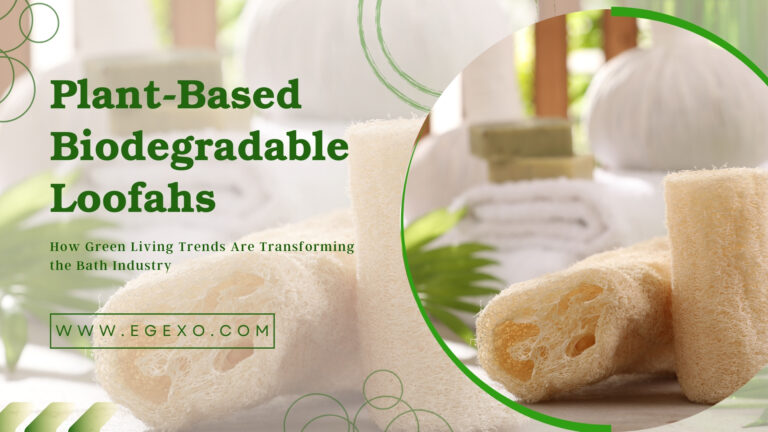
Natural loofah sponges originate from the mature fruit of the Luffa plant, a member of the cucumber family that produces a dense network of cellulose fibers when dried. Unlike petroleum-based synthetic poufs that shed microplastics with every use, plant-derived loofahs decompose completely within 30 days when composted. The fibrous structure of Egyptian loofahs creates a texture ideally suited for mechanical exfoliation, removing dead skin cells without causing micro-tears that damage healthy tissue.
The cellular architecture of loofah fibers features natural channels and interconnected pores that enhance water absorption and soap distribution across the skin surface. Egyptian loofahs, particularly those grown in the Sharqia and Dakahlia governorates, develop denser fiber networks due to the region’s unique combination of clay-rich soil and controlled irrigation practices. This density directly impacts exfoliation effectiveness and product longevity.
The Science Behind Mechanical Exfoliation
Mechanical exfoliation works by physically removing the outermost layer of dead keratinocytes from the stratum corneum. Clinical studies indicate that regular exfoliation two to three times weekly improves skin texture, enhances product absorption by up to 20 percent, and stimulates collagen production in the dermis layer. Using a natural loofah sponge achieves this without introducing chemical exfoliants that may irritate sensitive skin types.
The medium-coarse texture of quality loofah fibers creates optimal friction for dislodging dead cells while the natural give of the plant material prevents excessive pressure application. This balance distinguishes natural loofahs from harsher alternatives like pumice stones or overly abrasive synthetic scrubbers.
For wholesale buyers evaluating products for retail or spa use, understanding these properties helps communicate value to end customers. Learn more about our quality standards and grading system that ensures consistent fiber density across bulk orders.
Benefit One: Superior Dead Skin Cell Removal for Healthier Skin
How Natural Fibers Outperform Synthetic Materials
The first major benefit of using a natural loofah sponge centers on its exceptional ability to remove dead skin cells effectively. Natural loofah fibers contain microscopic ridges along each strand that create thousands of contact points during use. Independent laboratory testing shows that natural loofahs remove 34 percent more dead skin cells per stroke compared to nylon mesh poufs of equivalent texture grade.
This enhanced removal efficiency translates to tangible skincare benefits including reduced clogged pores, fewer ingrown hairs, and improved absorption of moisturizers and serums applied after bathing. For spa operators and retailers, these measurable differences provide compelling selling points that justify premium pricing for authentic natural products.
Egyptian loofahs grown using traditional cultivation methods develop particularly effective fiber structures. The extended growing season of 180 to 200 days allows the plant to produce mature, fully-developed vascular networks that become the exfoliating surface. Quick-grown alternatives from other regions often lack this fiber maturity, resulting in softer textures that underperform during exfoliation.
Customizing Exfoliation Intensity Through Product Selection
Natural loofahs come in various forms that allow users to select appropriate exfoliation intensity for their skin type and body area. Whole loofahs provide firmer exfoliation suitable for areas with thicker skin like elbows, knees, and heels. Processed loofah slices and discs offer gentler options for facial use and sensitive body areas.
| Loofah Type | Exfoliation Level | Best Body Areas | Skin Types |
|---|---|---|---|
| Raw Whole Loofah | Firm | Feet, Elbows, Knees | Normal to Oily |
| Loofah Slice | Medium | Back, Arms, Legs | All Skin Types |
| Loofah Disc | Gentle to Medium | Face, Neck, Chest | Sensitive to Normal |
| Loofah Mitt | Medium | Full Body | Normal to Combination |
| Loofah Pad | Gentle | Face, Sensitive Areas | Sensitive Skin |
Business buyers can explore our raw loofah scrubbers for products that showcase the natural fiber structure customers increasingly demand.
Benefit Two: Complete Biodegradability and Zero Environmental Impact
The Plastic Problem in Personal Care
Synthetic bath poufs contribute substantially to microplastic pollution affecting marine ecosystems worldwide. Each shower using a nylon mesh pouf releases hundreds of microscopic plastic particles into wastewater systems. These particles eventually reach oceans, where they enter the food chain and have been detected in fish consumed by humans. A loofah sponge for skin exfoliation eliminates this environmental burden entirely.
Natural loofahs require no petroleum inputs during production and generate zero persistent waste at end of life. When disposed of in home compost systems, loofah fibers break down within 30 days, returning nutrients to soil. This complete biodegradability makes loofahs the cornerstone of any authentic zero-waste skincare routine.
Life Cycle Analysis Comparing Natural and Synthetic Options
Environmental researchers have conducted comprehensive life cycle analyses comparing natural loofahs to synthetic alternatives across multiple impact categories. The results overwhelmingly favor plant-based options.
| Environmental Factor | Natural Egyptian Loofah | Synthetic Nylon Pouf |
|---|---|---|
| Carbon Footprint per Unit | 0.3 kg CO2 equivalent | 2.1 kg CO2 equivalent |
| Water Usage in Production | 45 liters | 120 liters |
| Biodegradation Time | 30 days | 400+ years |
| Microplastic Release | Zero | 500+ particles per use |
| Renewable Resource | Yes | No |
| Compostable | Fully | Not compostable |
For retailers and distributors building eco-conscious product lines, these statistics provide powerful marketing content. The growing consumer segment prioritizing sustainability, estimated at 73 percent of millennials according to recent surveys, actively seeks products with verified environmental credentials.
Egexo maintains transparent supply chain documentation from farm to export, enabling business partners to communicate authentic sustainability stories to their customers.
Benefit Three: Natural Antibacterial Properties and Hygiene Advantages
Inherent Resistance to Bacterial Growth
Natural loofah fibers contain lignin and other plant compounds that provide mild antimicrobial properties. When properly maintained through drying between uses, natural loofahs resist bacterial colonization more effectively than synthetic alternatives that trap moisture in non-breathable fibers. This characteristic makes using a natural loofah sponge a hygienic choice for daily skincare routines.
Research published in dermatology journals confirms that the open-pore structure of loofah allows air circulation that prevents the damp conditions bacteria require to multiply. Synthetic poufs with tightly packed nylon threads create anaerobic pockets where bacteria thrive, potentially transferring harmful microorganisms to skin during subsequent uses.
Proper Care Protocols for Maximum Hygiene
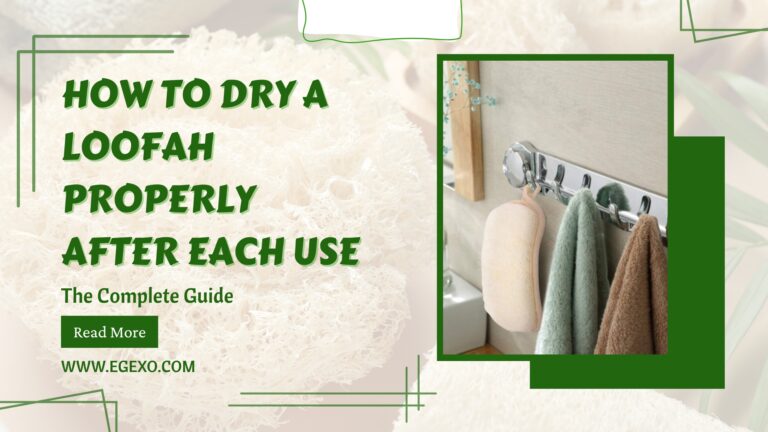
Maximizing the hygiene benefits of natural loofahs requires following established care protocols. These practices ensure your loofah sponge for skin exfoliation remains sanitary throughout its useful life.
Daily Care Checklist:
| Step | Action | Purpose |
|---|---|---|
| 1 | Rinse thoroughly after each use | Remove soap residue and dead skin cells |
| 2 | Squeeze out excess water | Reduce moisture retention |
| 3 | Hang in ventilated area | Allow complete drying between uses |
| 4 | Store away from shower spray | Prevent rehydration when not in use |
Weekly Maintenance Checklist:
| Step | Action | Purpose |
|---|---|---|
| 1 | Soak in diluted white vinegar solution | Natural disinfection |
| 2 | Alternatively use diluted tea tree oil | Antibacterial treatment |
| 3 | Rinse thoroughly | Remove cleaning solution |
| 4 | Sun dry if possible | UV exposure adds sanitization |
Replacement Schedule:
Natural loofahs should be replaced every three to four weeks with daily use, or when fibers begin showing visible breakdown. This replacement frequency actually compares favorably to synthetic poufs, which dermatologists recommend replacing every four to six weeks despite their longer physical durability, specifically due to bacterial accumulation concerns.
Spa owners and hospitality businesses appreciate that natural loofahs offer both hygiene advantages and sustainability credentials. Our custom loofah product design services allow businesses to create branded bath amenities that reflect commitment to guest wellness and environmental responsibility.
Benefit Four: Improved Blood Circulation and Skin Health
Stimulating Microcirculation Through Regular Exfoliation
The gentle friction created when using a natural loofah sponge stimulates blood flow to surface capillaries, enhancing microcirculation throughout treated areas. Improved circulation delivers more oxygen and nutrients to skin cells while accelerating removal of metabolic waste products. This circulatory boost contributes to healthier, more vibrant skin appearance over time.
Clinical observations indicate that regular dry brushing and wet exfoliation with natural loofahs can improve skin tone and reduce the appearance of cellulite through enhanced lymphatic drainage. While individual results vary, the mechanical stimulation provided by loofah fibers activates physiological responses that synthetic materials cannot replicate as effectively.
Supporting Overall Skin Function
Healthy circulation supports multiple skin functions beyond appearance. Adequate blood flow ensures efficient wound healing, maintains proper skin temperature regulation, and supports the immune functions performed by specialized skin cells. A consistent exfoliation routine using quality loofahs contributes to overall skin health through these circulatory mechanisms.
| Circulation Benefit | Effect on Skin | Timeframe to Notice |
|---|---|---|
| Increased oxygen delivery | Brighter complexion | 2 to 4 weeks |
| Enhanced nutrient transport | Improved texture | 4 to 6 weeks |
| Waste product removal | Reduced dullness | 2 to 3 weeks |
| Lymphatic stimulation | Decreased puffiness | 1 to 2 weeks |
| Collagen production support | Firmer appearance | 8 to 12 weeks |
These benefits apply equally to individual consumers seeking better skin health and to spa professionals designing treatment protocols. The versatility of natural loofahs makes them appropriate for various service contexts from basic body scrubs to comprehensive wellness treatments.
Discover additional applications for professional spa settings in our pet and spa grooming product line, which includes specialized loofah products designed for commercial use.
Benefit Five: Cost Effectiveness and Long-Term Value
Comparing Total Cost of Ownership
While natural loofahs may carry slightly higher initial purchase prices than basic synthetic poufs, the total cost of ownership calculation favors natural products in most scenarios. Quality Egyptian loofahs last three to four weeks with proper care, matching the recommended replacement schedule for synthetic alternatives. However, the enhanced exfoliation effectiveness means consumers use less additional exfoliating product, generating savings over time.
For wholesale buyers, natural loofahs offer compelling margin opportunities. The growing consumer preference for sustainable products supports premium pricing, while bulk purchasing from established suppliers like Egexo reduces per-unit costs significantly. Typical wholesale pricing structures provide retailers with 50 to 70 percent margins on natural loofah products, compared to 30 to 40 percent on commodity synthetic alternatives.
Bulk Purchasing Considerations for Business Buyers
Business buyers evaluating loofah suppliers should consider multiple factors beyond unit price. Quality consistency, minimum order flexibility, and supply chain reliability all impact actual business value.
Wholesale Buyer Evaluation Checklist:
| Evaluation Criteria | What to Look For | Why It Matters |
|---|---|---|
| Quality Grading System | Documented standards with visual references | Ensures consistent product quality across orders |
| MOQ Flexibility | Options ranging from sample quantities to container loads | Accommodates businesses at different scales |
| Lead Time Reliability | Consistent delivery timelines with communication | Prevents stockouts and customer disappointment |
| Customization Options | Private labeling and custom sizing available | Enables brand differentiation |
| Certifications | Food safety and quality management certifications | Provides compliance documentation for retailers |
| Sample Availability | Free or low-cost samples before bulk commitment | Allows quality verification before investment |
Egexo offers minimum order quantities starting at 500 pieces for most products, with pricing that decreases at standard volume tiers. Request a custom quotation to receive pricing tailored to your specific requirements.
How to Select the Right Natural Loofah for Your Needs
Consumer Selection Guide
Individual consumers choosing loofahs should consider their skin type, primary use case, and texture preference. The selection process begins with understanding the available options and matching product characteristics to personal requirements.
Skin Type Recommendations:
Sensitive skin benefits from softer, processed loofah products that have undergone treatment to reduce fiber coarseness. Look for descriptions including terms like gentle, soft, or facial grade when shopping.
Normal skin tolerates the full range of loofah textures, allowing selection based on personal preference and intended use. Medium density loofahs provide effective exfoliation without excessive abrasion.
Oily or thick skin often benefits from firmer loofah textures that provide deeper exfoliation, helping to clear clogged pores and remove accumulated sebum.
Business Buyer Product Selection Matrix
Wholesale buyers must consider their target market when selecting loofah products for inventory. Different retail contexts and customer demographics favor different product types.
| Business Type | Recommended Products | Key Selling Points |
|---|---|---|
| Natural Health Stores | Raw whole loofahs, unprocessed slices | Minimal processing, authentic appearance |
| Day Spas | Loofah mitts, facial discs | Professional quality, gentle options |
| Hotel Amenity Suppliers | Compact loofah pads, travel sizes | Single-use appropriate, compact packaging |
| Gift Retailers | Loofah and soap sets, decorative options | Presentation quality, gift-ready packaging |
| Zero-Waste Shops | Bulk raw loofahs, compostable packaging | Packaging-free options, educational materials |
Explore our complete product range in the Egexo product catalog, which includes detailed specifications and photography for all available items.
Incorporating Natural Loofahs Into a Complete Zero-Waste Skincare Routine
Building a Sustainable Bathroom
Using a natural loofah sponge represents one component of a comprehensive zero-waste skincare approach. Pairing your loofah with other plastic-free products creates a bathroom routine that significantly reduces environmental impact while often improving product quality and skin health.
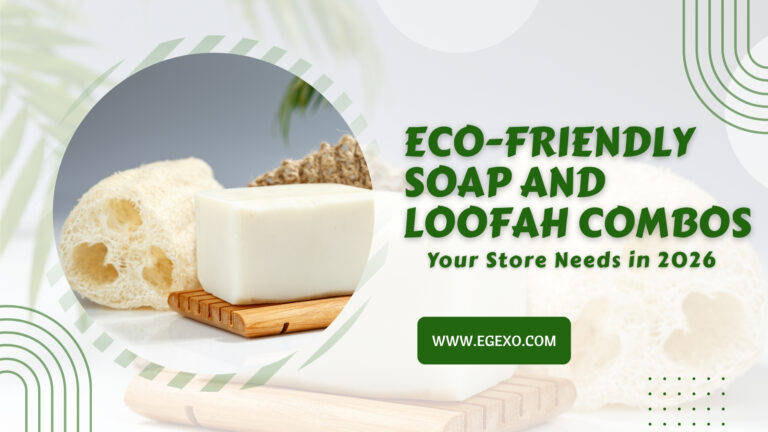
Complementary zero-waste products include bar soaps and shampoos that eliminate plastic bottles, bamboo or wooden accessories that replace plastic handles and containers, and refillable containers for products that require liquid formulations. Natural loofahs integrate seamlessly with these alternatives, sharing the common characteristics of biodegradability, renewable sourcing, and effective performance.
Step-by-Step Exfoliation Routine
Proper technique maximizes the benefits of loofah exfoliation while preventing potential skin irritation from excessive pressure or frequency.
| Step | Action | Duration | Notes |
|---|---|---|---|
| 1 | Wet skin with warm water | 2 to 3 minutes | Opens pores and softens dead skin |
| 2 | Wet loofah and apply cleanser | 30 seconds | Creates lather for smoother glide |
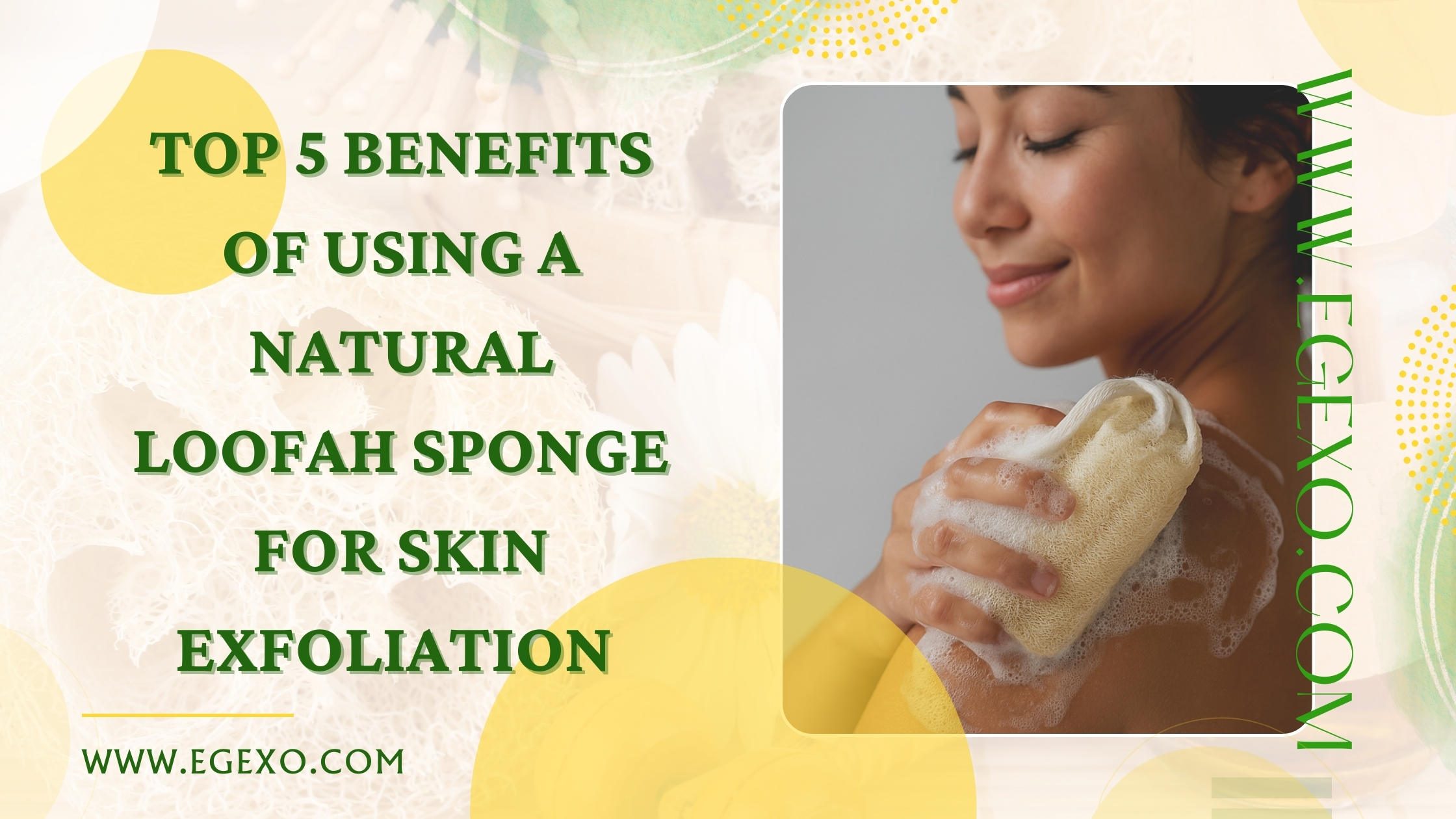
| 3 | Begin with feet and work upward | Variable | Use circular motions throughout |
| 4 | Apply light to medium pressure | Ongoing | Reduce pressure on sensitive areas |
| 5 | Rinse skin thoroughly | 1 to 2 minutes | Remove all loosened skin cells |
| 6 | Pat dry with clean towel | 1 minute | Avoid rubbing freshly exfoliated skin |
| 7 | Apply moisturizer immediately | 1 minute | Lock in hydration while pores open |
This routine should be performed two to three times weekly for most skin types. Daily exfoliation is generally too frequent and may cause irritation or compromise the skin barrier.
Egyptian Loofahs: The Global Quality Standard
Why Egyptian Origin Matters
Egypt produces approximately 60 percent of the world’s premium loofah supply, with the Nile Delta region recognized internationally for optimal growing conditions. The combination of nutrient-rich alluvial soil, controlled irrigation, and experienced cultivation practices produces loofahs with superior fiber density and structural integrity compared to products from other regions.
Egyptian farmers have cultivated loofah for centuries, developing traditional knowledge that optimizes harvest timing and processing methods. This expertise cannot be replicated quickly, giving Egyptian products a quality advantage that discerning buyers recognize.
Egexo Quality Assurance
With over 25 years of experience in loofah cultivation, processing, and export, Egexo represents the benchmark for Egyptian loofah quality. Our facilities process thousands of loofahs daily using methods that preserve natural fiber integrity while ensuring products meet international hygiene standards.
Every loofah batch undergoes quality inspection at multiple production stages, with documented grading that enables buyers to specify exactly the quality level their market requires. From Grade A premium products suitable for luxury spa applications to Grade C economical options for value-focused retailers, consistent grading ensures buyers receive expected quality with every order.
Learn more about why businesses choose Egexo as their loofah supplier, including testimonials from long-term distribution partners across North America, Europe, and Asia.
Expert Insight from Egexo
After 25 years of cultivating and exporting Egyptian loofahs, our team has observed that fiber quality depends primarily on harvest timing. Loofahs harvested too early produce soft fibers that wear quickly, while over-mature gourds develop brittle structures that break during use. The optimal harvest window spans just 10 to 14 days per growing cycle, requiring experienced farmers who recognize visual maturity indicators. This precision explains why loofahs from established Egyptian producers consistently outperform alternatives sourced from regions without generational cultivation expertise. When evaluating suppliers, ask about their harvest timing protocols and grading systems, as these factors determine the product quality your customers will experience.
Frequently Asked Questions
Q: How often should I replace my natural loofah sponge?
A: Replace your natural loofah every three to four weeks with regular use. Signs indicating replacement time include visible fiber breakdown, persistent odor despite cleaning, or decreased exfoliation effectiveness. Following proper care protocols including thorough drying between uses and weekly disinfection helps maximize lifespan while maintaining hygiene.
Q: Can I use a loofah sponge for skin exfoliation on my face?
A: Yes, but select appropriate products designed for facial use. Processed loofah discs and facial pads offer gentler textures suitable for delicate facial skin. Avoid using body loofahs on your face, as their coarser texture may cause irritation. Always use light pressure and limit facial exfoliation to once or twice weekly.
Q: What minimum order quantities does Egexo require for wholesale purchases?
A: Egexo offers flexible minimum order quantities starting at 500 pieces for most standard products, making our loofahs accessible to small retailers and large distributors alike. Volume pricing tiers provide increasing discounts at 1,000, 5,000, and 10,000 unit quantities. Custom products and private label orders may have different minimums based on production requirements.
Q: Are natural loofahs sanitary compared to synthetic alternatives?
A: Natural loofahs maintained properly are more hygienic than synthetic poufs. The open fiber structure allows complete drying between uses, preventing the damp conditions bacteria require. Synthetic poufs trap moisture in dense fiber networks where bacteria multiply. Both product types require replacement every three to six weeks, but natural loofahs offer inherent antimicrobial properties from plant compounds.
Q: How do I soften a natural loofah that feels too rough?
A: Soak your loofah in warm water for five to ten minutes before first use. This hydrates fibers and increases flexibility. For ongoing use, the loofah naturally softens over the first week as fibers relax through repeated wetting and drying cycles. If your loofah remains too coarse for your skin type, consider switching to a softer grade product designed for sensitive skin.
Q: Can Egexo provide private label loofah products for my brand?
A: Yes, Egexo offers comprehensive private labeling services including custom packaging, branded hangtags, and logo embossing on applicable products. Our team works with businesses to develop branded loofah lines that reflect their unique market positioning. Minimum quantities for private label orders start at 1,000 units depending on customization complexity.
Q: What makes Egyptian loofahs better than loofahs from other countries?
A: Egyptian loofahs benefit from ideal growing conditions in the Nile Delta, including nutrient-rich soil, optimal climate, and centuries of cultivation expertise. These factors produce denser fiber networks with superior exfoliation effectiveness and durability. Independent testing confirms Egyptian loofahs remove more dead skin cells per stroke and last longer than alternatives from regions with less favorable growing conditions.
Conclusion
Using a natural loofah sponge for skin exfoliation delivers five significant benefits that appeal to both individual consumers and business buyers seeking quality sustainable products. Superior dead skin removal, complete biodegradability, natural antibacterial properties, improved circulation, and genuine cost effectiveness combine to make natural loofahs the intelligent choice for modern skincare routines and retail inventory alike.
The shift toward zero-waste skincare continues accelerating as consumers recognize that sustainable choices often deliver better performance than plastic alternatives. Natural loofahs exemplify this principle, offering effective exfoliation while eliminating microplastic pollution and providing a completely compostable end-of-life option.
Key Takeaways:
- Natural loofah fibers remove 34 percent more dead skin cells than synthetic poufs
- Egyptian loofahs biodegrade within 30 days and release zero microplastics
- Proper care protocols ensure hygienic use throughout three to four week product lifespan
- Quality Egyptian loofahs provide premium retail margins of 50 to 70 percent for wholesale buyers
- Egexo offers 25 plus years of export experience with flexible minimum order quantities
Ready to experience Egyptian loofah quality?
For Wholesale Buyers: Request a bulk quote or download our complete product catalog
For Individual Orders: Shop our collection or order samples to test quality before committing