

Loofah Sponge Care and Maintenance: How to Keep Your Loofah Sponge Clean and Fresh
Understanding Loofah Sponge Care: Why Proper Maintenance Matters
Natural loofah sponges have earned their reputation as one of the most effective exfoliating tools available, but their porous fiber structure demands consistent attention to hygiene. Research indicates that improperly maintained bath sponges can harbor over 10 million bacteria per square inch within just two weeks of regular use. This startling fact underscores why loofah sponge care should be a priority for everyone who uses these natural exfoliators.
Whether you operate a spa purchasing loofahs in bulk quantities or you simply want to maximize the lifespan of your personal bath loofah, understanding how to keep loofah sponge clean directly impacts both hygiene outcomes and product longevity. Premium Egyptian loofahs, cultivated through traditional agricultural methods perfected over generations, can last significantly longer than synthetic alternatives when properly maintained. However, even the highest quality natural loofah requires dedicated care routines to prevent bacterial growth and fiber degradation.
The fibrous network within a natural loofah creates an ideal environment for moisture retention. While this characteristic makes loofahs excellent at generating lather and providing gentle exfoliation, it also means they require specific drying and sanitization protocols. Businesses sourcing loofahs for resale or hospitality use must educate their customers on proper maintenance, while individual users benefit from establishing simple daily habits that extend product life and ensure safe use.
This comprehensive guide covers everything from daily rinsing techniques to weekly deep cleaning methods, storage best practices, and replacement timing. You will also discover how loofah quality at the source affects long-term durability and maintenance requirements.
The Science Behind Loofah Hygiene: What Makes Proper Care Essential
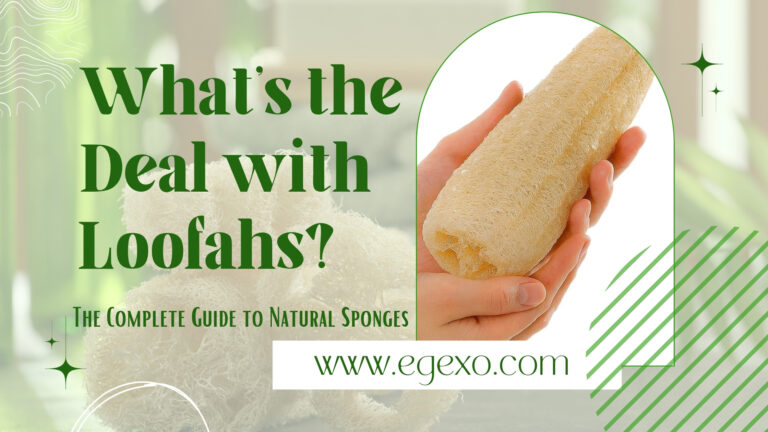
Natural loofahs come from the fibrous interior of the Luffa aegyptiaca plant, a member of the cucumber family cultivated extensively in Egypt and other warm climate regions. The mature fruit, when dried and processed, reveals an intricate network of cellulose fibers that create the distinctive scrubbing texture loofah users appreciate. Understanding this structure helps explain why loofah sponge care requires specific approaches.
How Bacteria Colonize Loofah Fibers
The microscopic structure of loofah fibers contains countless tiny crevices and pockets. During bathing, these spaces collect dead skin cells, body oils, soap residue, and moisture. Combined with the warm, humid environment typical of bathrooms, these conditions create an optimal breeding ground for bacteria, yeast, and mold spores.
Studies examining bathroom sponge contamination have identified common bacteria including Pseudomonas, Staphylococcus, and various coliform bacteria on inadequately cleaned loofahs. While healthy individuals typically resist infection from these organisms, those with compromised immune systems, open wounds, or skin conditions face elevated risks from contaminated bathing tools.
Why Natural Loofahs Require Different Care Than Synthetic Options
Unlike plastic mesh poufs or synthetic sponges, natural loofahs are biodegradable organic material. This environmental advantage comes with specific care considerations. Chemical cleaners that might sanitize synthetic materials can break down natural loofah fibers, while the organic composition means natural loofahs decompose faster when exposed to prolonged moisture.
The quality standards applied during loofah processing also influence care requirements. Premium loofahs processed under controlled conditions arrive to consumers with minimal bacterial loads and optimized fiber integrity. Inferior processing may leave residual plant material or moisture that accelerates degradation regardless of subsequent care.
| Factor | Natural Loofah | Synthetic Sponge |
|---|---|---|
| Drying Time Required | 4 to 8 hours complete | 1 to 2 hours |
| Recommended Replacement | 2 to 3 months | 3 to 4 months |
| Biodegradable | Yes, fully compostable | No, contributes to plastic waste |
| Bacterial Resistance | Requires active management | Moderate inherent resistance |
| Exfoliation Effectiveness | Superior, natural texture | Consistent but less effective |
| Environmental Impact | Minimal, plant-based | Significant microplastic release |
Daily Loofah Sponge Care: Essential Steps After Every Use
Establishing a consistent post-use routine represents the foundation of effective loofah sponge care. These simple steps take less than two minutes but dramatically extend loofah lifespan while maintaining hygienic conditions.
Step One: Thorough Rinsing Technique
Immediately after each use, hold your loofah under running water while squeezing and releasing it repeatedly. This action flushes out trapped soap, skin cells, and body oils from deep within the fiber structure. Water temperature should be warm to hot, as this helps dissolve oil-based residues more effectively than cold water.
Continue rinsing until water runs clear through the loofah. For bath and body loofahs used with heavy lathers or exfoliating products, this process may require 30 seconds or more of thorough manipulation under running water.
Step Two: Excess Water Removal
After rinsing, squeeze your loofah firmly to expel as much water as possible. Some users prefer wringing their loofah in a clean towel to accelerate initial moisture removal. The goal is reducing the water content before the drying phase begins, as waterlogged loofahs take significantly longer to dry completely.
Step Three: Proper Positioning for Air Drying
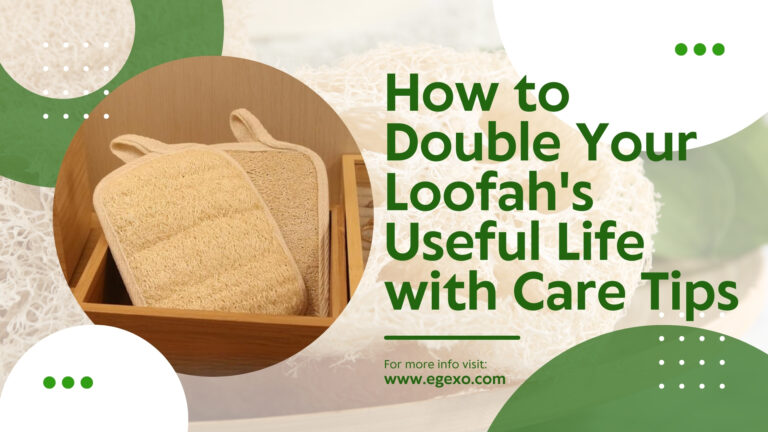
Where and how you position your loofah for drying matters tremendously. Hanging your loofah allows air circulation around all surfaces, preventing moisture pockets that encourage bacterial growth. Never place a wet loofah in an enclosed shower caddy, drawer, or plastic container.
Ideal drying locations include shower hooks positioned away from direct water spray, bathroom areas with good ventilation, or even outside the bathroom entirely in dry, well-ventilated spaces. The faster your loofah dries completely, the less opportunity bacteria have to multiply.
Daily Care Checklist for Optimal Hygiene
| Task | Timing | Purpose |
|---|---|---|
| Thorough rinse with warm water | Immediately after use | Remove soap, oils, skin cells |
| Firm squeezing | After rinsing | Expel excess moisture |
| Hang in ventilated area | After squeezing | Enable complete air drying |
| Check for complete dryness | Before next use | Confirm bacterial growth prevention |
| Remove from bathroom if humid | When bathroom stays moist | Accelerate drying in dry environment |
Weekly Deep Cleaning Methods: How to Sanitize Your Loofah Effectively
Daily rinsing maintains surface cleanliness, but weekly deep cleaning addresses bacteria that penetrate deeper into loofah fibers. Several effective sanitization methods exist, each with specific advantages for different situations.
Vinegar Solution Disinfection
The most widely recommended method for loofah sanitization involves soaking in a diluted vinegar solution. White vinegar contains acetic acid, which effectively kills many common bacteria and fungi without damaging natural loofah fibers.
To prepare the solution, mix one part white vinegar with two parts warm water in a container large enough to fully submerge your loofah. Allow the loofah to soak for 15 to 30 minutes, then remove and rinse thoroughly under clean water. Squeeze out excess moisture and hang to dry in a well-ventilated location.
This method works excellently for both personal loofahs and bulk inventory. Spa operators and retailers using raw loofah scrubbers in treatment settings should incorporate weekly vinegar sanitization into standard operating procedures.
Hydrogen Peroxide Treatment
For deeper sanitization, particularly when loofah has developed mild odor or discoloration, hydrogen peroxide offers stronger antimicrobial action. Use standard three percent hydrogen peroxide solution available at pharmacies.
Submerge the loofah in undiluted hydrogen peroxide for 10 to 15 minutes. The solution will bubble as it reacts with organic material, indicating active sanitization. After soaking, rinse thoroughly and dry completely before next use.
Boiling Water Method
Boiling water provides thermal sanitization without chemical agents. This method particularly suits natural loofah enthusiasts who prefer avoiding any chemical treatments.
Bring a large pot of water to a rolling boil, then submerge the loofah for 3 to 5 minutes. Use tongs to remove the loofah and allow it to cool before squeezing out water. This method may slightly soften the loofah fibers temporarily, but normal texture returns after complete drying.
Microwave Sanitization
For quick sanitization between regular deep cleanings, microwaving a wet loofah can eliminate many surface bacteria. Saturate the loofah with water, place it in a microwave-safe container, and heat on high for 60 to 90 seconds.
Exercise caution when removing the loofah, as it will be hot. This method should supplement rather than replace weekly deep cleaning routines.
Deep Cleaning Method Comparison
| Method | Time Required | Effectiveness | Best For |
|---|---|---|---|
| Vinegar soak | 15 to 30 minutes | High | Regular weekly maintenance |
| Hydrogen peroxide | 10 to 15 minutes | Very high | Addressing odor or discoloration |
| Boiling water | 3 to 5 minutes plus cooling | High | Chemical-free preference |
| Microwave | 60 to 90 seconds | Moderate | Quick between-cleaning sanitization |
| Combination approach | Varies | Highest | Maximum hygiene priority |
Understanding When to Replace Your Loofah: Signs and Timing Guidelines
Even with excellent loofah sponge care routines, all natural loofahs eventually reach the end of their useful life. Recognizing replacement indicators prevents continued use of degraded loofahs that may harbor persistent bacterial colonies or cause skin irritation.
Visual Indicators of Loofah Degradation
Examining your loofah regularly helps identify degradation before it becomes problematic. Key visual signs include fiber separation or fraying, dark spots or discoloration that persists after cleaning, visible mold growth of any color, and sections that appear mushy or overly soft compared to surrounding areas.
Any mold presence, even small spots, indicates the loofah requires immediate replacement. Attempting to clean moldy loofahs rarely eliminates spores embedded deep within the fiber structure.
Texture and Performance Changes
Beyond visual inspection, pay attention to how your loofah feels and performs. Loofahs losing their structural integrity feel limp rather than resilient when squeezed. The characteristic springiness of quality loofah diminishes as fibers break down.
Performance decline manifests as reduced lather generation and diminished exfoliation effectiveness. If your loofah no longer produces satisfying foam or feels less effective at skin scrubbing, replacement improves your bathing experience regardless of the loofah age.
Standard Replacement Timeline
For average use frequency of daily bathing with proper care, natural loofahs typically require replacement every two to three months. This timeline assumes consistent application of the daily and weekly care routines described in this guide.
Users who shower twice daily, exercise heavily, or use loofahs for body and face should consider replacement at the shorter end of this range. Those using loofahs less frequently, such as two to three times weekly, may extend useful life somewhat.
| Usage Pattern | Recommended Replacement |
|---|---|
| Daily use with heavy exfoliation | 6 to 8 weeks |
| Daily use with standard bathing | 8 to 10 weeks |
| Regular use, 4 to 5 times weekly | 10 to 12 weeks |
| Occasional use, 2 to 3 times weekly | 12 to 14 weeks |
| Light use with excellent care | Up to 16 weeks maximum |
Business Considerations for Loofah Replacement
Spa and hospitality businesses face additional considerations regarding loofah replacement timing. Client safety and satisfaction demand more conservative replacement schedules than personal use might require. Many professional establishments replace client-use loofahs monthly regardless of apparent condition.
Retailers advising customers should emphasize that proper care extends but does not eliminate the need for replacement. Including care instruction cards with private label loofah products builds customer trust and reduces complaints about product longevity.
Storage Solutions: Protecting Your Loofah Between Uses
Where and how you store your loofah significantly impacts its cleanliness and durability between uses. Proper storage supports the drying process essential to preventing bacterial growth while protecting the loofah from physical damage.
Ideal Storage Locations
The best storage spots share common characteristics of good air circulation, protection from direct water exposure, and moderate temperature without high humidity. Bathroom storage works when ventilation is adequate, but many experts recommend storing loofahs outside bathrooms entirely, particularly in homes with poor bathroom ventilation.
Consider these storage options ranked by effectiveness for loofah preservation. Hanging hooks in well-ventilated areas away from shower spray provide the best combination of drainage and air exposure. Mesh bags suspended from shower caddies allow airflow while containing the loofah. Dedicated loofah holders with drainage holes positioned outside direct water flow work well for shower storage. Bedroom or hallway hooks for those willing to transport their loofah after showering offer maximum drying potential.
Storage Practices to Avoid
Certain common storage habits accelerate loofah degradation and bacterial growth. Enclosed containers without ventilation trap moisture and create ideal bacterial environments. Shower floors or tub edges expose loofahs to standing water and continuous humidity. Plastic bags or sealed containers, even for travel, should not hold wet loofahs. Shared spaces where multiple wet items contact each other spread contamination between products.
Travel and Temporary Storage
Travelers face particular challenges maintaining loofah hygiene away from home. For short trips, ensure your loofah dries completely before packing and use breathable mesh bags rather than plastic. For extended travel, consider bringing a fresh loofah and properly disposing of it at trip end rather than attempting to maintain one loofah across multiple humid hotel bathrooms.
Business travelers purchasing bulk loofahs from suppliers like Egexo for hospitality clients should include storage guidance in their training materials for housekeeping staff.
The Connection Between Loofah Quality and Maintenance Requirements
Not all loofahs present equal care challenges. The quality of loofah at purchase significantly influences how much effort maintaining it requires and how long it remains usable with proper care.
How Premium Processing Affects Longevity
Egyptian loofahs processed through controlled farm to export procedures arrive with optimized fiber integrity and minimal residual moisture. This processing advantage means premium loofahs dry faster, resist bacterial colonization more effectively, and maintain structural integrity longer than poorly processed alternatives.
The fiber density of well-cultivated loofahs also impacts care requirements. Dense, tight fiber networks provide excellent exfoliation while resisting the penetration of debris and bacteria into inner structures. Sparse, loosely organized fibers trap more material and prove harder to clean thoroughly.
Quality Indicators That Predict Care Success
When selecting loofahs for personal use or business inventory, examining quality indicators helps predict maintenance success. Natural color consistency without dark spots suggests proper drying during processing. Even fiber distribution throughout the loofah body indicates mature harvesting and careful processing. Appropriate firmness with resilient spring predicts good structural integrity. Clean scent without mustiness confirms adequate moisture control during production and storage.
Businesses sourcing wholesale quantities benefit from requesting samples to evaluate these quality markers before committing to large orders. The sample request process allows quality assessment before inventory investment.
Why Cheap Loofahs Cost More Long-Term
Budget loofahs often require more frequent replacement due to faster degradation, even with identical care routines. The total cost of ownership calculation favors quality loofahs that last through their full expected lifespan with proper maintenance.
For wholesale buyers, this calculation extends to customer satisfaction and return rates. Retailers offering premium loofahs with care instructions experience fewer returns and complaints than those selling cheap alternatives without guidance.
Special Care Situations: Addressing Common Loofah Problems
Despite best efforts, loofah users occasionally encounter issues requiring specific interventions. Understanding how to address these problems helps salvage loofahs when possible and recognize when replacement becomes necessary.
Reviving a Hardened Loofah
Natural loofahs sometimes become stiff and hard when over-dried or after extended storage. This hardening does not indicate the loofah is damaged, merely that fibers have dried into a rigid configuration.
To restore flexibility, soak the hardened loofah in warm water for 10 to 15 minutes. The fibers absorb moisture and regain their characteristic pliability. After restoration, proceed with normal use and ensure complete drying follows to prevent bacterial issues.
Addressing Persistent Odor
Musty or unpleasant odors from loofahs typically indicate bacterial or mold presence within the fiber structure. Light odors may respond to intensive cleaning with hydrogen peroxide or extended vinegar soaking.
However, persistent odor that returns after deep cleaning suggests contamination too deep for surface treatment. Such loofahs should be replaced rather than used further, as the odor indicates ongoing biological activity that poses hygiene risks.
Dealing with Fiber Breakdown
When loofah sections become soft, mushy, or separate from the main body, that material has degraded beyond recovery. For localized damage, trimming away affected areas may extend the loofah useful life temporarily.
Once fiber breakdown affects a significant portion of the loofah, replacement provides better results than attempting salvage. The compromised fiber structure harbors bacteria in the degraded material and indicates overall structural decline throughout the loofah.
Loofah Care for Sensitive Skin Users
Users with sensitive skin, eczema, or other dermatological conditions require extra attention to loofah hygiene. More frequent sanitization, potentially twice weekly rather than weekly, reduces bacterial exposure. Shorter replacement cycles of six to eight weeks provide additional protection.
Those with active skin conditions should consult dermatologists about loofah use generally, as some conditions benefit from avoiding exfoliation during flare periods.
Kitchen and Specialty Loofah Care Variations
While body loofahs receive the most attention, loofahs serve multiple household purposes, each with specific care considerations. Kitchen loofahs and specialty applications require adapted maintenance approaches.
Kitchen Loofah Maintenance
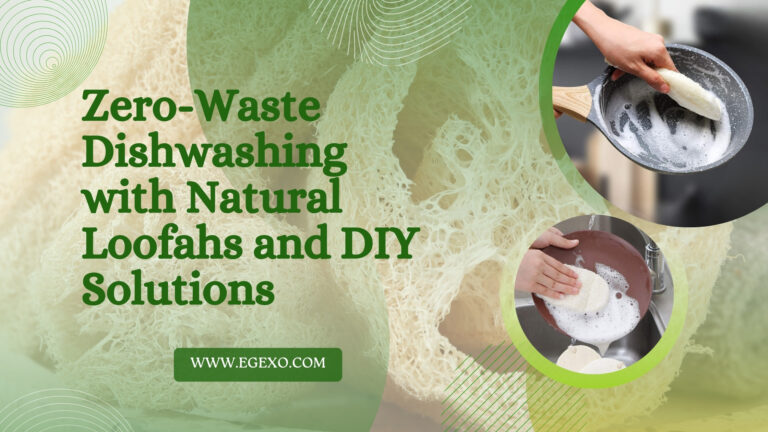
Loofahs used for dish washing and kitchen cleaning encounter different contaminants than body loofahs. Food residues, grease, and kitchen bacteria require more frequent sanitization to prevent odor and contamination.
Daily sanitization through boiling water immersion or microwave treatment keeps kitchen loofahs hygienic. Weekly replacement may be appropriate for heavy-use kitchen applications, considerably shorter than the body loofah timeline.
Pet Grooming Loofah Care
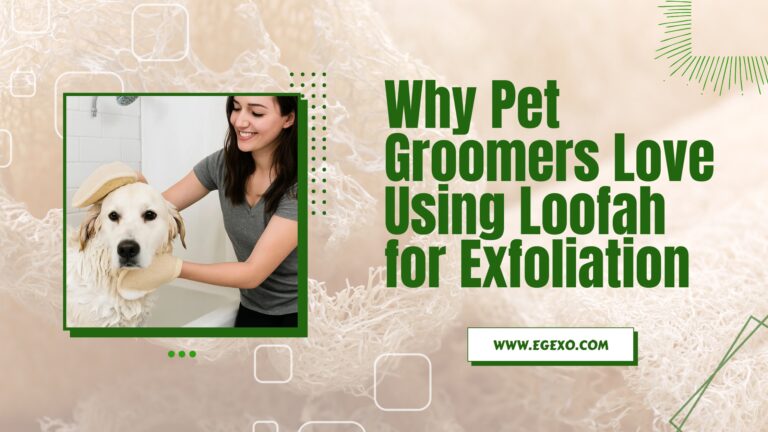
Loofahs used for pet grooming and spa applications require attention to both human and animal hygiene considerations. Separate loofahs for pet use prevent cross-contamination with personal bathing tools.
After each pet grooming session, thorough rinsing removes fur and dander before drying. Weekly deep cleaning maintains hygiene, with replacement every four to six weeks for regular pet grooming use.
Building Your Loofah Care Routine: A Practical Framework
Implementing effective loofah sponge care becomes easier with a structured routine that fits naturally into existing habits. This framework organizes all maintenance activities into manageable daily, weekly, and periodic tasks.
Daily Routine After Every Use
Complete these steps immediately following each loofah use. Rinse thoroughly under warm running water for 20 to 30 seconds while squeezing repeatedly. Wring or squeeze firmly to remove excess moisture. Hang in ventilated location away from direct water contact. Verify hanging position allows air circulation around entire surface.
Weekly Deep Cleaning Schedule
Choose one day weekly for deep cleaning activities. Prepare vinegar solution or alternative sanitizing agent. Soak loofah for recommended duration based on method. Rinse thoroughly after treatment. Perform visual inspection for damage or discoloration. Note any changes requiring attention or indicating replacement timing.
Monthly Assessment and Inventory
Evaluate loofah condition against replacement indicators monthly. Check fiber integrity through gentle stretching. Verify continued performance in lather and exfoliation. Consider replacement timeline based on purchase date and usage patterns. For businesses, review inventory levels and plan reorders through wholesale quotation requests.
FAQ Section
Q1: How often should I replace my natural loofah sponge for optimal hygiene?
A: Natural loofah sponges should be replaced every two to three months with proper daily and weekly care routines. Users who shower multiple times daily or use their loofah for vigorous exfoliation should consider replacement at six to eight weeks. Any visible mold, persistent odor after cleaning, or significant fiber breakdown indicates immediate replacement is needed regardless of timeline. Premium quality loofahs from reputable suppliers may last longer than budget alternatives with identical care.
Q2: What is the best method to sanitize loofahs for commercial spa use?
A: Commercial spa operations should implement weekly hydrogen peroxide soaking for 15 minutes followed by thorough rinsing and complete drying. This provides stronger antimicrobial action than vinegar alone. Many professional establishments maintain replacement schedules of four to six weeks regardless of apparent condition to ensure client safety. Wholesale buyers should request care protocol documentation when sourcing loofahs and train staff on proper maintenance procedures between client uses.
Q3: Can I use bleach to clean my loofah sponge?
A: Bleach is not recommended for natural loofah cleaning. The harsh chemicals in bleach break down natural cellulose fibers, accelerating degradation and potentially leaving chemical residues on the loofah surface. Bleach exposure makes loofahs more susceptible to bacterial colonization by damaging the fiber structure. Vinegar, hydrogen peroxide, and boiling water provide effective sanitization without the fiber damage associated with bleach and other harsh chemicals.
Q4: Why does my loofah develop an unpleasant smell even with regular rinsing?
A: Persistent loofah odor typically indicates bacterial or mold growth within the fiber structure despite surface rinsing. This occurs when loofahs fail to dry completely between uses, allowing bacteria to establish deep colonies. Inadequate ventilation in storage locations, high bathroom humidity, and insufficient weekly deep cleaning contribute to odor development. If deep cleaning with hydrogen peroxide does not eliminate the smell, replacement is necessary as the contamination has penetrated too deeply for surface treatment.
Q5: How do quality differences in loofahs affect maintenance requirements?
A: Premium loofahs processed through controlled procedures feature optimized fiber density and moisture content that supports faster drying and better bacterial resistance. High-quality Egyptian loofahs typically require less intensive maintenance while lasting longer than budget alternatives. Dense fiber structures resist debris penetration and clean more thoroughly with standard rinsing. Businesses benefit from sourcing quality loofahs as they experience fewer returns and customer complaints about premature degradation.
Q6: What special care do kitchen loofahs require compared to body loofahs?
A: Kitchen loofahs encounter food residues, grease, and food-borne bacteria requiring more aggressive sanitization schedules. Daily sanitization through boiling water immersion or microwave treatment is recommended for kitchen use rather than weekly deep cleaning alone. Kitchen loofahs should be replaced more frequently, often every two to four weeks for heavy use, compared to the two to three month timeline for body loofahs. Separate storage away from food preparation surfaces prevents cross-contamination.
Q7: Is it safe to share loofahs between family members?
A: Sharing loofahs is not recommended due to potential bacterial and fungal transmission between users. Each loofah collects dead skin cells, body oils, and personal bacteria from its user, creating hygiene risks when shared. Family members should maintain individual loofahs with separate storage and care routines. This practice is especially important in households with members who have compromised immune systems or active skin conditions.
Q8: How can wholesale buyers ensure their loofah inventory maintains quality before reaching customers?
A: Wholesale buyers should store inventory in climate-controlled environments with low humidity to prevent moisture absorption and bacterial growth. Proper ventilation in storage areas prevents musty odor development. Implementing first-in-first-out inventory rotation ensures oldest stock sells before extended storage impacts quality. Requesting products with individual packaging protects loofahs during distribution. Working with suppliers who maintain quality standards throughout the supply chain ensures products arrive in optimal condition.
Expert Insight from Egexo
Drawing on over 25 years of Egyptian loofah cultivation and processing experience, our agricultural specialists emphasize that maintenance success begins at harvest. Loofahs harvested at optimal maturity and processed through controlled drying develop the dense fiber structure that resists bacterial penetration and responds well to standard care routines. When selecting wholesale loofahs, examine fiber consistency and natural coloration as primary quality indicators. Products displaying these characteristics require less aggressive maintenance while delivering superior longevity. For custom loofah product designs intended for specific applications, communicate your care expectations during development so processing can be optimized accordingly.
Conclusion
Proper loofah sponge care transforms a simple bathroom accessory into a lasting hygiene tool that delivers consistent exfoliation benefits over months of use. The combination of daily rinsing and drying routines with weekly deep cleaning creates an environment where natural loofah fibers thrive rather than degrade. Understanding how to keep loofah sponge clean protects both individual users and business customers from the bacterial risks associated with neglected bath accessories.
Quality matters significantly in the care equation, with premium Egyptian loofahs offering superior response to standard maintenance compared to lower-grade alternatives. Whether purchasing for personal use or sourcing wholesale quantities for retail or hospitality operations, investing in properly processed loofahs reduces long-term costs and improves outcomes.
Key Takeaways:
- Rinse thoroughly and dry completely after every use to prevent bacterial growth
- Deep clean weekly using vinegar, hydrogen peroxide, or boiling water methods
- Replace natural loofahs every two to three months, sooner if signs of degradation appear
- Store in well-ventilated areas away from moisture to support complete drying
- Quality sourcing from reputable suppliers like Egexo reduces maintenance challenges
Ready to experience premium Egyptian loofah quality?
- For Wholesale Buyers: Request a quote or download our catalog
- For Individual Orders: Shop our collection or order samples