

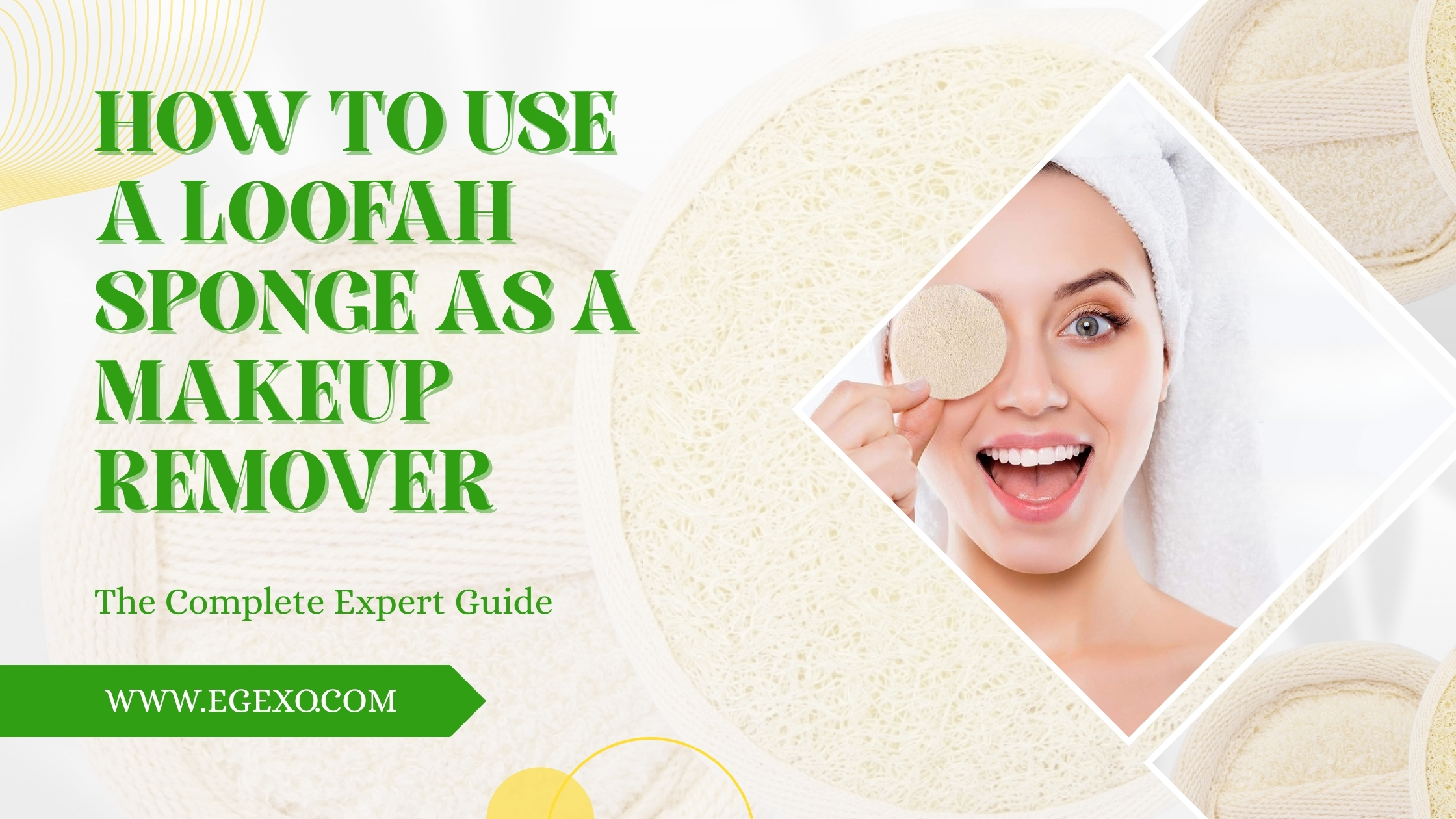
How to Use a Loofah Sponge as a Makeup Remover: The Complete Expert Guide
The beauty industry generates over 120 billion units of packaging annually, and synthetic makeup removal products contribute significantly to environmental waste. Natural alternatives have gained momentum, with the global natural skincare market projected to reach 22 billion USD by 2027. Among these eco-friendly solutions, the loofah sponge as a makeup remover stands out as a sustainable choice that delivers professional-grade results for both individual users and businesses seeking wholesale skincare accessories.
Egyptian loofah sponges have been used for personal care rituals for thousands of years, and their application in makeup removal represents a return to time-tested beauty practices. Whether you operate a spa seeking bulk supplies or you are an individual consumer looking to reduce your environmental footprint, understanding how to properly use a loofah sponge as a makeup remover can transform your skincare routine while supporting sustainable practices.
This comprehensive guide draws on over 25 years of loofah cultivation expertise from the Nile Delta region to help you select, prepare, and maintain loofah sponges specifically for facial cleansing and makeup removal. You will discover the science behind gentle exfoliation, learn which loofah varieties suit different skin types, and gain practical knowledge that applies whether you are purchasing a single sponge or sourcing thousands of units for your business.
Understanding the Loofah Sponge for Facial Care and Makeup Removal
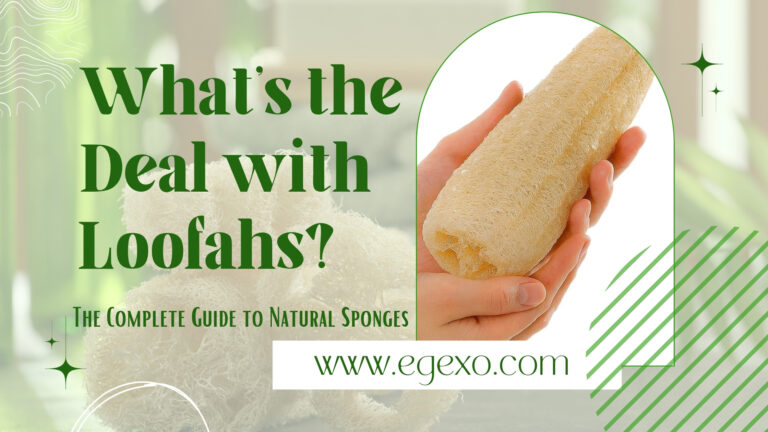
The loofah sponge comes from the mature fruit of the Luffa aegyptiaca plant, a member of the cucumber family cultivated extensively in Egypt’s fertile Nile Delta. Unlike synthetic alternatives, natural loofah fibers create a matrix of interconnected channels that trap and lift makeup particles, dead skin cells, and impurities without requiring harsh chemicals or excessive friction.
When considering a loofah sponge as a makeup remover, understanding the plant’s biology helps explain its effectiveness. The fibrous network within each loofah develops as the fruit matures over 150 to 200 days, creating natural variations in texture that range from silky soft to moderately coarse. This natural gradation allows manufacturers and consumers to select specific grades suited for delicate facial skin versus body exfoliation.
For wholesale buyers evaluating loofah products for their retail inventory or spa services, facial-grade loofahs typically come from younger harvests or from the inner portions of the fruit where fibers remain finest. These premium selections command higher prices but deliver the gentle touch necessary for daily makeup removal without causing irritation or micro-tears in facial tissue.
Egyptian loofah stands apart from varieties grown in other regions due to the unique growing conditions along the Nile. Consistent water quality, mineral-rich soil, and optimal humidity levels produce fibers with superior tensile strength and flexibility. These characteristics matter significantly when the sponge contacts sensitive facial areas during makeup removal, as inferior fibers may break down quickly or feel scratchy against the skin.
The Science Behind Loofah Exfoliation During Makeup Removal
Mechanical exfoliation through loofah fibers works by creating gentle friction that breaks the bond between makeup particles and skin cells. Modern cosmetics contain adhesive compounds designed to resist sweat, oil, and water, making removal challenging without proper tools. The natural texture of loofah fibers provides just enough abrasive action to dislodge these stubborn products while remaining gentle enough for regular use.
Clinical studies on natural exfoliation methods indicate that properly prepared loofah achieves effective dead cell removal at pressures significantly lower than synthetic scrubbing tools. This matters for makeup removal because excessive pressure can stretch delicate facial skin, potentially contributing to premature aging signs. The loofah’s natural give and flexibility naturally limits the force applied during use.
Research published in dermatology journals suggests that natural fiber exfoliants may support the skin’s microbiome better than synthetic alternatives. The hollow structure of loofah fibers allows them to rinse more thoroughly than dense plastic mesh, reducing the accumulation of bacterial residue that can transfer back to facial skin during subsequent uses. For businesses recommending skincare accessories to clients, this scientific backing strengthens marketing claims and consumer confidence.
Choosing the Right Loofah Sponge for Your Skin Type and Makeup Needs
Selecting an appropriate loofah sponge as a makeup remover requires matching the fiber density and texture to your individual skin characteristics. This decision impacts both effectiveness and comfort, making proper selection crucial whether you are purchasing for personal use or advising customers in a retail or spa setting.
The following table outlines loofah characteristics matched to common skin types for facial use and makeup removal applications.
| Skin Type | Recommended Loofah Grade | Fiber Density | Best For | Usage Frequency |
|---|---|---|---|---|
| Sensitive | Ultra-fine facial grade | Low density, soft fibers | Light makeup, daily cleansing | 2 to 3 times weekly |
| Normal | Fine facial grade | Medium-low density | Foundation, powder removal | 3 to 4 times weekly |
| Combination | Standard facial grade | Medium density | Mixed makeup types | 4 to 5 times weekly |
| Oily | Medium texture grade | Medium-high density | Heavy makeup, excess sebum | Daily use acceptable |
| Mature | Ultra-fine facial grade | Low density, soft fibers | Anti-aging routines | 2 times weekly maximum |
For wholesale buyers sourcing inventory, understanding this distribution helps optimize product assortment. Market research indicates that sensitive and normal skin types represent approximately 65 percent of consumers seeking natural facial cleansing tools, making fine-grade loofahs the highest-volume category for most retailers. Spa operators typically stock multiple grades to accommodate diverse clientele while recommending appropriate options during consultations.
Natural Loofah Versus Synthetic Options for Makeup Removal
The choice between natural and synthetic cleansing tools involves considerations beyond immediate functionality. Environmental impact, long-term skin health, and cost efficiency all factor into purchasing decisions for both individual consumers and business buyers placing bulk orders.
| Factor | Natural Egyptian Loofah | Synthetic Nylon Mesh | Silicone Pads |
|---|---|---|---|
| Biodegradability | Fully biodegradable in 30 days | 400 plus years to decompose | Not biodegradable |
| Makeup removal effectiveness | Excellent with proper preparation | Good but may require more pressure | Moderate, requires cleansers |
| Bacterial resistance | Moderate, requires proper drying | Low, retains moisture | High, non-porous surface |
| Skin compatibility | Naturally hypoallergenic | May cause irritation | Generally well tolerated |
| Lifespan | 3 to 4 weeks for facial use | 4 to 6 weeks | 6 to 12 months |
| Environmental footprint | Carbon negative when sourced sustainably | High petroleum-based impact | Moderate to high |
| Bulk purchasing cost | Low to moderate | Very low | Moderate to high |
Businesses prioritizing sustainability credentials find natural loofah products increasingly valuable as consumer awareness of environmental issues grows. Marketing materials emphasizing biodegradability and sustainable farming practices resonate with the eco-conscious demographic that often pays premium prices for aligned products. For individual consumers, the environmental benefit adds value beyond immediate skincare results.
The quality standards maintained by established suppliers directly impact product performance in makeup removal applications. Premium Egyptian loofah undergoes careful processing including sun-drying, fiber cleaning, and quality grading that removes weak or inconsistent material. These processing steps distinguish commercial-grade products from raw agricultural output and justify wholesale price differentials between suppliers.
Step by Step Guide to Using a Loofah Sponge as a Makeup Remover
Proper technique maximizes the effectiveness of your loofah sponge as a makeup remover while protecting facial skin from unnecessary irritation. The following process applies to daily or regular use, whether you are incorporating loofah into personal skincare or training spa staff on proper client protocols.
Preparing Your Loofah for First Use
New loofah sponges require preparation before facial contact to ensure optimal softness and cleanliness. This conditioning process applies to both retail products and wholesale samples being evaluated for quality.
Begin by soaking the loofah in warm water for 15 to 20 minutes to fully hydrate the natural fibers. Dry loofah feels significantly more abrasive than hydrated material, and facial skin benefits from the softened texture that proper soaking achieves. Add a small amount of gentle soap or cleanser to the soaking water to remove any residual plant material or processing dust.
After initial hydration, gently squeeze the loofah several times to work water through all fiber layers. This mechanical action opens the natural channels within the sponge and removes any remaining loose particles. Rinse thoroughly under clean running water until the runoff appears completely clear.
For businesses preparing display samples or testing wholesale shipments, this preparation step reveals true fiber quality. Premium-grade loofah maintains structural integrity during aggressive squeezing while lower-quality material may shed excessive fibers or develop weak spots. These observations help wholesale buyers assess supplier consistency before committing to large orders.
The Makeup Removal Process
Once properly prepared, follow these steps for effective makeup removal using your loofah sponge.
| Step | Action | Duration | Tips for Best Results |
|---|---|---|---|
| 1 | Apply makeup remover or gentle cleanser to damp loofah | 10 seconds | Use oil-based products for waterproof makeup |
| 2 | Work product into loofah fibers with fingers | 15 seconds | Creates foam and distributes cleanser evenly |
| 3 | Begin at forehead, using gentle circular motions | 20 to 30 seconds | Avoid eye area directly |
| 4 | Move to cheeks with light pressure | 20 to 30 seconds | Let the texture do the work, not force |
| 5 | Address nose and chin with smaller circles | 15 to 20 seconds | These areas may need slightly more attention |
| 6 | Rinse face with lukewarm water | 30 seconds | Remove all cleanser and loosened makeup |
| 7 | Repeat light pass if heavy makeup remains | As needed | One pass typically sufficient for daily makeup |
| 8 | Finish with cool water rinse | 15 seconds | Helps close pores after exfoliation |
The entire process should take between two and four minutes, making loofah-based makeup removal practical for daily routines. Spa professionals can extend this timeframe during facial treatments, incorporating massage techniques that enhance the client experience while achieving thorough cleansing.
Eye area makeup requires special consideration when using a loofah sponge as a makeup remover. The skin surrounding the eyes is thinner and more delicate than other facial areas. While gentle loofah use can address makeup on outer eye areas, most professionals recommend using separate soft cloths or cotton pads for direct eyelid and under-eye cleansing.
Maintaining Your Loofah Sponge for Hygiene and Longevity
Proper care extends the useful life of facial loofah sponges while preventing bacterial growth that could compromise skin health. Maintenance protocols matter equally for personal use and commercial settings where multiple products serve various clients.
After each use, rinse the loofah thoroughly under running water to remove all soap, cleanser, and makeup residue. Squeeze firmly multiple times while rinsing to flush material from deep within the fiber matrix. Any residue left inside the sponge provides nutrition for bacteria and can cause premature breakdown of the natural fibers.
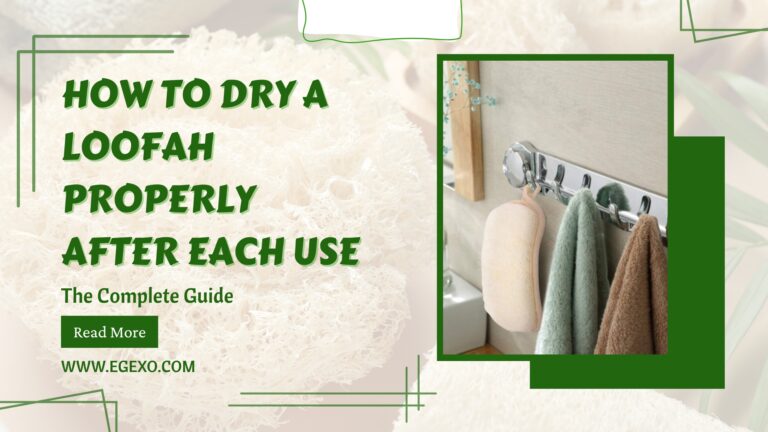
Drying represents the most critical maintenance step for loofah hygiene. Hang the sponge in a well-ventilated area where air circulates freely around all surfaces. Avoid leaving loofah in enclosed shower spaces or bathroom cabinets where humidity remains high. Complete drying between uses dramatically reduces bacterial colonization and extends product lifespan.
Weekly deep cleaning further protects hygiene for loofah sponges used as makeup removers. The following schedule provides a framework for personal and commercial maintenance.
| Maintenance Task | Frequency | Method | Purpose |
|---|---|---|---|
| Post-use rinse | After every use | Running water with thorough squeezing | Removes immediate residue |
| Air drying | After every use | Hang in ventilated space | Prevents bacterial growth |
| Deep clean | Weekly | Soak in diluted white vinegar solution for 30 minutes | Sanitizes and removes buildup |
| Inspection | Weekly | Check for fiber breakdown, discoloration, or odor | Identifies replacement needs |
| Replacement | Every 3 to 4 weeks | Dispose of used loofah, begin with new product | Maintains optimal hygiene |
Commercial establishments serving multiple clients should increase maintenance frequency and implement stricter replacement schedules. Many spas use single-client loofahs that are either sold to the customer after treatment or disposed of after single use. This practice ensures maximum hygiene while creating retail opportunities that offset product costs.
For businesses purchasing wholesale quantities, maintenance and replacement schedules directly impact ordering frequency and inventory management. Understanding these cycles helps optimize stock levels and ensures fresh product availability without excessive storage of materials that may degrade over time.
Selecting Loofah Products for Different Makeup Types
Various makeup formulations require different removal approaches, and matching your loofah selection to your typical cosmetic products improves results. This matching applies whether you are choosing products for personal use or curating retail assortments that address common customer needs.
Everyday Makeup Removal
Standard daily makeup including foundation, blush, and setting powders responds well to fine-grade facial loofah with standard cleansing products. The gentle texture lifts powder particles and breaks down liquid foundation without aggressive scrubbing. Most consumers find that a single pass removes routine makeup effectively.
For makeup containing mineral ingredients, the natural texture of loofah proves particularly effective. Mineral particles can settle into fine lines and pores, and the three-dimensional fiber structure reaches these areas more effectively than flat cloths or smooth silicone pads. This thoroughness contributes to clearer skin over time.
Heavy and Waterproof Makeup Removal
Full coverage foundation, long-wear formulas, and waterproof products require enhanced removal strategies. Pair your loofah sponge as a makeup remover with oil-based cleansing products for these challenging applications. The oil dissolves waterproof compounds while the loofah texture lifts residue from skin surfaces.
Consider using a two-pass approach for heavy makeup. The first pass with oil-based cleanser breaks down product layers, while a second pass with gentle foam cleanser ensures complete removal. This method prevents the pore-clogging that can occur when waterproof ingredients remain on skin after incomplete cleansing.
Special Considerations for Various Cosmetic Products
| Makeup Type | Recommended Loofah Grade | Cleanser Pairing | Special Notes |
|---|---|---|---|
| Light tinted moisturizer | Ultra-fine | Gel or foam cleanser | May skip loofah on minimal makeup days |
| Full coverage foundation | Fine to standard | Oil or balm cleanser | Consider double cleanse method |
| Mineral powder products | Fine | Micellar water followed by foam | Loofah reaches settled particles effectively |
| Long-wear lipstick | Fine, small piece | Oil cleanser | Use gentle pressure around lip area |
| Waterproof mascara | Not recommended for direct eye use | Dedicated eye makeup remover | Use soft cloth for immediate eye area |
| Setting spray | Standard | Foam cleanser | May require slightly longer cleansing time |
| Stage or theatrical makeup | Standard to medium | Professional makeup remover | May need multiple passes |
Spa professionals and makeup artists benefit from stocking various loofah grades to address the full spectrum of client needs. Wholesale purchasing allows cost-effective inventory building while ensuring appropriate options remain available for diverse situations.
Wholesale Considerations for Loofah Skincare Products
Business buyers evaluating loofah products for resale or service use benefit from understanding quality indicators, packaging options, and supplier evaluation criteria. These factors directly impact profitability, customer satisfaction, and operational efficiency.
Quality Grading Standards for Facial Loofah
Premium facial loofah products undergo rigorous grading based on fiber consistency, structural integrity, and cosmetic appearance. Understanding these grades helps wholesale buyers specify appropriate products for their market positioning.
| Quality Grade | Characteristics | Typical Applications | Relative Cost |
|---|---|---|---|
| Premium A | Uniform fine fibers, no visible defects, consistent color | Luxury spa treatments, high-end retail | Highest tier |
| Grade A | Fine fibers with minimal variation, slight natural markings | Professional aesthetician use, quality retail | High tier |
| Standard B | Good fiber quality, visible natural variation, functional performance | Mass retail, promotional items | Mid tier |
| Economy C | Functional quality, noticeable variation, suitable for general use | Budget retail, promotional giveaways | Lower tier |
For businesses positioning loofah as a makeup remover, Premium A or Grade A products best support marketing claims and customer satisfaction. The investment in higher-grade material typically returns through reduced customer complaints, stronger reviews, and improved repurchase rates.
Supplier Evaluation Checklist for Wholesale Buyers
When sourcing loofah products, the following criteria help identify reliable suppliers capable of consistent quality delivery.
| Evaluation Criteria | What to Assess | Red Flags |
|---|---|---|
| Cultivation experience | Years in loofah farming, knowledge of growing conditions | New market entrants without agricultural background |
| Processing facilities | Cleaning, drying, and grading capabilities | Lack of quality control documentation |
| Export certifications | Phytosanitary certificates, organic certifications if claimed | Unable to provide required documentation |
| Sample quality | Consistency between samples and production orders | Samples significantly better than bulk orders |
| Communication responsiveness | Timely responses to inquiries, clear information | Delayed responses, vague answers to specific questions |
| Minimum order flexibility | Willingness to accommodate various order sizes | Rigid minimums inappropriate for buyer’s scale |
| Customization capabilities | Private labeling, custom sizing, packaging options | One-size-fits-all approach without flexibility |
Established suppliers with decades of experience, like those operating in Egypt’s traditional loofah-growing regions, typically demonstrate stronger quality consistency than newer market entrants. The accumulated knowledge of proper harvesting timing, processing methods, and storage conditions directly impacts final product quality.
For buyers interested in evaluating Egyptian loofah quality, sample orders provide the most reliable assessment before committing to bulk purchases. Testing products through actual use reveals characteristics that visual inspection alone cannot identify.
Integrating Loofah into Complete Skincare Routines
Using a loofah sponge as a makeup remover fits within broader skincare practices that maximize skin health and appearance. Understanding this context helps both consumers and business professionals recommend complementary products and practices.
The optimal skincare sequence places loofah exfoliation after initial makeup breakdown but before treatment products. This positioning ensures that active ingredients in serums and treatments penetrate effectively into freshly cleansed and exfoliated skin. Following loofah use with toner helps rebalance skin pH before subsequent product application.
For those incorporating loofah makeup removal into anti-aging routines, gentleness remains paramount. While exfoliation supports cell turnover that contributes to youthful appearance, excessive mechanical action can stress mature skin. Selecting ultra-fine loofah grades and limiting sessions to twice weekly provides benefits without irritation risk.
Spa professionals can create treatment protocols that feature loofah cleansing as a preliminary step before masks, peels, or other facial services. This application positions natural loofah as a professional-grade tool rather than merely a home-use product, supporting premium service pricing while delivering genuine results.
FAQ Section
Q1: Can I use any loofah sponge as a makeup remover for my face?
A: Not all loofah sponges suit facial use for makeup removal. Select fine-grade or facial-specific loofahs with soft, uniform fibers for safe and effective results. Body-grade loofahs often feature coarser textures that may irritate delicate facial skin. Egyptian loofahs from premium suppliers offer grading options specifically designed for gentle facial applications, ensuring appropriate texture for makeup removal without causing micro-tears or excessive irritation.
Q2: How often should wholesale buyers reorder facial loofah inventory?
A: Reorder frequency depends on sales velocity and recommended replacement cycles for customers. Since facial loofahs used as makeup removers should be replaced every three to four weeks, retailers typically see repeat purchases from satisfied customers on monthly cycles. Wholesale buyers should maintain two to three months of inventory based on historical sales data, accounting for seasonal variations and promotional activities that may spike demand.
Q3: Is natural loofah more effective than synthetic alternatives for removing waterproof makeup?
A: Natural loofah combined with oil-based cleansers effectively removes waterproof makeup through a combination of chemical breakdown and mechanical lifting. The three-dimensional fiber structure of authentic Egyptian loofah reaches into skin texture more thoroughly than flat synthetic pads. While synthetic options may initially seem more absorbent, natural loofah fibers release trapped material more completely during rinsing, preventing residue transfer back to skin.
Q4: What certifications should I look for when sourcing loofah products for spa use?
A: Professional spa buyers should verify phytosanitary certificates for international shipments, organic certifications if making natural claims, and quality grading documentation from suppliers. Egyptian loofah exporters providing complete documentation demonstrate professional operations and regulatory compliance. Additionally, inquire about processing facility standards and whether the supplier offers private labeling services for branded spa products.
Q5: How do I prevent bacterial growth on my loofah when using it for facial makeup removal?
A: Thorough drying between uses provides the most effective bacterial prevention for loofah sponges used as makeup removers. After each use, rinse completely and squeeze out all water, then hang in a well-ventilated area outside the bathroom if possible. Weekly sanitization using diluted white vinegar solution adds additional protection. Replace facial loofahs every three to four weeks regardless of visible condition to maintain optimal hygiene.
Q6: Can loofah sponges be customized with branding for retail sale?
A: Yes, established loofah suppliers offer private labeling and custom packaging services for wholesale buyers. Options typically include custom shapes, sizes, and packaging designs that feature your brand identity. Minimum order quantities for customized products vary by supplier, though many accommodate orders as low as several hundred units for branded facial loofah products. Custom options allow retailers and spas to differentiate their offerings while maintaining quality control through trusted suppliers.
Q7: Are there specific storage requirements for loofah inventory in retail or spa settings?
A: Store loofah inventory in cool, dry environments away from direct sunlight and humidity. Excessive moisture can encourage mold growth even on properly dried products, while heat may degrade fiber quality over time. Original packaging should remain sealed until products enter display or service use. Properly stored Egyptian loofah maintains quality for twelve to eighteen months, allowing businesses to purchase in bulk without rapid degradation concerns.
Q8: What makes Egyptian loofah different from varieties grown in other regions?
A: Egyptian loofah from the Nile Delta region benefits from unique growing conditions including mineral-rich soil, consistent irrigation water quality, and optimal humidity levels throughout the extended growing season. These factors produce fibers with superior flexibility, tensile strength, and uniform texture compared to loofahs grown in other climates. For facial applications including makeup removal, these quality differences translate to gentler exfoliation and longer product lifespan.
Expert Insight from Egexo
With over 25 years cultivating premium loofah in Egypt’s Nile Delta, we have observed growing interest in facial-grade products for makeup removal applications. The key to successful loofah use on facial skin lies in proper fiber selection and preparation. Many consumers experience irritation not because loofah is inherently harsh, but because they use body-grade products on their face or skip the essential hydration step before first use.
For spa owners and retailers, we recommend offering education alongside products. Customers who understand proper technique become loyal repeat buyers, returning monthly for replacement loofahs. This educational approach also reduces returns and complaints while building trust in your expertise. When sourcing facial loofah, always request samples and test them yourself before committing to bulk orders. The difference between premium and economy grades becomes immediately apparent during actual use.
Conclusion
Mastering the use of a loofah sponge as a makeup remover combines sustainable practices with effective skincare results. This natural alternative to synthetic cleansing tools delivers thorough makeup removal while supporting environmental responsibility and skin health.
Key Takeaways:
- Select fine-grade or facial-specific loofah with soft, uniform fibers for safe makeup removal
- Prepare new loofahs by soaking for 15 to 20 minutes before first facial use
- Maintain proper hygiene through complete drying between uses and weekly deep cleaning
- Replace facial loofahs every three to four weeks regardless of visual condition
- Pair loofah with appropriate cleansers based on makeup type for optimal results
- Wholesale buyers should evaluate supplier quality through samples before bulk orders
Ready to experience Egyptian loofah quality?
- For Wholesale Buyers: Request a quote at https://egexo.com/get-quotation-loofah-wholesale/ or download our catalog at https://egexo.com/wp-content/uploads/2025/08/EGEXO-Loofah-Wholesale-Supplier-Product-Catalog.pdf
- For Individual Orders: Shop our collection at https://egexo.com/shop or order samples at https://egexo.com/request-loofah-samples/