

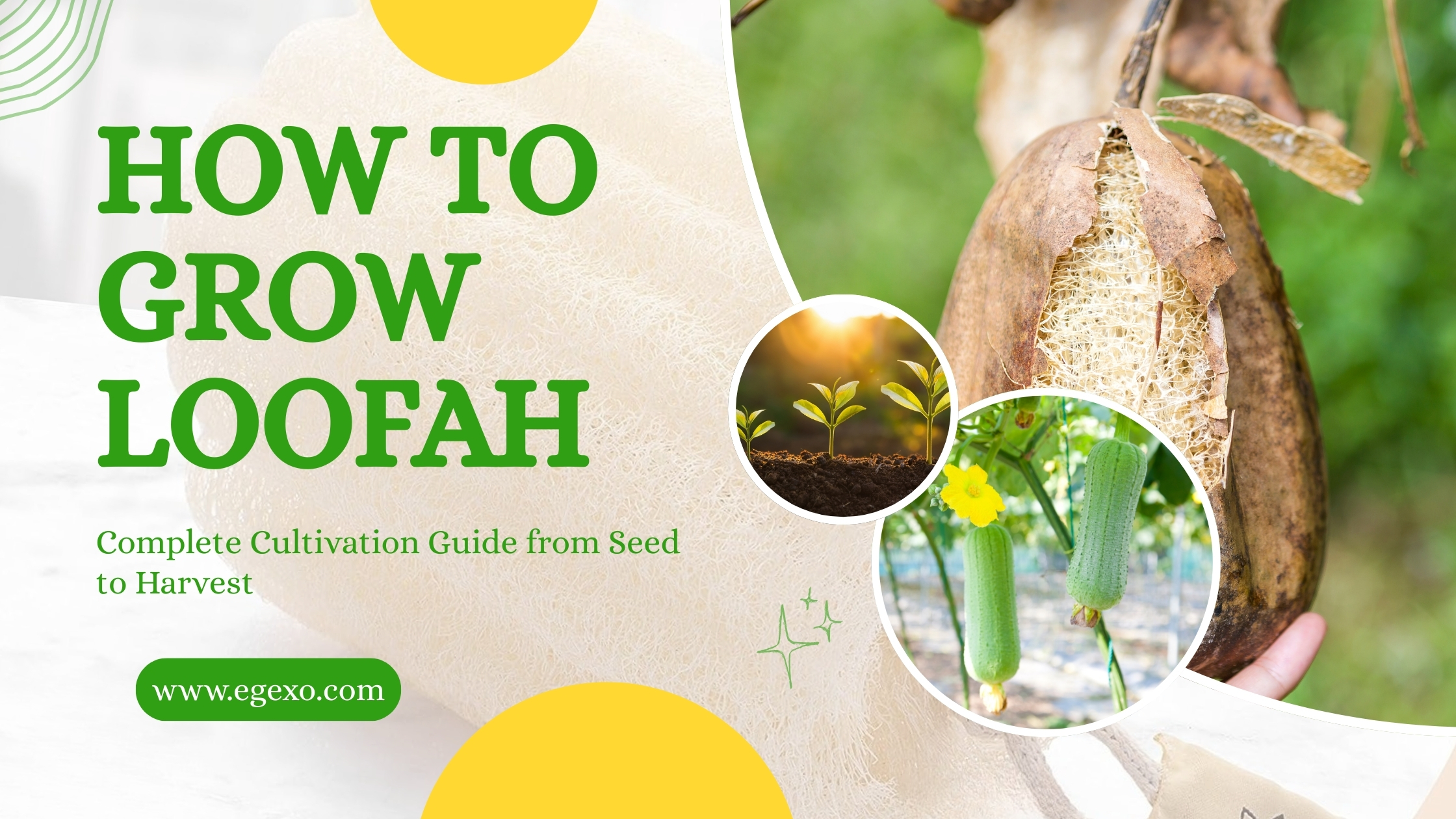
How to Grow Loofah: Complete Cultivation Guide from Seed to Harvest
Growing loofah at home transforms a simple garden project into a source of natural, sustainable exfoliating sponges that rival commercial products in quality and effectiveness. The loofah plant, scientifically known as Luffa aegyptiaca, produces the fibrous interior we recognize as bath sponges, kitchen scrubbers, and spa accessories. Understanding how to grow loofah successfully requires knowledge of its tropical origins, extended growing season, and specific cultivation requirements.
Egyptian farmers have perfected loofah growth techniques over centuries, developing methods that consistently produce premium grade fibers sought by spa owners, retailers, and eco-conscious consumers worldwide. Whether you plan to cultivate loofahs for personal use, start a small business venture, or simply appreciate sustainable gardening practices, this comprehensive guide covers everything from seed selection to harvest timing.
Commercial loofah cultivation supports a growing global market valued at over 450 million USD, with natural loofah products experiencing 12 percent annual growth as consumers shift away from synthetic alternatives. For business buyers evaluating suppliers, understanding the cultivation process helps identify quality indicators that separate premium Egyptian loofah from inferior products. Home gardeners benefit equally from this knowledge, gaining the skills needed to produce bathroom and kitchen sponges from their own backyard harvest.
Understanding the Loofah Plant and Its Growing Requirements
The loofah plant belongs to the Cucurbitaceae family, making it a relative of cucumbers, squash, and melons. Two primary species dominate commercial and home cultivation. Luffa aegyptiaca, commonly called Egyptian loofah or smooth loofah, produces the cylindrical sponges preferred for body care applications. Luffa acutangula, known as ridged loofah or angled loofah, features prominent ridges and finds use primarily in culinary applications throughout Asia.
Successful loofah growth depends on providing conditions that mimic the plant’s tropical origins. Native to South Asia and cultivated extensively throughout Egypt’s Nile Delta region, loofah thrives in warm temperatures, abundant sunlight, and consistent moisture. The Egexo cultivation facilities in Egypt benefit from ideal growing conditions, including fertile alluvial soil, warm Mediterranean climate, and traditional farming expertise passed through generations.
Climate and Temperature Requirements for Loofah Growth
Loofah plants demand warmth throughout their lengthy growing season, which spans 150 to 200 days from seed to harvest. Soil temperatures must reach at least 70 degrees Fahrenheit before planting, with optimal growth occurring between 75 and 95 degrees Fahrenheit. Frost kills loofah plants instantly, making timing critical for gardeners outside tropical regions.
| Climate Factor | Minimum | Optimal | Maximum |
|---|---|---|---|
| Soil Temperature for Germination | 70F | 85F | 95F |
| Air Temperature for Growth | 60F | 80F | 100F |
| Growing Season Length | 150 days | 180 days | 200 days |
| Frost Tolerance | None | None | None |
| Humidity Level | 40 percent | 60 percent | 80 percent |
Gardeners in USDA zones 7 and below must start loofah seeds indoors six to eight weeks before the last expected frost. Zone 8 gardeners can direct sow after soil warms sufficiently, while zones 9 through 11 enjoy extended outdoor growing seasons ideal for loofah production. Commercial growers in Egypt benefit from zone 10 equivalent conditions, allowing year-round cultivation cycles that supply wholesale loofah buyers globally.
Soil Preparation and Planting Site Selection
Loofah plants develop extensive root systems that support vigorous vine growth reaching 30 feet or more. Preparing the planting site properly establishes the foundation for healthy loofah growth throughout the season. Select a location receiving full sun exposure for at least eight hours daily, with protection from strong winds that can damage tender vines.
The ideal soil composition combines rich organic matter with excellent drainage. Heavy clay soils require amendment with compost and coarse sand to prevent waterlogging, while sandy soils benefit from organic material additions that improve water retention. Aim for a slightly acidic to neutral pH between 6.0 and 7.0, testing and adjusting several weeks before planting.
Professional loofah cultivators at Egexo maintain strict soil quality standards, understanding that fiber density and texture directly correlate with growing conditions. Business buyers evaluating wholesale loofah quality can reference our detailed quality standards documentation to understand how cultivation practices influence the final product characteristics they receive.
Step by Step Guide to Grow Loofah from Seed
Starting loofah from seed requires patience and attention to detail, as germination can prove challenging without proper preparation. The hard seed coat that protects loofah seeds during storage also inhibits water absorption necessary for sprouting. Following proven techniques dramatically improves germination rates and seedling vigor.
Seed Preparation and Germination Techniques
Loofah seeds benefit significantly from pre-treatment before planting. Soaking seeds in warm water for 24 to 48 hours softens the seed coat and initiates the germination process. Some experienced growers nick the seed coat with a file or sandpaper, creating a small opening that allows moisture penetration. Either method improves germination rates from approximately 50 percent to over 85 percent.
| Germination Method | Germination Rate | Days to Sprout | Difficulty Level |
|---|---|---|---|
| Direct sow without treatment | 40 to 50 percent | 14 to 21 days | Easy |
| 24 hour water soak | 70 to 75 percent | 10 to 14 days | Easy |
| 48 hour water soak with scarification | 85 to 90 percent | 7 to 10 days | Moderate |
| Paper towel pre-sprouting | 90 to 95 percent | 5 to 7 days | Moderate |
| Heat mat with humidity dome | 95 percent plus | 5 to 7 days | Advanced |
For indoor starting, plant pre-treated seeds in biodegradable pots filled with quality seed starting mix. Plant seeds one inch deep, water thoroughly, and maintain consistent moisture without waterlogging. Place containers in a warm location or on a seedling heat mat maintaining 85 degrees Fahrenheit. Covering with plastic wrap or humidity domes retains moisture during the critical germination period.
Transplanting and Early Care
Loofah seedlings develop quickly once established, producing true leaves within two weeks of sprouting. Wait until plants display three to four true leaves and outdoor temperatures consistently exceed 70 degrees Fahrenheit before transplanting. Harden off seedlings gradually over seven to ten days, exposing them to increasing periods of outdoor conditions to prevent transplant shock.
Space loofah plants three to five feet apart when growing on a trellis system, or six to eight feet apart for ground cultivation. Dig planting holes twice the width of the root ball, incorporate a handful of compost, and position transplants at the same depth they grew in containers. Water deeply immediately after transplanting and apply organic mulch around the base to conserve moisture and regulate soil temperature.
Commercial operations like those managed by Egexo utilize precision planting techniques developed through decades of experience. Our farm to export process documentation details how professional cultivation methods translate to the premium loofah products available through our wholesale programs.
Trellis Systems and Support Structures for Loofah Growth
Providing adequate support for loofah vines significantly impacts both yield and fruit quality. Ground-grown loofahs often develop curved shapes, discoloration from soil contact, and increased susceptibility to rot and pest damage. Vertical growing systems produce straighter, cleaner fruits while maximizing garden space efficiency.
Trellis Design Options for Home and Commercial Growing
The support structure must accommodate substantial weight, as mature loofah vines carrying multiple fruits can exceed 50 pounds per plant. Simple designs using sturdy posts and heavy gauge wire work effectively for home gardeners, while commercial operations invest in permanent arbor systems designed for years of production.
| Trellis Type | Height | Suitable Area | Cost Level | Best For |
|---|---|---|---|---|
| A-frame trellis | 6 to 8 feet | Small gardens | Low | Home gardeners |
| Fence or wall mounted | 8 to 10 feet | Limited space | Low | Urban gardens |
| Cattle panel arch | 7 feet | Medium gardens | Moderate | Multiple plants |
| T-post with wire | 8 to 10 feet | Large areas | Moderate | Semi-commercial |
| Permanent arbor structure | 10 to 12 feet | Commercial fields | High | Professional growers |
Construct trellises before planting or transplanting to avoid root disturbance later. Position structures to maximize southern sun exposure in northern hemisphere locations. Leave adequate space between rows for maintenance access, harvest operations, and air circulation that reduces disease pressure.
Training Vines for Optimal Loofah Production
Loofah vines climb using tendrils that wrap around available supports. Guide young vines toward trellis structures, gently securing stems with soft ties until tendrils establish their own grip. Pinching the main growing tip when vines reach the top of supports encourages lateral branching and increased fruit production.
Commercial growers often practice selective pruning, removing excessive foliage that shades developing fruits. This technique improves air circulation, promotes even ripening, and produces loofahs with more consistent fiber development. Home gardeners can adopt similar practices, though less intensive management still yields satisfactory results for personal use.
Watering, Fertilization, and Ongoing Loofah Care
Consistent care throughout the growing season determines both yield quantity and loofah fiber quality. Like their cucumber relatives, loofah plants require substantial water during active growth and fruit development. Irregular watering causes stress that manifests as reduced fruit size, poor fiber development, and increased susceptibility to pests and diseases.
Irrigation Best Practices for Healthy Loofah Growth
Provide one to two inches of water weekly during vegetative growth, increasing to two inches or more during flowering and fruit development. Morning watering allows foliage to dry before evening, reducing fungal disease risk. Drip irrigation or soaker hoses deliver water directly to the root zone while keeping foliage dry, representing the preferred method for commercial and serious home cultivation.
| Growth Stage | Water Needs | Frequency | Signs of Under-watering |
|---|---|---|---|
| Seedling establishment | Light, consistent | Daily | Wilting, slow growth |
| Vegetative growth | Moderate | Every 2 to 3 days | Drooping leaves, yellowing |
| Flowering | Moderate to high | Every 2 days | Flower drop, poor fruit set |
| Fruit development | High | Daily in heat | Small fruits, tough fiber |
| Maturation and drying | Reduced | Weekly | Not applicable |
Egyptian loofah cultivation benefits from the Nile Delta’s irrigation systems, which provide consistent water delivery throughout the growing season. This reliable moisture supply contributes to the superior fiber quality that distinguishes Egyptian loofah products in global markets. Wholesale buyers seeking premium bath and body loofahs recognize these growing condition advantages when sourcing from established Egyptian suppliers.
Fertilization Schedule for Maximum Yield
Loofah plants are heavy feeders that deplete soil nutrients quickly during their extended growing season. Begin with a balanced fertilizer application at planting time, then transition to formulations emphasizing phosphorus during flowering and potassium during fruit development.
Apply liquid fertilizer every two weeks during active growth, or use slow-release granular products monthly. Organic options including compost tea, fish emulsion, and kelp extract provide nutrients while supporting soil biology. Avoid excessive nitrogen during flowering, which promotes foliage growth at the expense of fruit production.
Side-dress established plants with compost or aged manure monthly, working material into the top few inches of soil around plant bases. This practice supplements regular fertilization while improving soil structure and moisture retention. Commercial operations maintain detailed fertilization records that correlate with fiber quality outcomes, information that informs the quality grading standards applied to export products.
Pollination, Flowering, and Fruit Development
Loofah plants produce separate male and female flowers on the same vine, requiring insect pollination for fruit set. Understanding this flowering pattern helps gardeners identify potential problems and intervene when necessary to ensure productive harvests.
Understanding Loofah Flower Biology
Male flowers appear first, typically three to four weeks before female flowers emerge. This timing ensures pollen availability when female flowers open. Male flowers grow in clusters on long stems, while female flowers appear singly with a miniature fruit visible behind the petals.
Each flower opens for a single day, making timely pollination critical. Bees and other pollinators naturally transfer pollen between flowers, but gardeners can hand-pollinate to guarantee fruit set. Using a small brush or cotton swab, collect pollen from male flower anthers and transfer to female flower stigmas during morning hours when flowers are fully open.
Poor fruit set often indicates pollination problems rather than plant health issues. Increasing pollinator habitat nearby, avoiding pesticide use during flowering, and hand-pollinating during periods of low bee activity all improve outcomes. Commercial growers often maintain bee colonies near loofah fields to ensure adequate pollination throughout the flowering period.
Fruit Development Timeline and Quality Indicators
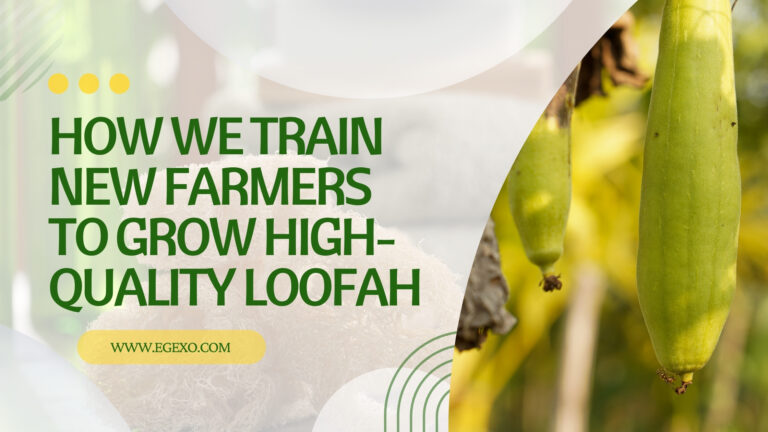
Following successful pollination, loofah fruits develop rapidly, reaching full size within three to four weeks. Mature fruits measure 12 to 24 inches in length depending on variety, with diameters of three to four inches. The exterior transitions from deep green to yellowish as the fruit matures and internal fibers develop fully.
| Development Stage | Days After Pollination | Fruit Characteristics | Action Required |
|---|---|---|---|
| Initial fruit set | 1 to 7 days | Small green fruit visible | Monitor for pests |
| Rapid growth | 7 to 21 days | Fruit elongates quickly | Maintain watering |
| Size completion | 21 to 35 days | Full length achieved | Reduce nitrogen |
| Fiber development | 35 to 60 days | Exterior yellowing begins | Prepare for harvest |
| Harvest ready | 60 to 90 days | Brown, lightweight, rattling seeds | Harvest immediately |
Quality fiber development requires allowing fruits to mature fully on the vine. Harvesting immature loofahs produces weak, underdeveloped fibers unsuitable for effective exfoliation. Conversely, leaving fruits too long after maturation risks mold development and fiber degradation, particularly in humid conditions.
Harvesting, Processing, and Preparing Your Loofah Sponges
The harvest and processing phase transforms garden-grown loofahs into functional sponges ready for bathroom, kitchen, or spa use. Timing harvest correctly and following proper processing steps ensures maximum fiber quality and extended product lifespan.
Harvest Timing Checklist
Determining optimal harvest timing requires observing multiple plant indicators rather than relying on calendar dates alone. The following checklist helps identify harvest-ready loofahs.
| Harvest Readiness Indicator | What to Look For | Ready Status |
|---|---|---|
| Exterior color | Yellow to brown, no green remaining | Yes |
| Skin texture | Dry and papery, separating from fiber | Yes |
| Weight | Noticeably lighter than developing fruit | Yes |
| Sound when shaken | Seeds rattling inside | Yes |
| Stem attachment | Beginning to dry and shrivel | Yes |
| Vine condition | Yellowing leaves on bearing vines | Yes |
Cut mature loofahs from vines using clean pruning shears, leaving a short stem attached. Handle harvested fruits gently to avoid damaging internal fibers. Process immediately or store briefly in a dry, well-ventilated location until ready for peeling.
Processing Steps for Quality Loofah Sponges
Transforming harvested loofahs into usable sponges involves removing the outer skin and seeds while preserving fiber integrity. Several processing methods work effectively, with selection depending on fruit maturity and personal preference.
For fully dried loofahs with loose skin, simply peel away the outer layer by hand, starting from the stem end and working downward. Shake out seeds through the open end, saving some for next season’s planting. Rinse the exposed fiber structure under running water to remove remaining debris and plant material.
Fresher loofahs require soaking in water for several hours or overnight to soften the skin for removal. Some gardeners prefer a brief boiling water treatment that loosens skin quickly, though this method requires careful temperature control to avoid fiber damage. After skin removal, rinse thoroughly and allow sponges to dry completely in a sunny, well-ventilated location.
Professional processing facilities like those operated by Egexo utilize refined techniques developed through generations of production experience. These methods consistently produce the uniform, high-quality loofahs that meet commercial specifications for wholesale buyers. Business customers interested in premium Egyptian loofah can request samples to evaluate fiber quality firsthand before placing bulk orders.
Selecting the Right Loofah for Your Skin Type
Understanding loofah characteristics helps both home growers and purchasers select products suited to specific applications. Fiber density, texture, and overall quality vary based on growing conditions, harvest timing, and processing methods. Matching loofah characteristics to skin type ensures effective exfoliation without irritation.
Loofah Selection Guide by Skin Type
| Skin Type | Recommended Loofah | Fiber Characteristics | Usage Frequency |
|---|---|---|---|
| Sensitive skin | Grade A Egyptian loofah | Fine, dense fibers, soft texture | 1 to 2 times weekly |
| Normal skin | Grade A or B Egyptian loofah | Medium density, balanced texture | 2 to 3 times weekly |
| Oily skin | Grade B Egyptian loofah | Firmer fibers, deeper exfoliation | 3 to 4 times weekly |
| Rough or dry skin | Standard grade loofah | Coarser texture, intense scrubbing | 2 to 3 times weekly |
| Body areas | Any grade based on preference | Varies by application | As needed |
Natural Egyptian loofah offers advantages over synthetic alternatives for most users. The organic fiber structure provides effective exfoliation while remaining gentle enough for regular use. Unlike plastic-based scrubbers, natural loofah biodegrades completely, supporting eco-conscious skincare routines that align with sustainable lifestyle choices.
Wholesale buyers stocking loofah products benefit from offering multiple quality grades to serve diverse customer preferences. The Egexo product catalog includes raw loofah scrubbers, processed bath and body loofahs, and specialty spa and pet grooming products suitable for various retail and professional applications. Custom loofah product design services allow businesses to develop unique offerings differentiated from standard market products.
Common Growing Problems and Solutions
Even experienced gardeners encounter challenges when growing loofah. Recognizing problems early and responding appropriately prevents crop losses and maintains plant health throughout the extended growing season.
Troubleshooting Guide for Loofah Cultivation
| Problem | Likely Cause | Solution |
|---|---|---|
| Poor germination | Hard seed coat, cold soil | Pre-soak seeds, use heat mat |
| Slow vine growth | Low temperatures, insufficient nutrients | Wait for warmth, increase fertilization |
| No female flowers | Plant immaturity, excess nitrogen | Be patient, reduce nitrogen |
| Flower drop | Poor pollination, heat stress | Hand pollinate, provide shade |
| Small or misshapen fruit | Water stress, insufficient pollination | Consistent watering, hand pollinate |
| Yellowing leaves | Nutrient deficiency, disease | Test soil, apply appropriate fertilizer |
| Pest damage | Various insects | Identify pest, use appropriate control |
| Powdery mildew | High humidity, poor air circulation | Improve spacing, apply fungicide |
| Blossom end rot | Calcium deficiency, irregular watering | Apply calcium, consistent irrigation |
Integrated pest management strategies minimize chemical inputs while maintaining plant health. Encouraging beneficial insects, rotating crops annually, and removing infected plant material promptly all reduce pest and disease pressure. These sustainable practices align with organic certification requirements and appeal to environmentally conscious consumers seeking natural loofah products.
FAQ Section
Q1: How long does it take to grow loofah from seed to harvest?
A: Growing loofah requires 150 to 200 days from seed planting to harvest, making it one of the longer-season garden crops. Start seeds indoors six to eight weeks before your last frost date if you live in cooler climates. Warmer regions with growing seasons exceeding 200 days can direct sow after soil temperatures reach 70 degrees Fahrenheit. Harvest readiness occurs when fruits turn brown, feel lightweight, and seeds rattle when shaken.
Q2: What is the minimum order quantity for wholesale loofah purchases?
A: Wholesale loofah minimum order quantities vary by supplier and product type. Egexo offers flexible MOQ options starting from sample quantities for quality evaluation, scaling to container-load volumes for established importers and distributors. Contact our wholesale team to discuss specific requirements and receive customized pricing based on your business needs and order volumes.
Q3: Can I grow loofah in containers or small spaces?
A: Container growing is possible with adequately sized pots of at least 15 to 20 gallons and sturdy vertical support structures. Choose compact loofah varieties when available, and provide consistent watering since containers dry quickly. Expect reduced yields compared to ground cultivation, typically three to five fruits per container-grown plant versus ten or more from garden-planted specimens with unlimited root space.
Q4: How do I know when my homegrown loofah is ready to harvest?
A: Harvest-ready loofahs display several unmistakable signs including color change from green to yellow-brown, dry papery skin that separates easily from the fiber, noticeable weight reduction as moisture evaporates, and rattling seeds when the fruit is shaken. The stem attachment point also begins drying and shriveling. Waiting for all these indicators ensures fully developed fibers with maximum durability and exfoliating effectiveness.
Q5: What makes Egyptian loofah superior for wholesale buyers?
A: Egyptian loofah earns premium market positioning through ideal growing conditions in the Nile Delta region, centuries of refined cultivation expertise, consistent fiber density and quality, and established export infrastructure ensuring reliable supply. Professional grading systems classify products by fiber characteristics, allowing wholesale buyers to source specific qualities matching their market requirements. Egexo maintains detailed quality standards documentation available for buyer review.
Q6: How should I care for and store my loofah sponge?
A: Proper loofah care extends product lifespan significantly. Rinse thoroughly after each use, squeeze out excess water, and hang in a well-ventilated area to dry completely between uses. Replace natural loofahs every three to four weeks for bath use, or when fibers begin breaking down. Periodic sanitization using diluted vinegar or brief microwave treatment for damp loofahs reduces bacterial growth. Store dry loofahs in breathable containers away from humidity.
Q7: What is the difference between Egyptian loofah and other varieties?
A: Egyptian loofah, specifically Luffa aegyptiaca cultivated in the Nile Delta region, produces denser, more uniform fiber structures than loofahs grown elsewhere. Climate conditions, soil composition, and traditional farming methods contribute to these quality differences. Commercial buyers consistently report superior durability and customer satisfaction with Egyptian-sourced products compared to alternatives from other growing regions.
Q8: Can loofah cultivation become a profitable business venture?
A: Commercial loofah cultivation offers viable income potential given growing consumer demand for natural, sustainable personal care products. Success requires adequate land, appropriate climate or protected growing facilities, processing equipment, and market access. Small-scale growers often partner with established wholesalers who provide market channels and handle export logistics. Contact Egexo to discuss partnership opportunities and private label loofah manufacturing options.
Expert Insight from Egexo
With over 25 years of loofah cultivation and export experience, our team has observed that fiber quality correlates directly with three critical growing factors: consistent moisture during fruit development, adequate maturation time on the vine, and proper post-harvest processing. Home gardeners often harvest too early, eager to see results, but patience during the final maturation phase yields dramatically superior fibers. Allow fruits to dry naturally on the vine until completely brown and lightweight before harvest. This single practice improves homegrown loofah quality more than any other technique. For commercial buyers seeking the consistent quality that professional cultivation provides, our vertically integrated farm to export process ensures every loofah meets established specifications before shipment.
Conclusion
Growing loofah successfully combines straightforward gardening techniques with patience for the plant’s extended development cycle. From seed preparation through harvest and processing, each step influences the quality of your final product. Home gardeners gain sustainable access to natural exfoliating sponges while connecting with a plant cultivated for centuries across tropical regions.
Commercial opportunities in the loofah market continue expanding as consumers increasingly choose natural alternatives to synthetic bath and kitchen products. Understanding cultivation fundamentals helps wholesale buyers evaluate supplier quality and recognize the characteristics that distinguish premium Egyptian loofah from inferior alternatives.
Key Takeaways:
- Loofah requires 150 to 200 days of warm weather, making indoor starting essential for cooler climates
- Vertical growing systems produce straighter, cleaner fruits with superior fiber development
- Harvest timing significantly impacts fiber quality, with fully mature fruits producing the most durable sponges
- Egyptian loofah maintains premium market positioning due to ideal growing conditions and expert cultivation
- Both home growers and commercial buyers benefit from understanding the cultivation to product journey
Ready to experience Egyptian loofah quality?
- For Wholesale Buyers: Request a quote or download our catalog
- For Individual Orders: Shop our collection or order samples