

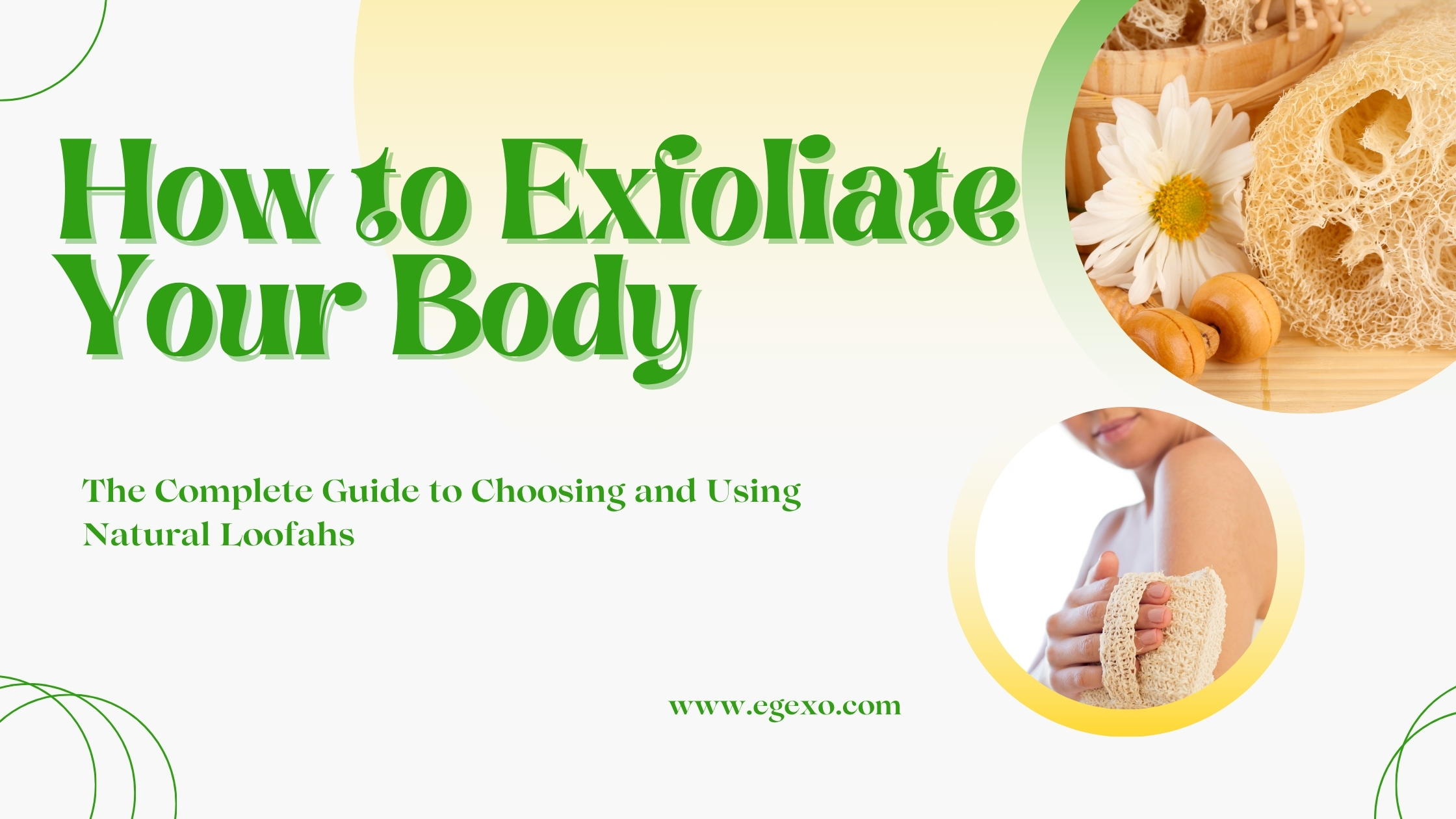
How to Exfoliate Your Body The Complete Guide to Choosing and Using Natural Loofahs
Proper body exfoliation removes approximately 30,000 to 40,000 dead skin cells every minute that naturally shed from your body. Without regular exfoliation, these cells accumulate alongside dirt, oil, and environmental pollutants, leading to clogged pores, dull complexion, and rough texture. Understanding how to exfoliate your body correctly transforms this simple skincare step into a powerful tool for healthier, more radiant skin.
Natural loofah sponges have served as the preferred exfoliation tool across cultures for centuries, with Egyptian loofahs setting the global standard for quality and effectiveness. Whether you operate a spa seeking premium wholesale products or you simply want to upgrade your personal skincare routine, mastering proper exfoliation techniques delivers visible results within weeks.
This comprehensive guide covers everything from selecting the right loofah for your specific skin type to establishing an effective exfoliation schedule. You will discover the science behind cellular renewal, learn professional techniques used in luxury spas worldwide, and understand what separates authentic Egyptian loofahs from inferior alternatives. By the end, you will have the knowledge to achieve smoother, healthier skin and, for business buyers, the information needed to source superior products for your customers.
The Science Behind Body Exfoliation and Skin Renewal
Your skin operates on a continuous renewal cycle lasting approximately 28 days in healthy adults. During this period, new skin cells form in the deepest layer called the stratum basale and gradually migrate toward the surface. By the time they reach the outermost layer, the stratum corneum, these cells have died and formed a protective barrier.
When you exfoliate your body regularly, you accelerate the removal of this dead cell layer, encouraging fresher cells to surface more quickly. Research published in dermatological journals indicates that regular exfoliation increases cell turnover by 25 to 30 percent, resulting in improved skin texture and enhanced absorption of moisturizers and treatments.
Natural loofah fibers provide mechanical exfoliation through their unique interlocking network structure. Unlike synthetic alternatives that can create microscopic tears in skin tissue, properly processed natural loofahs offer gentle yet effective abrasion. The fibers soften when wet while maintaining enough texture to lift away dead cells without causing irritation to most skin types.
For wholesale buyers supplying spas and skincare retailers, understanding this science helps communicate product value to end customers. Premium Egyptian loofahs from suppliers like Egexo undergo specific cultivation and processing methods that optimize fiber density and flexibility, creating superior exfoliation results that justify premium positioning.
How Exfoliation Benefits Different Body Areas
Different body zones require adjusted exfoliation approaches based on skin thickness and sensitivity. The table below outlines recommendations for optimal results across various body regions.
| Body Area | Skin Thickness | Recommended Pressure | Exfoliation Frequency | Loofah Type |
|---|---|---|---|---|
| Face and Neck | Thin and Sensitive | Very Light | 1 to 2 times weekly | Konjac or Soft Natural |
| Chest and Back | Medium | Moderate | 2 to 3 times weekly | Medium Natural Loofah |
| Arms and Legs | Medium to Thick | Moderate to Firm | 3 to 4 times weekly | Standard Natural Loofah |
| Feet and Elbows | Thick and Calloused | Firm | 4 to 5 times weekly | Dense Natural Loofah |
| Underarms | Thin and Sensitive | Very Light | 1 to 2 times weekly | Soft Natural Loofah |
Spa professionals and skincare specialists typically stock multiple loofah grades to address these varying needs. Egexo offers diverse product categories including body loofahs in various densities through their bath and body collection, enabling businesses to serve clients with comprehensive exfoliation solutions.
How to Choose the Right Loofah Sponge for Your Skin Type
Selecting an appropriate loofah requires understanding your skin characteristics and matching them to the correct fiber density and material type. This decision impacts both exfoliation effectiveness and skin safety, making it crucial for personal users and professional buyers alike.
Sensitive Skin Requirements
Individuals with sensitive skin experience reactions to harsh exfoliants including redness, irritation, and inflammation. Natural loofahs grown and processed under controlled conditions provide gentle exfoliation suitable for reactive skin when used correctly. The key lies in selecting loofahs with finer, more pliable fibers rather than coarse, rigid structures.
Egyptian loofahs cultivated by experienced farmers like those working with Egexo over the past 25 years develop optimal fiber characteristics through careful growing techniques. Extended vine maturation periods allow fibers to develop naturally without artificial treatments, resulting in gentler texture that suits sensitive skin applications.
For sensitive skin, limit exfoliation to once or twice weekly using circular motions with minimal pressure. Always wet the loofah thoroughly before use, as dry fibers prove too abrasive for delicate skin. Following exfoliation, apply a fragrance-free moisturizer to restore the skin barrier.
Oily and Acne Prone Skin Guidance
Oily skin produces excess sebum that mixes with dead cells to clog pores and create acne breakouts. Regular exfoliation helps manage this condition by preventing buildup, but aggressive scrubbing can trigger increased oil production as the skin attempts to compensate for perceived dryness.
Natural loofahs work effectively for oily skin when used three to four times weekly with moderate pressure. The mechanical action lifts oil and debris from pores without stripping natural moisture barriers. Unlike some synthetic materials that harbor bacteria, natural loofahs properly maintained remain hygienic for acne prone skin.
Spa operators serving clients with oily skin benefit from offering targeted exfoliation treatments using quality natural loofahs. Custom product design services allow businesses to develop specialized loofahs sized and shaped for professional facial and body treatments.
Normal to Combination Skin Recommendations
Those with balanced skin conditions have the widest range of exfoliation options. Standard natural loofah sponges provide ideal exfoliation intensity for normal skin when used two to three times weekly. Combination skin, featuring oily zones alongside dry areas, requires adjusted pressure across different body regions.
The versatility of natural Egyptian loofahs makes them particularly valuable for combination skin. A single quality loofah can be used with varying pressure to address both oily and dry zones during the same session. This efficiency appeals to consumers seeking simplified skincare routines and to retailers wanting multipurpose inventory.
Natural Versus Synthetic Loofahs A Comprehensive Comparison
Understanding the differences between natural and synthetic exfoliation tools helps both individual consumers and wholesale buyers make informed decisions. Each type offers distinct advantages and limitations worth considering.
| Characteristic | Natural Egyptian Loofah | Synthetic Nylon Loofah | Silicone Scrubber |
|---|---|---|---|
| Material Source | Luffa Aegyptiaca Plant | Petroleum Based Plastic | Silicone Polymer |
| Biodegradability | Fully Biodegradable in 30 days | Not Biodegradable | Not Biodegradable |
| Exfoliation Effectiveness | Excellent Natural Texture | Moderate Uniform Texture | Mild Gentle Texture |
| Bacterial Resistance | Requires Proper Drying | Moderate Resistance | High Resistance |
| Environmental Impact | Sustainable and Carbon Neutral | Contributes to Microplastic Pollution | Long Lasting but Not Eco Friendly |
| Typical Lifespan | 3 to 4 Weeks with Proper Care | 6 to 8 Weeks | 3 to 6 Months |
| Price Range | 3 to 15 USD Retail | 1 to 5 USD Retail | 5 to 20 USD Retail |
| Skin Feel | Natural Gentle to Firm | Uniform Slightly Harsh | Soft Minimal Exfoliation |
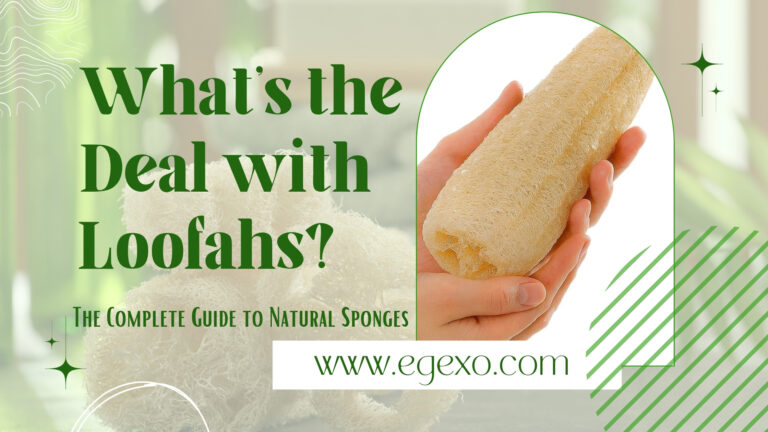
Natural loofahs from the Luffa Aegyptiaca plant offer superior exfoliation through their unique fiber structure that develops during plant growth. Each natural loofah features slightly different characteristics, providing varied texture that synthetic uniformity cannot replicate. The raw loofah scrubbers available from specialty suppliers demonstrate this natural variation in its purest form.
For environmentally conscious consumers and businesses prioritizing sustainability, natural loofahs present clear advantages. They decompose completely within weeks of disposal, produce zero microplastic pollution, and require minimal processing compared to petroleum based alternatives. Retailers and spas increasingly highlight these eco credentials to attract sustainability minded customers.
Quality Indicators for Natural Loofahs
Not all natural loofahs offer equal quality. Regional growing conditions, cultivation practices, and processing methods significantly impact final product performance. Egyptian loofahs have earned global recognition for superior quality due to ideal growing conditions in the Nile Valley and generations of refined farming expertise.
Key quality indicators include fiber density, uniformity of structure, flexibility when wet, and absence of dark spots or mold. Premium suppliers maintain strict quality standards throughout cultivation and processing to ensure consistent excellence. Wholesale buyers should request samples before committing to large orders, a service reputable suppliers like Egexo provide through their sample request program.
Step by Step Guide to Exfoliate Your Body Effectively
Proper exfoliation technique maximizes benefits while minimizing risk of skin damage. Following these professional methods ensures optimal results for both personal care routines and spa treatment protocols.
Preparation Steps
Begin by showering or bathing in warm water for at least three to five minutes. This softens the skin surface and opens pores, allowing more effective dead cell removal. Warm water also softens natural loofah fibers to the ideal flexibility for safe exfoliation.
Apply a small amount of body wash or specialized exfoliating cleanser to the loofah. Work the product into a lather before contacting skin. Some professionals prefer applying cleanser directly to the body and using the loofah to distribute and activate it.
Exfoliation Technique
Use long sweeping strokes on arms and legs, always moving toward the heart to support lymphatic drainage. For the torso, use circular motions working from the abdomen outward. Apply consistent moderate pressure, increasing slightly over thicker skinned areas like elbows, knees, and heels.
| Step | Action | Duration | Key Points |
|---|---|---|---|
| 1 | Wet skin thoroughly | 3 to 5 minutes | Warm water opens pores |
| 2 | Prepare loofah with cleanser | 30 seconds | Create adequate lather |
| 3 | Exfoliate legs | 2 to 3 minutes | Long upward strokes |
| 4 | Exfoliate arms | 1 to 2 minutes | Wrist to shoulder motion |
| 5 | Exfoliate torso | 2 to 3 minutes | Circular outward motion |
| 6 | Exfoliate back | 2 to 3 minutes | Long handle loofah helps |
| 7 | Rinse thoroughly | 1 to 2 minutes | Remove all cleanser residue |
| 8 | Pat dry gently | 1 minute | Avoid rubbing |
| 9 | Apply moisturizer | As needed | Lock in hydration |
Total treatment time ranges from 12 to 20 minutes depending on thoroughness and body size. Spa professionals often extend sessions with additional services, making efficient loofah technique essential for maintaining treatment schedules. Resources at Loofah Guide provide additional technique videos and tutorials for training staff.
Post Exfoliation Care
Immediately following exfoliation, apply a quality moisturizer while skin remains slightly damp. Freshly exfoliated skin absorbs products more effectively, making this the optimal time for treatment serums and lotions. Avoid products containing harsh chemicals or strong fragrances that might irritate newly revealed skin cells.
For spa operators, post exfoliation represents an excellent opportunity to recommend retail products. Clients experiencing the immediate smoothness of professional exfoliation often purchase homecare items to maintain results between appointments.
Loofah Care and Maintenance for Longevity
Proper loofah maintenance extends product life while ensuring hygienic conditions. Natural loofahs require specific care practices to prevent bacterial growth and maintain exfoliation effectiveness.
Daily Care Routine
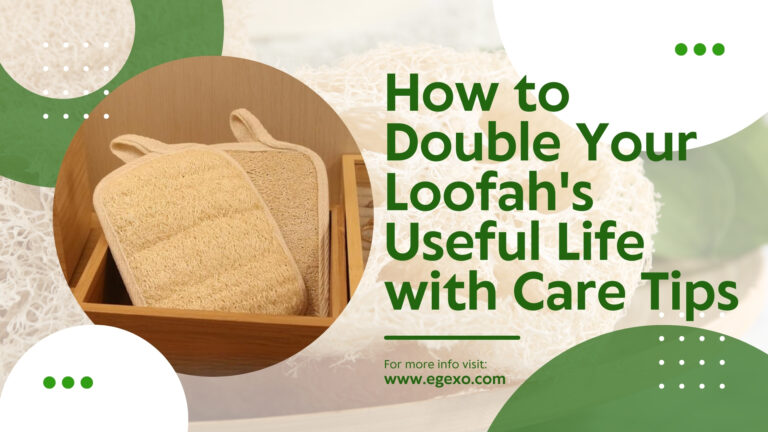
After each use, rinse the loofah thoroughly under clean running water to remove all soap residue and dead skin particles. Squeeze excess water without twisting, which can damage fiber structure. Hang in a well ventilated area outside the shower where air circulation promotes rapid drying.
Avoid storing wet loofahs in enclosed spaces like shower caddies or drawers. Trapped moisture creates ideal conditions for bacterial and mold growth, compromising hygiene and shortening product lifespan. Natural loofahs should feel completely dry within four to six hours of proper hanging.
Weekly Deep Cleaning
Once weekly, disinfect your loofah using one of these methods. Soak for five minutes in a solution of one part white vinegar to four parts water, then rinse thoroughly. Alternatively, soak in diluted hydrogen peroxide using the same ratio. Some users prefer microwaving a wet loofah for 20 to 30 seconds, though this method risks damage if the loofah dries during heating.
| Cleaning Method | Effectiveness | Time Required | Recommended Frequency |
|---|---|---|---|
| Vinegar Soak | High | 5 to 10 minutes | Weekly |
| Hydrogen Peroxide | High | 5 to 10 minutes | Weekly |
| Microwave | Moderate | 30 seconds | Weekly |
| Boiling Water | High | 3 to 5 minutes | Bi weekly |
| Bleach Solution | Very High | 5 minutes | Monthly only |
Replacement Schedule
Replace natural loofahs every three to four weeks with regular use. Signs indicating replacement include persistent odor despite cleaning, visible discoloration, fiber breakdown, or decreased exfoliation effectiveness. Spa facilities using loofahs for client treatments should maintain stricter replacement schedules, often providing fresh loofahs for each client.
Wholesale buyers benefit from establishing regular reorder schedules to maintain fresh inventory. Wholesale Loofah provides resources for calculating inventory needs based on business volume and replacement frequency.
Wholesale Buying Guide for Loofah Products
Business buyers sourcing loofah products for retail, spa, or distribution require specific information beyond consumer considerations. Understanding wholesale purchasing factors ensures successful supplier relationships and profitable inventory management.
Minimum Order Quantities and Pricing Structures
Wholesale loofah pricing typically operates on tiered structures where higher quantities yield lower per unit costs. Most established suppliers require minimum orders ranging from 100 to 1000 pieces depending on product type and customization requirements.
| Order Quantity | Typical Discount | Best For |
|---|---|---|
| 100 to 500 units | 10 to 20 percent off retail | Small retailers and spas |
| 500 to 2000 units | 20 to 35 percent off retail | Regional distributors |
| 2000 to 5000 units | 35 to 50 percent off retail | Large retailers |
| 5000 plus units | Custom negotiated | National distributors |
Egexo accommodates various business sizes with flexible minimum orders and competitive pricing structures. Interested buyers can request detailed quotations including shipping costs and delivery timelines for their specific requirements.
Quality Grading Standards
Professional loofah grading evaluates fiber density, structural integrity, size consistency, and cosmetic appearance. Premium grades command higher prices but satisfy demanding spa and luxury retail applications. Standard grades serve general retail and hospitality markets effectively at lower price points.
Understanding the farm to export process helps buyers appreciate quality factors affecting their purchases. Egyptian loofahs from established producers undergo multiple quality control checkpoints from harvest through final packaging, ensuring consistent standards across shipments.
Private Labeling Opportunities
Many spa brands and retailers prefer selling loofahs under their own brand names. Private label manufacturing services provide this capability without requiring businesses to manage agricultural and processing operations themselves.
Private labeling typically requires higher minimum orders than standard wholesale purchases, often starting at 500 to 1000 units. Lead times extend to accommodate custom packaging production, usually requiring four to eight weeks from order confirmation to shipment.
Specialized Loofah Applications Beyond Personal Care
Natural loofahs serve numerous applications beyond body exfoliation, creating additional market opportunities for wholesale buyers and useful knowledge for consumers.
Kitchen and Household Cleaning
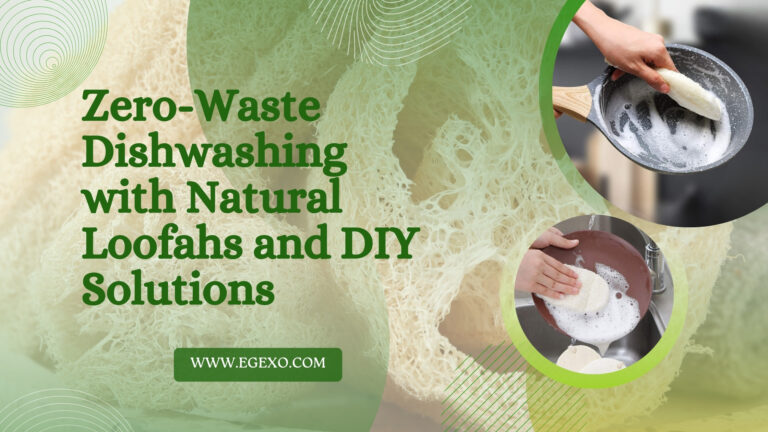
The same abrasive properties making loofahs effective for skin exfoliation apply to cleaning applications. Kitchen loofahs safely scrub dishes, countertops, and cookware without scratching surfaces. Their biodegradability offers environmental advantages over plastic scrubbing pads.
Pet Grooming Applications
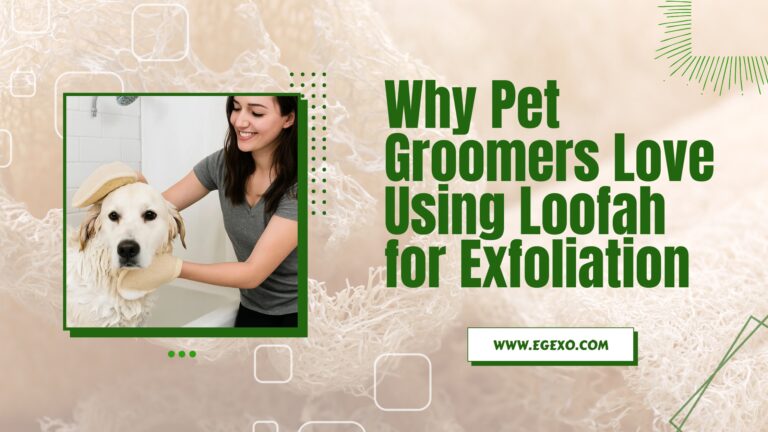
Pets benefit from gentle loofah grooming that removes loose fur while stimulating skin and coat health. Pet and spa grooming loofahs designed specifically for animal applications feature appropriate fiber density and handling configurations.
Craft and Decorative Uses
Dried loofah slices create unique craft materials for soap making, candle embedding, and decorative projects. Raw unprocessed loofahs appeal to crafters seeking natural materials for handmade products. This market segment continues growing as sustainability awareness increases among consumers and craft businesses.
Why Egyptian Loofahs Set the Global Quality Standard
Egypt produces an estimated 60 percent of global loofah exports, with the Nile Valley providing ideal growing conditions. Consistent temperature ranges, abundant sunlight, and rich alluvial soil create perfect environments for Luffa Aegyptiaca cultivation.
Generational farming knowledge passed through Egyptian agricultural families over centuries refines cultivation techniques continually. Farmers know precisely when to harvest for optimal fiber development and how to process loofahs for maximum quality retention.
Egexo represents this Egyptian loofah tradition with over 25 years of experience in cultivation, processing, and export. Their vertically integrated operations control quality from seed selection through international shipping, ensuring consistency that wholesale buyers depend upon. Learning why experienced buyers choose Egexo explains the specific advantages this heritage provides.
FAQ Section
Q1: How often should I exfoliate my body with a loofah?
A: Most dermatologists recommend exfoliating your body two to three times weekly for normal skin types. Sensitive skin benefits from once weekly exfoliation while oily or thick skinned areas tolerate four to five sessions weekly. Over exfoliation strips natural oils and damages skin barrier function, so adjust frequency based on your skin response and avoid daily exfoliation regardless of skin type.
Q2: What is the minimum order quantity for wholesale loofah purchases?
A: Wholesale minimum order quantities typically range from 100 to 1000 pieces depending on the supplier and product type. Egexo offers flexible minimums to accommodate various business sizes, from small spas ordering 100 units to large distributors purchasing thousands. Contact their sales team directly for specific MOQ requirements matching your business needs and budget.
Q3: How do I know when to replace my natural loofah?
A: Replace natural loofahs every three to four weeks with regular use. Warning signs include persistent odor that remains after cleaning, visible discoloration or dark spots, fiber breakdown creating a stringy appearance, and noticeably reduced exfoliation effectiveness. Spa facilities should replace client use loofahs more frequently to maintain hygiene standards.
Q4: Are natural loofahs better than synthetic exfoliating tools?
A: Natural loofahs offer superior exfoliation through their unique organic fiber structure while providing significant environmental benefits over synthetic alternatives. They biodegrade completely within 30 days, produce zero microplastic pollution, and create gentler irregular textures that effectively remove dead skin without microscopic tearing. Synthetic options may last slightly longer but contribute to environmental pollution.
Q5: Can I use a loofah on my face?
A: Standard body loofahs are too abrasive for facial skin, which is thinner and more sensitive than body skin. For facial exfoliation, choose softer alternatives like konjac sponges or specially processed ultra fine natural loofah products designed for delicate areas. Always use minimal pressure and limit facial exfoliation to once or twice weekly maximum.
Q6: What certifications should wholesale buyers look for in loofah suppliers?
A: Reputable loofah suppliers should demonstrate quality certifications relevant to their target markets including organic farming certifications, export quality documentation, and compliance with importing country regulations. Additionally, look for suppliers with established track records, transparent farming and processing practices, and willingness to provide product samples before large orders.
Q7: How should I store loofahs to prevent mold growth?
A: Store loofahs in well ventilated areas where they can dry completely between uses. Hang them outside the shower in circulating air rather than enclosed caddies or humid bathroom cabinets. Natural loofahs should feel completely dry within four to six hours of proper hanging. Weekly disinfection with diluted vinegar or hydrogen peroxide provides additional mold prevention.
Q8: Do loofah products work for all skin types including eczema or psoriasis?
A: Individuals with active eczema, psoriasis, or other inflammatory skin conditions should consult dermatologists before using any exfoliation tools including natural loofahs. During active flares, exfoliation typically aggravates symptoms. During remission periods, very gentle exfoliation with soft natural loofahs may help manage symptoms under medical guidance.
Expert Insight from Egexo
With over 25 years cultivating and exporting Egyptian loofahs, our agricultural specialists have observed that harvest timing creates the most significant quality difference between premium and standard products. Loofahs harvested during the optimal three week window when fibers reach full development but before hardening begins produce the ideal balance of effective exfoliation and gentle skin contact.
We recommend both consumers and wholesale buyers examine loofah fiber flexibility when wet as the primary quality indicator. Premium Egyptian loofahs soften considerably while retaining structure, providing thorough exfoliation without harsh abrasion. This characteristic comes from proper vine maturation and careful post harvest processing that preserve natural fiber properties. Buyers sourcing from established Egyptian suppliers with controlled growing operations consistently receive this quality level, while loofahs from rushed production or suboptimal growing regions lack this essential flexibility.
Conclusion
Mastering how to exfoliate your body effectively requires understanding skin science, selecting appropriate tools, and following proper techniques. Natural Egyptian loofahs provide superior exfoliation through their unique organic fiber structure while supporting environmental sustainability through complete biodegradability.
Choosing the right loofah involves matching fiber density to your skin type, from soft options for sensitive skin to denser varieties for thick or calloused areas. Proper care including thorough drying and weekly disinfection extends loofah lifespan while maintaining hygienic conditions essential for healthy skincare routines.
For wholesale buyers, sourcing quality loofahs requires evaluating supplier credentials, understanding grading standards, and establishing relationships with experienced exporters. Egyptian loofahs represent the global quality benchmark, with established suppliers like Egexo providing the consistency and reliability professional buyers require.
Key Takeaways:
- Exfoliate your body two to four times weekly depending on skin type using appropriate pressure for each body zone
- Natural Egyptian loofahs provide superior exfoliation effectiveness plus environmental sustainability benefits
- Replace loofahs every three to four weeks and maintain proper drying between uses to prevent bacterial growth
- Wholesale buyers should request samples and verify supplier quality standards before committing to large orders
- Proper technique involves warm water preparation and long strokes toward the heart followed by immediate moisturization
Ready to experience Egyptian loofah quality?
- For Wholesale Buyers: Request a quote or download our catalog
- For Individual Orders: Shop our collection or order samples