

How to Dry a Loofah in the Oven: The Complete 2025 Guide to Preparing Your Natural Sponge
Drying fresh loofahs properly is essential for creating the perfect natural exfoliating sponge. Whether you have just harvested loofahs from your garden, received fresh loofahs from a supplier, or want to prepare natural sponges for your retail business, learning how to dry a loofah in the oven ensures consistent quality, prevents mold growth, and creates the ideal texture for bathing and cleaning applications.
This comprehensive guide covers everything you need to know about oven drying loofahs, from the exact temperature settings and timing to professional tips used by commercial loofah processors. You will discover why oven drying produces superior results compared to air drying alone, how to avoid common mistakes that damage loofah fibers, and the best practices for preparing loofahs whether you are processing one sponge or preparing bulk quantities for wholesale distribution.
Natural loofahs have become increasingly popular as consumers and businesses shift toward sustainable, plastic-free alternatives to synthetic sponges. Understanding proper drying techniques is crucial for maximizing the quality, longevity, and market value of these eco-friendly products. Let us explore the complete oven drying process step by step.
What is a Loofah and Why Does It Need Drying?
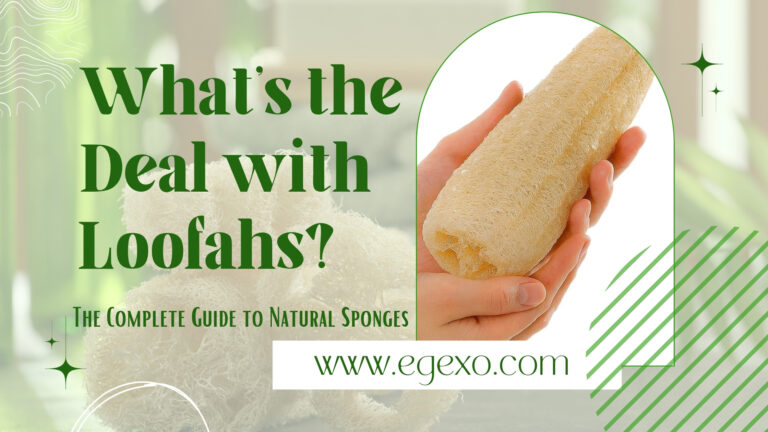
A loofah, also spelled luffa or loofa, is a natural sponge made from the dried fibrous interior of the luffa gourd plant. This plant belongs to the cucumber family and grows as a climbing vine that produces elongated cylindrical fruits. When the fruit matures on the vine, it develops a dense network of cellulose fibers inside. These fibers create the natural exfoliating texture that makes loofahs valuable for personal care and cleaning applications.
Fresh loofahs contain significant moisture within their fiber structure and outer skin. A newly harvested loofah can retain up to 80 percent water content, making it heavy, prone to rot, and unsuitable for immediate use. The drying process removes this excess moisture, hardens the fiber structure, and transforms the fresh gourd into the familiar tan or cream colored sponge we recognize.
Proper drying serves multiple critical purposes including preventing mold and bacterial growth during storage, creating the ideal firm yet flexible texture, allowing easy removal of the outer skin and seeds, reducing weight and volume for efficient storage and shipping, and preserving the loofah for months or even years of shelf life. Without adequate drying, loofahs quickly develop mold, emit unpleasant odors, and become unusable. This is why commercial loofah suppliers like EGEXO’s farm to export process includes carefully controlled drying as a critical quality control step.
Why Choose Oven Drying for Loofahs?
Several methods exist for drying loofahs including sun drying, air drying in covered areas, and oven drying. Each approach has advantages and disadvantages, but oven drying offers unique benefits that make it particularly valuable for specific situations.
Oven drying provides consistent controlled temperature that prevents uneven drying, faster processing time compared to natural air drying, weather independence as you are not relying on sunny conditions, sanitation benefits as the heat kills bacteria and fungi, ideal for small batch processing and home preparation, and excellent for completing the drying process after initial air drying. For businesses preparing loofahs for retail sale or individuals who need reliable results regardless of climate conditions, oven drying delivers predictable quality every time.
The controlled environment of an oven eliminates the variables that complicate other drying methods. Sun drying works well in hot, dry climates like Egypt’s Nile Delta region where premium Egyptian loofahs are cultivated, but becomes impractical during humid seasons or in regions with unpredictable weather. Air drying in covered areas takes considerably longer and requires more space. Oven drying fills the gap when speed, consistency, and space efficiency matter most.
Starting a Natural Loofah Business?
Skip the complex processing and source premium Egyptian loofahs directly from the expert supplier trusted by retailers worldwide. EGEXO provides properly dried, quality controlled natural loofahs ready for your brand.
Step by Step Guide: How to Dry a Loofah in the Oven
Follow this detailed process to successfully dry loofahs using your oven. These steps work for both small personal batches and larger quantities for business preparation.
Step 1: Prepare Your Fresh Loofahs
Start with mature loofahs that have turned brown or yellow on the vine. Immature green loofahs contain too much moisture and do not develop the proper fiber structure. If you purchased fresh loofahs from a supplier, they should already be at the correct maturity stage.
Remove any remaining stem pieces and rinse the loofahs under cool water to remove surface dirt. If the outer skin is still intact, you can leave it on during initial drying or remove it before oven processing. Many processors prefer to dry first then peel, as the skin comes off more easily after drying.
Step 2: Cut Loofahs into Manageable Pieces
For faster, more even drying, cut large loofahs into smaller sections. Use a sharp serrated knife or heavy duty scissors to slice through the fibrous structure. Typical cuts include 2 to 3 inch thick rounds for bath and body applications, 1 inch thick slices for facial rounds, lengthwise halves for large body scrubbers, or thin strips if making loofah pieces for crafts or small products.
Cutting before drying also allows you to inspect the interior seed cavity and shake out loose seeds. This reduces mess during the final processing stages.
Step 3: Preheat Your Oven to the Lowest Setting
The key to successful oven drying is using low, gentle heat rather than high temperatures that damage the natural fibers. Preheat your oven to the lowest available temperature setting, typically between 170 and 200 degrees Fahrenheit. Most home ovens have a minimum setting around 175 degrees Fahrenheit, which works perfectly for loofah drying.
If your oven has a dehydrate setting, this is ideal as it provides even lower temperatures with air circulation. Never exceed 200 degrees Fahrenheit, as higher heat can scorch the fibers, cause discoloration, and make the loofah brittle and prone to cracking.
Step 4: Arrange Loofahs on Baking Sheets
Line your baking sheets with parchment paper or silicone baking mats to prevent the loofahs from sticking and to make cleanup easier. Arrange the loofah pieces in a single layer with space between each piece. Proper air circulation around each piece ensures even drying and prevents moisture from being trapped.
Do not overcrowd the baking sheets. If you have many loofahs to dry, work in batches rather than stacking pieces or cramming them together. Overcrowding extends drying time and can result in uneven results with some pieces fully dry while others remain damp.
Step 5: Dry Loofahs in the Oven
Place the baking sheets in the preheated oven. The drying process typically takes 2 to 4 hours depending on the initial moisture content, the size and thickness of the pieces, your specific oven temperature, and the humidity level in your environment.
Check the loofahs every 30 to 45 minutes, rotating the baking sheets for even heat exposure and flipping individual pieces to ensure all sides dry uniformly. As the loofahs dry, they will become noticeably lighter in weight, change to a lighter tan or cream color, and feel firm and crisp rather than soft and flexible.
Step 6: Test for Complete Dryness
Properly dried loofahs should feel completely dry to the touch with no soft or spongy areas remaining. They should be lightweight and make a slight rustling sound when squeezed. The interior should be the same color and texture as the exterior with no dark or damp spots.
To test, remove a piece from the oven and let it cool for a few minutes. Press firmly on all sides. If you detect any give or flexibility that feels moist rather than springy, the loofah needs more drying time. Return it to the oven and check again in 30 minutes.
Step 7: Cool and Store Properly
Once fully dry, remove the loofahs from the oven and allow them to cool completely on the baking sheets. This cooling period lets the fibers stabilize and any residual internal moisture equalize throughout the structure.
After cooling, remove any remaining outer skin if you left it on during drying. The papery skin should peel away easily from dried loofahs. Shake out any remaining seeds from the interior cavity. Store the dried loofahs in breathable containers such as paper bags, cardboard boxes, or fabric bags in a cool, dry location. Avoid plastic bags or airtight containers that can trap residual moisture and promote mold growth.
Professional Tips for Perfect Oven Dried Loofahs
Commercial loofah processors and experienced growers have developed techniques that consistently produce superior results. Apply these professional insights to your own loofah drying process.
Use a Baking Thermometer for Accuracy
Home oven temperature gauges are notoriously inaccurate, often varying by 25 degrees or more from the displayed setting. Place an oven thermometer inside to verify the actual temperature. This small investment prevents overheating that damages fibers or underheating that extends drying time unnecessarily.
Consider Partial Air Drying First
Many professional operations use a combination approach where loofahs are air dried for several days to remove the bulk of surface moisture, then finished in the oven for final dehydration and sanitization. This reduces oven time, saves energy, and can produce slightly better fiber texture than oven drying alone.
Hang fresh loofahs in a well ventilated area for 3 to 7 days until the outer skin begins to dry and wrinkle. Then complete the process with 1 to 2 hours of oven drying. This hybrid method combines the best aspects of both techniques.
Maintain a Drying Log for Consistency
If you process loofahs regularly for business purposes, maintain a simple log noting the date, number of pieces, initial condition, oven temperature, total drying time, and results. This record helps you identify the optimal settings for your specific oven and refine your process over time.
Consistency matters greatly for wholesale buyers who expect uniform product quality. EGEXO maintains strict quality standards through documented processes that ensure every batch meets the same high specifications.
Avoid These Common Mistakes
Learn from the errors others have made when drying loofahs in ovens. Watch out for temperature too high causing scorching and brittleness, insufficient drying time leaving internal moisture, overcrowding baking sheets preventing even air circulation, forgetting to rotate sheets and flip pieces during drying, storing before completely cool trapping residual heat and moisture, or using airtight containers for storage promoting mold in any remaining damp areas.
Each of these mistakes can ruin an entire batch of loofahs or reduce their quality and market value. Taking the extra time to follow proper procedures protects your investment whether you are preparing loofahs for personal use or commercial sale.
Alternative and Complementary Drying Methods
While oven drying offers excellent results for many situations, understanding other drying approaches helps you choose the best method for your specific circumstances.
Traditional Sun Drying
Sun drying remains the preferred method in hot, dry climates with reliable sunny weather. This approach requires no energy input beyond solar radiation and can handle large volumes if adequate space is available. The process involves spreading fresh loofahs in a single layer on clean surfaces, placing them in direct sunlight in well ventilated areas, turning pieces daily for even exposure, and protecting from rain and dew typically by bringing indoors overnight.
Sun drying typically requires 1 to 3 weeks depending on weather conditions and loofah size. This method produces excellent quality when executed properly and is the traditional approach used in Egyptian loofah cultivation regions where consistent sunshine and low humidity provide ideal conditions.
Air Drying in Covered Areas
For climates with less reliable sunshine or during seasons with frequent rain, covered air drying offers a middle ground. Hang loofahs from strings or wires in barns, sheds, covered porches, or other protected areas with good air circulation. Ceiling fans or natural breezes help speed the process. This method takes longer than sun drying, usually 2 to 4 weeks, but protects loofahs from weather damage while still using free natural air flow.
Dehydrator Drying
Electric food dehydrators can dry loofahs effectively, especially smaller pieces and rounds. Set the dehydrator to its lowest temperature setting, typically around 135 degrees Fahrenheit, and arrange loofah pieces on the trays. Drying time ranges from 6 to 12 hours. The main limitation is capacity as most home dehydrators can only process a few small loofahs at once, making this approach impractical for anything beyond personal use quantities.
Commercial Kiln Drying
Large scale loofah processors use commercial drying kilns that provide precise temperature and humidity control for processing hundreds or thousands of loofahs simultaneously. These industrial systems maintain optimal conditions throughout the drying cycle, ensure uniform quality across large batches, and reduce drying time to 24 to 48 hours for even large loofahs. Commercial kiln drying is what allows wholesale suppliers like EGEXO to maintain consistent quality and steady supply for retailers and distributors worldwide.
How to Use Your Oven Dried Loofahs
Once your loofahs are properly dried, they are ready for a wide range of applications. Understanding the different uses helps you prepare loofahs appropriately whether for personal use or retail sale.
Bath and Body Exfoliation
Dried loofahs excel as natural body scrubbers for shower and bath use. Before first use, soak the dried loofah in warm water for 3 to 5 minutes to soften the fibers. The loofah will expand slightly and develop the familiar spongy yet textured feel. Apply your favorite soap or body wash to the damp loofah and use gentle circular motions to exfoliate skin, remove dead cells, improve circulation, and leave skin smooth and refreshed.
For facial use, select the softest portions of the loofah or create dedicated facial rounds from tender interior sections. Use even gentler pressure on facial skin and avoid the delicate eye area. Explore EGEXO’s bath and body loofah collection to see how properly processed loofahs are prepared for retail markets.
Kitchen and Household Cleaning
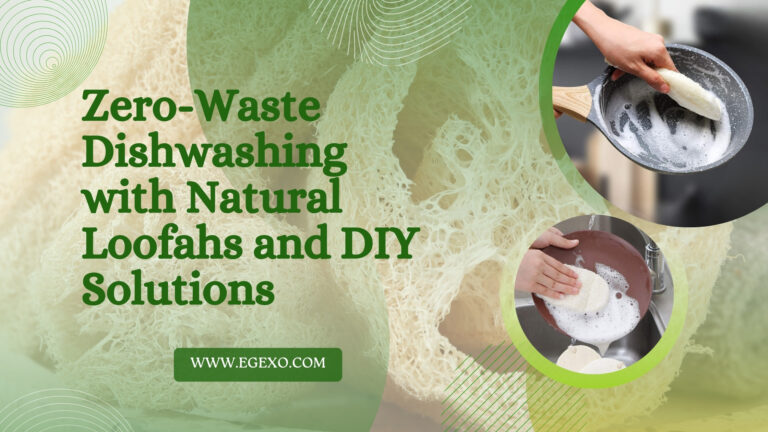
Natural loofahs work wonderfully for kitchen cleaning tasks. The mildly abrasive texture scrubs dishes and cookware without scratching surfaces, making them safe for non-stick pans, glassware, and stainless steel. Use loofahs for washing vegetables and fruits, scrubbing countertops and sinks, cleaning grills and outdoor equipment, or general household cleaning tasks. Discover kitchen loofah products specifically prepared for culinary applications.
Pet Grooming and Care
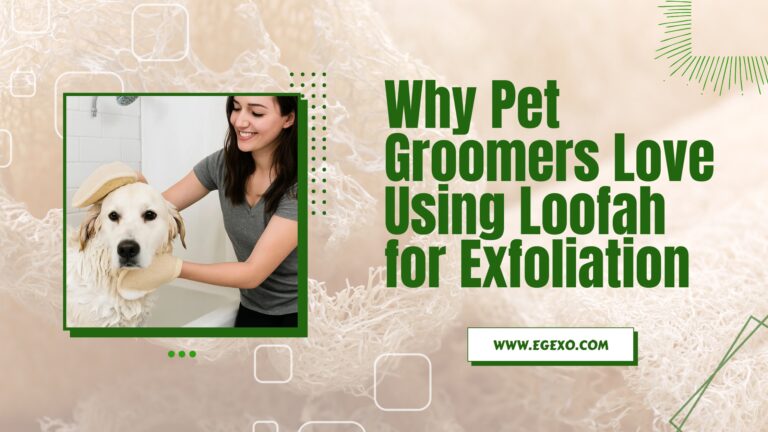
Some pet owners use soft loofah pieces for gentle grooming of short-haired dogs and cats. The natural fibers remove loose hair and dirt while providing a gentle massage that pets often enjoy. Always use the softest loofah sections and light pressure to ensure the experience is pleasant for your pet. View pet and spa grooming loofahs for specialized applications.
Craft and DIY Projects
Dried loofahs serve as raw materials for numerous craft projects including soap making where loofah pieces are embedded in handmade bars, home decor items such as wreaths and natural ornaments, garden applications like biodegradable plant pot scrubbers, and educational projects for teaching about natural materials and sustainability. Raw loofah scrubbers provide the basic material for creative applications.
The Business Opportunity in Natural Loofahs
For entrepreneurs and established retailers, properly processed natural loofahs represent a growing market opportunity. Consumer demand for sustainable, plastic-free products continues to accelerate, creating favorable conditions for loofah businesses.
Market Trends Favoring Natural Loofahs
The global natural and organic personal care market is growing at approximately 9 to 12 percent annually, significantly outpacing conventional products. Within this segment, bath accessories made from natural materials show particularly strong growth. According to industry analysis from wholesale loofah market research, several factors drive this expansion including consumer rejection of plastic waste and microplastic pollution, preference for biodegradable and compostable products, growing awareness of sustainable living practices, demand for natural ingredients in personal care routines, and social media influence promoting eco-friendly beauty trends.
Businesses that position themselves in this growing market now can establish strong brand recognition and customer loyalty as the trend accelerates further. Natural loofahs serve as either standalone products or complementary items within broader sustainable bath and body collections.
Sourcing Quality Loofahs for Your Business
If you are starting a loofah business or adding natural sponges to your existing product line, sourcing from a reliable wholesale supplier is more efficient than processing loofahs yourself unless you plan to build a vertically integrated operation. Key considerations when selecting a loofah supplier include consistent quality meeting retail standards, reliable supply chain with steady availability, international shipping capabilities if you are importing, custom packaging and private label options for branded products, and minimum order quantities that match your business scale.
EGEXO stands as a leading Egyptian natural loofah wholesale supplier with over 10 years of experience serving retailers and distributors globally. The company maintains complete control from cultivation through export, ensuring the consistent premium quality that retail customers expect.
Private Label and Custom Packaging Opportunities
Many successful bath and body brands have built strong businesses around natural loofahs by creating distinctive branded products rather than selling generic commodity sponges. Working with a supplier that offers private label loofah manufacturing and custom loofah product design services allows you to develop unique product offerings that stand out in competitive retail environments.
Custom packaging transforms generic loofahs into premium products that command higher prices and build brand recognition. Options include branded bags with your logo and product information, gift sets combining loofahs with complementary bath products, hanging retail packages designed for optimal shelf presentation, or eco-friendly bulk packaging for refill stations and zero waste stores.
Caring for Loofahs After Drying and During Use
Proper care extends the life of dried loofahs whether you are using them personally or selling them to customers. Educating end users about loofah care reduces returns and increases satisfaction.
First Use Preparation
Before using a dried loofah for the first time, soak it in warm water for 3 to 5 minutes. This initial hydration softens the fibers and allows the loofah to expand to its full size. You may notice a slight natural plant smell during first use, which is normal and fades after the initial washing.
Some users prefer to soak new loofahs in a weak vinegar solution for 5 minutes before first use as an additional sanitization step, though this is not necessary for loofahs that have been properly dried using sanitary methods like oven processing.
Regular Cleaning and Maintenance
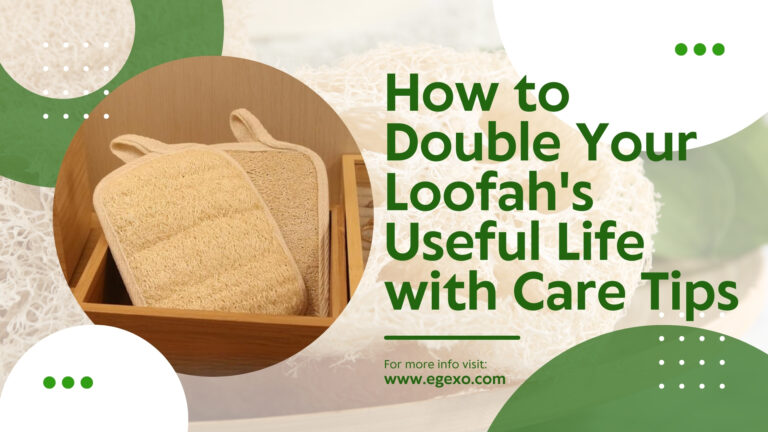
After each use, rinse the loofah thoroughly under running water to remove all soap residue, dead skin cells, and debris. Squeeze out excess water and hang the loofah in a well ventilated area where it can dry completely between uses. Avoid leaving loofahs in standing water, sealed containers, or poorly ventilated shower areas where moisture promotes bacterial growth.
Once weekly, deep clean your loofah using one of these methods including soaking in white vinegar and water solution for 5 minutes then rinsing thoroughly, microwaving a damp loofah for 30 seconds to kill bacteria, or washing in the dishwasher top rack if the loofah is sturdy enough. These periodic sanitization steps significantly extend loofah lifespan and maintain hygiene.
Knowing When to Replace
Even properly cared for loofahs eventually need replacement. Typical signs that it is time for a new loofah include visible tears or holes in the fiber structure, persistent musty odor even after deep cleaning, discoloration that does not wash away, or loss of texture and scrubbing effectiveness. As a general guideline, replace bath loofahs every 3 to 4 months with regular use, kitchen loofahs every 2 to 3 months due to food exposure, or sooner if any hygiene concerns arise.
For additional guidance on loofah care and maintenance, comprehensive resources like Loofah Guide provide detailed information for both consumers and businesses.
Frequently Asked Questions About Drying Loofahs in the Oven
Can you dry a loofah in the oven?
Yes, you can successfully dry loofahs in a standard home oven. Use the lowest temperature setting, typically 170 to 200 degrees Fahrenheit, and dry the loofahs for 2 to 4 hours depending on their size and initial moisture content. Oven drying provides faster, more consistent results than air drying alone while sanitizing the loofahs through controlled heat exposure. This method is particularly useful for small batches, humid climates, or when you need dried loofahs quickly.
What temperature should I use to dry loofahs in the oven?
The ideal temperature for drying loofahs in the oven is between 170 and 200 degrees Fahrenheit. This low, gentle heat removes moisture without damaging the natural cellulose fibers. Never exceed 200 degrees Fahrenheit, as higher temperatures can scorch the loofahs, cause discoloration, and make them brittle. Most home ovens have a minimum setting around 175 degrees Fahrenheit, which works perfectly. If your oven has a dehydrate function, use that setting for optimal results.
How long does it take to dry a loofah in the oven?
Drying time varies from 2 to 4 hours depending on several factors including the size and thickness of the loofah pieces, the initial moisture content, your oven’s specific temperature characteristics, and the humidity level in your environment. Check the loofahs every 30 to 45 minutes, rotating baking sheets and flipping pieces for even drying. The loofahs are ready when they feel completely dry and lightweight with no soft or spongy areas remaining.
Should I cut loofahs before oven drying?
Cutting loofahs into smaller pieces before oven drying significantly speeds the process and ensures more even results. Slice large loofahs into 2 to 3 inch rounds for body use, 1 inch slices for facial rounds, or lengthwise halves for large scrubbers. Cutting also allows you to inspect the interior and remove seeds. However, you can dry whole small loofahs if preferred, though this will extend the drying time and may result in less uniform moisture removal.
Can I dry loofahs in the oven without cutting them?
Yes, you can dry whole loofahs in the oven, though this method takes longer and requires more careful monitoring. Whole loofahs may need 4 to 6 hours of drying time, and you should rotate them every 30 minutes to ensure all sides receive even heat exposure. The outer portions may dry while interior areas remain damp, so test thoroughly before removing from the oven. For best results and most efficient drying, cutting into smaller pieces is recommended.
How do you know when a loofah is completely dry?
A completely dry loofah feels lightweight, firm, and crisp to the touch with no soft or flexible areas that feel moist. The color should be uniform tan or cream throughout with no darker damp spots. When squeezed, a dry loofah makes a slight rustling sound and springs back quickly without any sponginess. To test, remove a piece from the oven, let it cool for a few minutes, then press firmly on all sides. If you detect any give that feels moist rather than springy, continue drying.
What happens if I dry loofahs at too high a temperature?
Drying loofahs at temperatures above 200 degrees Fahrenheit can damage the natural cellulose fibers, causing them to become brittle, discolored, and prone to cracking or crumbling. Overheated loofahs lose their flexible, springy texture and may develop a burnt smell. The scorched fibers become too harsh for skin use and break down rapidly with handling. Always use the lowest oven setting available and monitor frequently to prevent overheating.
Ready to Source Premium Egyptian Loofahs?
Join retailers, distributors, and wholesalers in 40+ countries who trust EGEXO for consistent quality, reliable supply, and expert service. Get started with free samples or a custom wholesale quote today.
Key Takeaways: Mastering the Oven Drying Process
Oven drying loofahs at 170 to 200 degrees Fahrenheit for 2 to 4 hours produces consistent, high quality natural sponges suitable for personal use or retail sale. The controlled temperature and faster processing make this method ideal for small batches, humid climates, or situations requiring quick turnaround.
Proper preparation including cutting into manageable pieces, using single layer arrangement on parchment lined baking sheets, and regular monitoring with rotation ensures even drying and prevents damage to the natural fibers.
Completely dried loofahs should feel lightweight, firm, and crisp with uniform color throughout and no damp spots remaining. Store dried loofahs in breathable containers in cool, dry locations to maintain quality for months.
For businesses entering the natural loofah market, partnering with an experienced wholesale supplier like EGEXO provides consistent quality, reliable supply, and access to custom packaging services without the complexity of processing loofahs yourself.
Natural loofahs represent a growing sustainable product category with strong consumer demand and attractive business opportunities for retailers and distributors who position themselves in this expanding market segment.
Source Premium Egyptian Loofahs from EGEXO
Whether you need perfectly dried loofahs for personal use, retail inventory, or wholesale distribution, EGEXO delivers the quality and consistency that builds successful businesses. As Egypt’s leading natural loofah wholesale supplier with over 10 years of experience, EGEXO maintains complete control from Nile Delta cultivation through international export, ensuring every loofah meets rigorous standards.
EGEXO’s comprehensive services include ISO certified quality control processes, custom packaging and private label manufacturing, flexible order quantities for businesses of all sizes, international shipping to the USA, Canada, Brazil, Australia, New Zealand, and throughout Europe, and expert consultation for developing your natural product line.
Ready to experience the superior quality of properly processed Egyptian loofahs? Request free samples to evaluate quality firsthand, download the complete product catalog to explore sizes and formats, schedule a consultation to discuss custom packaging options, or request a wholesale quote tailored to your specific needs.
Join retailers and distributors worldwide who trust EGEXO for premium Egyptian natural loofahs that deliver quality, sustainability, and customer satisfaction. Contact EGEXO today to start your natural loofah journey with the industry’s most reliable supplier.
Wholesale Loofah Supplier
EGEXO ships premium Egyptian natural loofahs worldwide with custom packaging options.
- No minimum order quantity
- ISO certified quality
- Private label services
- Ships to 40+ countries