

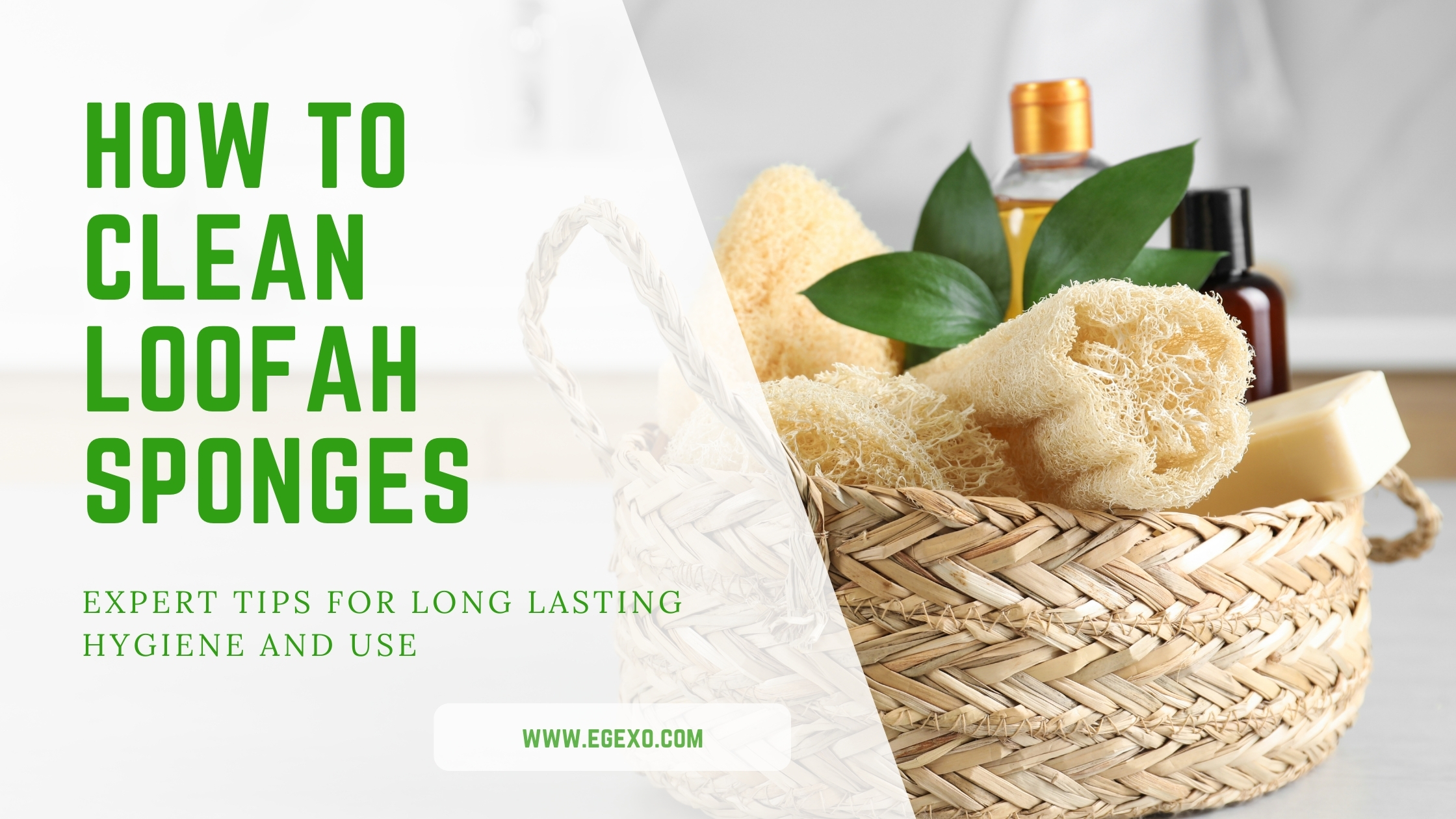
How to Clean Loofah Sponges: Expert Tips for Long Lasting Hygiene and Use
Natural loofah sponges harbor approximately 10 million bacteria per square inch after just two weeks of use without proper cleaning, according to dermatological research. This startling statistic underscores why knowing how to clean loofah sponges correctly separates healthy skincare routines from potential skin infections. Whether you manage a spa ordering hundreds of loofahs monthly or simply want your personal bath loofah to remain fresh, understanding proper cleaning protocols protects both skin health and product investment.
Egyptian loofahs, cultivated from the Luffa aegyptiaca plant along the fertile Nile Delta, represent the gold standard in natural exfoliation tools. At Egexo, our 25 years of loofah cultivation and export experience has taught us that even the highest quality loofah requires consistent maintenance. A premium natural loofah sponge can last six months or longer with proper care, while neglected sponges become bacterial breeding grounds within weeks.
This comprehensive guide delivers professional cleaning techniques used by luxury spas worldwide alongside simple daily routines for home users. You will discover the science behind loofah hygiene, master multiple cleaning methods, learn optimal replacement schedules, and understand how proper maintenance impacts both personal health and business bottom lines. For wholesale buyers, these care instructions become valuable customer education materials that reduce product complaints and increase repeat orders.
Understanding Why You Must Clean Loofah Sponges Regularly
The cellular structure of natural loofah creates an intricate network of interconnected fibers that excels at exfoliation but also provides ideal conditions for microbial growth. Each time you use a loofah, dead skin cells, body oils, soap residue, and moisture become trapped within these fibrous networks. Bathrooms provide warm, humid environments where bacteria, mold, and yeast multiply rapidly.
Research published in the Journal of Clinical Microbiology identified Pseudomonas aeruginosa, Staphylococcus aureus, and various fungal species living in improperly maintained loofahs. These microorganisms cause skin irritations, acne breakouts, folliculitis, and more serious infections in individuals with compromised immune systems. The warm shower environment accelerates bacterial reproduction, with colonies doubling every 20 minutes under optimal conditions.
For businesses such as spas, hotels, and wellness centers, loofah hygiene directly impacts customer safety and brand reputation. A single infection traced to contaminated spa equipment generates negative reviews, potential liability issues, and lost clientele. Wholesale buyers who educate their customers on proper cleaning protocols through included care cards or training materials differentiate their offerings and build trust.
Understanding the quality standards of your loofah source matters significantly. Premium Egyptian loofahs feature denser fiber structures that resist bacterial penetration better than lower grade alternatives. However, even the finest loofah requires diligent cleaning to maintain hygiene and extend usable life.
The Bacterial Growth Timeline in Uncleaned Loofahs
| Time Period | Bacterial Load | Condition | Recommended Action |
|---|---|---|---|
| Day 1 to 3 | Minimal | Fresh and safe | Daily rinse and dry |
| Day 4 to 7 | Moderate | Acceptable with daily care | Deep clean needed |
| Week 2 | High | Risk increasing | Immediate sanitization required |
| Week 3 to 4 | Very High | Compromised hygiene | Replace or intensive treatment |
| Month 2 plus | Critical | Unsafe for skin use | Disposal recommended |
This timeline assumes average bathroom humidity and daily use. Loofahs stored in constantly damp environments or shared among multiple users degrade faster. Commercial settings with proper drying stations and sanitization protocols extend these timelines considerably.
Daily Cleaning Methods to Keep Your Loofah Fresh
Establishing a daily cleaning routine for your loofah takes minimal effort but delivers maximum hygiene benefits. The goal of daily maintenance involves removing surface debris, reducing moisture content, and preventing the initial bacterial colonization that leads to deeper contamination.
After each shower or bath, squeeze your loofah firmly several times under running water to expel trapped soap, skin cells, and oils. Work from the center outward, compressing the fibers thoroughly. Repeat this wringing process five to seven times until the water runs clear. This simple step removes approximately 80 percent of daily accumulation.
Next, shake the loofah vigorously to release excess water from the fiber network. Many people skip this step, but it significantly accelerates drying time. A loofah that dries within four hours remains far safer than one staying damp for twelve hours or more.
Location matters critically for drying. Never leave your loofah inside the shower where steam and humidity prevent proper drying. Instead, hang it in a well ventilated area outside the shower enclosure. Near a window with airflow or on a hook near a bathroom exhaust fan works ideally. Some users keep loofahs in bedrooms during drying to ensure complete moisture removal.
For bath and body loofahs used in commercial settings, designate specific drying racks or stations away from wet areas. Professional spas often use dedicated dehumidified storage spaces between client uses. This investment in proper drying infrastructure pays dividends through extended product life and enhanced client safety.
Daily Loofah Care Checklist
| Step | Action | Duration | Purpose |
|---|---|---|---|
| 1 | Rinse under running water | 30 seconds | Remove surface debris |
| 2 | Squeeze from center outward | 1 minute | Expel trapped particles |
| 3 | Shake vigorously | 15 seconds | Release excess water |
| 4 | Hang in ventilated area | Until dry | Prevent bacterial growth |
| 5 | Check for odor or discoloration | 10 seconds | Monitor sponge condition |
Deep Cleaning Techniques for Thorough Sanitization
While daily maintenance keeps bacterial levels manageable, weekly deep cleaning eliminates accumulated microorganisms that simple rinsing cannot remove. Several effective methods exist, each with distinct advantages depending on your situation and available resources.
The Hot Water Soak Method
Submerging your loofah in hot water for five minutes kills most bacteria and loosens embedded debris. Heat water to approximately 150 degrees Fahrenheit or 65 degrees Celsius, hot enough to sanitize but below boiling to prevent fiber damage. Place your loofah in a clean container, pour the hot water over it completely, and let it soak. After soaking, rinse thoroughly under cool water and dry completely.
This method works well for home users and requires no special supplies. However, hot water alone does not eliminate all bacterial strains or fungal spores. For more thorough sanitization, combine hot water with one of the following additives.
Hydrogen Peroxide Sanitization
Hydrogen peroxide offers excellent antimicrobial action without leaving chemical residues or harsh smells on your loofah. Mix one cup of three percent hydrogen peroxide with four cups of water in a basin. Submerge the loofah completely and allow it to soak for thirty minutes. The bubbling action penetrates deep into the fiber structure, oxidizing bacteria and organic matter.
After soaking, rinse the loofah thoroughly under running water for at least two minutes to remove all peroxide traces. This method suits both personal and commercial applications, offering medical grade sanitization appropriate for spas and wellness centers prioritizing client safety.
Vinegar and Baking Soda Treatment
This natural cleaning combination leverages the antimicrobial properties of white vinegar with the deodorizing and abrasive qualities of baking soda. Create a cleaning solution with one cup white vinegar and two tablespoons baking soda dissolved in four cups of warm water. The mixture will fizz initially as the compounds react.
Immerse your loofah in this solution for fifteen to twenty minutes. The acidic vinegar kills bacteria while baking soda neutralizes odors and helps lift embedded debris. This method appeals particularly to eco conscious consumers seeking chemical free cleaning options that align with the sustainable nature of natural loofah products.
Microwave Sanitization
For quick, thorough sanitization, microwave treatment delivers excellent results when performed correctly. First, ensure your loofah contains no metal components such as decorative threads or hanging loops with metal crimps. Saturate the loofah completely with water, place it in a microwave safe container, and heat on high power for two minutes.
The combination of heat and steam penetrates the entire fiber structure, killing bacteria and mold spores. Allow the loofah to cool before handling, then squeeze out the hot water and dry thoroughly. This method provides hospital level sanitization in minutes, making it ideal for busy households and commercial operations requiring rapid turnaround.
Deep Cleaning Methods Comparison
| Method | Effectiveness | Time Required | Best For | Considerations |
|---|---|---|---|---|
| Hot Water Soak | Good | 10 minutes | Quick refresh | Does not eliminate all pathogens |
| Hydrogen Peroxide | Excellent | 35 minutes | Medical grade cleanliness | Requires thorough rinsing |
| Vinegar and Baking Soda | Very Good | 25 minutes | Natural cleaning preference | Strong initial odor |
| Microwave | Excellent | 5 minutes | Fast sanitization | Check for metal components first |
| Bleach Solution | Excellent | 15 minutes | Heavy contamination | May weaken fibers over time |
Recognizing When to Replace Your Loofah Sponge
Even with meticulous cleaning, every loofah eventually reaches the end of its useful life. Recognizing replacement signals protects your skin health and ensures optimal exfoliation performance. Several indicators suggest your loofah needs retirement regardless of cleaning frequency.
Persistent odor after thorough cleaning indicates bacterial colonization too deep within the fiber structure for surface sanitization to address. If your loofah smells musty, sour, or unpleasant even after deep cleaning, replace it immediately. This odor comes from bacterial metabolic byproducts and signals unsafe contamination levels.
Visual discoloration beyond natural aging suggests mold or bacterial colonies. Natural loofahs lighten slightly over time through normal use, but dark spots, greenish tints, or unusual color patches indicate problematic growth. Similarly, if you notice the fibers becoming slimy or developing an unusual texture, contamination has compromised the sponge.
Structural degradation affects both hygiene and exfoliation effectiveness. When loofah fibers begin breaking apart, losing elasticity, or becoming overly soft, the product no longer provides proper exfoliation. Degraded fibers also harbor more bacteria in their damaged structure. A quality Egyptian loofah maintains firm, springy fibers throughout its useful life.
For individual users, replacing loofahs every four to six weeks represents the industry standard recommendation. However, proper cleaning and drying can extend this to eight weeks or more. Commercial operations should establish stricter replacement schedules, with many spas replacing loofahs after each client or maintaining single use policies for shared facilities.
Wholesale buyers benefit from understanding these replacement cycles when planning inventory. Retail customers educated about proper replacement schedules become reliable repeat purchasers. Including replacement timeline information in product packaging or through point of sale materials creates ongoing sales opportunities while demonstrating commitment to customer wellbeing. Consider downloading our product catalog for complete product specifications and bulk ordering information.
Loofah Replacement Decision Guide
| Indicator | Severity | Action Required |
|---|---|---|
| Mild odor after drying | Low | Deep clean and monitor |
| Persistent odor after cleaning | High | Replace immediately |
| Dark spots or discoloration | High | Replace immediately |
| Slight fiber softening | Medium | Plan replacement soon |
| Fiber breakdown or shedding | High | Replace immediately |
| Slimy texture | Critical | Dispose immediately |
| 8 plus weeks of regular use | Medium | Evaluate condition and likely replace |
How to Choose the Right Loofah Sponge for Your Skin Type
Selecting an appropriate loofah significantly impacts both cleaning ease and skin health outcomes. Different skin types benefit from different loofah densities, textures, and sizes. Understanding these relationships helps consumers choose products that serve them well and helps retailers guide customers toward satisfying purchases.
Sensitive skin requires gentler exfoliation to avoid irritation, redness, and micro tears. Natural loofahs with softer fiber structures work best for sensitive skin types. Young loofahs harvested earlier in the growing cycle tend toward softer textures, while mature loofahs develop firmer, more abrasive fibers. When purchasing for sensitive skin, look for loofahs described as soft, gentle, or suitable for delicate skin.
Oily and acne prone skin benefits from more thorough exfoliation to remove excess sebum and prevent pore clogging. Firmer loofah varieties provide the deeper cleaning these skin types require. However, avoid excessive pressure during use, as over exfoliation triggers increased oil production and potential scarring on acne prone areas.
Normal skin types enjoy the widest loofah selection, tolerating both gentle and more abrasive varieties. This flexibility allows choosing based on personal preference and intended use area. Many people with normal skin keep multiple loofahs, using softer varieties for face and sensitive areas while employing firmer options for body exfoliation.
Body size and the areas you plan to exfoliate influence optimal loofah dimensions. Larger back loofahs with handles reach areas solo users cannot otherwise access. Smaller facial loofahs or those designed for targeted areas offer precision for detailed skincare routines. Kitchen loofahs serve different purposes entirely, optimized for dish cleaning rather than skin contact.
Loofah Selection by Skin Type
| Skin Type | Recommended Texture | Exfoliation Frequency | Special Considerations |
|---|---|---|---|
| Sensitive | Soft natural loofah | 1 to 2 times weekly | Gentle pressure only |
| Dry | Medium soft loofah | 2 times weekly | Follow with moisturizer |
| Normal | Medium firm loofah | 2 to 3 times weekly | Versatile use patterns |
| Oily | Firm loofah | 3 to 4 times weekly | Avoid over exfoliation |
| Combination | Medium loofah | 2 to 3 times weekly | Vary pressure by zone |
| Acne prone | Medium natural loofah | 2 times weekly | Replace frequently |
Business Considerations for Wholesale Loofah Buyers
Commercial purchasers face unique considerations when sourcing and maintaining loofah inventory. The cleaning protocols you establish and communicate to end users directly impact product satisfaction, repeat purchase rates, and brand reputation. Understanding these business dimensions transforms loofah products from commodity purchases into strategic retail opportunities.
Sourcing quality loofahs from established suppliers like Egexo ensures consistent product performance that supports your maintenance recommendations. Our farm to export process maintains quality control from cultivation through delivery, producing loofahs with the dense fiber structure that resists bacterial penetration and maintains integrity through proper cleaning cycles.
Minimum order quantities vary by product type and customization requirements. Standard body loofah orders typically start at 500 units, while private label manufacturing requires larger commitments to justify custom production runs. However, sample orders allow quality evaluation before committing to bulk purchases. Request samples to assess fiber density, construction quality, and suitability for your market.
Creating value added packaging that includes cleaning instructions differentiates your loofah products from competitors offering identical commodities. Care cards, hanging tags with maintenance tips, or QR codes linking to detailed guides like this one transform simple products into complete skincare solutions. This educational approach builds customer loyalty and reduces returns from buyers who did not understand proper maintenance requirements.
Spa and hospitality buyers should establish standardized cleaning protocols for staff training. Consistent practices across all locations or treatment rooms ensure reliable client experiences and protect your establishment from hygiene related incidents. Many successful spas create laminated procedure cards for treatment areas detailing exact cleaning steps between clients.
For retailers selling to end consumers, staff education enables knowledgeable sales conversations that match customers with appropriate products and set proper expectations for maintenance and replacement. Trained staff who can explain cleaning protocols close more sales and generate higher customer satisfaction than those simply stocking shelves.
Explore our custom loofah product design services for unique product development opportunities. Custom shapes, sizes, or branded elements create exclusive offerings unavailable from competitors, strengthening market position and supporting premium pricing strategies.
Environmental Benefits of Proper Loofah Maintenance
Extending loofah lifespan through proper cleaning delivers meaningful environmental benefits that resonate with increasingly eco conscious consumers. Natural loofahs already represent a sustainable alternative to synthetic shower poufs made from petroleum based nylon, but maximizing each product’s useful life multiplies these environmental advantages.
A single natural loofah properly maintained for three months replaces approximately six synthetic poufs that would otherwise enter landfills or oceans. Since natural loofahs biodegrade completely within weeks when composted, their end of life environmental impact approaches zero. Synthetic alternatives persist in ecosystems for hundreds of years, breaking into microplastics that contaminate water supplies and food chains.
Water conservation also factors into environmental calculations. Deep cleaning a loofah weekly uses far less water than manufacturing replacement loofahs. The agricultural water needed to grow luffa plants, process harvested gourds, and prepare finished products for market exceeds the cumulative water used in maintaining a single loofah throughout its extended life.
Carbon footprint considerations similarly favor proper maintenance over frequent replacement. Transportation emissions from shipping replacement loofahs, whether from Egyptian farms or distribution centers to retail locations to consumer homes, accumulate with each purchase cycle. Extending product life through diligent care reduces these transportation related emissions proportionally.
For wholesale buyers, sustainability messaging creates powerful marketing opportunities. Consumers increasingly prefer brands demonstrating environmental responsibility through both product selection and usage guidance. Including care instructions that explicitly mention environmental benefits of proper maintenance aligns your brand with customer values while reducing product complaints from buyers experiencing premature degradation.
Learn more about why sustainable buyers choose Egexo as their preferred loofah source.
Advanced Tips for Spa and Commercial Loofah Management
Professional settings require more rigorous loofah management than typical home use. Client safety, regulatory compliance, and operational efficiency all depend on systematic approaches to loofah cleaning, storage, and replacement.
Establish dedicated loofah processing areas separate from treatment rooms. These stations should include sanitization basins, proper ventilation, and drying racks or forced air systems. Professional operations often sanitize loofahs in batches using commercial grade hydrogen peroxide solutions or UV sanitization equipment for consistently thorough results.
Documentation protects your business and ensures consistent practices across staff members. Create logs tracking loofah sanitization dates, replacement schedules, and any incidents or complaints. This documentation proves due diligence if questions arise and identifies patterns that might indicate process improvements or supplier quality issues.
Single use policies eliminate cross contamination concerns entirely but increase product costs and environmental impact. Many spas balance these concerns through individual client loofah programs where guests receive personal loofahs sanitized between visits but reserved exclusively for their use. This approach reduces consumption while maintaining the personalized service clients expect.
Staff training should cover proper cleaning techniques, recognition of replacement indicators, and customer education conversations. Role playing common customer questions about loofah care prepares staff for confident, knowledgeable interactions that reinforce your brand’s expertise and commitment to client wellbeing.
For pet grooming and specialty spa applications, additional sanitization considerations apply. Animal use loofahs require stricter replacement schedules and should never be used on multiple animals without thorough sanitization between uses.
Request a wholesale quotation to discuss volume pricing and custom solutions for your commercial operation.
FAQ Section
Q1: How often should I clean my loofah sponge?
A: You should clean loofah sponges daily with thorough rinsing after each use, plus deep cleaning weekly using methods like hot water soaking, hydrogen peroxide sanitization, or microwave treatment. Daily cleaning removes surface debris and reduces bacterial accumulation, while weekly deep cleaning eliminates microorganisms that penetrate deeper into the fiber structure. Proper cleaning extends loofah life from two weeks to two months or longer while maintaining safe hygiene levels for skin contact.
Q2: What is the best method to clean loofah sponges for commercial spa use?
A: Commercial spas achieve best results using hydrogen peroxide sanitization or UV treatment systems for consistently thorough loofah cleaning. Submerge loofahs in a three percent hydrogen peroxide solution for thirty minutes, rinse thoroughly, and dry completely in dedicated ventilated areas. Many professional operations maintain batch sanitization schedules with documented procedures ensuring every loofah receives identical treatment. This systematic approach protects client safety, meets health regulations, and extends product life to maximize wholesale purchasing investments.
Q3: How do I know when to replace my loofah instead of cleaning it?
A: Replace your loofah immediately if you notice persistent odor after cleaning, visible dark spots or discoloration, slimy texture, or significant fiber breakdown and shedding. These indicators signal bacterial or mold contamination too deep for surface sanitization to address. Even without visible problems, replace loofahs every four to eight weeks depending on use frequency and cleaning diligence. Commercial settings often implement stricter replacement schedules, with some spas using single client policies or replacing loofahs after each treatment session.
Q4: Can I clean loofah sponges in the washing machine or dishwasher?
A: Washing machines can clean loofahs but may damage fiber structure through aggressive agitation. If using a washing machine, place the loofah in a mesh laundry bag, use hot water settings, and select gentle cycles. Dishwasher cleaning works well for certain loofah types, particularly kitchen loofahs, using the heated dry cycle for sanitization. However, hand cleaning methods offer more control and typically extend loofah life longer than machine washing. Commercial operations rarely use machine cleaning due to inconsistent results and potential fiber damage.
Q5: What cleaning products should I avoid when sanitizing natural loofahs?
A: Avoid harsh chemical cleaners, strong bleach concentrations, and products containing oils or moisturizers when cleaning natural loofahs. Concentrated bleach weakens natural fibers over time, while oil based products coat fibers and trap bacteria. Fabric softeners leave residues that attract microorganisms and reduce exfoliation effectiveness. Stick with hydrogen peroxide, white vinegar, baking soda, or plain hot water for safe, effective loofah sanitization that preserves fiber integrity and maintains natural loofah properties.
Q6: How do wholesale buyers ensure loofah quality for easier maintenance?
A: Wholesale buyers should source loofahs from established suppliers with documented quality standards and transparent cultivation processes. Request samples before bulk orders to evaluate fiber density, construction quality, and uniformity. Premium Egyptian loofahs from suppliers like Egexo feature denser fiber structures that resist bacterial penetration and maintain integrity through multiple cleaning cycles. Establish supplier relationships with companies offering consistent quality, reliable supply, and technical support for product questions and custom requirements.
Q7: Do different loofah types require different cleaning approaches?
A: Yes, different loofah types benefit from tailored cleaning approaches. Natural loofahs tolerate all standard cleaning methods but should avoid prolonged bleach exposure. Synthetic loofahs handle harsher chemicals better but may melt in microwaves. Kitchen loofahs require more aggressive cleaning due to food debris but can withstand dishwasher cycles. Body loofahs need gentler treatment to maintain skin safe surfaces. Specialty loofahs for pet grooming require thorough sanitization between animals. Match cleaning intensity to loofah construction and intended use for optimal results.
Expert Insight from Egexo
With over 25 years of Egyptian loofah cultivation and export experience, our quality specialists emphasize that proper cleaning begins with proper product selection. Dense fiber loofahs from mature Luffa aegyptiaca plants grown in the Nile Delta region resist bacterial penetration significantly better than loose fibered alternatives from other growing regions. When you clean loofah sponges of premium quality, the fibers maintain their structure through repeated sanitization cycles rather than degrading into bacterial harbors.
We recommend establishing your cleaning routine from day one rather than waiting until problems appear. Prevention costs nothing while remediation often requires replacement. For our wholesale partners, we provide detailed care instructions suitable for inclusion with retail products, helping your customers achieve maximum product satisfaction while establishing your brand as a knowledgeable authority on natural skincare tools.
Conclusion
Knowing how to clean loofah sponges properly transforms these natural exfoliation tools from potential hygiene risks into long lasting skincare assets. Daily rinsing, weekly deep cleaning, proper drying, and timely replacement create a maintenance framework that protects skin health while maximizing product value for both individual users and commercial operations.
The cleaning methods outlined in this guide require minimal time and no specialized equipment yet deliver significant benefits. Hydrogen peroxide sanitization, hot water soaking, vinegar treatments, and microwave sterilization each offer effective pathways to loofah hygiene suited to different situations and preferences.
Key Takeaways:
- Clean loofah sponges daily through thorough rinsing and proper drying outside the shower area
- Deep clean weekly using hydrogen peroxide, hot water, vinegar and baking soda, or microwave sanitization
- Replace loofahs immediately when persistent odor, discoloration, or fiber breakdown appears regardless of cleaning efforts
- Quality Egyptian loofahs with dense fiber structures maintain integrity longer and resist bacterial penetration better than lower grade alternatives
- Commercial operations require documented procedures, dedicated sanitization stations, and staff training for consistent results
Ready to experience premium Egyptian loofah quality?
- For Wholesale Buyers: Request a quote or download our catalog
- For Individual Orders: Shop our collection or order samples