

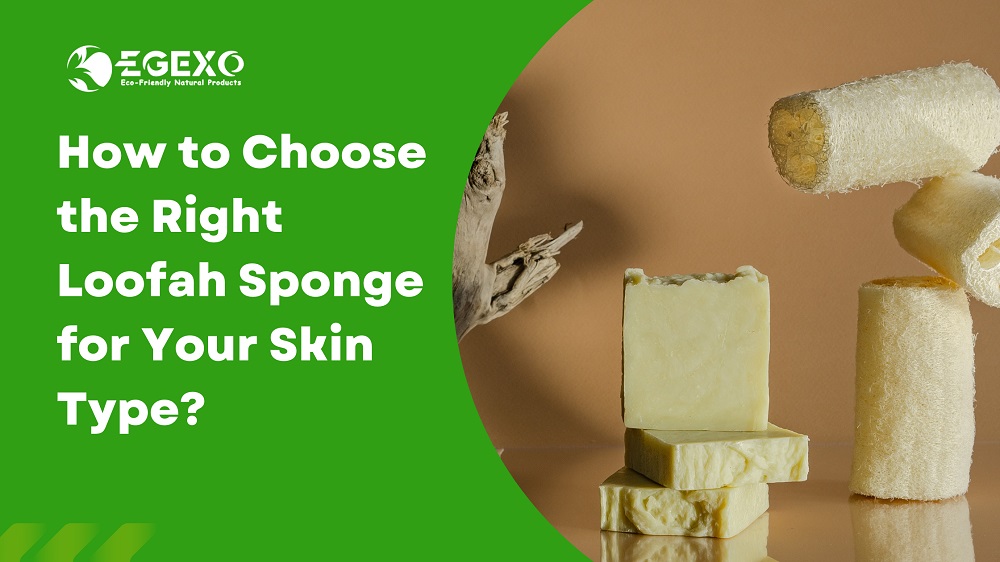
How to Choose Right Loofah Sponge for Your Skin Type
Selecting the perfect exfoliating tool can transform your skincare routine from ordinary to exceptional. Understanding how to choose right loofah sponge requires knowledge of fiber density, texture grades, and material composition that matches your unique skin characteristics. With over 25 years of experience cultivating and processing Egyptian loofahs, Egexo has observed that most skin concerns stem from using an incorrectly matched loofah rather than the exfoliation process itself.
Natural loofah sponges derived from the Luffa aegyptiaca plant offer distinct advantages over synthetic alternatives, particularly when sourced from the fertile Nile Delta region where optimal growing conditions produce fibers of superior quality. Whether you operate a spa seeking premium wholesale bath products, manage a retail business expanding into natural skincare accessories, or simply want the best exfoliation experience at home, this comprehensive guide delivers the knowledge necessary for making informed decisions.
Throughout this article, you will discover the science behind skin type matching, learn quality indicators that distinguish premium loofahs from inferior products, and gain practical selection strategies used by skincare professionals worldwide. The information presented draws from agricultural expertise, manufacturing standards, and feedback from thousands of satisfied customers across six continents.
Understanding Loofah Fiber Structure and Skin Compatibility
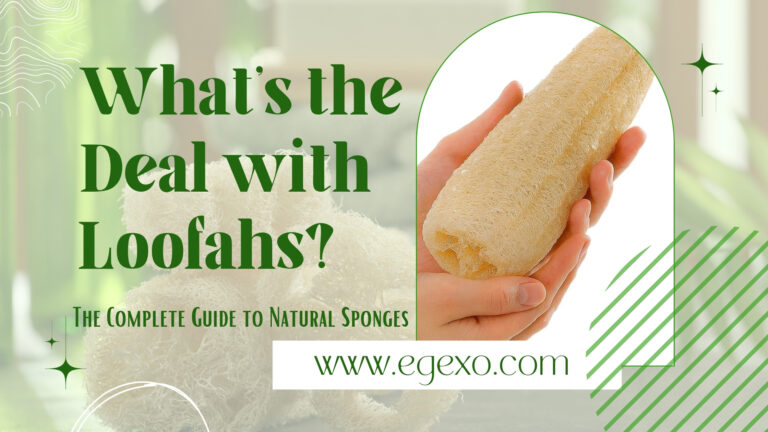
The effectiveness of any loofah sponge depends primarily on its fiber structure and how that structure interacts with your epidermis. Natural loofah fibers form an interconnected matrix of cellulose strands that create gentle yet effective exfoliation through mechanical action against the skin surface.
Egyptian loofahs grown in traditional Nile Valley cultivation areas develop particularly fine fiber networks due to the region’s mineral-rich soil and consistent climate patterns. These environmental factors produce loofahs with fiber densities ranging from 45 to 120 strands per square centimeter, allowing for precise matching between product texture and skin sensitivity levels.
When examining how to choose right loofah for sensitive skin, fiber density becomes the critical determining factor. Lower density loofahs with 45 to 65 strands per square centimeter deliver gentle exfoliation suitable for reactive or easily irritated skin. Medium density products ranging from 65 to 90 strands serve normal skin types effectively. Higher density loofahs exceeding 90 strands provide intensive exfoliation appropriate for oily, thick, or resilient skin.
The interconnected nature of natural loofah fibers also creates superior water retention compared to synthetic alternatives. This moisture-holding capacity enables better lather distribution and reduced friction during use, making natural loofahs inherently gentler despite their effective exfoliating properties. Spa owners and retailers frequently report that customers switching from synthetic to natural Egyptian loofahs experience improved skin texture within two to three weeks of consistent use.
Skin Type Analysis and Loofah Matching Guide
Determining your skin type accurately forms the foundation for selecting an appropriate loofah sponge. Dermatological research categorizes skin into five primary types, each responding differently to exfoliation intensity and frequency.
Sensitive Skin Characteristics and Loofah Selection
Sensitive skin displays visible redness, experiences burning or stinging sensations with product application, and reacts strongly to environmental changes. Individuals with sensitive skin benefit most from soft-grade natural loofahs that have undergone extended processing to reduce fiber rigidity.
The ideal loofah for sensitive skin measures between 8 and 12 centimeters in length, features a fine fiber texture grade, and maintains flexibility when dry. Egyptian loofahs processed using traditional sun-drying methods develop naturally softer fibers than machine-dried alternatives, making them particularly suitable for reactive skin types. You can explore gentle body loofah options designed specifically for delicate skin at the bath and body loofah collection.
Normal Skin Characteristics and Loofah Selection
Normal skin maintains balanced moisture levels, shows minimal sensitivity to products or environmental factors, and exhibits an even texture across facial and body areas. This skin type offers the greatest flexibility in loofah selection, responding well to medium-grade products that provide thorough exfoliation without irritation.
For normal skin, medium-density loofahs measuring 12 to 18 centimeters deliver optimal results. These products effectively remove dead skin cells while stimulating circulation and promoting cellular renewal. The versatility of normal skin allows for daily loofah use without adverse effects, making it ideal for establishing consistent exfoliation routines.
Oily Skin Characteristics and Loofah Selection
Oily skin produces excess sebum, displays enlarged pores, and frequently experiences breakouts in the T-zone region. This skin type benefits from firm-grade loofahs capable of penetrating through oil layers to cleanse pore openings effectively.
Larger loofahs with coarser fiber structures help manage oily skin by providing more intensive exfoliation that removes sebum buildup and prevents pore congestion. Products measuring 15 to 20 centimeters with higher fiber density ratings address the specific needs of oily skin types. Regular exfoliation using appropriately textured loofahs can reduce breakout frequency by removing the dead skin cells and oil that contribute to acne formation.
Dry Skin Characteristics and Loofah Selection
Dry skin feels tight after cleansing, shows visible flaking or scaling, and absorbs moisturizers rapidly. Gentle exfoliation using soft to medium grade loofahs helps dry skin by removing the dead cell layer that prevents moisturizer penetration while avoiding further moisture loss from aggressive scrubbing.
The key to managing dry skin with loofah exfoliation involves using products with finer fiber structures and limiting use to two or three sessions weekly. Smaller loofahs in the 8 to 14 centimeter range provide controlled exfoliation appropriate for dry skin needs. Pairing gentle loofah use with immediate post-exfoliation moisturizer application maximizes benefits for dry skin types.
Combination Skin Characteristics and Loofah Selection
Combination skin displays oily characteristics in the T-zone while maintaining normal or dry conditions in cheek and peripheral areas. This skin type often requires either multiple loofahs of different grades or a single medium-grade product used with varying pressure across different facial and body zones.
Medium-grade Egyptian loofahs offer the versatility needed for combination skin, allowing users to adjust exfoliation intensity through pressure variation rather than requiring multiple products. Understanding proper technique becomes essential for combination skin types to address varying needs across different body areas effectively.
Loofah Texture Grade Comparison Table
| Texture Grade | Fiber Density | Best For Skin Type | Exfoliation Level | Recommended Use Frequency | Ideal Size Range |
|---|---|---|---|---|---|
| Ultra Soft | 45 to 55 strands per square cm | Sensitive, Very Dry | Gentle | Daily if desired | 8 to 12 cm |
| Soft | 55 to 65 strands per square cm | Sensitive, Dry | Light | Daily to every other day | 10 to 14 cm |
| Medium | 65 to 85 strands per square cm | Normal, Combination | Moderate | 3 to 5 times weekly | 12 to 18 cm |
| Firm | 85 to 100 strands per square cm | Oily, Resilient | Thorough | 2 to 4 times weekly | 15 to 20 cm |
| Extra Firm | 100 to 120 strands per square cm | Very Oily, Thick Skin | Intensive | 2 to 3 times weekly | 18 to 25 cm |
This classification system guides both individual consumers seeking personal care products and wholesale buyers establishing inventory to serve diverse customer needs. Retailers stocking multiple texture grades report higher customer satisfaction and repeat purchase rates compared to those offering limited selection. For businesses interested in offering comprehensive loofah selections, the complete product catalog provides detailed specifications across all available grades.
Natural Versus Synthetic Loofah Comparison
Understanding the fundamental differences between natural and synthetic loofah sponges helps consumers and business buyers make informed decisions aligned with their priorities and values.
Natural Egyptian Loofah Benefits
Natural loofahs harvested from Luffa aegyptiaca plants offer biodegradability, sustainable sourcing, and superior performance characteristics that synthetic alternatives cannot replicate. The fibrous structure of natural loofahs develops organically during plant growth, creating an interconnected matrix that maintains structural integrity while providing effective exfoliation.
Egyptian-grown natural loofahs benefit from ideal cultivation conditions including nutrient-rich alluvial soil, consistent temperature ranges, and traditional agricultural practices refined over centuries. These factors combine to produce loofahs with optimal fiber density, flexibility, and durability that distinguish them from loofahs grown in other regions.
The environmental impact of natural loofah production remains minimal compared to synthetic alternatives. Natural loofahs decompose completely within 30 to 60 days when composted, leaving no microplastic residue or persistent environmental pollutants. This biodegradability appeals strongly to environmentally conscious consumers and businesses seeking sustainable product offerings. Learn more about sustainable sourcing practices through the farm to export process documentation.
Synthetic Loofah Characteristics
Synthetic loofah sponges manufactured from nylon, polyester, or plastic mesh provide certain advantages including consistent texture, lower initial cost, and resistance to bacterial growth between uses. However, these benefits come with significant environmental drawbacks and inferior long-term performance.
Synthetic loofahs contribute to microplastic pollution as fibers break down during use and washing. These microscopic plastic particles enter waterways and ecosystems, persisting for centuries and accumulating in marine food chains. Additionally, synthetic loofahs typically require replacement every four to six weeks as mesh structures degrade and lose effectiveness.
Comparison Analysis Table
| Characteristic | Natural Egyptian Loofah | Synthetic Loofah |
|---|---|---|
| Material Source | Luffa aegyptiaca plant | Nylon, polyester, plastic |
| Biodegradability | Fully biodegradable in 30 to 60 days | Non-biodegradable, creates microplastics |
| Average Lifespan | 3 to 6 months with proper care | 4 to 6 weeks |
| Exfoliation Quality | Superior, adapts to pressure | Consistent but less nuanced |
| Skin Compatibility | Excellent across skin types | May irritate sensitive skin |
| Environmental Impact | Carbon neutral or positive | Negative, contributes to pollution |
| Initial Cost | Moderate | Low |
| Long-term Value | High due to durability | Low due to frequent replacement |
| Hygiene Management | Requires drying between uses | Resistant to bacterial growth |
| Texture Options | Multiple natural grades | Limited variation |
This comparison demonstrates why skincare professionals and environmentally conscious consumers increasingly prefer natural Egyptian loofahs despite slightly higher initial investment. The superior longevity, performance, and sustainability of natural products deliver better value across extended use periods.
Size and Shape Selection Guidelines
Loofah dimensions significantly impact usability and effectiveness across different applications. Understanding size considerations helps both consumers selecting personal care products and wholesale buyers establishing inventory assortments.
Body Area and Size Matching
Different body areas benefit from specifically sized loofahs that provide appropriate coverage and maneuverability. Facial exfoliation requires small loofahs measuring 5 to 8 centimeters that allow precise control around delicate eye and lip areas. Body exfoliation generally works best with medium loofahs in the 12 to 18 centimeter range that cover sufficient surface area for efficient bathing while remaining easy to handle.
Back exfoliation presents unique challenges addressed through elongated loofahs measuring 25 to 40 centimeters or loofah products attached to long handles. These extended formats enable reaching difficult areas without assistance, making them popular among consumers and valuable inventory items for retailers. The raw loofah scrubbers collection includes various sizes suitable for different applications.
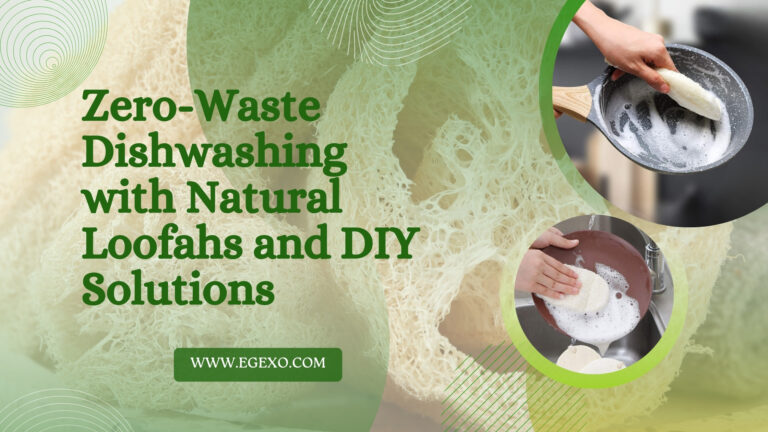
Specialty applications such as foot exfoliation benefit from compact, dense loofahs capable of addressing callused areas effectively. Kitchen and household cleaning applications utilize loofahs ranging from 8 to 15 centimeters optimized for dish and surface scrubbing. The kitchen loofah category offers products specifically designed for non-personal care applications.
Shape Variations and Applications
Natural loofahs occur in cylindrical, oval, and flat configurations depending on processing methods and intended applications. Cylindrical loofahs maintain the natural gourd shape and provide excellent grip during use. Sliced or processed loofahs offer flat surfaces ideal for specific applications including facial pads and kitchen scrubbers.
Handled loofahs combine natural loofah material with wooden or bamboo handles, creating products that extend reach and improve grip in wet conditions. These combination products appeal to consumers seeking convenience and accessibility features. Wholesale buyers frequently include handled loofah options in product assortments to address diverse customer preferences.
Size Selection Table by Application
| Application | Recommended Size | Shape Preference | Target User |
|---|---|---|---|
| Facial Exfoliation | 5 to 8 cm diameter | Flat disc or small oval | All consumers |
| Body Bathing | 12 to 18 cm length | Cylindrical or oval | General consumers |
| Back Scrubbing | 25 to 40 cm length | Elongated with handle | Consumers, spa facilities |
| Foot Care | 8 to 12 cm diameter | Dense, compact | Consumers, pedicure services |
| Kitchen Cleaning | 8 to 15 cm diameter | Flat or cylindrical | Households, restaurants |
| Pet Grooming | 10 to 20 cm length | Soft grade, various shapes | Pet owners, grooming businesses |
Businesses serving diverse markets benefit from stocking multiple sizes and shapes to address varied customer needs. Request samples across different size categories to evaluate product quality and determine optimal inventory composition for your specific market.
Quality Indicators and Evaluation Criteria
Distinguishing premium loofahs from inferior products requires understanding key quality indicators that reflect cultivation conditions, harvesting timing, and processing standards. Both consumers seeking the best personal care products and wholesale buyers evaluating supplier options benefit from this knowledge.
Visual Quality Assessment
High-quality natural loofahs display uniform coloration ranging from light tan to golden brown, indicating proper maturity at harvest and appropriate drying conditions. Discoloration including dark spots, greenish areas, or excessive variation suggests premature harvesting, improper drying, or storage problems that compromise product integrity.
Fiber structure should appear consistent throughout the loofah body, with clearly defined channels and interconnected strands visible when examining the product closely. Thin spots, holes, or areas of fiber degradation indicate quality issues that reduce product lifespan and effectiveness.
The outer surface of unprocessed loofahs should feel firmly attached and display even texture. Peeling, flaking, or easily detached outer layers suggest harvest timing problems or damage during processing. Premium loofahs maintain structural integrity throughout handling and inspection.
Tactile Quality Assessment
Physical examination reveals quality characteristics invisible to visual inspection. Premium loofahs demonstrate flexibility when compressed, returning to original shape quickly without permanent deformation. Brittle or rigid loofahs that crack or resist compression indicate over-drying or fiber degradation.
Fiber softness varies by grade but should feel consistent across the entire product surface. Areas of notably different texture suggest uneven processing or quality inconsistencies. Running fingers across the loofah surface should produce smooth, even resistance without catching or snagging.
Weight relative to size indicates fiber density and maturity. Unusually light loofahs may contain underdeveloped fiber structures that reduce effectiveness and durability. Appropriate weight for size suggests proper development and processing.
Quality Evaluation Checklist
| Quality Indicator | Premium Standard | Warning Signs |
|---|---|---|
| Color | Uniform tan to golden brown | Dark spots, green areas, extreme variation |
| Fiber Structure | Consistent, clearly defined channels | Thin spots, holes, degraded areas |
| Flexibility | Returns to shape after compression | Brittle, cracks, permanent deformation |
| Surface Texture | Even, smooth resistance | Catching, snagging, inconsistent feel |
| Weight | Appropriate for size and grade | Unusually light for dimensions |
| Aroma | Neutral, slightly earthy | Musty, moldy, chemical odors |
| Outer Layer | Firmly attached, even texture | Peeling, flaking, detaching |
Understanding these quality indicators empowers consumers to select superior products and enables wholesale buyers to evaluate potential suppliers effectively. Egexo maintains rigorous quality standards across all products, ensuring consistent excellence that distinguishes our offerings in the marketplace.
Loofah Care and Maintenance Best Practices
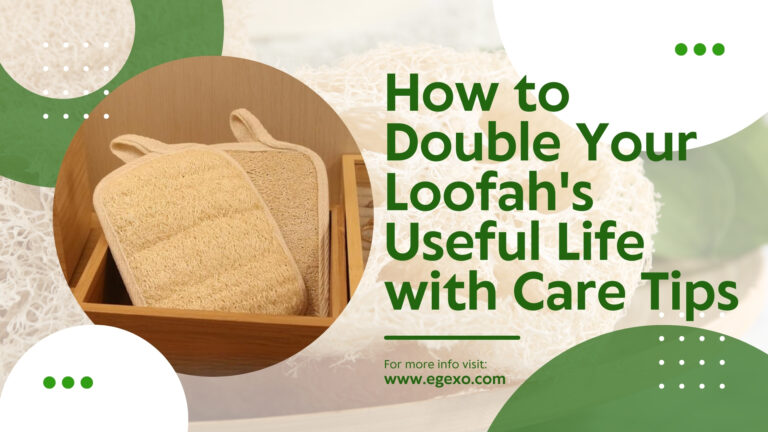
Proper care extends loofah lifespan significantly while maintaining hygiene and effectiveness. Following established maintenance protocols maximizes the value of your loofah investment whether using products for personal care or recommending care procedures to retail customers.
Daily Care Routine
After each use, rinse your loofah thoroughly under clean running water to remove all soap residue, dead skin cells, and debris accumulated during exfoliation. Squeeze excess water from the loofah using gentle pressure without wringing or twisting, which can damage fiber structures.
Hang your loofah in a well-ventilated area away from the shower stream where it can dry completely between uses. Proper drying prevents bacterial and fungal growth that causes odors and potentially contributes to skin infections. Avoid storing damp loofahs in enclosed shower caddies or plastic containers where moisture accumulates.
Weekly Maintenance
Perform deep cleaning weekly by soaking your loofah in a solution of one part white vinegar to four parts water for 15 to 20 minutes. This treatment eliminates bacteria and refreshes fibers without damaging the natural material. Rinse thoroughly after soaking and allow complete drying before next use.
Alternatively, microwave damp loofahs for 30 seconds to sanitize through heat treatment. Ensure the loofah is wet before microwaving and allow cooling before handling. This method effectively eliminates microorganisms while being gentle on natural fibers.
Replacement Timing
Natural loofahs maintained properly typically last three to six months depending on use frequency and care consistency. Replace your loofah when you observe fiber breakdown, persistent odors despite cleaning, or reduced exfoliation effectiveness.
Signs indicating replacement necessity include fibers that shed during use, sections that have become excessively soft or mushy, discoloration that persists after cleaning, and any visible mold growth. Continuing to use degraded loofahs reduces skincare benefits and may introduce bacteria to the skin surface.
Maintenance Schedule Table
| Maintenance Task | Frequency | Method | Purpose |
|---|---|---|---|
| Post-use Rinse | After every use | Running water, gentle squeeze | Remove debris and soap |
| Air Drying | After every use | Hang in ventilated area | Prevent bacterial growth |
| Deep Cleaning | Weekly | Vinegar soak or microwave | Sanitize and refresh |
| Condition Check | Monthly | Visual and tactile inspection | Assess replacement need |
| Replacement | Every 3 to 6 months | Purchase new loofah | Maintain effectiveness and hygiene |
Providing customers with care instructions increases satisfaction and builds loyalty by helping them maximize product value. Retailers can differentiate their offerings by including care cards with loofah purchases or displaying maintenance information at point of sale.
Wholesale Buyer Considerations for Loofah Selection
Business buyers face additional considerations beyond personal preference when selecting loofah products for resale, spa services, or hospitality applications. Understanding market demands, quality consistency requirements, and supplier evaluation criteria ensures successful wholesale purchasing decisions.
Market Analysis and Product Mix
Successful loofah retailers stock diverse product assortments addressing varied customer preferences and needs. Market research indicates that customers increasingly prioritize natural, sustainable products, creating strong demand for Egyptian-grown loofahs with documented sourcing and environmental credentials.
Entry-level products serve price-sensitive customers while premium offerings capture consumers seeking superior quality and willing to pay accordingly. Maintaining products across multiple price points maximizes market coverage and revenue potential. Visit the shop to explore current product offerings across different quality tiers.
Seasonal demand fluctuations affect loofah sales, with increased volume during gift-giving periods and summer months when exfoliation awareness typically peaks. Planning inventory levels to accommodate these patterns prevents stockouts during high-demand periods while avoiding excess inventory during slower seasons.
Supplier Evaluation Criteria
Selecting reliable loofah suppliers requires evaluating multiple factors beyond product pricing. Quality consistency across orders ensures customer satisfaction and reduces returns that erode profit margins. Request samples before committing to large orders to verify that delivered products match quality expectations.
Communication responsiveness indicates supplier professionalism and reliability for ongoing partnerships. Suppliers who respond promptly to inquiries and provide detailed product information demonstrate commitment to customer service that extends throughout the business relationship. Contact our team to experience responsive communication and detailed quotation processes.
Certifications and documentation verify supplier claims regarding organic cultivation, fair trade practices, or quality standards. Reputable suppliers provide certificates and testing results upon request, enabling buyers to make informed decisions and potentially market certified products at premium prices.
Customization and Private Labeling
Differentiation from competitors often requires customized products bearing your brand identity. Private labeling services enable businesses to offer exclusive loofah products that build brand recognition and customer loyalty. Private label manufacturing options include custom packaging, branded tags, and exclusive product configurations.
Beyond branding, custom product design services create unique loofah shapes, sizes, and combinations that distinguish your offerings in the marketplace. Custom products command premium pricing while reducing direct price competition with identical commodity products available from multiple retailers.
Specialty Loofah Applications and Niche Markets
Beyond traditional bath and body applications, loofah products serve diverse markets offering expansion opportunities for retailers and unique solutions for specific consumer needs.
Spa and Professional Skincare
Professional spa facilities require high-quality loofahs that deliver consistent results across client treatments while maintaining hygiene standards demanded by regulatory requirements. Premium Egyptian loofahs meet these demanding requirements through superior fiber quality and reliable performance characteristics.
Spa owners benefit from bulk purchasing arrangements that reduce per-unit costs while ensuring adequate inventory for busy treatment schedules. Establishing wholesale accounts with reliable suppliers streamlines procurement and provides consistent product quality that spa clients expect. The pet and spa grooming category includes products designed for professional applications.
Pet Grooming Applications
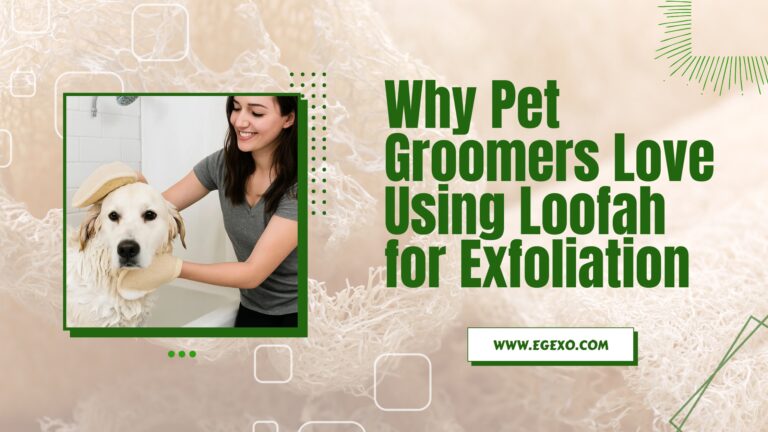
Natural loofahs provide gentle yet effective grooming for pets, removing loose fur and distributing natural skin oils for healthier coats. The natural fiber structure is gentle enough for sensitive pet skin while providing massage benefits that pets typically enjoy.
Pet grooming businesses and retailers serving pet owners represent growing markets for natural loofah products. Marketing loofahs for pet applications reaches new customer segments and provides additional revenue streams for existing loofah retailers.
Eco-Friendly Household Cleaning
Environmental consciousness drives consumer demand for sustainable alternatives to synthetic cleaning products. Natural loofahs replace plastic scrubbers and synthetic sponges for kitchen and household cleaning applications, decomposing completely at end of life rather than contributing to landfill waste.
Retailers positioning loofahs as eco-friendly cleaning solutions tap into the substantial market segment prioritizing environmental responsibility. Bundling kitchen loofahs with other sustainable household products creates compelling eco-conscious product offerings.
Frequently Asked Questions
How do I know which loofah texture is right for my sensitive skin?
Sensitive skin responds best to ultra-soft or soft grade loofahs with fiber densities between 45 and 65 strands per square centimeter. These lower density products provide gentle exfoliation without causing irritation or redness. Begin with the softest available grade and gradually increase texture intensity only if your skin tolerates initial use without adverse reaction. Egyptian loofahs processed using traditional sun-drying methods develop naturally softer fibers ideal for sensitive skin types.
What minimum order quantities apply for wholesale loofah purchases?
Minimum order quantities vary depending on product type, customization requirements, and shipping destination. Standard wholesale orders typically begin at 100 units for individual product types, though mixed orders combining multiple products may have different minimums. Private label and custom design orders often require higher minimums to accommodate setup and production costs. Contact our wholesale team through the quotation request page for specific MOQ information aligned with your needs.
How long should a natural loofah last with proper care?
Natural Egyptian loofahs maintained according to recommended care protocols typically last three to six months of regular use. Factors affecting lifespan include use frequency, drying practices between uses, weekly sanitization consistency, and individual exfoliation pressure. Signs indicating replacement need include fiber shedding, persistent odors despite cleaning, reduced exfoliation effectiveness, and visible degradation. Proper care significantly extends useful life compared to neglected loofahs.
Can natural loofahs be used on facial skin safely?
Natural loofahs can safely exfoliate facial skin when using appropriately soft grades and gentle pressure. Select small diameter loofahs specifically sized for facial use, typically 5 to 8 centimeters, with ultra-soft or soft texture grades. Avoid the delicate eye area and limit facial exfoliation to two or three times weekly maximum. Those with facial skin conditions including active acne, rosacea, or eczema should consult dermatologists before incorporating loofah exfoliation into skincare routines.
What distinguishes Egyptian loofahs from those grown in other regions?
Egyptian loofahs benefit from ideal cultivation conditions found in the Nile Delta and Valley regions, including mineral-rich alluvial soil, consistent warm temperatures, and agricultural traditions refined over centuries. These factors produce loofahs with optimal fiber density, flexibility, and durability that distinguish them from loofahs grown elsewhere. The combination of superior raw materials and experienced processing results in products recognized globally for premium quality and consistent performance.
How should businesses evaluate loofah suppliers before committing to wholesale orders?
Evaluate potential suppliers across multiple criteria including product quality consistency, communication responsiveness, pricing competitiveness, certifications and documentation availability, customization capabilities, and shipping reliability. Request samples before placing large orders to verify quality matches expectations. Investigate supplier experience and industry reputation through references or online reviews. Consider visiting supplier facilities when practical to observe operations firsthand. Established suppliers with documented track records present lower risk than newer market entrants.
Are natural loofahs hygienic for regular use?
Natural loofahs maintained properly remain hygienic throughout their useful lifespan. The key requirements include thorough rinsing after each use, complete drying between uses in ventilated areas, weekly sanitization through vinegar soaking or microwave treatment, and timely replacement when signs of degradation appear. Neglecting these care practices allows bacterial and fungal growth that compromises hygiene. Consumers following recommended maintenance protocols can use natural loofahs confidently without hygiene concerns.
What sustainable practices should I look for when sourcing loofahs?
Sustainable loofah sourcing involves multiple considerations including organic or low-input cultivation practices, water-efficient irrigation methods, fair labor conditions for agricultural workers, minimal processing chemical usage, and eco-friendly packaging options. Reputable suppliers provide documentation verifying sustainable practices and may hold relevant certifications. The inherent biodegradability of natural loofahs makes them environmentally preferable to synthetic alternatives regardless of specific cultivation practices.
Expert Insight from Egexo
Drawing from over 25 years cultivating Egyptian loofahs in the Nile Delta, we have observed that successful loofah selection always begins with honest skin type assessment. Many customers initially choose textures too aggressive for their skin, expecting faster results, only to experience irritation that discourages continued use. Starting with softer grades and gradually increasing intensity produces better long-term outcomes than aggressive initial exfoliation.
For wholesale buyers, we recommend stocking at least three texture grades to serve diverse customer needs effectively. Our export team has helped businesses across six continents build successful loofah product lines through strategic inventory consultation and reliable supply partnerships. Whether sourcing your first wholesale order or expanding an established natural products line, quality Egyptian loofahs from documented sustainable sources provide the foundation for customer satisfaction and business growth.
Conclusion
Understanding how to choose right loofah sponge transforms exfoliation from a routine task into an effective skincare practice delivering visible results. The selection process involves matching fiber density to skin type, choosing appropriate sizes for intended applications, and recognizing quality indicators that distinguish premium products from inferior alternatives.
Natural Egyptian loofahs offer superior performance, sustainability, and long-term value compared to synthetic options. Their biodegradable composition supports environmental responsibility while delivering exfoliation quality that synthetic materials cannot match. Proper care and maintenance extend useful life significantly, maximizing both personal skincare benefits and wholesale product value.
Key Takeaways:
- Match loofah texture grade to your skin type, with sensitive skin requiring softer grades and oily skin benefiting from firmer textures
- Natural Egyptian loofahs provide superior quality, sustainability, and durability compared to synthetic alternatives
- Proper daily rinsing, air drying, and weekly sanitization extend loofah lifespan to three to six months
- Quality indicators including uniform coloration, consistent fiber structure, and appropriate flexibility distinguish premium products
- Wholesale buyers benefit from diverse product assortments and reliable suppliers with documented quality standards
Ready to experience premium Egyptian loofah quality?
- For Wholesale Buyers: Request a detailed quotation or download our complete product catalog
- For Individual Orders: Shop our collection or request samples to experience the quality difference