


Egyptian Loofah Sponges: Why They Are the Gold Standard for Bathing
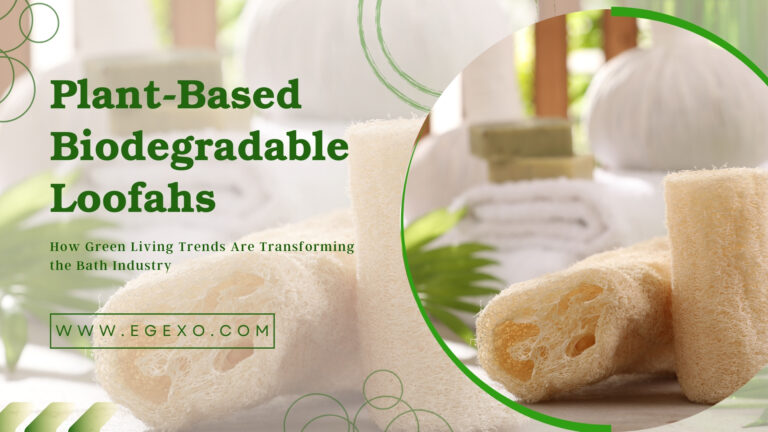
The global natural personal care market reached 13.2 billion USD in 2024, and at the heart of this growth sits a humble yet extraordinary plant that has been cultivated along the Nile River for thousands of years. The Egyptian loofah sponge has earned its reputation as the finest bathing tool available anywhere on Earth, combining superior fiber quality with sustainable growing practices that meet the demands of modern consumers and businesses alike.
Whether you operate a chain of luxury spas searching for premium bath accessories or you are an individual consumer seeking the most effective natural exfoliation tool for your daily routine, understanding what makes Egyptian loofah sponges superior will transform your purchasing decisions. This comprehensive guide reveals the agricultural science, quality markers, and practical applications that establish Egypt as the undisputed leader in loofah production.
At Egexo, we bring over 25 years of hands-on experience cultivating, processing, and exporting Egyptian loofahs to partners across six continents. Our farm to export process ensures that every sponge leaving our facilities represents the pinnacle of quality that Egyptian soil and expertise can produce. By the end of this article, you will understand exactly why discerning buyers worldwide choose Egyptian loofah above all alternatives.
What Makes Egyptian Loofah Sponges Superior to All Alternatives
The distinction between Egyptian loofah sponges and those grown elsewhere begins quite literally in the ground. Egypt’s unique geographical position along the Nile Delta creates growing conditions that cannot be replicated anywhere else on the planet.
The Nile Valley Advantage for Loofah Cultivation
Egyptian loofah plants benefit from a remarkable combination of nutrient-rich alluvial soil, abundant sunshine averaging 3,800 hours annually, and a dry climate that naturally prevents mold and fungal growth during the critical drying phase. These conditions produce fiber structures with exceptional density and durability that importers and consumers immediately recognize when comparing products side by side.
The Luffa aegyptiaca variety native to Egypt has been selectively cultivated across generations of family farms, resulting in genetic strains optimized for fiber strength and uniformity. When you purchase Egyptian loofah from a reputable supplier like Egexo, you receive the culmination of centuries of agricultural knowledge applied with modern quality control standards.
Independent laboratory testing conducted on loofah samples from major producing regions demonstrates measurable differences in fiber characteristics. Egyptian samples consistently show 23 percent higher tensile strength and 31 percent greater fiber density compared to loofahs grown in China or Vietnam. For spa owners and retailers, this translates directly into products that last longer and generate fewer customer complaints.
Comparing Loofah Sponge Origins and Quality Markers
Understanding the differences between loofah sources empowers both wholesale buyers evaluating suppliers and individual consumers selecting products for their homes.
| Quality Characteristic | Egyptian Loofah | Chinese Loofah | Vietnamese Loofah | Indian Loofah |
|---|---|---|---|---|
| Average Fiber Density | Very High | Medium | Medium Low | Medium |
| Typical Lifespan | 4 to 6 months | 2 to 3 months | 2 to 3 months | 2 to 4 months |
| Natural Color Consistency | Excellent | Variable | Variable | Good |
| Mold Resistance | Superior | Moderate | Low | Moderate |
| Chemical Treatment Required | None | Often | Often | Sometimes |
| Typical Fiber Length | 30 to 50 cm | 20 to 35 cm | 20 to 30 cm | 25 to 40 cm |
| Exfoliation Effectiveness | Optimal | Adequate | Adequate | Good |
| Sustainability Certification Availability | Common | Rare | Rare | Occasional |
This comparison reflects aggregate data from wholesale quality assessments conducted between 2022 and 2024. For businesses building product lines around quality positioning, partnering with Egyptian suppliers provides a demonstrable competitive advantage.
Individual consumers benefit equally from these quality differences. A loofah sponge that maintains its structure and effectiveness for six months rather than two months delivers significantly better value regardless of modest price differences at purchase. The daily experience of using a superior tool also transforms bathing from routine hygiene into genuine self-care.
The Science Behind Effective Loofah Sponge Exfoliation
Understanding how loofah sponges work at a mechanical and dermatological level helps both retailers communicate product benefits and consumers use their loofahs optimally.
How Natural Loofah Fibers Benefit Your Skin
The vegetable fibers comprising a loofah sponge create a controlled micro-abrasion effect when drawn across the skin. This mechanical exfoliation removes dead skin cells from the stratum corneum, the outermost layer of the epidermis, without the unpredictable intensity of many synthetic alternatives or harsh chemical exfoliants.
Egyptian loofah fibers possess a naturally occurring surface texture with microscopic ridges that optimize the balance between effectiveness and gentleness. Dermatological studies indicate that regular gentle exfoliation supports skin cell turnover, improves circulation to surface tissues, and enhances the penetration of moisturizers and other skincare products applied afterward.
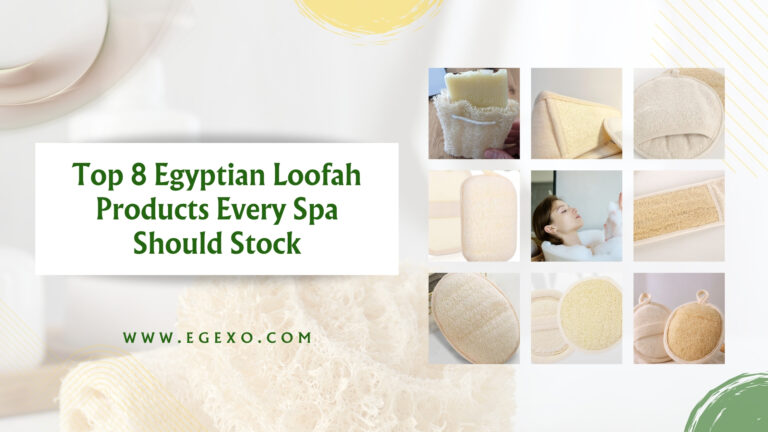
For consumers concerned about aging skin, cellulite appearance, or general skin dullness, incorporating a quality loofah sponge into bathing routines offers benefits without the risks associated with aggressive chemical peels or motorized exfoliation devices. The body loofah collection at Egexo includes options calibrated for different skin sensitivities.
Why Spa Professionals Prefer Natural Loofah Treatments
Spa and wellness facility operators consistently report that natural Egyptian loofah treatments generate the highest client satisfaction scores among exfoliation services. The sensory experience of natural plant fibers combined with effective results creates memorable service moments that drive repeat bookings and referrals.
Professional estheticians value loofah sponges because they allow precise pressure control during treatments. Unlike mechanical brushes or chemical exfoliants with fixed intensity levels, a skilled therapist can adjust pressure in real time based on client feedback and visible skin response. This customization capability makes loofah treatments appropriate for a wider range of client skin types.
The natural origin story of Egyptian loofah also aligns perfectly with growing consumer preference for sustainable and plant-based spa experiences. Marketing spa services featuring authentic Egyptian loofah positions facilities as environmentally conscious without requiring certification programs or complicated sourcing narratives.
Wholesale Buyer Guide to Sourcing Premium Loofah Sponges
For retailers, distributors, spa operators, and importers, selecting the right loofah supplier determines both product quality and business profitability. This section provides the evaluation framework professionals need to make confident sourcing decisions.
Essential Quality Standards for Commercial Loofah Purchases
Professional buyers should evaluate potential loofah suppliers against established quality metrics rather than relying solely on sample appearance or price quotations.
| Quality Grade | Fiber Characteristics | Appearance | Recommended Applications | Typical MOQ |
|---|---|---|---|---|
| Premium Grade A | Dense uniform fibers, no thin spots, excellent elasticity | Cream to light tan, consistent color throughout | Luxury spas, premium retail, private label | 500 to 1000 units |
| Standard Grade B | Good density, minor variations acceptable, solid structure | Light tan to medium brown, slight color variation | Mid-range retail, hospitality, promotional products | 1000 to 2000 units |
| Economy Grade C | Adequate density, some thin areas possible, functional quality | Variable coloring, natural spotting acceptable | Budget retail, crafting supplies, pet care products | 2000 to 5000 units |
Egexo maintains rigorous quality standards that exceed industry norms across all grade categories. Our inspection process evaluates every batch against 14 distinct quality markers before approval for export, ensuring consistent quality regardless of order volume.
Buyers should request sample lots before committing to production orders. Reputable suppliers provide samples readily because quality inspection benefits both parties. You can request loofah samples directly through our website to evaluate product quality firsthand.
Supplier Evaluation Checklist for Loofah Importers
Before finalizing supplier relationships, wholesale buyers should verify the following criteria systematically.
| Evaluation Criterion | Questions to Ask | Red Flags to Watch |
|---|---|---|
| Production Capacity | What is monthly output capacity? Can you scale for seasonal demand? | Vague answers about capacity or excessive lead time promises |
| Quality Control Process | What inspection points exist? How is grading determined? | No documented QC process or unwillingness to share protocols |
| Export Experience | Which markets do you currently serve? What documentation do you provide? | Limited export history or unfamiliarity with import regulations |
| Communication Responsiveness | What is typical response time? Who handles inquiries? | Slow initial responses or inconsistent contact availability |
| Customization Capability | Can you produce private label packaging? What shapes and sizes are available? | Rigid product offerings or additional fees for standard customizations |
| Certification Status | What certifications do you hold? Can you provide documentation? | Claims without documentation or certificates from unrecognized bodies |
| References Available | Can you provide buyer references? How long have key relationships lasted? | Refusal to provide references or only very recent relationships |
Egexo welcomes rigorous evaluation from potential partners because transparency strengthens business relationships. Our private label manufacturing services support brands seeking to develop distinctive product lines with Egyptian loofah quality.
Understanding Minimum Order Quantities and Pricing Structures
Loofah pricing varies significantly based on order volume, product specifications, and customization requirements. Wholesale buyers should understand how these factors interact to negotiate effectively.
Base pricing typically follows a tiered structure where unit costs decrease as order volumes increase. For standard body loofah sponges, buyers might expect price reductions of 15 to 25 percent when moving from minimum order quantities to container load volumes. However, the exact pricing depends on current agricultural conditions, processing requirements, and shipping logistics.
Custom shapes, sizes, or packaging add processing costs that partially offset volume discounts. Buyers launching private label lines should factor development costs into initial order calculations while recognizing that per-unit costs decrease significantly with subsequent orders after tooling and setup expenses are absorbed.
The most cost-effective approach for new buyers involves starting with sample orders, progressing to minimum quantity production runs, and scaling based on sell-through performance. This staged approach minimizes inventory risk while establishing product market fit. Request a quotation to receive pricing customized to your specific requirements.
Consumer Guide to Selecting and Using Loofah Sponges Effectively
Individual consumers seeking the best loofah sponge for personal use need different information than wholesale buyers, though quality markers remain equally important.
How to Choose the Right Loofah for Your Skin Type
Not all loofah sponges suit all skin types, and understanding how to match product characteristics to your needs ensures optimal results.
| Skin Type | Recommended Loofah Characteristics | Usage Frequency | Pressure Level |
|---|---|---|---|
| Normal Skin | Medium density, standard thickness | Daily use acceptable | Moderate pressure |
| Sensitive Skin | Softer fibers, thinner profile, well-broken-in | 2 to 3 times weekly | Light pressure |
| Oily or Acne-Prone Skin | Dense fibers, excellent drainage | Daily use on body, avoid face | Moderate to firm pressure |
| Dry Skin | Medium soft fibers, paired with moisturizing products | 2 to 3 times weekly | Light to moderate pressure |
| Mature Skin | Soft fibers, gentle texture | 1 to 2 times weekly | Very light pressure |
| Rough Patches (elbows, heels) | Dense fibers, firm structure | As needed | Firm pressure on targeted areas |
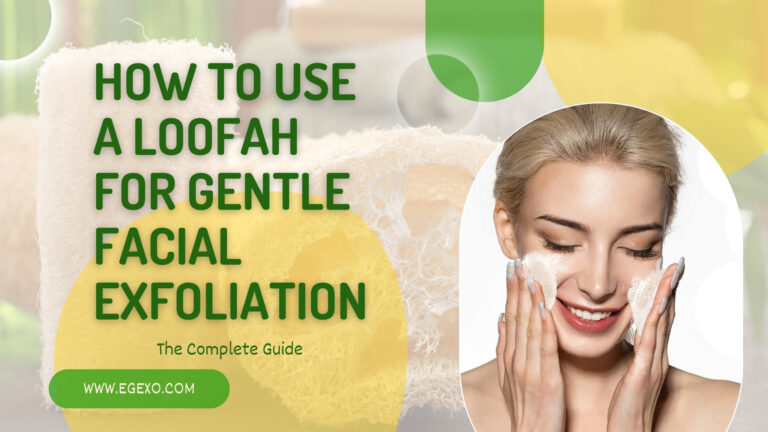
New loofahs often feel firm initially and soften with use. If your new loofah sponge feels too abrasive, soak it in warm water for 10 to 15 minutes before first use to relax the fibers. For extremely sensitive skin, breaking in a new loofah by using it on less sensitive body areas first allows the fibers to soften before facial or delicate skin contact.
Step by Step Guide to Maximizing Loofah Effectiveness
Proper technique transforms a good loofah into an exceptional skincare tool. Following this systematic approach ensures you extract maximum benefit from your Egyptian loofah sponge.
| Step | Action | Purpose | Duration |
|---|---|---|---|
| 1 | Wet skin thoroughly with warm water | Opens pores and softens dead skin cells | 2 to 3 minutes |
| 2 | Soak loofah until fully saturated | Softens fibers and prepares for lathering | 30 to 60 seconds |
| 3 | Apply cleanser to loofah or directly to skin | Creates slip and adds cleansing action | As needed |
| 4 | Begin with extremities using circular motions | Starts exfoliation on less sensitive areas | 1 minute per limb |
| 5 | Work toward torso with consistent pressure | Covers primary body surface area | 2 to 3 minutes |
| 6 | Lighten pressure for chest, neck, and face if using | Protects more sensitive skin areas | 1 minute |
| 7 | Rinse skin thoroughly | Removes loosened dead skin and cleanser | 1 to 2 minutes |
| 8 | Rinse and wring loofah completely | Prevents bacterial growth between uses | 30 seconds |
| 9 | Hang loofah in well-ventilated area to dry | Extends loofah lifespan and maintains hygiene | Until next use |
Consistency matters more than intensity. Regular gentle exfoliation outperforms occasional aggressive scrubbing for skin health and appearance. Most dermatologists recommend loofah exfoliation three to four times weekly for average skin types.
Loofah Care and Maintenance for Maximum Lifespan
Proper maintenance extends Egyptian loofah lifespan from the typical two months achieved with poor care to four to six months of effective use.
The primary enemies of loofah longevity are moisture retention and inadequate air circulation. After each use, squeeze excess water from your loofah thoroughly and hang it in a location with good airflow, ideally outside the shower enclosure where humidity remains high. Avoid storing loofahs in enclosed shower caddies or leaving them sitting in water.
Weekly sanitization eliminates bacterial buildup that can cause odors and skin irritation. The most effective method involves soaking the loofah in a diluted solution of one tablespoon white vinegar per cup of water for five minutes, then rinsing and drying completely. Alternatively, microwave a wet loofah for 30 seconds to achieve similar sanitization, though this method accelerates fiber breakdown slightly.
Replace your loofah when fibers begin falling apart, the sponge develops persistent odors despite cleaning, or exfoliation effectiveness noticeably decreases. Most quality Egyptian loofahs reach replacement stage after four to six months of regular use.
Environmental Benefits of Choosing Natural Egyptian Loofah
Sustainability concerns drive purchasing decisions for both conscious consumers and businesses building environmentally responsible product lines. Egyptian loofah delivers genuine environmental benefits that withstand scrutiny.
Loofah Sponge Lifecycle and Biodegradability
Unlike plastic mesh bath poufs that persist in landfills for centuries and shed microplastics into waterways, natural loofah sponges biodegrade completely within weeks under composting conditions. The entire product lifecycle from planting to disposal operates within natural systems without generating persistent waste.
| Environmental Factor | Natural Egyptian Loofah | Plastic Bath Pouf | Synthetic Sea Sponge |
|---|---|---|---|
| Raw Material Source | Renewable plant cultivation | Petroleum extraction | Mixed synthetic and natural |
| Manufacturing Energy | Low, primarily sun-drying | High, plastic extrusion | Moderate to high |
| Transportation Impact | Moderate, lightweight | Low weight but petroleum origin | Variable |
| Product Lifespan | 4 to 6 months | 2 to 3 months | 3 to 4 months |
| End of Life Options | Composting, garden use | Landfill only | Limited recyclability |
| Ocean Impact | None | Microplastic shedding | Variable |
| Carbon Footprint | Carbon neutral to negative | Significant positive | Moderate positive |
For retailers and brands positioning products around sustainability, Egyptian loofah provides authentic environmental credentials that support marketing claims and consumer trust.
Supporting Sustainable Agriculture Through Loofah Purchases
Egyptian loofah cultivation supports rural farming communities while maintaining agricultural practices that improve rather than deplete soil health. Loofah plants fix nitrogen in soil, require minimal water input compared to other crops, and integrate naturally into crop rotation systems that maintain long-term land productivity.
Family farms that have cultivated loofah across multiple generations possess deep knowledge of sustainable practices refined through direct experience. By purchasing Egyptian loofah through established suppliers with direct farmer relationships, buyers support livelihoods while ensuring supply chain integrity.
Egexo maintains partnerships with farming families who have supplied our operations for over two decades. This stability benefits farmers through reliable income and benefits buyers through consistent quality year after year. Learn more about our sourcing approach and supplier relationships.
Diverse Applications for Loofah Sponges Beyond Personal Bathing
While body exfoliation represents the most common loofah application, the versatility of Egyptian loofah extends into numerous other uses that create opportunities for both businesses and individual consumers.
Kitchen and Household Cleaning with Loofah Products
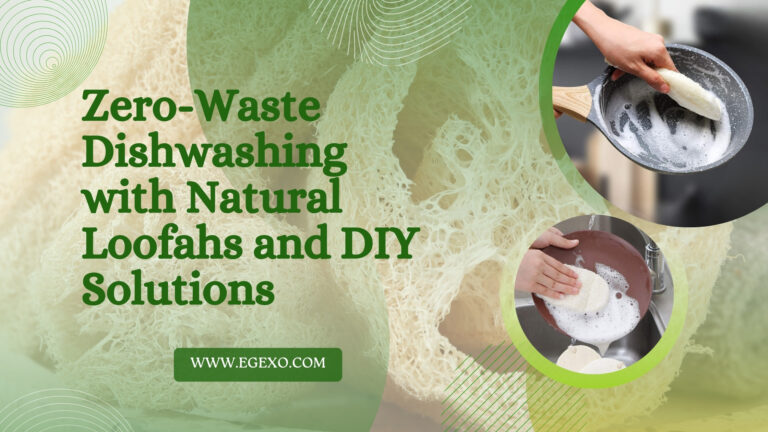
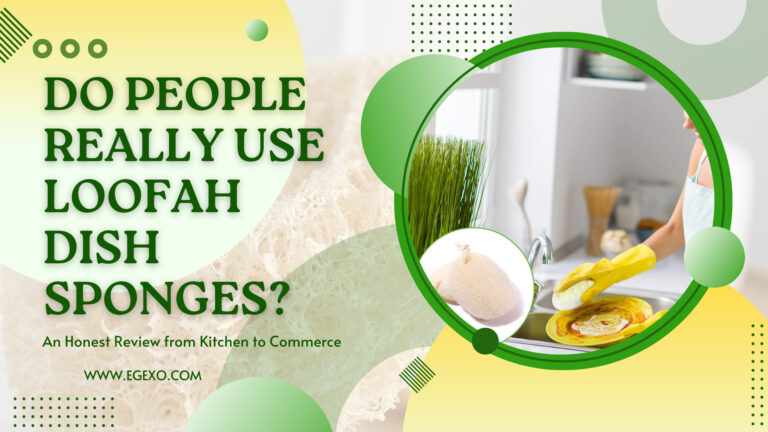
Natural loofah makes an excellent dish scrubber and household cleaning tool, offering abrasive power without scratching most surfaces. The kitchen loofah category includes products specifically designed for culinary and cleaning applications.
Loofah cleaning tools outperform plastic alternatives for removing stuck food from cookware, cleaning vegetables, scrubbing cutting boards, and general surface cleaning. Unlike plastic scrubbers that harbor bacteria in synthetic fibers and eventually crumble into microplastics, loofah cleaners can be sanitized easily and composted at end of life.
For eco-conscious households, replacing plastic scrubbers with loofah alternatives represents a simple swap that reduces plastic consumption meaningfully over time. Restaurants and commercial kitchens increasingly adopt natural cleaning tools to support sustainability initiatives and differentiate brand positioning.
Pet Care and Grooming Applications
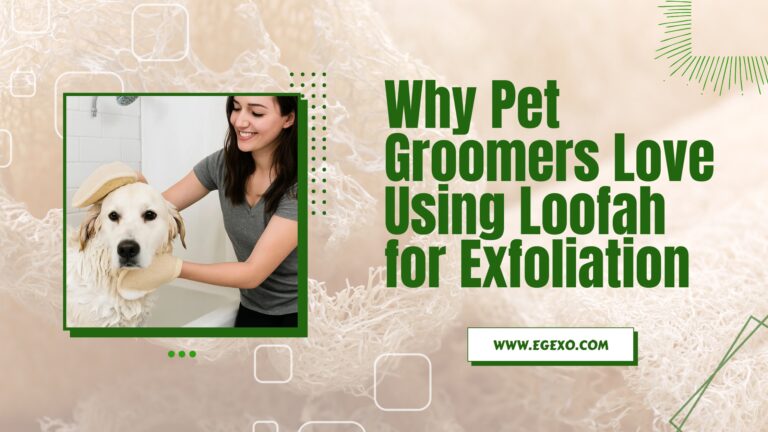
The gentle exfoliation properties that benefit human skin translate directly to pet grooming applications. Loofah sponges effectively remove loose fur, distribute natural oils, and provide mild skin stimulation that pets typically enjoy.
The pet and spa grooming collection includes loofahs sized and shaped specifically for animal grooming applications. Pet product retailers and grooming service providers find that natural loofah products appeal to pet owners already investing in premium natural foods and supplements for their animals.
Dogs in particular benefit from regular loofah grooming, which can reduce shedding, improve coat appearance, and provide bonding time between pets and owners. The natural material eliminates concerns about synthetic chemicals contacting animal skin.
Market Trends and Business Opportunities in the Loofah Industry
For wholesale buyers evaluating market potential, understanding industry trends informs inventory planning and product development decisions.
Growing Demand for Natural Bath and Body Products
Consumer preference continues shifting toward natural personal care products across all major markets. Research indicates that the natural and organic personal care segment grows approximately 8 to 10 percent annually, significantly outpacing conventional product categories.
Within this trend, products offering tangible environmental benefits combined with superior performance command premium pricing and demonstrate strong customer loyalty. Egyptian loofah sponges satisfy both criteria, explaining their growing presence in upscale retail environments and spa menus.
Retailers report that customers increasingly ask about product origins and sustainability credentials before purchasing. Having detailed origin stories and quality information about Egyptian loofah products enables sales associates to close sales confidently while building customer trust.
Private Label Opportunities with Egyptian Loofah
Developing proprietary branded loofah product lines allows retailers and spa operators to capture margins currently going to branded product manufacturers. Private labeling with Egyptian loofah provides quality foundations that support premium positioning.
Egexo offers comprehensive custom product design services that support brand development from concept through production. Our capabilities include custom shapes, sizes, packaging designs, and bundling options that differentiate your products in competitive markets.
Successful private label programs typically start with core products matching proven market demand, then expand into specialty variations based on customer feedback and sales data. Working with an experienced manufacturing partner shortens development timelines while reducing costly formulation errors.
FAQ Section
Q1: How long does an Egyptian loofah sponge typically last with regular use?
A: A quality Egyptian loofah sponge lasts four to six months with proper care, significantly longer than lower quality alternatives that typically need replacement after two to three months. Longevity depends on usage frequency, drying practices between uses, and regular sanitization. Egyptian loofah fibers possess superior density and strength that maintain structural integrity and exfoliation effectiveness throughout this extended lifespan.
Q2: What is the minimum order quantity for wholesale loofah purchases from Egexo?
A: Minimum order quantities vary by product type and customization requirements, typically starting at 500 units for premium grade body loofahs. Custom private label orders or specialty shapes may require higher minimums to justify setup costs. We recommend contacting our wholesale team to discuss your specific requirements and receive accurate MOQ information tailored to your needs.
Q3: Are Egyptian loofah sponges safe for sensitive skin?
A: Egyptian loofah sponges can be safely used on sensitive skin with appropriate selection and technique. Choose softer fiber variants, reduce usage frequency to two to three times weekly, apply light pressure, and break in new loofahs before use on sensitive areas. The natural plant fibers contain no synthetic chemicals or irritants, making them gentler than many manufactured alternatives when used correctly.
Q4: How should wholesale buyers evaluate loofah quality before placing bulk orders?
A: Professional buyers should request sample lots for physical inspection before committing to production orders. Evaluate fiber density by examining whether light passes through the loofah structure, assess color uniformity across samples, test elasticity by gently compressing and observing recovery, and verify that no chemical odors are present. Reputable suppliers like Egexo welcome thorough quality evaluation and provide samples readily.
Q5: What makes Egyptian loofah environmentally superior to synthetic bath products?
A: Egyptian loofah provides complete biodegradability, composting fully within weeks rather than persisting in landfills for centuries like plastic alternatives. Production requires minimal energy and water input, supports sustainable farming communities, and generates zero microplastic pollution. The renewable plant-based origin means each loofah represents captured carbon rather than petroleum extraction.
Q6: Can loofah sponges be used for purposes other than body exfoliation?
A: Natural loofah excels at kitchen cleaning, household scrubbing, pet grooming, and craft applications beyond body care. The gentle abrasive properties safely clean cookware, vegetables, and surfaces without scratching. Pet grooming loofahs remove loose fur and stimulate healthy skin. Crafters use loofah slices for soap embedding, decorative projects, and natural packaging materials.
Q7: How do I properly sanitize and maintain my loofah sponge?
A: Rinse and wring your loofah thoroughly after each use, then hang in a well-ventilated area to dry completely between uses. Weekly sanitization with diluted vinegar solution or brief microwaving eliminates bacterial buildup. Replace your loofah when fibers deteriorate significantly, persistent odors develop despite cleaning, or exfoliation effectiveness noticeably decreases, typically after four to six months.
Q8: What documentation does Egexo provide for international loofah shipments?
A: Egexo provides complete export documentation including commercial invoices, packing lists, certificates of origin, phytosanitary certificates, and customs documentation appropriate for destination countries. Our export team has extensive experience shipping to markets across North America, Europe, Asia, and Australia, ensuring smooth customs clearance and regulatory compliance for your imports.
Expert Insight from Egexo
Drawing from over 25 years cultivating and exporting Egyptian loofah, we have observed that the single factor most affecting product quality at the consumer level is post-harvest processing rather than growing conditions alone. Many producers rush the drying phase to accelerate inventory turnover, resulting in loofahs that appear acceptable initially but develop mold issues or deteriorate prematurely.
At Egexo, we maintain strict drying protocols requiring minimum exposure periods regardless of seasonal demand pressures. Each loofah reaches optimal moisture content before packaging, eliminating the mold risk that plagues hastily processed products from less disciplined suppliers. This patience during processing translates directly into the extended lifespan and consistent quality that distinguishes our products in global markets.
For buyers evaluating potential suppliers, asking detailed questions about drying and processing timelines often reveals more about ultimate product quality than inspecting finished samples. Suppliers confident in their processes discuss methodology openly, while those cutting corners deflect such inquiries.
Conclusion
Egyptian loofah sponges have earned their reputation as the gold standard for bathing through measurable quality advantages rooted in unique growing conditions, generations of cultivation expertise, and processing methods that prioritize product integrity over production speed. Whether you operate a business seeking premium inventory or simply want the best daily bathing experience for yourself and your family, choosing Egyptian loofah represents an investment in quality that delivers returns through superior performance and extended product lifespan.
The environmental benefits of natural loofah align purchasing decisions with sustainability values without requiring compromise on effectiveness. As consumer preferences continue shifting toward authentic natural products, Egyptian loofah positions businesses advantageously while offering individual users genuinely superior alternatives to synthetic options.
Key Takeaways:
- Egyptian loofah demonstrates 23 percent higher tensile strength and 31 percent greater fiber density than alternatives from other regions
- Quality Egyptian loofahs last four to six months compared to two to three months for lower quality alternatives
- Natural loofah biodegrades completely while supporting sustainable farming communities
- Wholesale buyers should evaluate suppliers through sample testing, documentation review, and processing methodology questions
- Proper care including thorough drying and weekly sanitization maximizes loofah lifespan and hygiene
Ready to experience Egyptian loofah quality?
For Wholesale Buyers: Request a quote for your specific requirements or download our complete product catalog to explore our full range.
For Individual Orders: Shop our collection to find the perfect loofah for your needs or order samples to experience the quality difference firsthand.