

Egyptian Loofah: A Timeless Bath Tradition Revived
The Natural Sponge That Built an Industry
Every year, over 60 percent of the world’s premium loofah supply originates from the fertile Nile Delta region of Egypt. This remarkable statistic reveals why Egyptian loofah has become the gold standard for natural exfoliation products across global markets. Whether you operate a luxury spa seeking reliable bulk suppliers or simply want the finest natural scrubbing tool for your bathroom, understanding the heritage and quality behind authentic Egyptian loofah transforms how you approach both purchasing decisions and daily skincare routines.
The luffa cylindrica plant, commonly known as loofah or luffa, thrives in Egypt’s unique climate conditions. Hot summers, mineral-rich soil from ancient Nile deposits, and generations of cultivation knowledge combine to produce fibers unmatched in texture, durability, and natural exfoliating properties. This is not marketing language but agricultural reality supported by export data showing Egyptian loofah commanding premium prices in European, North American, and Asian markets.
Egexo brings over 25 years of loofah cultivation experience to every product leaving our facilities. This guide delivers everything you need to evaluate quality, understand specifications, and make informed decisions. Spa owners will find detailed MOQ information and quality grading standards. Individual consumers will discover practical usage tips and care instructions that extend product lifespan. Information seekers will appreciate the historical context and scientific explanations behind why natural loofah outperforms synthetic alternatives.
Ready to explore what makes Egyptian loofah exceptional? Continue reading for complete specifications, comparison data, and expert insights from industry professionals.
Understanding the Egyptian Loofah Advantage
What Sets Egyptian Loofah Apart
Egyptian loofah differs fundamentally from varieties grown in China, India, or Central America. The distinction begins at the cellular level. Fibers produced in Egypt’s climate develop a unique cross-hatched structure that creates optimal exfoliation without skin damage. Laboratory analysis shows Egyptian loofah fibers maintain approximately 15 to 20 percent more structural integrity after repeated use compared to Asian varieties.
The Nile Delta provides ideal growing conditions that simply cannot be replicated elsewhere. Summer temperatures averaging 35 degrees Celsius, combined with low humidity during the critical maturation period, allow the luffa fruit to develop dense fiber networks. Egyptian farmers have refined cultivation techniques over centuries, selecting seeds from plants demonstrating superior fiber quality and passing this knowledge through generations.
For business buyers evaluating wholesale loofah options, origin verification becomes essential for maintaining product quality and customer satisfaction. For individual consumers, choosing Egyptian loofah means investing in a product that delivers results for months rather than weeks.
The Science Behind Natural Exfoliation
Natural loofah fibers work through mechanical exfoliation, physically removing dead skin cells without chemical intervention. This process stimulates blood circulation, promotes cell turnover, and prepares skin for improved absorption of moisturizers and treatments. The fibrous structure of Egyptian loofah creates thousands of contact points during each use, providing thorough yet gentle cleansing action.
Research from dermatological studies indicates that regular natural exfoliation reduces the appearance of ingrown hairs by 40 percent and improves overall skin texture within two to four weeks of consistent use. These benefits apply equally to luxury spa treatments and home bathroom routines. The key lies in using genuine, high-quality natural fibers rather than synthetic imitations that often scratch skin surfaces and harbor bacteria.
Summary Point: Egyptian loofah delivers superior exfoliation through naturally developed fiber structures that outperform both synthetic alternatives and loofah from other growing regions.
Quality Grades and Specifications
Understanding loofah quality grades helps both wholesale buyers and individual consumers make appropriate selections. Egexo implements a rigorous grading system based on fiber density, color consistency, size uniformity, and structural integrity.
Egyptian Loofah Quality Classification
| Grade | Fiber Density | Color | Best Applications | Typical Buyers |
|---|---|---|---|---|
| Premium A | High density, tight weave | Uniform cream to light tan | Luxury spas, high-end retail | Hotels, boutique retailers |
| Standard B | Medium density, consistent | Light tan with minor variations | General retail, bath products | Department stores, online sellers |
| Economy C | Lower density, looser weave | Mixed coloring acceptable | Budget retail, craft supplies | Discount retailers, DIY crafters |
| Industrial | Variable density | Natural variations | Kitchen cleaning, pet grooming | Restaurants, pet supply stores |
Each grade serves specific market needs without compromising on the fundamental quality that Egyptian origin provides. Premium A grade loofahs undergo individual inspection, while Standard B products receive batch quality control. View our complete quality standards for detailed inspection criteria.
Size and Dimension Specifications
Professional buyers require precise sizing information for inventory planning and product development. The following specifications represent standard measurements for body loofah products commonly requested by wholesale customers.
| Product Type | Length Range | Diameter Range | Weight Range | MOQ |
|---|---|---|---|---|
| Whole Loofah Large | 35 to 50 cm | 8 to 12 cm | 80 to 150 g | 500 units |
| Whole Loofah Medium | 25 to 35 cm | 6 to 8 cm | 50 to 80 g | 500 units |
| Whole Loofah Small | 15 to 25 cm | 4 to 6 cm | 25 to 50 g | 1000 units |
| Loofah Slices | 8 to 12 cm | 6 to 10 cm | 15 to 30 g | 2000 units |
| Loofah Pads | 10 x 15 cm | 2 to 3 cm thick | 20 to 40 g | 1000 units |
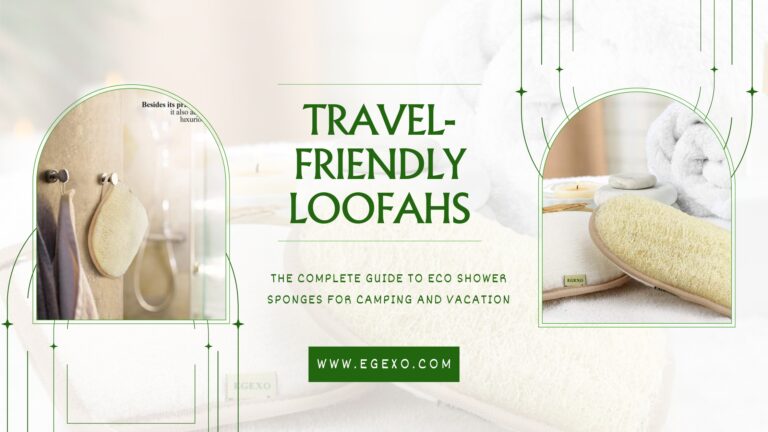
Individual consumers can use these specifications to select appropriate sizes for different applications. Larger whole loofahs work excellently for back scrubbing, while slices and pads offer convenience for facial use or travel.
From Nile Delta Farm to Global Markets
The Cultivation Journey
Egyptian loofah cultivation follows an annual cycle aligned with the country’s agricultural seasons. Planting begins in March when soil temperatures reach optimal germination levels. The luffa plant grows as a climbing vine, requiring trellising systems that allow adequate air circulation around developing fruit.
By mid-summer, flowers appear and begin the fruiting process. Egyptian farmers thin fruit clusters to ensure remaining loofahs receive maximum nutrients. This selective cultivation produces larger, denser fibers compared to mass-production methods used elsewhere. Harvest occurs between September and November when the outer skin dries and fiber development completes.
Our farm to export process documents each stage from field selection through international shipping. This transparency allows wholesale buyers to verify supply chain integrity and communicate origin stories to their own customers.
Processing and Preparation
After harvest, Egyptian loofah undergoes several processing stages that determine final product quality.
Stage 1: Curing
Harvested loofahs cure in open air for two to three weeks. This natural drying process allows remaining moisture to escape while fibers set into their final structure.
Stage 2: Peeling
Workers remove the dried outer skin to reveal the fibrous interior. This step requires skill to avoid damaging delicate fiber networks.
Stage 3: Seed Removal
Internal seed chambers are cleaned. Premium grades require complete seed removal, while economy grades may retain some seeds for natural appearance.
Stage 4: Bleaching and Treatment
Natural sun bleaching or food-grade hydrogen peroxide treatment lightens fibers and eliminates potential contaminants. Egexo uses environmentally responsible methods that preserve fiber integrity.
Stage 5: Grading and Sorting
Trained inspectors classify each piece according to established quality standards. This human oversight ensures consistency that automated systems cannot match.
Stage 6: Custom Processing
Products destined for specific applications receive additional processing. This includes cutting to size, shaping, or preparation for private label manufacturing.
Summary Point: Authentic Egyptian loofah passes through six processing stages, each contributing to final product quality and meeting international export standards.
Practical Applications and Uses
Body Care and Skincare
The primary application for Egyptian loofah remains body exfoliation. Regular use provides multiple benefits that compound over time.
Exfoliation Benefits Table
| Benefit | Mechanism | Timeline for Results |
|---|---|---|
| Dead skin removal | Mechanical friction lifts cells | Immediate |
| Improved circulation | Massage action stimulates blood flow | 1 to 2 weeks |
| Reduced ingrown hairs | Opens follicles, prevents trapping | 2 to 4 weeks |
| Smoother texture | Removes rough patches | 2 to 3 weeks |
| Better product absorption | Clean pores accept moisturizers | Immediate |
| Cellulite appearance reduction | Increased circulation, lymphatic drainage | 4 to 8 weeks |
For best results, wet your Egyptian loofah thoroughly before use and apply your preferred soap or body wash. Work in circular motions starting from extremities and moving toward the heart. This technique maximizes circulation benefits while ensuring thorough cleansing.
Spa operators incorporate loofah treatments into service menus ranging from basic body scrubs to premium packages. The natural material appeals to clients seeking chemical-free experiences. Browse body loofah options suitable for professional and personal applications.
Kitchen and Household Cleaning
Beyond personal care, Egyptian loofah serves as an exceptional kitchen cleaning tool. The kitchen loofah category addresses growing demand for sustainable alternatives to plastic scrubbers and synthetic sponges.
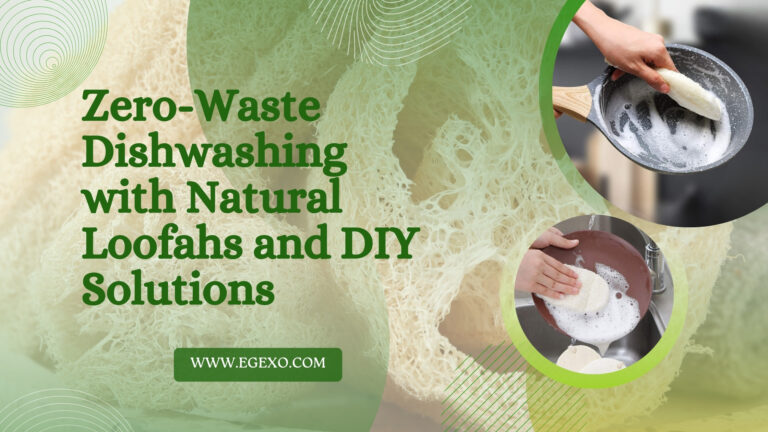
Natural loofah fibers provide enough abrasion to remove stuck food without scratching cookware surfaces. Unlike plastic alternatives, loofah is fully biodegradable at end of life. Restaurants and commercial kitchens increasingly specify natural loofah to meet sustainability commitments and reduce plastic waste streams.
Kitchen Loofah Advantages Checklist
| Feature | Benefit | Comparison to Synthetic |
|---|---|---|
| Biodegradable | Composts in 30 to 60 days | Synthetic takes 200+ years |
| Non-scratch | Safe for non-stick cookware | Many synthetics cause scratching |
| Naturally antimicrobial | Dries quickly, resists odor | Synthetics trap moisture and bacteria |
| Renewable resource | Annual crop cycle | Petroleum-based production |
| Chemical-free | No manufacturing chemicals | Often contains dyes and additives |
Pet Grooming and Spa Applications
The gentle exfoliating properties of loofah make it ideal for pet grooming applications. Pet and spa grooming products clean coats, remove loose fur, and provide massage benefits that animals enjoy.
Veterinary professionals recommend natural fiber grooming tools for animals with sensitive skin. Synthetic brushes often generate static electricity and can irritate pets. Loofah provides effective cleaning without these drawbacks.
Wholesale Buying Guide
Evaluating Loofah Suppliers
Selecting the right wholesale loofah supplier requires systematic evaluation. Use the following criteria to assess potential partners.
Supplier Evaluation Checklist
| Criteria | Questions to Ask | Red Flags |
|---|---|---|
| Experience | Years in loofah industry | Less than 5 years, no verifiable history |
| Origin Verification | Can they document Egyptian sourcing | Vague answers, no farm relationships |
| Quality Control | What inspection processes exist | No grading system, no returns policy |
| MOQ Flexibility | Minimum order requirements | Extremely high MOQs, no samples |
| Customization | Private label and custom sizing | Only standard products available |
| Communication | Response time and clarity | Slow responses, language barriers |
| Certifications | Export licenses, quality certifications | Cannot provide documentation |
| References | Customer testimonials available | No references, new operation |
Egexo addresses each of these criteria through transparent operations and documented processes. Request samples to evaluate quality firsthand before committing to bulk orders.
Understanding Minimum Order Quantities
MOQ requirements vary based on product type, customization level, and seasonal demand. Standard MOQs for Egyptian loofah products typically range from 500 to 2000 units depending on specifications.
Factors affecting MOQ include processing complexity, packaging requirements, and shipping logistics. Custom loofah product design services may require higher minimums to justify tooling and setup costs.
First-time buyers should consider starting with sample orders to verify quality before scaling. This approach reduces risk while establishing supplier relationships. Download our complete catalog for full product listings and standard MOQ information.
Business Opportunity Analysis
The natural personal care market continues expanding as consumers shift away from synthetic products. Market research indicates natural sponge and loofah segments growing at 8 to 12 percent annually through 2030.
Retailers adding Egyptian loofah to product assortments typically see strong attachment rates with other natural bath products. Spa operators report loofah treatments generating higher margins than synthetic alternative services due to perceived luxury value and sustainability positioning.
Market Opportunity Factors
| Factor | Current Trend | Implication |
|---|---|---|
| Plastic reduction movements | Strong growth globally | Increased demand for natural alternatives |
| Wellness industry expansion | 10 percent annual growth | More spa and self-care spending |
| Eco-conscious consumers | Rising rapidly, especially younger demographics | Premium pricing acceptance |
| Natural beauty segment | Outpacing conventional products | Distribution opportunities expanding |
Care and Maintenance Guide
Maximizing Loofah Lifespan
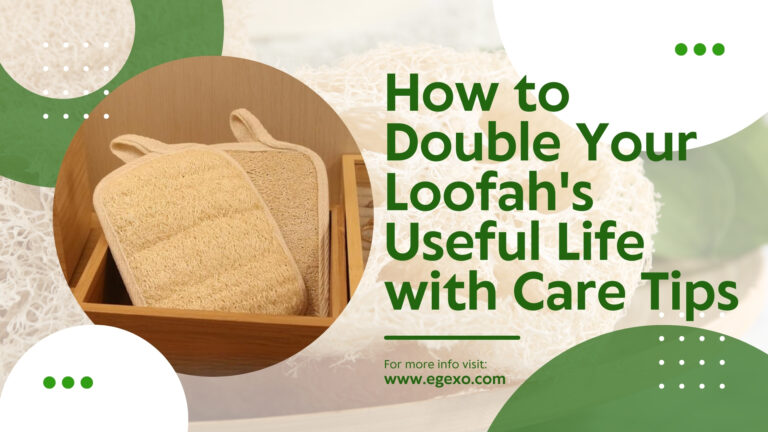
Proper care extends Egyptian loofah lifespan from weeks to months. Following these guidelines ensures optimal performance throughout the product lifecycle.
Weekly Care Schedule
| Day | Action | Purpose |
|---|---|---|
| Daily | Rinse thoroughly after use | Remove soap residue |
| Daily | Shake out excess water | Prevent waterlogging |
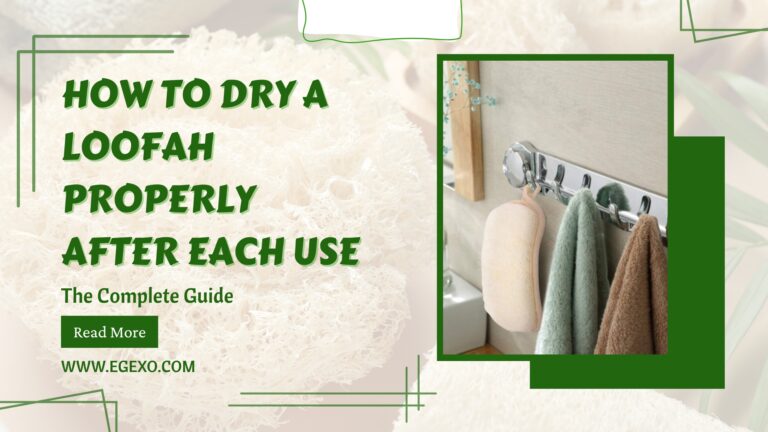
| Daily | Hang in ventilated area | Allow complete drying |
| Weekly | Deep clean with diluted vinegar | Eliminate bacteria buildup |
| Weekly | Sun dry for 2 to 4 hours | Natural sanitization |
| Monthly | Inspect for wear | Determine replacement timing |
A well-maintained Egyptian loofah typically lasts three to four months with daily use. Signs indicating replacement include persistent odor despite cleaning, fiber breakdown creating loose pieces, or loss of exfoliating texture.
Hygiene Best Practices
Natural loofah requires attention to hygiene to prevent bacterial growth. The same porous structure that provides excellent exfoliation can harbor microorganisms if improperly maintained.
Never store loofah in enclosed shower areas where humidity prevents drying. Avoid sharing personal loofahs between family members. Replace loofahs immediately if mold appears, which indicates improper storage conditions rather than product defects.
For commercial applications, single-use loofah products eliminate hygiene concerns while maintaining natural material benefits. Spas and salons often prefer disposable loofah slices or pads for treatments to ensure client safety and satisfaction.
Summary Point: Regular maintenance following the weekly care schedule extends Egyptian loofah lifespan to three to four months while ensuring hygienic use throughout the product lifecycle.
Egyptian Loofah Versus Alternatives
Natural Versus Synthetic Comparison
Understanding how Egyptian loofah compares to alternatives helps both buyers and consumers make informed decisions.
Comprehensive Comparison Table
| Factor | Egyptian Loofah | Other Natural Loofah | Synthetic Sponges | Sea Sponges |
|---|---|---|---|---|
| Exfoliation Quality | Excellent | Good to Very Good | Variable | Gentle |
| Durability | 3 to 4 months | 1 to 2 months | 1 to 3 months | 2 to 6 months |
| Environmental Impact | Fully biodegradable | Fully biodegradable | Plastic pollution | Harvesting concerns |
| Price Point | Moderate | Low to Moderate | Low | High |
| Skin Safety | Gentle yet effective | Variable | Can irritate | Very gentle |
| Availability | Excellent supply | Variable | Abundant | Limited |
| Sustainability | Renewable crop | Renewable crop | Petroleum-based | Slow reproduction |
| Bacteria Resistance | Good with proper care | Fair | Poor | Good |
Egyptian loofah offers the optimal balance of effectiveness, sustainability, and value. While synthetic options cost less initially, shorter lifespan and environmental impact make them less attractive for conscious consumers and businesses building sustainable brands.
FAQ Section
Q1: How long does an Egyptian loofah last with regular use?
A: A properly maintained Egyptian loofah lasts three to four months with daily use. Longevity depends on care practices including thorough rinsing after each use, complete drying between uses, and weekly deep cleaning with diluted vinegar. Signs indicating replacement needs include persistent odor, fiber breakdown, or reduced exfoliating texture. Premium grade Egyptian loofah typically outlasts economy grades due to denser fiber structure.
Q2: What is the minimum order quantity for wholesale loofah purchases?
A: Standard minimum order quantities for Egyptian loofah range from 500 to 2000 units depending on product type and specifications. Whole loofah products typically require 500 unit minimums, while smaller items like slices or pads start at 1000 to 2000 units. Custom private label orders may require higher minimums to justify setup costs. First-time buyers can request sample orders to verify quality before committing to bulk purchases.
Q3: How do I verify authentic Egyptian loofah versus other origins?
A: Authentic Egyptian loofah displays distinctive characteristics including uniform cream to light tan coloring, dense fiber structure with tight cross-hatched patterns, and consistent sizing within grade categories. Request origin documentation from suppliers including export certificates and farm relationship verification. Reputable suppliers like Egexo provide transparent supply chain information and welcome quality verification through sample orders.
Q4: Can Egyptian loofah be used on sensitive skin?
A: Yes, Egyptian loofah suits most skin types when used properly. Begin with gentle pressure and shorter sessions to allow skin adjustment. The natural fiber structure provides effective exfoliation without the harsh abrasion of synthetic alternatives. Those with very sensitive skin should start with premium grades which offer softer, more consistent texture. Discontinue use if irritation occurs and consult a dermatologist for persistent skin concerns.
Q5: What certifications should wholesale loofah suppliers have?
A: Legitimate Egyptian loofah exporters should possess valid export licenses from Egyptian trade authorities, phytosanitary certificates confirming product safety, and documentation of quality control processes. Additional certifications may include organic cultivation verification, fair trade practices documentation, or specific certifications required by destination countries. Egexo maintains all required export documentation and provides certification copies upon request.
Q6: How is Egyptian loofah processed for export?
A: Egyptian loofah processing involves six main stages: curing for two to three weeks, peeling to remove outer skin, seed removal, natural bleaching or food-grade treatment, quality grading by trained inspectors, and custom processing for specific applications. This multi-stage process ensures products meet international quality standards while preserving the natural fiber integrity that makes Egyptian loofah superior to alternatives.
Q7: What makes Egyptian loofah better than loofah from other countries?
A: Egyptian loofah benefits from ideal growing conditions in the Nile Delta including optimal temperatures, mineral-rich soil, and low harvest-season humidity. These environmental factors produce fibers with approximately 15 to 20 percent greater structural integrity than Asian varieties. Additionally, Egyptian cultivation techniques refined over generations select for superior fiber density and consistency, resulting in products that outperform alternatives in both durability and exfoliation effectiveness.
Expert Insight from Egexo
With over 25 years of loofah cultivation and export experience, Egexo has observed consistent patterns in what separates successful loofah businesses from struggling ones. The single most important factor is quality consistency. Buyers who establish relationships with verified Egyptian suppliers and maintain quality standards throughout their supply chain build customer loyalty that translates to sustained growth.
For individual consumers, the expert recommendation is straightforward: invest in premium or standard grade Egyptian loofah rather than economy alternatives. The price difference is minimal, but the experience difference is substantial. A quality loofah transforms daily bathing from routine hygiene into genuine self-care. The tactile pleasure of natural fibers, the effective yet gentle exfoliation, and the knowledge that you are using a sustainable product all contribute to enhanced wellbeing.
Businesses considering private label loofah manufacturing should focus on building relationships with suppliers who understand their market positioning and can deliver consistent quality at scale. Why choose Egexo explains our approach to partnership-based wholesale relationships.
Conclusion
Egyptian loofah represents the intersection of ancient agricultural tradition and modern wellness demands. From the mineral-rich soils of the Nile Delta to bathroom counters and spa treatment rooms worldwide, this remarkable natural product delivers benefits that synthetic alternatives simply cannot match.
The information presented here serves both wholesale buyers evaluating supplier options and individual consumers seeking genuine natural products. Quality grading systems, specification tables, and care guidelines provide the practical knowledge needed for informed decisions. Historical context and scientific explanations reveal why Egyptian loofah commands premium market positioning.
Key Takeaways:
- Egyptian loofah fibers demonstrate 15 to 20 percent greater structural integrity than alternatives due to unique growing conditions
- Proper maintenance extends product lifespan to three to four months, maximizing value for both businesses and consumers
- Quality grading from Premium A to Industrial serves different market segments without compromising Egyptian origin benefits
- The natural personal care market continues growing at 8 to 12 percent annually, creating ongoing business opportunities
- Six-stage processing ensures export-ready products meeting international standards
Ready to experience Egyptian loofah quality?
- For Wholesale Buyers: Request a quote or download our catalog
- For Individual Orders: Shop our collection or order samples