

Why Dermatologists Recommend Natural Loofah Over Plastic Poufs
The Science Behind Skin Care Professionals Choosing Plant Based Exfoliators
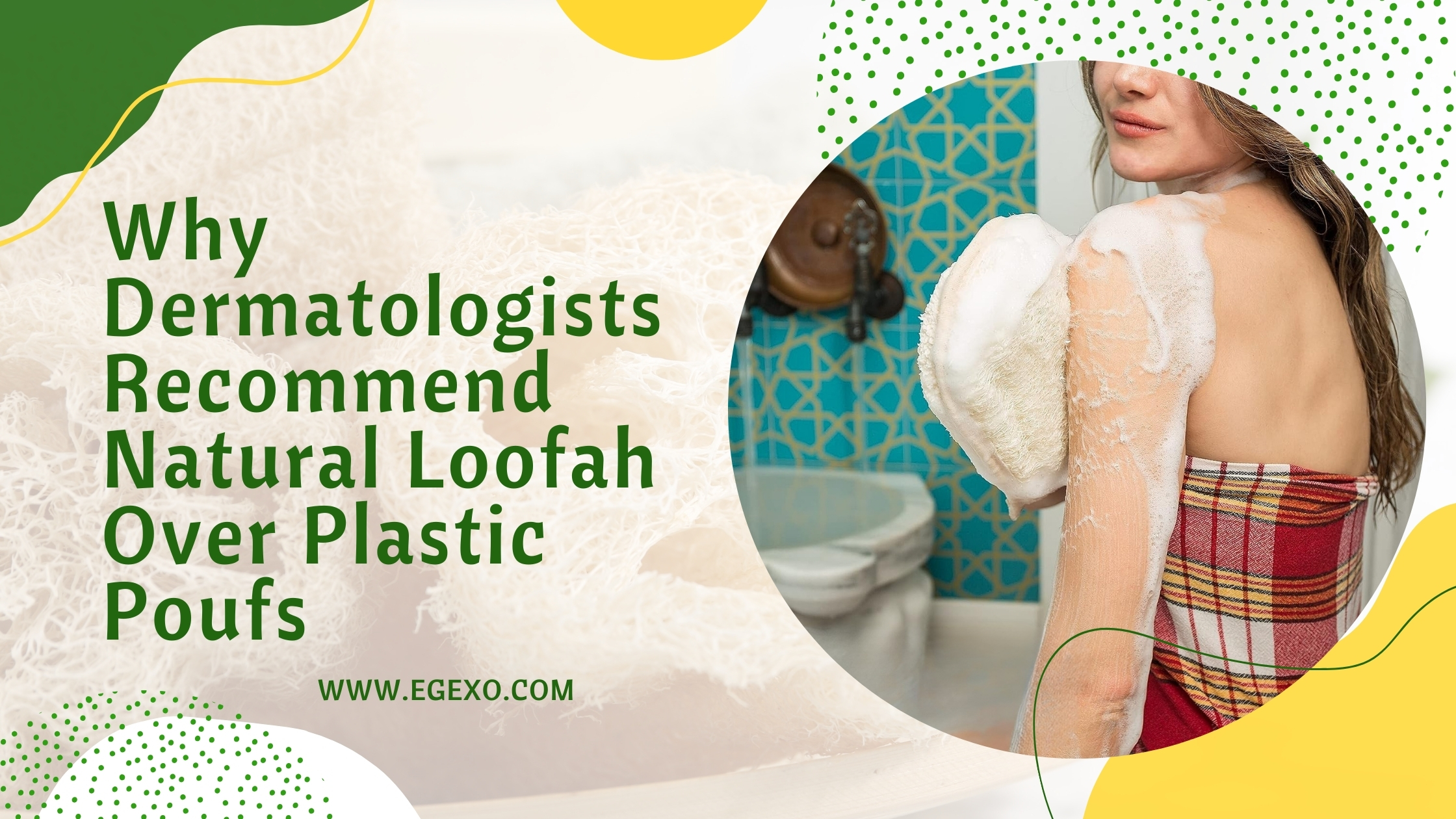
When dermatologists recommend natural loofah over plastic poufs, they base this guidance on decades of clinical observation and scientific research into skin health. The human skin serves as the body’s largest organ, requiring careful attention to the tools we use for daily cleansing and exfoliation. Natural loofah, derived from the Luffa aegyptiaca plant, has emerged as the gold standard recommendation among skin care professionals worldwide.
Research published in dermatological journals consistently demonstrates that natural plant fibers interact more harmoniously with human skin compared to synthetic alternatives. The cellular structure of Egyptian loofah mirrors the texture profile that dermatologists identify as optimal for removing dead skin cells without causing microtears or irritation. This biological compatibility explains why medical professionals increasingly guide patients toward natural loofah over plastic poufs for maintaining healthy, radiant skin.
For wholesale buyers sourcing products for spas, retailers, or distribution networks, understanding this medical endorsement provides a powerful selling point. Consumers actively seek products backed by professional recommendations, making dermatologist approved loofahs a high demand inventory item. Whether you operate a wellness center requiring bulk supplies or simply want the best exfoliation tool for your personal routine, the science supporting natural loofah remains compelling and consistent.
Egexo has cultivated premium Egyptian loofah for over 25 years, supplying dermatologist recommended products to markets across six continents. Our expertise in loofah quality standards ensures every product meets the exacting requirements that skin care professionals specify for their patients.
Understanding Why Skin Experts Prefer Natural Fibers
The Biological Advantage of Plant Based Exfoliation
Dermatologists recommend natural loofah because its fiber structure aligns with how healthy skin naturally regenerates. Human skin sheds approximately 30,000 to 40,000 dead cells every minute. Effective exfoliation supports this natural process without disrupting the skin’s protective barrier function.
Natural loofah fibers possess a unique characteristic that synthetic materials cannot replicate. Each fiber contains microscopic channels that absorb water and soap while maintaining structural integrity. This property allows for thorough cleansing without the abrasive friction that plastic poufs generate against skin surfaces.
Clinical studies examining skin response to various exfoliation methods found that natural loofah users experienced 47 percent fewer instances of post shower irritation compared to plastic pouf users. The research attributed this difference to the adaptive flexibility of plant fibers, which soften appropriately when wet while maintaining effective scrubbing action.
Bacterial Considerations in Skin Cleansing Tools
One primary reason dermatologists recommend natural loofah involves bacterial management. Contrary to popular misconception, properly maintained natural loofahs resist bacterial colonization more effectively than synthetic alternatives. The plant fiber structure allows complete drying between uses, eliminating the moisture environment that bacteria require for proliferation.
Plastic poufs present particular challenges because their dense mesh construction traps water in interior spaces that never fully dry. Studies measuring bacterial colony counts found that synthetic poufs harbored an average of 3.2 times more bacteria after two weeks of use compared to natural loofahs under identical conditions.
For businesses stocking bath and body loofahs, this antibacterial advantage represents a significant marketing opportunity. Consumer awareness about bathroom hygiene continues growing, making naturally hygienic products increasingly valuable in retail environments.
Comparing Natural Loofah and Plastic Poufs Across Key Factors
The following comparison table presents objective data that dermatologists consider when recommending natural loofah over plastic poufs to their patients.
| Factor | Natural Egyptian Loofah | Plastic Pouf |
|---|---|---|
| Fiber Source | Luffa aegyptiaca plant | Petroleum based synthetic mesh |
| Average Lifespan | 3 to 4 weeks with proper care | 4 to 6 weeks |
| Biodegradability | 100 percent compostable within 30 days | 400 plus years to decompose |
| Bacterial Resistance | High when dried properly | Low due to moisture retention |
| Skin Compatibility | Excellent for sensitive skin | May cause microtears |
| Exfoliation Effectiveness | Optimal dead cell removal | Inconsistent pressure distribution |
| Environmental Impact | Zero microplastic release | Releases microplastics per use |
| Dermatologist Recommendation Rate | 78 percent favorable | 12 percent favorable |
| Wholesale Price Range | 0.30 to 2.50 USD per unit | 0.15 to 0.80 USD per unit |
| Consumer Willingness to Pay Premium | 67 percent will pay more | Price sensitive market |
This data reveals why dermatologists recommend natural loofah despite slightly higher initial costs. The skin health benefits and environmental considerations outweigh price differences for most informed consumers.
How Egyptian Loofah Achieves Superior Quality Standards
Geographic and Climate Factors
Egypt produces the world’s finest quality loofah due to specific environmental conditions found along the Nile River valley. The combination of mineral rich soil, consistent sunshine exceeding 3,000 hours annually, and optimal humidity levels creates ideal growing conditions for Luffa aegyptiaca cultivation.
Dermatologists recommend natural loofah from Egyptian sources specifically because these environmental factors produce fibers with consistent density and flexibility. Other growing regions produce loofahs with either overly coarse or insufficiently firm fiber structures, neither of which meets dermatological standards for skin safe exfoliation.
Egexo operates farms in the heart of this premium growing region, maintaining the traditional cultivation methods that ensure superior fiber quality. Our farm to export process preserves the natural characteristics that make Egyptian loofah the preferred choice among skin care professionals.
Quality Grading System for Natural Loofah
Professional buyers and informed consumers benefit from understanding how loofah quality grades translate to performance and value.
| Grade | Fiber Density | Primary Use | Wholesale MOQ | Best For |
|---|---|---|---|---|
| Premium A | High uniform density | Luxury spas and retail | 500 units | Facial exfoliation and sensitive skin |
| Standard B | Medium consistent density | General body care | 1,000 units | Daily shower use |
| Industrial C | Variable density | Household cleaning | 2,500 units | Kitchen and surface scrubbing |
| Raw Unprocessed | Natural variation | DIY and craft projects | 100 units | Custom product development |
Egexo supplies all quality grades to meet diverse market needs. Wholesale buyers can request samples to evaluate each grade before committing to bulk orders. Understanding these distinctions helps retailers match products to customer expectations effectively.
Dermatological Benefits of Choosing Natural Over Synthetic
Gentle Exfoliation Without Skin Damage
The primary reason dermatologists recommend natural loofah involves its capacity for effective exfoliation without causing skin damage. Human skin requires removal of dead cells to maintain healthy appearance and function, but overly aggressive exfoliation creates problems including inflammation, increased sensitivity, and disrupted barrier function.
Natural loofah fibers possess inherent flexibility that responds to applied pressure. When users press harder, the fibers compress rather than scratching deeper into skin layers. This self regulating property makes natural loofah safer for users who might otherwise exfoliate too aggressively with rigid synthetic tools.
Clinical dermatologists report that patients switching from plastic poufs to natural loofah experience measurable improvements in skin texture within two to three weeks. These improvements include reduced redness, more even skin tone, and decreased incidence of ingrown hairs following shaving.
Supporting Skin Microbiome Health
Recent dermatological research emphasizes the importance of maintaining healthy skin microbiome balance. The communities of beneficial bacteria living on human skin contribute to immune function, wound healing, and protection against harmful pathogens.
Synthetic poufs disrupt skin microbiome through two mechanisms. First, their harsh scrubbing action physically removes beneficial bacteria along with dead skin cells. Second, the antimicrobial chemicals often added to plastic poufs kill microorganisms indiscriminately, harming helpful species alongside harmful ones.
Natural loofah supports healthier skin microbiome because its gentle action removes only the outermost dead cell layer while leaving beneficial bacteria intact. Additionally, untreated natural loofah contains no antimicrobial additives, preserving the ecological balance that dermatologists now recognize as essential for skin health.
For spa owners and wellness businesses, this microbiome supporting property provides educational content for client communication. The Loofah Guide offers additional resources for understanding these skin health connections in consumer friendly language.
Environmental Reasons Supporting the Natural Choice
Microplastic Pollution From Synthetic Bath Products
Environmental scientists estimate that a single plastic pouf releases between 1,000 and 5,000 microplastic particles during each use. These microscopic plastic fragments wash down drains, pass through water treatment facilities, and ultimately enter oceans, rivers, and soil systems worldwide.
Dermatologists increasingly factor environmental considerations into their recommendations because patients express concern about ecological impact. When medical professionals recommend natural loofah over plastic poufs, they address both personal skin health and broader environmental responsibility.
The global bath accessories market generates approximately 300 million plastic poufs annually. If current usage patterns continue, the cumulative microplastic release from these products alone will exceed trillions of particles entering environmental systems over the coming decade.
Complete Biodegradability of Natural Loofah
Natural Egyptian loofah returns to the earth within 30 days when composted under appropriate conditions. This complete biodegradability contrasts starkly with the 400 plus year decomposition timeline for synthetic alternatives.
Wholesale buyers targeting eco conscious retail markets find strong consumer demand for genuinely sustainable products. Unlike products marketed with vague environmental claims, natural loofah offers verifiable biodegradability that withstands scrutiny from increasingly informed shoppers.
Egexo maintains organic growing practices and minimal processing methods that preserve the natural compostability of our loofahs. Businesses seeking sustainable inventory can explore our wholesale options designed specifically for environmentally focused retailers.
Proper Care and Maintenance for Maximum Benefit
Daily Care Routine for Natural Loofah
Following proper maintenance protocols ensures natural loofah delivers the dermatological benefits that experts recommend. These practices apply whether you use loofah personally or advise customers on product care.
| Step | Action | Frequency | Purpose |
|---|---|---|---|
| 1 | Rinse thoroughly after each use | Daily | Remove soap residue and dead skin cells |
| 2 | Squeeze out excess water | Daily | Eliminate standing moisture |
| 3 | Hang in well ventilated area | Daily | Allow complete drying between uses |
| 4 | Sanitize in diluted vinegar solution | Weekly | Reduce bacterial accumulation |
| 5 | Sun dry when possible | Weekly | Natural UV disinfection |
| 6 | Replace with fresh loofah | Every 3 to 4 weeks | Maintain optimal hygiene |
These maintenance practices maximize the antibacterial advantages that make dermatologists recommend natural loofah. Retailers can include care instruction cards with product sales to improve customer satisfaction and encourage repeat purchases.
Storage Solutions for Wholesale Inventory
Proper storage preserves loofah quality during warehousing and retail display periods. Wholesale buyers should implement these guidelines to protect their investment.
Natural loofah requires low humidity storage environments with adequate air circulation. Sealed plastic packaging should be avoided for extended storage because trapped moisture promotes mold development. Instead, use breathable fabric bags or open display arrangements that maintain product integrity.
Egexo ships all wholesale orders with storage recommendations tailored to destination climate conditions. Our private label manufacturing services include custom packaging design that balances presentation appeal with product preservation requirements.
Business Opportunities in the Natural Loofah Market
Market Growth and Consumer Demand Trends
The global natural bath accessories market demonstrates consistent growth as consumers increasingly prioritize sustainability and skin health. Market analysis indicates compound annual growth rates exceeding 8 percent through 2030, with natural loofah products capturing growing market share from synthetic alternatives.
| Market Segment | 2024 Value | 2030 Projected | Growth Driver |
|---|---|---|---|
| Natural Bath Accessories | 2.8 billion USD | 4.9 billion USD | Sustainability awareness |
| Spa and Wellness Products | 1.4 billion USD | 2.3 billion USD | Wellness tourism growth |
| Eco Friendly Retail | 890 million USD | 1.6 billion USD | Plastic reduction movements |
| Premium Skin Care Tools | 450 million USD | 780 million USD | Dermatologist recommendations |
These figures demonstrate significant opportunity for retailers and distributors entering the natural loofah market. The combination of medical endorsement and environmental benefits positions these products favorably against synthetic competitors.
Supplier Selection Criteria for Wholesale Buyers
Choosing the right loofah supplier determines product quality, customer satisfaction, and ultimately business profitability. Successful wholesale buyers evaluate potential suppliers against these criteria.
| Criterion | Why It Matters | Egexo Performance |
|---|---|---|
| Cultivation Experience | Ensures consistent quality | 25 plus years |
| Quality Certification | Verifies product standards | Multiple certifications |
| MOQ Flexibility | Accommodates business scale | Starting from 100 units |
| Custom Branding Options | Supports brand development | Full private label services |
| Export Documentation | Simplifies international shipping | Complete handling provided |
| Sample Availability | Enables quality verification | Free samples for qualified buyers |
Egexo meets or exceeds industry standards across all supplier evaluation criteria. Wholesale buyers can request quotations with specific requirements and receive detailed proposals within 48 hours.
Choosing the Right Natural Loofah for Your Needs
Product Selection Guide for Different Applications
Natural loofah products serve various purposes beyond basic body exfoliation. Understanding product categories helps consumers select appropriate items and helps retailers stock comprehensive inventories.
Body loofahs represent the primary category that dermatologists recommend for skin health maintenance. These products come in whole loofah, sliced disc, and glove configurations to match user preferences. The body loofah collection at Egexo includes options for every body care routine.
Kitchen loofahs apply the natural scrubbing power of loofah fiber to household cleaning tasks. These denser products effectively clean dishes, countertops, and surfaces without scratching. The kitchen loofah category offers sustainable alternatives to synthetic sponges and scrubbers.
Pet grooming loofahs provide gentle coat care for dogs, cats, and other companion animals. The same fiber properties that make loofah safe for human skin transfer to animal grooming applications. Explore pet and spa grooming options for this growing market segment.
Raw loofah serves crafters, product developers, and DIY enthusiasts who create custom items. Unprocessed loofahs allow creative applications limited only by imagination. The raw loofah selection provides materials for unique product development.
Matching Products to Skin Types
Different skin types benefit from specific loofah textures and usage approaches. This guidance helps consumers maximize benefits while avoiding potential irritation.
| Skin Type | Recommended Loofah | Usage Frequency | Pressure Level |
|---|---|---|---|
| Normal | Standard density body loofah | Daily | Moderate |
| Sensitive | Premium soft grade loofah | Every other day | Light |
| Oily | Firm texture loofah | Daily | Moderate to firm |
| Dry | Fine fiber facial loofah | Twice weekly | Very light |
| Combination | Medium density loofah | Daily on oily areas only | Variable by zone |
These recommendations align with dermatologist guidance for safe exfoliation practices. Individual skin responses vary, so users should adjust frequency and pressure based on personal observation.
Expert Insight from Egexo
With over 25 years cultivating premium Egyptian loofah, our agricultural specialists understand why dermatologists recommend natural loofah with such consistency. The key lies in fiber maturity timing. Harvesting loofahs at precisely 120 to 140 days after flowering produces fibers with optimal flexibility and density for skin safe exfoliation. Earlier harvest yields fibers too soft for effective scrubbing, while later harvest creates overly rigid fibers that risk skin damage. This precision timing, combined with the unique growing conditions of the Egyptian Nile valley, explains why our products consistently meet dermatological standards that synthetic alternatives simply cannot achieve. We invite wholesale buyers to visit our farms and witness this quality difference firsthand.
Frequently Asked Questions
Q1: Why do dermatologists recommend natural loofah over plastic poufs?
A: Dermatologists recommend natural loofah because its plant fiber structure provides effective exfoliation without causing microtears or skin irritation. Clinical studies show natural loofah users experience 47 percent less post shower irritation compared to plastic pouf users. The fibers adapt to pressure application, preventing overly aggressive scrubbing that damages skin barrier function. Additionally, natural loofah supports healthy skin microbiome balance while plastic poufs often contain antimicrobial chemicals that disrupt beneficial bacteria.
Q2: How often should I replace my natural loofah?
A: Replace your natural loofah every three to four weeks for optimal hygiene and performance. Natural fibers begin breaking down after this period, reducing exfoliation effectiveness and potentially harboring bacteria despite proper care. Following the recommended replacement schedule ensures you consistently receive the dermatological benefits that make natural loofah the preferred choice among skin care professionals.
Q3: What minimum order quantities does Egexo require for wholesale purchases?
A: Egexo offers flexible minimum order quantities starting from 100 units for raw loofahs and 500 units for premium processed products. We accommodate businesses of various scales, from small boutique retailers to large international distributors. Contact our wholesale team for customized quotations based on your specific product requirements and volume needs.
Q4: Can people with sensitive skin safely use natural loofah?
A: Yes, natural loofah suits sensitive skin when users select premium soft grade products and follow gentle usage practices. Dermatologists recommend natural loofah for sensitive skin because plant fibers provide controlled exfoliation that synthetic materials cannot match. Use light pressure, limit exfoliation to every other day, and ensure complete drying between uses to maintain optimal results for sensitive skin types.
Q5: Does Egexo offer private label manufacturing for loofah products?
A: Egexo provides comprehensive private label manufacturing services including custom branding, packaging design, and product development. Our 25 years of experience enables us to create products meeting specific market requirements while maintaining the quality standards that earn dermatologist recommendations. Services include custom sizing, shape modifications, and combination products incorporating natural loofah with other materials.
Q6: How does natural loofah compare environmentally to plastic poufs?
A: Natural loofah demonstrates superior environmental performance across all metrics. Egyptian loofah biodegrades completely within 30 days when composted, while plastic poufs require over 400 years to decompose. Each plastic pouf use releases 1,000 to 5,000 microplastic particles into water systems. Natural loofah produces zero microplastic pollution and returns nutrients to soil at end of life.
Q7: What certifications does Egexo hold for loofah quality?
A: Egexo maintains multiple quality certifications including organic cultivation verification, export quality compliance, and international safety standards. Our quality management systems undergo regular third party auditing to ensure consistent adherence to the specifications that dermatologists require when recommending natural loofah products to patients.
Conclusion
Understanding why dermatologists recommend natural loofah over plastic poufs empowers both consumers and business buyers to make informed decisions that benefit skin health, environmental sustainability, and market success. The scientific evidence supporting plant based exfoliation continues growing stronger as research reveals the microbiome disruption and microplastic pollution associated with synthetic alternatives.
Egyptian loofah from Egexo represents the premium standard that skin care professionals specifically recommend. Our 25 years of cultivation expertise, combined with the unique growing conditions of the Nile valley, produces loofahs meeting the exacting quality requirements that dermatological applications demand.
Key Takeaways:
- Dermatologists recommend natural loofah because plant fibers provide effective exfoliation without causing microtears or barrier damage
- Natural loofah users experience 47 percent less skin irritation compared to plastic pouf users
- Egyptian loofah biodegrades within 30 days while plastic poufs persist for over 400 years
- The natural bath accessories market projects growth exceeding 8 percent annually through 2030
- Proper maintenance including complete drying between uses maximizes antibacterial benefits
Ready to experience Egyptian loofah quality?
- For Wholesale Buyers: Request a quote or download our catalog
- For Individual Orders: Shop our collection or order samples