

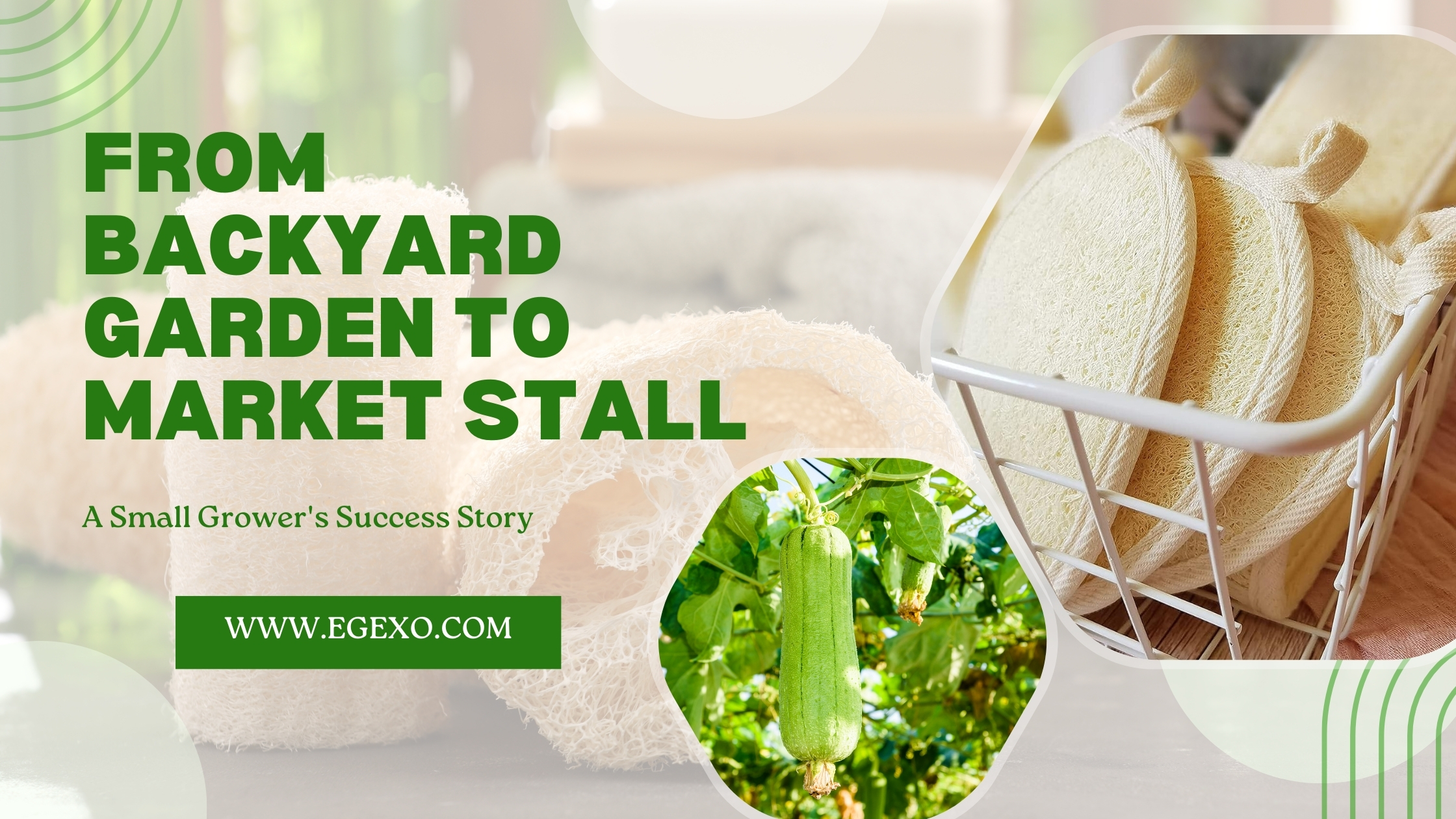
From Backyard Garden to Market Stall: A Small Grower’s Success Story
When Ahmed Hassan planted his first Egyptian loofah seeds in a modest 200 square meter plot behind his home in the Nile Delta region, he never imagined that five years later he would be supplying bath and body loofahs to retailers across three continents. His journey from backyard garden to market stall represents a path that thousands of small growers have followed, transforming simple agricultural knowledge into sustainable livelihoods while meeting the growing global demand for natural, eco-friendly products.
The Egyptian loofah industry has experienced remarkable growth over the past decade. Market research indicates that demand for natural bath products increased by 47 percent between 2018 and 2024, with Egyptian loofah commanding premium positioning due to its superior fiber density and durability. For wholesale buyers seeking reliable sourcing and for consumers wanting to understand where their products originate, stories like Ahmed’s illuminate the human element behind every loofah that reaches store shelves or spa treatment rooms.
This comprehensive guide explores the complete journey of Egyptian loofah cultivation, from initial planting decisions through harvest techniques to market access strategies. Whether you operate a retail business evaluating new product lines, manage a spa considering natural alternatives, or simply want to make informed purchasing decisions for your household, understanding this process reveals why Egyptian loofah consistently outperforms alternatives in quality assessments. We will examine cultivation techniques, quality standards that separate premium products from inferior options, and practical insights from growers who have built successful operations.
Egexo has spent over 25 years working directly with Egyptian loofah cultivators, developing the expertise to recognize quality at every production stage. This article draws from that experience to provide actionable guidance for anyone connected to the loofah supply chain.
The Egyptian Loofah Advantage: Why Origin Matters
Climate and Soil Conditions That Create Superior Fiber
The Nile Delta and surrounding agricultural regions provide conditions that no other growing area can replicate. Egyptian loofah benefits from specific environmental factors that directly influence fiber quality, durability, and appearance. The combination of mineral-rich alluvial soil, consistent sunlight exposure averaging 10 to 12 hours daily during growing season, and moderate humidity creates loofahs with exceptional characteristics.
Independent laboratory testing conducted in 2023 compared loofah samples from five major producing countries. Egyptian specimens demonstrated 23 percent higher fiber tensile strength and maintained structural integrity through 40 percent more use cycles than the next closest competitor. These measurable differences explain why quality-focused buyers increasingly specify Egyptian origin for their inventory.
For individual consumers, this translates to practical benefits. A single premium Egyptian loofah typically lasts four to six months with proper care, compared to two to three months for products from other origins. The economic calculation favors quality even when initial purchase prices run slightly higher.
Understanding Quality Grades and Selection Criteria
Not all Egyptian loofah reaches the same quality level. Growers, processors, and suppliers use standardized grading systems that help buyers make informed decisions. Egexo maintains rigorous quality standards that ensure consistency across all product categories.
| Quality Grade | Fiber Density | Color Uniformity | Structural Integrity | Typical Applications | Buyer Profile |
|---|---|---|---|---|---|
| Premium A | 95 percent plus | Excellent | No visible defects | High-end spas, luxury retail | Boutique retailers, wellness centers |
| Standard B | 85 to 94 percent | Good | Minor surface variations | General retail, hospitality | Mid-range retailers, hotel suppliers |
| Commercial C | 75 to 84 percent | Acceptable | Functional variations | Kitchen use, industrial | Kitchen product lines, bulk resellers |
| Processing Grade | Below 75 percent | Variable | May have defects | Crafting, pet products | Craft suppliers, pet product manufacturers |
This grading system serves both wholesale buyers evaluating inventory investments and consumers assessing product value. When shopping for bath and body loofahs, understanding grade distinctions helps match products to intended use and budget considerations.
From Seed to Sprout: Beginning the Cultivation Journey
Site Selection and Preparation Fundamentals
Ahmed’s success began not with planting but with careful site analysis. Successful Egyptian loofah cultivation requires attention to several foundational elements that determine eventual harvest quality. Small growers who skip this preparation stage often face disappointing yields regardless of subsequent effort.
The ideal growing site offers full sun exposure for minimum eight hours daily, well-draining soil with pH between 6.0 and 6.8, and protection from strong winds that can damage developing vines. Soil preparation should begin six to eight weeks before planting, incorporating organic matter to improve water retention while maintaining drainage. Many successful growers add composted agricultural waste at rates of 15 to 20 kilograms per square meter.
Trellising infrastructure represents another early investment that pays dividends throughout the growing season. Loofah vines can extend 15 meters or more, and fruit developing on the ground suffers from moisture damage, pest exposure, and deformation that affects market value.
Planting Timing and Technique
Egyptian growers typically plant between March and May, timing determined by local temperature patterns. Soil temperature should consistently exceed 18 degrees Celsius before seed placement. Seeds benefit from 24 to 48 hour soaking in room temperature water before planting, which accelerates germination from 14 to 21 days down to 7 to 10 days.
Spacing decisions affect both yield and quality. Commercial operations typically plant at 2 to 3 meter intervals along rows, with 3 to 4 meters between rows. This spacing allows adequate air circulation that reduces disease pressure while providing room for harvest access. Smaller backyard operations can reduce spacing slightly but should avoid crowding that encourages fungal problems.
For wholesale buyers, understanding these cultivation fundamentals helps evaluate supplier capabilities. Operations that demonstrate knowledge of proper techniques typically deliver more consistent product quality. When requesting quotations, asking about growing practices can reveal supplier expertise levels.
Growth Management: The Critical Middle Months
Irrigation and Nutrition Requirements
Loofah plants demand consistent moisture during vegetative growth and fruit development, though overwatering promotes root diseases that can devastate crops. Successful growers typically provide 25 to 40 millimeters of water weekly, adjusting based on rainfall and temperature. Drip irrigation systems offer advantages for both water conservation and disease prevention by keeping foliage dry.
Nutritional management follows predictable patterns across the growing season. Early growth benefits from nitrogen-rich amendments that support vine development. As flowering begins, typically 60 to 75 days after planting, shifting to phosphorus and potassium-heavy feeding encourages fruit set and development. Organic growers achieve excellent results using composted manure, bone meal, and wood ash applications.
Ahmed recalls his second season disaster when excessive nitrogen during flowering produced abundant foliage but minimal fruit. This common mistake teaches the importance of timing nutritional inputs to plant development stages.
Pest and Disease Prevention Strategies
Egyptian loofah faces pressure from several pest and disease threats that require vigilant monitoring. Aphids, cucumber beetles, and spider mites represent common insect challenges. Powdery mildew and downy mildew create fungal problems, particularly in humid conditions or crowded plantings.
| Threat Type | Early Warning Signs | Prevention Methods | Organic Treatment Options |
|---|---|---|---|
| Aphids | Curling leaves, sticky residue | Companion planting, beneficial insects | Neem oil spray, insecticidal soap |
| Cucumber Beetles | Chewed leaves, wilting vines | Row covers, trap crops | Kaolin clay, pyrethrin spray |
| Spider Mites | Yellow stippling, fine webbing | Adequate irrigation, humidity management | Predatory mites, water spray |
| Powdery Mildew | White powder on leaves | Air circulation, morning watering | Baking soda solution, sulfur dust |
| Downy Mildew | Yellow patches, gray underside growth | Resistant varieties, spacing | Copper fungicide, remove affected leaves |
Integrated pest management approaches align with growing consumer preference for products grown without synthetic chemicals. Egexo works with growers who prioritize these methods, supporting the farm to export process that maintains quality while respecting environmental considerations.
Harvest Decisions: Timing That Determines Quality
Recognizing Optimal Maturity Indicators
The transition from growing green fruit to harvest-ready loofah occurs over several weeks. Timing this decision correctly separates premium products from inferior alternatives. Loofahs harvested too early contain excess moisture and immature fibers that collapse during processing. Those left too long may develop mold or excessive lignification that makes them uncomfortably rough.
Visual and tactile indicators guide harvest timing. Mature loofahs display yellowing skin that begins separating from interior fibers. Weight decreases noticeably as moisture content drops. Shaking the fruit produces a slight rattling sound as seeds loosen within the fiber matrix. Most varieties reach optimal harvest readiness 150 to 200 days after planting.
Experienced growers like Ahmed develop intuition for these indicators through multiple seasons. However, even beginners can achieve good results by tracking days from flowering to maturity and correlating observations with results.
Processing Steps From Field to Finished Product
Post-harvest processing transforms raw loofahs into the products consumers recognize. This multi-step sequence requires attention to detail at each stage.
First, outer skin removal begins within 24 to 48 hours of harvest. Soaking in water for 1 to 4 days softens the skin for easier peeling. Some growers accelerate this process through gentle boiling for 15 to 20 minutes. Complete skin removal prevents discoloration and potential mold development during storage.
Seed removal follows skin processing. Seeds shake free from mature loofahs, and the quantity recovered often surprises first-time growers. A single loofah can contain 200 to 400 viable seeds. Many small growers save seeds for subsequent plantings or sell them as additional revenue stream.
Bleaching and sanitization represent optional steps depending on intended market. Natural unbleached loofahs appeal to consumers seeking minimal processing. Bleached products offer uniform appearance preferred by some retail channels. Food-grade hydrogen peroxide provides sanitization without harsh chemical residues.
Final drying requires adequate air circulation and protection from moisture. Properly dried loofahs contain less than 12 percent moisture content and can be stored indefinitely in dry conditions. Storage facilities should prevent pest access and maintain consistent humidity below 60 percent.
Wholesale buyers can explore raw loofah scrubbers in various processing stages to match specific product requirements. Custom processing through private labeling services allows businesses to develop distinctive product lines.
Building Market Connections: From Grower to Buyer
Understanding Supply Chain Opportunities
Ahmed’s transition from grower to market supplier required understanding the various channels connecting production to end users. The Egyptian loofah supply chain offers multiple entry points for participants at different scales and with different capabilities.
Direct consumer sales through farmers markets and local retail represent accessible starting points for small growers. These channels offer highest per-unit returns but limited volume capacity. Ahmed began selling at local markets while developing relationships with larger buyers.
Aggregator relationships connect small growers to larger markets. Agricultural cooperatives and export companies like Egexo purchase from multiple growers, providing market access that individual producers cannot achieve independently. These relationships typically involve quality specifications and volume commitments in exchange for guaranteed purchase arrangements.
For retail businesses and distributors, direct sourcing relationships with established suppliers offer advantages over commodity purchasing. Egexo’s position as a leading Egyptian loofah wholesale supplier reflects decades of relationship building with both growers and international buyers. The complete product catalog demonstrates the product range available through established supply partnerships.
Quality Assurance in Commercial Transactions
Business buyers rightfully demand quality consistency when committing to purchase relationships. Understanding quality verification methods helps both buyers and sellers communicate effectively about expectations.
| Quality Factor | Verification Method | Acceptable Standard | Buyer Consideration |
|---|---|---|---|
| Fiber Density | Visual inspection, weight to size ratio | Grade appropriate per classification | Higher density equals longer consumer use life |
| Moisture Content | Moisture meter testing | Below 12 percent for storage stability | Prevents mold during shipping and storage |
| Size Consistency | Measurement sampling | Within plus or minus 10 percent of specification | Important for retail packaging uniformity |
| Color Uniformity | Visual comparison to reference samples | Grade appropriate variation acceptable | Affects consumer perception and pricing tier |
| Structural Integrity | Flexibility and compression testing | No brittleness or fiber separation | Determines durability in use |
| Cleanliness | Visual and olfactory inspection | No debris, insects, or odors | Essential for food grade and body care applications |
Egexo implements these verification protocols throughout the farm to export process, ensuring that products reaching customers meet specified standards. Buyers can request samples to verify quality alignment with their requirements before committing to volume orders.
Product Applications: Expanding Market Understanding
Bath and Body Applications
The traditional use of Egyptian loofah for bathing remains the largest market segment. Natural loofah provides gentle exfoliation that removes dead skin cells while stimulating circulation. Dermatological research indicates that regular exfoliation supports skin cell turnover and improves absorption of moisturizing products.
For spa owners and body care retailers, loofah products offer attractive margins and strong consumer interest. The natural sustainability story resonates with environmentally conscious customers who increasingly avoid synthetic alternatives. Natural loofahs biodegrade completely within weeks of disposal, compared to plastic mesh products that persist in landfills for centuries.
Consumer care guidelines extend product lifespan and maintain hygiene. Rinsing thoroughly after each use, allowing complete drying between uses, and replacing every three to four months ensures optimal performance and sanitary use. These care instructions represent valuable content for retailers to share with customers.
Kitchen and Household Cleaning
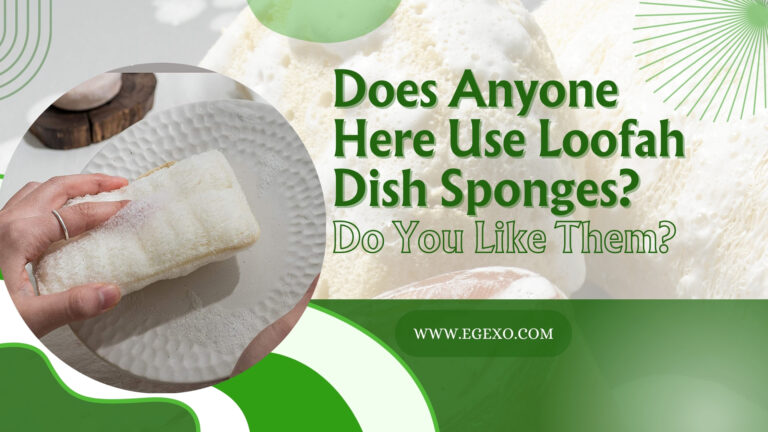
Growing consumer awareness has expanded Egyptian loofah applications into kitchen cleaning, where natural fibers offer scrubbing power without scratching delicate surfaces. Kitchen loofahs provide effective cleaning for dishes, cookware, and countertops while avoiding microplastic shedding associated with synthetic sponges.
Restaurant suppliers and kitchenware retailers increasingly stock loofah alternatives as sustainability consciousness influences purchasing decisions. The antibacterial properties of dried plant fiber offer advantages over synthetic sponges that harbor bacterial growth in moist conditions.
Specialty Applications and Custom Products
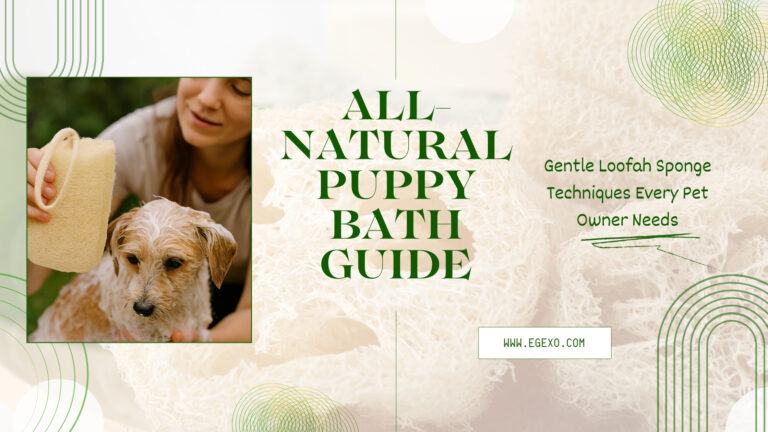
Beyond traditional uses, Egyptian loofah finds applications in pet grooming, craft projects, and industrial cleaning. Pet and spa grooming products demonstrate the versatility of loofah fiber in applications requiring gentle but effective cleaning action.
Custom product development opens additional market opportunities. Through custom loofah product design services, businesses can create distinctive products tailored to specific market needs. From shaped loofahs for targeted application areas to combination products incorporating other natural materials, customization enables competitive differentiation.
Sustainability and Environmental Considerations
The Ecological Footprint of Natural Versus Synthetic
Consumer environmental awareness increasingly influences purchasing decisions across product categories. Egyptian loofah offers compelling sustainability credentials that resonate with eco-conscious buyers while addressing growing regulatory pressure on single use plastics.
Natural loofah cultivation operates within regenerative agricultural systems. Plants capture carbon dioxide during growth, require minimal synthetic inputs when grown using organic methods, and produce harvestable products without depleting soil resources. Properly managed loofah cultivation can continue indefinitely on the same land without degradation.
Synthetic alternatives present contrasting environmental profiles. Plastic mesh products derive from petroleum feedstocks, require energy intensive manufacturing, and persist in the environment for hundreds of years. Microplastic shedding during use introduces plastic particles into water systems with documented ecological and potential health implications.
Certifications and Standards That Matter
Buyers seeking verified sustainability credentials should understand available certification programs. Organic certifications verify cultivation without synthetic pesticides or fertilizers. Fair trade certifications address social sustainability through labor practices and farmer compensation standards.
Egexo maintains documented quality and sourcing practices detailed on the why choose Egexo page. These commitments support buyer confidence and provide marketing content for retailers communicating product values to end consumers.
For additional guidance on product selection, sustainability considerations, and consumer education, Loofah Guide offers comprehensive resources suitable for both personal use and retail staff training. Wholesale focused information including market analysis and bulk purchasing strategies appears on Wholesale Loofah.
Expert Insight from Egexo
After 25 years working alongside Egyptian loofah growers, we have observed that success in this industry comes from respecting both traditional knowledge and modern quality standards. Small growers who achieve market success share common characteristics: they invest in soil health before planting, they learn to recognize quality indicators that buyers value, and they build relationships with reliable partners throughout the supply chain. For buyers, whether purchasing thousands of units for retail distribution or selecting products for personal use, understanding cultivation and processing reveals why quality varies so significantly across the market. Egyptian loofah remains the global standard because our growing conditions and accumulated expertise produce genuinely superior products. We encourage anyone interested in Egyptian loofah, from prospective growers to wholesale buyers to individual consumers, to reach out and experience this quality firsthand.
Frequently Asked Questions
Q1: How long does an Egyptian loofah last compared to synthetic alternatives?
A: Premium grade Egyptian loofah typically provides four to six months of regular use with proper care, significantly outlasting synthetic alternatives that often require replacement every four to eight weeks. The superior fiber density of Egyptian loofah maintains structural integrity through more use cycles. To maximize lifespan, rinse thoroughly after each use and allow complete drying between uses. This durability makes Egyptian loofah economically competitive despite potentially higher initial cost.
Q2: What minimum order quantities should wholesale buyers expect for Egyptian loofah?
A: Minimum order quantities vary by supplier and product type but typically start at 500 to 1000 pieces for standard products. Egexo offers flexible MOQ arrangements for first time buyers, with sample orders available for quality evaluation before volume commitment. Custom products may require higher minimums to justify production setup. Contact us to discuss specific requirements and explore options that match your business scale.
Q3: How can consumers verify they are purchasing authentic Egyptian loofah?
A: Authentic Egyptian loofah exhibits several distinguishing characteristics including consistent fiber density, natural cream to light brown coloring, and slight natural variation in texture. Reputable suppliers provide origin documentation and maintain quality standards. Purchasing from established suppliers like Egexo ensures authentic Egyptian products. Unusually low prices often indicate inferior products from other origins or lower quality grades.
Q4: What makes Egyptian loofah superior to loofah grown in other countries?
A: Egyptian loofah benefits from unique growing conditions in the Nile Delta region including mineral rich alluvial soil, consistent sunlight exposure, and optimal humidity levels. Laboratory testing demonstrates 23 percent higher fiber tensile strength compared to loofahs from other origins. Additionally, Egyptian growers possess generations of cultivation expertise that influences plant selection, growing techniques, and harvest timing to maximize quality.
Q5: Can small scale growers realistically enter the Egyptian loofah supply chain?
A: Yes, small scale cultivation remains viable and represents how many successful operations began. Backyard plots of 200 to 500 square meters can produce marketable quantities while growers develop expertise. Key success factors include proper site preparation, quality focused cultivation techniques, and building relationships with established buyers or aggregators. Many current commercial growers started with minimal acreage and expanded based on market success.
Q6: What certifications should wholesale buyers look for when sourcing Egyptian loofah?
A: Relevant certifications include organic cultivation verification, quality management system documentation, and export licensing compliance. Additionally, buyers should verify supplier quality control processes, proper documentation for customs clearance, and consistent product grading standards. Egexo maintains comprehensive quality standards and documentation to support buyer confidence and regulatory compliance in destination markets.
Q7: How should businesses store bulk Egyptian loofah inventory?
A: Proper storage requires controlled environment conditions with humidity below 60 percent and stable temperatures avoiding extreme heat or cold. Storage areas should prevent pest access and maintain adequate air circulation. Properly dried loofah with moisture content below 12 percent stores indefinitely under appropriate conditions. Avoid plastic wrap or sealed containers that can trap moisture and promote mold growth.
Q8: Are there different loofah varieties suited to different applications?
A: Egyptian loofah varieties differ in fiber density, flexibility, and size characteristics suited to various applications. Denser varieties provide more aggressive exfoliation for body care. More flexible varieties suit kitchen applications where surface contact matters. Egexo offers guidance on variety selection matched to intended use cases through our product consultation services.
Conclusion
The journey from backyard garden to market stall reveals the authentic story behind every Egyptian loofah product. From Ahmed’s initial 200 square meter plot to established commercial operations, success follows predictable patterns rooted in proper cultivation technique, quality focused processing, and reliable market relationships. Understanding this journey benefits everyone connected to the Egyptian loofah supply chain.
For wholesale buyers, recognizing quality indicators and supplier capabilities enables confident purchasing decisions. The grading standards, processing methods, and verification protocols outlined here provide frameworks for evaluating potential suppliers and specifying product requirements. For individual consumers, appreciating the cultivation and processing effort behind each loofah supports informed purchasing that values quality and sustainability over mere convenience.
Egyptian loofah maintains its position as the global quality standard because the combination of ideal growing conditions, accumulated expertise, and commitment to excellence produces genuinely superior products. Whether you seek bulk inventory for retail distribution or a single high quality loofah for personal use, understanding origin and quality makes the difference between satisfactory and exceptional results.
Key Takeaways:
- Egyptian loofah demonstrates 23 percent higher fiber strength than alternatives due to unique Nile Delta growing conditions
- Quality grading systems help match products to applications and budget requirements
- Proper cultivation technique from site selection through harvest timing determines final product quality
- Both wholesale buyers and consumers benefit from understanding the farm to market journey
- Sustainability credentials and natural biodegradability align with growing environmental consciousness
Ready to experience Egyptian loofah quality?
- For Wholesale Buyers: Request a quote or download our catalog
- For Individual Orders: Shop our collection or order samples