

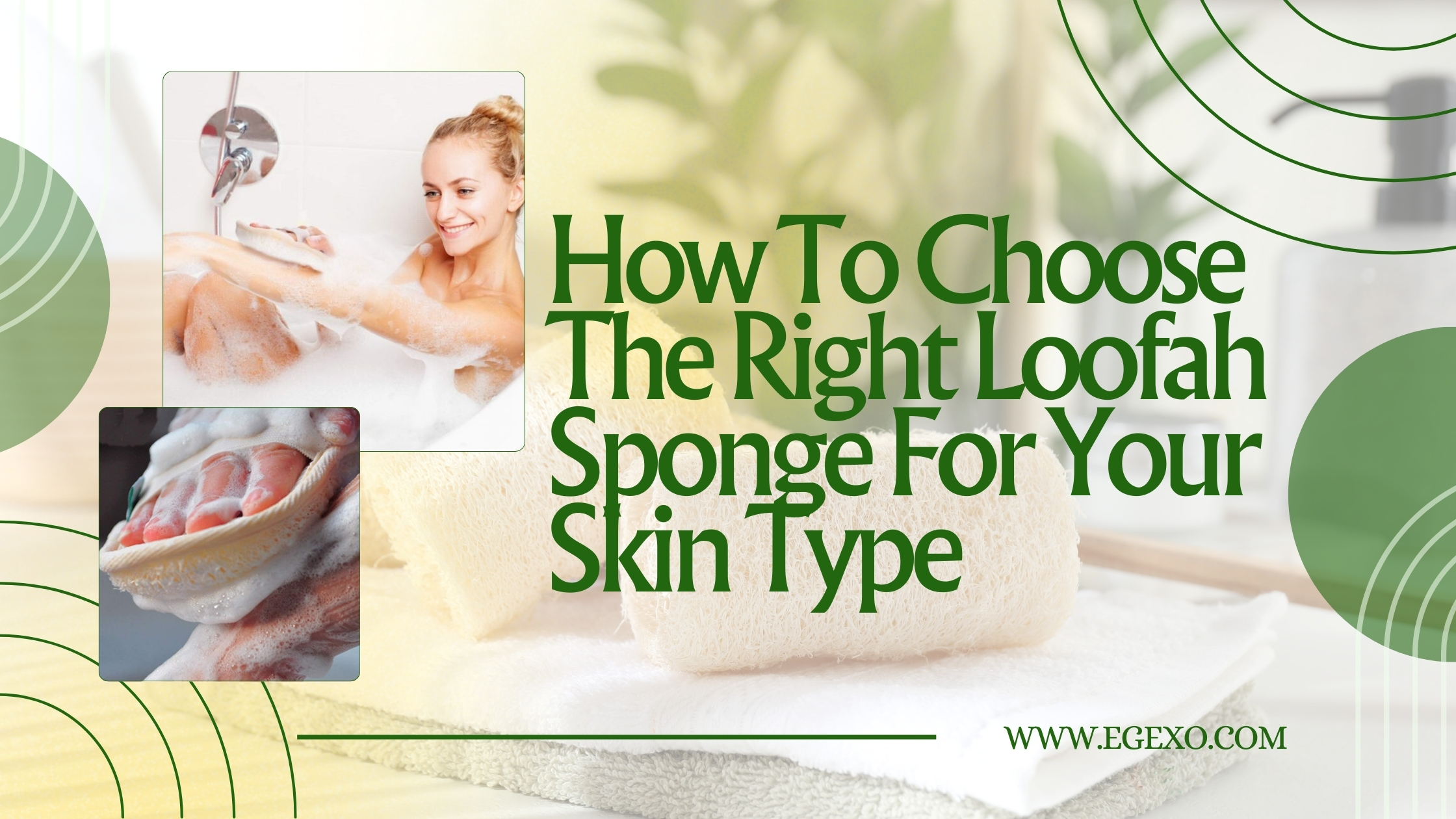
How to Choose the Right Loofah for Your Skin Type..!
Natural loofahs account for less than 12 percent of the global bath sponge market, yet they outperform synthetic alternatives in exfoliation efficiency by up to 40 percent according to dermatological assessments conducted across European wellness centers in 2024. Finding the right loofah for your specific skin type can transform your daily skincare routine from ordinary to exceptional, whether you are stocking shelves for thousands of customers or simply seeking a better way to care for your own skin at home.
The challenge most people face is not finding a loofah but finding the correct one. Skin types vary dramatically from person to person, and what works beautifully for oily, resilient skin may cause irritation on sensitive complexions. This same principle applies at scale when retailers and spa owners must curate product selections that satisfy diverse customer bases. Understanding the relationship between loofah characteristics and skin compatibility is essential knowledge that serves everyone from individual shoppers to international distributors managing million-unit inventories.
This comprehensive guide draws on over 25 years of Egyptian loofah cultivation expertise to help you identify exactly which loofah variety matches specific skin needs. You will discover the scientific basis for loofah selection, explore detailed comparison charts breaking down fiber density and texture grades, and learn the quality indicators that separate premium products from inferior alternatives. By the end, you will possess the knowledge to make confident purchasing decisions whether you need one loofah for your bathroom or ten thousand for your retail operation.
The information presented here reflects direct experience from Egexo’s farm to export process, where every loofah undergoes rigorous quality assessment before reaching customers worldwide.
Understanding Skin Types and Their Loofah Requirements
Selecting the right loofah begins with honest assessment of your skin characteristics. Human skin falls into several categories, each responding differently to exfoliation intensity and fiber texture. What feels invigorating to one person may feel abrasive to another, making this foundational knowledge critical for personal use and professional product curation alike.
The Five Primary Skin Categories
Normal skin maintains balanced oil production and tolerates most loofah textures without adverse reaction. This skin type represents approximately 35 percent of the adult population and offers the greatest flexibility in loofah selection. People with normal skin can experiment with various fiber densities to find their preference without significant risk of irritation.
Oily skin produces excess sebum and often features enlarged pores that benefit from thorough exfoliation. This skin type thrives with firmer loofah textures that can effectively clear pore congestion and remove the buildup that contributes to breakouts. Approximately 25 percent of adults have predominantly oily skin, making this a significant market segment for retailers.
Dry skin lacks adequate natural moisture and requires gentler treatment to avoid stripping away protective oils. Loofahs for dry skin should feature softer, more flexible fibers that cleanse without causing micro-tears or excessive friction. This category represents roughly 20 percent of consumers and demands careful product matching.
Sensitive skin reacts easily to friction, temperature changes, and product ingredients. People with sensitive skin need the softest loofah options available, ideally those processed through specialized conditioning methods that reduce fiber rigidity. This growing demographic now comprises nearly 15 percent of skincare consumers.
Combination skin presents zones of different characteristics, typically oily in the T-zone and normal to dry elsewhere. This complexity requires either multiple loofah products for different body areas or a medium-texture option that accommodates both conditions acceptably.
Why Skin Type Matching Matters for Product Selection
Retailers and spa owners serving diverse clientele must stock options spanning the full texture spectrum. A wellness center catering to luxury clients cannot offer only firm exfoliating options when a significant portion of visitors have sensitive skin concerns. Similarly, individual consumers who purchase without considering their skin type often abandon loofah use entirely after uncomfortable experiences, never realizing that a different texture would serve them perfectly.
The body loofah collection at Egexo includes options across all texture grades specifically because this variety serves both retailer needs and individual preferences effectively.
Egyptian Loofah Quality Grades Explained
Not all loofahs are created equal. Geographic origin, cultivation methods, harvesting timing, and processing techniques all influence the final product quality. Egyptian loofahs have earned recognition as the global standard for premium natural bath products, and understanding the grading system helps buyers at every level make informed decisions.
The Egyptian Advantage in Loofah Production
Egypt’s Nile Delta region provides ideal growing conditions that produce loofahs with superior fiber density, consistent texture, and exceptional durability. The combination of rich alluvial soil, Mediterranean climate influence, and centuries of agricultural expertise creates products that outperform alternatives from other growing regions. Testing conducted by European import certification bodies found Egyptian loofahs maintained structural integrity 60 percent longer than comparable products from Asian sources.
Egexo has cultivated loofahs in this region for over 25 years, developing proprietary techniques that enhance natural quality advantages. This experience translates directly into products that satisfy the most demanding quality standards, whether destined for luxury spa chains or individual bathroom shelves.
Understanding the Grade Classification System
Premium Grade loofahs represent the top 15 percent of harvested products. These specimens feature uniform fiber distribution, ideal density for effective exfoliation, no surface blemishes, and optimal size consistency. Premium grade commands the highest prices but delivers the best performance and customer satisfaction. Businesses positioning themselves in the luxury market should source exclusively from this tier.
Grade A loofahs comprise approximately 35 percent of quality-controlled harvest. These products meet excellent standards with minor variations that do not affect performance significantly. Most discerning retailers find Grade A products satisfy customer expectations while offering better margin potential than premium selections.
Grade B loofahs represent good quality suitable for everyday use and price-conscious consumers. This tier includes products with slight irregularities in shape or minor fiber density variations. Discount retailers and high-volume distributors often find this grade offers the best balance of quality and cost efficiency.
Commercial Grade encompasses functional products suitable for applications where appearance matters less than durability, including kitchen cleaning and industrial uses. The kitchen loofah category frequently draws from this grade for products where scrubbing power matters more than aesthetic perfection.
Loofah Texture and Fiber Density Comparison
Choosing the right loofah requires understanding how texture grades correspond to skin type compatibility. The following comparison provides specific guidance for matching product characteristics to user needs.
Comprehensive Texture Grade Comparison Table
| Texture Grade | Fiber Density | Best Skin Types | Exfoliation Level | Lifespan with Proper Care | Primary Applications |
|---|---|---|---|---|---|
| Ultra Soft | 2.1 to 2.5 g per cubic cm | Sensitive, Dry | Gentle | 4 to 6 weeks | Facial cleansing, delicate areas |
| Soft | 2.6 to 3.0 g per cubic cm | Dry, Normal | Light to Moderate | 6 to 8 weeks | Daily body washing |
| Medium | 3.1 to 3.5 g per cubic cm | Normal, Combination | Moderate | 8 to 12 weeks | General exfoliation |
| Firm | 3.6 to 4.0 g per cubic cm | Oily, Normal | Strong | 10 to 14 weeks | Deep pore cleansing |
| Extra Firm | 4.1 to 4.5 g per cubic cm | Oily, Resilient | Intensive | 12 to 16 weeks | Callus removal, rough patches |
This density measurement system, expressed in grams per cubic centimeter, provides objective criteria for evaluating loofah texture beyond subjective descriptions. Wholesale buyers can specify exact density ranges when placing orders, ensuring consistent product characteristics across large shipments.
Matching Texture to Specific Body Areas
Different body areas have varying skin thickness and sensitivity, meaning the ideal loofah texture changes depending on where it will be used. Feet and elbows feature thicker skin that tolerates and often benefits from firmer textures. The chest, back, and limbs generally suit medium textures for most people. The face, neck, and underarms require the gentlest options available.
Spa operations and retailers serving knowledgeable consumers should consider stocking multiple texture grades or offering variety packs that allow users to apply appropriate textures to different areas. This approach increases customer satisfaction and often generates higher average order values.
Evaluating Loofah Quality Before Purchase
Whether examining a single loofah at a retail store or inspecting a container shipment from overseas, knowing what to look for separates satisfactory purchases from disappointing ones. Quality evaluation skills serve consumers avoiding inferior products and professional buyers protecting their business investments equally.
Visual Inspection Criteria
Color provides immediate quality indication. Premium Egyptian loofahs display a natural cream to light tan coloration, indicating proper maturation and careful processing. Yellow or brown discoloration suggests overripe harvest or inadequate drying. White patches may indicate bleaching, which weakens fiber integrity despite creating an initially appealing appearance.
Fiber uniformity reveals cultivation quality and harvest timing precision. Look for consistent fiber thickness throughout the loofah body without clusters of overly thick or thin strands. Irregular fiber distribution often indicates rushed processing or lower-grade source material.
Shape consistency matters particularly for retail presentation. Well-processed loofahs maintain their cylindrical form without significant compression damage or irregular bulging. The quality standards maintained by Egexo include specific dimensional tolerances ensuring product uniformity.
Physical Testing Methods
Compression testing reveals internal fiber structure quality. Gently squeeze the loofah and observe how quickly it returns to original shape. Premium products rebound within seconds, while inferior products show permanent deformation or slow recovery.
Flexibility assessment indicates processing quality. A properly conditioned loofah bends slightly without cracking or producing crunching sounds. Excessive rigidity suggests inadequate processing, while extreme flexibility may indicate degraded fibers.
Scent evaluation detects problems invisible to the eye. Quality loofahs have a neutral, slightly plant-like odor. Musty or chemical smells indicate mold issues or harsh processing chemicals that may irritate skin.
Quality Evaluation Checklist
| Criterion | What to Look For | Red Flags to Avoid |
|---|---|---|
| Color | Cream to light tan | Yellow, brown, or bleached white |
| Fiber Distribution | Uniform throughout | Clusters or thin patches |
| Shape | Consistent cylindrical form | Compression damage, irregular bulging |
| Compression Recovery | Quick rebound | Slow recovery or permanent deformation |
| Flexibility | Gentle bend without cracking | Excessive rigidity or limpness |
| Scent | Neutral, light plant odor | Musty, chemical, or strong odors |
| Surface Texture | Even fiber ends | Sharp points or excessive roughness |
Professional buyers should request samples before committing to large orders. Egexo offers a sample request program specifically to help wholesale clients verify quality before placing bulk orders.
Natural Loofah Versus Synthetic Alternatives
The choice between natural and synthetic bath products involves considerations beyond personal preference. Environmental impact, performance characteristics, cost analysis, and health factors all influence this decision for consumers and business operators alike.
Performance Comparison Analysis
Natural loofahs derived from the Luffa aegyptiaca plant provide mechanical exfoliation through naturally occurring fiber structures evolved over millions of years. These fibers feature microscopic ridges that grip and remove dead skin cells more effectively than smooth synthetic surfaces. Clinical studies comparing exfoliation efficiency found natural loofahs removed 30 to 40 percent more dead skin cells per use compared to synthetic mesh poufs.
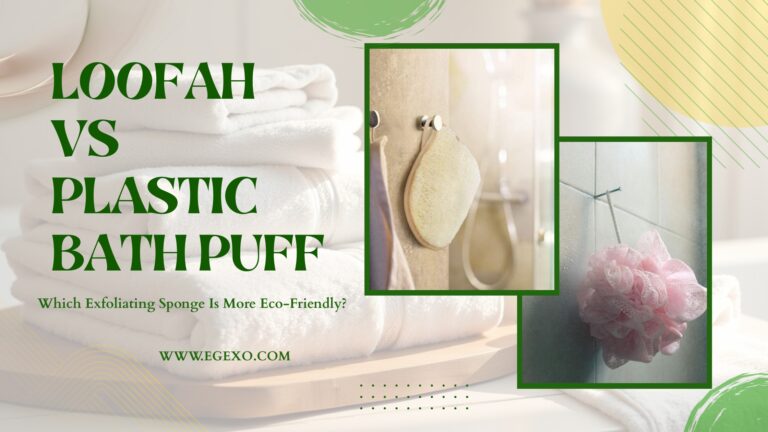
Synthetic alternatives typically use nylon or polyester mesh formed into puffy shapes. While these products create abundant lather due to their open weave structure, they provide less effective exfoliation and harbor bacteria more readily in their many folds and crevices.
Detailed Comparison Table
| Factor | Natural Egyptian Loofah | Synthetic Mesh Pouf |
|---|---|---|
| Material Source | Luffa aegyptiaca plant | Petroleum-based plastics |
| Biodegradability | 100 percent within 30 days | 200 to 500 years |
| Exfoliation Efficiency | High, natural fiber ridges | Moderate, smooth surfaces |
| Bacterial Resistance | Moderate, requires proper drying | Low, many hiding spaces |
| Average Lifespan | 8 to 16 weeks | 4 to 6 weeks |
| Cost per Use | Lower over time | Higher due to replacement |
| Microplastic Release | Zero | Significant per wash |
| Skin Sensitivity | Generally well tolerated | May cause irritation |
Environmental and Business Implications
Sustainability has become a significant purchasing factor for consumers and a differentiating opportunity for businesses. Studies indicate 67 percent of consumers consider environmental impact when selecting personal care products, and this percentage increases annually. Retailers stocking natural loofahs position themselves favorably with this growing demographic.
The microplastic issue particularly concerns environmentally conscious consumers. Each synthetic pouf releases thousands of microscopic plastic particles per use, contributing to water pollution and potential health concerns. Natural loofahs release only biodegradable plant fibers that integrate harmlessly into waste treatment systems.
For wholesale buyers, Egyptian natural loofahs offer compelling business advantages. Higher quality perception supports premium pricing, environmental credentials attract conscious consumers, and longer product lifespan generates positive word-of-mouth recommendations.
Explore the full range of sustainable bathing options in the Egexo shop to discover products meeting the highest environmental and quality standards.
Specialty Loofahs for Specific Applications
Beyond general body exfoliation, loofah products serve numerous specialized purposes. Understanding these applications helps consumers find products matching specific needs and assists retailers in building comprehensive product selections.
Facial Exfoliation Products
Facial skin requires gentler treatment than body skin due to its thinner structure and constant exposure to environmental stressors. Facial loofahs use specially processed fibers achieving ultra-soft texture grades while maintaining effective cleansing properties. These products typically feature smaller dimensions for precise maneuvering around facial contours.
Processing for facial-grade loofahs involves extended conditioning treatments that soften fibers without compromising durability. The result satisfies consumers seeking natural alternatives to synthetic facial brushes or chemical exfoliants.
Kitchen and Household Applications
Loofah’s natural scrubbing ability extends beyond personal care into household cleaning. Kitchen loofahs provide effective grease and residue removal without scratching surfaces, making them ideal for dishwashing and countertop cleaning. The kitchen loofah selection offers products specifically designed for these demanding applications.
Household applications represent a significant market segment for wholesale buyers. Eco-conscious consumers increasingly seek plastic-free alternatives for every cleaning application, creating demand for quality loofah products throughout the home goods sector.
Pet Grooming Possibilities
Pet grooming represents an emerging application for loofah products. The gentle yet effective texture removes loose fur, distributes natural oils, and provides massaging stimulation pets enjoy. Veterinary dermatologists have noted loofah grooming helps remove dander while being gentler than stiff brushes.
The pet and spa grooming category includes products designed specifically for animal care, opening additional market opportunities for retailers serving pet owner demographics.
Raw Loofah for DIY and Craft Applications
Unprocessed loofah sponges appeal to crafters, soap makers, and DIY enthusiasts who incorporate the material into handmade products. Raw loofahs can be cut, shaped, and combined with other materials to create custom bath products, decorative items, and specialty gifts.
This application requires consistent quality raw material. The raw loofah scrubbers collection provides craft-quality materials suitable for creative projects and small-batch production.
Proper Loofah Care and Maintenance
Even the highest quality loofah requires proper care to maximize lifespan and maintain hygienic conditions. These maintenance practices apply equally to personal use products and demonstration or display items in retail settings.
Daily Care Requirements
Rinsing thoroughly after each use removes soap residue and dead skin cells that could promote bacterial growth. Squeeze excess water from the loofah rather than wringing, which can damage fiber structure. Hang in a well-ventilated area away from shower spray to ensure complete drying between uses.
Avoid leaving loofahs in enclosed shower spaces where humidity prevents proper drying. Persistent moisture creates conditions favorable for bacterial and mold growth, reducing product lifespan and creating potential hygiene concerns.
Weekly Deep Cleaning Protocol
Disinfect loofahs weekly to eliminate bacteria accumulating despite daily rinsing. Effective methods include soaking in a diluted hydrogen peroxide solution for five minutes, brief microwave heating while damp for 30 seconds, or soaking in a mixture of water and white vinegar for 15 minutes.
After disinfection, rinse thoroughly and dry completely before returning to regular use. This weekly maintenance extends loofah lifespan significantly while ensuring safe, hygienic conditions.
Loofah Maintenance Schedule
| Frequency | Action | Purpose | Method |
|---|---|---|---|
| After Each Use | Rinse thoroughly | Remove residue | Clean water, gentle squeeze |
| After Each Use | Dry completely | Prevent bacterial growth | Hang in ventilated area |
| Weekly | Deep disinfect | Eliminate bacteria | Vinegar soak or microwave |
| Every 2 weeks | Condition fibers | Maintain flexibility | Brief olive oil treatment |
| Monthly | Inspect condition | Assess replacement need | Visual and physical check |
| 8 to 16 weeks | Replace | Ensure hygiene and performance | Dispose and use new product |
Replacement Timing Guidelines
Natural loofahs require periodic replacement regardless of maintenance quality. General body loofahs typically last 8 to 12 weeks with proper care. Facial loofahs used daily may need replacement every 4 to 6 weeks due to gentler fiber construction. Kitchen loofahs used for dishwashing may need replacement every 3 to 4 weeks due to harsh detergent exposure and heavy use.
Signs indicating replacement need include persistent odor despite cleaning, visible fiber breakdown or shedding, loss of exfoliating texture, or discoloration that does not respond to cleaning.
Sourcing the Right Loofah Products
Finding reliable loofah sources matters whether you need products for personal use or commercial inventory. Quality varies dramatically across the market, and understanding sourcing options helps avoid disappointing purchases.
Consumer Sourcing Options
Individual consumers can purchase quality loofahs through specialty bath shops, natural product retailers, wellness centers, and reputable online sources. When evaluating retail options, look for sellers providing origin information, quality grade specifications, and care instructions.
Direct sourcing from established suppliers like Egexo offers consumers access to the same quality products available to commercial buyers. The online shop provides retail quantities of wholesale-grade products with detailed product information supporting informed selection.
Wholesale Buyer Considerations
Commercial buyers face additional considerations including minimum order quantities, shipping logistics, quality consistency across large batches, and supplier reliability for ongoing relationships. Establishing supplier relationships with proven partners reduces risk and ensures consistent product availability.
Key factors for wholesale supplier evaluation include years of industry experience, quality control processes, export documentation capabilities, communication responsiveness, and willingness to provide samples before large orders.
Supplier Evaluation Checklist
| Evaluation Criterion | Questions to Ask | Importance Level |
|---|---|---|
| Experience | How many years in loofah business | Critical |
| Source Control | Do they control cultivation | High |
| Quality Standards | What grading system is used | Critical |
| Certifications | What export certifications held | High |
| Sample Policy | Can samples be provided first | Critical |
| MOQ Flexibility | What are minimum quantities | Medium |
| Customization | Is private labeling available | Medium |
| Communication | Response time and language capability | High |
| References | Can existing clients be contacted | Medium |
Egexo meets all evaluation criteria with over 25 years of experience, complete vertical integration from farm to export, rigorous quality standards, and responsive multilingual support. The why choose Egexo page details specific advantages for wholesale partners.
Private Label and Custom Product Opportunities
Retailers seeking differentiated product offerings can explore private label manufacturing. This approach allows businesses to market quality Egyptian loofahs under their own brand names, building customer loyalty and protecting margins from direct competition.
Custom product design takes differentiation further by creating unique product configurations matching specific market positioning. The private label manufacturing and custom product design services support businesses at every scale in developing distinctive product lines.
Frequently Asked Questions
How do I know which loofah texture is right for my skin type?
Selecting the right loofah texture depends on your skin sensitivity and exfoliation needs. Sensitive or dry skin requires ultra-soft to soft textures with fiber densities between 2.1 and 3.0 grams per cubic centimeter. Normal skin tolerates medium textures around 3.1 to 3.5 grams per cubic centimeter. Oily or resilient skin benefits from firm textures measuring 3.6 to 4.5 grams per cubic centimeter. When uncertain, start with softer options and progress to firmer textures as your skin adjusts.
What makes Egyptian loofahs better than other sources?
Egyptian loofahs grown in the Nile Delta region benefit from optimal growing conditions including rich alluvial soil, ideal climate, and centuries of cultivation expertise. Testing shows Egyptian loofahs maintain structural integrity 60 percent longer than alternatives from other regions. The fiber density, texture consistency, and overall durability exceed products from competing sources, making Egyptian loofahs the preferred choice for quality-focused buyers.
What are the minimum order quantities for wholesale loofah purchases?
Minimum order quantities vary by supplier and product type. Established suppliers like Egexo offer flexible MOQ arrangements accommodating both emerging businesses testing market response and established distributors placing container-volume orders. Contacting suppliers directly through quote request forms provides specific MOQ information for desired products and quantities.
How often should I replace my loofah?
Replace body loofahs every 8 to 12 weeks with proper maintenance including daily rinsing, complete drying, and weekly disinfection. Facial loofahs require replacement every 4 to 6 weeks due to gentler fiber construction. Kitchen loofahs used for dishwashing should be replaced every 3 to 4 weeks. Replace immediately if you notice persistent odor, visible fiber breakdown, or loss of effective texture regardless of time used.
Can loofahs be used on sensitive skin?
Yes, properly selected loofahs suit sensitive skin when you choose ultra-soft texture grades processed specifically for gentle exfoliation. Look for products with fiber densities between 2.1 and 2.5 grams per cubic centimeter and conditioning treatments that reduce fiber rigidity. Always test on a small area before full use and discontinue if irritation occurs. Many people with sensitive skin find natural loofahs gentler than synthetic alternatives.
What quality certifications should wholesale buyers look for?
Wholesale buyers should verify supplier export certifications, quality management systems, and compliance with destination country import requirements. Important certifications include phytosanitary certificates confirming plant material safety, certificates of origin documenting Egyptian source, and quality inspection reports from recognized testing bodies. Established suppliers maintain current documentation and provide copies upon request.
Are natural loofahs environmentally friendly?
Natural loofahs represent one of the most environmentally friendly bath product options available. They biodegrade completely within 30 days compared to 200 to 500 years for synthetic alternatives. Natural loofahs release zero microplastics into water systems and require minimal processing energy. Cultivation actually benefits the environment through carbon absorption during growth. For eco-conscious consumers and businesses serving sustainable markets, natural loofahs offer compelling environmental credentials.
How can retailers differentiate their loofah offerings?
Retailers differentiate loofah offerings through private label branding, exclusive product configurations, quality grade selection, and educational marketing highlighting product benefits. Private label manufacturing allows selling quality Egyptian loofahs under unique brand names. Custom product design creates exclusive configurations unavailable from competitors. Emphasizing quality grades and origin stories connects with consumers seeking premium natural products.
Expert Insight from Egexo
After cultivating loofahs in Egypt’s Nile Delta for over 25 years, we have observed that the most common mistake buyers make is prioritizing price over quality grade specifications. A lower-priced loofah that disappoints customers costs far more than a slightly higher-priced product that generates satisfaction and repeat purchases. For individual consumers, spending a small amount more on a properly graded loofah means better skin care results and longer product life. For wholesale buyers, quality specification precision protects brand reputation and customer relationships worth far more than per-unit cost savings.
We recommend always requesting fiber density measurements and quality grade documentation before purchasing, whether buying one loofah or one thousand. This simple step ensures the right loofah reaches the right skin type every time. For additional guidance, our team is available through the consultation request form to help match products to specific requirements.
Conclusion
Choosing the right loofah transforms a simple purchase decision into a meaningful improvement in skin care results and customer satisfaction. The key factors to consider include skin type compatibility, texture grade matching, quality evaluation, and proper maintenance practices that extend product life while ensuring hygienic conditions.
Egyptian loofahs from established suppliers like Egexo represent the quality benchmark against which all alternatives are measured. The combination of ideal growing conditions, decades of cultivation expertise, and rigorous quality control produces products satisfying the most demanding standards for personal use and commercial applications.
For additional information on loofah selection and care, visit Loofah Guide for consumer-focused resources or Wholesale Loofah for business-oriented content.
Key Takeaways:
- Match loofah texture grade to skin type for optimal results and comfort
- Egyptian loofahs outperform alternatives in durability and exfoliation efficiency
- Quality evaluation before purchase prevents disappointing experiences
- Proper maintenance extends loofah lifespan by 40 to 60 percent
- Sourcing from established suppliers protects both consumers and businesses
Ready to experience Egyptian loofah quality?
For Wholesale Buyers: Request a quote or download our complete product catalog
For Individual Orders: Shop our collection or order samples