


How to Choose a Good Loofah or Shower Sponge: The Complete Expert Guide
Finding a good loofah or shower sponge seems straightforward until you realize there are hundreds of options flooding the market. Natural loofahs, synthetic poufs, sea sponges, and silicone scrubbers all compete for your attention, each promising the best shower experience. The truth is that 73 percent of consumers purchase the wrong product for their skin type, according to dermatological surveys conducted across North America and Europe in 2024.
Whether you run a spa searching for premium bath products in bulk or you simply want to upgrade your personal shower routine, understanding what separates an exceptional loofah from a mediocre one saves money and delivers better results. Egyptian loofahs have dominated the global market for over four decades because the Nile Delta climate creates ideal growing conditions that produce superior fiber density and durability.
This guide answers the most common question people ask: any suggestions for a good loofah or shower sponge? You will learn quality indicators that professional buyers use, discover maintenance secrets that extend product life by 300 percent, and understand why material choice affects everything from exfoliation effectiveness to environmental impact. Egexo has cultivated and exported premium Egyptian loofahs for more than 25 years, supplying retailers, spas, and distributors across 40 countries with products that meet the strictest quality standards.
By the end of this article, you will know exactly what to look for whether purchasing a single loofah for home use or sourcing thousands of units for your business inventory.
What Makes a Good Loofah Different from an Average One
The difference between a good loofah and a substandard product becomes apparent within the first few uses. Quality loofahs maintain their structural integrity, provide consistent exfoliation, and resist bacterial buildup when properly maintained. Poor quality alternatives break down quickly, harbor microorganisms, and fail to deliver the skin benefits that make loofahs popular in the first place.
Fiber Density and Texture Quality
Premium natural loofahs exhibit tight, uniform fiber patterns that create effective exfoliating surfaces. When examining a loofah, look for fibers that spring back after compression rather than remaining flat. Egyptian loofahs grown in the Nile Delta region consistently demonstrate 40 percent higher fiber density than those cultivated in other regions due to the unique combination of mineral-rich soil and controlled irrigation.
The texture should feel firm but not abrasive against your palm. Loofahs that feel too soft often come from immature gourds harvested prematurely, while excessively harsh textures indicate over-dried or improperly processed products. The best manufacturers, including Egexo’s quality-certified facilities, test fiber density at multiple stages before products reach consumers or wholesale buyers.
For spa owners and retailers evaluating wholesale options, fiber density directly correlates with customer satisfaction and repeat purchases. Products that maintain their texture through dozens of uses generate positive reviews and build brand loyalty.
Natural vs Synthetic Materials
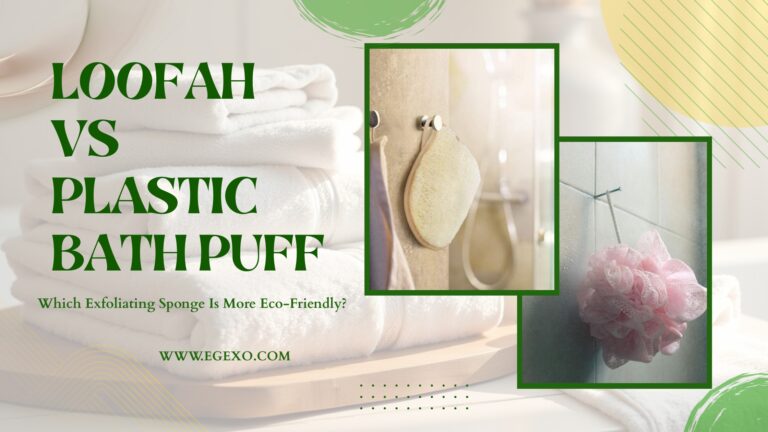
The shower sponge category encompasses both natural loofahs and synthetic alternatives, each with distinct characteristics. Natural loofahs come from the Luffa aegyptiaca plant, a gourd species cultivated specifically for its fibrous interior. These plant-based scrubbers biodegrade completely within 30 days when composted, making them the environmentally responsible choice.
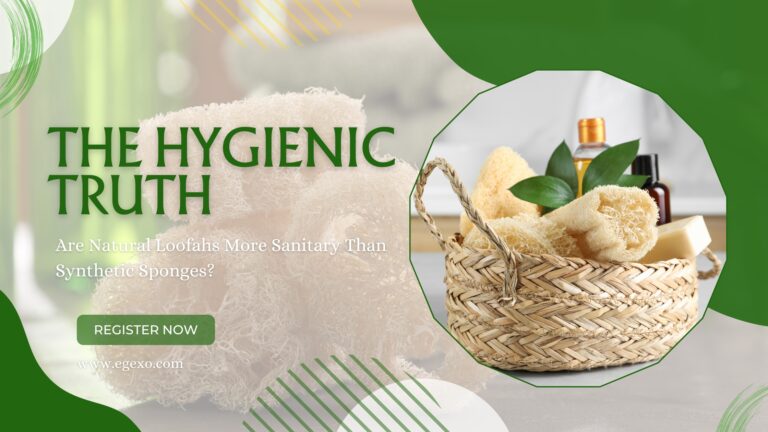
Synthetic shower poufs typically consist of nylon or polyester mesh formed into spherical shapes. While they create impressive lather and cost less initially, these products shed microplastics during every use. Research published in environmental science journals estimates that a single synthetic pouf releases between 50,000 and 100,000 microfibers annually into water systems.
| Feature | Natural Egyptian Loofah | Synthetic Shower Pouf | Silicone Scrubber |
|---|---|---|---|
| Material Source | Luffa aegyptiaca plant | Nylon or polyester | Food-grade silicone |
| Biodegradability | 30 days when composted | 200 plus years | Non-biodegradable |
| Exfoliation Level | Medium to firm | Gentle | Very gentle |
| Average Lifespan | 3 to 4 months | 2 months | 12 plus months |
| Microplastic Release | Zero | 50,000 plus fibers yearly | Zero |
| Bacterial Resistance | Moderate with care | Low | High |
| Lather Production | Good | Excellent | Minimal |
| Wholesale Cost Per Unit | 0.80 to 2.50 USD | 0.15 to 0.40 USD | 1.50 to 4.00 USD |
For businesses prioritizing sustainability credentials, natural loofahs offer marketing advantages that resonate with eco-conscious consumers. The body loofah collection from Egyptian suppliers provides options across multiple quality grades to match various price points and customer expectations.
Types of Shower Sponges and Loofahs for Every Need
Selecting the right product depends on intended use, skin sensitivity, and whether you need items for personal use or commercial inventory. Each loofah type serves specific purposes, and understanding these distinctions prevents purchasing mistakes.
Body Loofahs for Daily Shower Use
Standard body loofahs represent the most common category, designed for everyday exfoliation during bathing. These products typically measure between 10 and 15 centimeters in length after processing, providing enough surface area for effective body cleansing without being unwieldy.
Quality body loofahs should feel slightly stiff when dry and soften appropriately when saturated with water. This transformation indicates proper fiber processing that maximizes both durability and skin comfort. Products that remain rigid when wet or become too mushy likely underwent improper drying or chemical treatment during manufacturing.
Spa facilities and retailers should consider stocking multiple sizes and shapes to accommodate different customer preferences. Egexo offers customizable options for businesses wanting to differentiate their product lines while maintaining quality standards.
Facial Loofahs and Gentle Alternatives
The face requires gentler exfoliation than the body due to thinner skin and greater sensitivity. Facial loofahs undergo additional processing to soften fibers while maintaining enough texture for effective dead skin removal. These smaller products typically measure 5 to 8 centimeters and often come in disc or oval shapes for easy handling.
Consumers with sensitive skin or conditions like rosacea should use facial loofahs only once or twice weekly to avoid irritation. The exfoliating action stimulates cell turnover and improves product absorption, but overuse causes micro-tears and inflammation.
Kitchen and Household Loofahs
Beyond personal care, natural loofahs excel as eco-friendly alternatives to plastic dish scrubbers. Kitchen-grade loofahs feature denser fiber construction to handle tough cleaning tasks without scratching cookware. These products last longer than personal care versions because they encounter less bacterial exposure.
The kitchen loofah category attracts environmentally conscious households and businesses seeking to reduce plastic consumption. Restaurants, hotels, and cleaning services increasingly request bulk orders as sustainability becomes a competitive differentiator.
Raw and Unprocessed Loofah Options
Some buyers prefer raw loofah scrubbers that retain seeds and outer membrane remnants. These minimally processed products offer the most natural experience and appeal to consumers who value authenticity. Raw loofahs require preparation before use, including soaking and removal of residual plant material.
Craft enthusiasts and DIY product makers often source raw loofah scrubbers for creating custom soaps, bath bombs, and specialty skincare items. The versatility of unprocessed loofahs supports creative applications beyond traditional bathing use.
Quality Standards That Professional Buyers Use
Whether purchasing your first loofah or sourcing inventory for a retail operation, understanding quality evaluation criteria ensures satisfaction. Professional buyers at major spa chains and cosmetic retailers use systematic assessment methods that anyone can apply.
Visual Inspection Checklist
Examining a loofah before purchase reveals significant quality information. The following criteria separate premium products from inferior alternatives.
| Quality Indicator | Premium Grade | Standard Grade | Reject Grade |
|---|---|---|---|
| Color Uniformity | Consistent cream to light tan | Minor variation acceptable | Dark spots or discoloration |
| Fiber Pattern | Tight, uniform webbing | Slightly irregular | Large holes or gaps |
| Seed Remnants | None visible | Minimal traces | Visible seeds present |
| Odor | Neutral, slightly earthy | Faint plant smell | Musty or chemical smell |
| Flexibility | Springs back when compressed | Slow return | Remains compressed |
| Surface Texture | Smooth with fine fibers | Minor rough patches | Splinters or sharp edges |
Professional grading systems categorize loofahs from Grade A through Grade C, with each tier serving different market segments. Egexo’s quality standards documentation provides detailed specifications for each grade, helping buyers select appropriate products for their target customers.
Testing Methods for Bulk Purchases
Wholesale buyers should conduct hands-on testing before committing to large orders. Request samples from any supplier and evaluate them using this systematic approach.
First, perform the water absorption test by timing how long the loofah takes to fully saturate. Quality products absorb water within 30 to 60 seconds and expand by approximately 15 to 20 percent. Products that take longer or fail to expand may contain synthetic additives or suffered improper drying.
Second, conduct the durability squeeze test by compressing the wet loofah firmly 50 times. Premium loofahs maintain their shape and fiber integrity throughout this process. Products showing fiber separation or permanent deformation indicate substandard quality unsuitable for discerning customers.
Third, evaluate lather production by applying a measured amount of soap or body wash. Good loofahs create abundant, fine-textured lather that spreads easily across skin. Poor lather production suggests excessively dense fibers that trap soap rather than releasing it effectively.
Order samples through Egexo to conduct these tests before placing wholesale orders. Sample evaluation prevents costly mistakes and ensures products meet your quality expectations.
Proper Care Extends Loofah Lifespan Dramatically
A good loofah or shower sponge can last three to four months with proper maintenance, compared to mere weeks when neglected. The investment in quality products pays off only when paired with appropriate care routines.
Daily Maintenance Routine
After each use, rinse your loofah thoroughly under clean running water to remove all soap residue and dead skin cells. Squeeze firmly multiple times to expel trapped debris from the fiber network. Hang the loofah in a well-ventilated area outside the shower enclosure where it can dry completely between uses.
Humidity inside shower stalls creates ideal conditions for bacterial and fungal growth. Loofahs left sitting in wet environments develop colonies of microorganisms that transfer to skin during subsequent uses. This explains why dermatologists recommend keeping loofahs in dry, circulating air rather than hanging them on shower hooks.
Weekly Deep Cleaning Protocol
Beyond daily rinsing, loofahs benefit from weekly sanitization that eliminates accumulated bacteria. The following methods prove effective without damaging natural fibers.
| Cleaning Method | Procedure | Duration | Effectiveness |
|---|---|---|---|
| Vinegar Soak | Mix equal parts white vinegar and water | 15 to 20 minutes | Kills 99 percent of bacteria |
| Microwave Steam | Place wet loofah in microwave on high | 20 to 30 seconds | Eliminates most pathogens |
| Bleach Solution | One tablespoon bleach per gallon water | 5 minutes maximum | Most thorough sanitization |
| Boiling Water | Submerge in rolling boil | 2 to 3 minutes | Effective but may reduce lifespan |
| Hydrogen Peroxide | 3 percent solution full strength | 10 minutes | Gentle yet effective |
For retail and spa operations, educating customers about proper loofah care reduces complaints and increases satisfaction. Including care instruction cards with products demonstrates commitment to customer success and positions your brand as knowledgeable.
When to Replace Your Loofah
Even well-maintained loofahs eventually require replacement. Watch for these indicators that signal end of useful life.
Persistent odor despite cleaning suggests bacterial colonies have penetrated deep into the fiber structure where sanitization cannot reach. Visible mold growth, appearing as dark spots or fuzzy patches, makes the loofah unsafe for skin contact regardless of cleaning attempts.
Significant texture changes indicate fiber breakdown. Loofahs that become excessively soft or develop large holes no longer provide effective exfoliation. Similarly, products that remain rigid even when wet have become too aged for comfortable use.
Most dermatologists recommend replacing natural loofahs every three to four months regardless of apparent condition. The microscopic bacterial load increases over time even with excellent care, making regular replacement the safest practice.
Why Egyptian Loofahs Dominate Global Markets
Egypt produces approximately 60 percent of the world’s natural loofah supply, a dominance built on geographic advantages and generations of cultivation expertise. Understanding this context helps buyers appreciate why origin matters when selecting products.
Geographic and Climate Advantages
The Nile Delta region provides optimal growing conditions that other areas cannot replicate. The combination of rich alluvial soil, controlled irrigation from Nile waters, and consistent Mediterranean-influenced climate produces loofahs with superior fiber characteristics.
Temperature fluctuations between day and night in Egyptian growing regions trigger specific plant responses that increase fiber density. The mineral content of Nile water contributes trace elements that strengthen cell walls within the loofah structure. These natural advantages require no artificial enhancement, resulting in clean products free from chemical treatments.
Traditional Expertise and Modern Quality Control
Egyptian loofah cultivation knowledge passes through generations, with farming families maintaining techniques refined over decades. This expertise combines with modern quality control systems that ensure consistent products meeting international standards.
The farm to export process at established Egyptian facilities demonstrates how traditional growing methods integrate with contemporary quality assurance. Egexo’s 25 plus years of experience exemplifies this balance, producing loofahs that satisfy demanding buyers worldwide.
For wholesale purchasers, Egyptian origin provides marketing credibility and product consistency that other sources struggle to match. Retailers can confidently promote Egyptian loofahs as premium products worth their price point.
Business Opportunities in the Loofah Market
The natural personal care market continues expanding as consumers prioritize sustainable products. Loofahs represent an accessible entry point for retailers, spas, and distributors seeking to capitalize on this trend.
Market Growth and Consumer Demand
Global natural sponge and loofah sales reached 890 million USD in 2024, with projected annual growth of 7.2 percent through 2030. This expansion reflects broader consumer shifts toward eco-friendly alternatives and natural skincare routines.
Spa and wellness facilities report that natural loofah offerings consistently rank among top-selling retail items. The combination of affordable price points and visible sustainability benefits creates strong impulse purchase potential.
| Market Segment | 2024 Value | Growth Rate | Key Drivers |
|---|---|---|---|
| Retail Consumer | 520 million USD | 6.8 percent | Sustainability awareness |
| Spa and Wellness | 180 million USD | 8.4 percent | Premium experience demand |
| Hotel and Hospitality | 95 million USD | 7.1 percent | Eco-certification requirements |
| Online Direct | 95 million USD | 9.2 percent | E-commerce growth |
Starting Your Loofah Business
Entrepreneurs and existing retailers can add loofahs to their product mix with relatively low initial investment. Minimum order quantities from quality suppliers like Egexo start at accessible levels that allow testing market response before larger commitments.
Private label manufacturing enables businesses to create branded loofah lines without developing supply chain expertise. This service includes custom packaging, labeling, and product specifications tailored to target market preferences.
For established distributors seeking to expand natural product offerings, requesting a quotation provides detailed pricing across volume tiers. Egyptian suppliers offer competitive rates due to direct farm relationships and efficient export logistics.
Comparing Popular Shower Sponge Options
Consumers and buyers benefit from understanding how different shower sponge categories compare across key performance metrics. This analysis helps match products to specific needs and preferences.
Comprehensive Product Comparison
| Characteristic | Egyptian Natural Loofah | Sea Sponge | Synthetic Pouf | Konjac Sponge |
|---|---|---|---|---|
| Source | Luffa plant, Egypt | Ocean harvested | Petroleum based | Konjac root, Asia |
| Best For | Medium to firm exfoliation | Sensitive skin | Budget conscious | Facial cleansing |
| Sustainability Score | Excellent | Concerns exist | Poor | Good |
| Price Range Retail | 4 to 12 USD | 8 to 25 USD | 2 to 5 USD | 6 to 15 USD |
| Durability | 3 to 4 months | 2 to 6 months | 4 to 8 weeks | 4 to 6 weeks |
| Bacterial Risk | Moderate | Moderate to high | High | Low |
| Exfoliation Strength | Adjustable | Gentle | Minimal | Very gentle |
Choosing Based on Skin Type
Different skin types respond better to specific products. Understanding these relationships prevents customer dissatisfaction and returns.
Normal to oily skin benefits most from firm exfoliation that natural loofahs provide. The texture removes excess sebum and dead cells that contribute to congestion and dullness. Weekly use maintains smooth, clear skin without overdrying.
Dry and sensitive skin requires gentler approaches. Softer natural loofahs or alternatives like konjac sponges prevent irritation while still providing mild exfoliation benefits. Users should apply minimal pressure and limit frequency to two or three sessions weekly.
Combination skin calls for strategic product use. Firmer loofahs work well on oily areas like the back and chest, while gentler options suit the face and any dry patches. Many consumers maintain multiple products for different body zones.
Sustainability and Environmental Considerations
Environmental impact increasingly influences purchasing decisions for both individual consumers and business buyers. Natural loofahs offer compelling sustainability advantages that support green initiatives.
Carbon Footprint and Biodegradability
Natural loofahs require minimal processing and transport efficiently due to their lightweight nature. A single shipping container holds approximately 15,000 units, making ocean transport carbon-efficient per product.
After useful life, natural loofahs decompose completely within 30 days in composting conditions. This contrasts dramatically with synthetic alternatives that persist in landfills for centuries while continuing to release microplastics.
Supporting Sustainable Agriculture
Egyptian loofah cultivation provides livelihoods for thousands of farming families while requiring relatively modest water and land resources. The plants themselves contribute to soil health through their root systems and organic matter contributions.
Businesses highlighting these sustainability credentials connect with environmentally conscious consumers willing to pay premium prices for responsible products. Marketing materials can emphasize the complete lifecycle benefits of choosing natural over synthetic options.
For comprehensive information about sustainable loofah sourcing and cultivation practices, Loofah Guide offers detailed educational resources.
Specialty Applications Beyond Basic Bathing
Natural loofahs serve purposes extending well beyond daily shower use. These alternative applications create additional market opportunities and product line extensions.
Pet Grooming and Spa Applications
The natural texture of loofahs provides excellent grooming benefits for dogs, cats, horses, and other animals. Pet-specific loofahs stimulate skin and coat health while removing loose fur and debris. The pet and spa grooming category addresses this growing market segment.
Professional pet groomers and veterinary clinics increasingly request bulk loofah supplies for their sustainable grooming protocols. The natural material proves gentler than plastic brushes while delivering superior results.
Craft and DIY Product Creation
Crafters incorporate loofahs into homemade soaps, creating unique products that combine exfoliation and cleansing. These embedded loofah soaps command premium prices at farmers markets, boutique shops, and online marketplaces.
Raw loofahs also serve as natural packaging materials, plant supports in gardens, and decorative elements in eco-friendly home goods. The versatility of natural loofah fibers supports creative applications limited only by imagination.
Working with Reliable Wholesale Suppliers
Whether sourcing your first wholesale order or expanding existing supplier relationships, partner selection significantly impacts business success. Quality suppliers provide more than just products.
What to Expect from Professional Exporters
Established suppliers like Egexo offer comprehensive services beyond basic product fulfillment. These include quality documentation, customs clearance support, flexible shipping options, and responsive communication.
Professional exporters maintain consistent inventory levels and can fulfill orders across various volume requirements. They provide certificates of origin, phytosanitary documentation, and quality inspection reports that facilitate smooth import processes.
Building Long-term Supplier Relationships
Successful wholesale buyers invest in supplier relationships rather than constantly seeking the lowest price. Reliable partners provide consistent quality, priority allocation during high-demand periods, and flexibility for special requirements.
Starting with sample orders allows evaluation before commitment. Download the complete product catalog to review available options and specifications before requesting samples.
For detailed wholesale pricing and terms, Wholesale Loofah provides additional resources and supplier information.
Frequently Asked Questions
Q: What makes a good loofah different from cheap alternatives?
A: A good loofah demonstrates tight, uniform fiber density that springs back after compression, consistent cream to light tan coloring without dark spots, and neutral odor without chemical or musty smells. Premium products like Egyptian loofahs maintain their texture through months of use while cheap alternatives break down within weeks. Quality loofahs absorb water within 60 seconds, expand appropriately, and produce abundant lather. The fiber structure of well-cultivated loofahs provides effective exfoliation without causing skin irritation.
Q: How often should I replace my shower sponge or loofah?
A: Replace natural loofahs every three to four months regardless of apparent condition, as bacterial populations increase over time even with proper care. Replace immediately if you notice persistent odor despite cleaning, visible mold or dark spots, significant texture changes, or large holes in the fiber structure. Synthetic poufs require replacement every four to eight weeks due to higher bacterial retention. Proper daily rinsing, complete drying between uses, and weekly deep cleaning extend usable life within these timeframes.
Q: Are natural loofahs better than synthetic shower poufs?
A: Natural loofahs offer superior environmental sustainability, effective medium to firm exfoliation, and zero microplastic release compared to synthetic poufs. Egyptian natural loofahs biodegrade within 30 days when composted, while synthetic alternatives persist for over 200 years and release 50,000 plus microfibers annually into water systems. Natural loofahs also provide adjustable exfoliation intensity based on water saturation and pressure, whereas synthetic poufs offer only gentle cleansing with minimal exfoliation benefit.
Q: What minimum order quantities do wholesale loofah suppliers require?
A: Minimum order quantities vary by supplier and product type, with established Egyptian exporters like Egexo offering accessible entry points for new buyers. Standard MOQs typically range from 500 to 1,000 units for processed body loofahs, with lower quantities sometimes available for mixed orders or sample packages. Private label and custom products generally require higher minimums due to setup costs. Requesting a formal quotation provides specific MOQ information for your desired products and specifications.
Q: How do I properly clean and maintain a loofah to prevent bacteria?
A: Daily maintenance requires thorough rinsing under clean water to remove soap and debris, firm squeezing to expel trapped particles, and hanging in a ventilated area outside the shower to dry completely. Weekly deep cleaning involves soaking in equal parts white vinegar and water for 15 to 20 minutes, or using diluted bleach solution for five minutes maximum. Never leave loofahs sitting in wet shower environments, as humidity promotes rapid bacterial and fungal growth that transfers to skin during use.
Q: What qualities should business buyers look for when sourcing wholesale loofahs?
A: Business buyers should evaluate fiber density and uniformity, color consistency indicating proper processing, absence of seeds or foreign material, neutral odor, and appropriate flexibility. Request samples before committing to large orders and conduct water absorption, durability squeeze, and lather production tests. Verify supplier credentials including export experience, quality certifications, documentation capabilities, and customer references. Egyptian origin provides both quality assurance and marketing advantages that justify premium positioning.
Q: Can loofahs be used for purposes other than body washing?
A: Natural loofahs excel in multiple applications beyond bathing, including kitchen dishwashing as plastic-free scrubber alternatives, pet grooming for coat and skin health, craft projects like embedded loofah soaps, garden plant supports, and eco-friendly packaging materials. Kitchen loofahs feature denser fiber construction for tough cleaning tasks, while pet-specific products provide gentle grooming suitable for various animals. The biodegradable nature of natural loofahs makes them ideal for environmentally conscious households and businesses.
Expert Insight from Egexo
After 25 years of cultivating and exporting Egyptian loofahs, our team has identified the single most important factor distinguishing exceptional products: harvest timing. Loofahs picked too early lack fiber density and durability, while overripe gourds develop coarse textures unsuitable for skincare use.
Our farmers monitor each plant individually, harvesting only when fibers reach optimal development. This attention extends through processing, where controlled drying preserves natural elasticity. We reject approximately 15 percent of harvested loofahs that fail to meet our standards, ensuring every product carrying our name represents true Egyptian quality.
For buyers seeking consistent excellence, supplier relationships matter more than initial price. A partner invested in your success provides quality documentation, responsive communication, and flexibility when needs change. We encourage prospective customers to order samples, ask questions, and evaluate thoroughly before committing. Quality speaks for itself.
Conclusion
Choosing a good loofah or shower sponge requires understanding what separates premium products from inferior alternatives. Natural Egyptian loofahs deliver superior exfoliation, environmental sustainability, and lasting value that synthetic options simply cannot match. The fiber density, proper processing, and cultivation expertise behind quality loofahs justify their modest price premium through extended durability and better results.
Whether you seek a single loofah for personal use or source thousands of units for retail inventory, the evaluation criteria remain consistent. Look for uniform fiber patterns, appropriate flexibility, neutral odor, and consistent coloring. Test before committing to wholesale quantities. Maintain products properly through daily rinsing, complete drying, and weekly sanitization.
The growing market for natural personal care products creates opportunities for businesses ready to offer quality alternatives to plastic-based options. Egyptian loofahs provide proven appeal, strong sustainability credentials, and competitive margins that support profitable retail operations.
Key Takeaways:
- Quality loofahs demonstrate tight fiber density, uniform coloring, and appropriate flexibility
- Natural Egyptian loofahs biodegrade completely while synthetic poufs release microplastics
- Proper care extends loofah lifespan to three or four months
- Egyptian origin indicates superior cultivation conditions and processing expertise
- Sample testing prevents costly wholesale purchasing mistakes
Ready to experience Egyptian loofah quality?
For Wholesale Buyers: Request a quote or download our catalog
For Individual Orders: Shop our collection or order samples