Egyptian Loofah Vs Asian Loofah: What Chinese Producers Revealed About Quality Differences
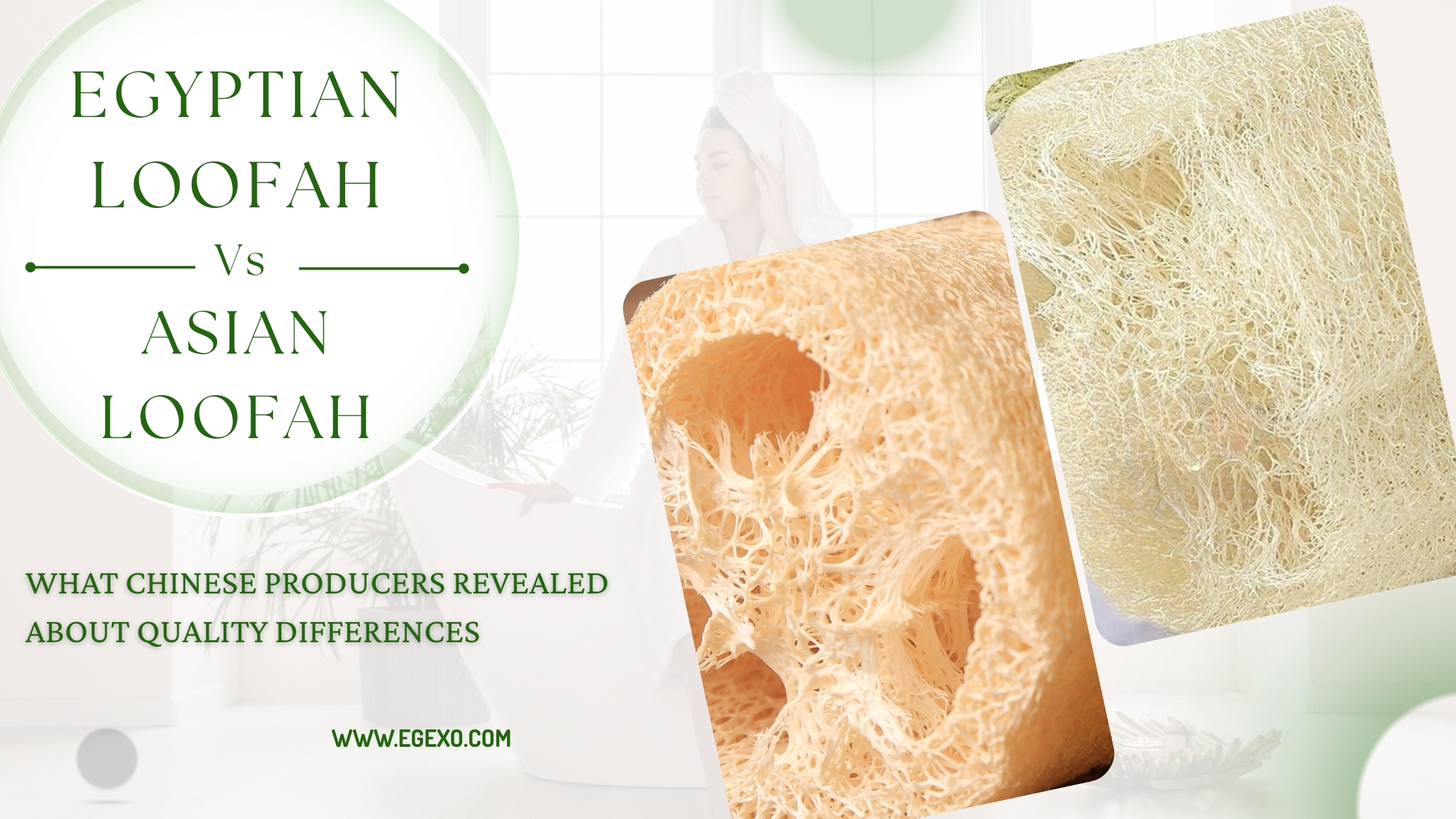
Egyptian loofah is soft and gentle from the first use, thanks to its naturally loose fiber weave. This is what wholesale buyers and skincare enthusiasts notice first.
The Egyptian loofah vs Asian loofah debate extends far beyond simple preference. It touches on agricultural heritage, manufacturing standards, fiber structure, and end-user experience. Whether you operate a spa chain sourcing thousands of units annually or you simply want a gentle exfoliation for your morning routine, understanding these differences transforms how you evaluate loofah products.
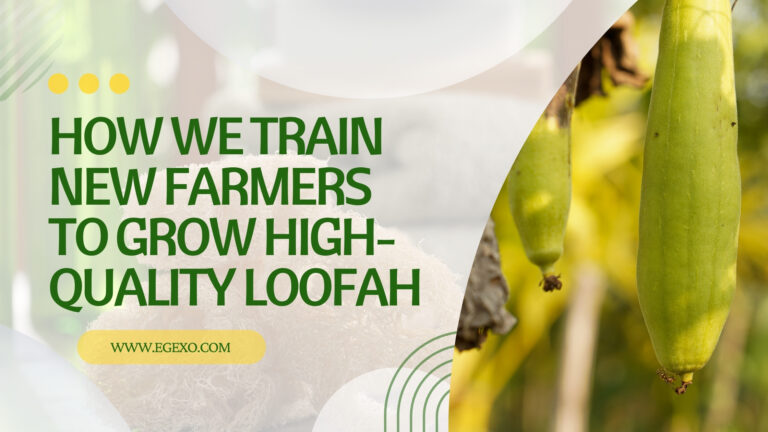
Egyptian luffa plants grow along the Nile in mineral-rich soil. Exporting since 2015, Egexo checks every order by hand for colour, holes, defects, size and dryness before packing.
This guide compares Egyptian and Asian loofah to help wholesale distributors make sourcing decisions and consumers select products they will enjoy using.
Understanding the Core Differences Between Egyptian and Asian Loofah
Egyptian luffa plants are grown in the Nile Delta, and Egyptian loofah is soft and gentle from the first use.
Fiber Structure
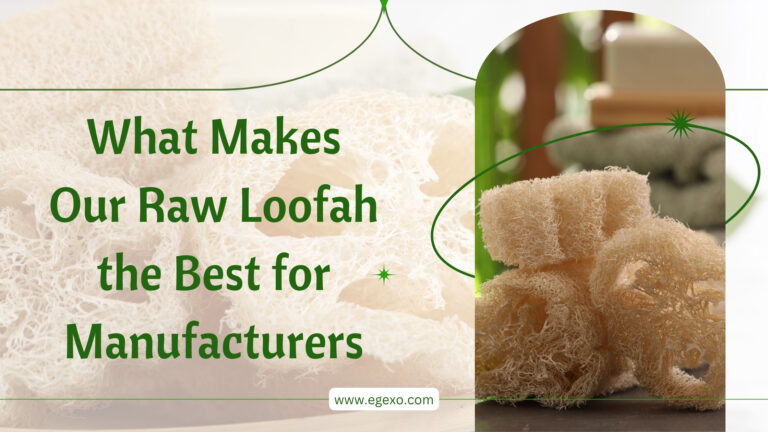
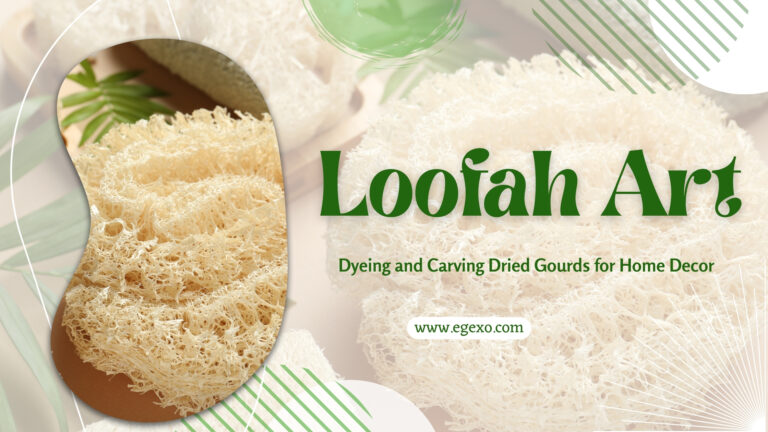
Egyptian loofah fibers grow in a loosely woven pattern with numerous small air pockets throughout the sponge matrix. This natural architecture creates immediate softness without requiring extensive break-in periods. The fiber arrangement allows water and soap to penetrate quickly, producing rich lather from the first use.
Egyptian loofah sponges from suppliers like Egexo are soft and gentle from the first use.
How Egexo Checks Quality
Egexo’s loofah quality standards are simple. Egexo does not sell by grade. Every order is checked by hand: a visual check for colour, holes and defects, a size check, and a dryness check before packing.
Buyers sourcing bath and body loofahs for retail or hospitality applications should request samples before committing to purchase orders.
Detailed Comparison for Wholesale Buyers and Consumers
Understanding Egyptian loofah vs Asian loofah requires examining multiple factors that affect both commercial viability and personal use satisfaction.
Wholesale buyers evaluating suppliers should request loofah samples to check quality before placing volume orders. Handling the samples shows quality differences that specification sheets cannot fully convey.
Application Suitability Guide
Different loofah types suit different applications. This guide helps match products to intended uses.
Egyptian Loofah Ideal Applications:
Gentle facial exfoliation, daily body cleansing, spa and wellness treatments, retail products, hotel amenity programs, skincare gift sets, and first-time loofah users.
The custom loofah product design services available from Egyptian suppliers allow businesses to develop products optimized for specific market segments and use cases.
The Agricultural Advantage of Egyptian Loofah Cultivation
Geography and climate shape loofah quality. Egyptian luffa grows along the Nile in rich alluvial soil.
Soil and Water Quality Impact
Egyptian loofah grows in soil enriched by millennia of Nile River deposits. These sediments contain balanced mineral compositions that nourish luffa plants throughout their growing cycle. The result is a loose, soft fiber that is gentle from the first use.
The farm to export process at Egyptian operations like Egexo ends with a hand check of every order for colour, holes, defects, size and dryness before packing. Egexo dries loofah by sun drying and machine drying.
Buyer Evaluation Checklist for Loofah Sourcing
Whether purchasing for business inventory or personal use, this checklist helps identify quality Egyptian loofah products.
| Evaluation Criteria | What to Look For | Red Flags to Avoid |
|---|---|---|
| Color | Natural golden tan | Dark spots or uneven colour |
| Texture | Soft and pliable when dry | Rigid or brittle |
| Fiber Pattern | Visible loose weave | Compressed or matted fibers |
| Scent | Mild, natural plant odor | Chemical or musty smell |
| Flexibility | Bends without cracking | Breaks or splinters |
| Weight | Light relative to size | Unusually heavy or dense |
| Origin Documentation | Clear Egyptian source | Vague or missing origin |
| Supplier Experience | Established export history | New or unverified operations |
Businesses conducting supplier evaluations should review the comprehensive Egexo product catalog for specification details and available product lines.
Practical Care Guide for Maximum Loofah Lifespan
Proper maintenance extends loofah usefulness regardless of origin.
Daily Care Routine
After each use, rinse the loofah thoroughly under clean running water to remove soap residue and skin cells. Squeeze gently rather than wringing, which can stress fibers. Hang in a well-ventilated area away from direct shower spray, allowing complete drying between uses.
Weekly Maintenance Steps
Once weekly, sanitize your loofah using one of these methods. Soak in diluted white vinegar solution for ten minutes, then rinse thoroughly. Alternatively, place a damp loofah in the microwave for thirty seconds to help reduce bacteria.
Replacement Timeline
Replace personal loofahs every three to four weeks for optimal hygiene. Even if a loofah still looks intact, bacterial buildup makes extended use inadvisable.
For pet and spa grooming applications, replacement frequency may vary based on usage intensity and cleaning protocols.
Business Opportunities with Egyptian Loofah Products
The wholesale Egyptian loofah market presents attractive opportunities for retailers, distributors, and hospitality operators. Understanding market dynamics helps businesses position for success.
Market Demand Indicators
Consumer interest in natural, sustainable personal care products keeps growing. Loofahs represent an accessible entry point for eco-conscious purchasing, replacing synthetic bath products with biodegradable alternatives. This trend also benefits Egyptian loofah.
Spas and wellness centers look for gentle exfoliation products, and soft Egyptian loofah is a good fit.
Pricing and Margin Factors
Your margin depends on your retail price, your order size and your shipping and import costs.
Contact Egexo for wholesale quotations to explore specific pricing for your business volume and requirements.
Supplier Selection Criteria
Choosing the right Egyptian loofah supplier affects product quality, delivery reliability, and business profitability. Why choose Egexo addresses common supplier evaluation questions with specific capability information.
Key factors for supplier assessment include a proven export record, verified certifications, buyer references, export documentation capabilities, minimum order flexibility, and responsive customer communication. Suppliers with their own farms and processing, like Egexo, can offer more dependable supply.
Environmental and Sustainability Considerations
Loofah represents one of the most sustainable personal care product choices available. Egyptian loofah farms do not require heavy pesticide or fertilizer.
Biodegradability Comparison
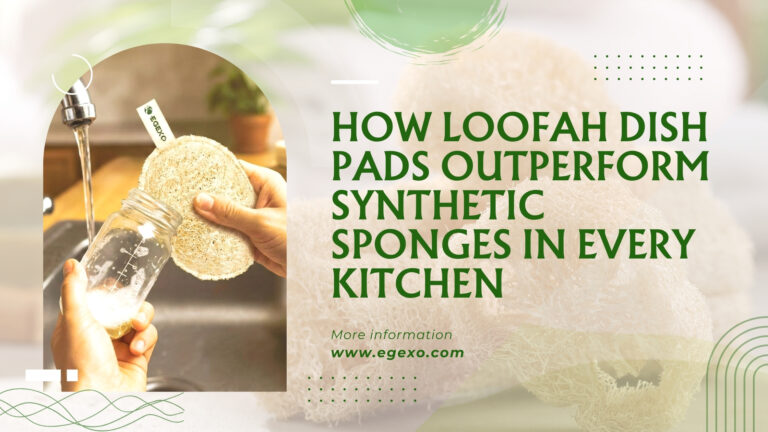
All natural loofah products are 100% biodegradable. This characteristic makes loofah vastly preferable to plastic mesh bath products that persist in landfills for centuries.
Standard Egexo loofah is not bleached; bleaching is done only on request.
Shipping
Egexo ships Egyptian loofah by sea, air or express to markets including the USA, Europe, Canada, Australia and the Gulf.
The product range includes products suitable for retailers emphasizing sustainability credentials and eco-friendly sourcing.
FAQ Section
Q1: Is Egyptian loofah better for sensitive skin than Asian loofah?
A: Egyptian loofah is soft and gentle from the first use because of its naturally soft, loosely woven fiber structure, so it suits people who want gentle exfoliation. On sensitive skin, use light pressure.
Q2: What minimum order quantities apply for wholesale Egyptian loofah purchases?
A: Minimum order quantities for wholesale Egyptian loofah vary by supplier and product type. Egexo has no minimum order on standard products, and private label starts from 1,000 units. Orders range from sample quantities for quality evaluation up through container-load volumes for major distributors. Contact the supplier directly for specific information tailored to your business requirements.
Q3: How often should I replace an Egyptian loofah?
A: Replace personal loofahs every three to four weeks for hygiene, whatever their origin. Egyptian loofah is soft and gentle from the first use, so it does not need a break-in period.
Q4: Is Egyptian loofah a good choice for spas?
A: Egyptian loofah is soft and gentle from the first use, which makes it a comfortable choice for spa treatments. Private label is available from 1,000 units.
Q5: Can I use Egyptian loofah on my face?
A: Egyptian loofah is suitable for facial use when applied with gentle pressure. The soft fiber structure gives gentle exfoliation for removing dead skin cells. Start with light pressure and circular motions, allowing the loofah to do the work. A common routine is facial exfoliation two to three times weekly.
Q6: What certifications should wholesale buyers verify for Egyptian loofah suppliers?
A: Wholesale buyers should verify export licensing, agricultural origin documentation, and the supplier’s certified management systems, such as ISO 9001 for quality and ISO 14001 for the environment. Established Egyptian suppliers like Egexo can supply a Certificate of Origin and a phytosanitary certificate. Request certification copies during supplier evaluation and verify authenticity through issuing organizations when possible.
Q7: How do I store bulk loofah inventory properly?
A: Store bulk loofah inventory in cool, dry conditions away from direct sunlight and moisture sources. Maintain consistent temperature and humidity levels to prevent mold growth or fiber degradation. Keep products in original packaging until distribution to protect from dust and handling damage. Proper storage preserves loofah quality, and rotating inventory on first-in-first-out basis ensures customers receive freshest products.
Q8: What makes Egexo different from other Egyptian loofah suppliers?
A: Exporting since 2015, Egexo has its own farms and partner farms in the Nile Delta and its own factory. Every order is checked by hand for colour, holes, defects, size and dryness before packing. Additional services include private labeling from 1,000 units and custom product design, with no minimum order on standard products. Egexo exports to more than 40 countries.
Insight from Egexo
Exporting Egyptian loofah since 2015, we have seen how fiber quality depends on growing conditions and processing care. Egyptian loofah has a loose weave that is soft and gentle from the first use. Every order is checked by hand for colour, holes, defects, size and dryness before packing. Quality you can feel from the first touch builds lasting business relationships.
Conclusion
The Egyptian loofah vs Asian loofah comparison shows why softness from the first use matters for both commercial buyers and individual consumers.
Egyptian loofah delivers gentle exfoliation from the first use. The loose fiber weave creates comfortable skin contact and effective cleansing.
For wholesale buyers, Egyptian loofah is a soft, gentle natural product that is easy to position. For consumers, Egyptian loofah provides a gentle exfoliation experience for daily routines.
Key Takeaways:
- Egyptian loofah is soft and gentle from the first use
- Egyptian loofah is a comfortable choice for spa and skin care use
- Proper care extends loofah usefulness while regular replacement maintains hygiene
Ready to experience Egyptian loofah quality?
- For Wholesale Buyers: Request a quote or download our catalog
- For Individual Orders: Browse our collection or request samples