

Washcloth vs Loofah: The Complete 2025 Comparison Guide for Retailers and Wholesale Buyers
Understanding the Washcloth vs Loofah Debate in the Growing Natural Bath Products Market
The washcloth vs loofah question has become increasingly relevant as consumer preferences shift dramatically toward natural, sustainable bath and body products. The global bath and shower products market reached 71.4 billion dollars in 2024 and is projected to grow at 5.8% annually through 2030, with natural and eco-friendly alternatives capturing the fastest-growing segments. For retailers, distributors, and wholesale buyers, understanding the fundamental differences between washcloths and loofahs is essential for making strategic product selection decisions that align with consumer demand and maximize profit margins.
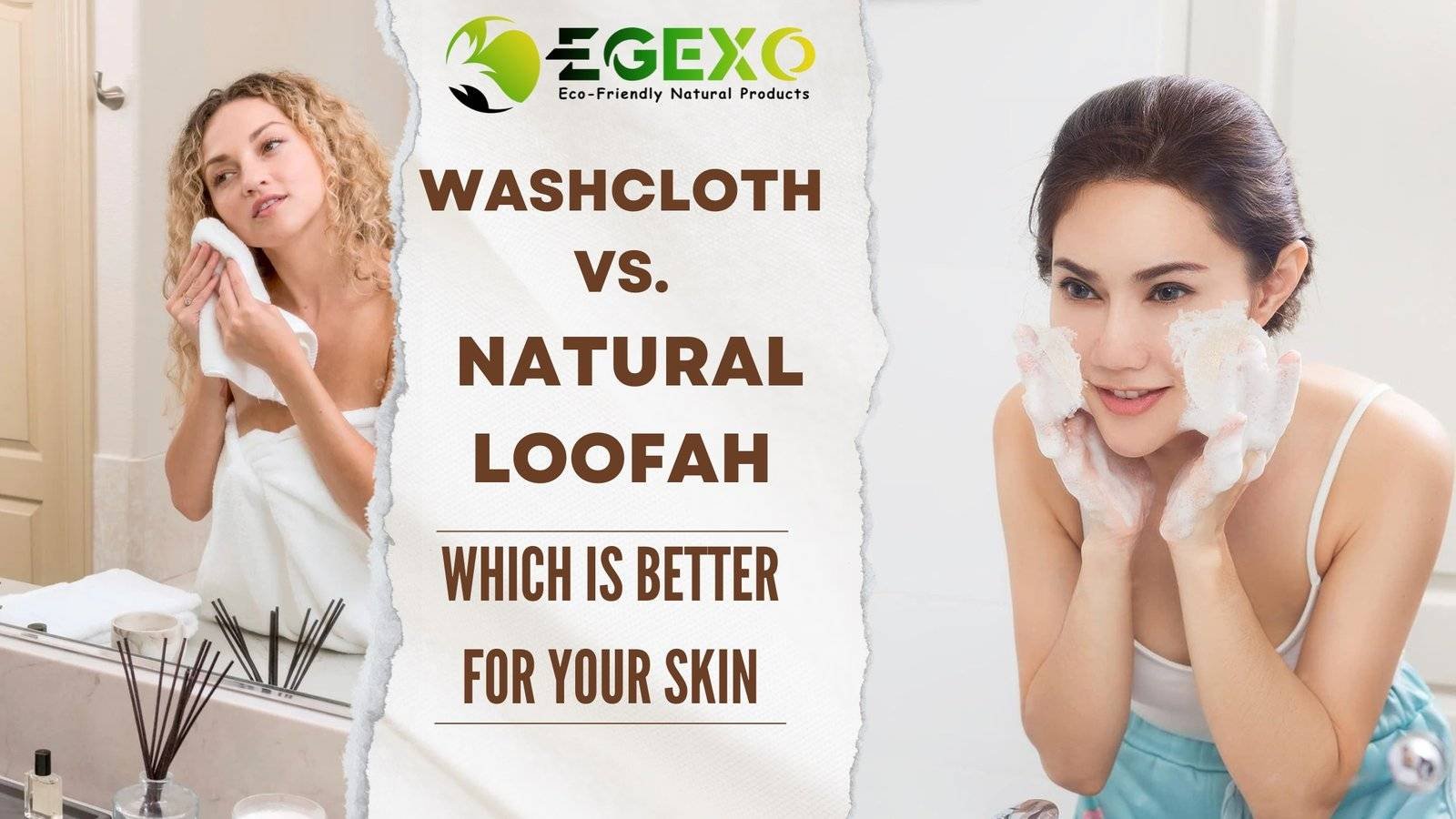
When comparing washcloth vs loofah, you are essentially evaluating two distinct approaches to skin cleansing and exfoliation. Washcloths represent traditional textile-based cleansing tools typically made from cotton, microfiber, or synthetic fabrics. Loofahs, particularly natural loofahs derived from the Luffa aegyptiaca plant, offer botanical exfoliation with inherent sustainability advantages that resonate powerfully with today’s environmentally conscious consumers.
This comprehensive guide examines the washcloth vs loofah comparison from multiple perspectives including effectiveness for different skin types, hygiene and maintenance requirements, environmental impact and sustainability, cost analysis for wholesale buyers, market demand and consumer preferences, and retail positioning strategies. Whether you operate beauty supply stores, spa and wellness retailers, e-commerce platforms, or distribute bath products to hospitality markets, this detailed analysis provides the insights needed to make informed purchasing decisions and build profitable natural product offerings.
For B2B buyers specifically, the washcloth vs loofah decision extends beyond simple product characteristics to encompass supply chain considerations, margin potential, competitive differentiation, and alignment with accelerating consumer trends toward natural ingredients and zero-waste lifestyles. Natural loofah, particularly premium Egyptian varieties, offers compelling advantages that position forward-thinking retailers and distributors to capitalize on high-growth market segments while delivering genuine value to end consumers.
Washcloth vs Loofah: Complete Feature Comparison Table
The following comprehensive comparison table evaluates washcloth vs loofah across 15 critical factors including effectiveness, hygiene, sustainability, cost, and business considerations. This side-by-side analysis helps consumers choose the right cleansing tool and supports wholesale buyers in making strategic product selection decisions for retail offerings.
| Feature Category | Traditional Washcloth | Natural Loofah (Egyptian Quality) | Winner |
|---|---|---|---|
| Exfoliation Effectiveness | Minimal to none – smooth fabric provides cleansing only without dead skin removal | Excellent – fibrous structure removes 30-40% more dead skin cells with regular use | LOOFAH |
| Skin Health Benefits | Basic cleansing only with no circulation improvement or pore unclogging | Superior – removes dead cells, unclogs pores, stimulates circulation, improves texture | LOOFAH |
| Best For Skin Types | Very sensitive skin, reactive conditions, those preferring soft texture | Normal, oily, combination, dry, and moderately sensitive skin with proper technique | LOOFAH |
| Hygiene Properties | Retains moisture creating bacterial growth environment – requires daily washing | Quick-drying open structure resists bacteria naturally – 60% fewer bacteria when maintained | LOOFAH |
| Maintenance Requirements | Machine wash after every 1-3 uses, hot water cycle, complete drying needed | Rinse thoroughly after use, squeeze excess water, air dry, weekly sanitization | LOOFAH |
| Product Lifespan | 3-6 months with care, though hygiene experts recommend 2-4 week replacement | 4-8 weeks depending on frequency, with proper maintenance extending durability | TIE |
| Environmental Impact | High – water-intensive cotton cultivation (2,700 liters/kg), pesticides, microplastic shedding from synthetics, landfill waste | Minimal – renewable cultivation, zero pesticides, completely biodegradable in 30-60 days, zero plastic | LOOFAH |
| Sustainability Score | Low to moderate – synthetic materials persist decades, cotton requires intensive resources | Excellent – 75-85% lower carbon footprint, 60-70% less water consumption, compostable | LOOFAH |
| Material Composition | Cotton, microfiber, bamboo fabric, or synthetic textiles requiring processing | 100% natural plant fibers from Luffa aegyptiaca gourd – no chemicals or additives | LOOFAH |
| Retail Price Range | 2-8 dollars for basic, 6-15 dollars for premium organic varieties | 3-12 dollars for standard, 8-25 dollars for premium Egyptian quality or sets | WASHCLOTH (lower entry) |
| Wholesale Cost | 0.75-4.00 dollars per unit with moderate availability and quality variation | 0.40-2.50 dollars per unit from direct manufacturers like EGEXO with consistent quality | LOOFAH (better economics) |
| Retail Margin Potential | 150-300% typical margins – commodity positioning limits premium pricing | 200-500% achievable margins – natural product differentiation supports premium positioning | LOOFAH |
| Market Demand Trend | Stable to declining – consumers shifting toward natural sustainable alternatives | Growing rapidly – 5.8% annual growth in natural bath products, accelerating eco-demand | LOOFAH |
| Product Differentiation | Difficult – commodity item with limited unique positioning opportunities | Strong – natural origin, sustainability story, premium varieties create clear differentiation | LOOFAH |
| Ease of Use | Very easy – familiar to all users, no learning curve or preparation needed | Easy with brief education – requires hydration before use and gentle technique guidance | WASHCLOTH |
| Recurring Revenue Potential | Low – long replacement cycles and commodity nature limit repeat purchase value | High – 4-8 week replacement creates consistent recurring purchases every 1-2 months | LOOFAH |
| Private Label Opportunity | Limited – commodity nature makes branding challenging with low differentiation | Excellent – natural product appeals to branding with custom packaging and sizing options | LOOFAH |
| Target Customer Alignment | Budget-conscious, tradition-focused, extremely sensitive skin, hospitality bulk needs | Eco-conscious, health-focused, quality-seeking, sustainability-driven, premium wellness markets | LOOFAH |
| Overall Recommendation | Suitable for extremely sensitive skin or users preferring familiar soft texture | Superior choice for most consumers and wholesale buyers – better effectiveness, hygiene, sustainability, and business potential | LOOFAH |
Washcloth vs Loofah: Comprehensive Product Comparison
Understanding Washcloths: Traditional Cleansing Tools
Washcloths have served as standard bathroom cleansing tools for generations, offering familiar functionality and widespread availability. These square textile pieces, typically measuring 12 to 13 inches, come in various fabric compositions designed for different cleansing applications.
Common Washcloth Materials:
Cotton washcloths remain the most popular variety, offering natural fiber softness, good absorbency, and comfortable skin feel. However, cotton cultivation has significant environmental impacts including high water consumption, extensive pesticide use in conventional farming, and energy-intensive processing. Microfiber washcloths provide enhanced cleaning power through synthetic fibers that trap dirt and oils effectively, but they shed microplastics during washing that enter waterways and accumulate in ecosystems. Bamboo washcloths appeal to eco-conscious consumers through renewable resource sourcing and natural antimicrobial properties, though processing bamboo into fabric often requires chemical-intensive methods. Terry cloth washcloths feature looped pile construction that increases surface area and absorbency, making them effective for thorough cleansing.
Washcloth Advantages:
The primary benefits of washcloths include widespread availability at multiple price points, familiar user experience requiring no education, machine washable convenience for easy maintenance, soft texture generally suitable for sensitive skin, versatility for various cleansing applications, and long-term durability with proper care allowing months or years of use.
Washcloth Limitations:
Despite their familiarity, washcloths present several significant drawbacks. Limited exfoliation capacity means they primarily cleanse without effectively removing dead skin cells or promoting circulation. Moisture retention creates bacterial growth environments when washcloths remain damp between uses, potentially causing skin irritation or hygiene problems. Frequent laundering requirements increase water and energy consumption while consuming time and resources. Synthetic varieties shed microplastics contributing to environmental pollution. The commodity nature of washcloths makes differentiation and premium positioning challenging in retail contexts.
Understanding Natural Loofah: Botanical Exfoliating Sponges
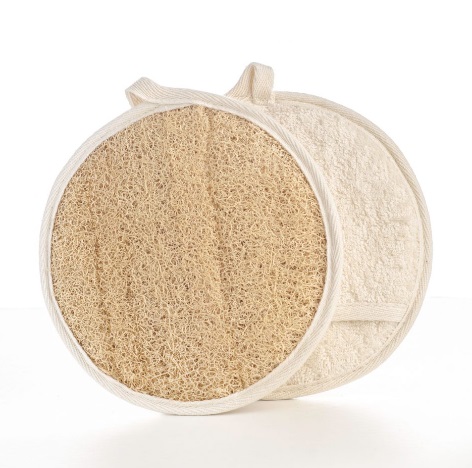
Natural loofah represents an entirely different approach to bath cleansing, leveraging the unique cellular structure of the mature Luffa aegyptiaca gourd to deliver superior exfoliation with complete biodegradability. When comparing washcloth vs loofah, understanding loofah’s botanical origins and inherent properties clarifies why this natural alternative increasingly captures consumer preference and retail interest.
Natural Loofah Composition and Structure:
Natural loofah develops from the fibrous vascular system of mature luffa gourds cultivated specifically for bath and cleaning applications. As the gourd matures, the internal structure develops into an intricate network of cellulose fibers creating thousands of gentle scrubbing surfaces. After harvest, the outer skin removal and seed cleaning process reveals the characteristic fibrous sponge structure. This unique cellular architecture provides several functional advantages including naturally textured surface delivering mechanical exfoliation, open pore structure that generates rich lather with minimal soap, quick drying characteristics that resist bacterial colonization, complete biodegradability returning nutrients to soil, and durability lasting 4-8 weeks with proper care.
Premium Egyptian Loofah Quality:
Egyptian loofah from the Nile Delta region represents the global quality standard, with optimal growing conditions producing superior characteristics. The combination of mineral-rich alluvial soil, ideal climate with proper sunlight and warmth balance, traditional cultivation expertise spanning generations, and careful processing maintaining fiber integrity creates loofah with finer, more consistent texture, enhanced durability, superior softness when hydrated, and reliable quality across production batches. Professional buyers sourcing for premium markets should specify Egyptian origin to ensure quality consistency and customer satisfaction.
Natural Loofah Advantages:
The benefits of natural loofah extend across multiple dimensions relevant to wholesale buyers. Superior exfoliation effectively removes dead skin cells, unclogs pores, and promotes healthy circulation. The sustainability profile appeals to growing eco-conscious demographics with complete biodegradability, renewable resource cultivation, zero plastic content, and minimal processing requirements. Hygiene properties include quick drying that inhibits bacterial growth and natural antimicrobial characteristics of plant fibers. Premium positioning potential enables higher margins through natural product appeal and differentiated offerings. Market trend alignment positions loofah within accelerating demand for clean beauty and zero-waste products.
Natural Loofah Considerations:
While natural loofah offers substantial advantages in the washcloth vs loofah comparison, balanced assessment requires acknowledging considerations. Initial texture may feel rough for users accustomed to soft washcloths, requiring brief adaptation and proper hydration technique. Price points typically exceed basic washcloths, though this reflects genuine value and supports premium positioning. Replacement frequency of 4-8 weeks creates recurring purchase opportunities beneficial for retailers but requiring customer education. Availability varies significantly by supplier quality and sourcing practices, making manufacturer selection critical.
Washcloth vs Loofah: Detailed Feature Comparison
Exfoliation Effectiveness: Clear Performance Differences
When evaluating washcloth vs loofah for exfoliation capacity, natural loofah demonstrates clear superiority. The fibrous structure of loofah provides mechanical exfoliation that effectively removes accumulated dead skin cells, a process called desquamation that naturally occurs but often proceeds incompletely without proper tools. Studies examining skin texture improvement show regular exfoliation using natural tools like loofah can reduce rough texture by 30-40% over 4-6 week periods while improving skin appearance and tactile smoothness.
Washcloths, regardless of fabric composition, provide minimal exfoliating action. Their smooth or slightly textured surfaces primarily cleanse without significantly removing the keratinized cells that accumulate on skin surfaces. Users seeking genuine exfoliation benefits must choose loofah or other specialized tools, making this a key differentiator in the washcloth vs loofah comparison.
Exfoliation Benefits:
Regular exfoliation using natural loofah delivers multiple skin health improvements including removal of dull, dead surface cells revealing fresher skin, prevention of clogged pores that can lead to blemishes, improvement in skin texture and smoothness, enhancement of circulation through stimulating massage action, and better absorption of moisturizers and treatments applied to properly exfoliated skin.
Skin Type Suitability: Matching Tools to Consumer Needs
The washcloth vs loofah decision varies based on individual skin characteristics and sensitivities, creating opportunities for retailers to offer targeted product recommendations.
Normal to Oily Skin:
Natural loofah excels for normal to oily skin types that benefit from regular exfoliation to manage excess sebum, prevent congestion, and maintain fresh appearance. The cleansing and exfoliating action helps control oiliness while the massage stimulation supports healthy skin function. This represents the largest consumer segment, making loofah the preferred choice for mainstream markets.
Sensitive Skin:
Individuals with highly sensitive skin, conditions like eczema or rosacea, or reactive tendencies may initially prefer soft washcloths. However, many people with moderately sensitive skin successfully use loofah by following proper technique including thorough hydration before use, gentle pressure application, reduced frequency, and premium Egyptian varieties offering finest texture. Educating customers about gentle usage techniques expands loofah appeal to broader markets.
Dry Skin:
Dry skin benefits from the circulation-boosting effects of loofah exfoliation, which enhances absorption of moisturizing products applied afterward. The key lies in avoiding over-exfoliation and maintaining appropriate frequency. When comparing washcloth vs loofah for dry skin, loofah used 2-3 times weekly with rich moisturizer application afterward often produces better results than daily washcloth use alone.
Mature Skin:
Mature skin requires gentle exfoliation to remove accumulated cells without causing irritation or damage. Premium soft Egyptian loofah used with light pressure provides ideal balance for mature skin needs, supporting cell turnover and product absorption while remaining gentle enough for more delicate tissue.
Hygiene and Bacterial Concerns: Critical Health Considerations
Hygiene represents a major factor in the washcloth vs loofah comparison, particularly for health-conscious consumers and professional settings like spas and hotels.
Bacterial Growth Patterns:
Both washcloths and loofahs can harbor bacteria if not properly maintained, but their different characteristics create distinct hygiene profiles. Washcloths retain substantial moisture in their dense fabric structure, creating environments conducive to bacterial proliferation. Research examining bathroom textiles shows washcloths can harbor millions of bacteria within 24-48 hours of use if left damp in humid bathroom environments.
Natural loofah’s open cellular structure allows rapid air circulation and quick drying, significantly reducing bacterial colonization opportunities. When properly maintained by rinsing thoroughly after use and hanging in well-ventilated locations, loofah resists bacterial growth more effectively than washcloths. Studies comparing cleansing tools show properly maintained natural loofah contains substantially fewer bacteria than washcloths used under similar conditions.
Proper Maintenance Protocols:
For washcloths, hygiene maintenance requires machine washing in hot water after every use or every few uses maximum, complete drying before storage, regular replacement every 2-4 weeks, and separate storage away from toilet areas to prevent contamination.
For natural loofah, proper care includes thorough rinsing under running water after each use, firm squeezing to expel excess water, hanging in well-ventilated areas for air drying, weekly deep cleaning by soaking in vinegar solution or brief boiling, and replacement every 4-8 weeks depending on usage frequency.
Hygiene Advantage:
In the washcloth vs loofah hygiene comparison, natural loofah offers advantages through quick-drying properties, natural antimicrobial characteristics of plant fibers, and ease of sanitization through boiling or vinegar treatment. These properties make loofah particularly attractive for professional settings and health-conscious consumers prioritizing cleanliness.
Environmental Impact: Sustainability as Competitive Advantage
Environmental considerations increasingly drive purchasing decisions across demographics, making sustainability a critical factor in the washcloth vs loofah comparison and a powerful competitive advantage for natural products.
Washcloth Environmental Footprint:
Conventional cotton washcloths carry significant environmental impacts including intensive water consumption exceeding 2,700 liters per kilogram of cotton fiber, widespread pesticide and insecticide application in non-organic cultivation, energy-intensive manufacturing processes, microplastic shedding from synthetic varieties polluting waterways, and end-of-life landfill accumulation with decades-to-centuries degradation times for synthetic fabrics.
Even organic cotton or bamboo washcloths require substantial water and energy for repeated laundering throughout their useful lives, adding to cumulative environmental impact. The frequent washing necessary for hygiene maintenance increases resource consumption and environmental footprint.
Natural Loofah Sustainability Profile:
Natural loofah represents one of the most environmentally friendly bath products available. The sustainability advantages include renewable agricultural cultivation from annual plant crops, minimal water requirements compared to conventional cotton, zero pesticide use in traditional cultivation methods, simple processing requiring minimal energy input, complete biodegradability returning nutrients to soil within 30-60 days, and zero plastic or synthetic content throughout product lifecycle.
For Egyptian loofah specifically, traditional Nile Delta cultivation practices utilize time-tested sustainable methods, natural flood irrigation systems, minimal external inputs, and processing techniques unchanged for generations. This traditional agricultural approach creates products with minimal ecological footprint while supporting rural farming communities.
Marketing Advantage:
In the washcloth vs loofah environmental comparison, natural loofah’s clear sustainability advantages provide powerful marketing messages that resonate with the 73% of millennials and 68% of Gen Z consumers willing to pay premium prices for sustainable products. Retailers emphasizing loofah’s environmental benefits access high-value market segments and differentiate offerings in competitive markets.
Cost Analysis: Understanding Total Value for Wholesale Buyers
Price represents an important consideration in washcloth vs loofah decisions, but comprehensive analysis must examine total value rather than simple acquisition cost.
Consumer Price Points:
Retail washcloth prices typically range from 2-8 dollars for basic cotton varieties, 6-15 dollars for premium organic or specialty fabrics, with lifespan extending several months with proper care and multiple washings required weekly.
Natural loofah retail prices generally range from 3-12 dollars for individual sponges, 8-25 dollars for premium Egyptian varieties or sets, with typical lifespan of 4-8 weeks depending on usage frequency and care.
Wholesale Economics:
For B2B buyers, the economic analysis differs substantially. Working directly with manufacturers like EGEXO, wholesale loofah costs range from 0.40-2.50 dollars per unit depending on quality grade, processing level, and order volume. These favorable wholesale economics support retail margins of 200-500% while maintaining competitive customer pricing.
Washcloth wholesale costs typically range from 0.75-4.00 dollars per unit with lower margin potential of 150-300% due to commodity market dynamics and intense price competition.
Margin Optimization:
Natural loofah’s premium positioning, differentiation potential, and sustainability appeal enable higher achievable margins while delivering genuine value to customers. The washcloth vs loofah wholesale economics clearly favor loofah for retailers seeking profitable natural product lines with strong growth potential.
Market Trends Driving Natural Loofah Demand in 2025
Clean Beauty Movement Accelerates
The clean beauty revolution has expanded beyond skincare and cosmetics into bath and body categories, fundamentally reshaping consumer preferences and purchase criteria. This trend creates powerful opportunities for natural loofah products positioned as chemical-free alternatives to synthetic bath tools.
Consumer research shows 67% now read ingredient lists before purchasing bath products, up from 48% three years ago. This heightened scrutiny extends to bath accessories, with consumers questioning synthetic materials, chemical treatments, and production processes. Natural loofah’s simple botanical origin and zero-chemical composition align perfectly with clean beauty principles.
Zero-Waste Lifestyle Adoption Growing
Plastic-free and zero-waste living have moved from niche enthusiast communities to mainstream consumer consideration. The visible environmental crisis of plastic pollution drives consumers to eliminate unnecessary plastic from daily routines, making bath accessories a natural target for sustainable substitution.
Natural loofah represents an ideal zero-waste product through complete biodegradability, plastic-free packaging options, compostable end-of-life disposal, and renewable resource sourcing. Retailers emphasizing zero-waste positioning capture engaged consumers willing to pay premiums for genuine environmental alternatives.
Natural Exfoliation Awareness Increasing
Professional dermatologists and skincare experts increasingly recommend regular gentle exfoliation as essential for skin health. This professional endorsement of exfoliation benefits creates consumer demand for effective natural tools, positioning loofah advantageously in the washcloth vs loofah comparison.
Educational content from healthcare professionals validates natural exfoliation and establishes loofah as a legitimate skincare tool rather than merely a bath accessory. This elevation in positioning supports premium pricing and expands market opportunity.
Strategic Wholesale Considerations: Building Profitable Loofah Product Lines
Supplier Selection Criteria
Success in natural loofah retail requires partnering with quality suppliers who ensure consistent product standards, reliable delivery, and comprehensive support. Critical supplier evaluation factors include verified cultivation source and processing transparency, quality grading systems with clear specifications, ISO certification and export documentation, flexible ordering with reasonable minimums, customization capabilities including private labeling, responsive customer service and technical support, and established track record with verifiable references.
EGEXO’s 10 years of Egyptian loofah expertise provides the foundation for successful wholesale partnerships, combining premium Nile Delta cultivation with ISO-certified quality management and comprehensive B2B services.
Product Range Development
Successful natural product retailers typically offer loofah across multiple categories addressing different consumer needs and price points including bath and body varieties in various sizes and shapes, kitchen and household cleaning loofahs for eco-friendly home care, raw natural scrubbers for DIY and craft markets, and pet grooming and spa loofahs for specialty applications.
This comprehensive range enables cross-selling, accommodates diverse customer needs, and positions retailers as natural product authorities rather than single-item sellers.
Private Label Opportunities
Private label capabilities enable brand differentiation and margin enhancement. Working with manufacturers offering comprehensive customization including branded packaging design, custom size and shape specifications, quality grade selection, and specialized processing creates exclusive products that build brand equity and customer loyalty while improving economics.
Marketing and Positioning Strategies
Effective marketing communicates loofah advantages clearly while addressing potential customer concerns. Successful approaches include educational content explaining exfoliation benefits and proper usage, sustainability messaging emphasizing environmental advantages, comparison content like comprehensive washcloth vs loofah guides, visual demonstrations showing product preparation and application, customer testimonials validating benefits and dispelling concerns, and professional endorsements from dermatologists or skincare experts.
Point-of-sale materials educating customers about proper loofah care and usage techniques reduce return rates while increasing satisfaction and repeat purchases.
Frequently Asked Questions: Washcloth vs Loofah
Is loofah really better than washcloth for skin health?
For most individuals seeking effective exfoliation and improved skin texture, natural loofah is definitively better than washcloth. The fibrous structure of loofah provides genuine mechanical exfoliation that removes dead skin cells, unclogs pores, and stimulates circulation, benefits that washcloths cannot deliver due to their smooth fabric surfaces. Research examining exfoliation effectiveness shows natural loofah reduces rough skin texture by 30-40% over 4-6 weeks while improving overall appearance and feel. The key to maximizing loofah benefits while ensuring skin safety lies in proper usage technique including thorough hydration before use, gentle circular motions rather than aggressive scrubbing, appropriate frequency of 2-4 times weekly for most skin types, and premium quality selection like Egyptian loofah offering finest texture. Individuals with extremely sensitive skin conditions like severe eczema or rosacea may initially find washcloths more comfortable, but many people with moderate sensitivity successfully use soft loofah following proper technique. The circulation-stimulating massage action of loofah also delivers benefits beyond simple cleansing, supporting healthy skin function and enhancing absorption of beneficial products applied afterward. When comparing washcloth vs loofah for comprehensive skin health, natural loofah’s exfoliation capacity, circulation benefits, and hygiene properties make it the superior choice for the majority of consumers seeking to maintain healthy, vibrant skin through proper cleansing and exfoliation routines.
Which is more hygienic, washcloth or loofah?
When properly maintained, natural loofah is more hygienic than washcloth due to structural characteristics that resist bacterial growth. The open cellular structure of loofah allows rapid air circulation and quick drying, significantly reducing bacterial colonization opportunities compared to dense washcloth fabrics that retain moisture for extended periods. Scientific studies examining bathroom accessories show properly maintained natural loofah harbors substantially fewer bacteria than washcloths used under similar conditions. The critical factor determining hygiene for both options is proper maintenance protocol. For natural loofah, optimal hygiene practices include thorough rinsing under running water after each use to remove soap residue and debris, firm squeezing to expel excess water, hanging in well-ventilated location where air circulates freely around all surfaces, weekly deep cleaning through soaking in white vinegar solution or brief boiling to sanitize, and replacement every 4-8 weeks depending on usage frequency. Washcloths require machine washing in hot water after every use or maximum every few uses, complete drying before storage to prevent bacterial proliferation, storage in well-ventilated areas away from toilet contamination, and replacement every 2-4 weeks for optimal hygiene. The key advantage of loofah in the washcloth vs loofah hygiene comparison is the quick-drying property that naturally inhibits bacterial growth without requiring energy-intensive machine washing after every use. Additionally, natural plant fibers possess inherent antimicrobial characteristics that synthetic washcloth materials lack. For professional settings like spas, hotels, and salons, single-use loofah pieces offer the highest hygiene standard by eliminating cross-contamination risks entirely. Following proper care protocols, natural loofah provides excellent hygiene while requiring less energy and resources than washcloth maintenance.
What is the environmental difference between washcloth and loofah?
The environmental impact difference between washcloth and natural loofah is substantial, with loofah offering dramatically superior sustainability across the complete product lifecycle. Washcloths, even organic cotton varieties, carry significant ecological footprints including water-intensive cultivation requiring 2,700 liters per kilogram of cotton fiber, widespread pesticide use in conventional farming damaging ecosystems, energy-intensive manufacturing processes, microplastic pollution from synthetic varieties contaminating waterways, repeated laundering consuming water and energy throughout useful life, and end-of-life landfill accumulation with synthetic fabrics persisting for decades or centuries. Natural loofah represents one of the most environmentally friendly personal care products available through renewable agricultural cultivation from annual plant crops requiring replanting, minimal water requirements compared to cotton or synthetic production, zero pesticide use in traditional cultivation methods, simple processing requiring minimal energy with no chemical treatments, complete biodegradability returning nutrients to soil within 30-60 days, zero plastic content throughout entire product lifecycle, and compostable end-of-life disposal in home or municipal systems. Egyptian loofah specifically benefits from traditional Nile Delta cultivation practices utilizing natural flood irrigation, minimal external inputs, time-tested sustainable methods, and processing techniques unchanged for generations. Life cycle analysis comparing washcloth vs loofah environmental impact shows natural loofah produces approximately 75-85% lower carbon footprint and 60-70% reduced water consumption compared to conventional washcloths when accounting for complete product lifecycles including manufacturing, use phase, and disposal. For eco-conscious consumers and retailers emphasizing sustainability, natural loofah’s environmental advantages provide powerful differentiation and align with accelerating consumer demand for genuine zero-waste alternatives. The dramatic sustainability difference makes loofah the clear environmental winner in any comprehensive washcloth vs loofah comparison.
How long does loofah last compared to washcloth?
Typical lifespan differs between washcloth and natural loofah, with implications for consumer value and wholesale business models. Washcloths generally last 3-6 months with proper care including regular machine washing and complete drying, though some premium varieties may extend to 12 months. However, hygiene best practices recommend replacing washcloths every 2-4 weeks to prevent bacterial buildup, significantly reducing practical useful life. Natural loofah typically lasts 4-8 weeks with proper maintenance depending on usage frequency and care practices. Daily users may replace loofah every 4-5 weeks, while those using 2-3 times weekly often extend lifespan to 7-8 weeks. Proper care significantly extends loofah durability including thorough rinsing after each use, complete drying between uses, weekly sanitization through vinegar soaking or brief boiling, gentle use avoiding excessive pressure, and proper hydration before each application. Signs indicating replacement time for loofah include visible fiber breakdown or thinning, persistent odors despite cleaning, significant size reduction from original dimensions, or rough patches developing in previously smooth areas. For wholesale buyers and retailers, the shorter replacement cycle of loofah compared to washcloth creates recurring revenue opportunities through repeat purchases every 1-2 months. This consumable product model generates consistent customer traffic and revenue streams beneficial for retail operations. The key to customer satisfaction and retention lies in properly setting replacement expectations through packaging information, point-of-sale materials, and educational content explaining that 4-8 week lifespan reflects normal performance for natural products. When value is calculated on cost-per-use basis rather than simple acquisition price, natural loofah often delivers comparable or superior value to washcloth while providing better exfoliation benefits, hygiene properties, and environmental advantages. The washcloth vs loofah durability comparison ultimately favors loofah when considering total value including performance benefits and sustainability advantages rather than lifespan alone.
Can I use loofah on sensitive skin?
Many individuals with sensitive skin successfully use natural loofah by following proper technique and selecting appropriate quality grades, though extremely sensitive conditions may require extra caution. The key to safe loofah use for sensitive skin lies in several critical factors including premium quality selection with Egyptian loofah offering finest, most consistent texture ideal for delicate skin, thorough hydration by soaking loofah in warm water for 2-3 minutes before use to maximize softness, gentle application using light pressure with circular motions rather than aggressive scrubbing, reduced frequency starting with once weekly and gradually increasing based on skin response, careful monitoring for any redness, irritation, or discomfort indicating need for technique adjustment or frequency reduction, and proper maintenance ensuring hygiene that prevents irritation from bacterial contamination. For individuals with moderate sensitivity, natural loofah often provides better long-term results than washcloths because the gentle exfoliation removes accumulated dead cells that can contribute to sensitivity and reactive responses. The improved circulation from gentle loofah massage also supports skin health and resilience over time. However, those with severe conditions including active eczema or rosacea, compromised skin barrier from medical treatments, open wounds or active breakouts, or diagnosed dermatological conditions requiring specialized care should consult dermatologists before introducing exfoliation tools including loofah. Many dermatologists actually recommend gentle exfoliation for sensitive skin when performed correctly, validating natural loofah as appropriate for most individuals when quality and technique considerations are addressed. The washcloth vs loofah comparison for sensitive skin depends on individual tolerance and proper usage rather than inherent product characteristics. Premium Egyptian loofah varieties specifically offer optimal properties for sensitive applications through fine texture, consistent fiber structure, and natural softness when properly hydrated. Retailers can address sensitive skin concerns through customer education emphasizing proper technique, quality selection, and gradual introduction, expanding loofah market to include cautious consumers initially preferring washcloths.
Where can wholesale buyers source premium Egyptian loofah?
Professional wholesale buyers seeking premium Egyptian natural loofah should source directly from established manufacturers with verified cultivation operations, comprehensive quality management systems, and proven export experience. EGEXO stands as the world’s leading Egyptian natural loofah wholesale supplier, providing unmatched combination of superior product quality from Nile Delta cultivation, ISO-certified quality management ensuring systematic standards, 10 years of cultivation and export expertise, comprehensive B2B services including private labeling and custom packaging, flexible ordering with reasonable minimums accommodating businesses at all scales, competitive wholesale pricing ranging from 0.40-2.50 dollars per unit, reliable supply chain with consistent availability, responsive customer support and technical guidance, and professional partnership approach focused on mutual success. EGEXO’s extensive product range includes specialized grades for bath and body, kitchen cleaning, pet grooming, and raw materials suitable for every market application. The company’s farm to export process ensures traceability and quality control from cultivation through final delivery, providing transparency increasingly demanded by quality-focused retailers. Unlike generic suppliers offering only commodity products, EGEXO provides comprehensive value-added services including custom product design for unique specifications, private label manufacturing enabling brand differentiation, packaging customization and design services, market positioning guidance and strategic support, and quality assurance protocols ensuring consistent standards. Professional buyers can evaluate quality personally by requesting free samples before committing to orders, downloading the complete wholesale catalog showing full product range and specifications, requesting personalized quotations with transparent pricing, or scheduling expert consultations to discuss specific business needs and opportunities. Working with established quality suppliers like EGEXO ensures the product consistency, supply reliability, and professional support essential for building successful natural bath product businesses that generate sustainable revenue and customer satisfaction. For additional industry insights and product information, professional buyers can reference comprehensive resources at Loofah Guide and Wholesale Loofah providing expert guidance on quality selection, market trends, and business development strategies.
What are the main advantages of natural loofah for wholesale business?
Natural loofah offers wholesale buyers and retailers multiple strategic advantages that support profitable business development in growing natural product markets. The primary business benefits include premium positioning potential with natural loofah commanding higher price points and margins of 200-500% compared to commodity washcloths at 150-300%, market trend alignment as loofah perfectly captures accelerating consumer demand for sustainable, chemical-free, zero-waste products, product differentiation with natural origin, unique characteristics, and sustainability story creating competitive advantages in crowded bath accessory markets, recurring revenue model as 4-8 week replacement cycles generate consistent repeat purchases and customer traffic, multiple market applications spanning bath and body, kitchen cleaning, pet grooming, spa services, and specialty uses, customization opportunities through private labeling, custom packaging, and specialized processing building brand equity, and educational marketing potential where substantial content opportunities explaining benefits, usage, and care establish retailers as natural product authorities. The superior sustainability profile of natural loofah versus synthetic alternatives enables powerful environmental messaging that resonates with high-value demographics including 73% of millennials and 68% of Gen Z consumers willing to pay premiums for genuine eco-friendly products. Additionally, natural loofah’s chemical-free composition, biodegradable lifecycle, and renewable sourcing align with clean beauty principles driving purchase decisions across categories. For professional buyers evaluating washcloth vs loofah wholesale opportunities, the combination of market growth, margin potential, differentiation advantages, and consumer trend alignment makes natural Egyptian loofah a strategically superior choice for building successful bath and body product businesses. Working with quality suppliers like EGEXO providing premium products, comprehensive services, flexible terms, and expert support enables retailers and distributors to capitalize on loofah advantages while minimizing typical wholesale sourcing challenges including inconsistent quality, unreliable supply, minimum order pressures, and inadequate supplier support. The dramatic growth in natural product demand, combined with loofah’s inherent advantages and proper supplier partnerships, creates exceptional opportunities for forward-thinking wholesale buyers positioning for long-term success in the expanding sustainable lifestyle markets.
Key Takeaways: Washcloth vs Loofah Comparison
Natural Loofah Delivers Superior Exfoliation and Skin Health Benefits: The fibrous structure of natural loofah provides effective mechanical exfoliation removing dead skin cells, unclogging pores, and stimulating circulation that washcloths cannot match, making loofah the clear winner for consumers seeking genuine skin health improvements.
Environmental Sustainability Strongly Favors Natural Loofah: Natural loofah’s renewable cultivation, complete biodegradability, zero plastic content, and minimal processing create dramatically lower environmental impact compared to washcloths, positioning loofah advantageously with eco-conscious consumers driving market growth.
Hygiene Properties Support Natural Loofah with Proper Maintenance: The quick-drying cellular structure and natural antimicrobial characteristics of loofah provide hygiene advantages over moisture-retaining washcloths when proper care protocols are followed, addressing a key consumer concern.
Wholesale Economics and Market Trends Favor Loofah Business Development: Natural loofah’s premium positioning potential, higher margins, recurring revenue model, and perfect alignment with clean beauty and zero-waste trends create superior opportunities for wholesale buyers compared to commodity washcloth markets.
Premium Egyptian Quality Ensures Customer Satisfaction and Business Success: Sourcing superior Egyptian loofah from established suppliers like EGEXO with proven cultivation expertise, ISO certification, and comprehensive B2B services ensures the product consistency and support essential for profitable natural product businesses.
Make the Right Choice: Build Your Natural Bath Product Business with Premium Egyptian Loofah
The comprehensive washcloth vs loofah comparison demonstrates clear advantages for natural loofah across critical factors including skin health effectiveness, environmental sustainability, hygiene properties, and wholesale business potential. As consumer preferences accelerate toward natural, sustainable alternatives in bath and body categories, forward-thinking retailers and distributors who position themselves as natural product authorities capture high-value market segments and build profitable businesses aligned with powerful long-term trends.
Success in competitive natural product markets requires more than simply stocking trendy items. Sustainable growth demands strategic supplier partnerships ensuring consistent quality, reliable availability, and comprehensive support services that enable confident market development. Product quality directly impacts customer satisfaction, brand reputation, return rates, and long-term viability.
EGEXO combines 10 years of Egyptian loofah cultivation and export expertise with ISO-certified quality management, premium Nile Delta sourcing, comprehensive customization services, and professional B2B partnership approach focused on mutual success. Whether you operate beauty supply stores, manage e-commerce platforms, distribute spa and wellness products, or seek to launch innovative natural product lines, EGEXO delivers the quality, reliability, and expert guidance essential for building successful businesses.
Ready to capitalize on growing natural bath product demand with premium Egyptian loofah?
Request free wholesale samples today and personally evaluate the superior texture, effective exfoliation, quick-drying properties, and natural quality that distinguish premium Egyptian loofah from generic alternatives. Experience firsthand the product excellence that drives customer satisfaction and repeat purchases.
Download the complete EGEXO product catalog to explore the full range including bath and body varieties, kitchen and household options, pet grooming tools, and raw materials suitable for every market segment and application.
Get your personalized wholesale quotation with transparent pricing, flexible payment terms, competitive shipping rates, and expert product recommendations tailored to your specific business model, target customers, and growth objectives.
Schedule a strategic consultation to discuss your market opportunities, receive product selection guidance, develop pricing strategies, and create comprehensive implementation plans for building profitable natural bath product businesses.
Discover why quality-focused wholesale buyers worldwide choose EGEXO for Egyptian loofah sourcing, and learn how premium natural products, comprehensive services, and expert partnership support your success in the expanding sustainable lifestyle markets.
For additional professional resources and industry insights, explore Loofah Guide and Wholesale Loofah providing comprehensive information on product selection, market development, and business strategies.
The washcloth vs loofah decision is clear for retailers prioritizing customer satisfaction, environmental responsibility, and profitable growth. Natural Egyptian loofah from EGEXO represents the optimal choice for building successful businesses aligned with consumer values and market trends defining the future of bath and body products.